
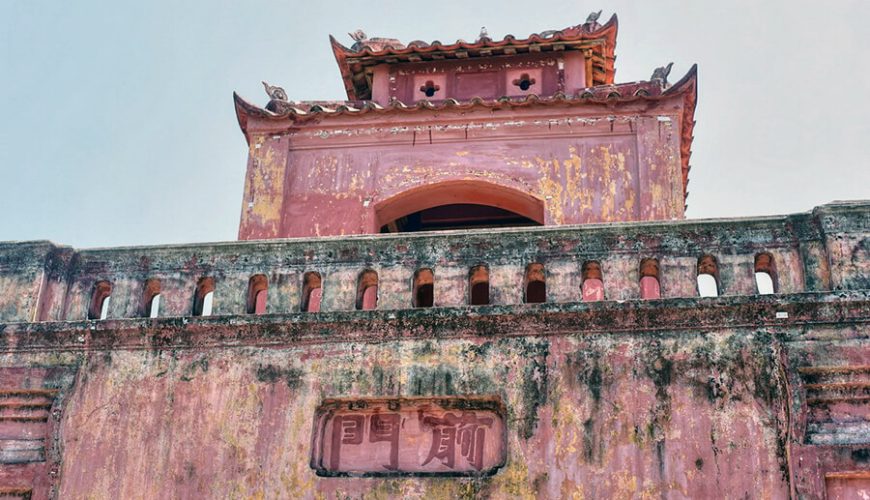
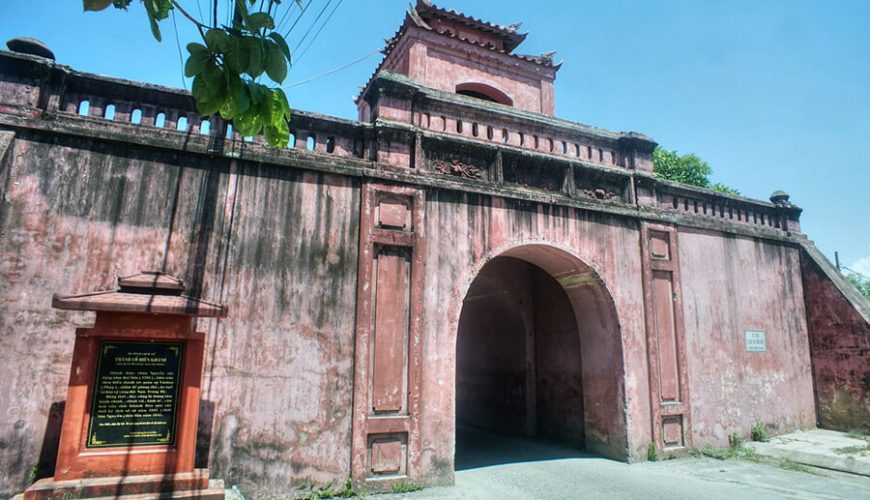
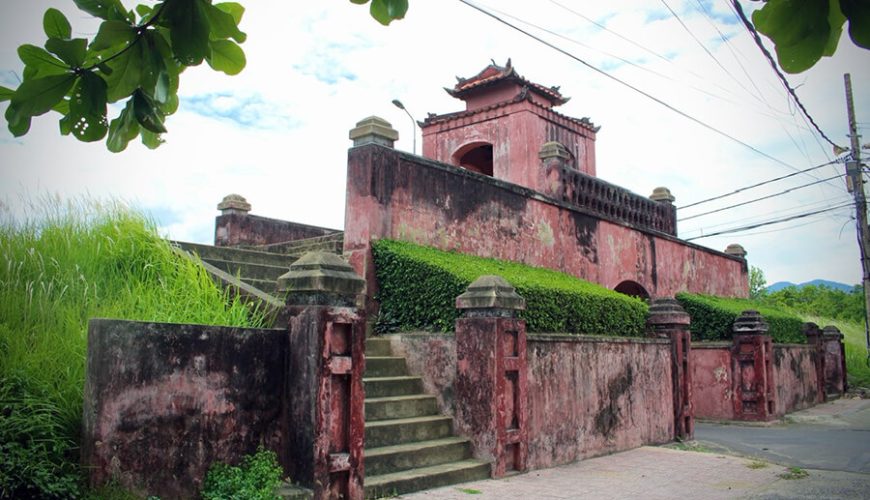
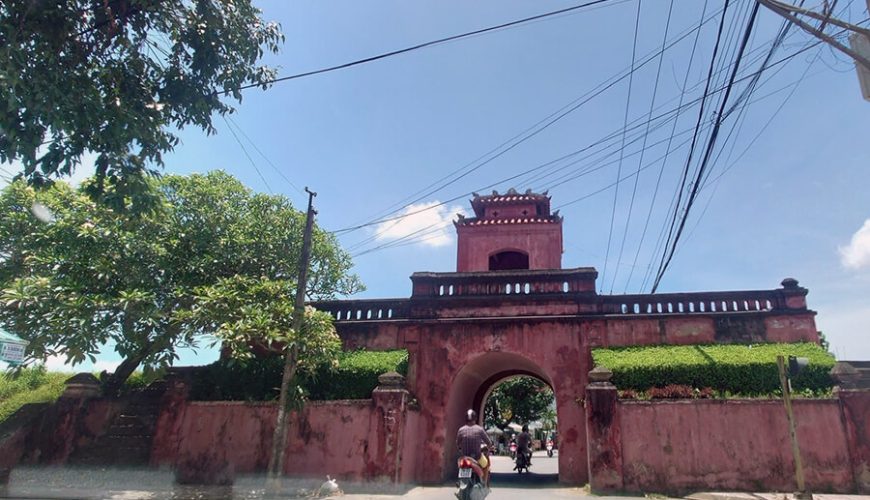
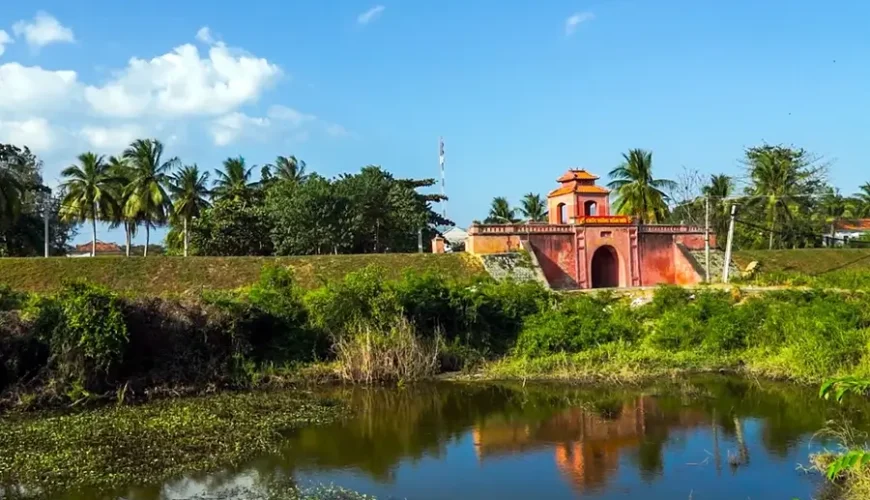
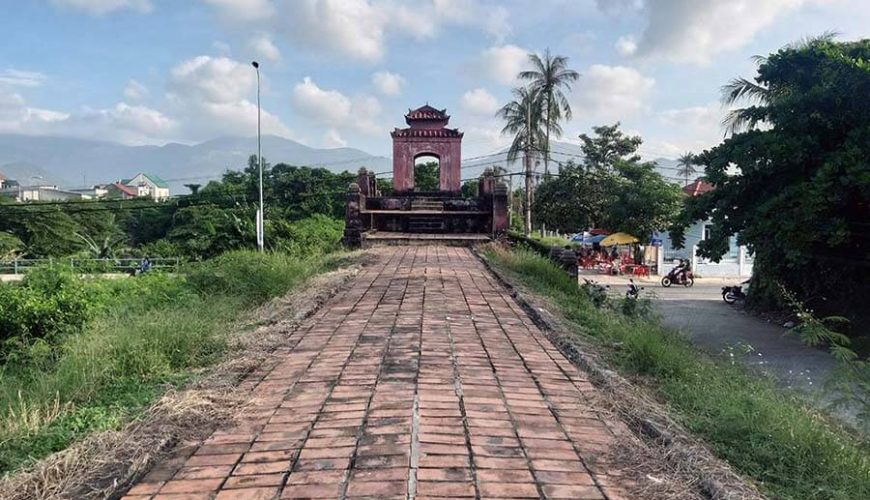
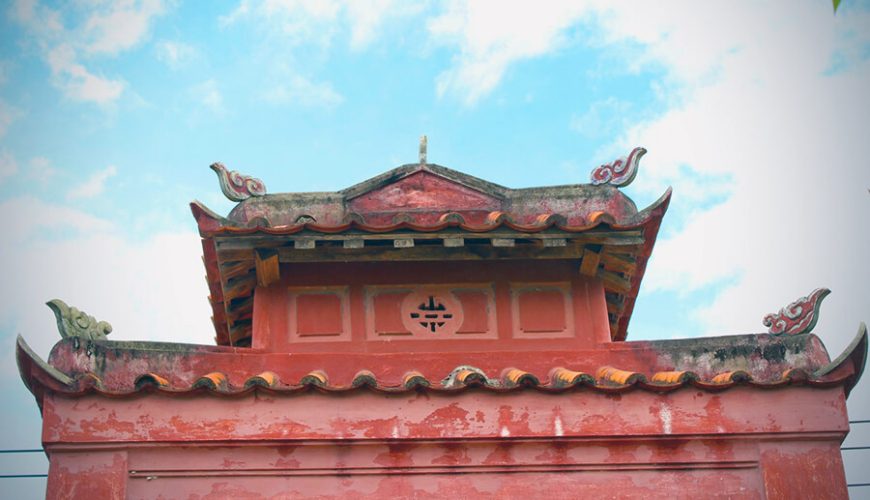
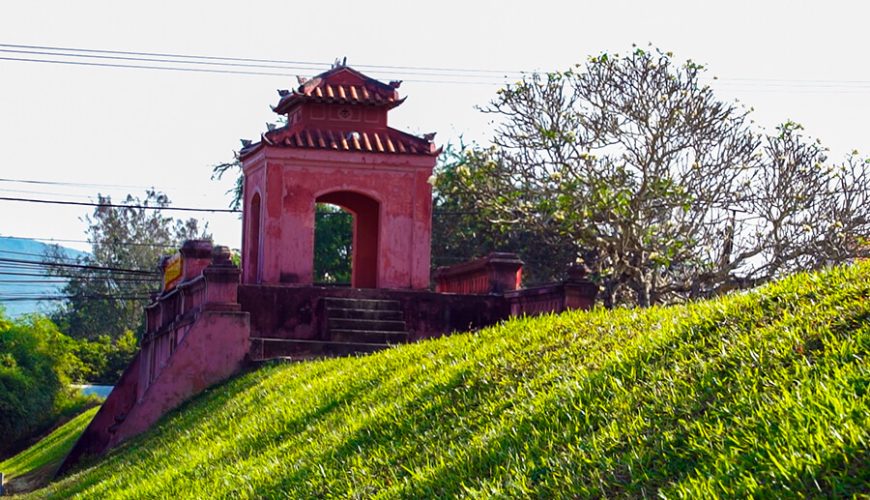
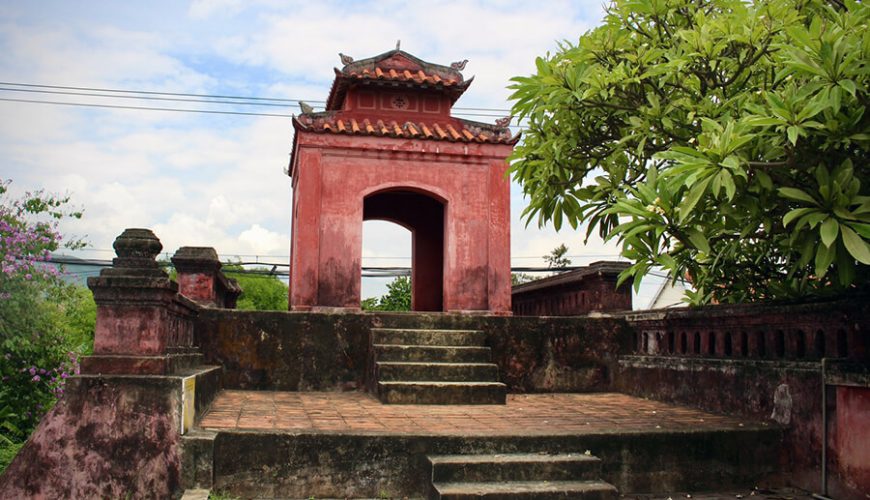
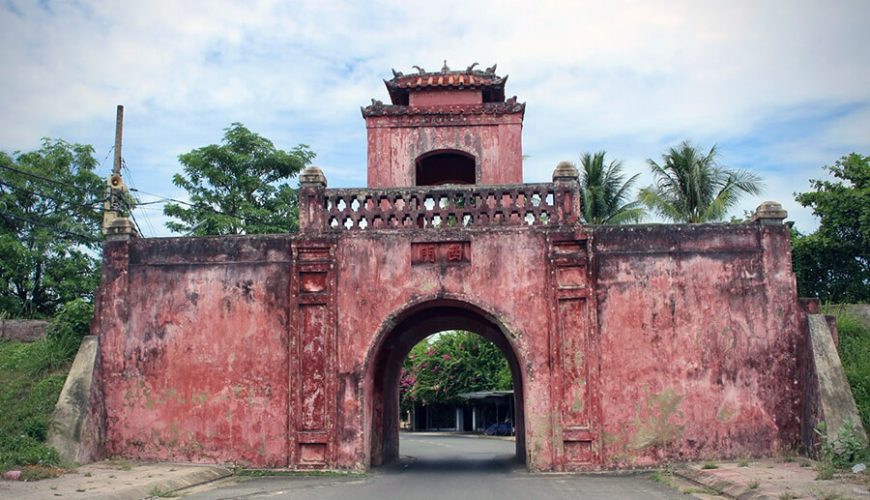
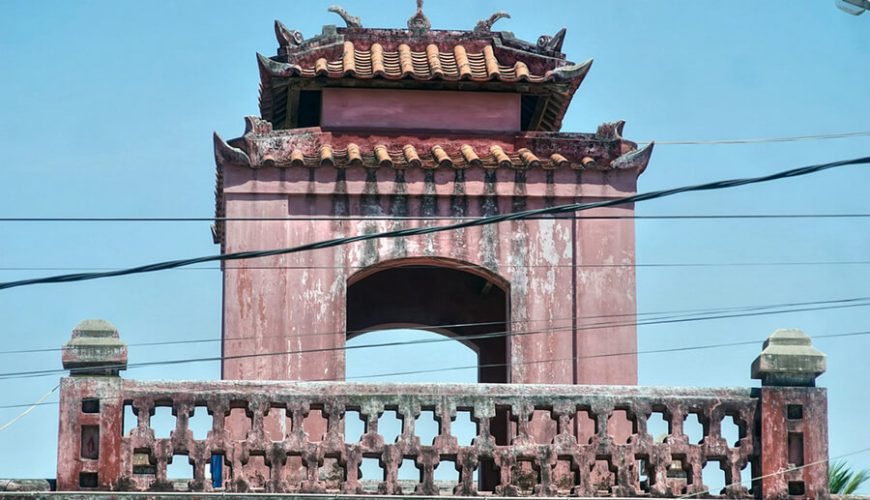
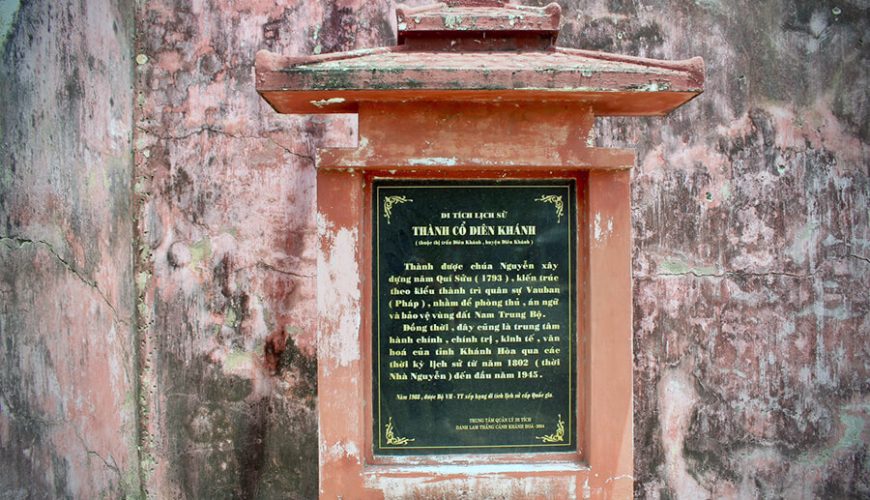
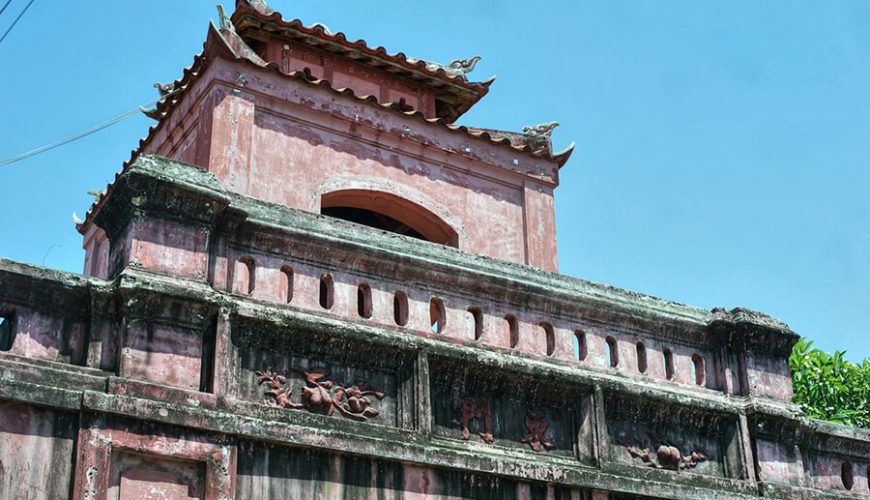
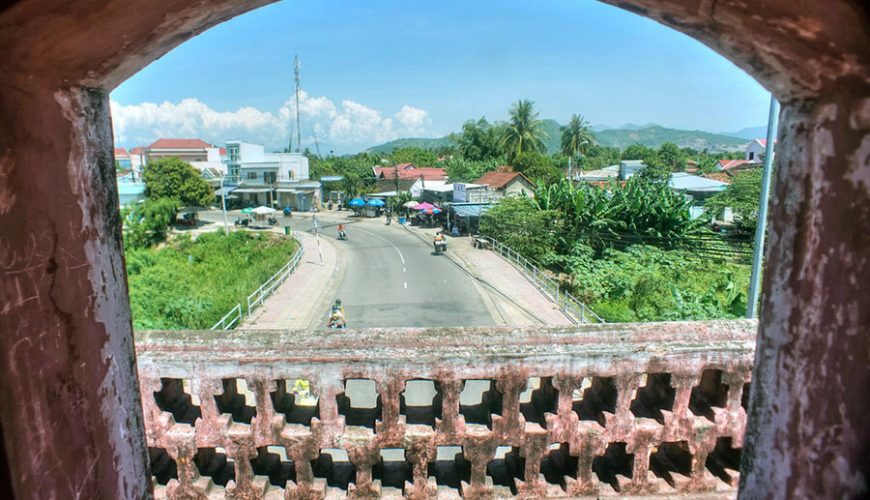
Dien Khanh Citadel is a famous Historical and Cultural Relic in Khanh Hoa Province. Currently, the citadel retains its original architectural features, making it an attractive destination for tourists.
Overview of Dien Khanh Citadel
Dien Khanh Citadel is located in Dien Khanh Commune, Khanh Hoa province, 10km west of Nha Trang center. It was the site of many important historical events and once held a particularly strategic position in the South Central region.
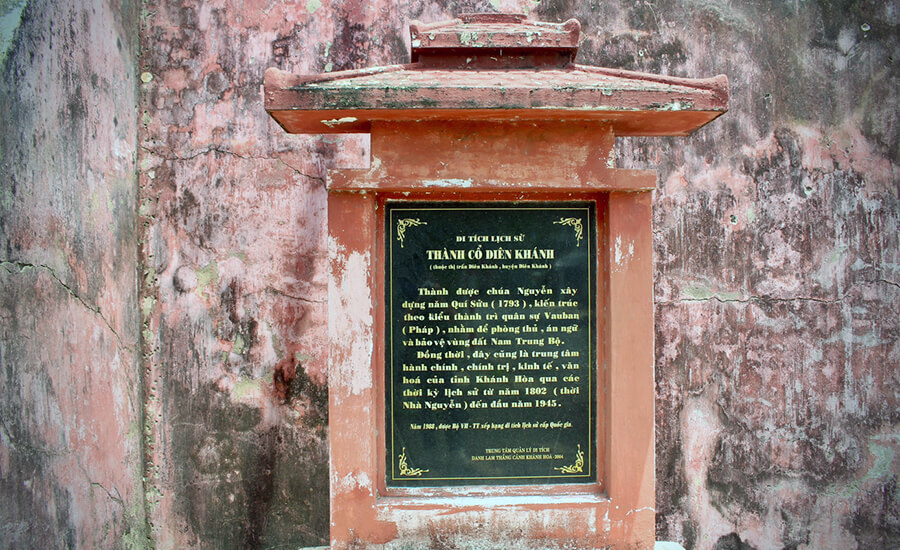
The citadel was built in 1793, during the reign of Lord Nguyen Phuc Anh. Later, realizing that this was one of the strategically important areas, Emperor Nguyen Anh (1762 – 1820) decided to develop the Dien Khanh area into a stronghold, a solid defensive perimeter.
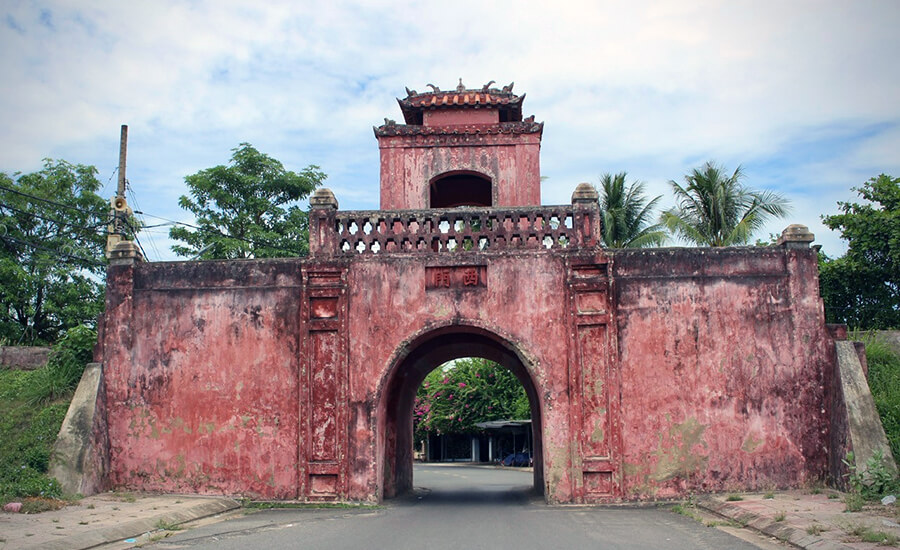
With a history spanning over 230 years, the citadel of Dien Khanh remains an attractive destination, a witness to countless ups and downs and changes in the social history of the feudal era, as well as the two wars of resistance against the US and France.
By 2014, the State began relocating administrative and military agencies from the inner city of Dien Khanh to transform it into a pedestrian zone, restoring historic structures to meet the needs of tourists visiting and exploring the area.
From the Nha Trang center, visitors can travel to Dien Khanh Citadel by motorbike or car. Since the distance is only 10km, the travel time is approximately 20 minutes.
Unique architecture of Dien Khanh Citadel
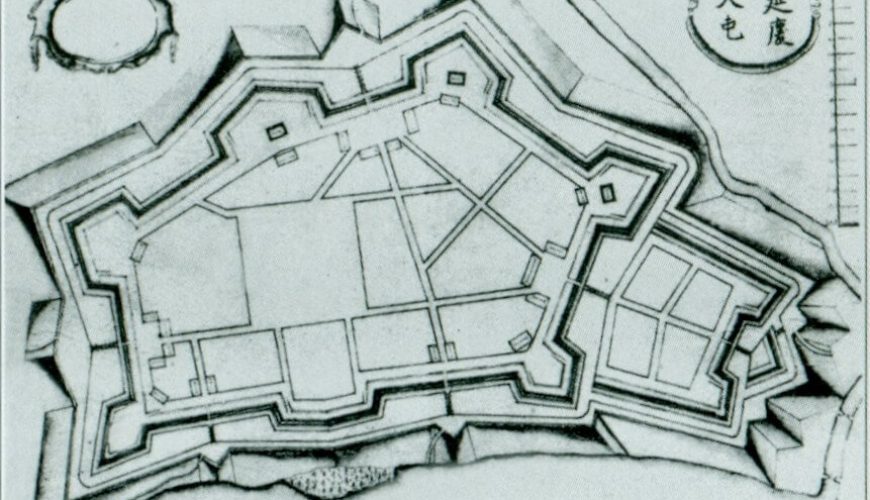
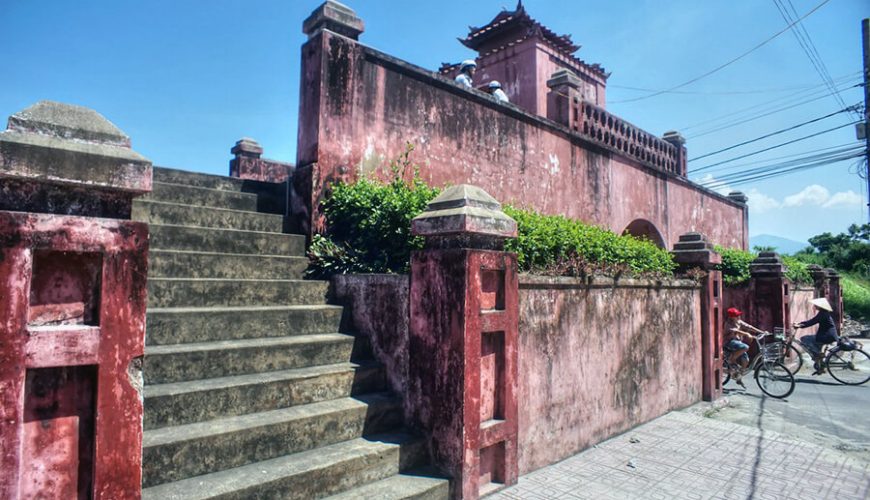
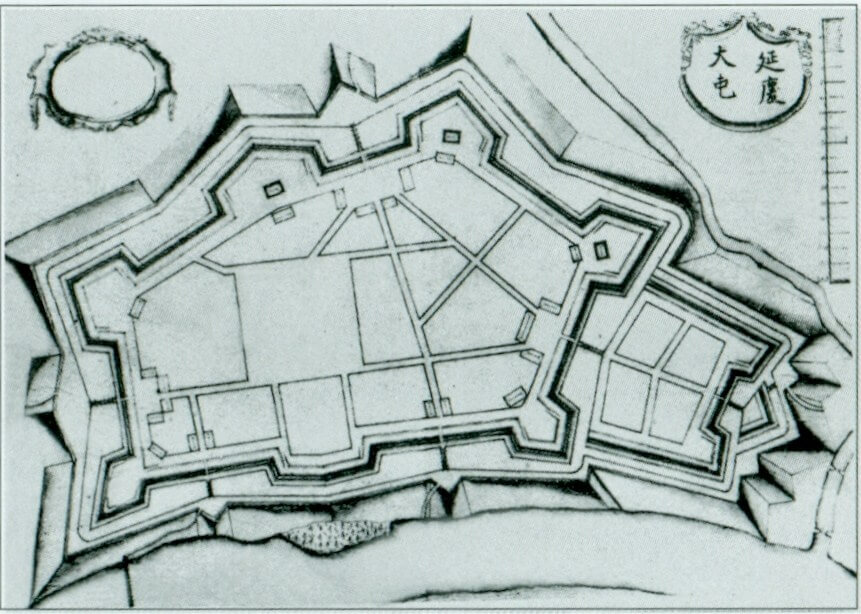
Compared to other ancient historical architectural works, the Dien Khanh ancient citadel possesses a truly unique architectural style. Covering an area of approximately 36,000 m², it is a military architectural complex in the Vauban style, a common model for military citadels in 17th- and 18th-century Western Europe. The citadel walls are hexagonal but not symmetrical, with a perimeter of 2,693 m, built of earth and about 3.5 m high.
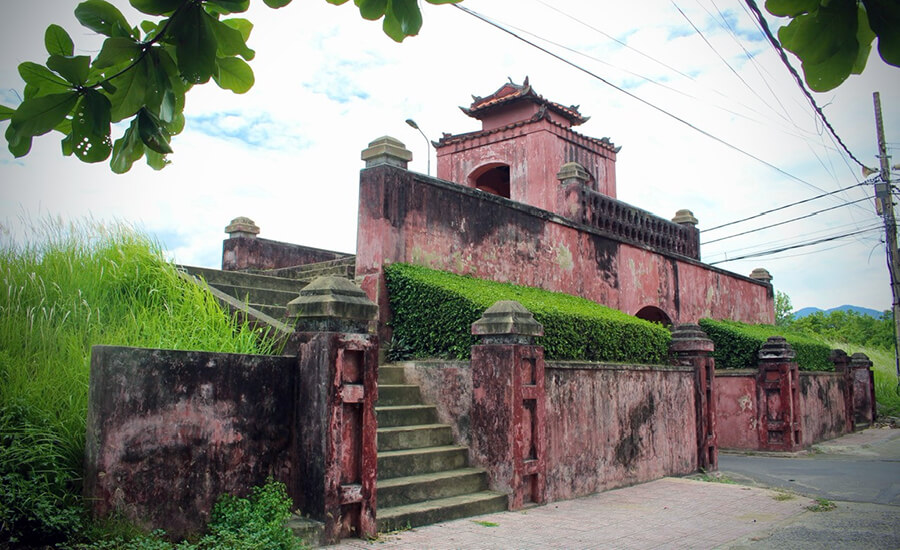
On each side, the walls are divided into many small, winding sections, so the corners do not protrude sharply but still ensure observation of both sides. The outer surface of the walls is almost vertical, while the inner surface is sloped and built in two steps, creating a convenient route for transport along the citadel. Outside the citadel is a moat 3 to 5 m deep and 20 to 30 m wide surrounding it.
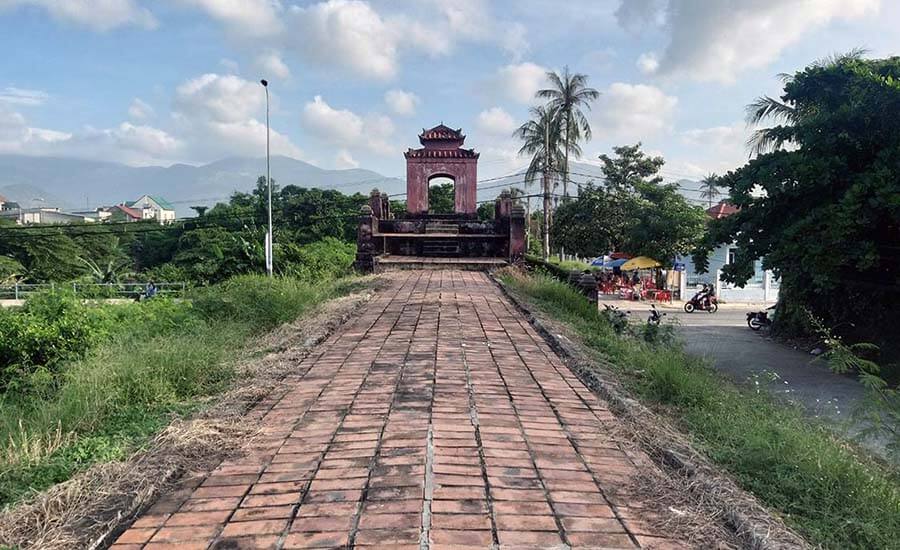
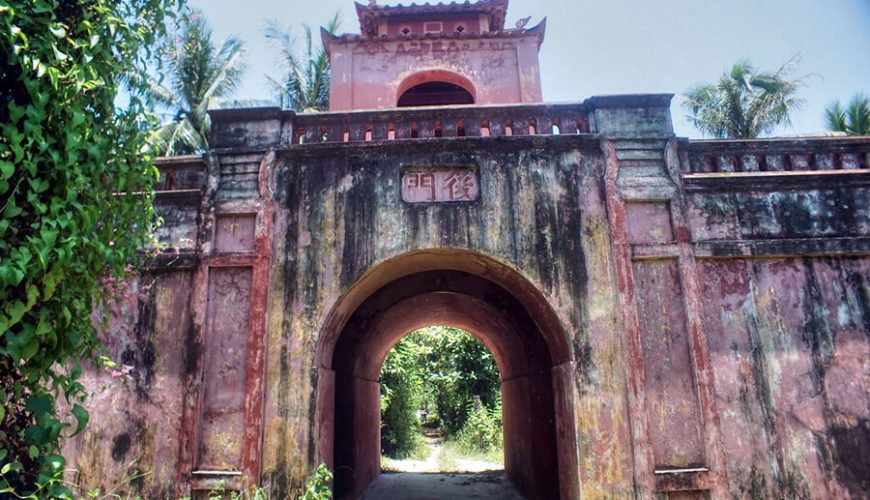
Originally, the citadel had six gates; currently, only four remain: East, West, Front (South), and Rear (North). A single road connects the East and West gates of the citadel from National Highway 1. The road encircling the citadel, connecting National Highway 1 and the West gate, is called Ma Xa. Opposite and about 200 meters from the West gate is the Ha Dua Church. The Ha Dua Church is believed to have been built by missionaries in the 1800s, and its bell tower was added in 1917 by the French.
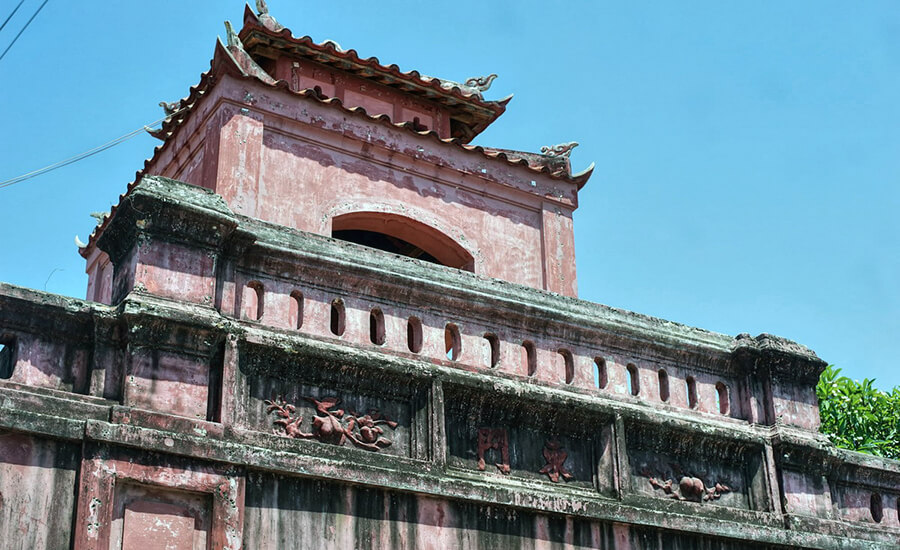
Previously, the citadel contained a royal palace, the Tuan Vu Palace to the left, the An Sat Palace behind it, the Lanh Binh Palace further behind, and the Tham Tri below, along with a warehouse and a fortified prison. Dien Khanh Citadel also served as the headquarters of the Can Vuong resistance movement in Khanh Hoa during the early days of the French resistance.
Source: collected by An
Follow us for the best deals on Vietnam package tours and visa services!

Comment (0)