
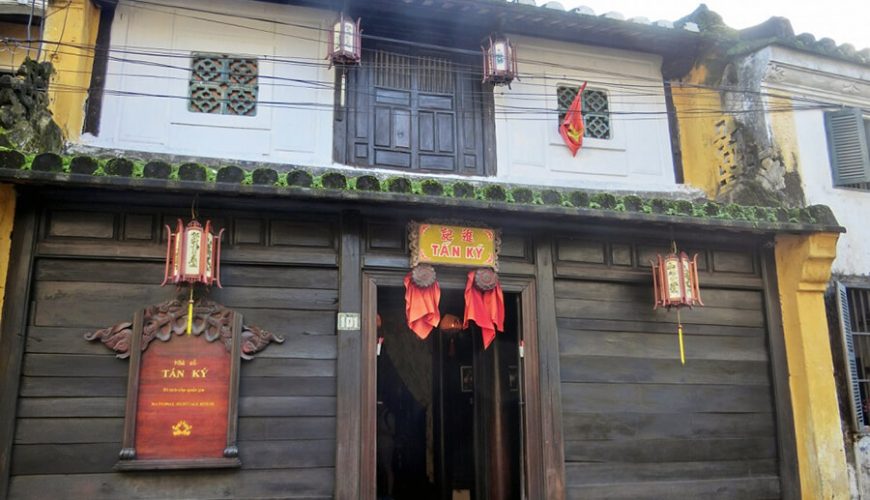
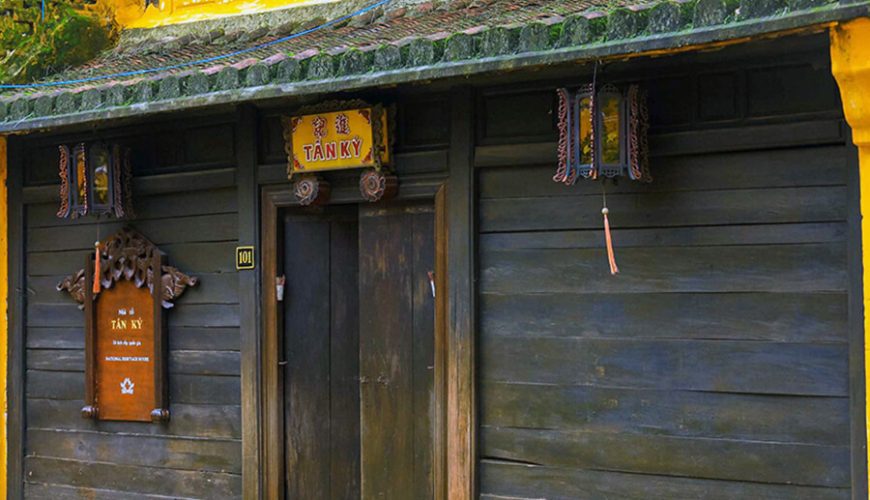
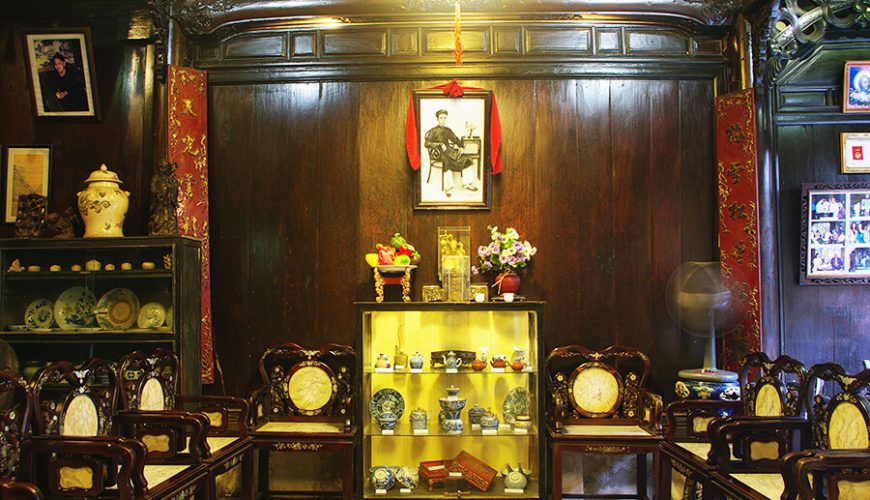
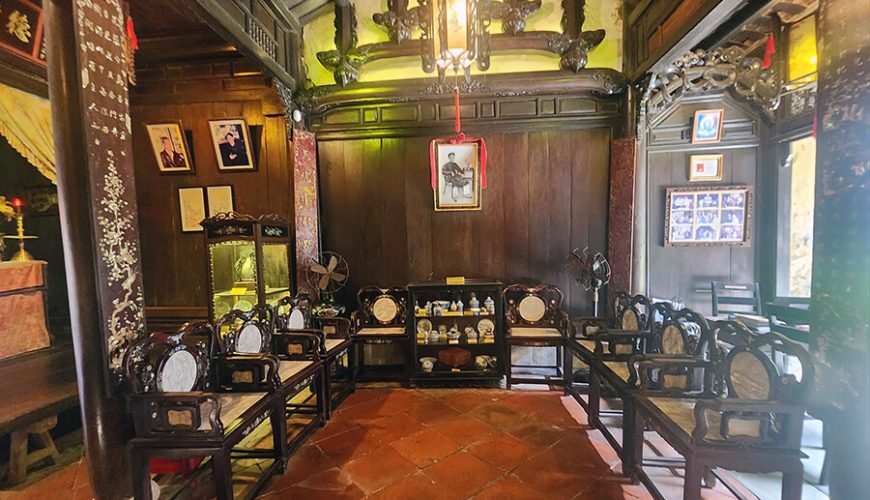
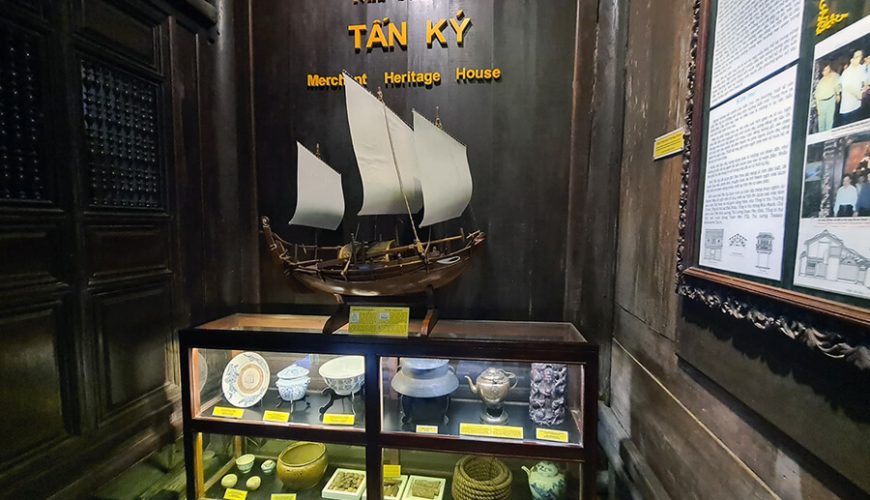
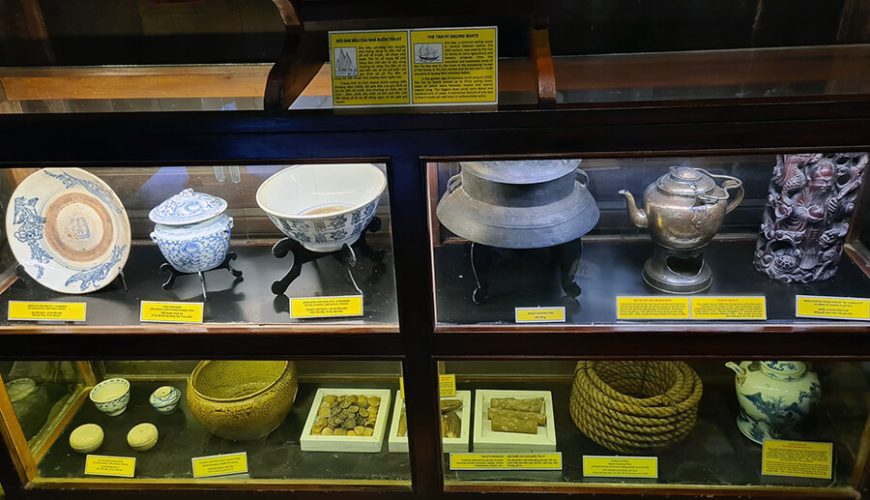
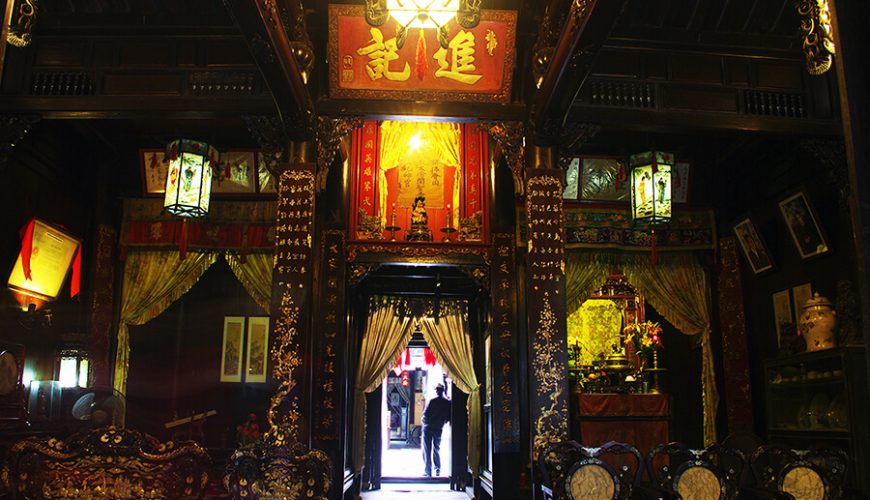
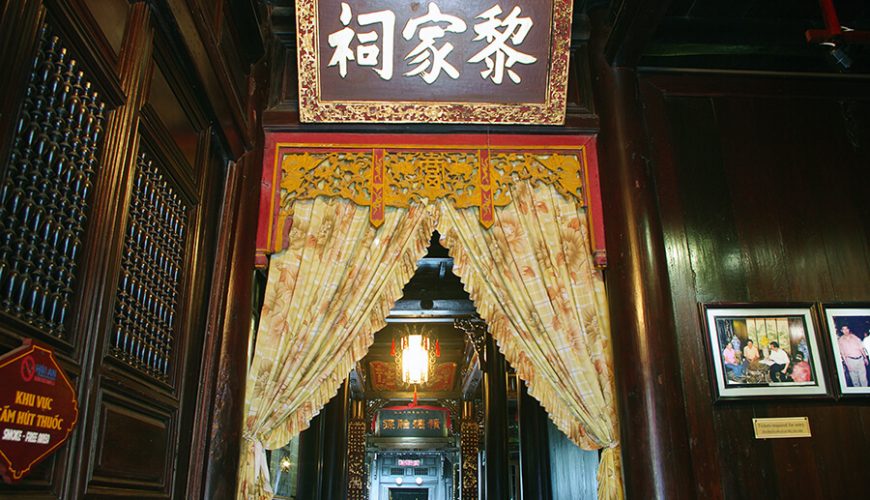
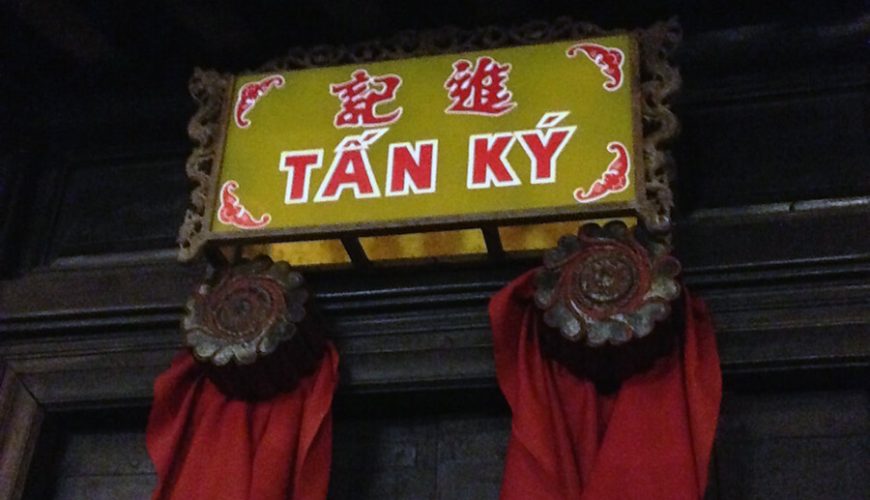
Tan Ky Ancient House (Vietnamese: nhà cổ Tấn Ký; nhà cổ means “ancient house”) is the first ancient house to be honored as a National Heritage site, considered a “living museum” that retains almost intact the typical architecture of ancient houses in Hoi An. This beautiful house is the hottest check-in spot in the ancient town of Hoi An, always attracting thousands of tourists to admire the architecture and culture, and to listen to impressive presentations.
Overview of Tan Ky ancient house
Tan Ky Ancient House was built in 1741 and witnessed many historical events over the following 200 years. Currently, the homeowner is still living on the upper floor of the house, while the ground floor is used for visiting. Even though 7 generations have lived here, the ancient house of Tan Ky is still kept almost intact.
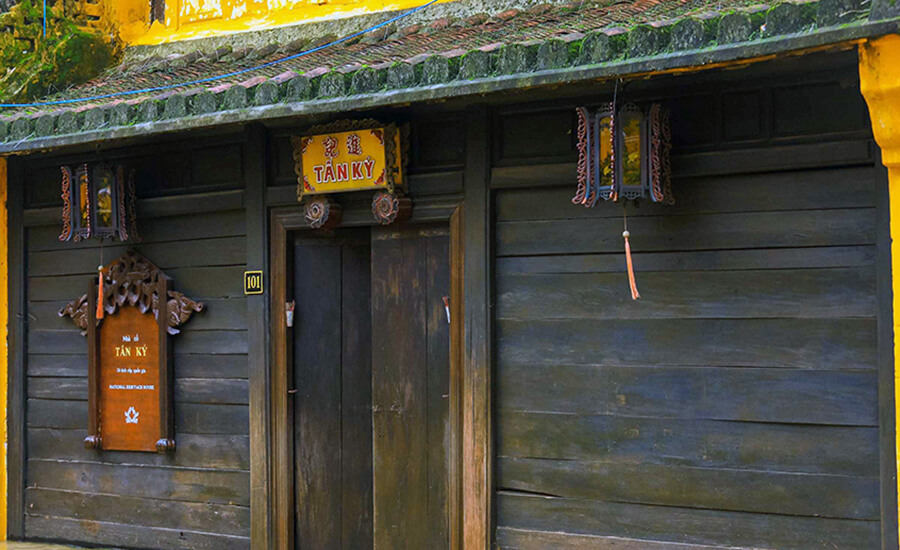
The house was built by Mr. Le Cong, a businessman of Chinese origin who became wealthy by trading agricultural products at the time. During his son’s generation, the house was named Tan Ky, meaning prosperity in business. In front of the house is Nguyen Thai Hoc Street, bustling with trade; behind the house is the gentle Thu Bon River, which facilitates the import of goods.
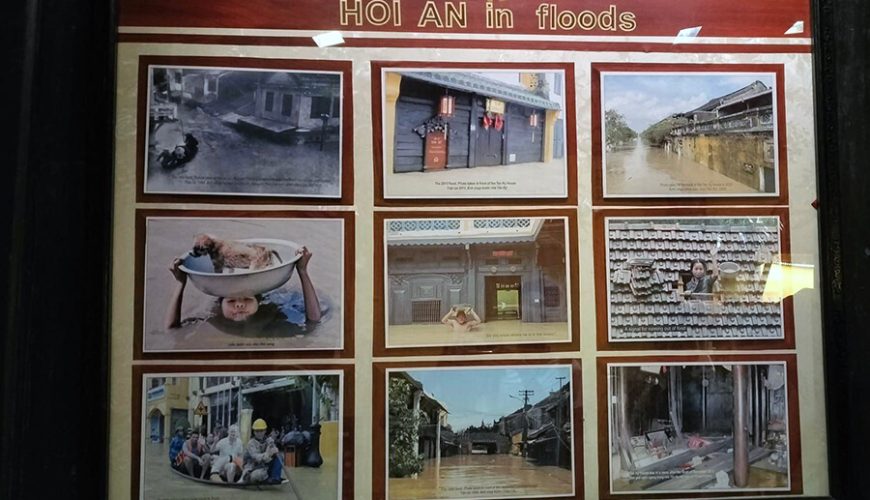
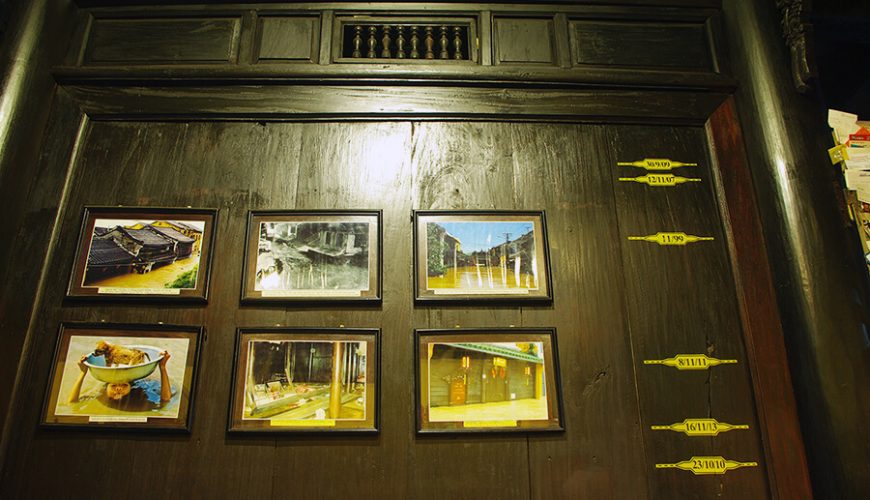
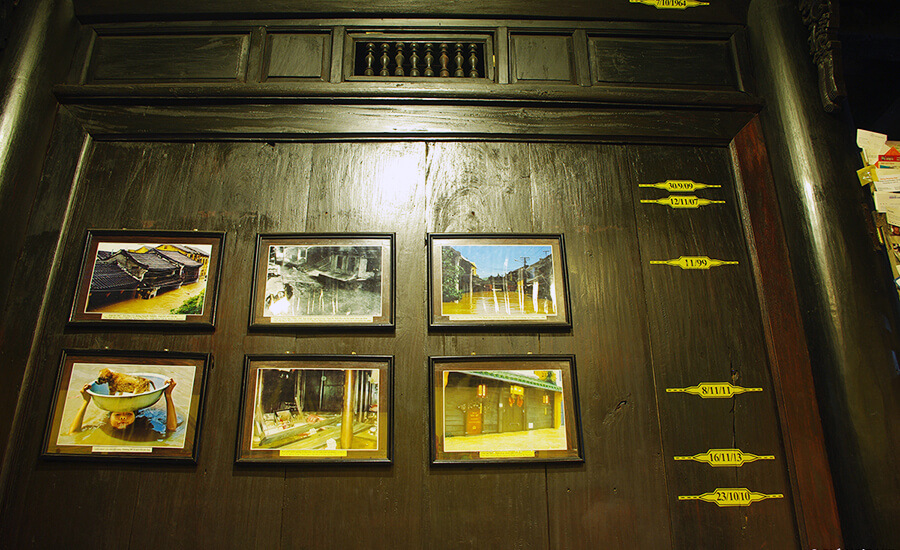
Tan Ky ancient house has witnessed many historical floods. At its peak in 1964, floodwaters reached the roof of the house’s first floor, but the house remained unharmed, as if defying the erosion of time.
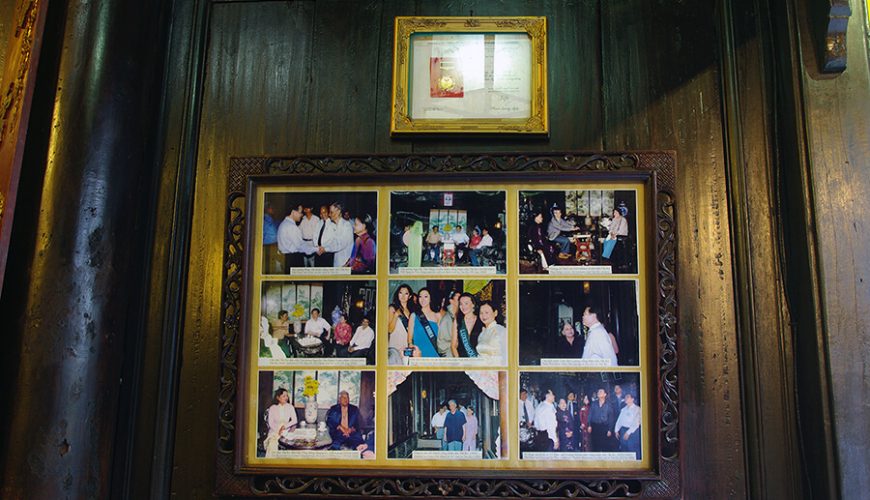
Tan Ky is the first ancient house honored as a National Heritage and the only ancient house in Hoi An to honorably welcome heads of state and politicians at home and abroad. Many film crews have also filmed films here.
- Address: No. 101 Nguyen Thai Hoc, Hoi An Ward, Da Nang City.
- Opening hours: 08:00–11:30; 13:30–17:45 daily
- Entrance ticket: 35,000 VND/person/time (adults), free for children under 10.
Note: For each ticket, the time to visit Tan Ky ancient house is 20 minutes. In particular, if you go in a group of 8 people or more, you will receive a free explanation throughout the tour.
Architecture of Tan Ky ancient house in Hoi An
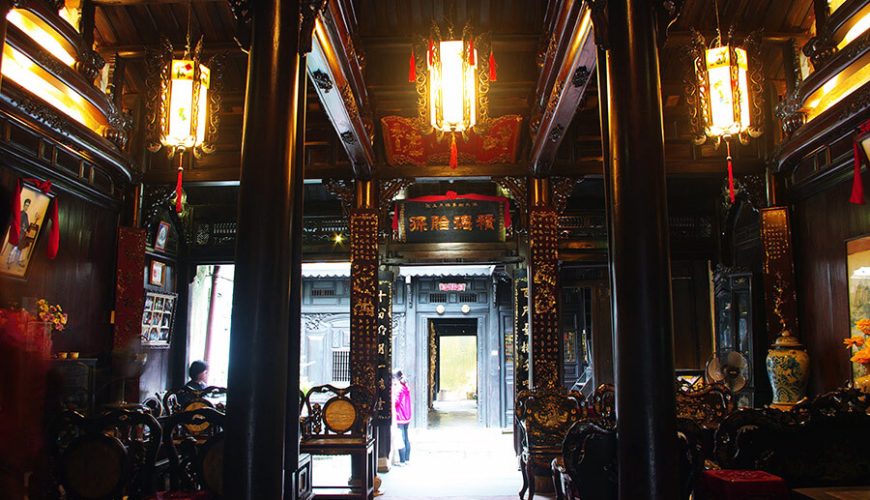
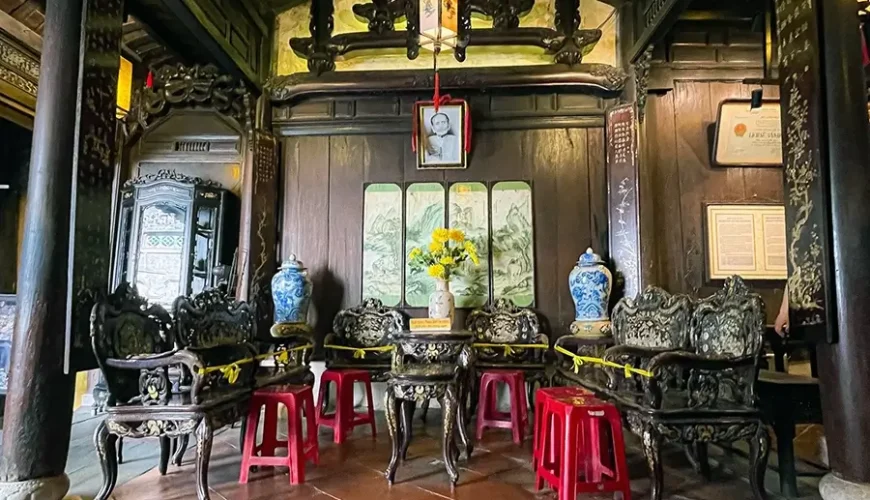
The house is a combination of Chinese, Japanese, and Vietnamese architectural styles, featuring 2 overlapping horizontal bars, symbolizing heaven and man, and 5 vertical bars, like 5 fingers, symbolizing the five elements. The house’s harmonious architecture speaks to the dream of harmony between humans and nature.
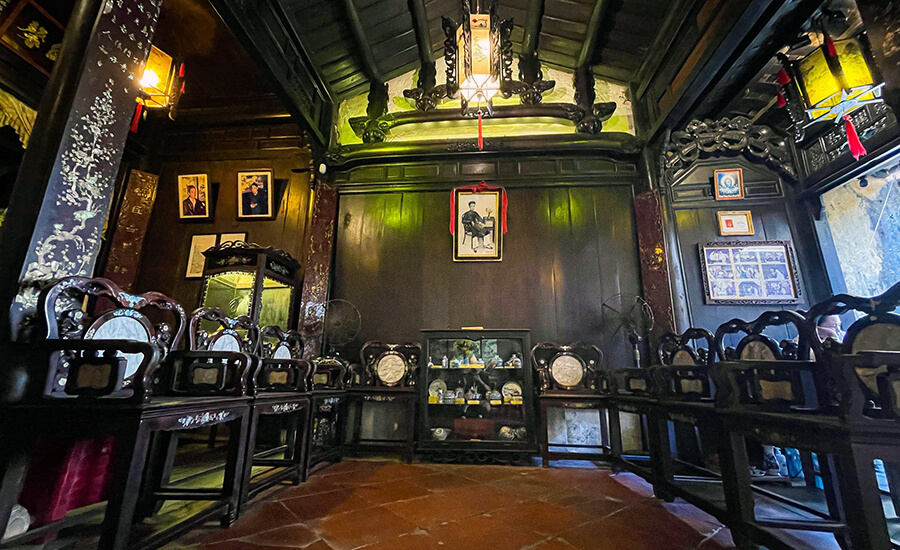
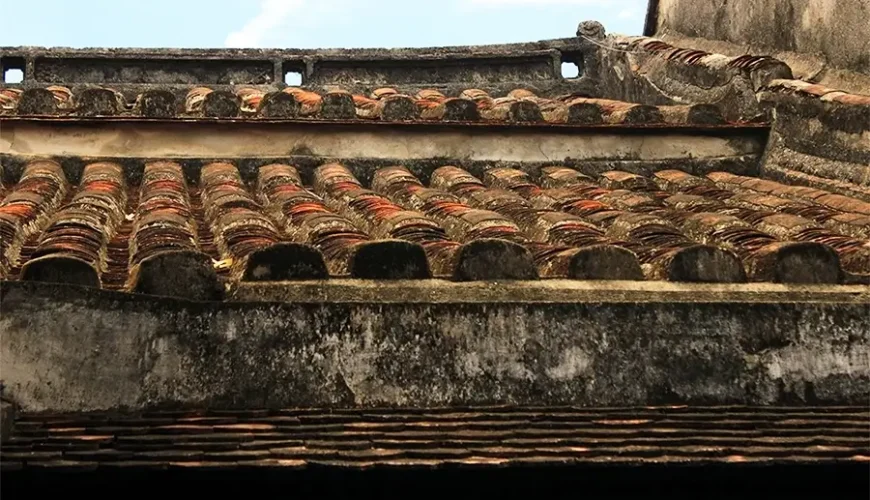
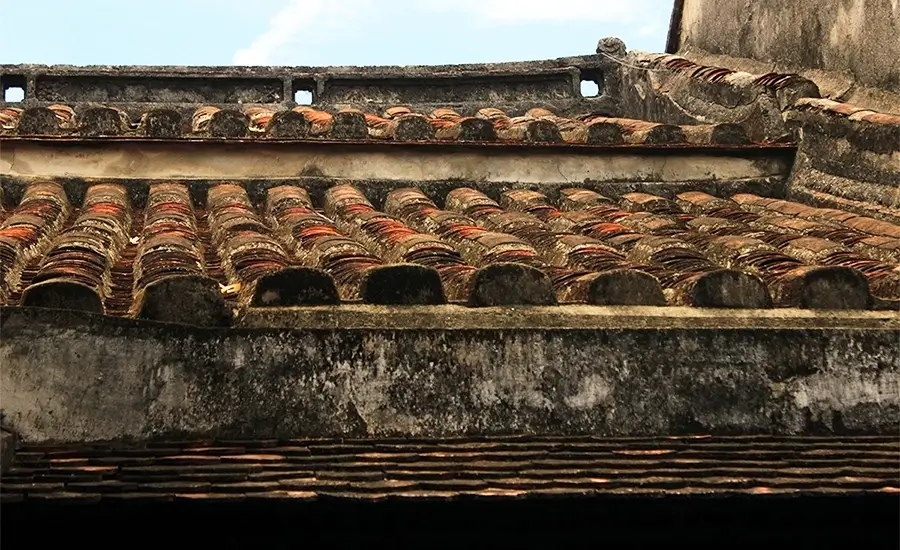
Japanese architectural style: the living room is built according to feng shui: Metal – Wood – Water – Fire – Earth. The tile roof is roofed in a harmonious yin and yang style, creating a cool and airy atmosphere in the summer, while in the winter it is cozy and not cold.
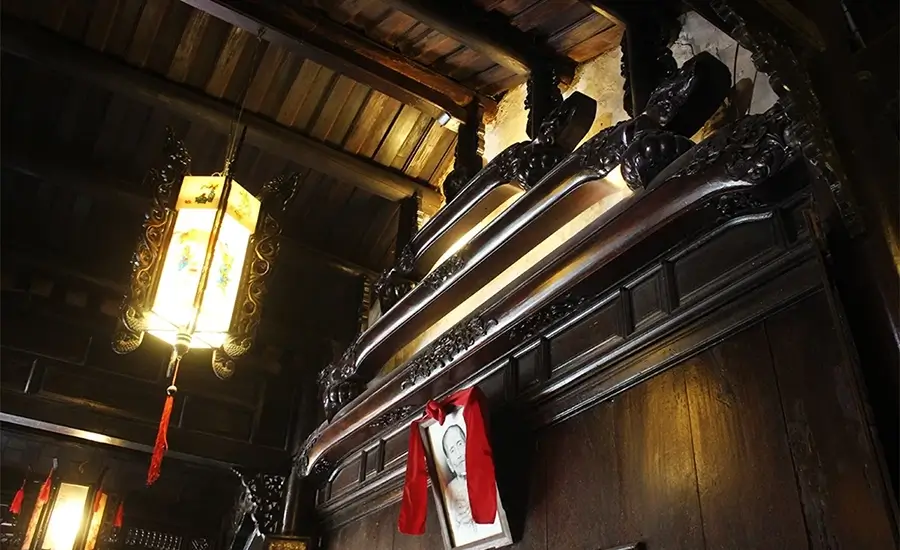
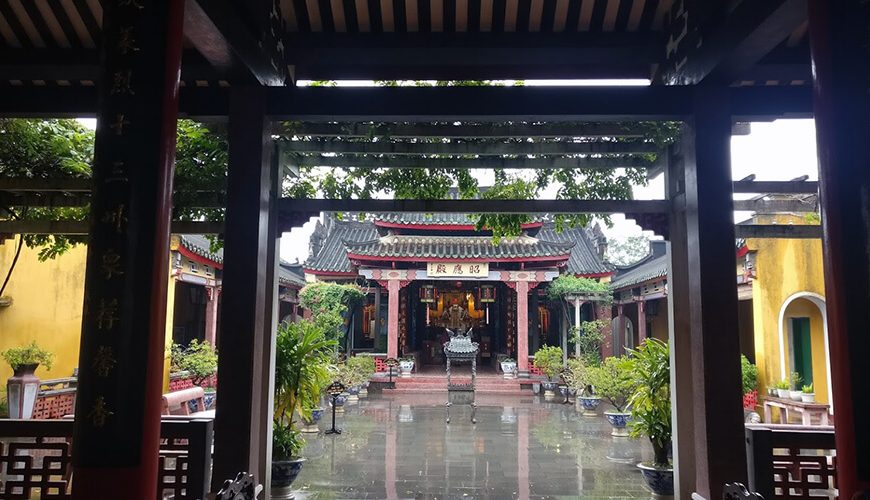
Chinese architectural style: tubular style typical, inside divided into many compartments with many separate rooms. In particular, the house has a tubular architecture typical of ancient urban areas.
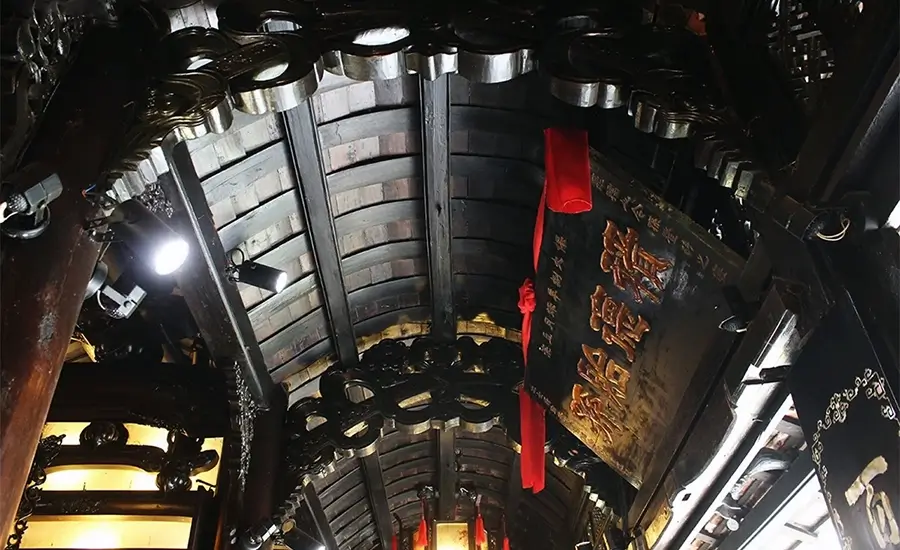
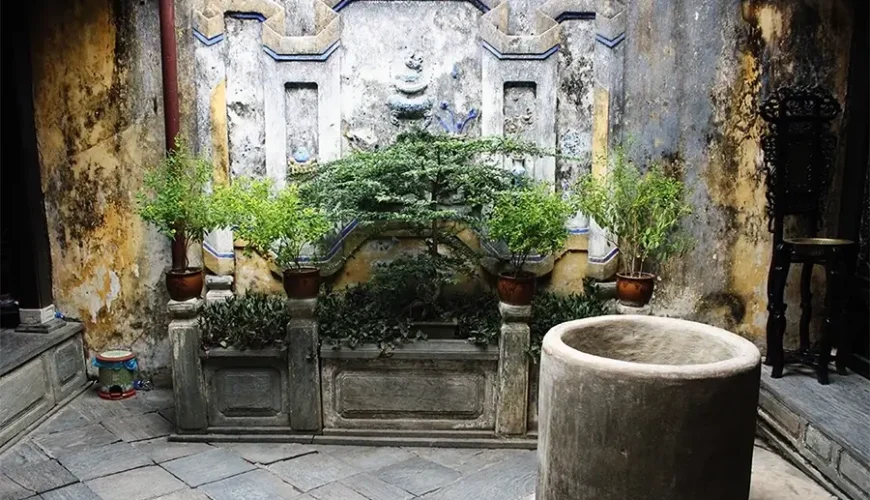
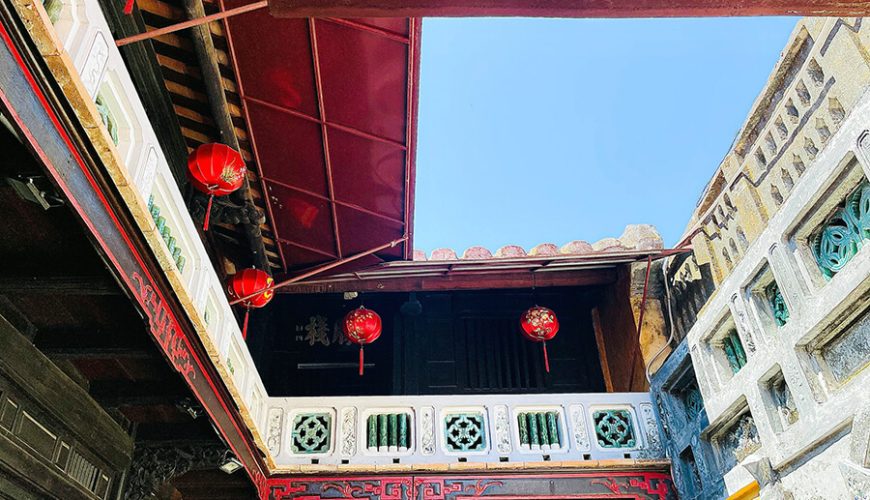
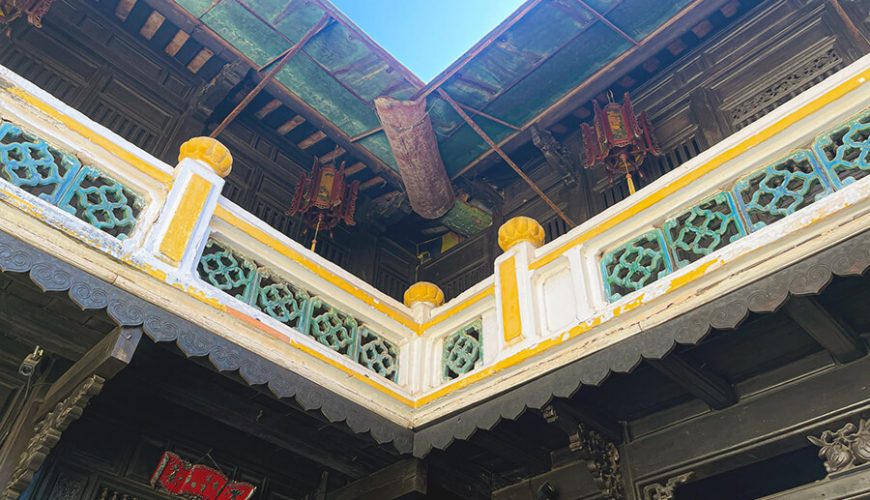
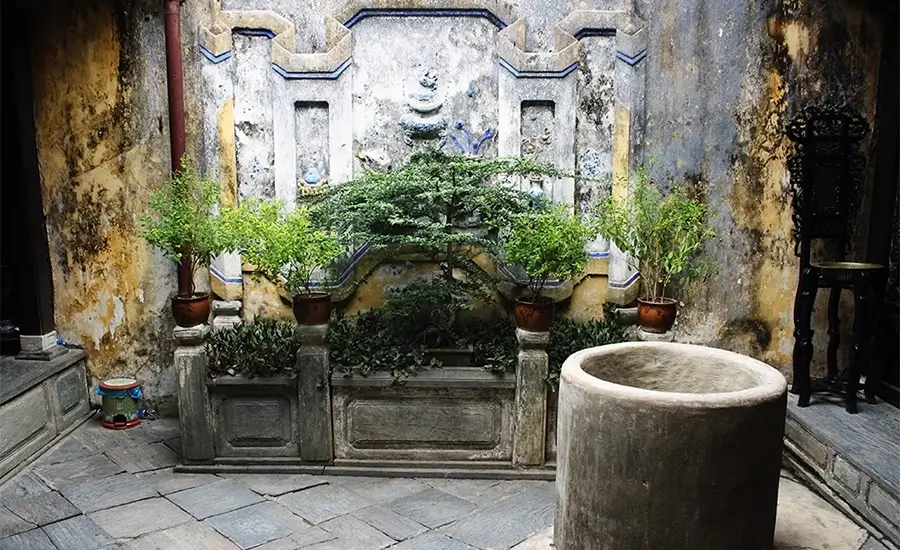
There are no windows everywhere. The house’s only place to receive light is a courtyard called a skylight. However, when entering this ancient house, visitors do not feel stuffy.
Vietnamese architectural style: designed as a three-room house in the traditional Vietnamese style, the ceiling is covered with yin-yang tiles.
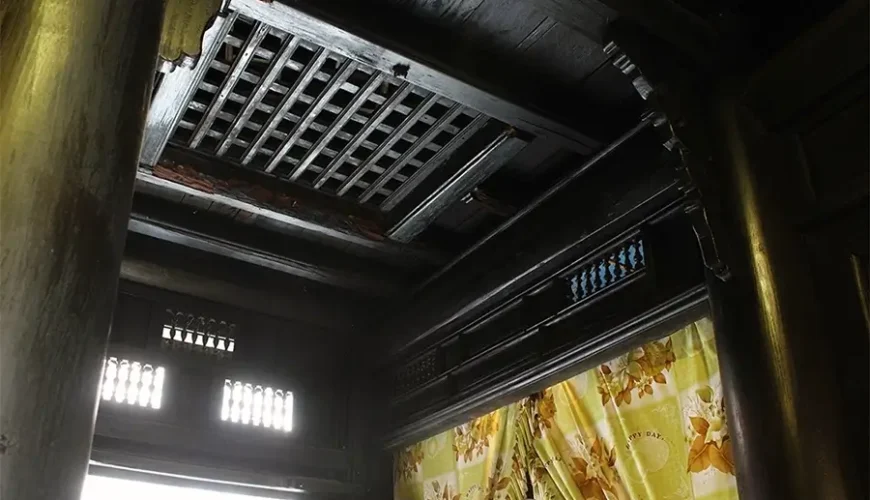
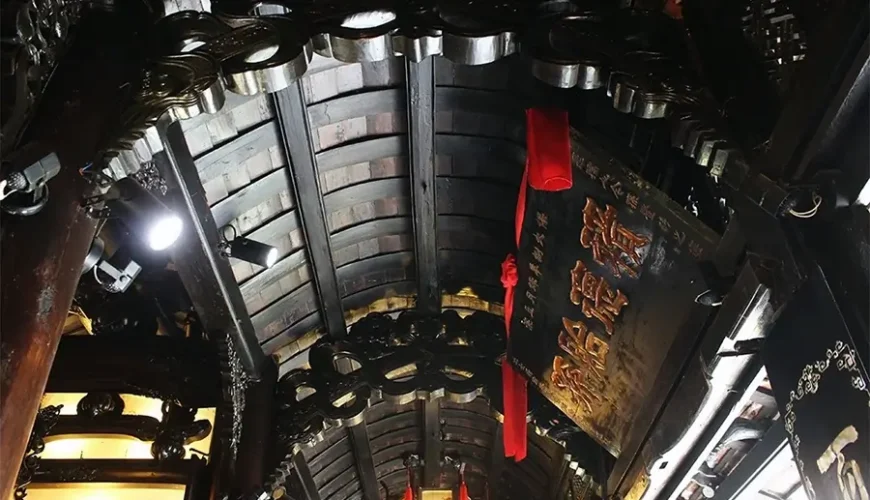
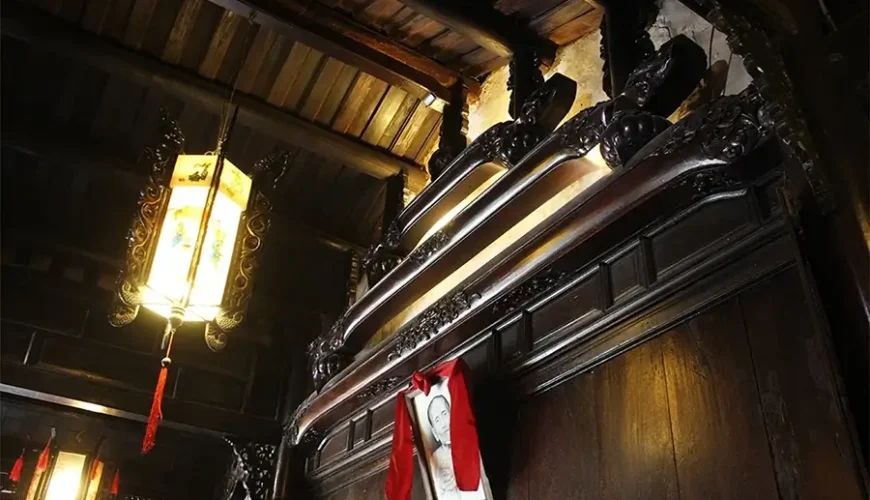
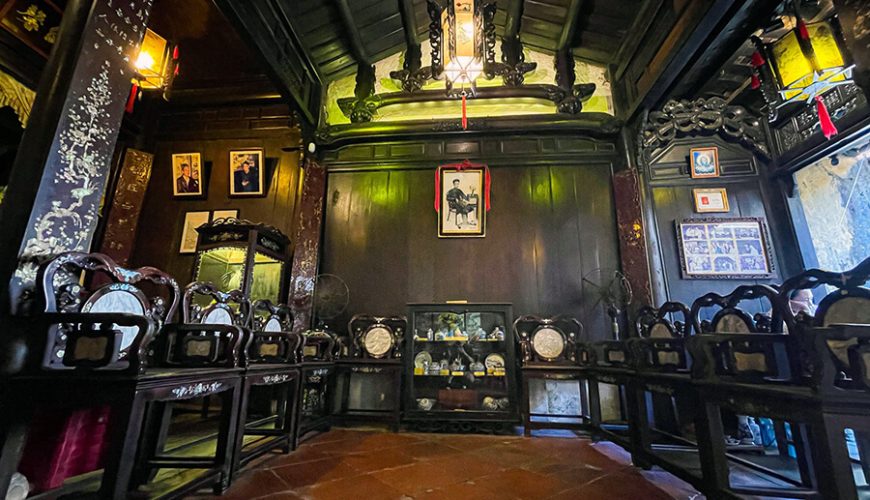
The main highlight of the house is the truss, cross, and vertical wooden bars connecting the columns that are exquisitely carved with typical images such as: “Dragon head – fish tail carved”, “pumpkin”, “pomegranate”, or carved structures of “peach” bearing the symbol of longevity, “bat” filled with happiness.
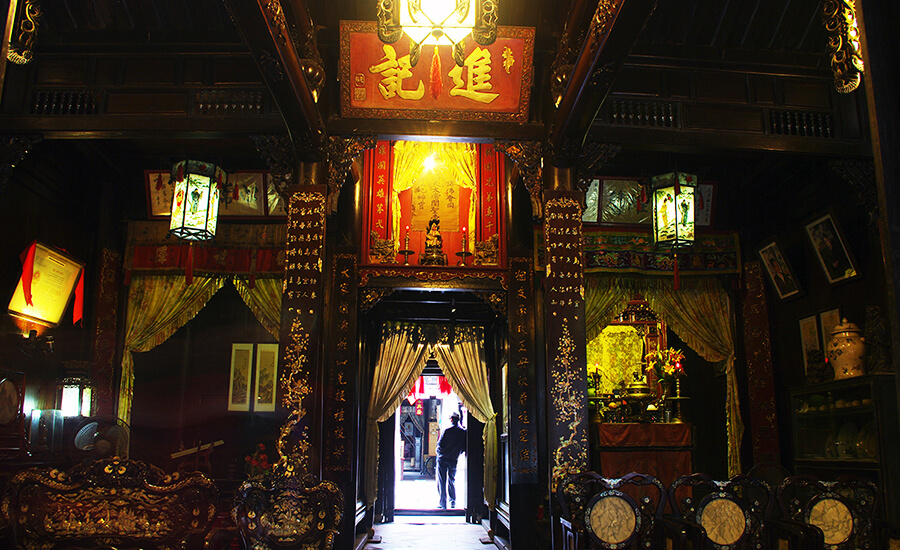
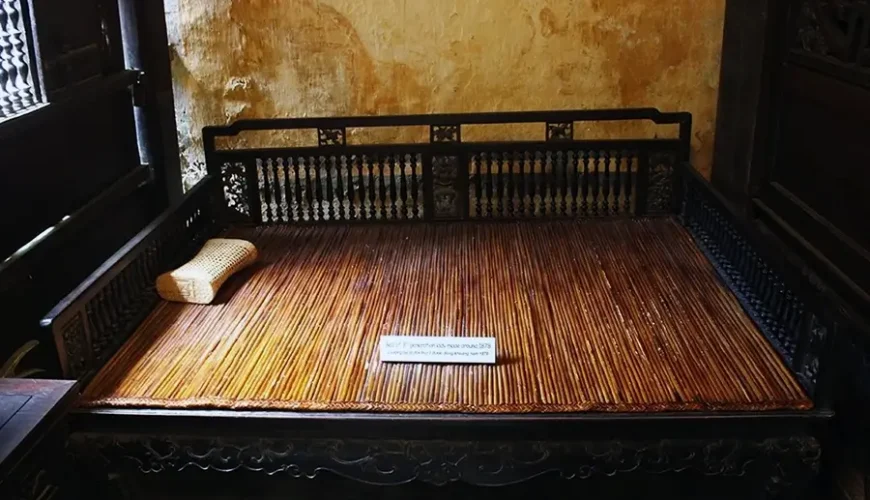
Wood is the primary material used to build this ancient Tan Ky house. Tan Ky ancient house was made by artisans with the most skillful hands in the famous Kim Bong carpentry village of Quang Nam. The motifs, patterns, and structures of the house all carry colorful meanings, messages, and Eastern philosophies. The rafters and ribs of the house are made from Lim wood – a type of precious wood; the doors are made from jackfruit wood – a durable wood over time…
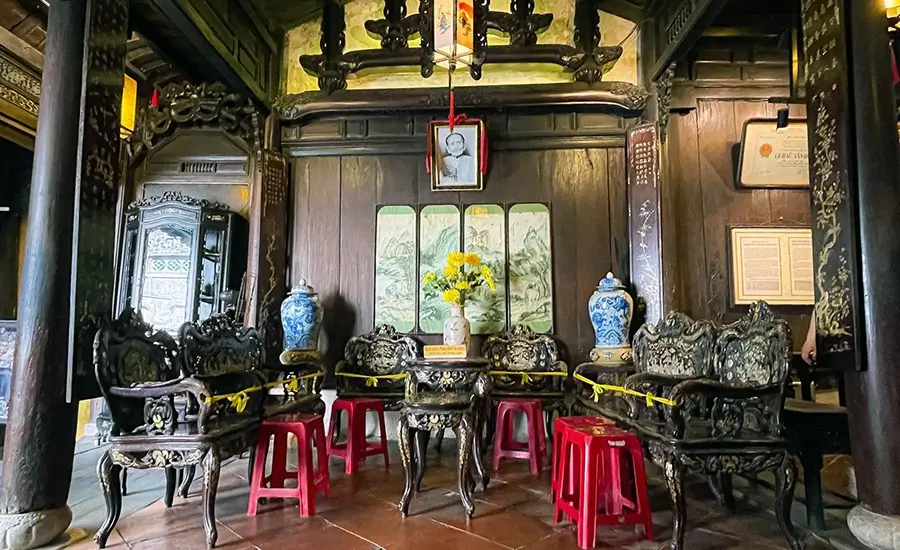
Besides, the floor tiles and exterior decorative stones are all imported from Bat Trang, Thanh Hoa, which is famous for its high-quality products. Another interesting feature of the house is that it does not use any nails; the columns and rafters are joined with tenons and are extremely sturdy.
Antiquities have everlasting value
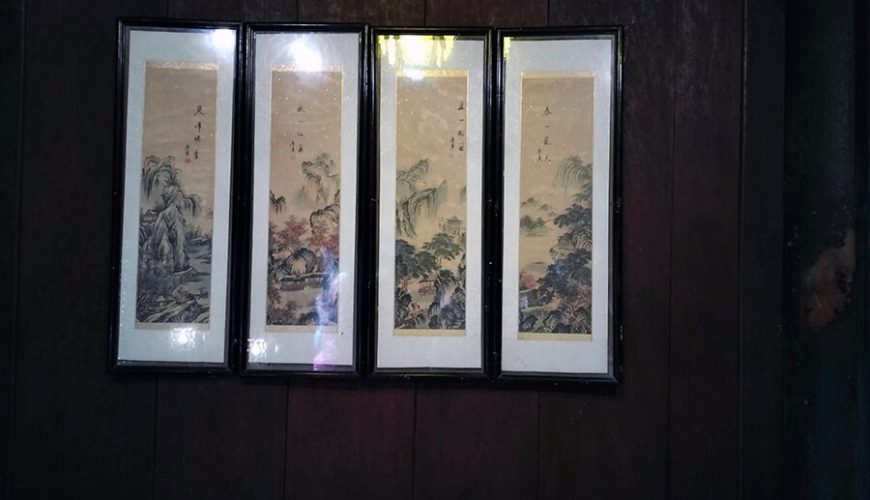
Currently, the ancient house of Tan Ky still preserves many horizontal panels and parallel tables, including many beautiful paintings such as: “Amassing virtue to save children” (teaching children and grandchildren to keep good virtue for the next generation); “The mind is always calm” (keeping the mind always quiet).
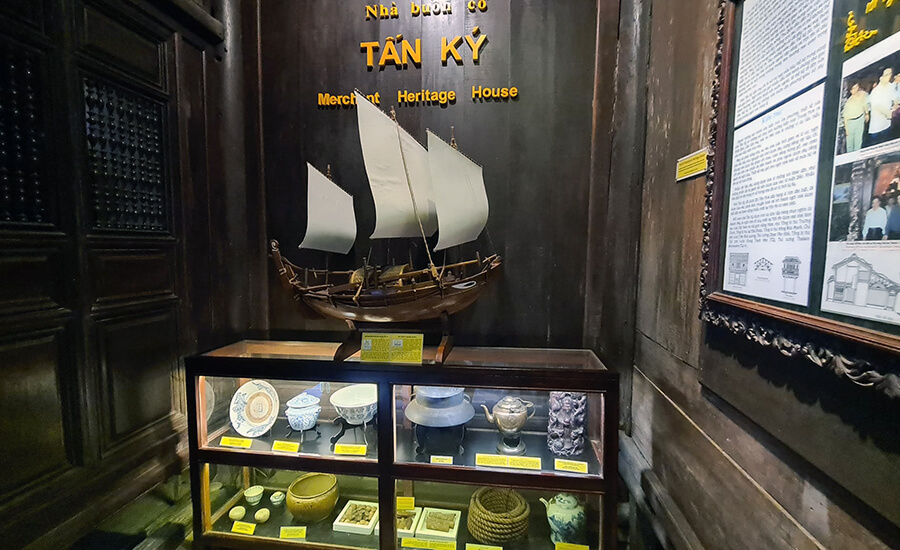
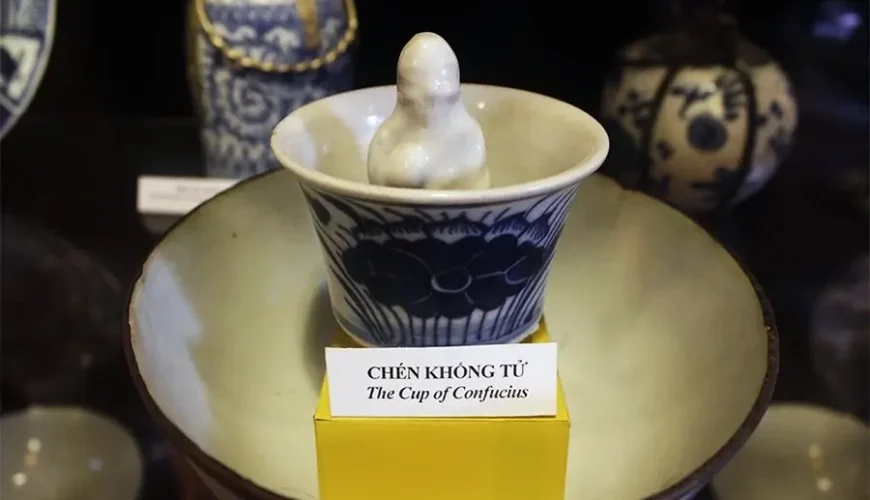
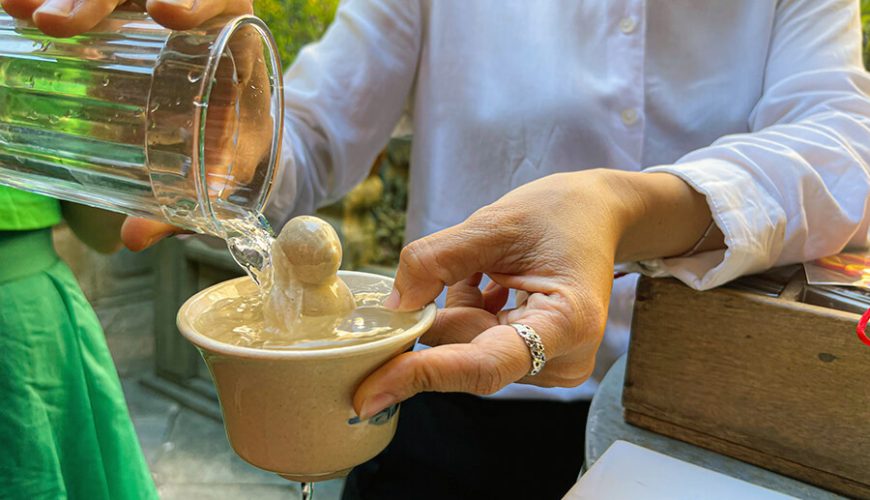
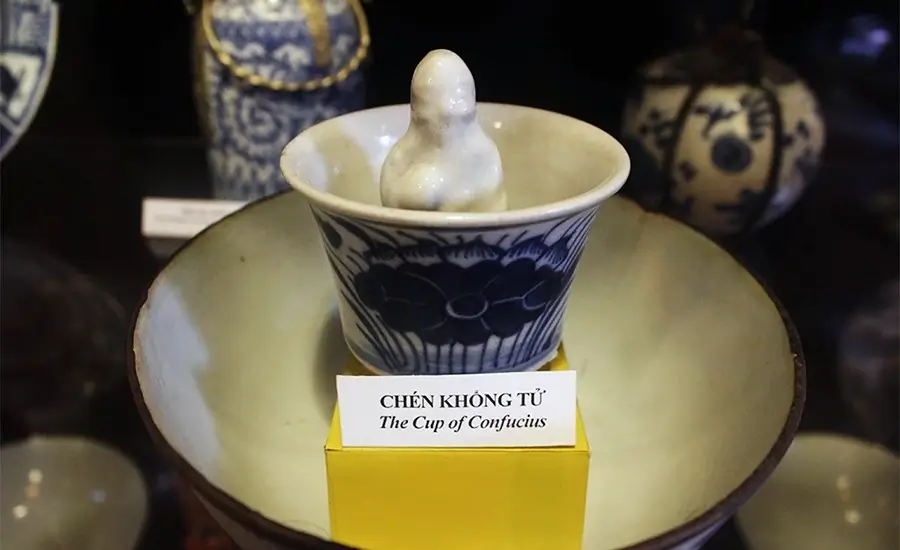
In addition, this place preserves a set of “One Hundred Birds” hanging scrolls, each written in 100 strokes, with each stroke representing a bird in flight, and the set is considered unique by archaeologists. But most precious of all, perhaps the “Confucius Cup” dates from 550-600 BC and is a priceless treasure, associated with ancient stories about Confucius. It looks very simple on the inside, but it carries a very profound meaning: when holding water, it can only hold 8 parts, and if you pour more, the water will automatically flow out, advising people to know how to restrain their behavior, keep themselves in a neutral state, not outrageous.
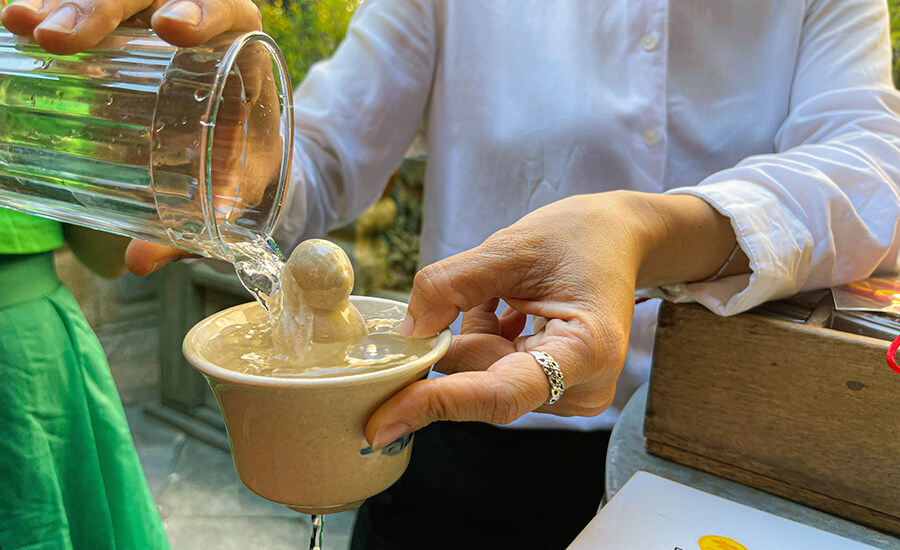
Besides the unique architecture, the long-standing antiques displayed in the house have created a strange attraction for visitors, who are drawn by their anecdotes.
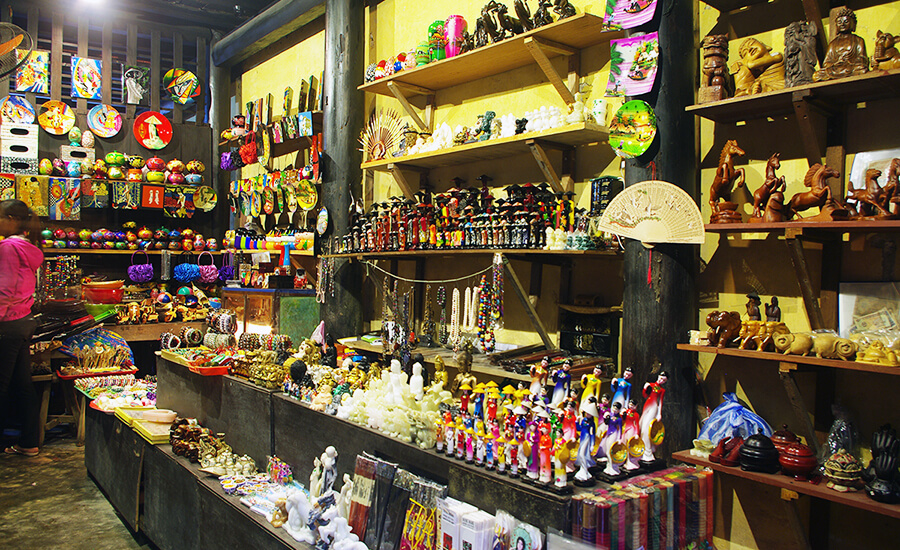
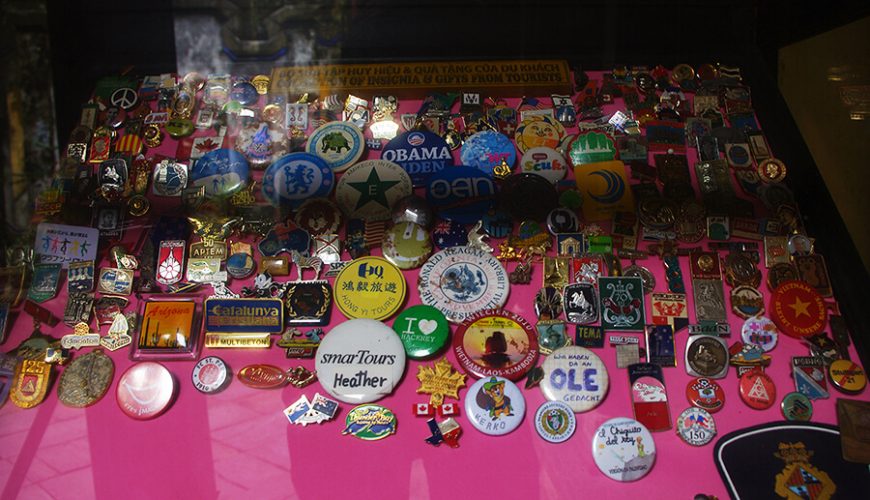
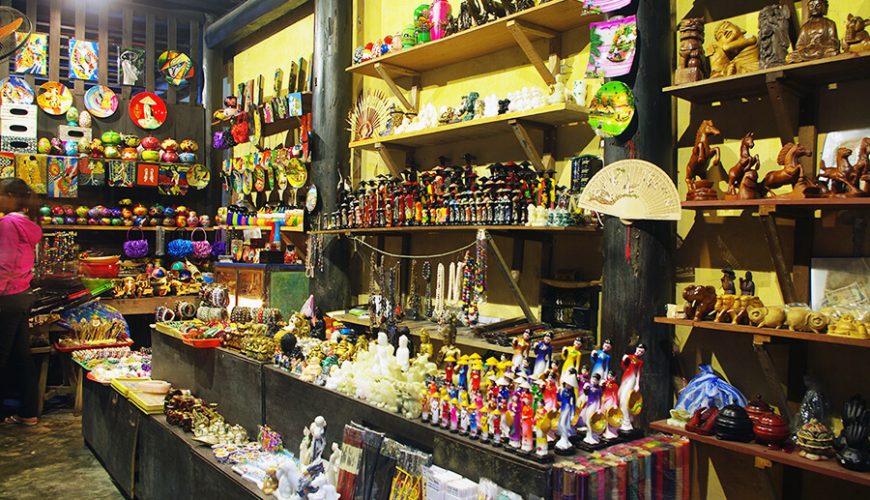
In addition to the old memories in the house, the management board set aside two beautiful, small corners to display badges and unique souvenirs for visitors to buy as gifts for relatives and friends.
Source: collected by An
Follow us for the best deals on Vietnam package tours and visa services!

Comment (0)