
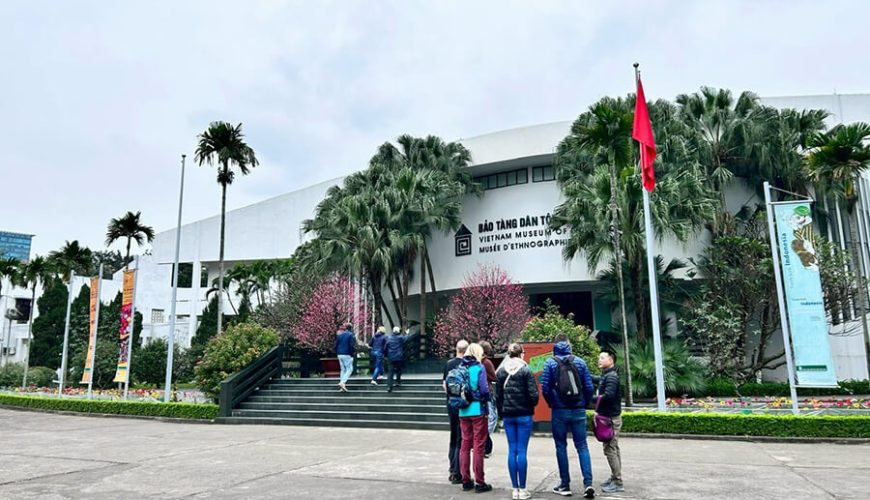
If you are a fan of learning about the history and culture of Vietnamese ethnic groups, the Vietnam Museum of Ethnology in Hanoi is a destination not to be missed. This is the place to display and preserve the unique and valuable culture of 54 Vietnamese ethnic groups. Let’s explore this museum with Vietdreamtravel.
General information about the Vietnam Museum of Ethnology
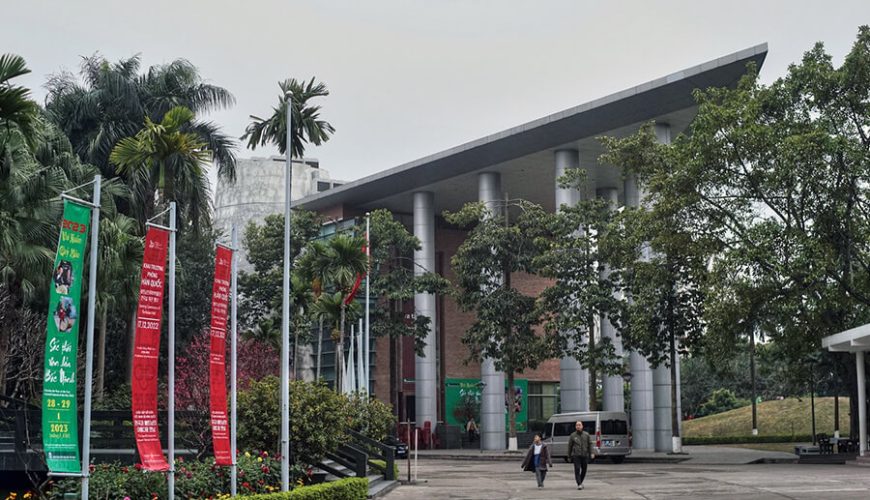
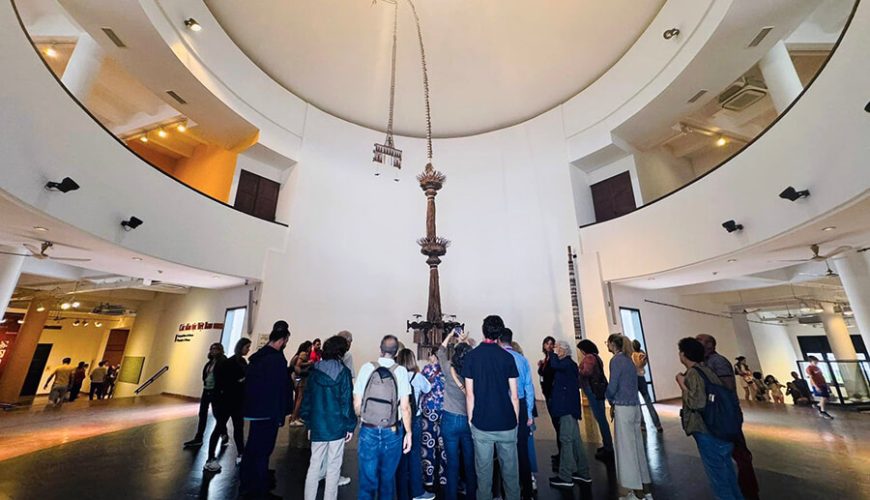
The Vietnam Museum of Ethnology is located on Nguyen Van Huyen Street, Nghia Do Ward. The museum is a public service organization under the Vietnam Academy of Social Sciences with the functions of scientific research, inventory, collection, preservation, restoration, and display of historical and cultural values of ethnic groups at home and abroad. The museum was built in 1981 with an initial total area of 3.27 hectares, after many renovations it was increased to 4.4 hectares.
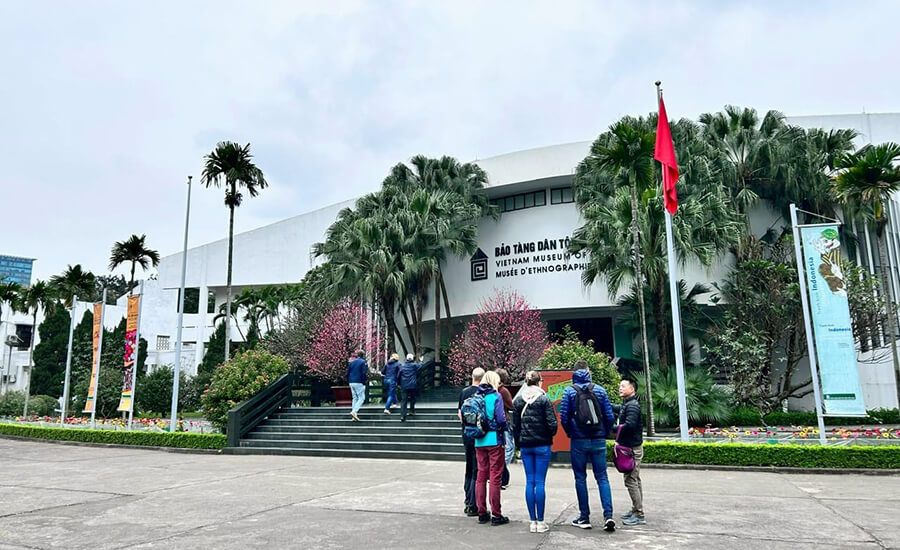
The Vietnam Museum of Ethnology was designed by Architect Ha Duc Linh (Tay ethnic group), and its interior by female Architect Véronique Dollfus. To preserve the history and culture of 54 Vietnamese ethnic groups, the museum is one of Hanoi’s attractions, suitable for students and tourists interested in learning about each group’s culture.
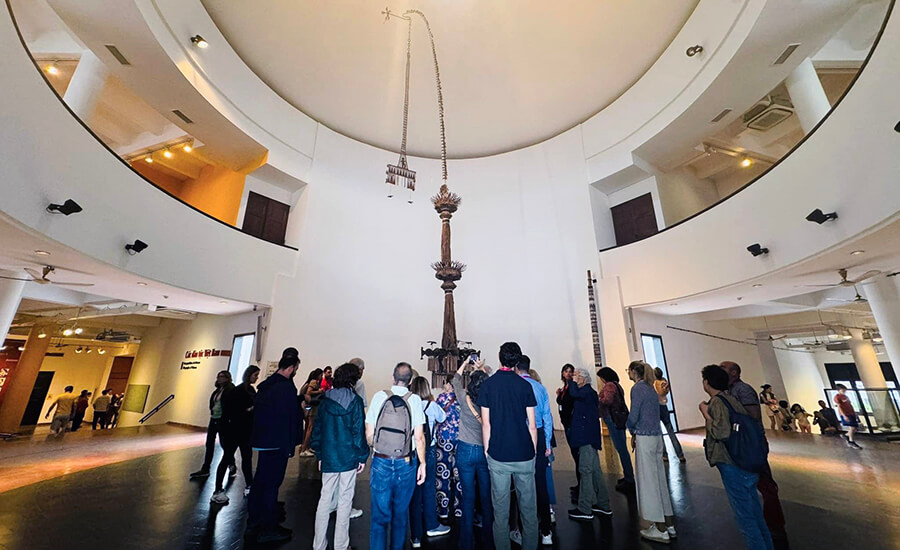
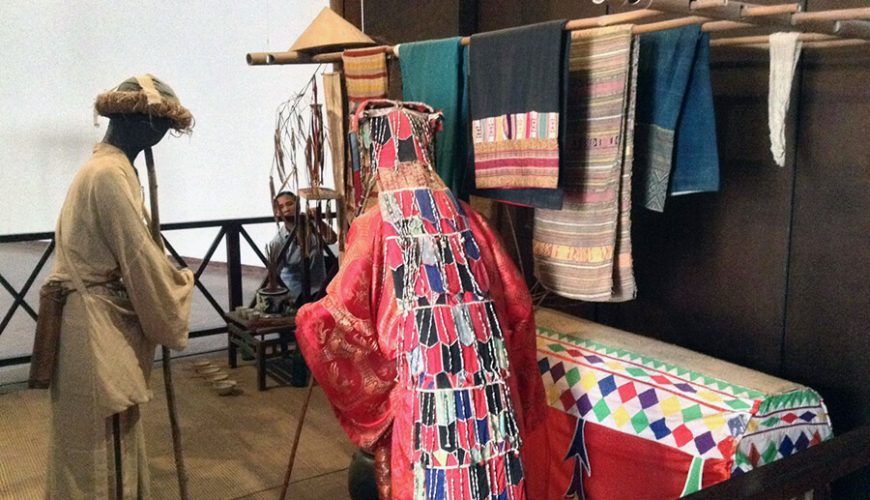
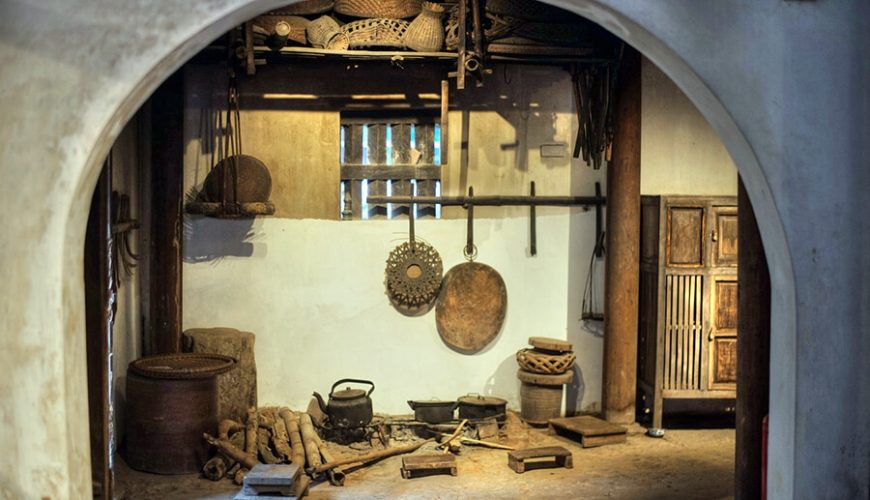
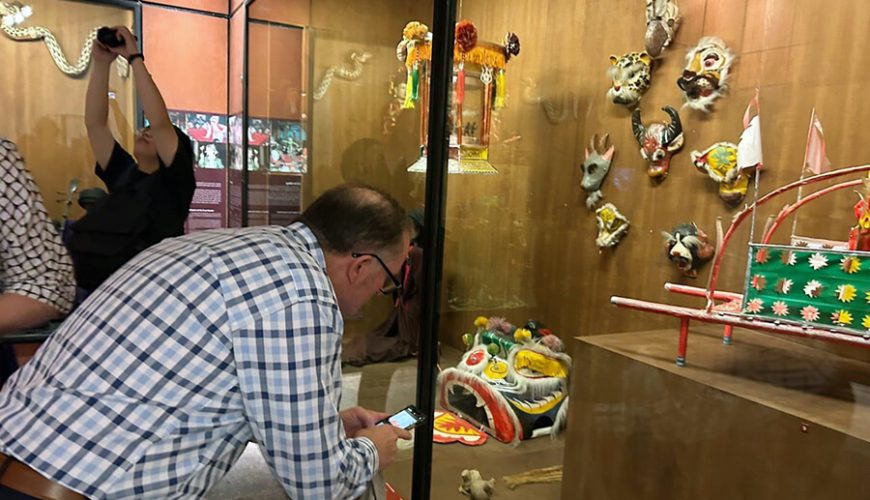
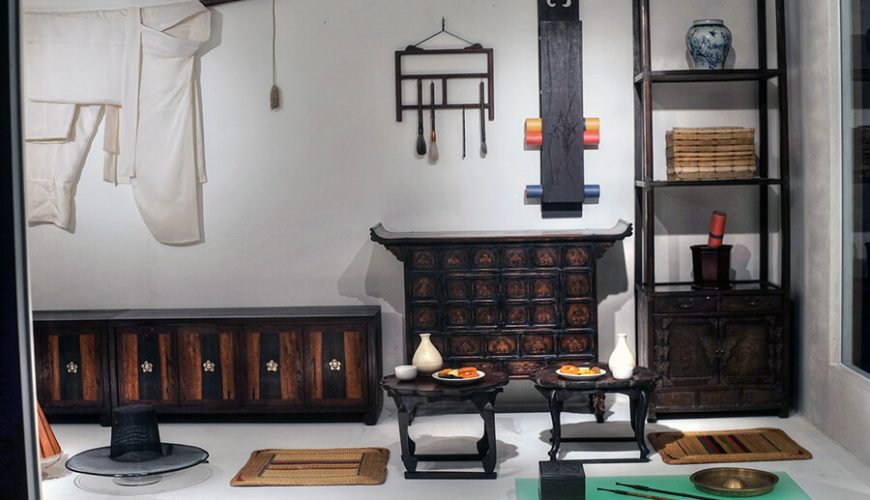
The artifacts are displayed in categories such as costumes, jewelry, weapons, musical instruments, religion, and housing, and are highly appreciated by tourists.
Entrance fee to visit the museum
- For adults: 40,000 VND / time.
- For students: 15,000 VND / time.
- For pupils: 10,000 VND / time.
- Elderly people, people with disabilities, ethnic minorities: 50% discount on ticket price.
- Children under 6 years old, people with severe disabilities, journalists: Free.
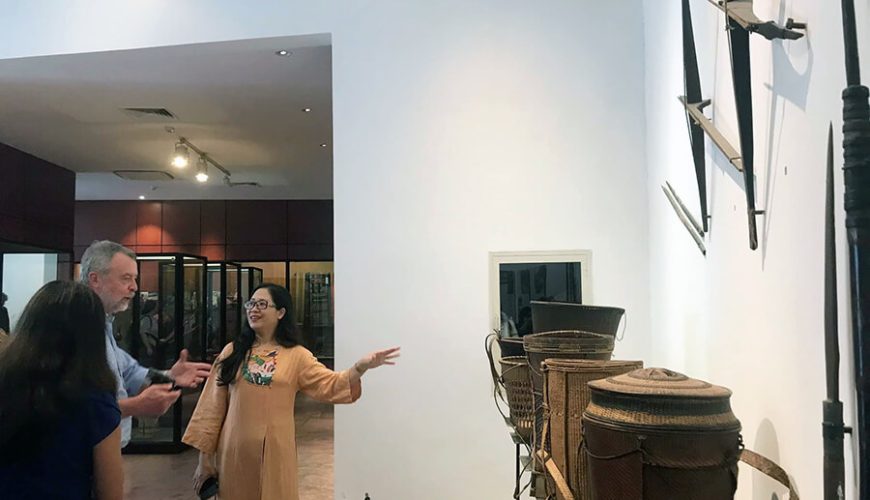
- Tour guide fee (English/French): 100,000 VND.
Opening hours: 8:30 am – 15:30 pm, all days of the week; may change during holidays.
Displays at Vietnam Museum of Ethnology
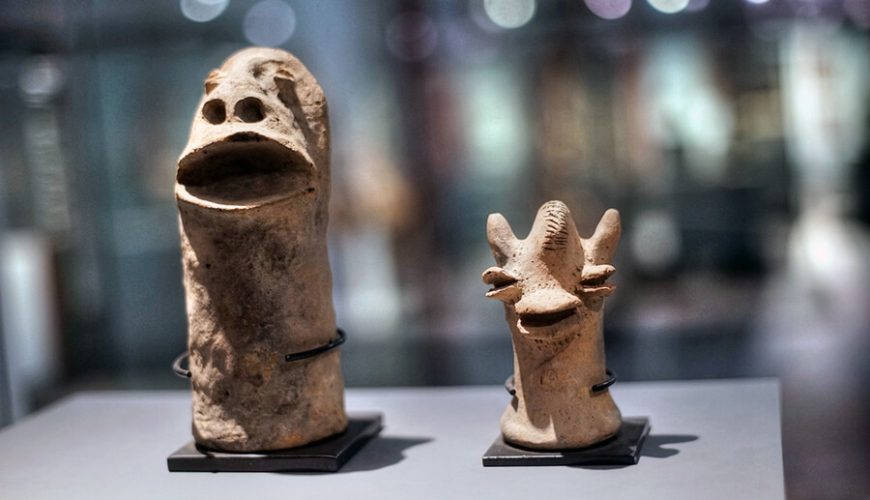
The Vietnam Museum of Ethnology preserves and displays many cultural artifacts from all 54 ethnic groups in Vietnam, including 15,000 artifacts, 42,000 films (with color photos), 2,190 positive films, 273 interview tapes, music, 373 video tapes, and 25 CD-ROMs (as of 2000).
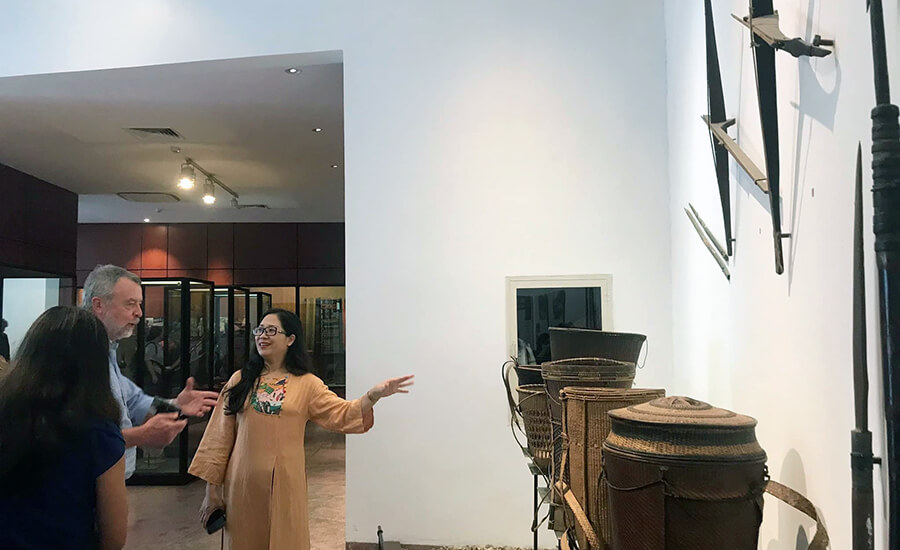
These artifacts are classified according to many different criteria such as: ethnicity, use, clothing, jewelry, farming tools, fishing tools, weapons, household items, musical instruments, religion and beliefs, weddings, funerals, and many other spiritual and social activities.
The Vietnam Museum of Ethnology is currently divided into many visiting areas, of which there will be 3 main areas:
The Peoples of Vietnam
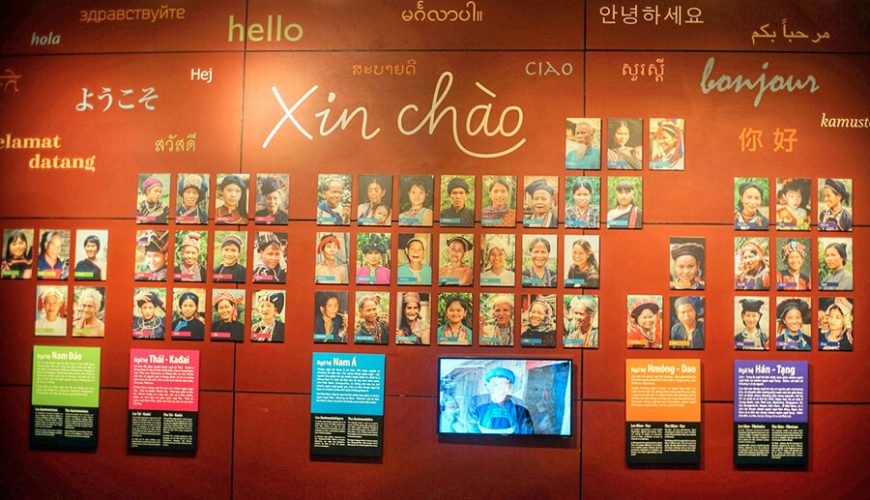
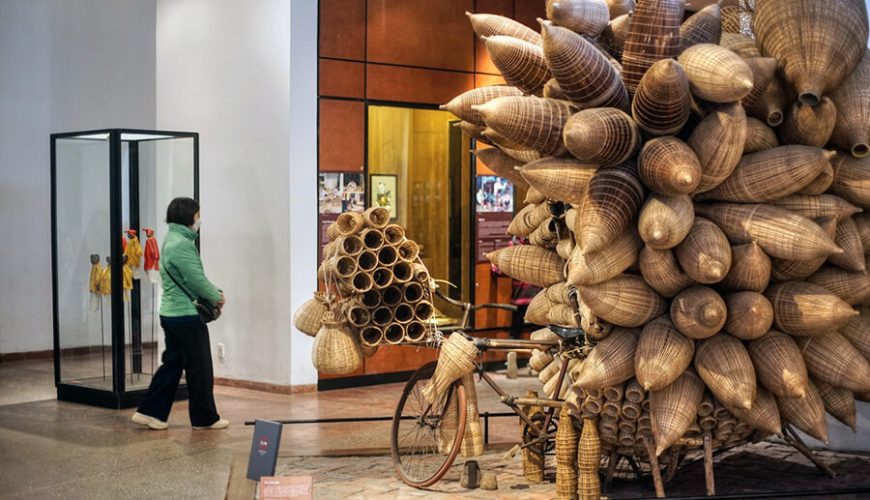
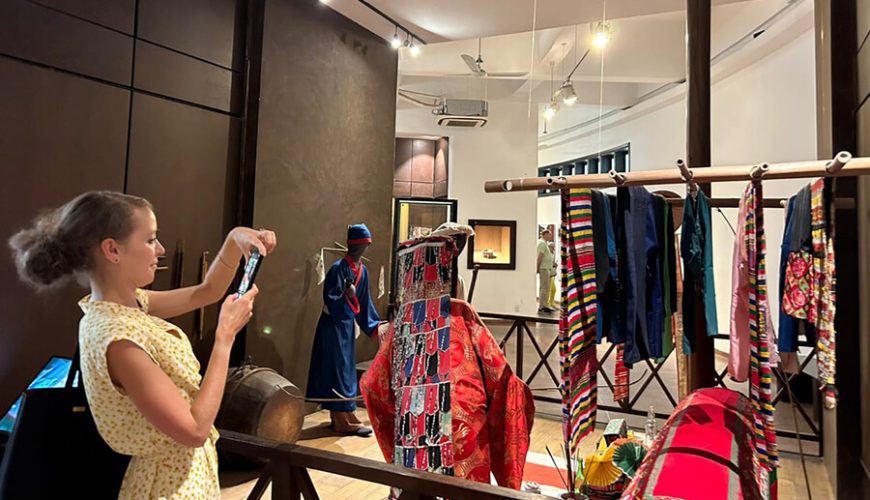
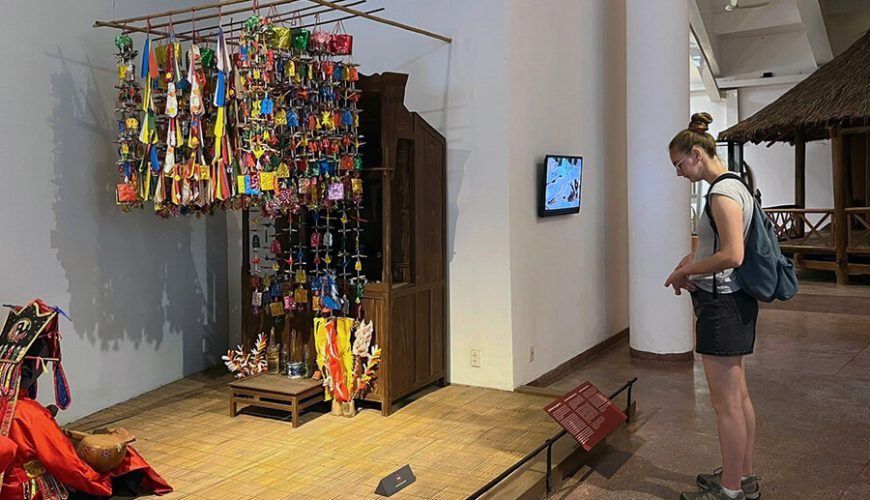
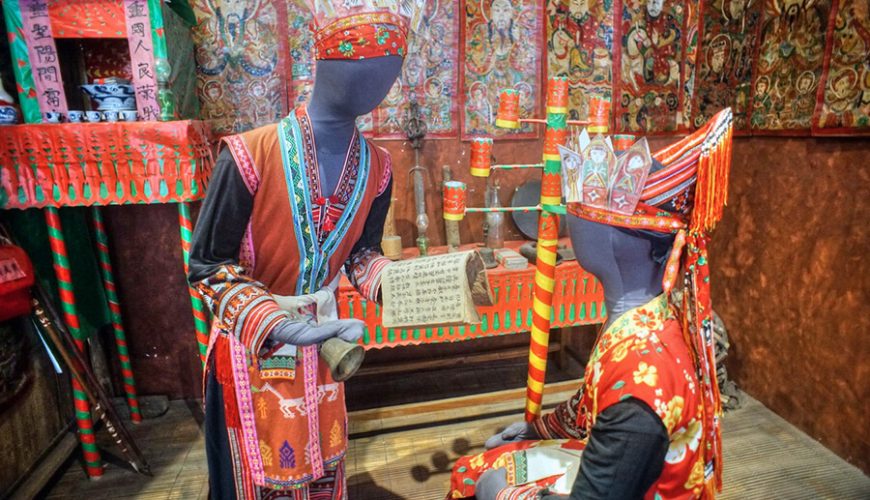
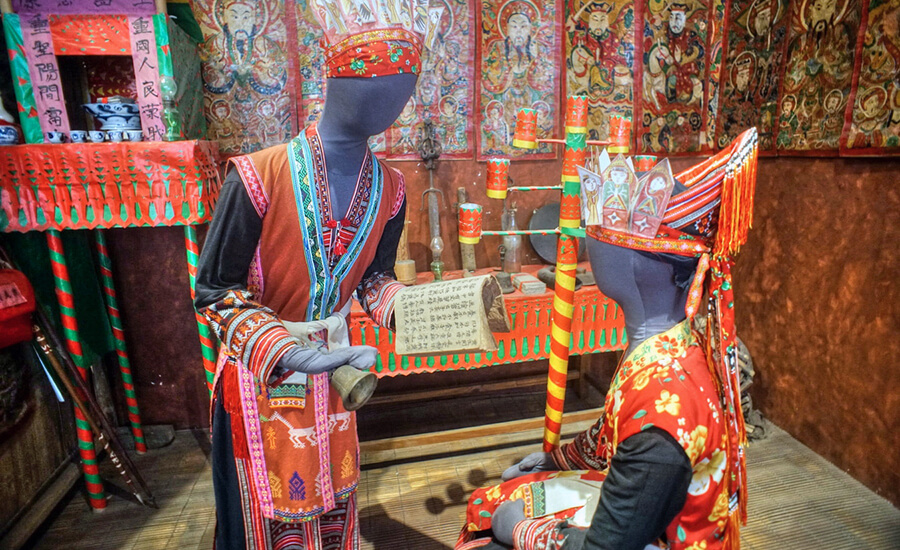
The permanent exhibition area, Peoples of Vietnam, introduces all 54 ethnic groups in Vietnam. There are many common artifacts in people’s daily lives. Particularly rich are ethnic fabrics, such as loincloths, skirts, and scarves, decorated with various traditional techniques; weaving, especially of baskets and trays; musical instruments made of bamboo and dried gourd shells; ritual artifacts…
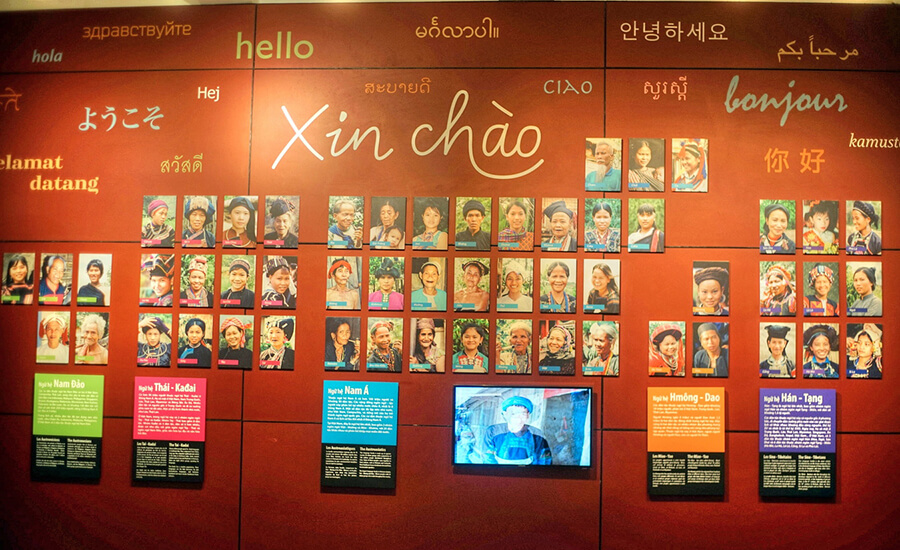
Along with the artifacts in the exhibition rooms, there are also photos and documentary films that reflect all aspects of tangible and intangible culture, including the typical features of the life and creativity of ethnic groups. To fully serve visitors, all information in the exhibition, articles, as well as annotations, is made in 3 languages: Vietnamese, English, and French.
The museum also drafted many brochures introducing the main content, in Vietnamese, English, French, Chinese, German, Japanese, etc., which were distributed free of charge to visitors.
The Peoples of the World
Built in 2006 on 500 hectares, the building was designed by architects from Hanoi University of Civil Engineering and inspired by the unique Kite shape. The Kite Building is a place to display many important cultural artifacts about Southeast Asian countries.
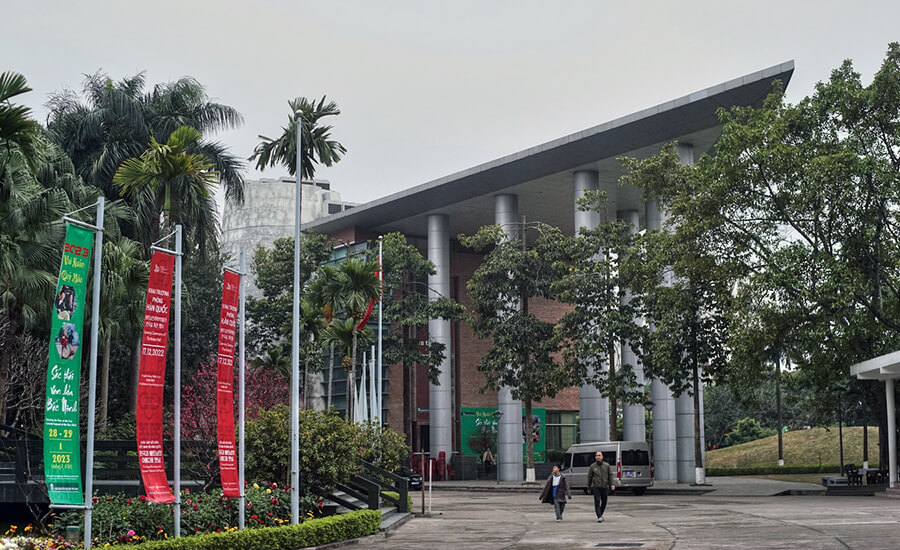
In December 2014, the Kite Building opened a gallery of Indonesian glass paintings. On October 24, 2015, two more galleries were opened on the 2nd floor, themed “A month of Asia” and “Around the world”.
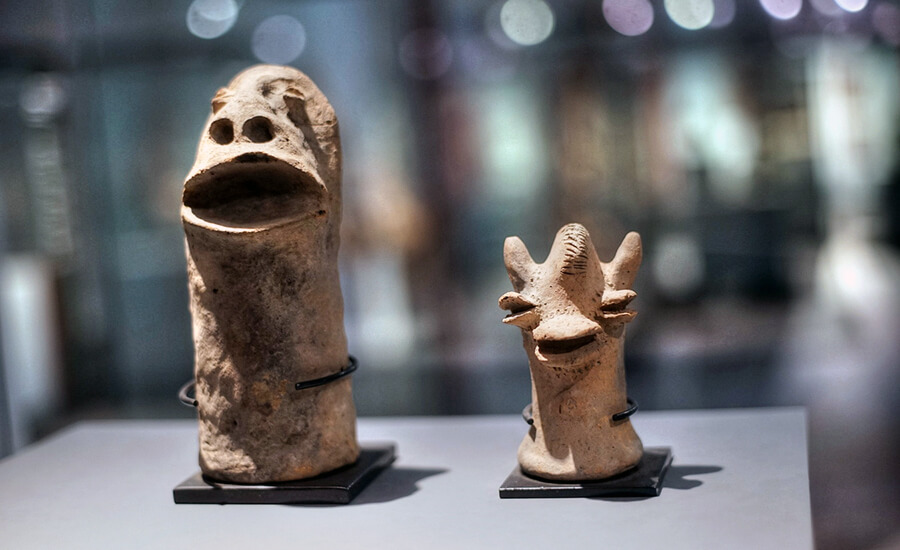
If you want to explore more about the culture and history of Southeast Asian countries, remember to visit the Kite Building.
The Architecture Garden
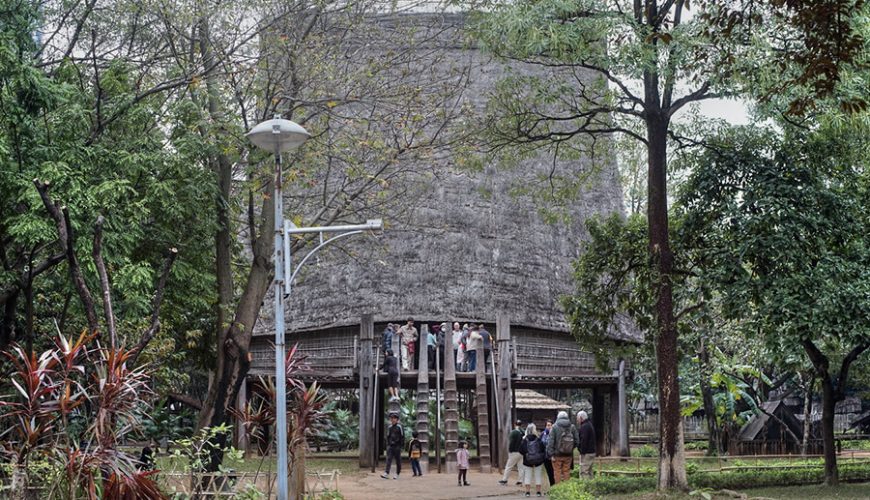
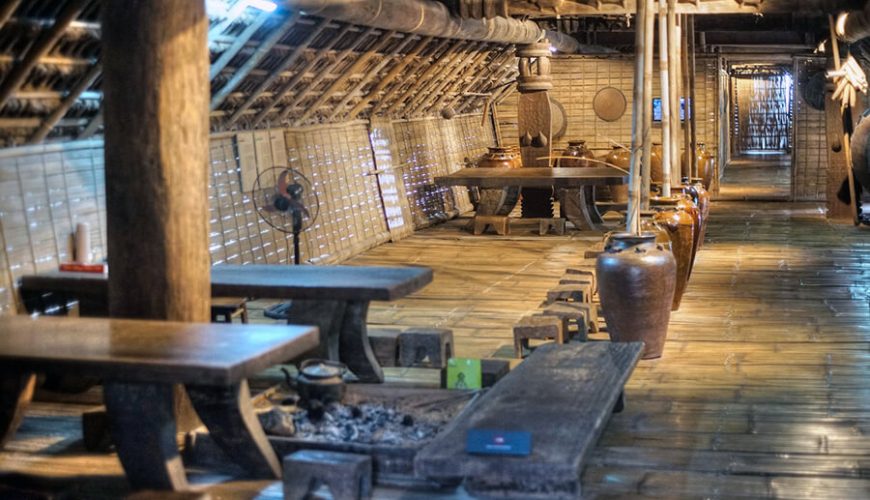
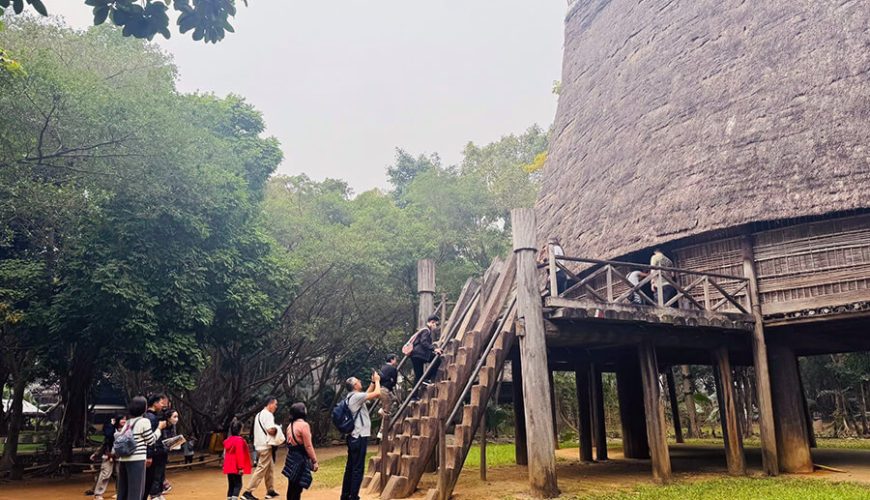
This is an outdoor exhibition area featuring 10 folk architectural works from ethnic groups in Vietnam, including Chan house, Ede house, Viet house, Cotu tomb house, Tay House, Hanhi house, Yao house, Hmong house, and Giarai tomb house.
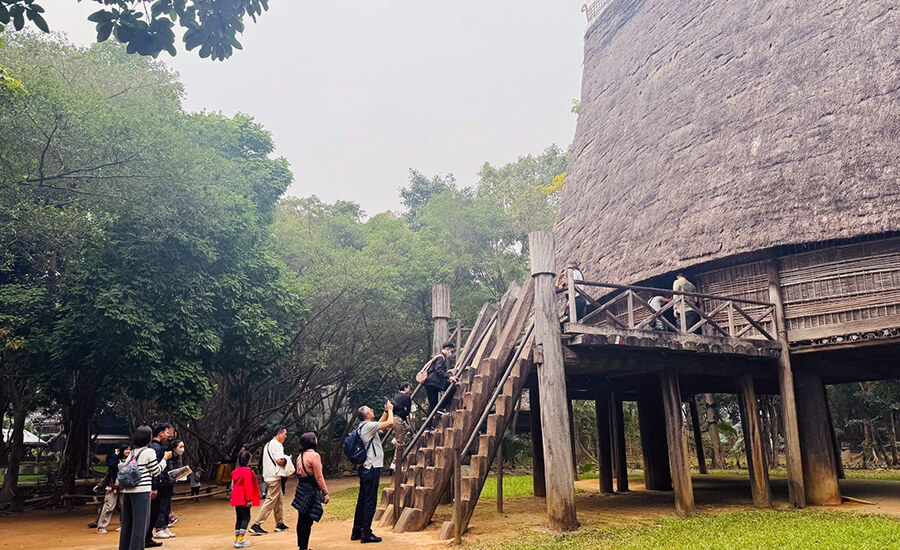
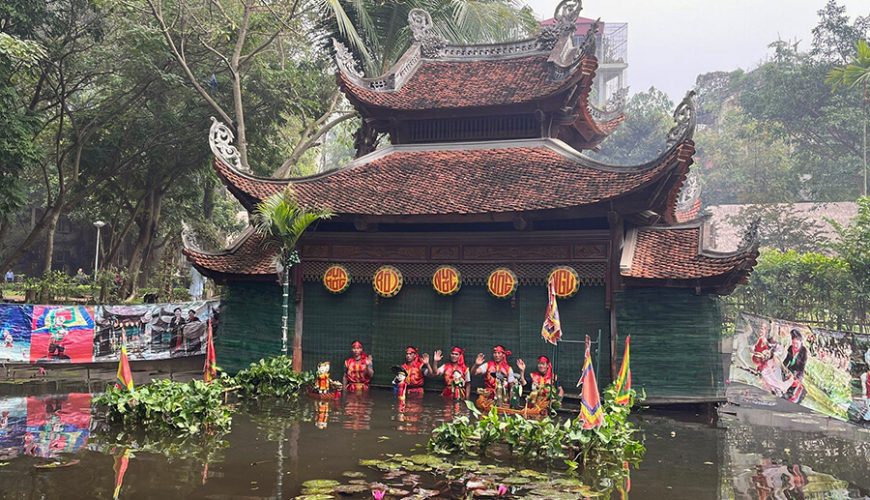
In this green garden, there are also Ngo boats of the Khmer and Dao water-powered rice pounding mortars. In front of Viet house, on Saturdays and Sundays, water puppet performances are held by folk puppet troupes from different villages.
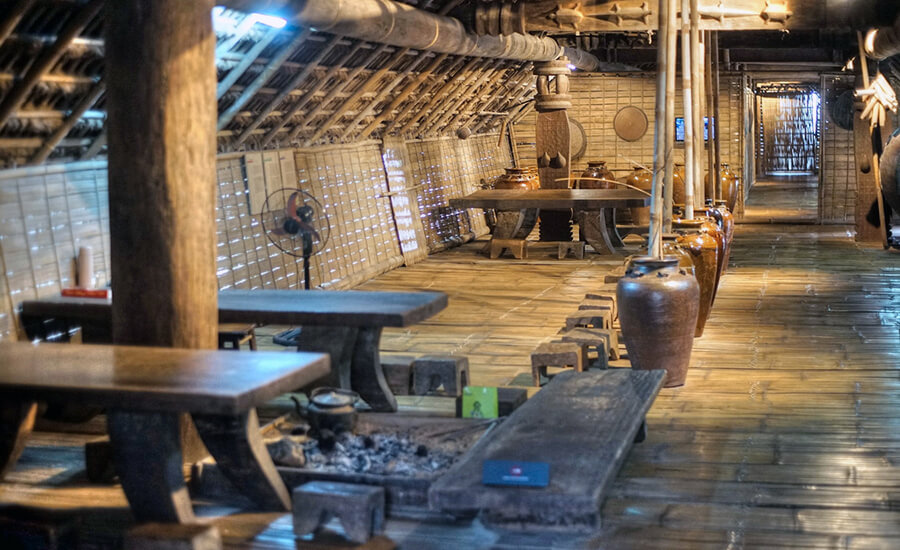
Some other activities at Vietnam Museum of Ethnology
Coming to the Vietnam Museum of Ethnology, visitors can also participate in many interesting activities such as:
Water puppetry: This is a famous traditional folk theatrical art form of Vietnam. The artists will tell diverse stories about the daily life and activities of Vietnamese ethnic groups through vivid puppetry images.
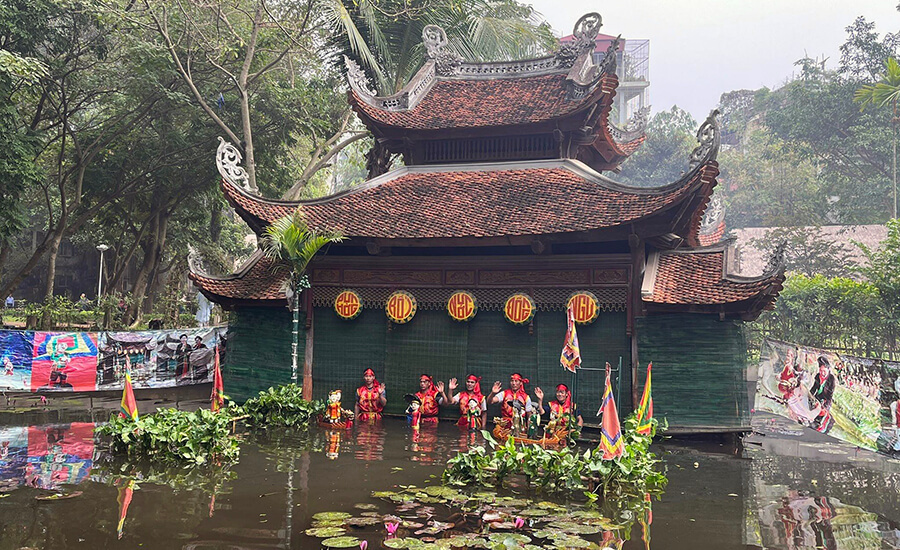
Quan Ho Bac Kinh folk songs: Now you can fully enjoy this famous art form at the Vietnam Museum of Ethnology. Visitors will have the opportunity to participate in many Quan Ho folk song exchanges organized, which is to promote Vietnamese culture to many domestic and foreign tourists.
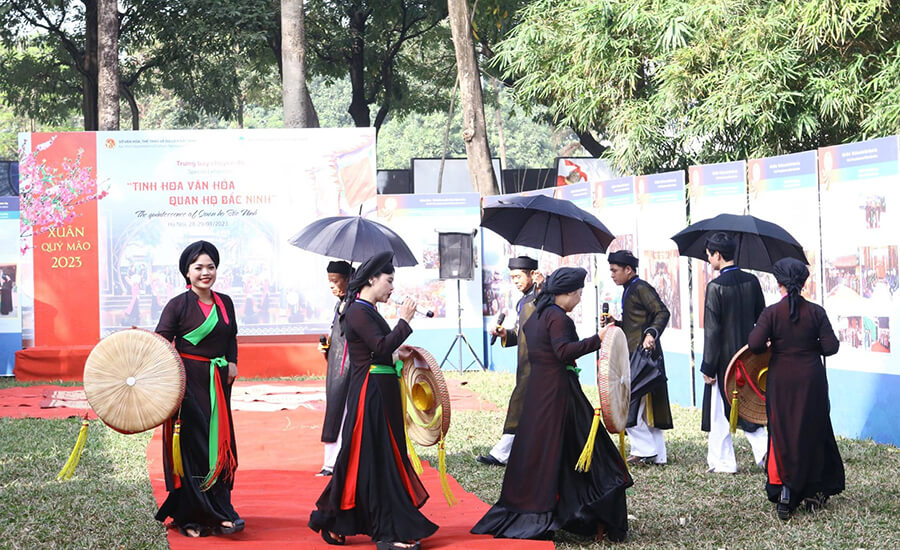
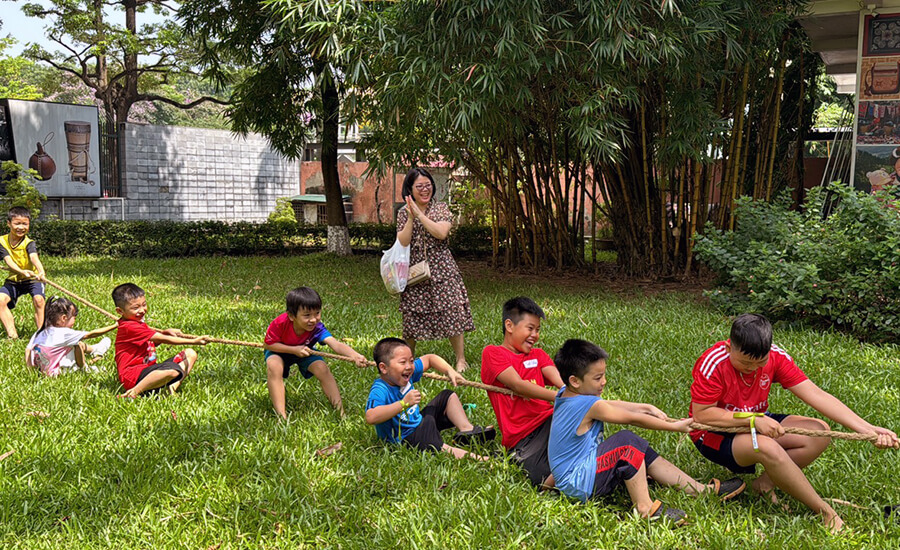
Participate in many folk games: In the museum grounds, there will be many attractive games such as swinging, balancing, and walking on the bridge, … This will definitely be an extremely interesting experience when participating.
In addition, the museum grounds still provide many services for food and drink, a souvenir shop, a bookstore, and more for visitors to relax or shop.
If you want to learn more about the traditions, culture, and history of the 54 ethnic groups, the Vietnam Museum of Ethnology is an indispensable destination on your trip to Hanoi.
Source: collected by An
Follow us for the best deals on Vietnam package tours and visa services

Comment (0)