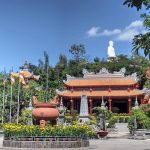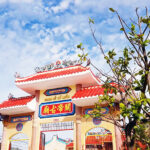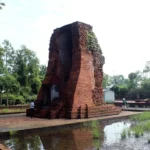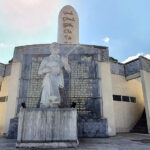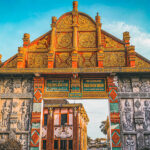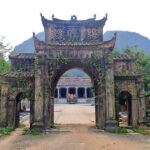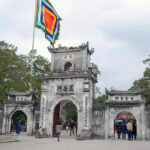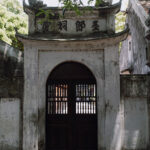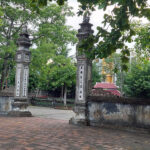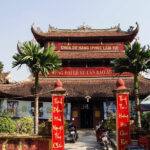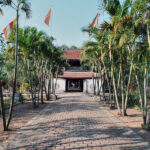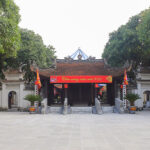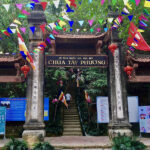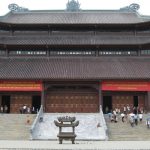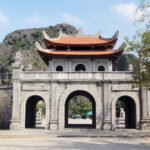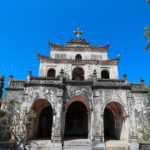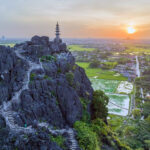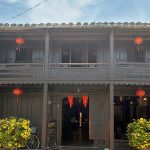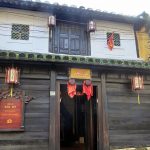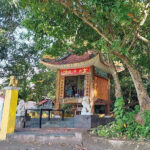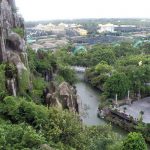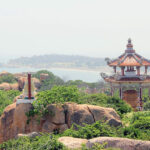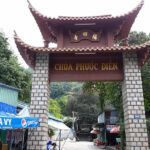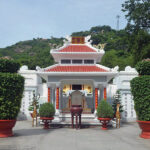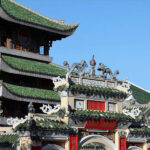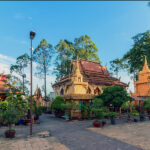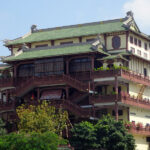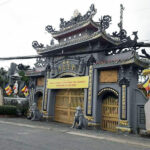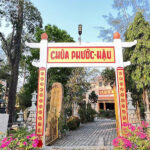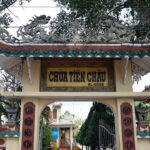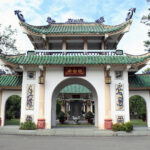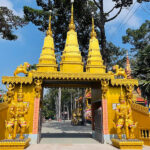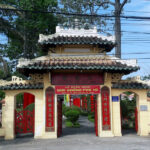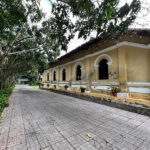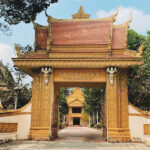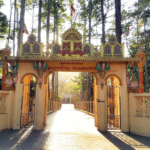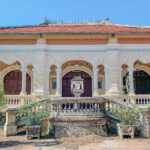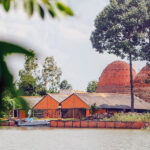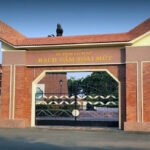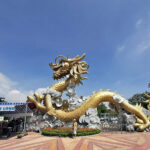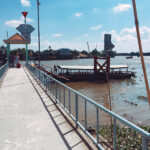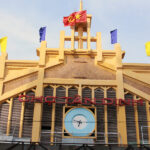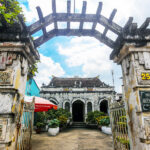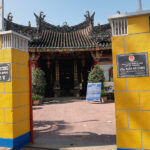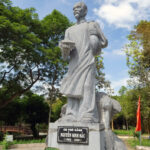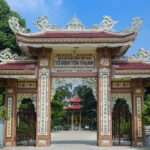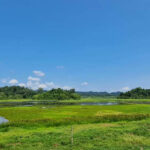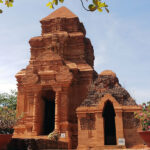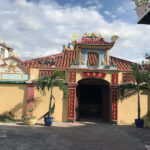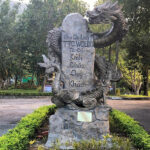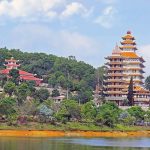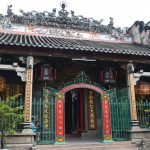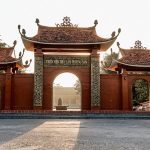
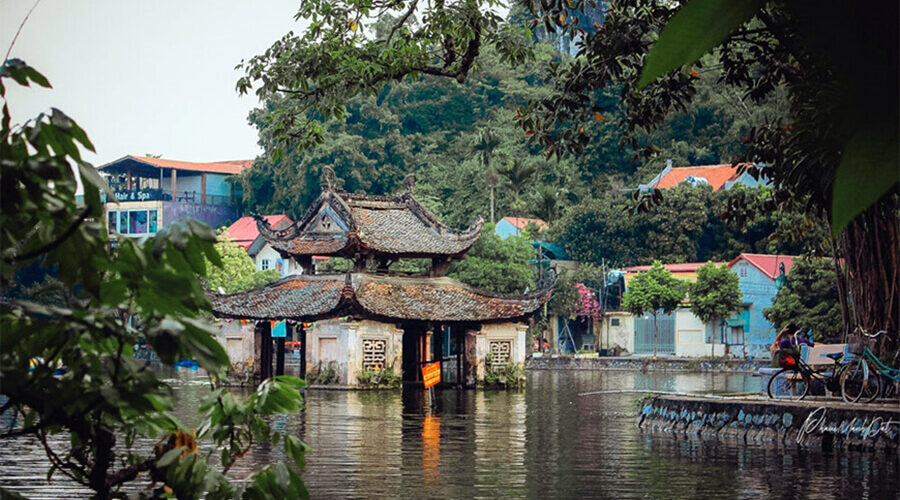


The ancient Thay Temple has long been a spiritual tourist destination for the people in Hanoi. The charming landscape, along with the unique architecture with religious and historical values, have contributed to the attraction of this place.
General information about Thay Temple
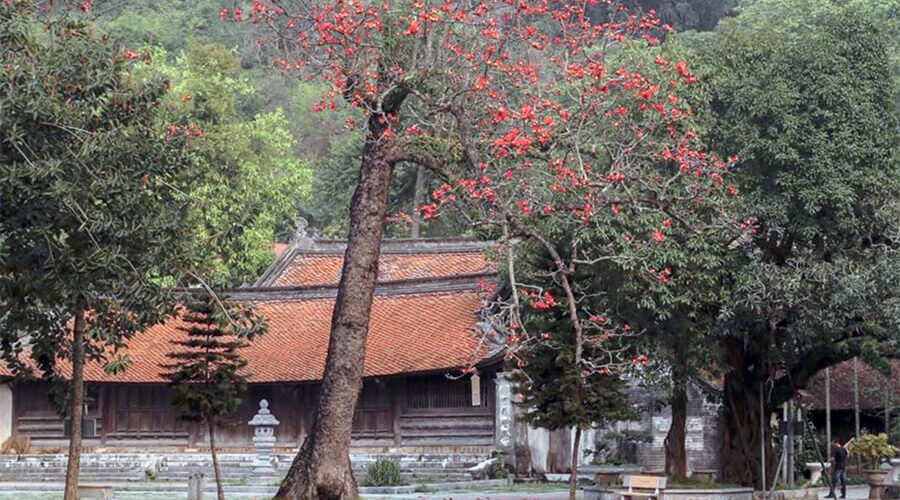
Thay temple belongs to Sai Son village in Quoc Oai District, 25 km south-west of Hanoi. The temple was built on the slopes of Phat Tich Mountain. The reason the pagoda is called Thay Temple (Vietnamese: Chùa Thầy or Master’s Temple) because the people here highly respect Tu Dao Hanh – a Zen master of the Ly Dynasty who came here at the end of the 11th century. He was both a teacher for the people, a doctor, and a master of the unique folk games here – water puppetry. Therefore, the people around the area respected him as a teacher, and his place of practice was called Thay temple.
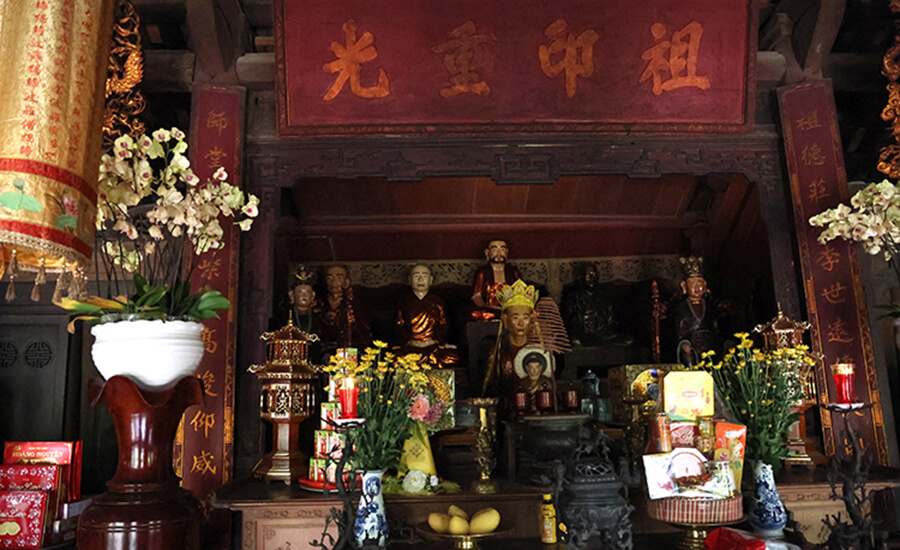
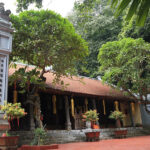
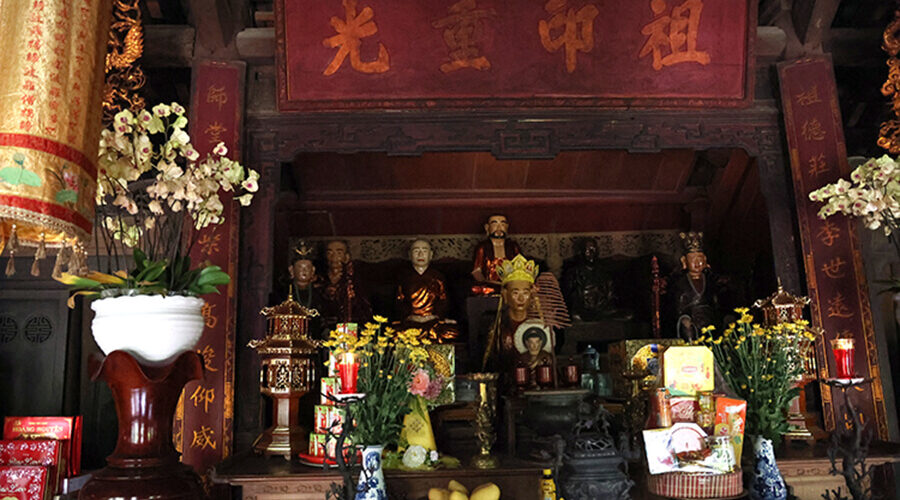
Worship hall of Zen Master Tu Dao Hanh
Initially, Thay temple only had a hermitage where Zen master Tu Dao Hanh presided, later Emperor Ly Nhan Tong rebuilt it including the Cao temple on the mountain and the Duoi temple, also known as the Ca Thien Phuc temple.
In the early 17th century, Dinh Quan Cong and the royal family took care of the restoration and construction of the temple. According to feng shui theory, the temple was built on a dragon-shaped land. In front of the temple, on the left is Long Dau peak, behind the temple and on the right is Sai Son mountain.
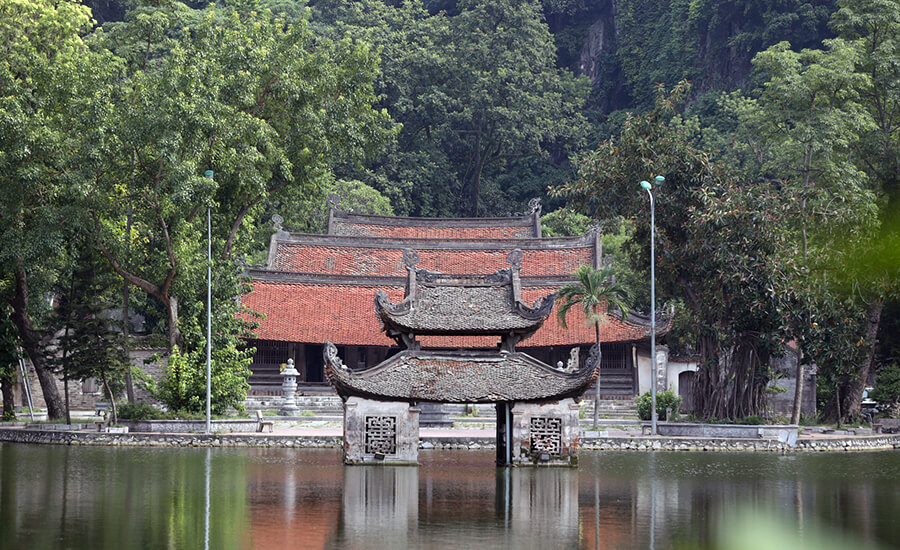
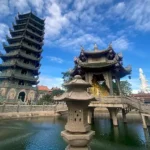
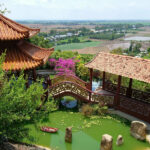
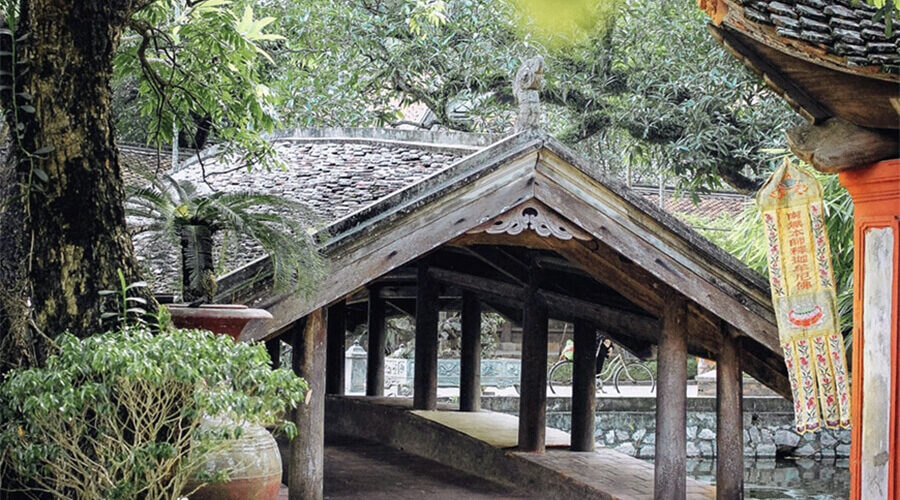
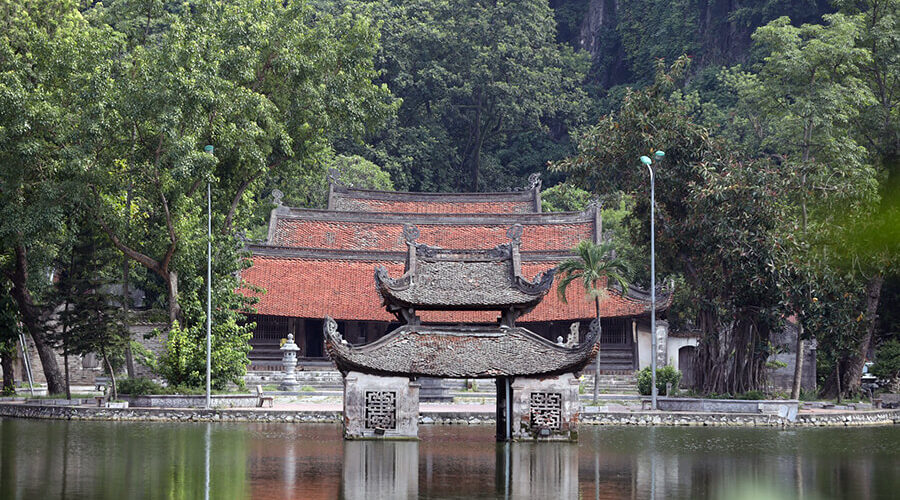
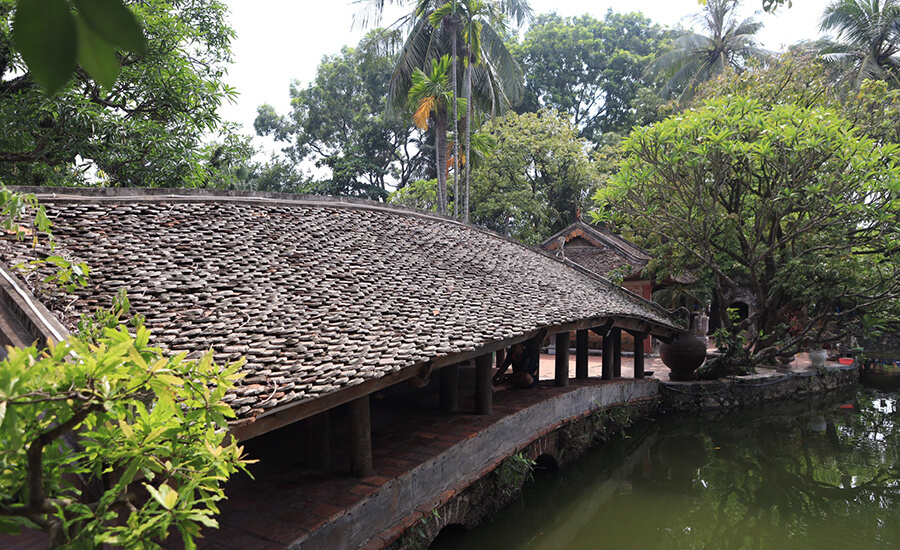
The pagoda faces south, in front of the temple, between Sai Son and Long Dau is a large lake named Long Chieu or Long Tri (Dragon pond). The temple yard is like a dragon’s jaw, the water pavilion is like a dragon’s pearl. The Nguyet Tien Kieu and Nhat Tien Kieu bridges are like two dragon whiskers.
On December 31, 2014, Thay temple was classified as a National Historical Relic by the State. This is also a revolutionary relic, a unique architectural work of the rich countryside of Quoc Oai.
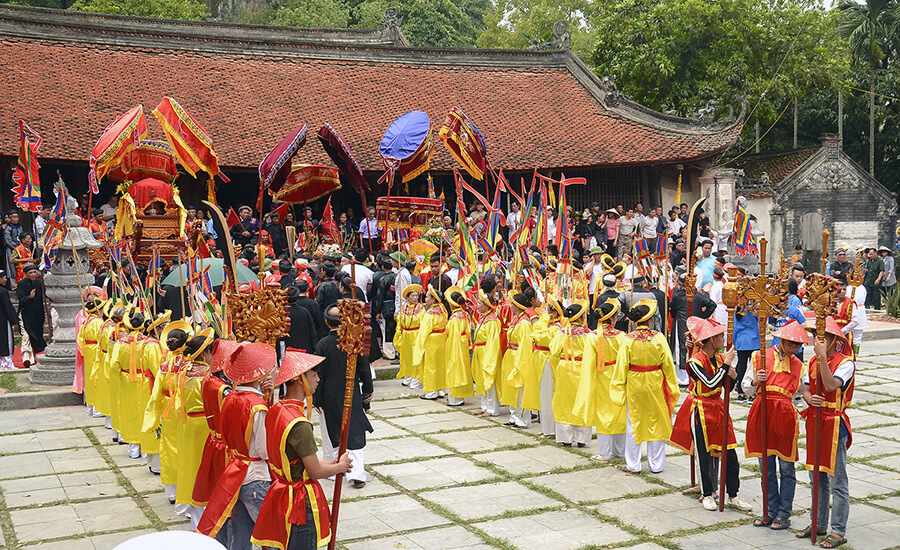
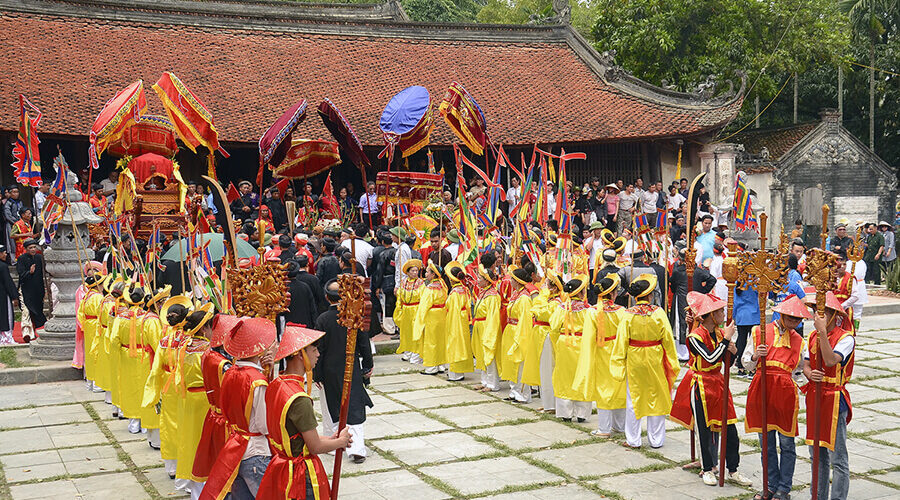
Today, the Thay temple festival takes place from the 5th to the 7th of the third lunar month every year. During the festival, many monks and nuns from other places in the region and local people come here to attend the ceremony.
Unique architecture of an ancient Thay Temple
Thay temple is not only beautiful in natural landscape but also beautiful in feng shui, the architectural style has created the ancient and sacred beauty of the temple.
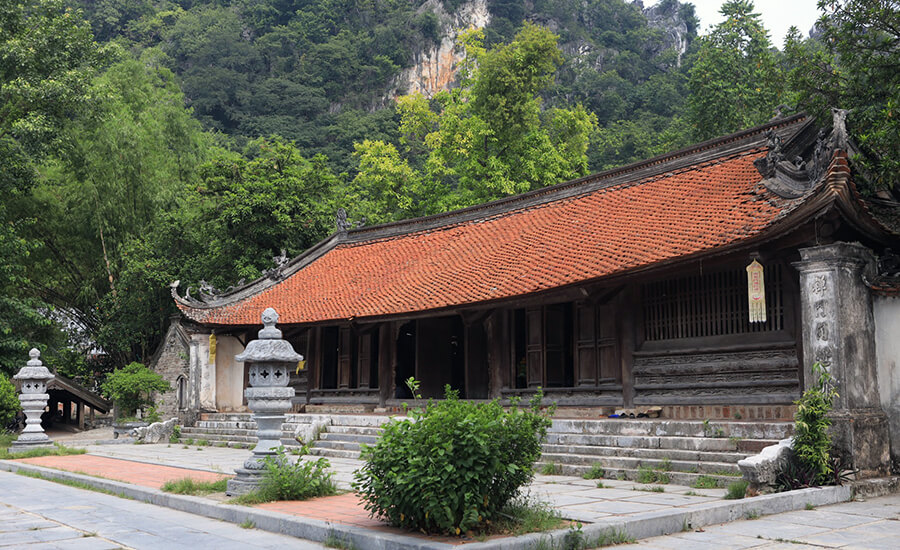
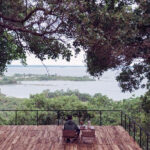
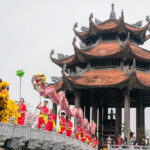
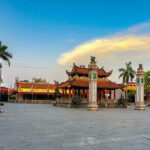
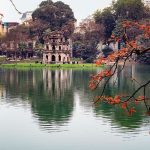
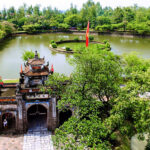
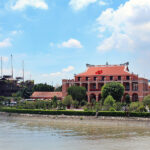
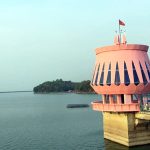
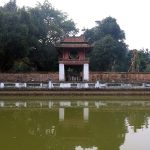
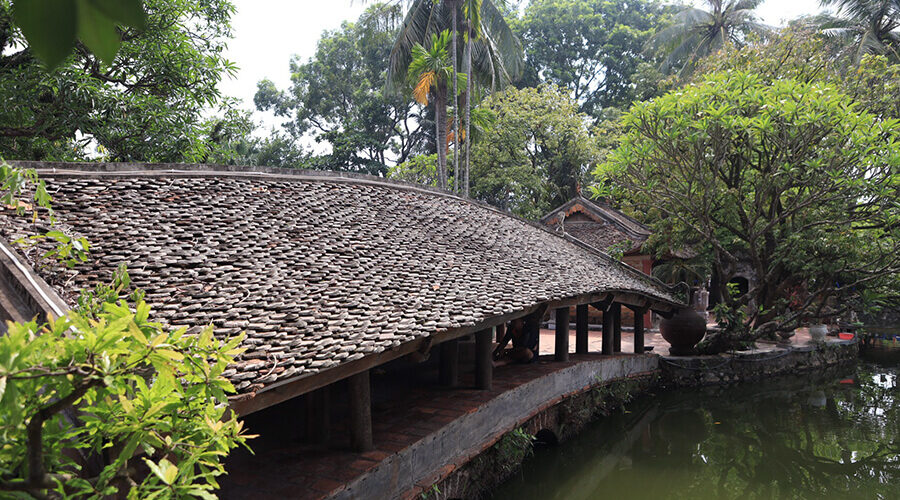
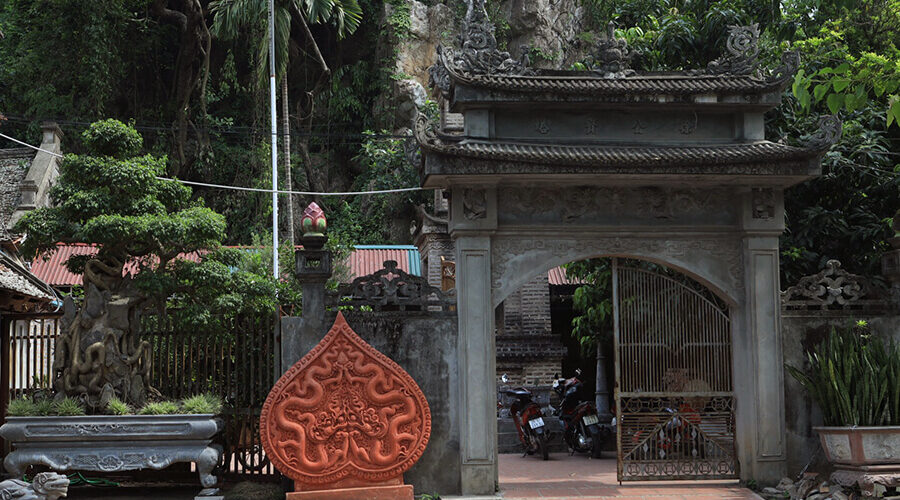
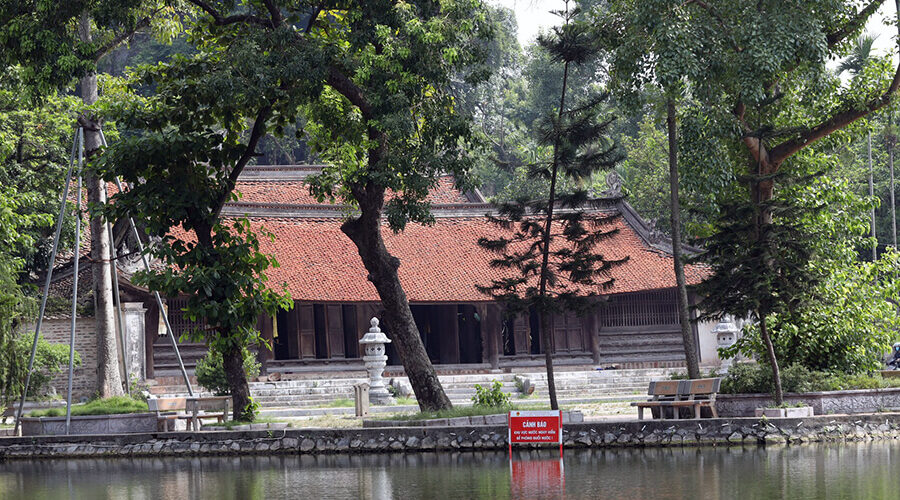
In front of Thay temple is a large yard overlooking Long Tri Lake. In the middle of the lake is an ancient water pavilion, likened to a brilliant pearl in the mouth of a sacred dragon. This place often becomes a stage for water puppet artists on festival days.
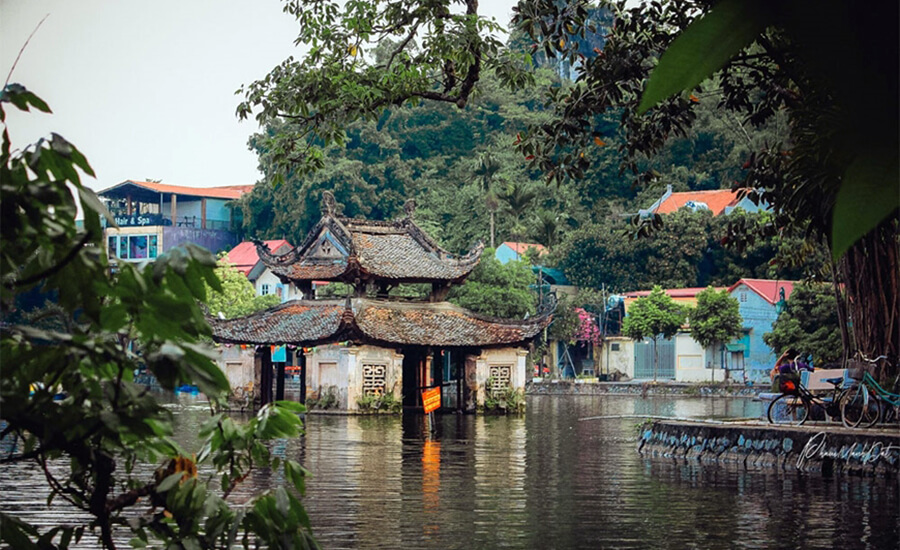
From the large yard, there are two bridges Nhat Tien Kieu and Nguyet Tien Kieu connecting to both sides, forming two dragon whiskers, creating a solemn and ancient space.
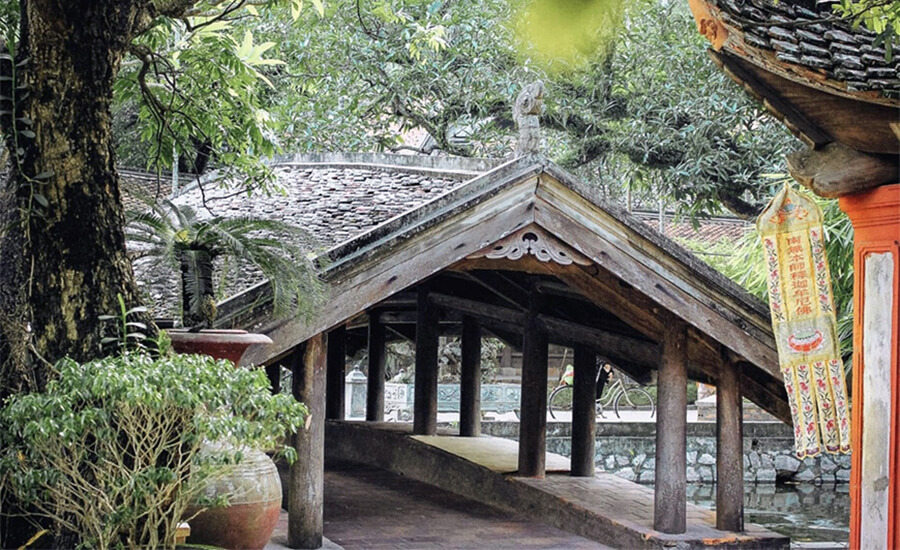
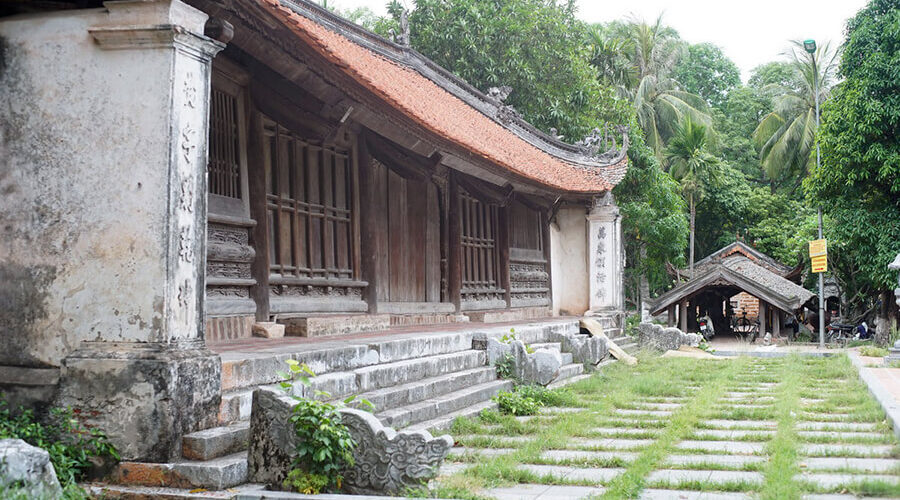
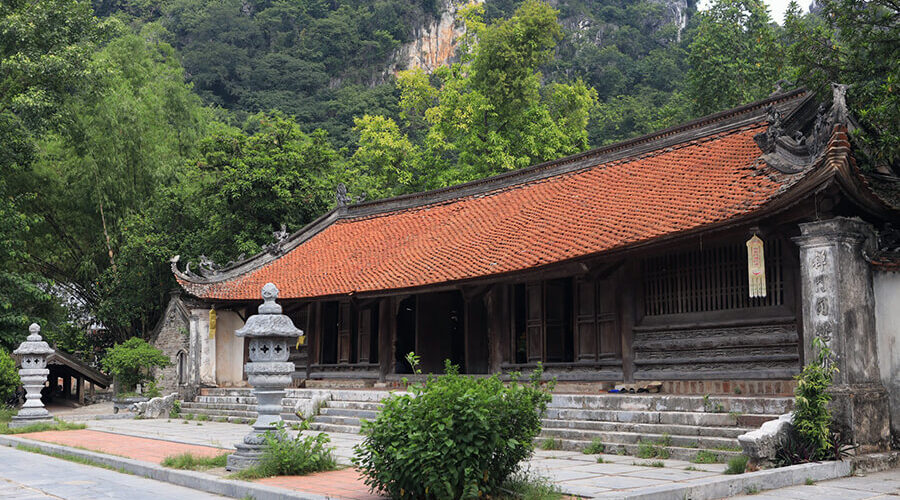
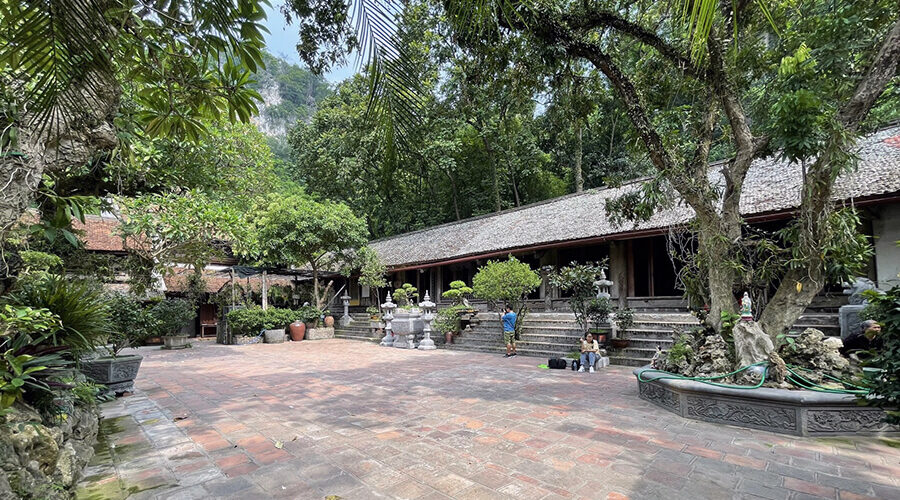
Thay temple is about 2,400m² wide, built in traditional architectural style, and divided into three parts: Ha, Trung and Thuong.
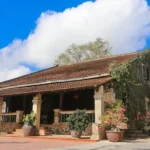
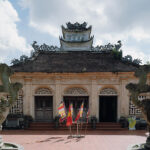
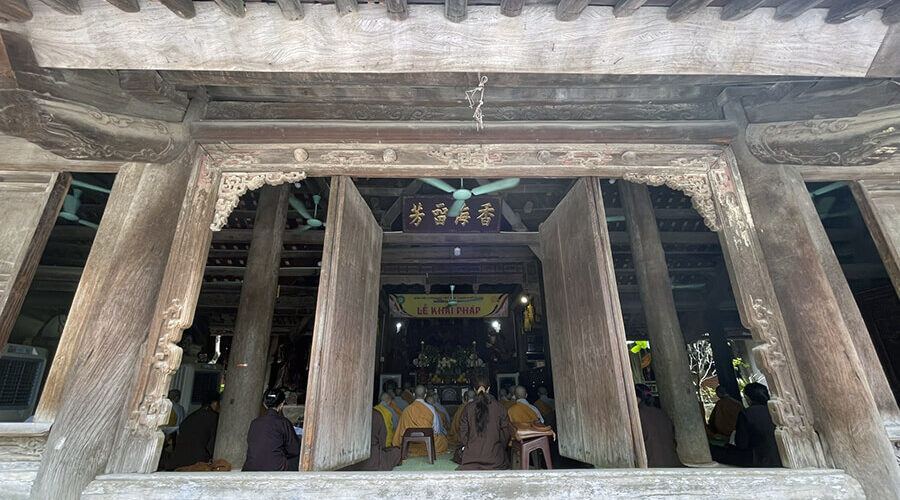
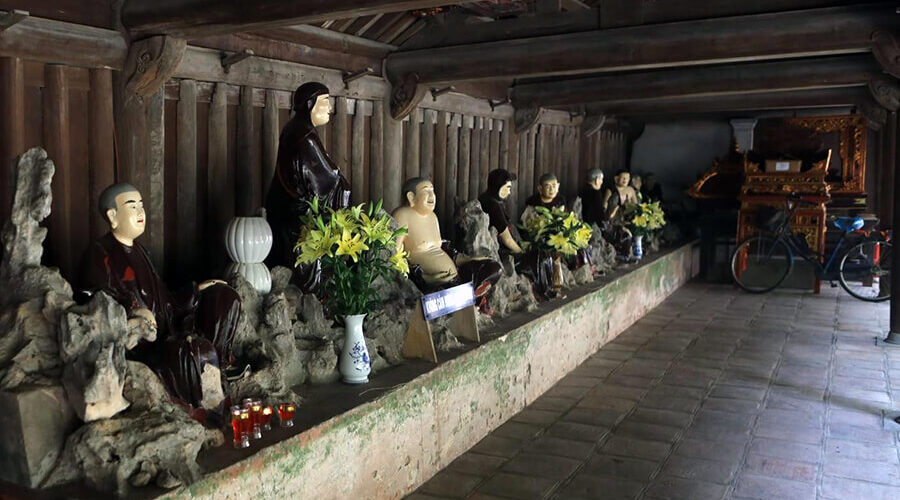
Ha – the entrance hall, is a place of worship for Buddhist monks and nuns, and also a place for monks to preach.
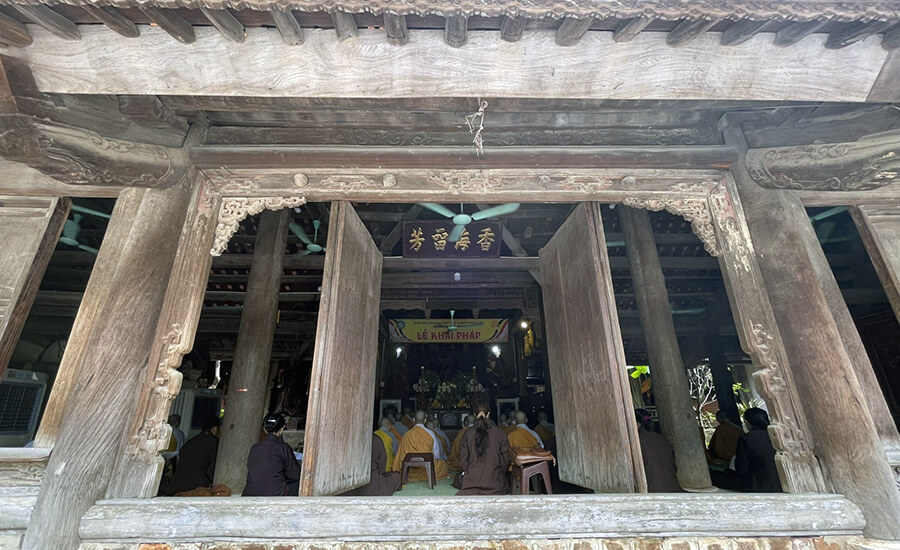
Ha Chamber in Thay Temple
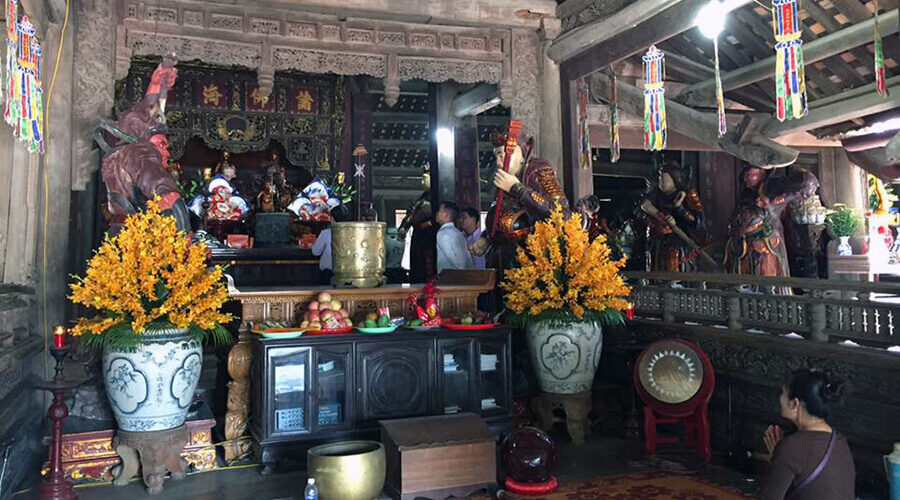
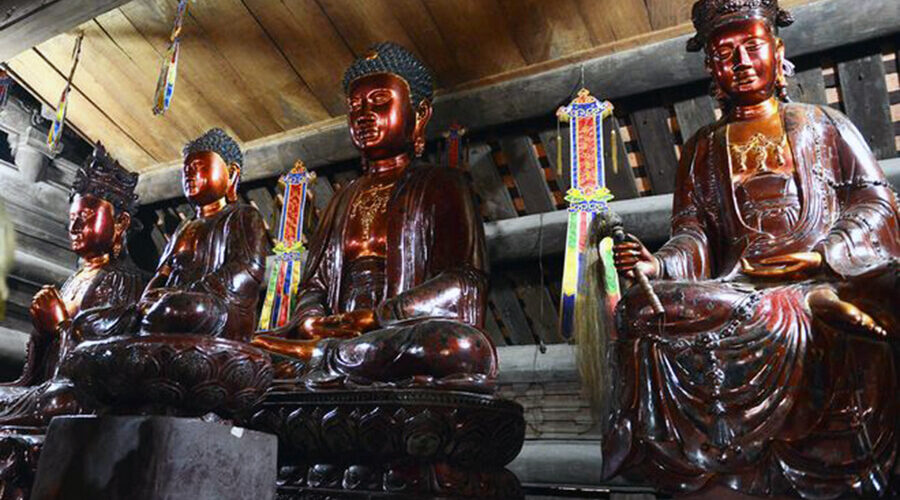
Trung, also know as the middle chamber, is a place to worship the Three Jewels, with a Buddha altar, and two statues of Dharma Protectors and Heavenly Kings on both sides.
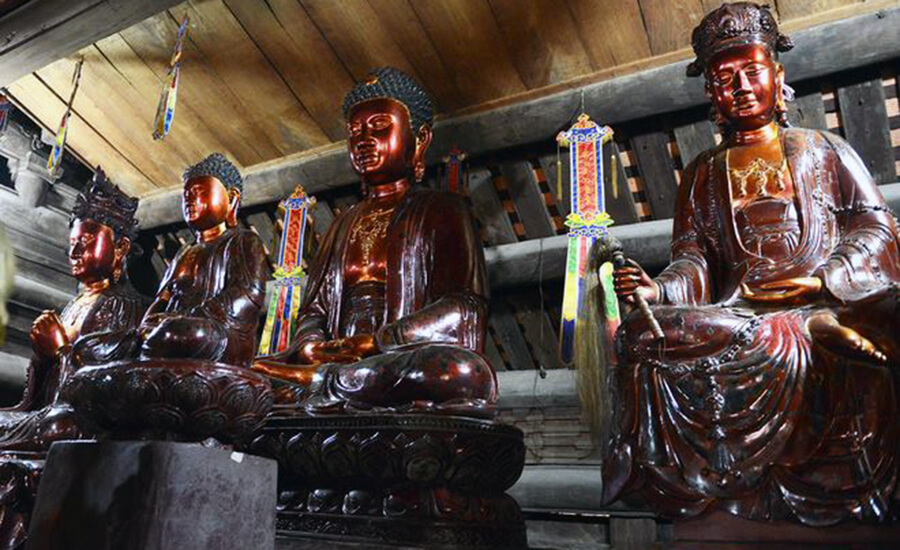
Thuong, is located at the highest position, completely separate from Ha and Trung area. On this chamber, the statues of Amitabha, Sakyamuni, and the three-life statues of Zen Master Tu Dao Hanh are placed.
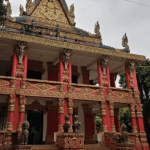
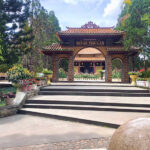
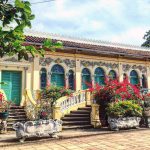
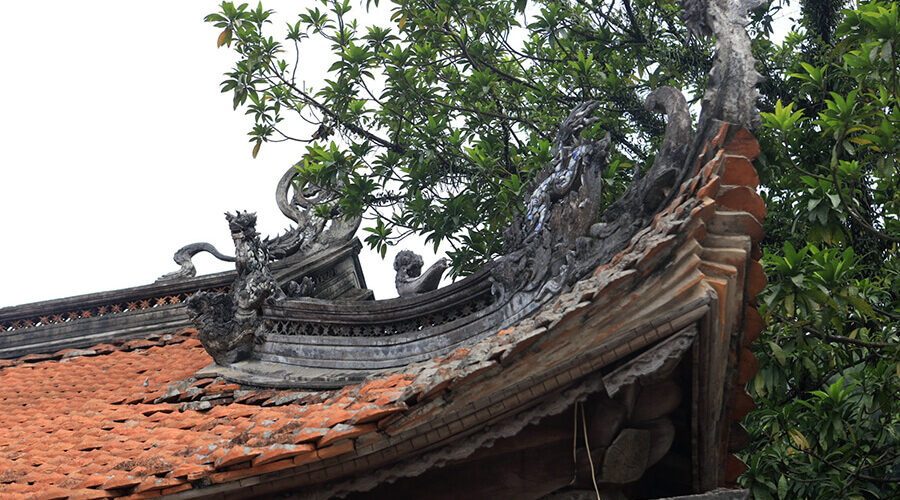
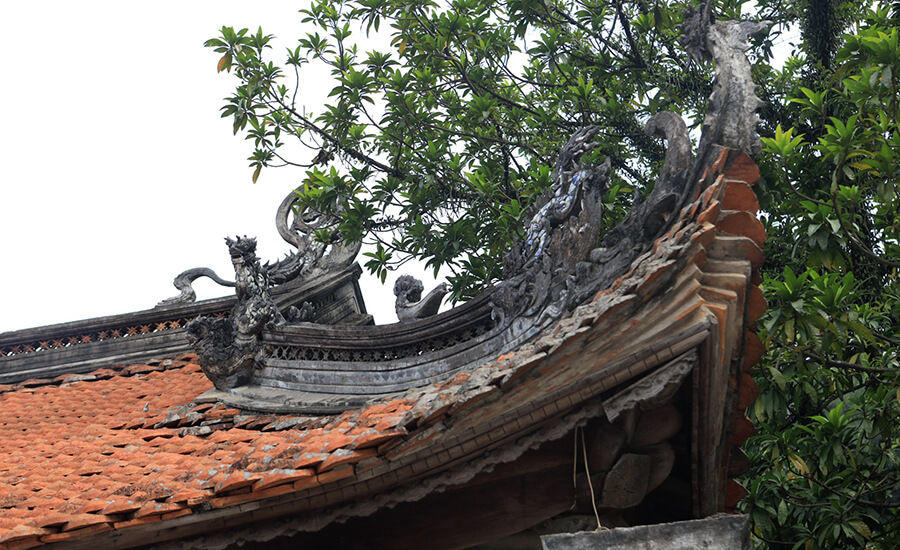
Thay Pagoda was designed in the architectural style of the 17th century. Every detail is elaborately carved on the roof, pillars, doors, etc., showing the spirit and culture of the Ly Dynasty nearly a thousand years ago.
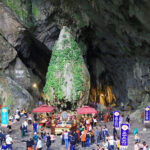
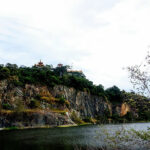
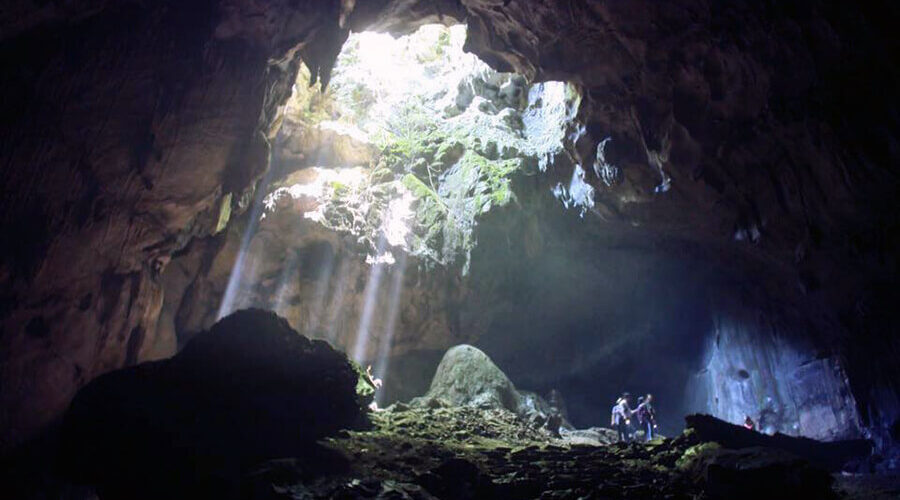
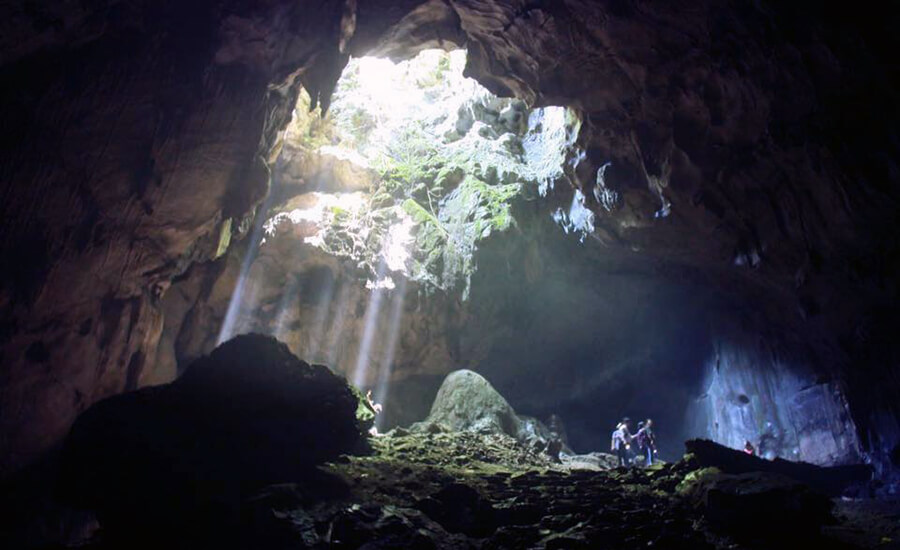
Going along the road up the mountain, there is the architectural complex of Cao temple, which was Hien Thuy Shrine – the first place of Zen Master Tu Dao Hanh’s practice. The higher you go up the mountain, the more small caves you will encounter such as But Moc Cave, Bo Cave, Gio Cave, and the One-Roof temple (Boi Am temple). There is also a limestone grotto known as the hang Cac Co, “the Mischievous”. Mot Mai (One-Roof) temple is an extremely unique architectural work because the temple is located against a high, rugged cliff and has only one roof.
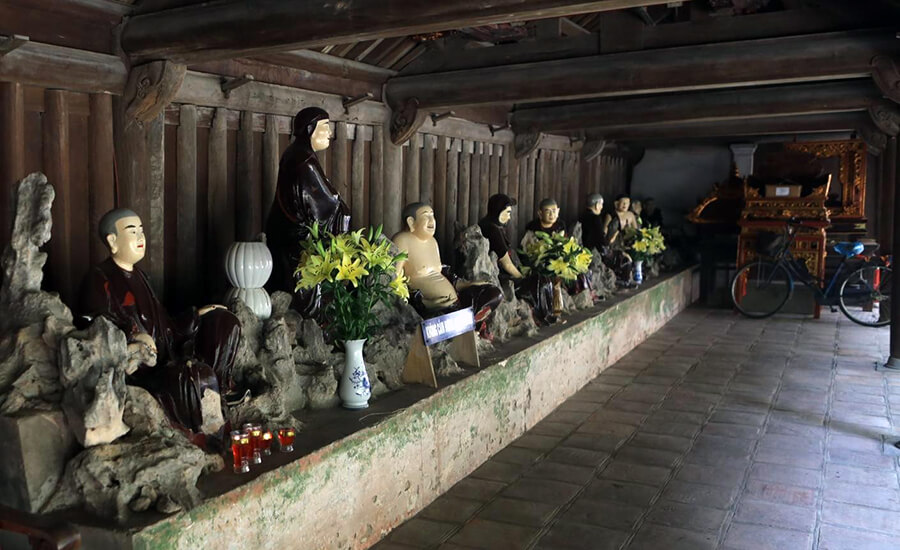
Notably, in Thay temple, there are also statues of Mr. Tu Vinh and Mrs. Tang Thi Loan, Tu Dao Hanh’s parents, and his two close friends, Zen Master Minh Khong and Zen Master Giac Hai.
Source: collected by An
Follow us for the best deal with Vietnam package tours and visa services!