


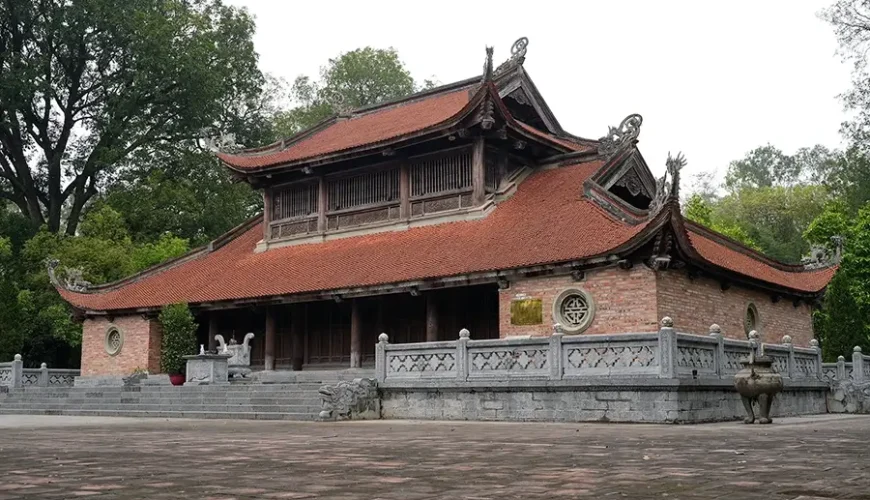


Known as the land of talented people, Son Tay Town is not only the homeland of Vietnamese heroes but also famous for its cultural and historical relics, including the Son Tay Ancient Citadel.
The only laterite citadel in Vietnam
Son Tay Ancient Citadel is one of the largest citadels built of laterite, an extremely strong type of stone, with unique military architecture in Vietnam. Built in 1822, it is square-shaped. It was one of the important military bases, protecting the ancient Thang Long citadel.
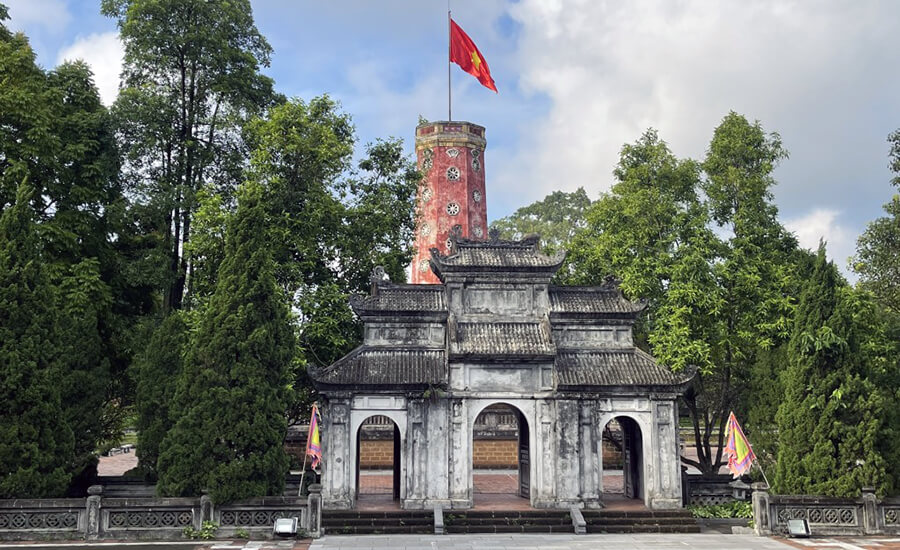
The citadel is located in Son Tay Ward, 42 km from Hanoi, and lies within the ancient villages of Thuan Nghe and Mai Trai. It has four gates: the east (Dong), west (Tay), front (Tien), and back (Hau).
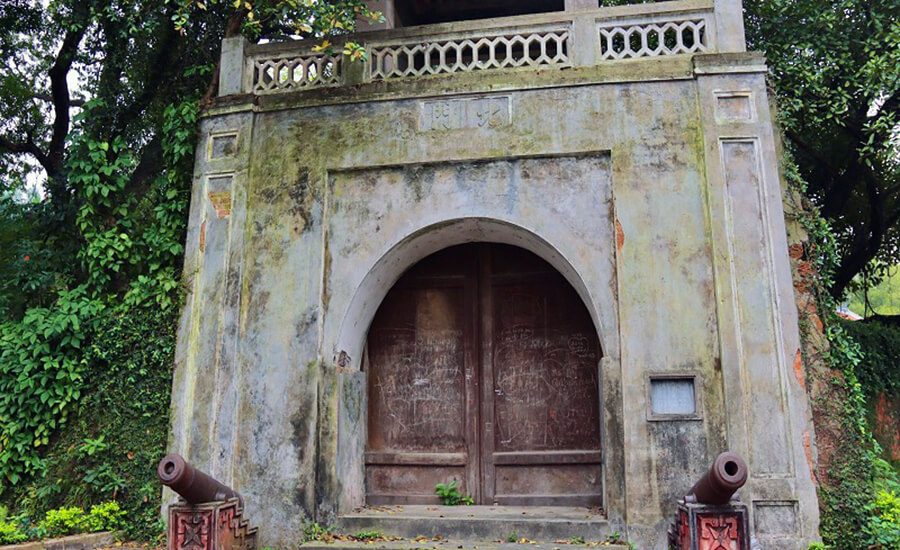
The east and west gates were leveled, and only the front gate (facing south), facing Quang Trung Street, and the back gate, facing Le Loi Street, remained.
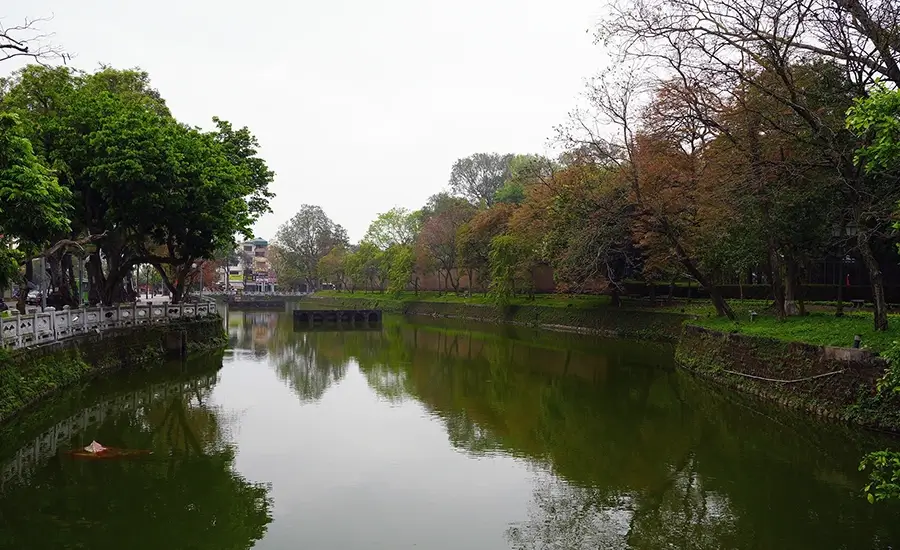
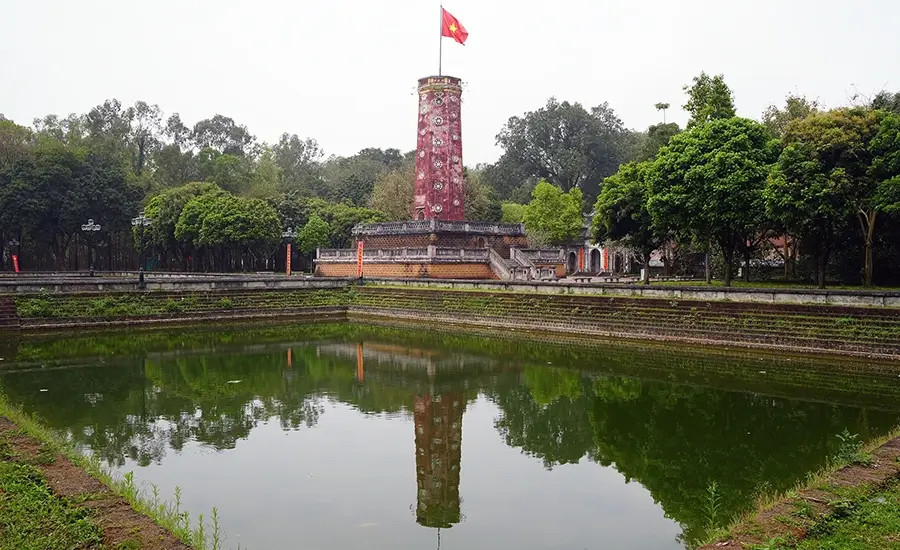
Surrounding the 2.000m perimeter of the citadel is a moat, which is 3m deep, 20m wide, and 1,795 meters long. There is a bridge across the moat leading to the citadel gates. Inside, there are four cannons standing at the four corners.
Each citadel gate was quadrilateral in shape, with a trapezoidal cross-section. Above each gate was a watchtower, and there was only one entrance.
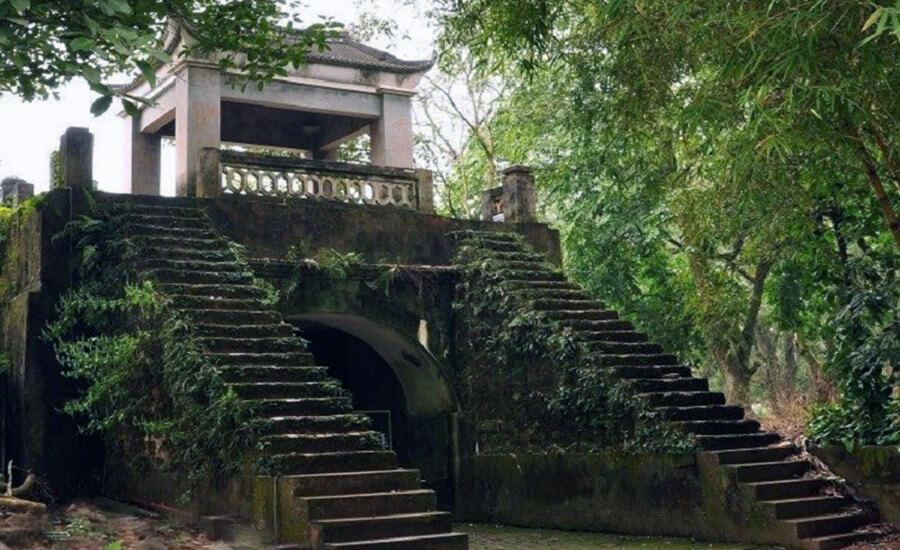
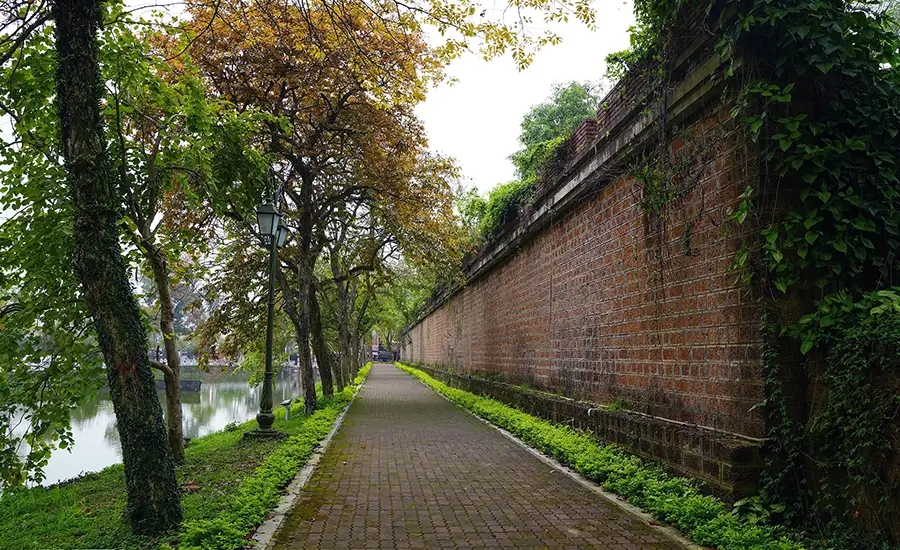
The surface of the citadel had many holes above for soldiers to hide and shoot from inside. The structure was designed as a quadrilateral with an area of about 16 hectares, with a laterite wall about 4.5 meters high.
Unique architecture inside Son Tay Ancient Citadel
Inside the citadel, the structures were built symmetrically on the central South-North axis. Passing through Doan Mon, a spacious courtyard paved with clean bricks, led straight to Kinh Thien Hall.
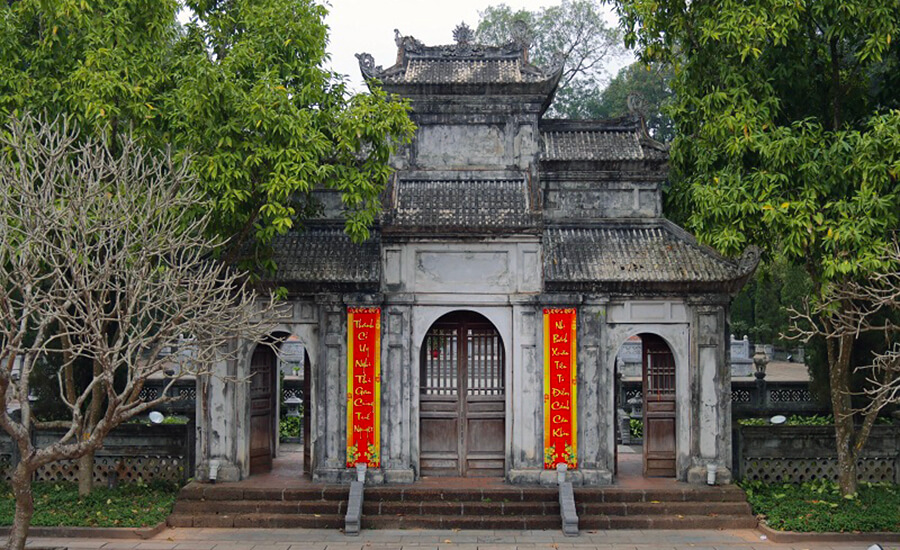
This is the most important place in the citadel, used as a place for the king to relax during his inspection days in the locality. The Kinh Thien Hall in the citadel is built in a 5-room style with glazed tile roofs, including durable wooden materials such as ironwood, painted in the color of cockroach wings.
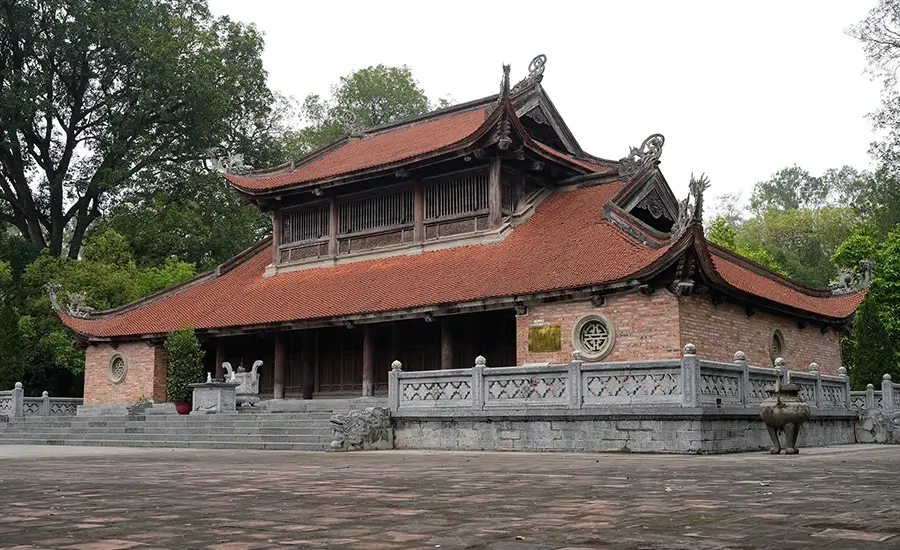
To the west is the martial temple, a place to worship the generals who heroically sacrificed their lives while fighting to protect the citadel. In the four corners of the citadel, there were four large square wells, with laterite steps leading down to the bottom to provide water for the soldiers’ daily lives.
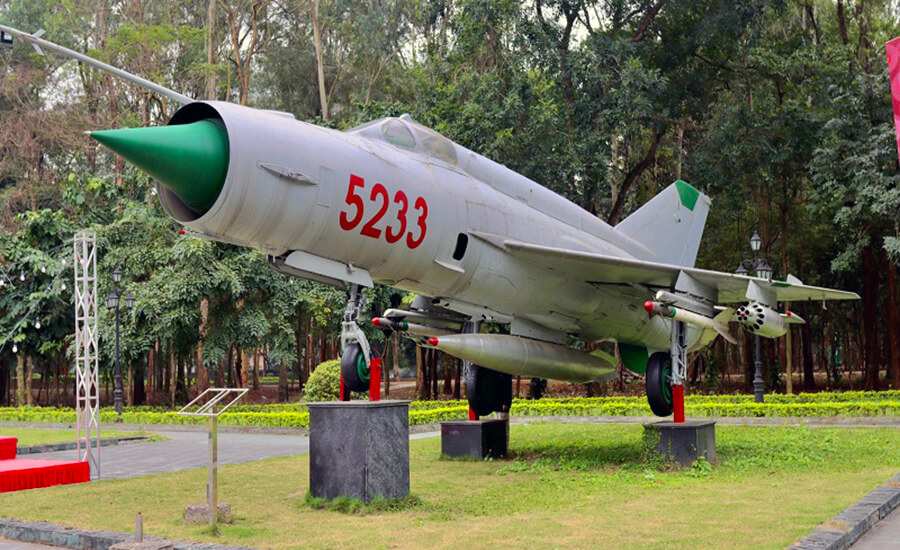
Currently, there is also an exhibition area featuring 2 Mic21 aircraft from the Sao Do Regiment and 1 Mic8 aircraft from the 916 Regiment, which are relics left after the resistance war, thereby enhancing the landscape value of the relic site.
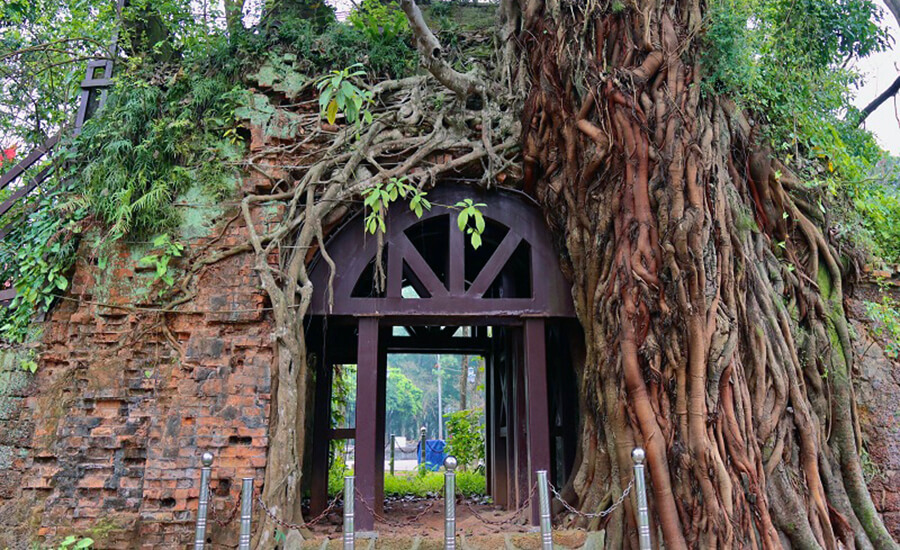
Furthermore, many visitors are impressed when they come to the ancient Son Tay citadel, with the sight of hundreds of years-old trees providing shade all year round. The rough roots stretch out to embrace the mossy walls and ruined gates, creating an ancient beauty.
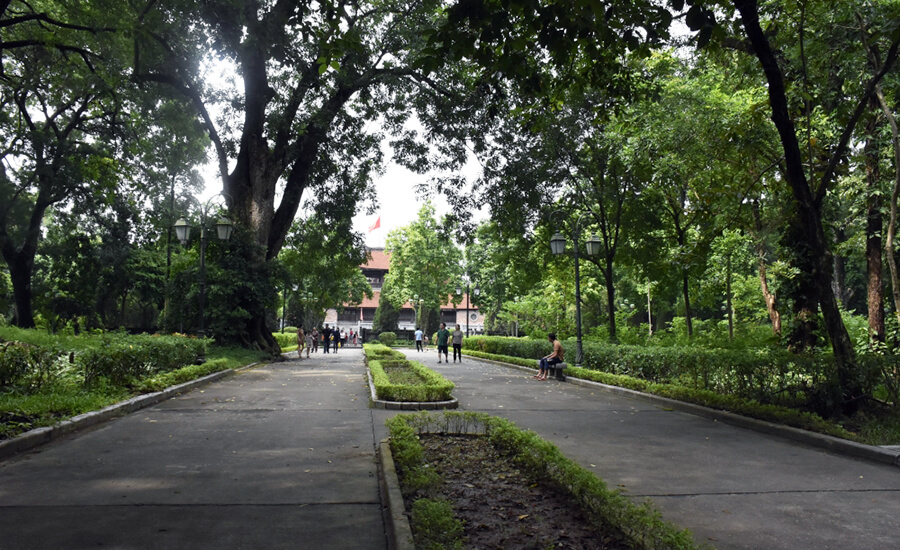
In 1994, Son Tay Citadel was recognized as a national historical and architectural relic by the Ministry of Culture. And a walking street has been built around the moat of the Son Tay Ancient Citadel to serve the cultural and entertainment needs of local residents and weekend visitors.
Source: collected by An
Follow us for the best deals on Vietnam package tours and visa services!
Comment (0)