
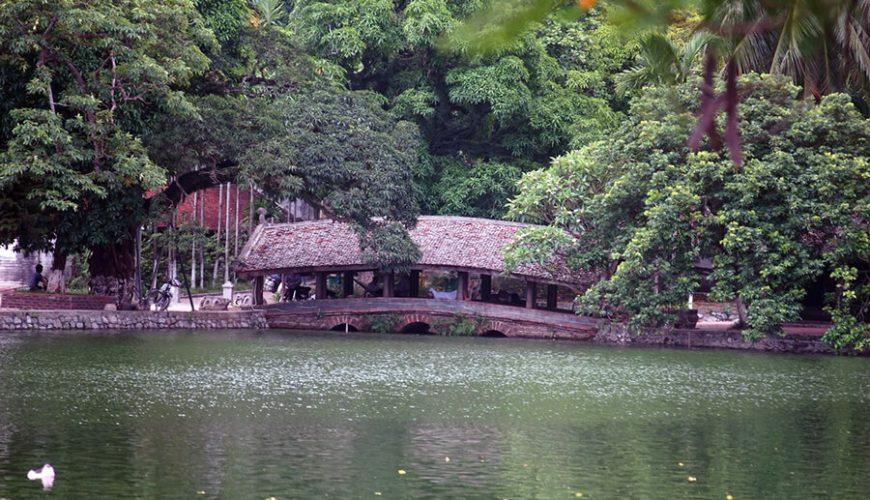
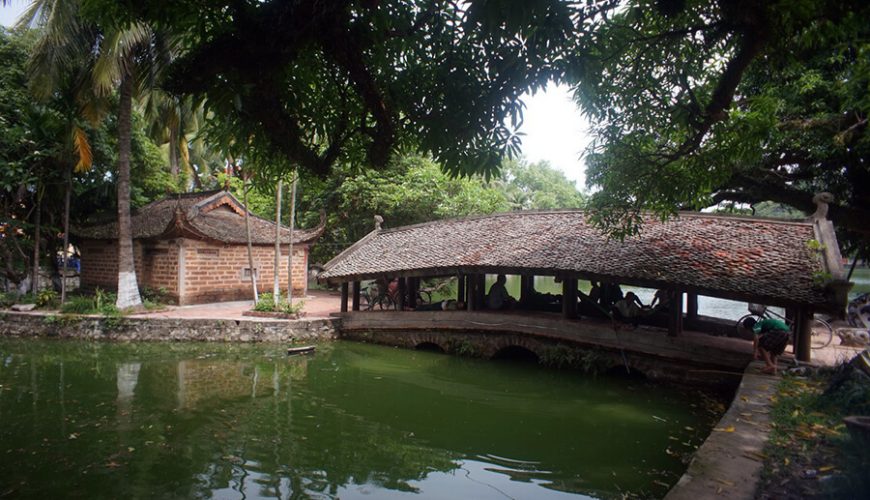
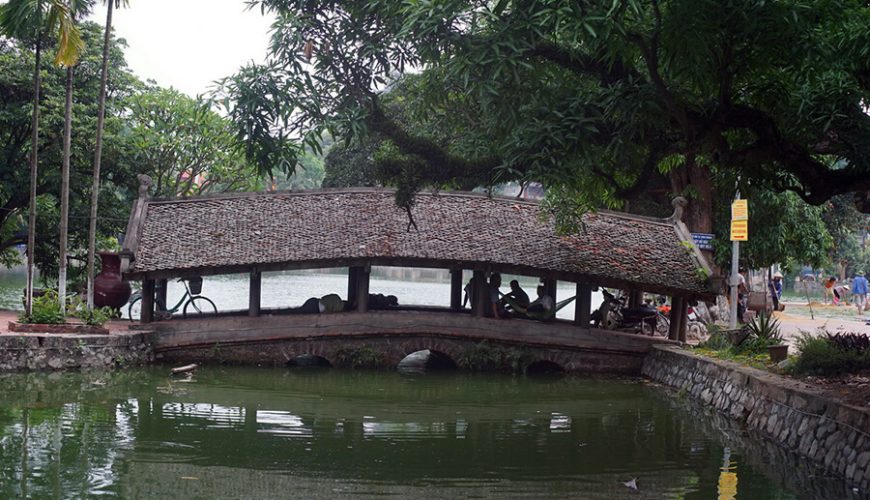
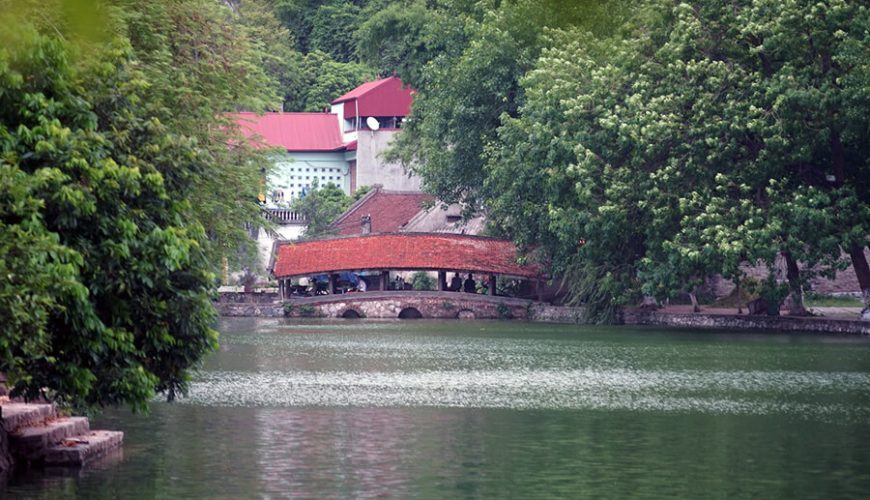
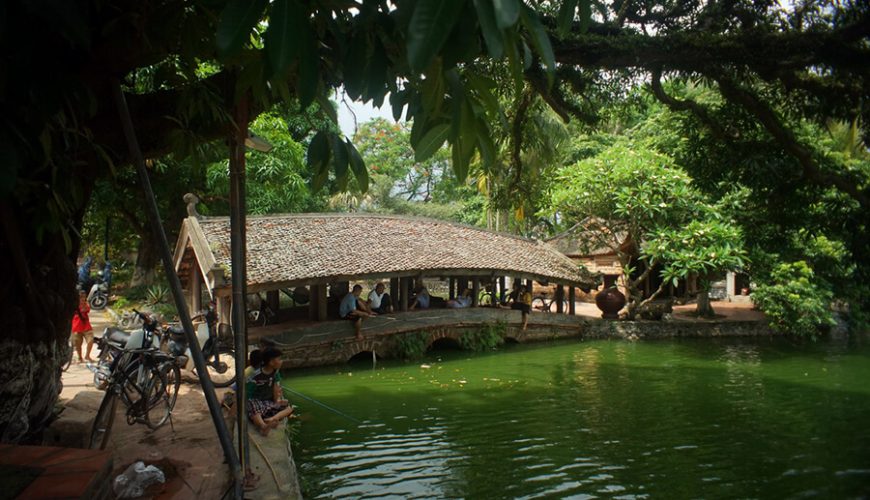
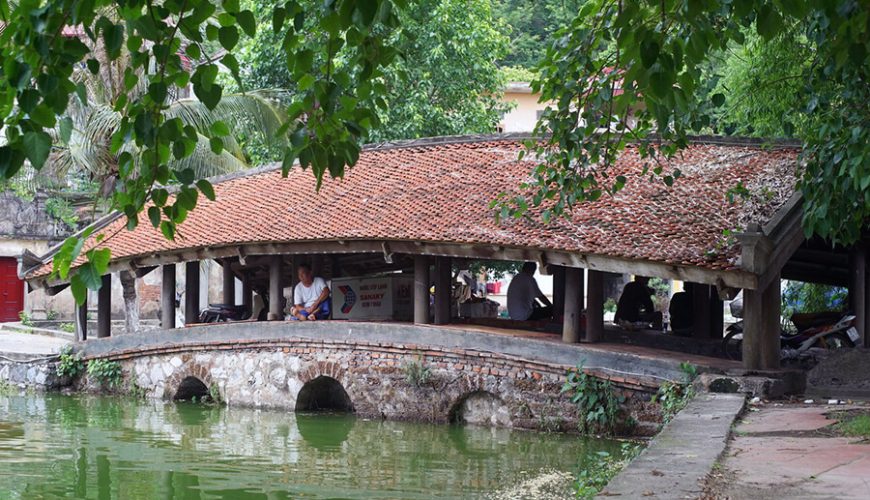
Ancient tiled bridges are unique structures, typical of the Northern Delta. Thay Temple is home to two such bridges… Among the architectural features that make up the unique features of Thay temple (in Quoc Oai Commune, Hanoi), it is impossible not to mention the two ancient tiled bridges Nhat Tien (the Sun) and Nguyet Tien (the Moon).
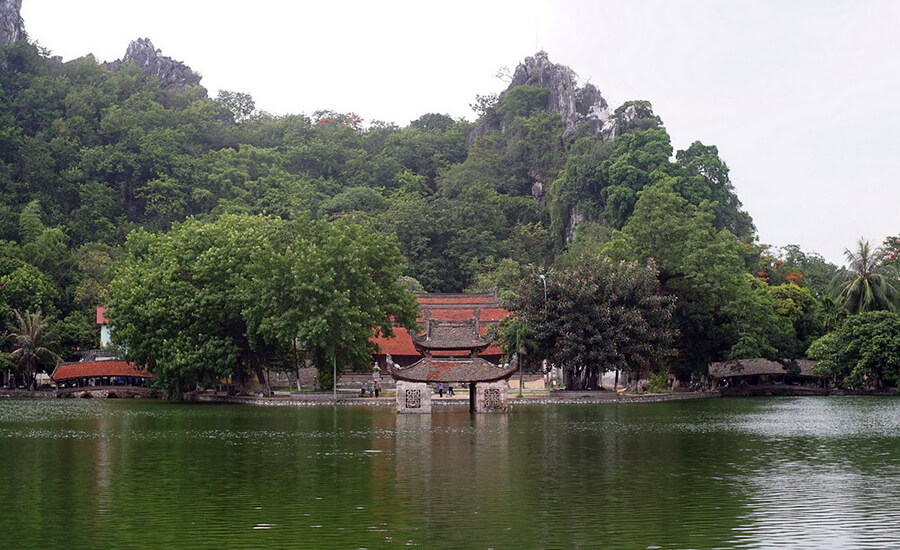
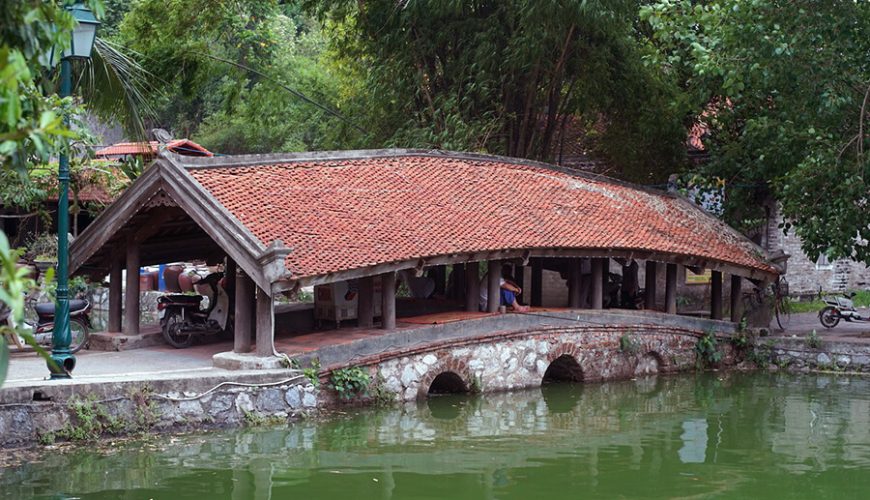
These two bridges are located on both sides of the front yard of the temple, of which Nhat Tien Bridge connects the temple with a small island, on which there is a temple worshipping Tam Phu.
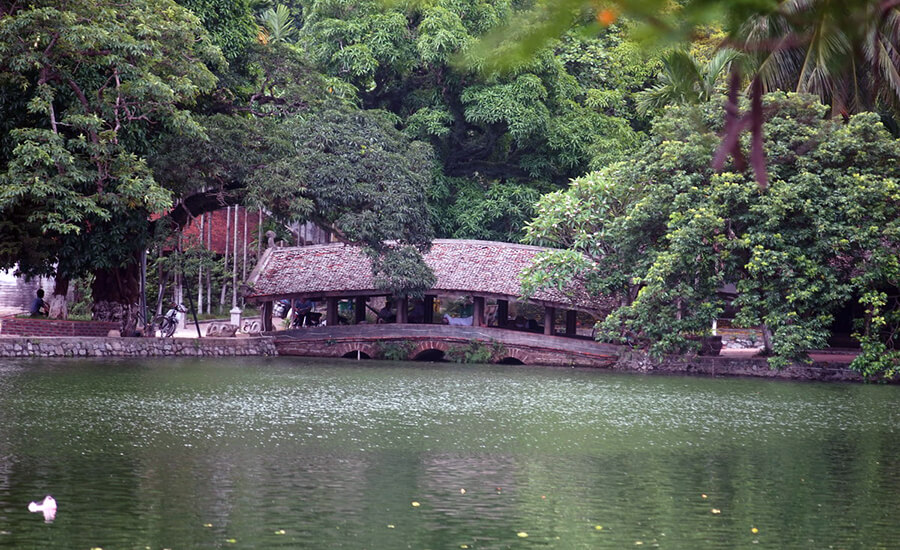
Nguyet Tien Bridge connects the village with the pagoda and the road up to Sai Son Mountain.
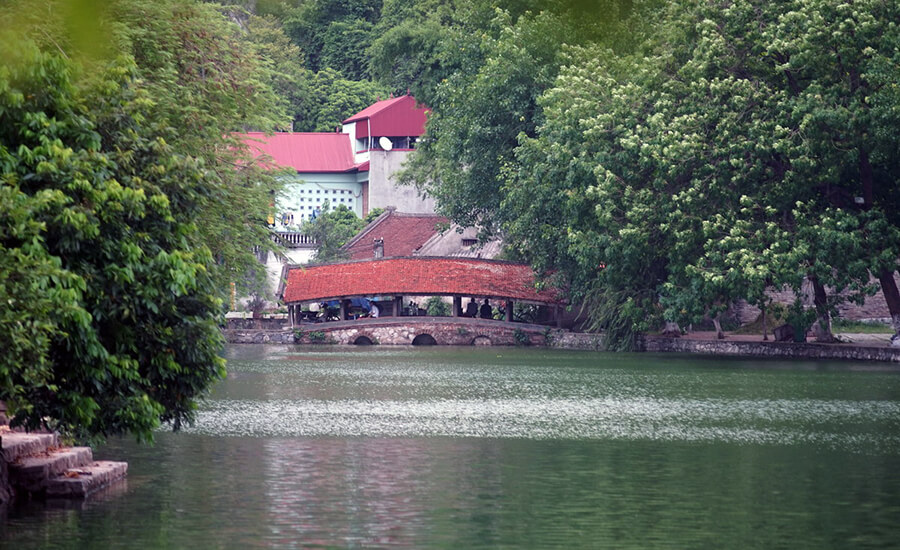
According to historical records, these two bridges were built by Mr. Phung Khac Khoan, also known as “Trang Bung” – a 16th-century Vietnamese military strategist, politician, diplomat, and poet during the Later Le dynasty warlord period.
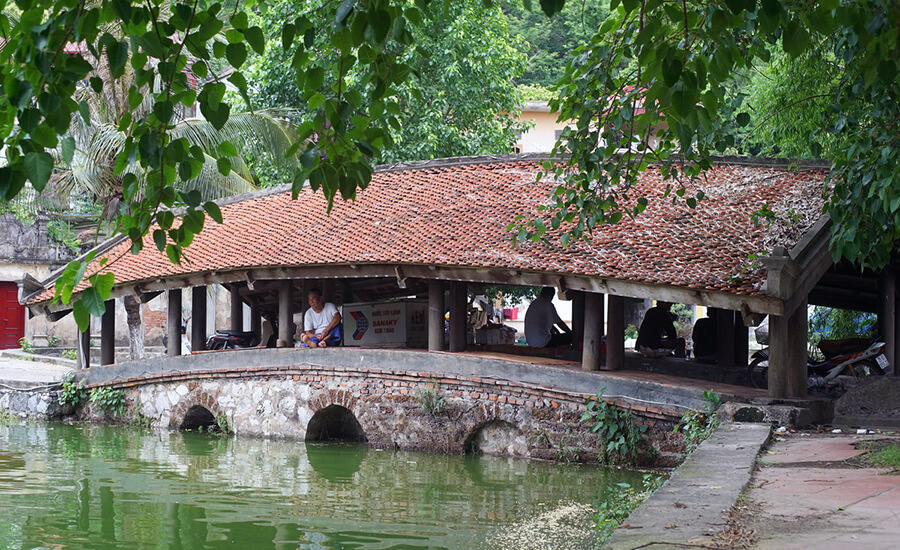
According to legend, Phung Khac Khoan used feng shui to explain that Thay temple was built on the dragon’s forehead, Nhat Tien and Nguyen Tien bridges have curved shapes, which are the dragon’s eyelids…
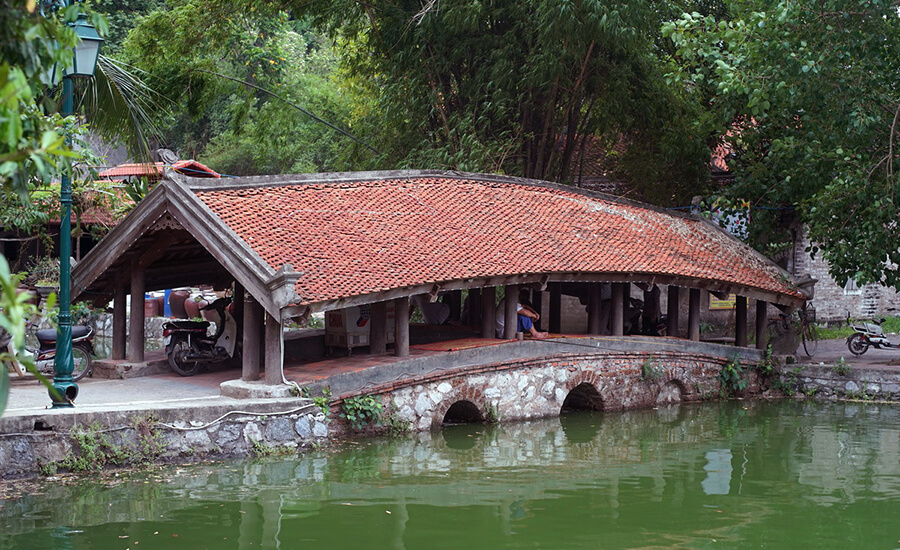
The water surface is separated from Long Chieu Lake by two bridges which are the dragon’s eyes.
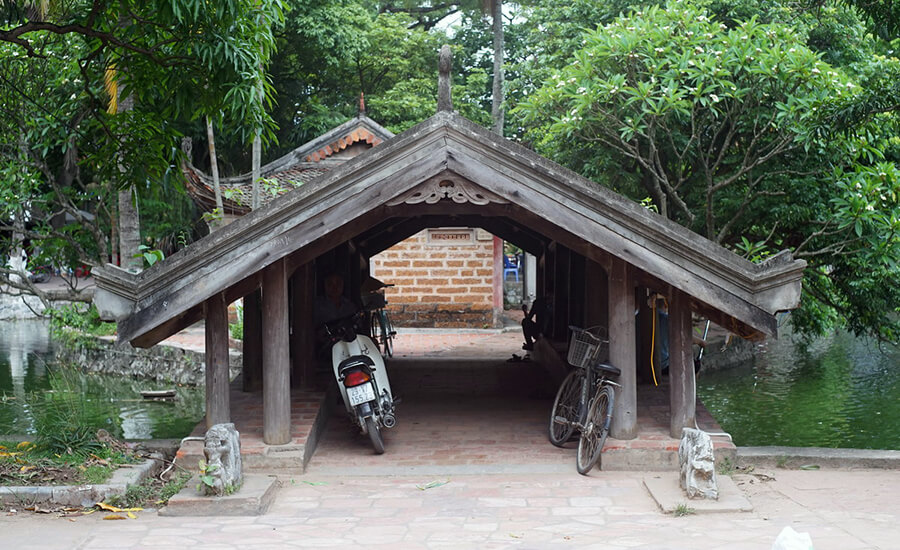
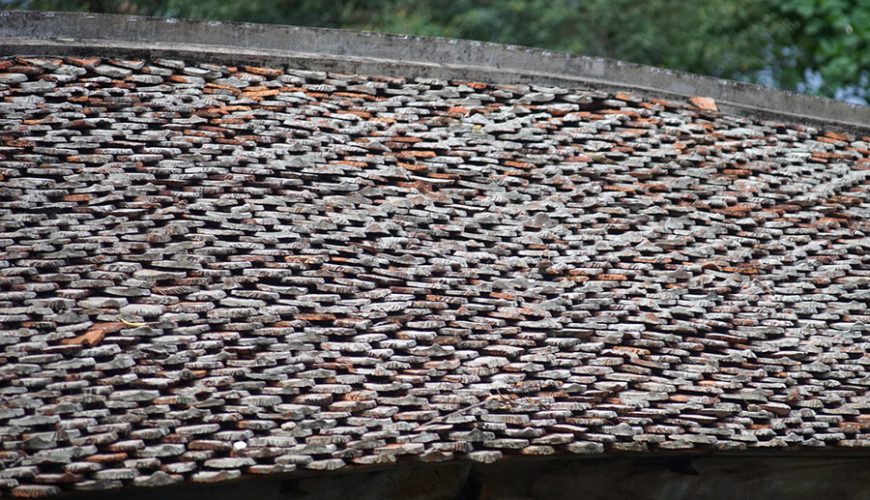
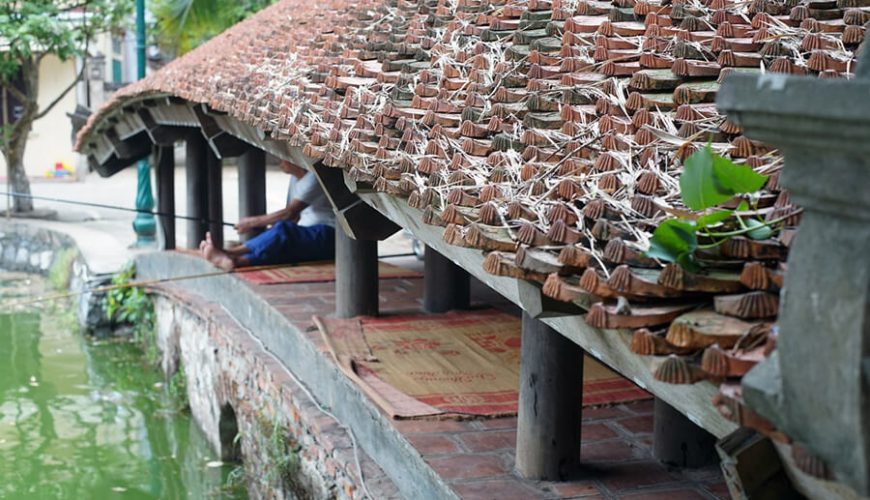
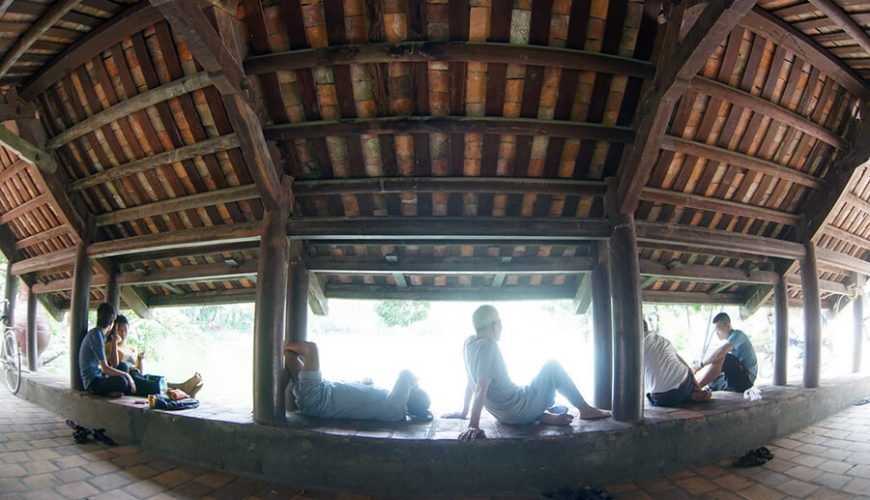
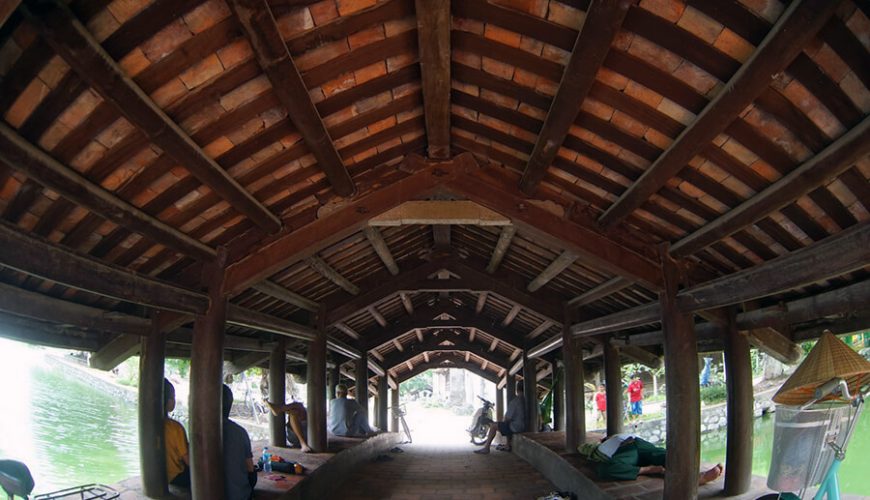
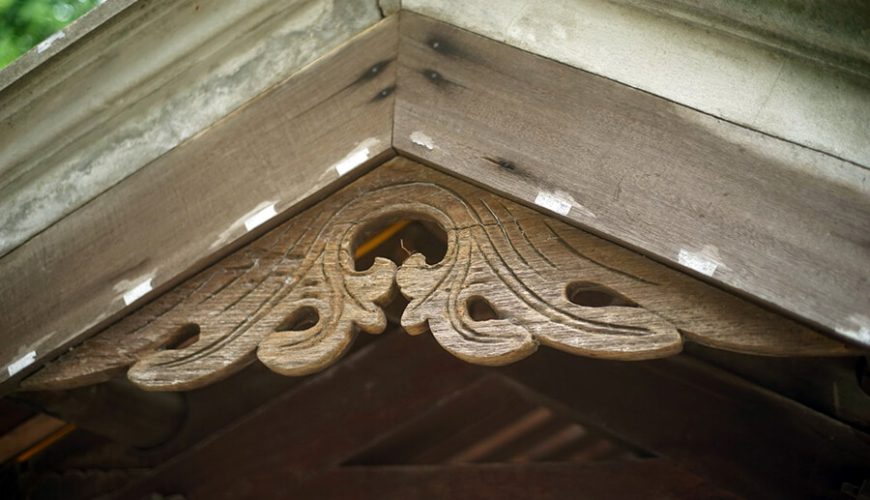
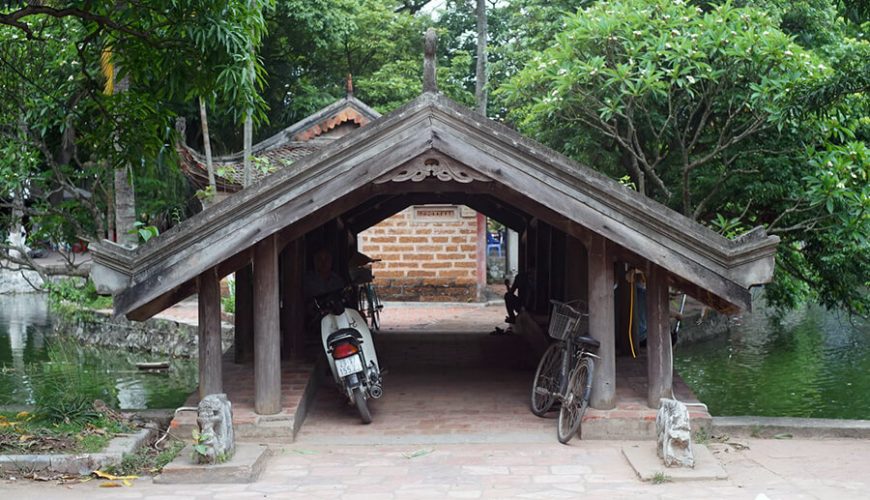
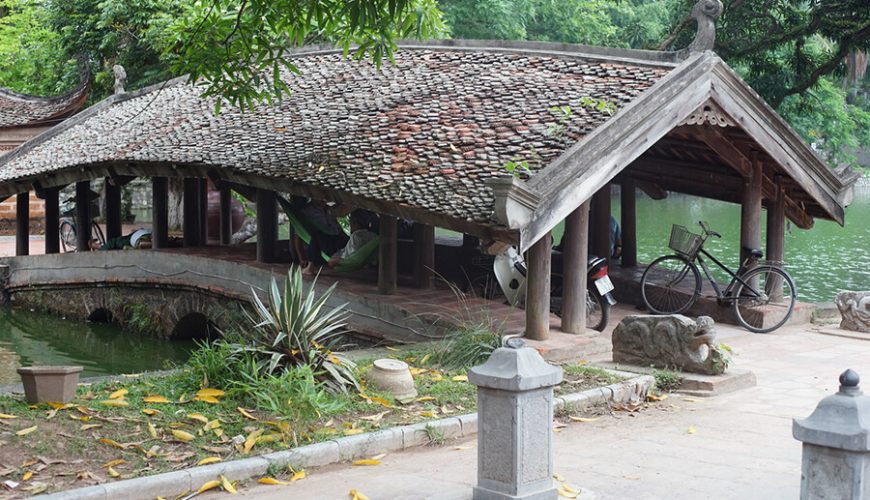
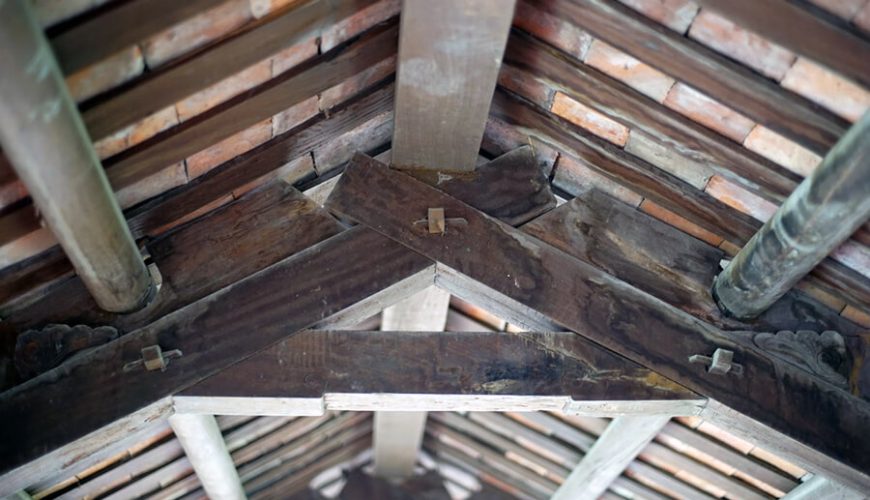
Overall, the two bridges were built according to the “above the house, below the bridge” architecture. Each bridge has 5 compartments; the bottom is built with rolled stones, and the top is built with a wooden house frame covered with a tiled roof.
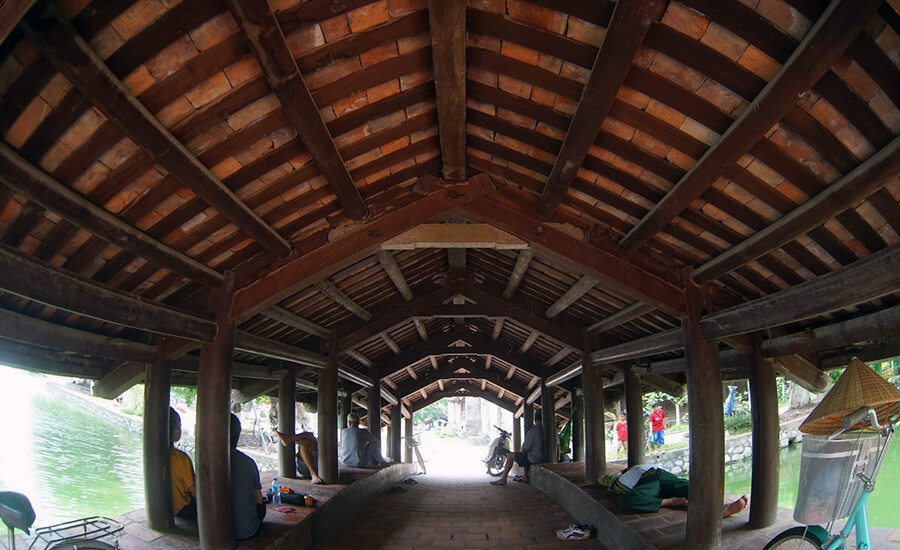
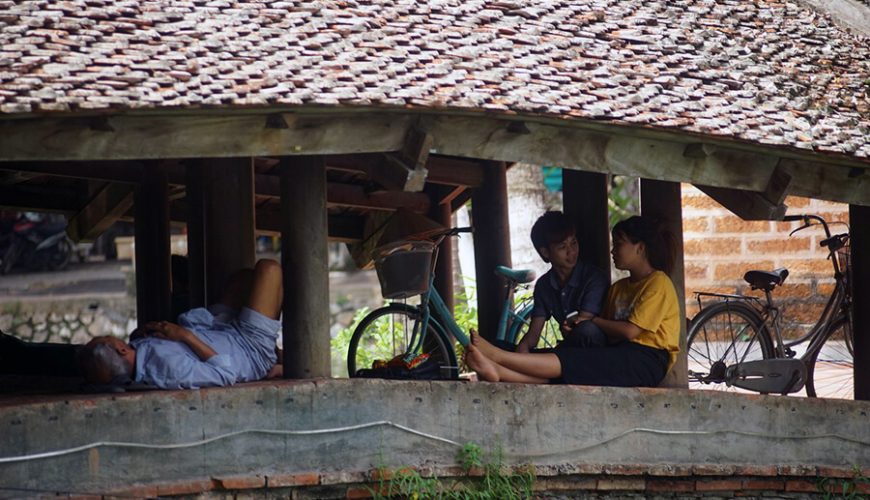
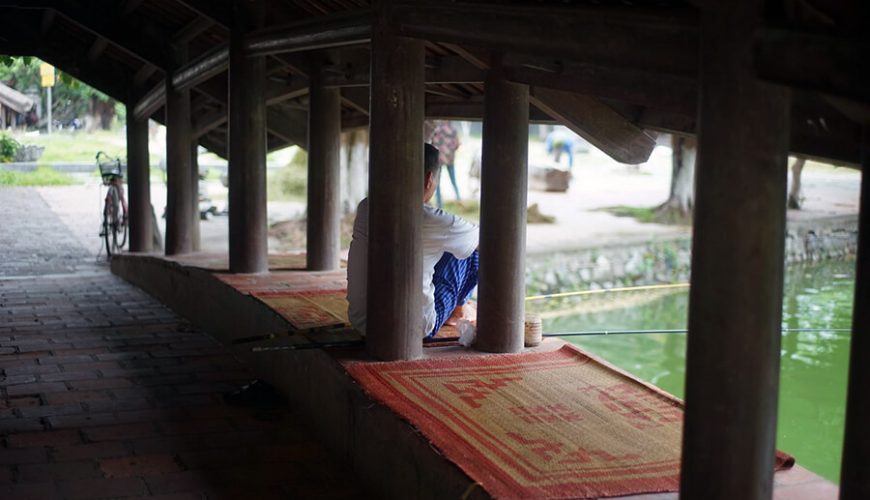
The two sides of the bridge are airy, with low railings widened to serve as resting places for visitors.
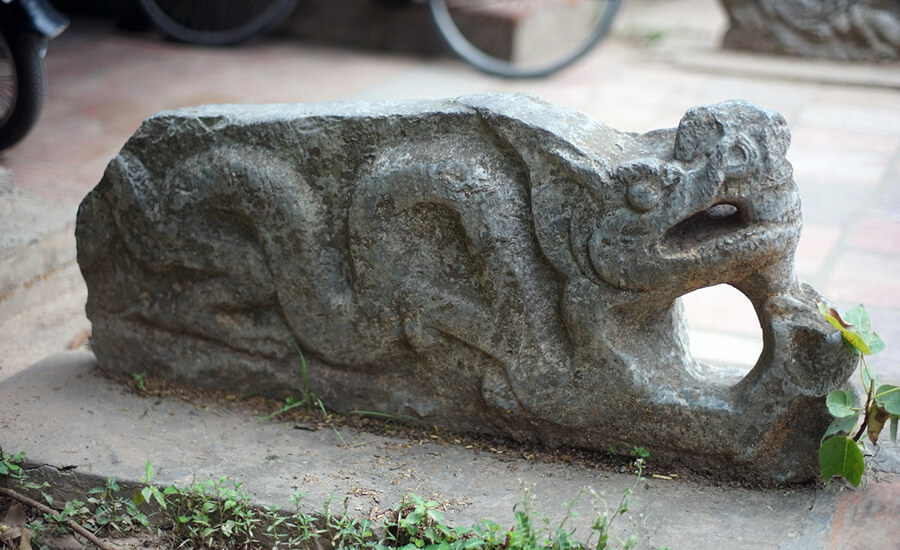
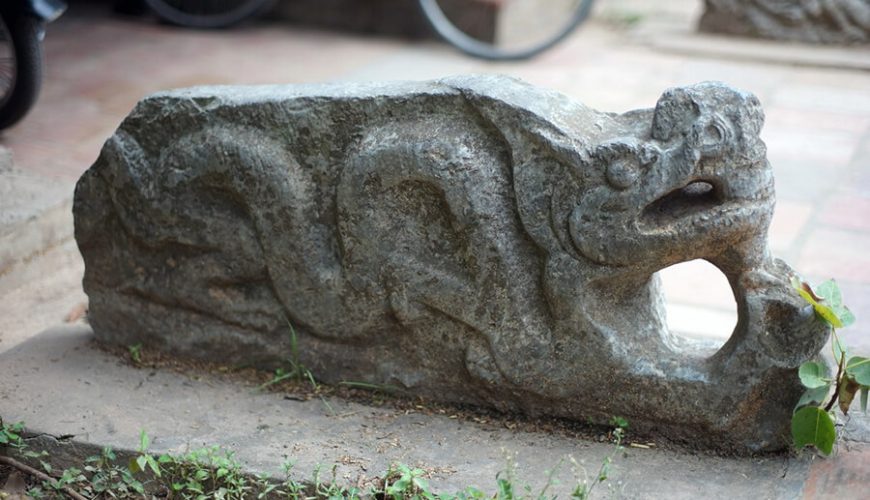
In front of each bridge is a pair of ancient stone dragons. Tiled bridges are a common architectural form in villages, but are rarely found in ancient Vietnamese temples. Therefore, appearing in a Buddhist space has brought specialness to the two-roofed bridges of Thay temple.
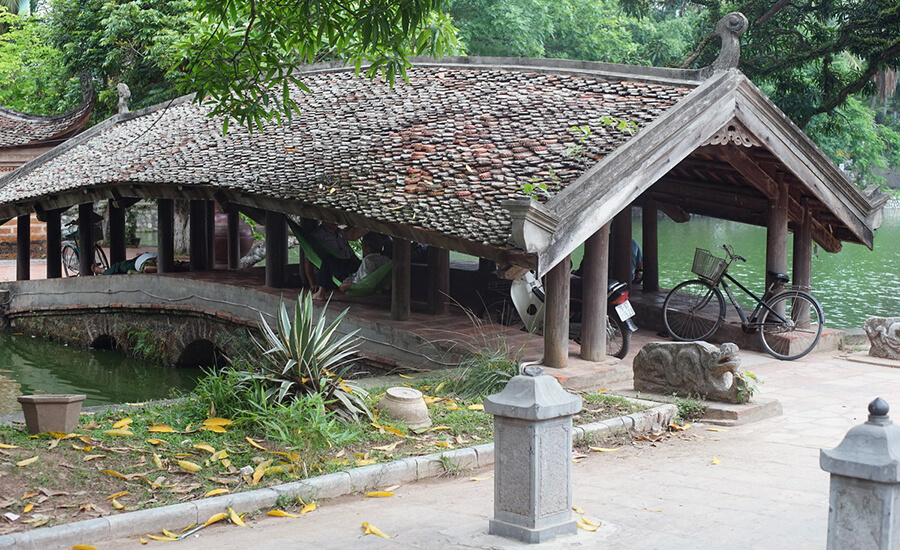
This is both a testament to the harmony between Buddhism and traditional Vietnamese culture and a breath of new meaning for the traditional tiled bridge.
In a space imbued with Buddhism, the two bridges have become a link between the mundane world of humans and the pure world of Buddhism.
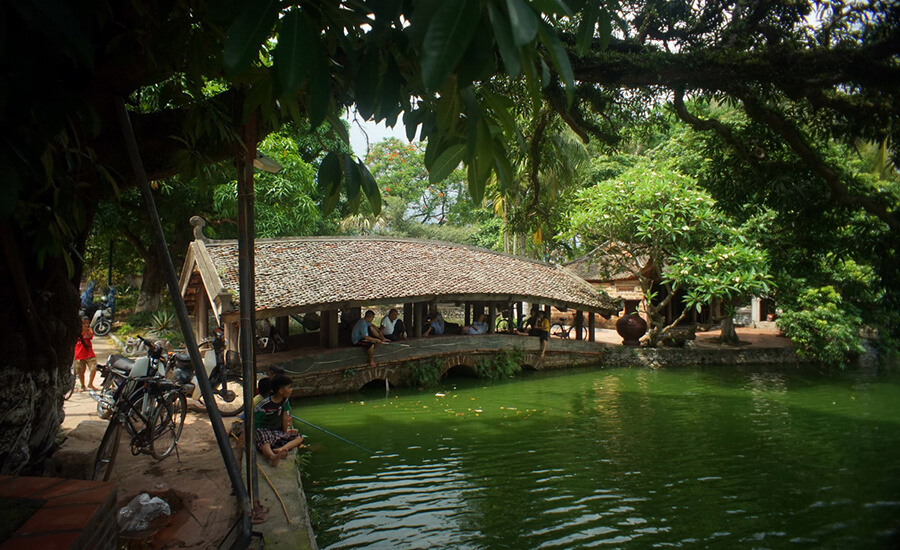
According to tradition, Buddhists who cross the bridge to the temple to pray will ask for good things for their families and loved ones.
The naming of the bridge based on the Sun-Moon symbol also conveys that the two bridges represent the harmonious aspects of Yin-Yang, creating balance for heaven, earth, and all things.
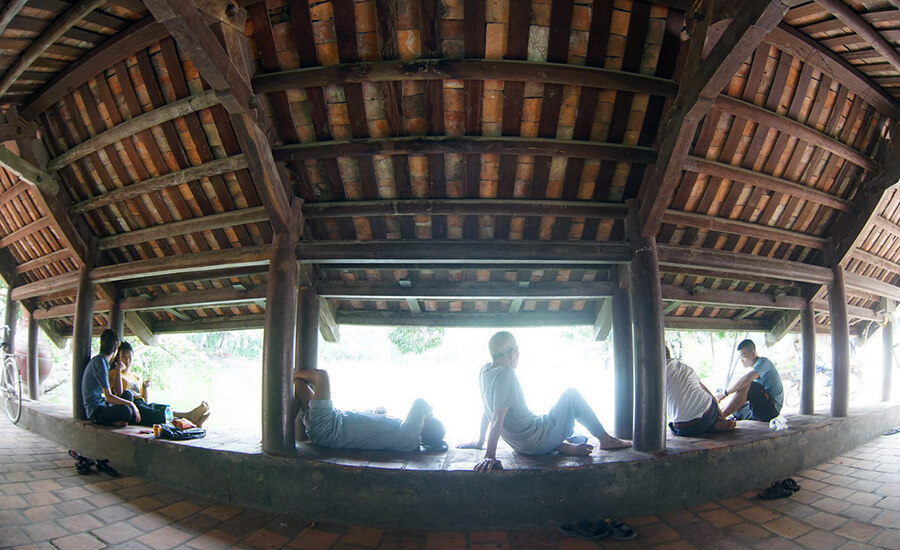
For the people in the area, the two tiled bridges in Thay Temple are both bridges and shops: a path, a place to rest, and to enjoy the cool breeze…
Source: collected by An
Follow us for the best deals on Vietnam package tours and visa services!

Comment (0)