
Tram Pagoda is a famous spiritual destination in the capital, Hanoi. This place impresses with its splendid natural setting and wonderful climate, attracting many tourists.
General information about Tram Pagoda
Tram Pagoda (Vietnamese: chùa Trầm, chùa means pagoda), also known as Tu Tram Pagoda, is located on Tram Mountain, in a complex of many pagodas in Chuong My Ward, about 20 km from the center of Hanoi.

Chuong My is the only locality in the capital with two of the “Four Great Scenic Spots of the region”: Tram Gian Pagoda and Tram Pagoda, next to Thay Temple (Quoc Oai) and Tay Phuong Pagoda (Thach That). The complex of Tram Pagoda relics includes relics beside Tram Mountain, beside a lotus pond, rows of ancient trees providing shade, and a winding road like a watercolor painting. From afar, the sound of chanting from the pagodas makes this relic complex even more sacred and ancient…
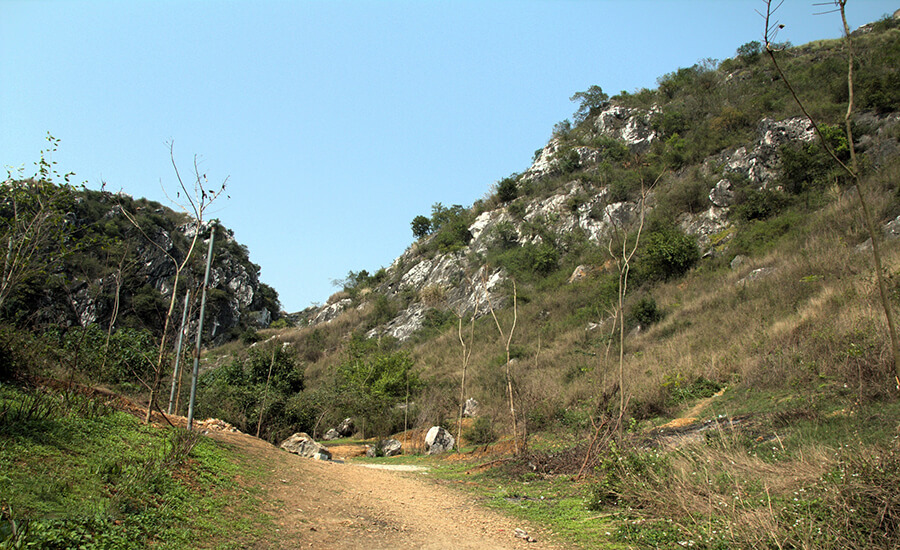
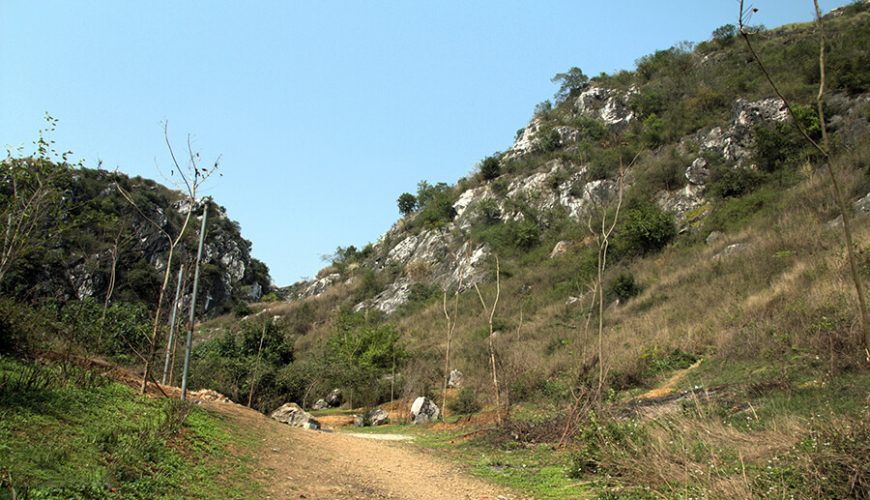
The pagoda’s surroundings are very beautiful, with small mountains nearby, such as Ninh Son, Dong Lu, and Tien Lu. Every weekend, this place attracts a large number of Buddhists and tourists to visit and camp overnight. The area is also a paradise for those passionate about trekking, cycling, photography, and more.
Architecture of Tram Pagoda
The Tram Pagoda relic complex includes Tram Pagoda (main pagoda), Long Tien Cave (Hang Pagoda), and Vo Vi Tu (Vo Vi Pagoda). The three pagodas have achieved a high level of harmony between the mountain and the pagoda.
Tram Pagoda
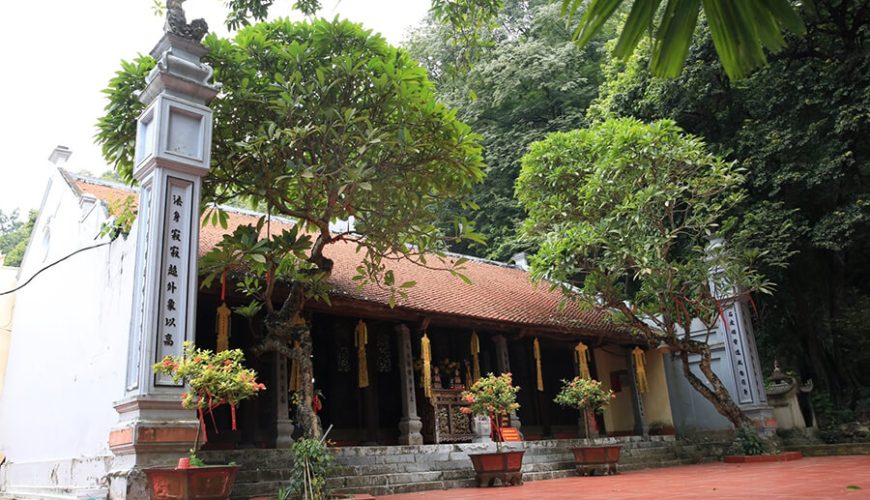
The main pagoda is built against the cliff. Tram Pagoda is relatively small, but its large yard, with many ancient trees, imbues it with solemnity and serenity. In the past, the entire Tram Mountain area was a place where Emperors of the Later Le Dynasty and Lords of Trinh set up their temporary palaces because of the quiet, peaceful scenery of the Day River and the Tram Tu Mountain range.
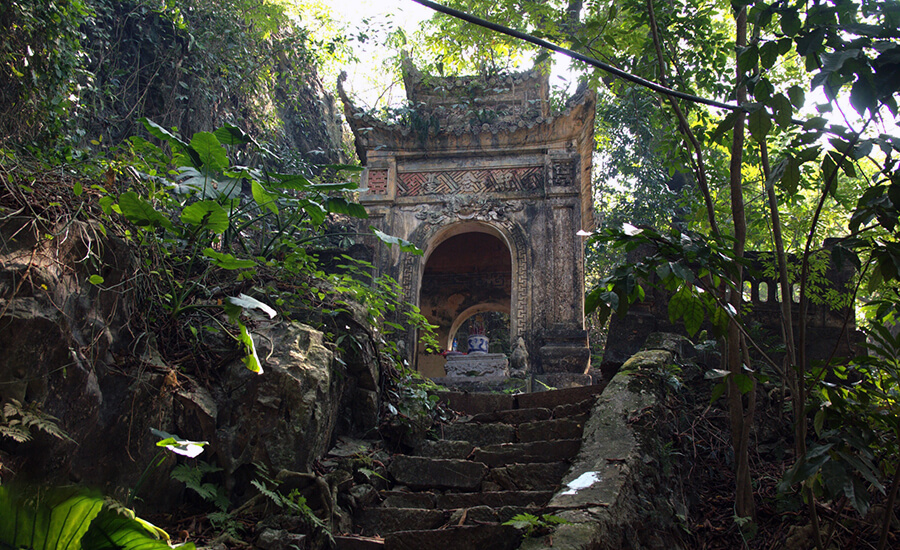
The Front Hall of Tram Pagoda has 5 tiled-roofed rooms, and the porch pillars are built of solid stone. Inside is the Upper Palace – a sacred place that not everyone can enter without permission, and behind is the To House. With elaborate carvings on its doors and mosaics, Tram Pagoda has a unique architectural style within the ancient pagoda system of our country.
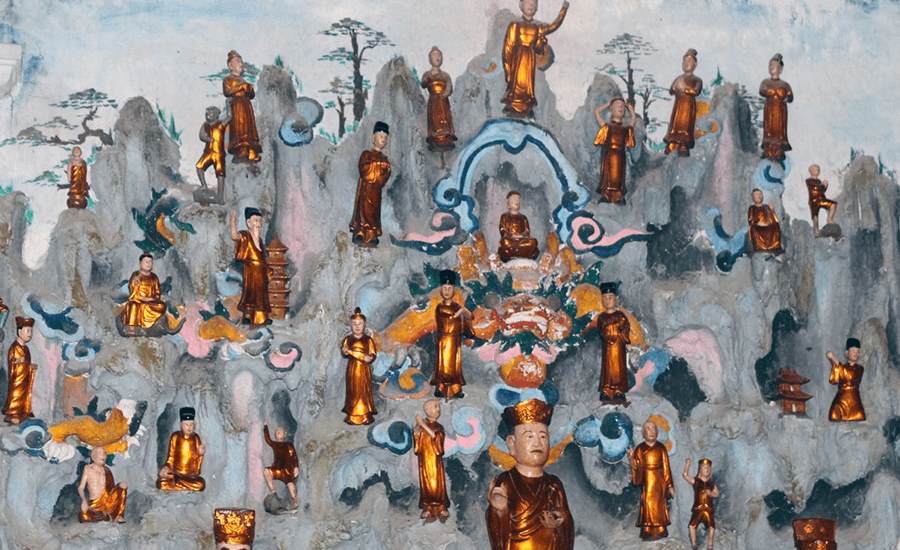
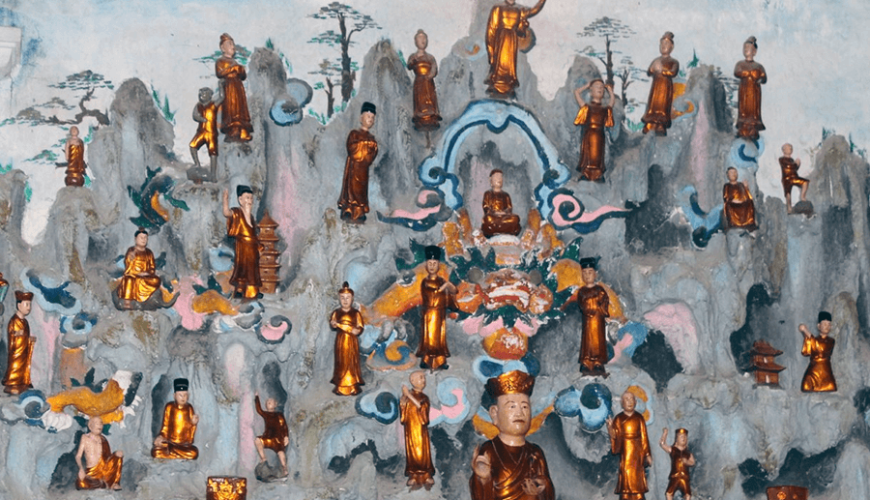
At Tram Pagoda, there are also many typical relics of historical and cultural value, including pairs of parallel sentences, red-lacquered and gilded horizontal lacquered boards, altars, thrones, and Buddha statues. The pagoda bears the mark of the region’s typical spiritual and cultural architecture. After many restorations, Tram Pagoda still retains many Buddha statues in the art style of the 18th and 19th centuries with elaborate and delicate carvings.
Hang Pagoda
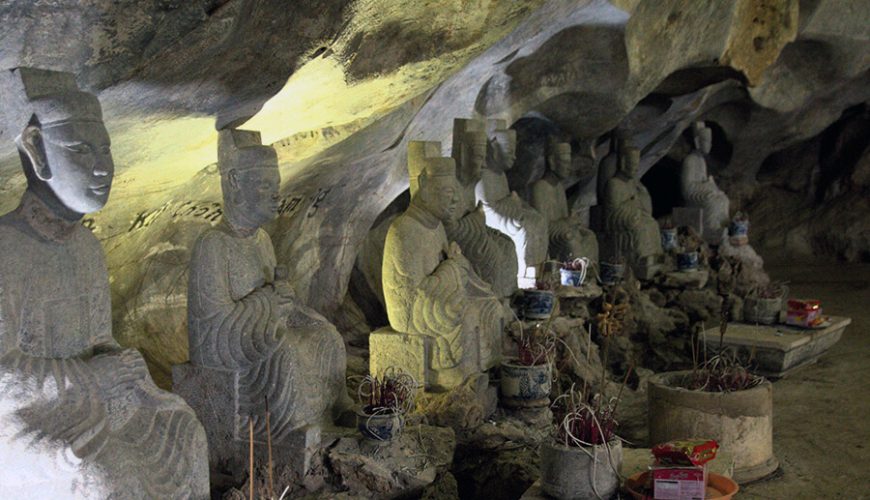
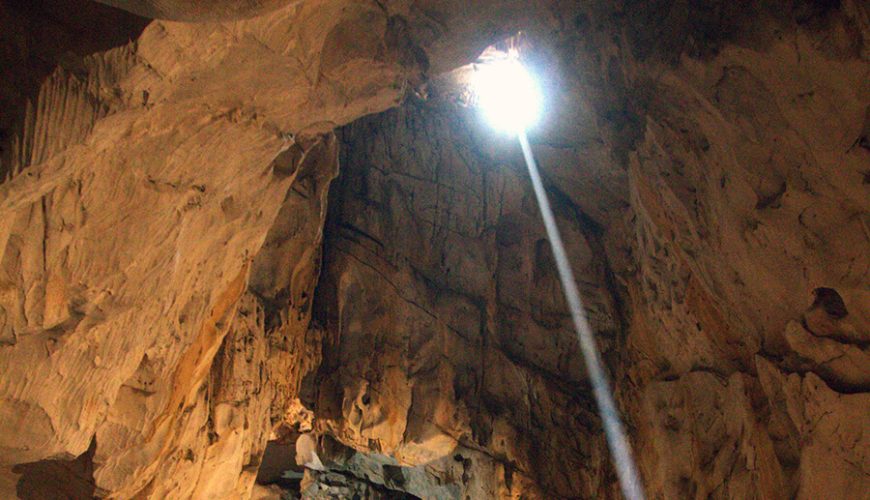
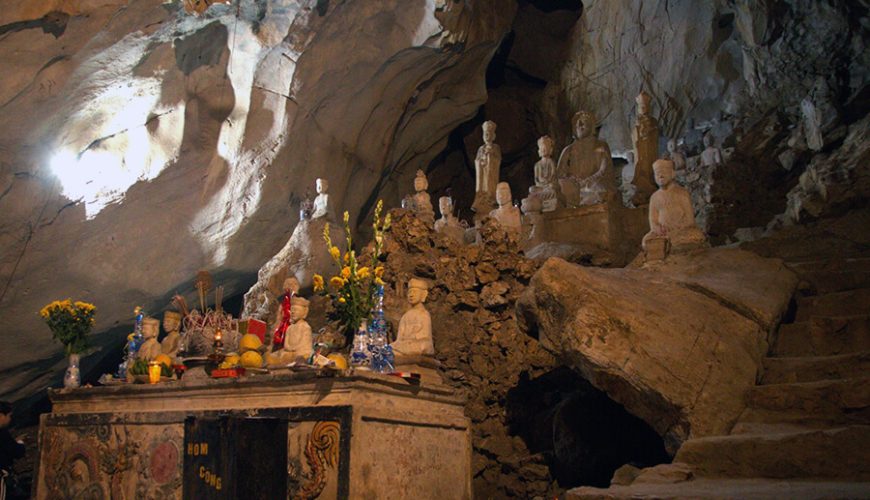
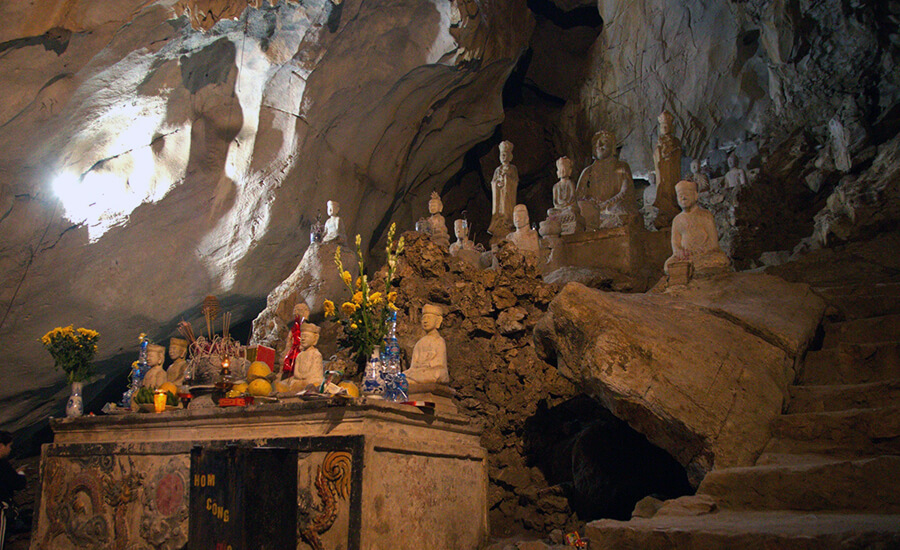
Hang Pagoda was built in Long Tien Cave at the foot of Tu Tram Mountain, on the left side of the main pagoda. The cave entrance is only over 7 meters wide and over 3 meters high, but inside lies a rare system of high, wide, continuous caves. Thanks to the natural light shining through small crevices in the mountainside and at the top of the mountain, we can admire countless stalactites in many strange shapes and colors, such as fairy hair, bells, dragons, birds, lotus flowers… very vivid.

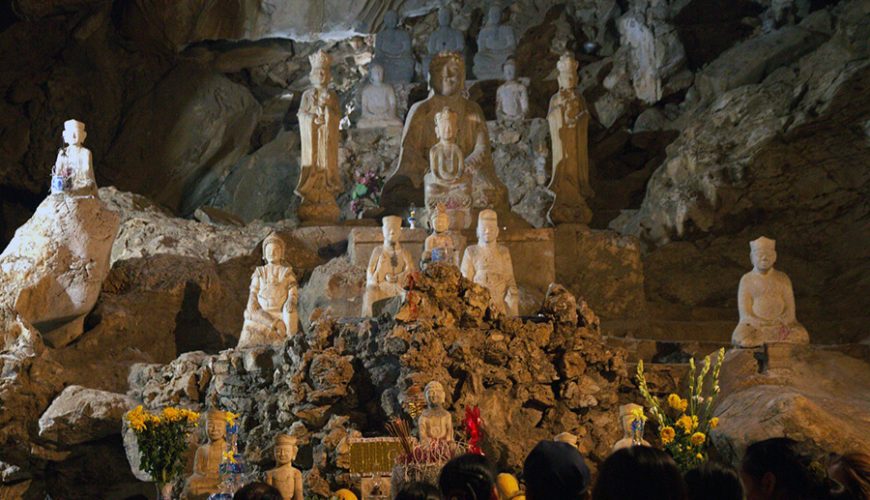
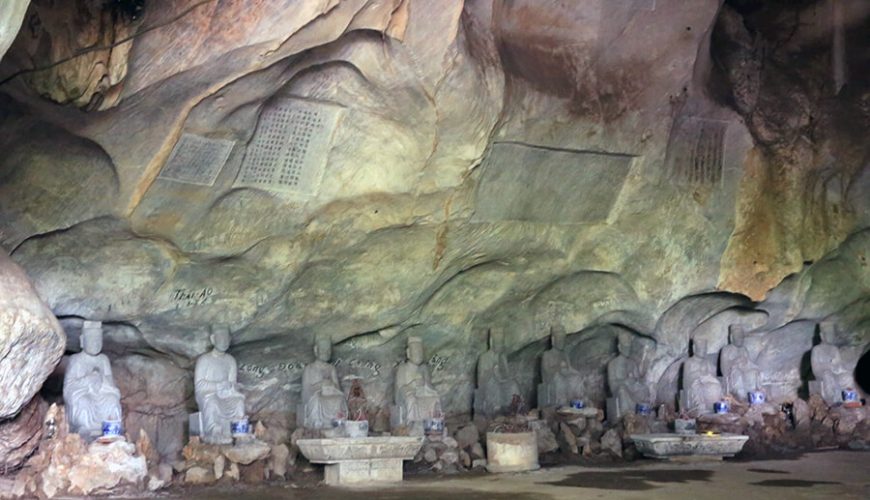
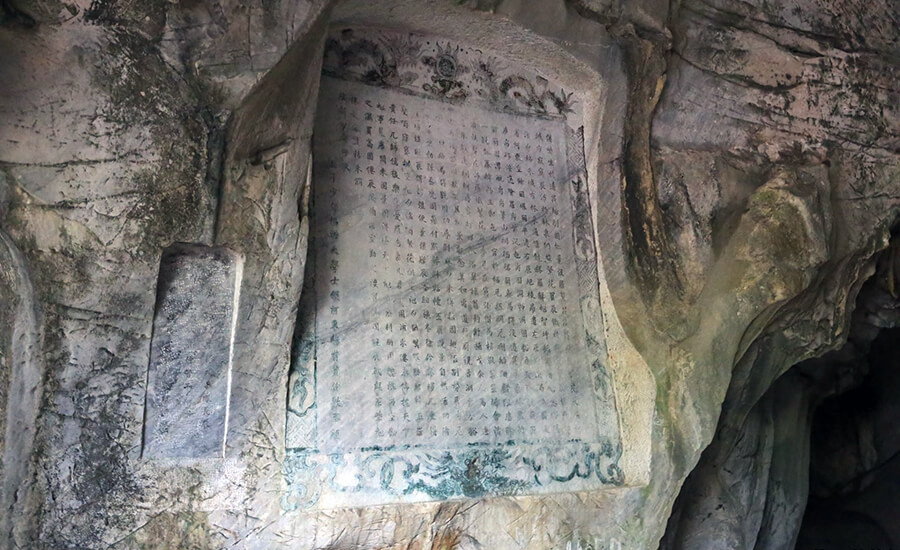
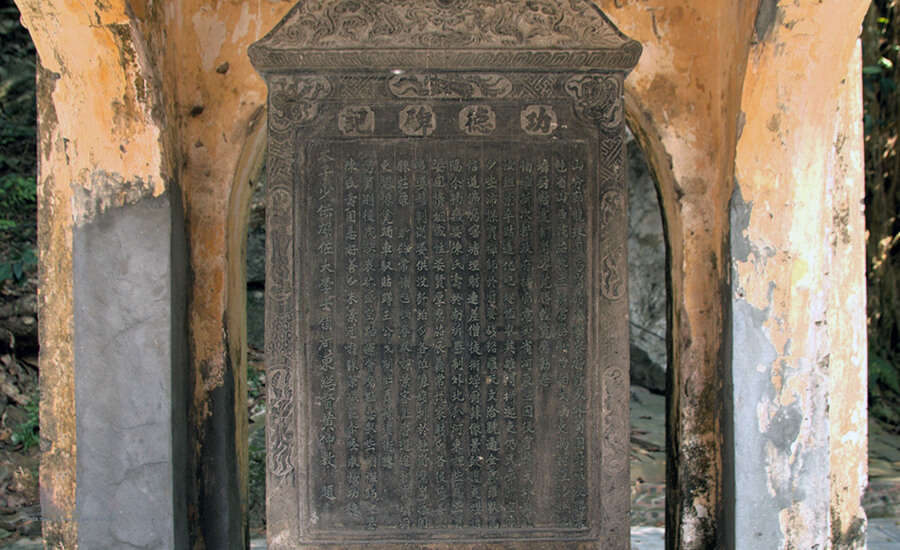
In the cave, there is an altar for Buddha and stone statues. The high literary value is 15 works of poetry carved on the cave walls, pagoda scenery.
In the cave, there are also two paths. The path to the top of the mountain is popularly called the path to Heaven, and the path down to the deep cave is called the path down to Hell.
Tram Cave is also known for a historical event during the resistance war against the French in Vietnam. On December 19, 1946, the national resistance war broke out, and one day later, on December 20, here, the Voice of Vietnam Radio broadcast Former President Ho Chi Minh’s call for national resistance.
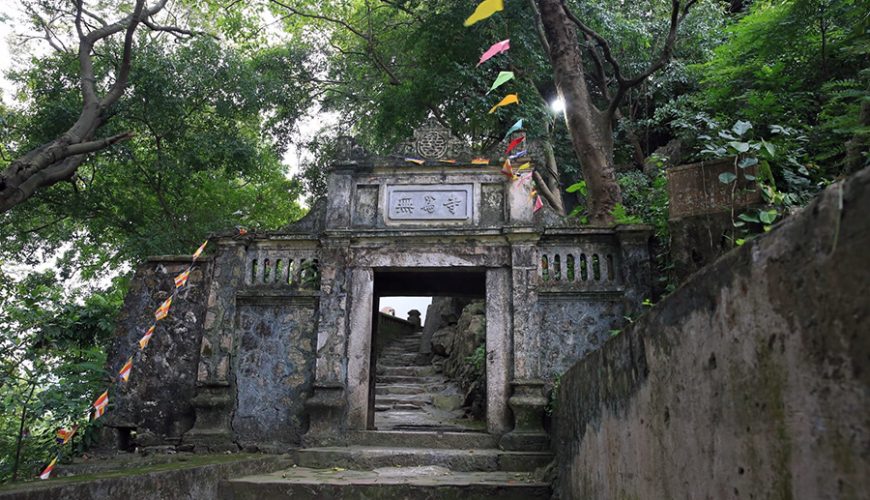
Vo Vi Pagoda
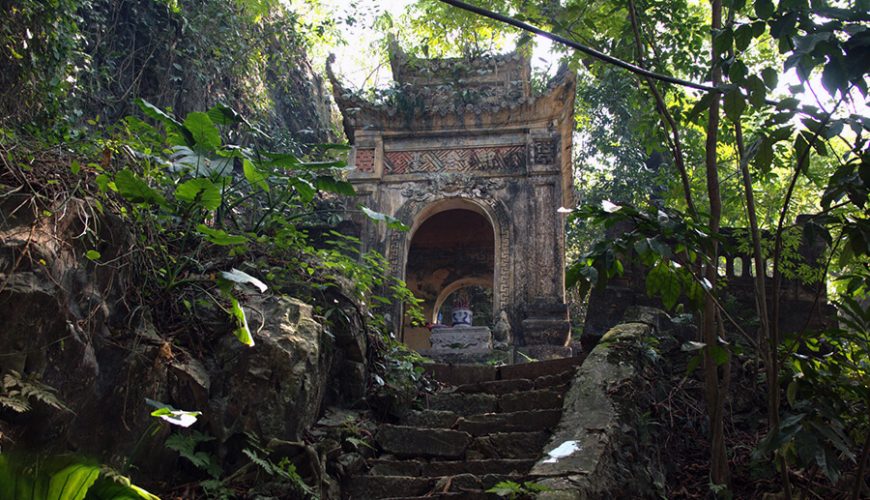
The most famous of the three ancient temples is the Vo Vi Pagoda, about 1 km from the main temple. The pagoda was built in 1515 by Mr.Tran Van Tang, a general who became a monk to spread Buddhism. The pagoda also has a bronze bell cast in 1814 during the Nguyen Dynasty.
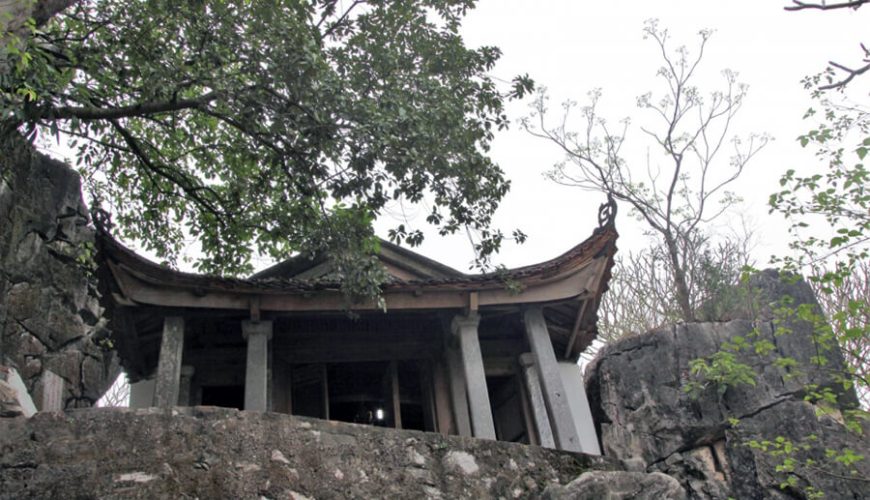
Climb another 100 winding stone steps to the Nghenh Phong pavilion at the top of the mountain, where visitors can enjoy a panoramic view of the scenic Tram Mountain and the fertile countryside along the Day River.
Tram Pagoda Festival
Tram Pagoda Festival is held from the 2nd to the 4th of the second lunar month. With games, culture, and folk arts. During the Tram Pagoda Festival, thousands of visitors come to attend.

On weekends, hundreds of people also come to visit the pagoda. Tram Mountain and Tram Pagoda are important sights to visit when exploring Hanoi, a city rich in culture and history that you should not forget to visit.
Source: collected by An
Follow us for the best deals on Vietnam package tours and visa services!

Comment (0)