
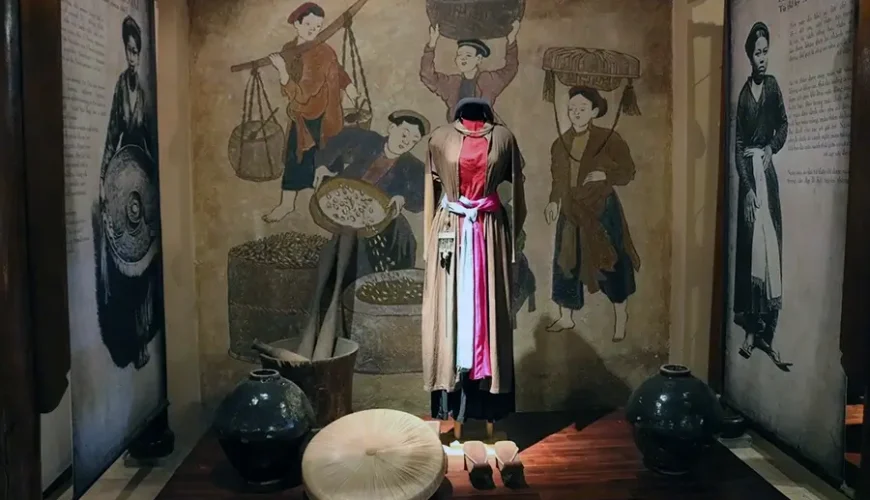
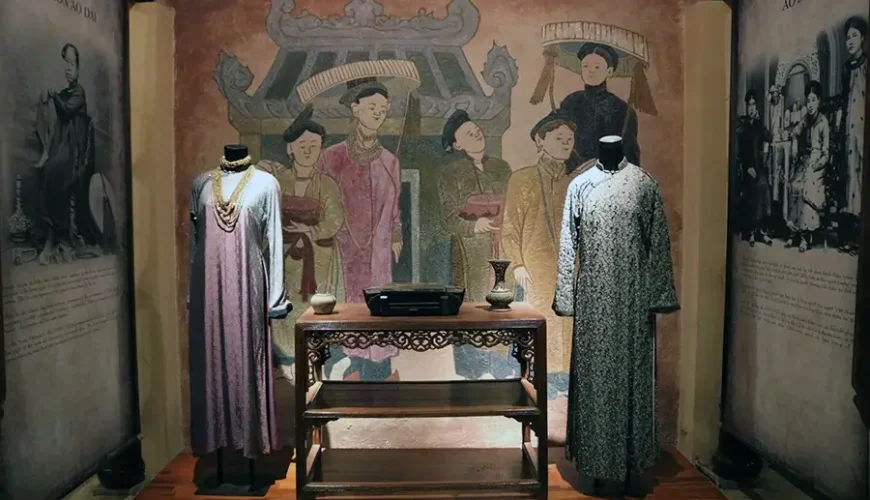
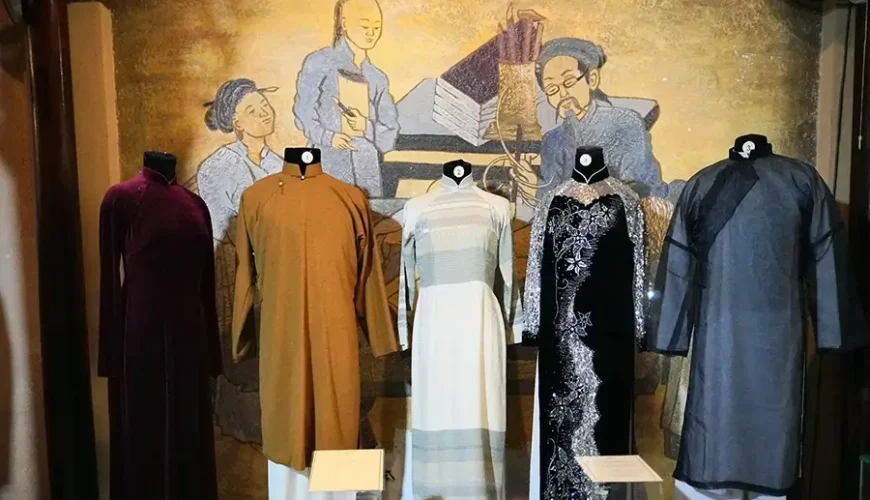
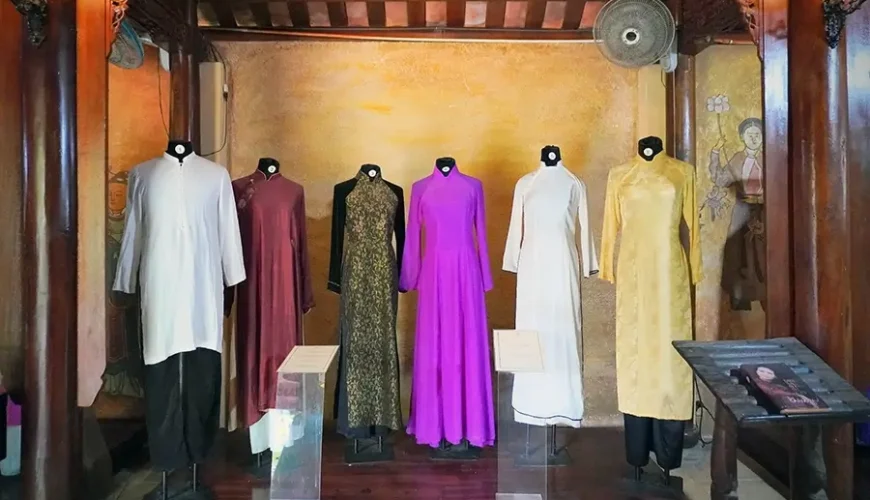
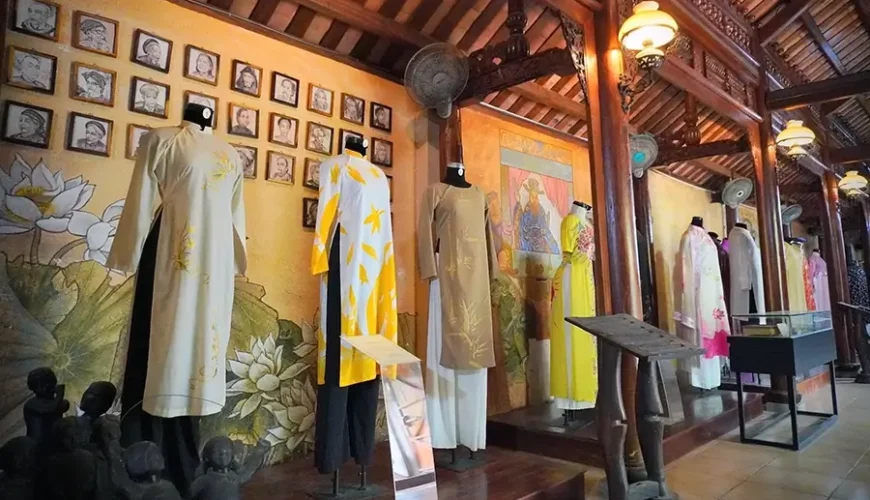
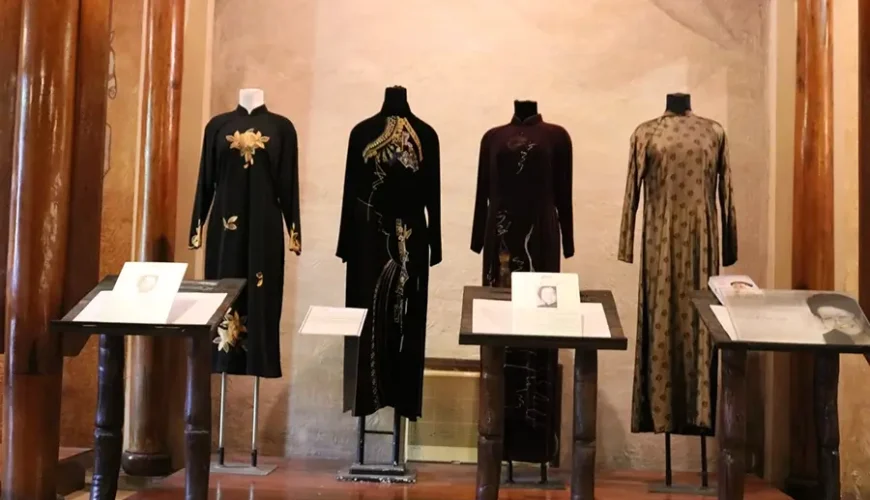
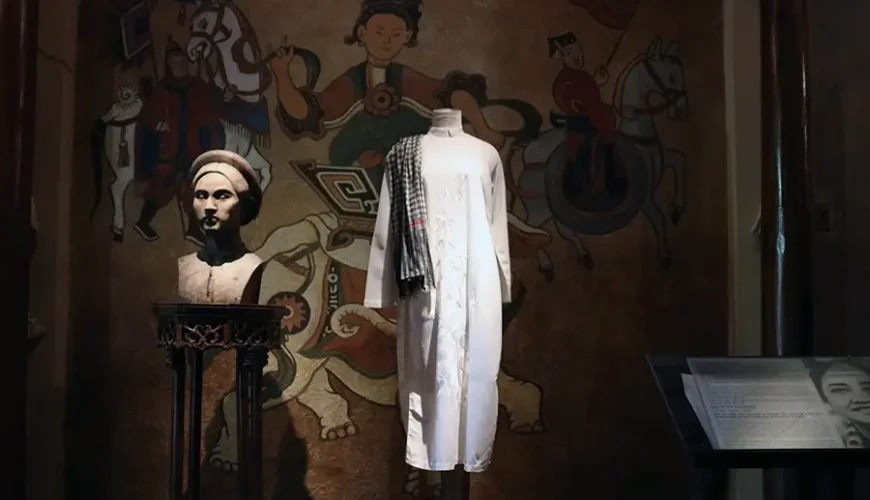
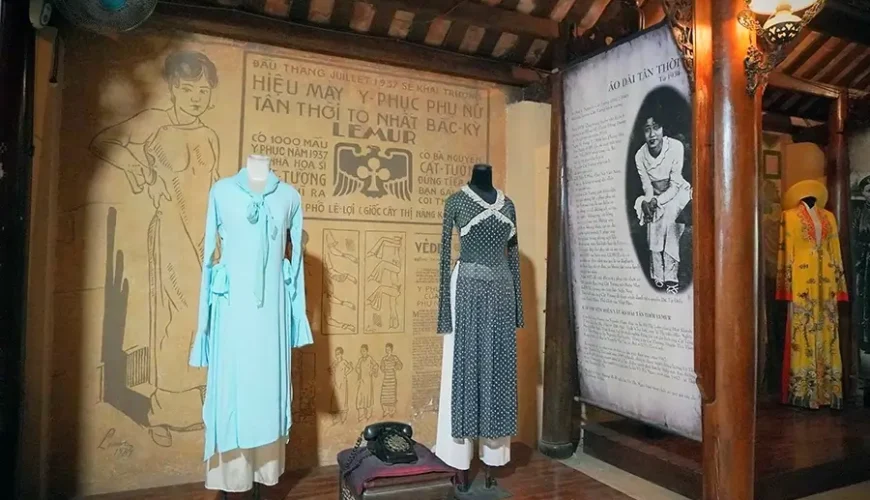
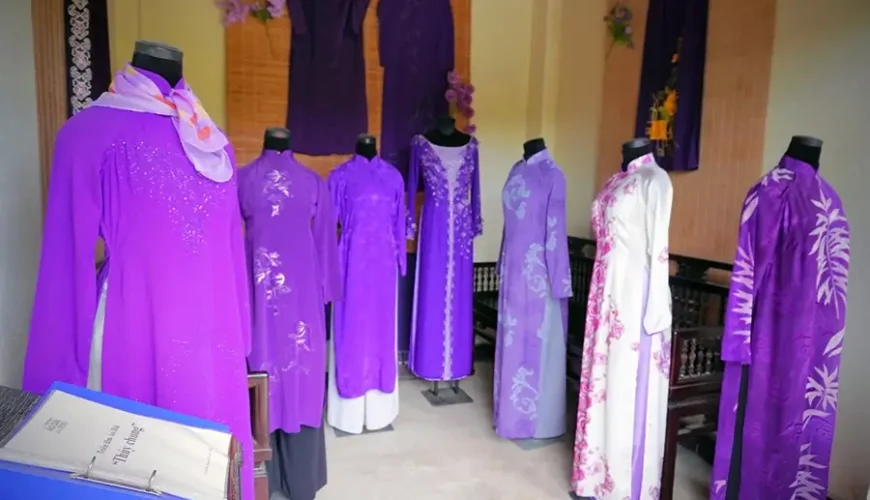
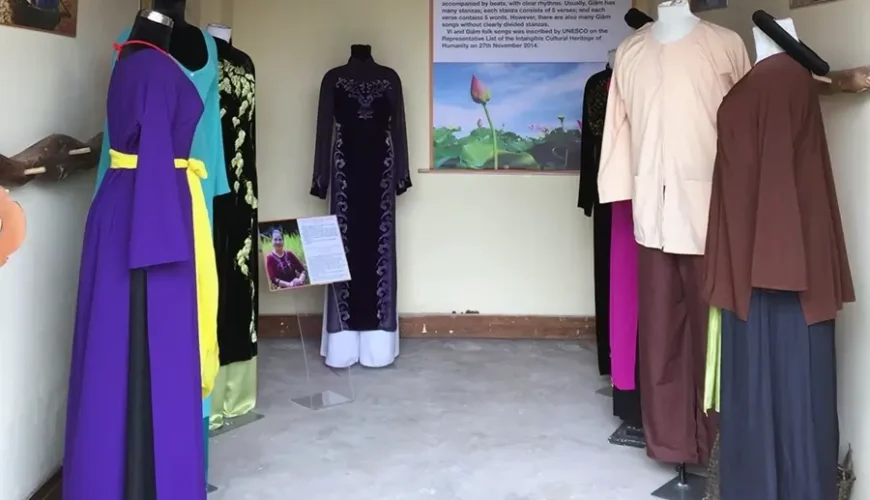
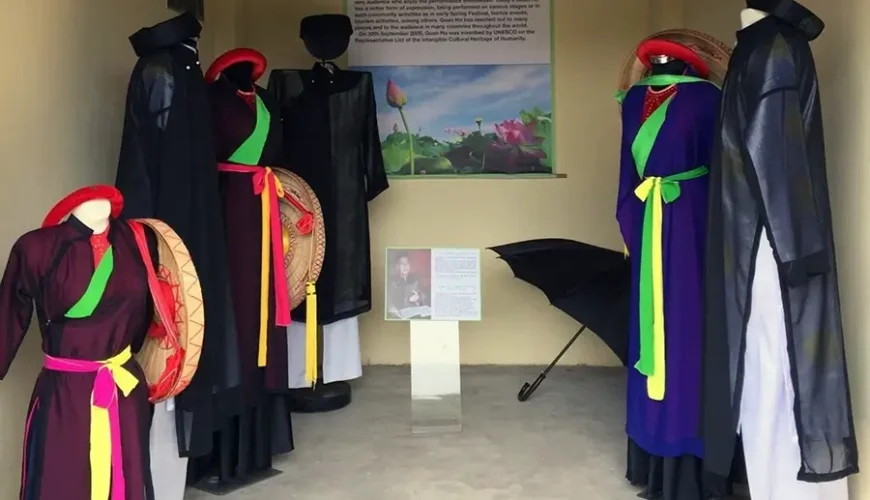
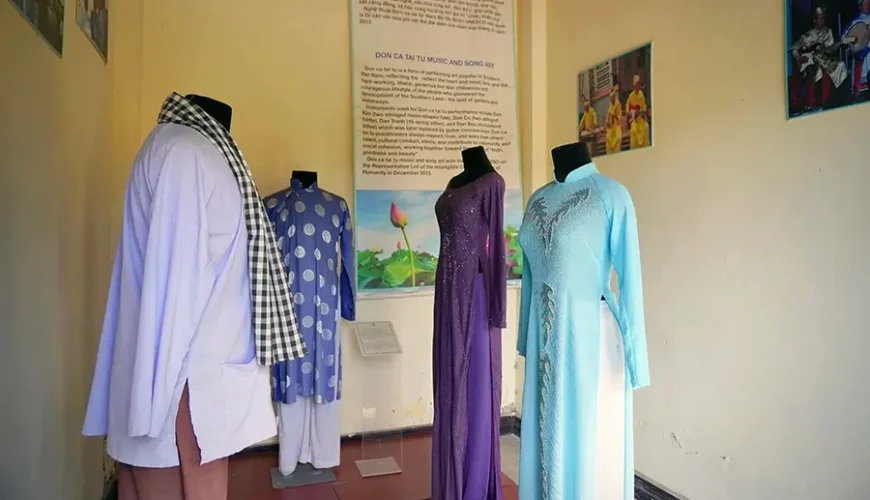
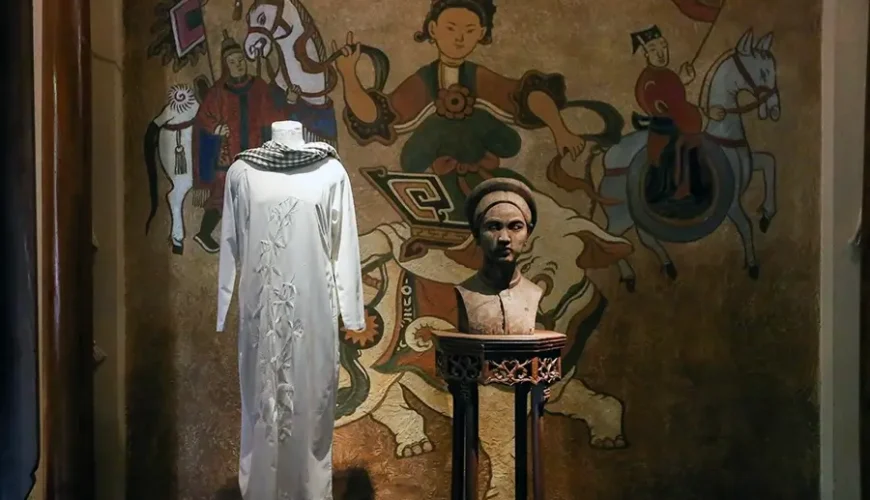
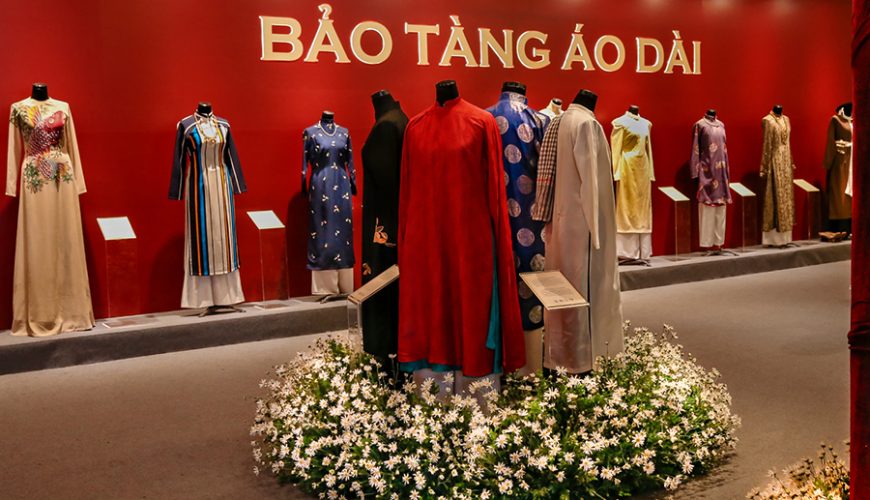
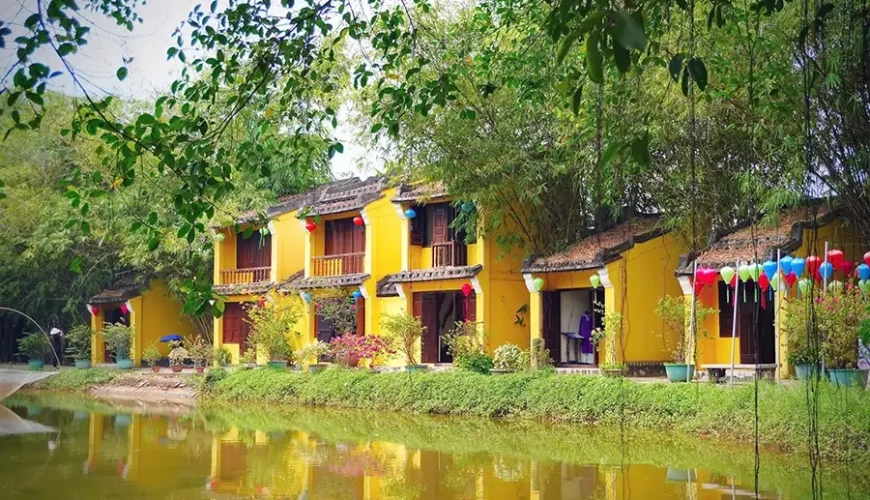
The Ao Dai Museum in Ho Chi Minh City officially opened on January 22, 2014, the result of over 10 years of dedication and vision by artist and designer Si Hoang. The museum showcases Ao Dai dresses from various eras, worn by notable figures in Vietnam.
Overview of the Ao Dai Museum
- Address: 206/19/30 Long Thuan, Long Phuoc Ward, Ho Chi Minh City.
- Opening hours: 8:30 AM – 5:30 PM, Monday to Sunday
- Ticket prices (updated December 2024): Adults: 50,000 VND/ticket (including guided tour); Students: 30,000 VND/ticket.
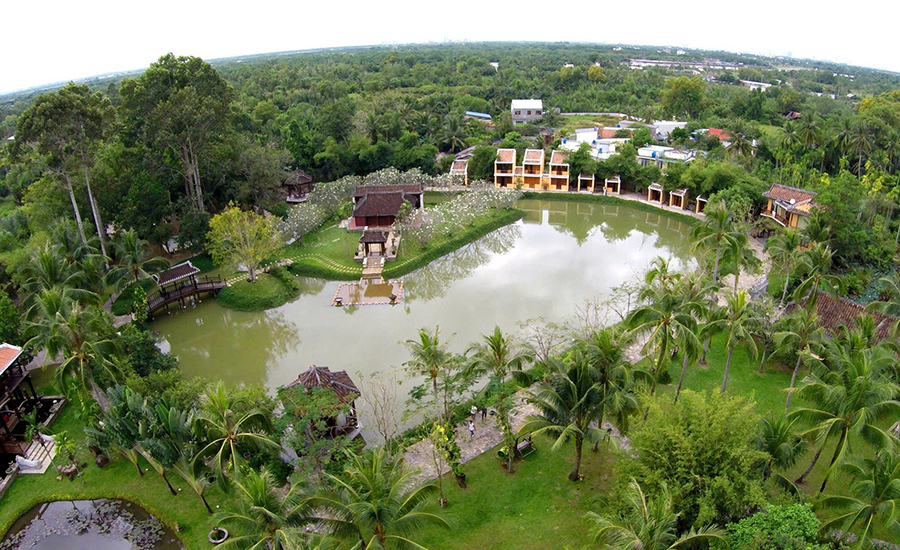
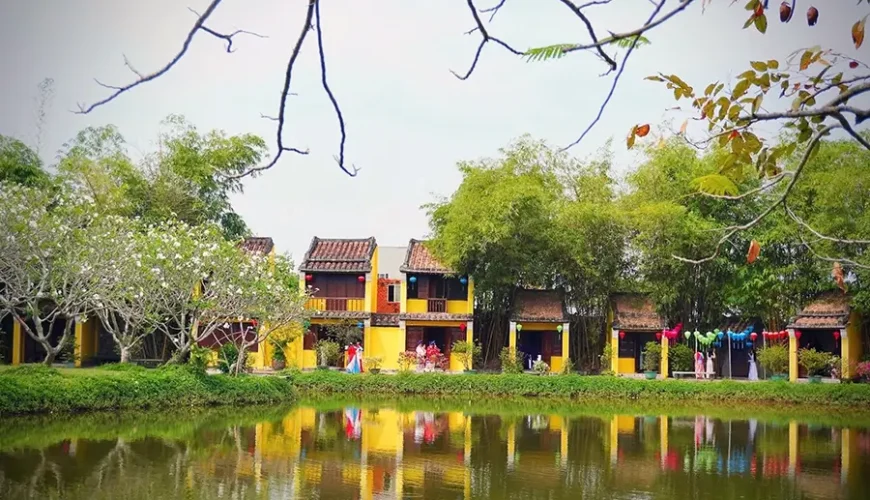
The Ao Dai Museum, with its space reflecting the ancient beauty of Vietnamese villages, is likened to a “miniature Hoi An” right in the heart of the city. This is one of two private museums belonging to the thematic group of the Ho Chi Minh City Department of Culture and Sports. Its main purpose is to preserve and honor Vietnamese cultural values through the history of the Ao Dai, while also providing tourists with a clearer understanding of Vietnamese traditional attire.
Things to do in Ao Dai Museum
Admire classical architecture
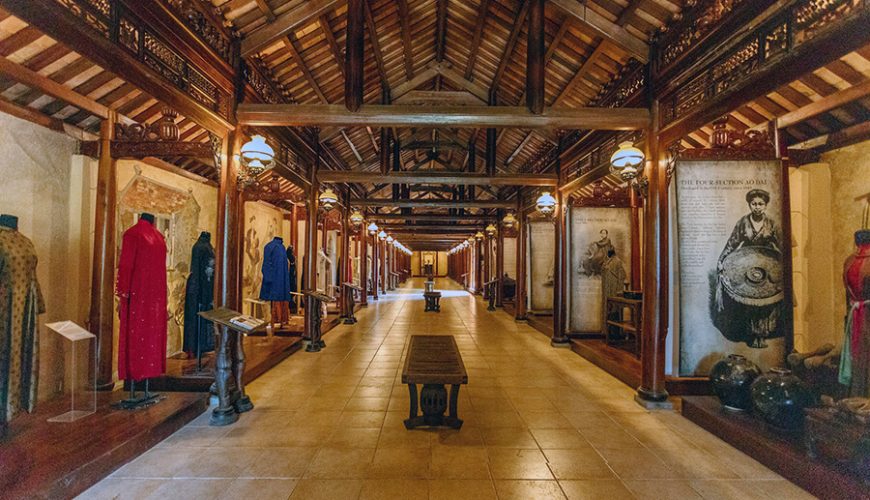
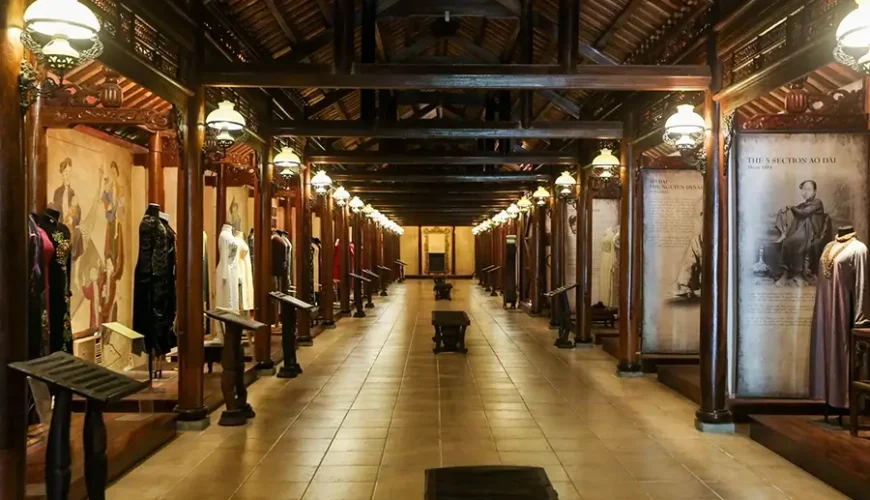
The Ao Dai Museum is located on a spacious site of nearly 20,000 m², set in a serene natural setting. The museum’s architecture blends the traditional stilt-house style of old Quang Nam (now in Da Nang City) with the distinctive features of the Southern Vietnamese riverine region.
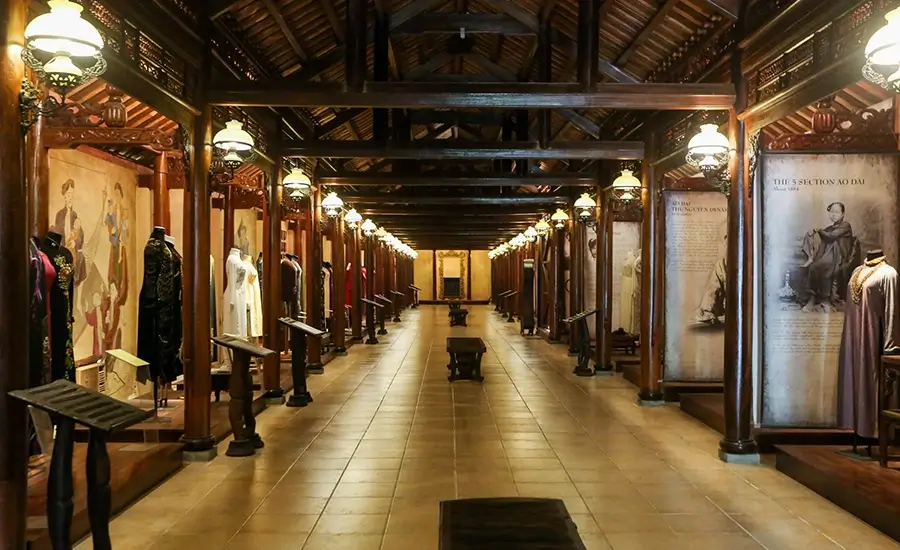
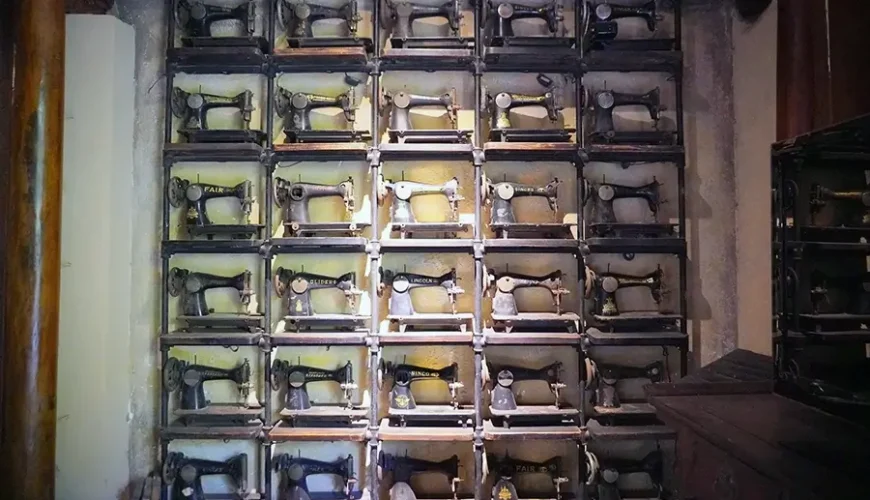
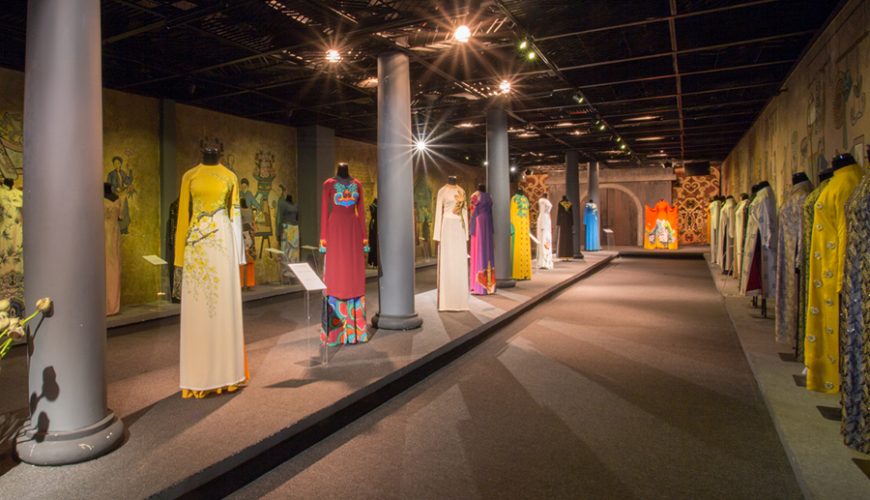
The museum has three main buildings. The exhibition hall is built in the style of a longhouse with a wooden frame and yin-yang tiled roof. Inside, more than 300 ao dai from different periods are on display, including pieces associated with famous historical figures and artists. The ancestral hall, dedicated to the founders of the tailoring profession, features architecture influenced by the Hue style, reflecting respect for the traditional craft.
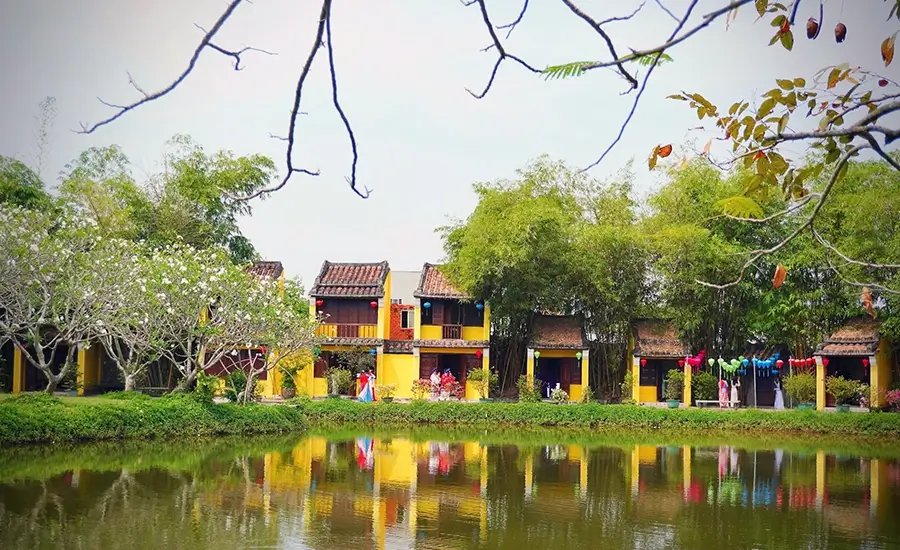
Finally, the memorial area and guesthouse are designed to evoke the ancient town of Hoi An, with its quaint old houses. The buildings are surrounded by lush green landscape with ponds, gardens, and boat docks, recreating the scenery of the Southern Vietnamese countryside. Most structures are made of wood and authentically recreated by skilled artisans from Kim Bong carpentry village.
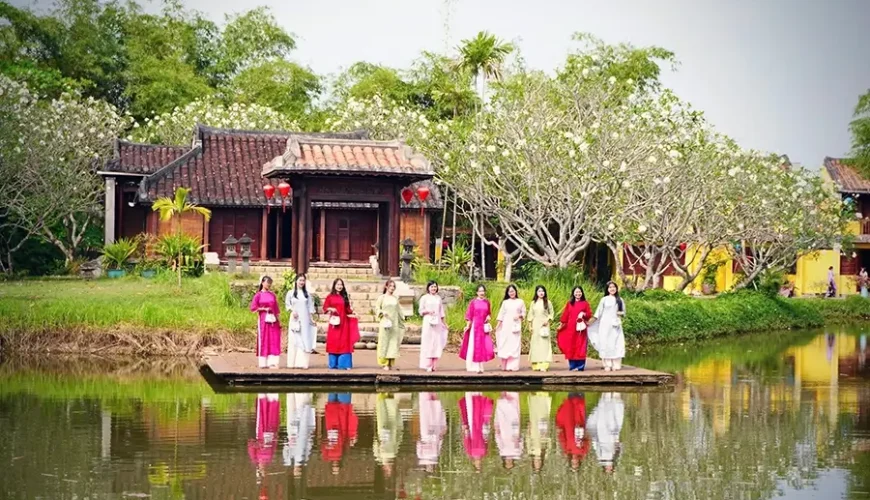
A highlight of the museum is the floating stage on Chan Lac Lake, designed to host folk art performances and evoke the image of a village communal house.
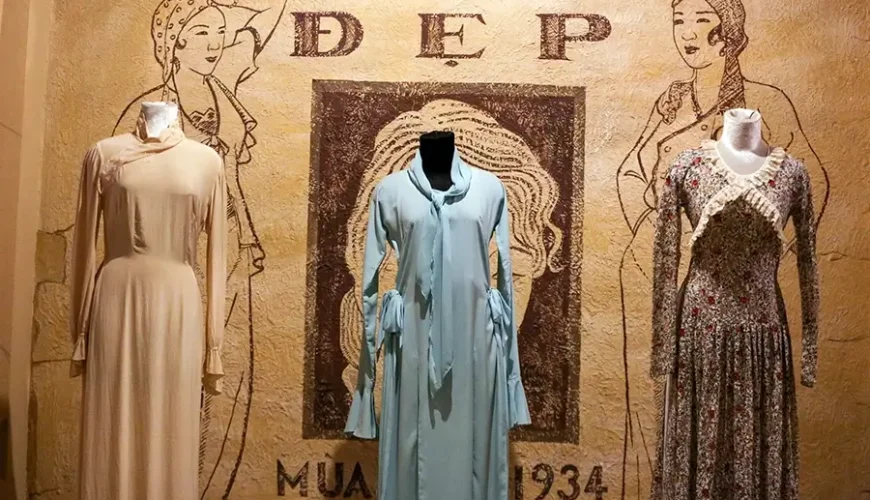
Admire the collection of over 300 traditional Ao Dai designs
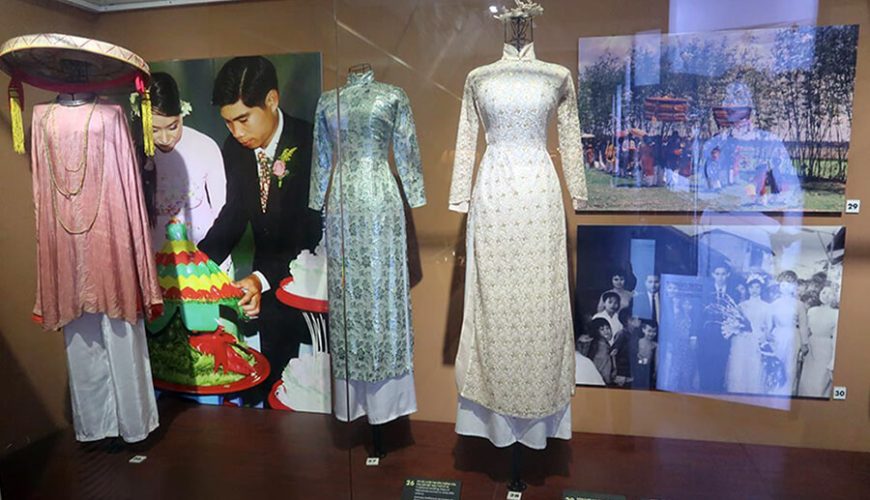
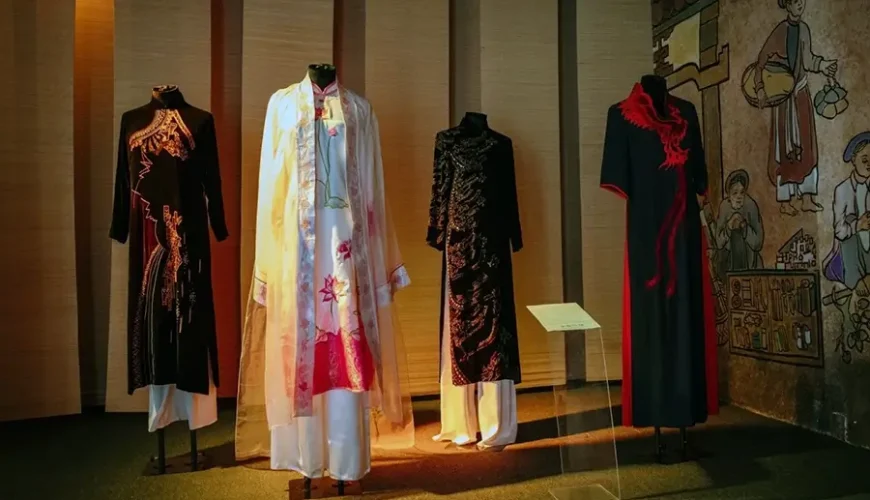
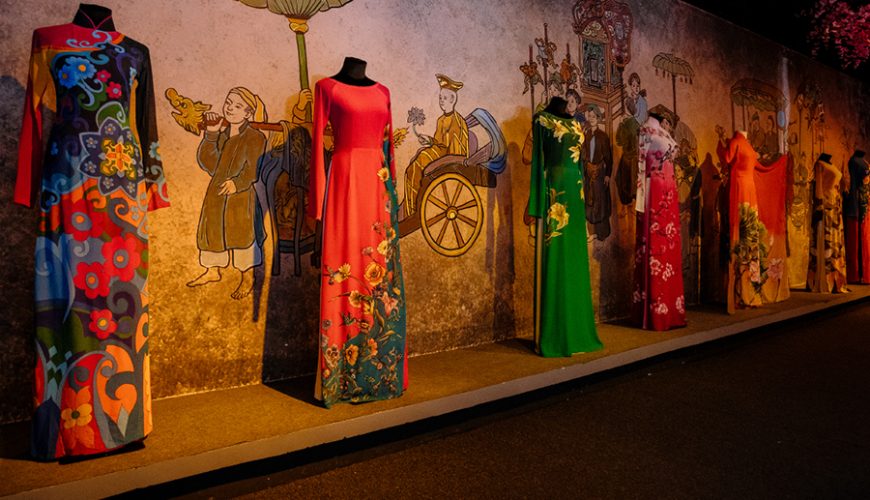
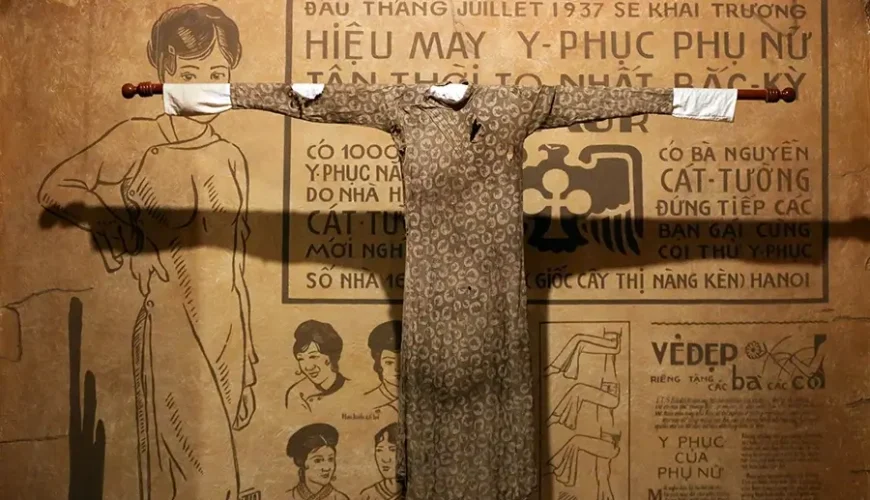
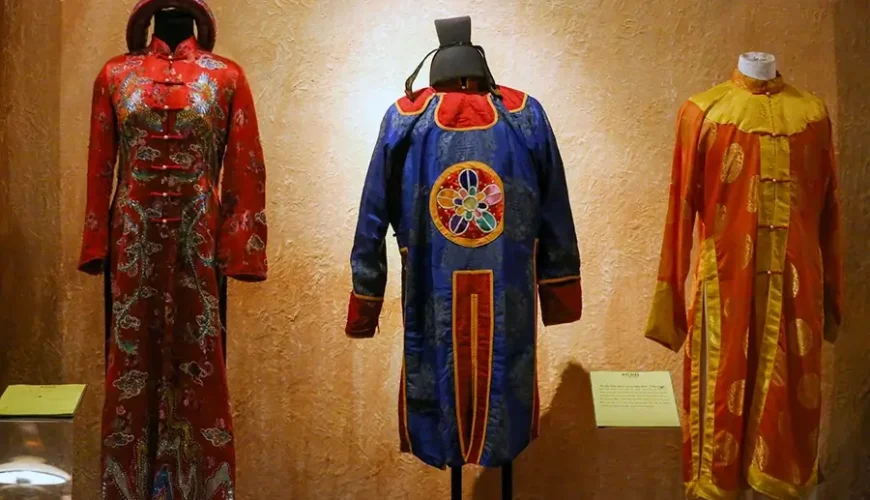
The Ao Dai Museum houses over 300 traditional Vietnamese Ao Dai designs. These designs are drawn from various historical periods, including French colonial-era Ao Dai, open-neck Ao Dai from the Tran Le Xuan era, beaded Ao Dai, patterned Ao Dai, five-piece Ao Dai, four-piece Ao Dai, and modernized Ao Dai. Here you can find unique designs, including Ao Dai made from ceramic or brocade fabric.
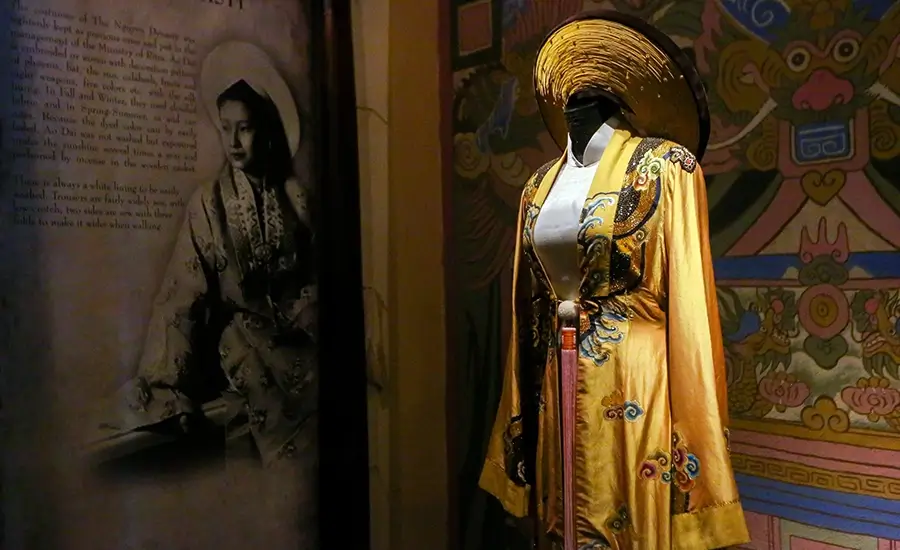
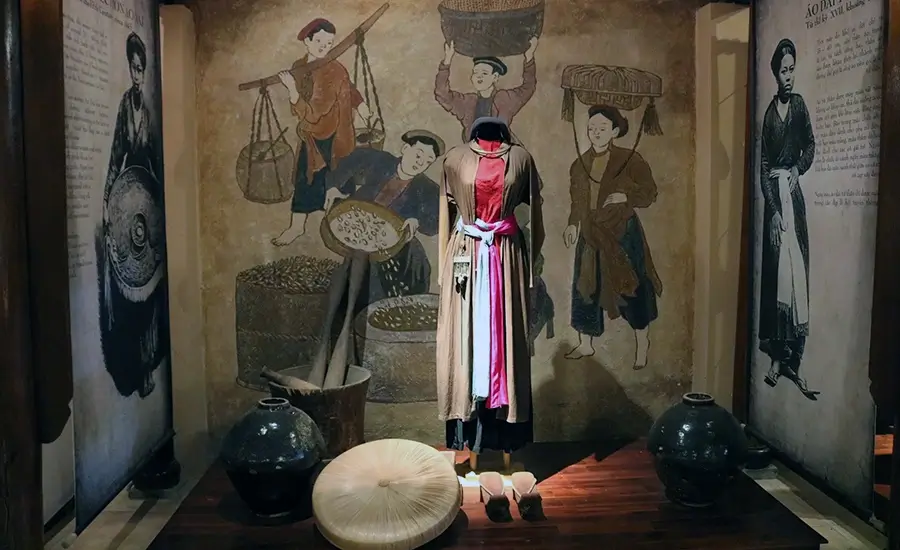
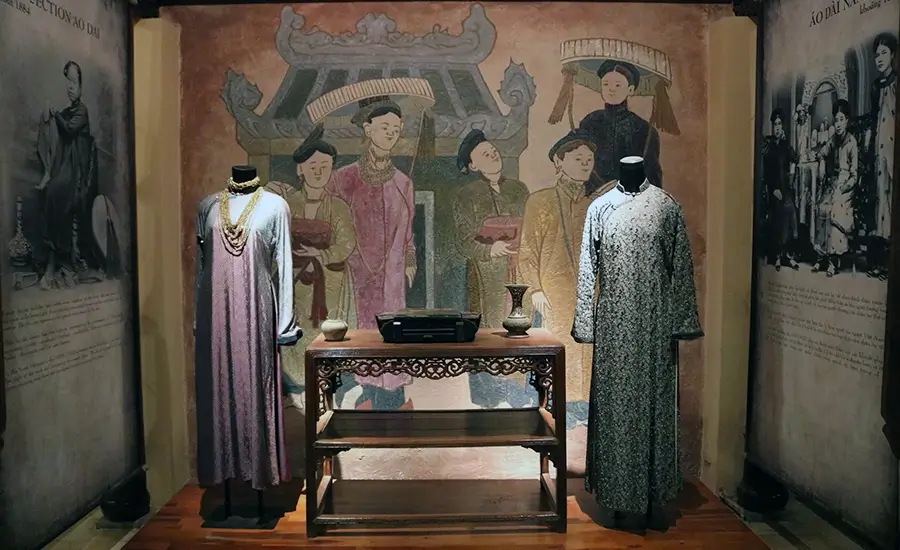
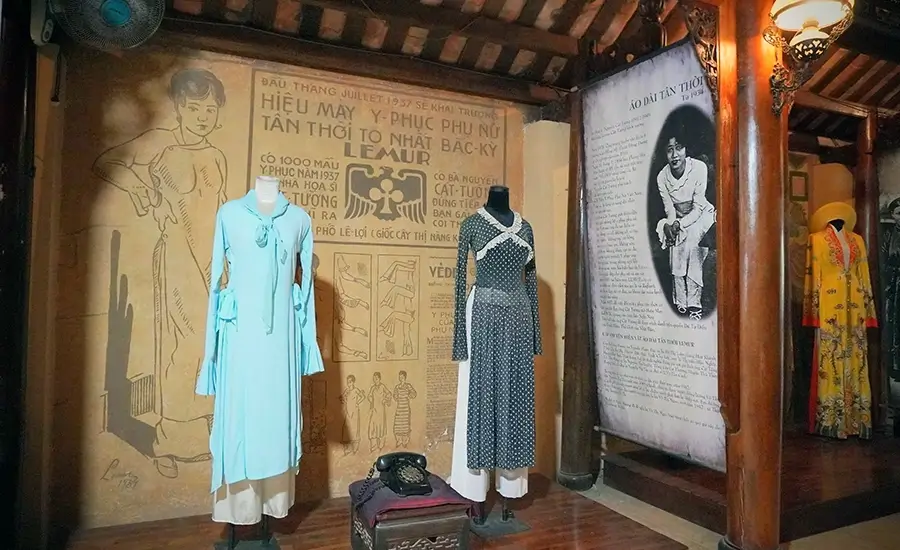
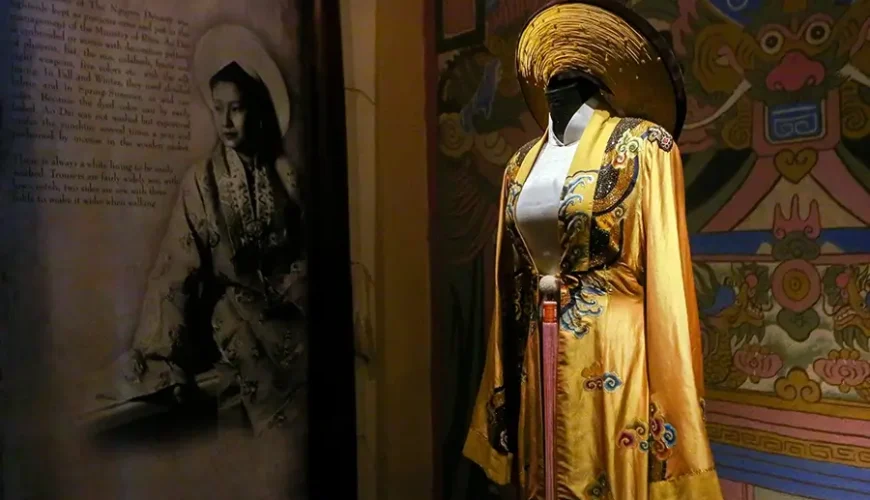
Furthermore, the Ao Dai Museum also displays Ao Dai designs worn by famous historical figures. And when visiting the Ao Dai Museum, tourists also have the opportunity to admire Ao Dai designs by designer Sy Hoang. These designs have won international awards, helping promote the image of the Vietnamese Ao Dai worldwide.
Participating in Promotional Exhibitions
To enrich the museum’s collection and research materials, the museum has invited individuals and organizations to contribute ao dai costumes and other valuable artifacts for exhibitions. The primary purpose is to explore and preserve stories that reflect the era’s spirit and trends. This promotional event is divided into three forms: permanent exhibitions, thematic exhibitions, and traveling exhibitions.
– Permanent exhibitions will introduce and promote the history of the ao dai. The life stories and contributions of figures in various fields to the defense and development of the country; the journey of ao dai’s growth to become an intangible cultural heritage; and a display of ao dai underwear.
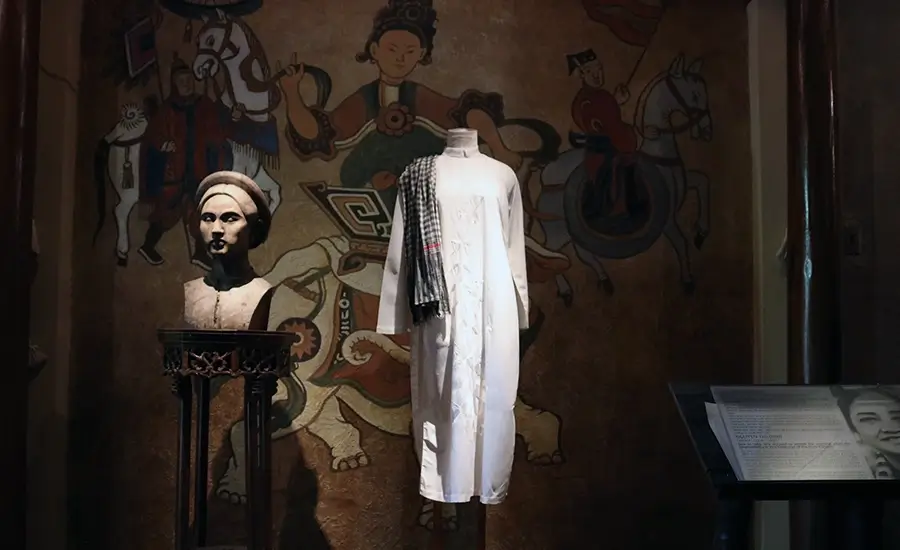
– Thematic exhibitions select ao dai designs based on a common theme, allowing visitors to easily appreciate the value and beauty of this traditional garment, such as “Joining Hands,” “Ao Dai and its Roots,” “Flowers of the Four Seasons,” “National Flags of ASEAN Countries,” etc.
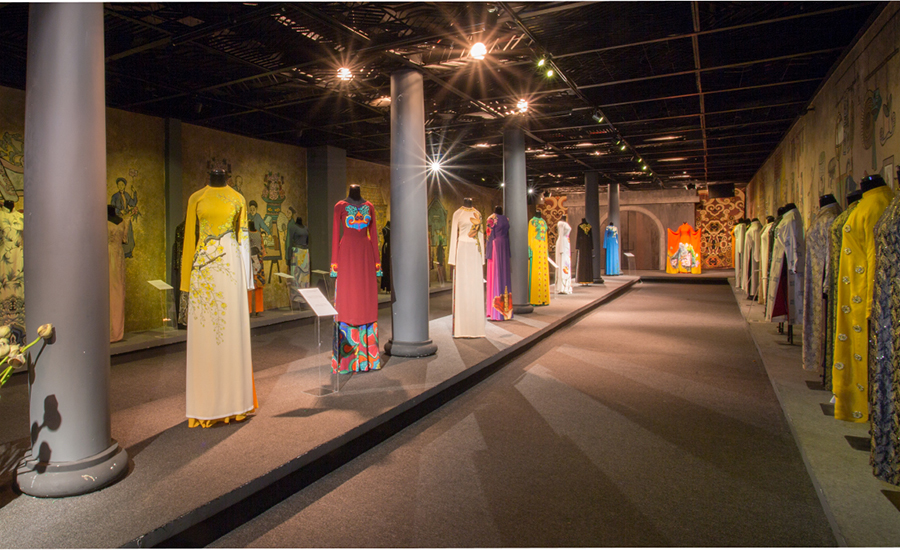
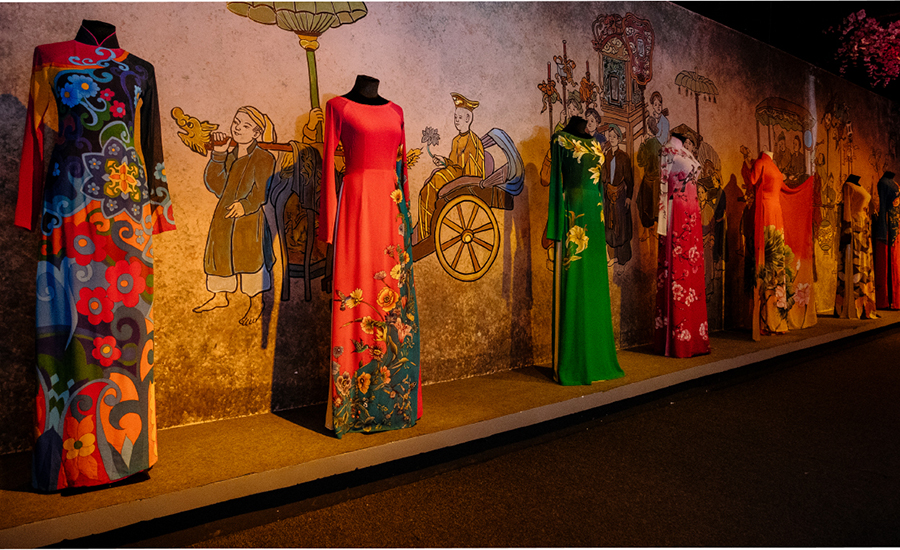
– Travelling exhibitions are events organized in various locations, both inside and outside the museum, to help young people easily access artifacts, images, and stories about the ao dai. Some travelling events organized to date include the “Vietnamese Cultural Heritage Space” exhibition, the “Celebration of the 45th Anniversary of Diplomatic Relations between Vietnam and Japan,” etc.
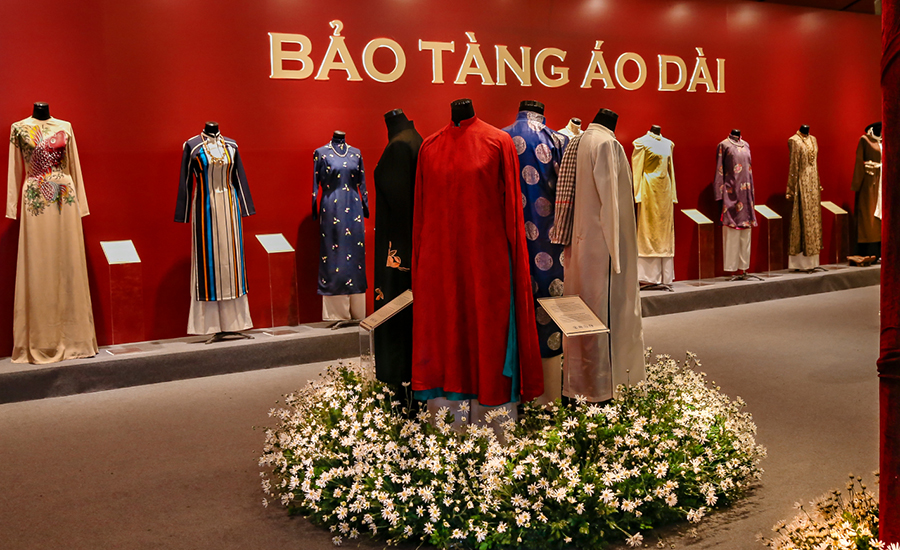
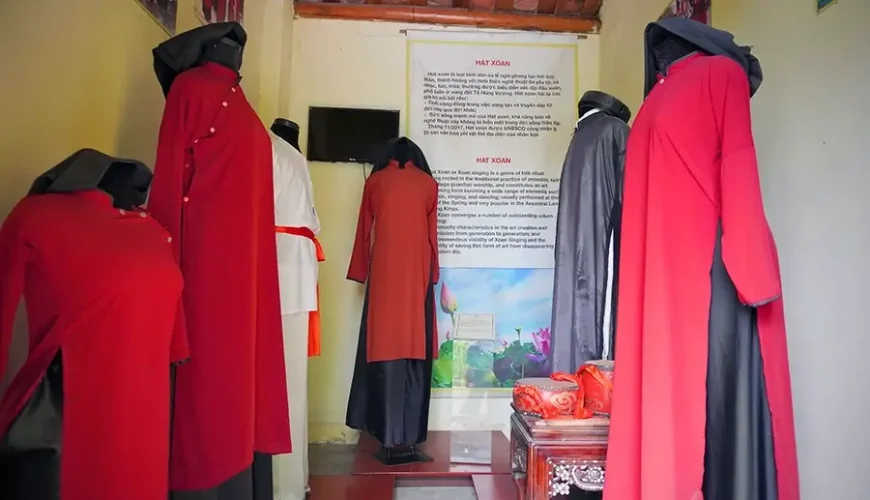
In addition, the Hoi An section currently displays ao dai associated with four UNESCO-recognized intangible cultural heritage elements related to traditional art forms: Xoan singing, don ca tai tu (Southern Vietnamese folk music), Quan Ho folk songs, and Vi Giam folk songs.
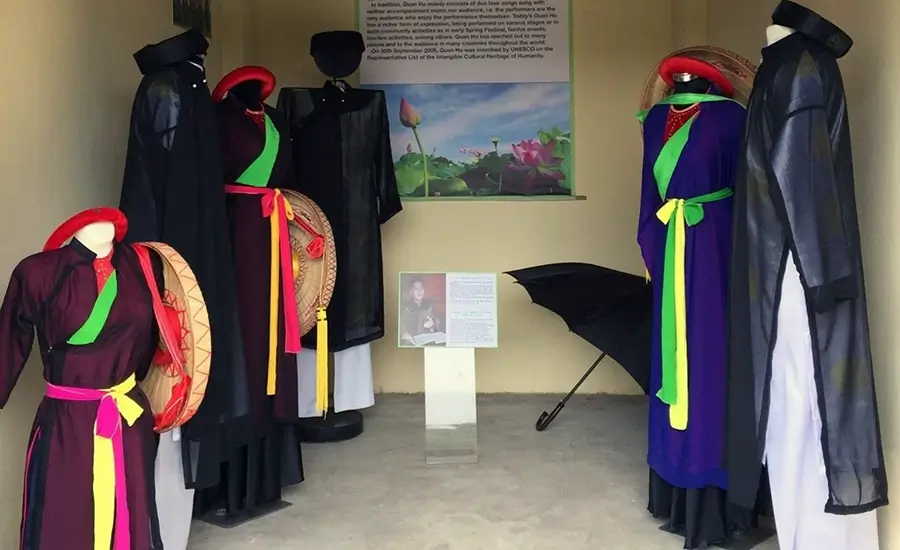
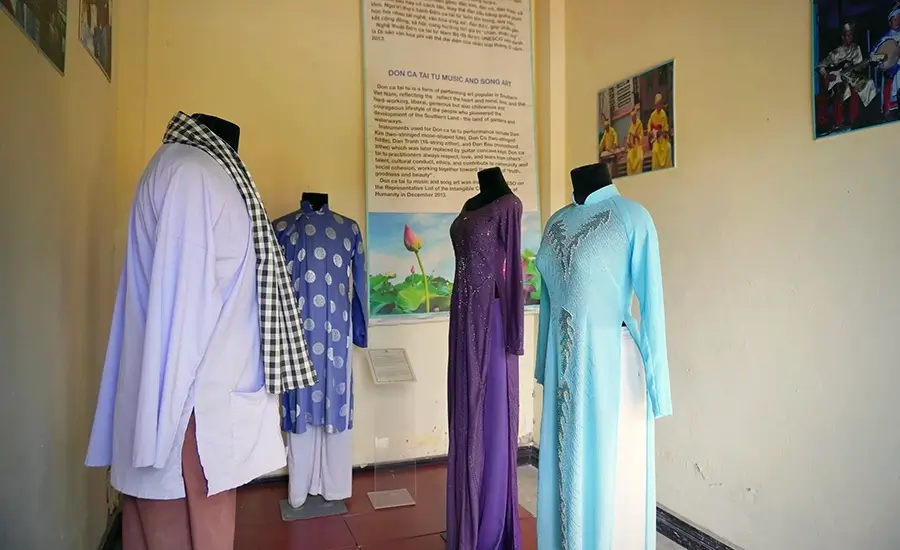
Check in and take photos in traditional Vietnamese ao dai and costumes
The Ao Dai Museum not only displays ao dai throughout the nation’s history but also offers a place to experience Vietnamese culture. Visitors can rent ao dai and receive staff guidance on suitable outfits and accessories for all ages. They can then take photos at the boat dock, wooden bridge, ancient houses, and other areas, recreating the Ngu Hanh Temple and Vong Nguyet Tea House.
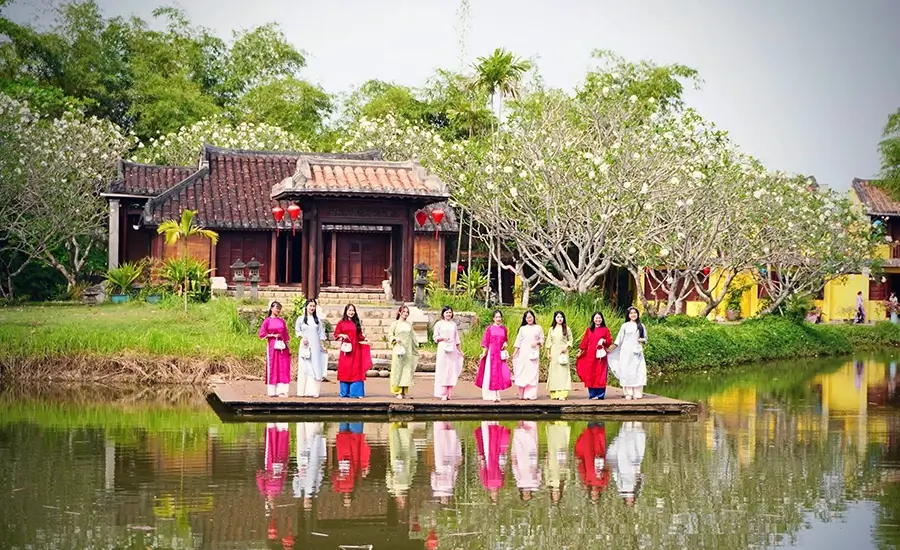
You can also rent costumes at the Museum to create the most beautiful check-in photos. The Museum has many ao dai designs for both men and women, suitable for various age groups, so you don’t have to worry about not finding an ao dai that suits you.
The Ao Dai Museum in Ho Chi Minh City houses and displays hundreds of ao dai designs, reflecting the development and diversity of Vietnamese traditional clothing through different periods. This place has become an attractive tourist destination for both domestic and international visitors.
Source: collected by An
Follow us for the best deals on Vietnam package tours and visa services!

Comment (0)