
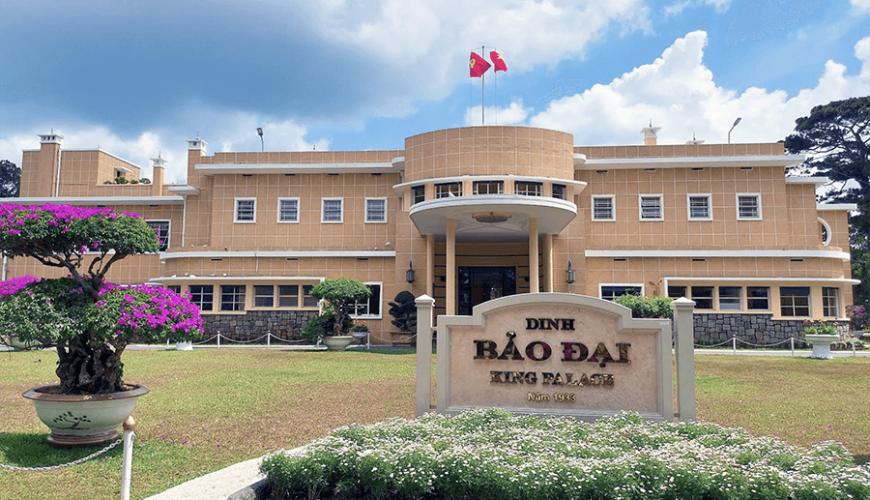
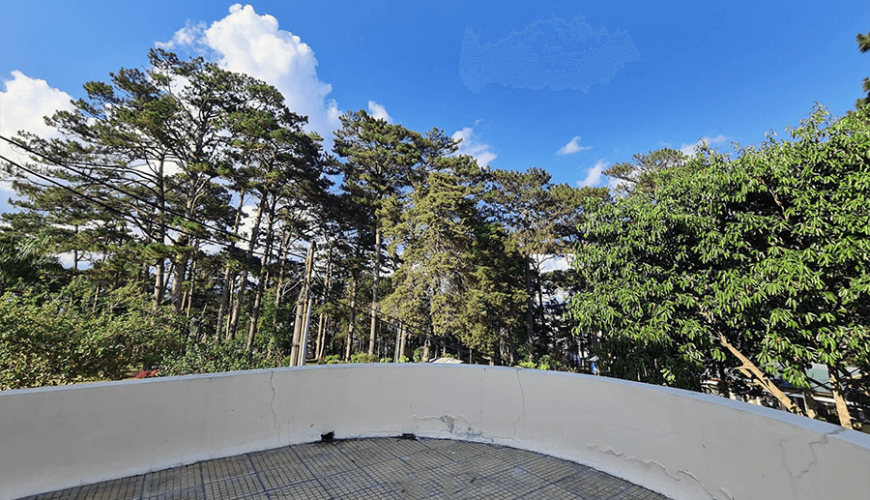
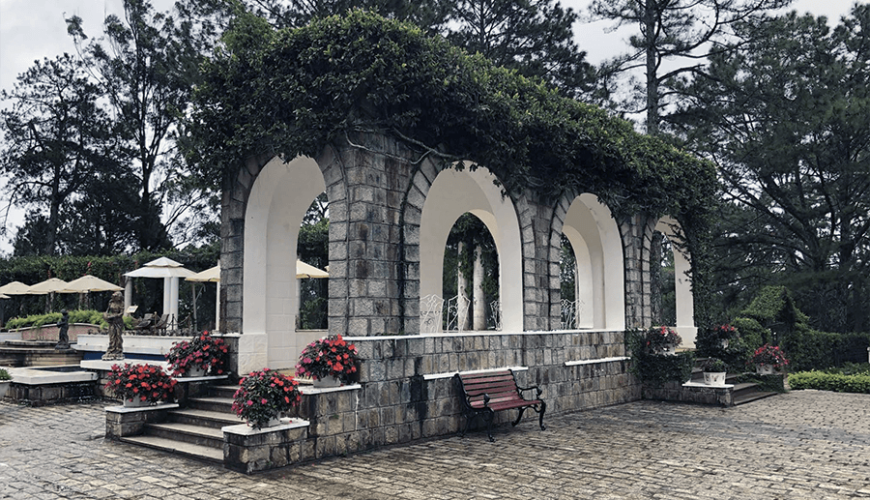
Nestled amidst lush green pine forests on a picturesque hilltop, Bao Dai Palace III is not only a unique architectural masterpiece but also a precious historical witness to Vietnam’s ups and downs. It was once the residence and workplace of Bao Dai, the last emperor of the Vietnamese feudal dynasty. Let’s explore this famous tourist destination with Vietdreamtravel!
Overview of Bao Dai Palace III
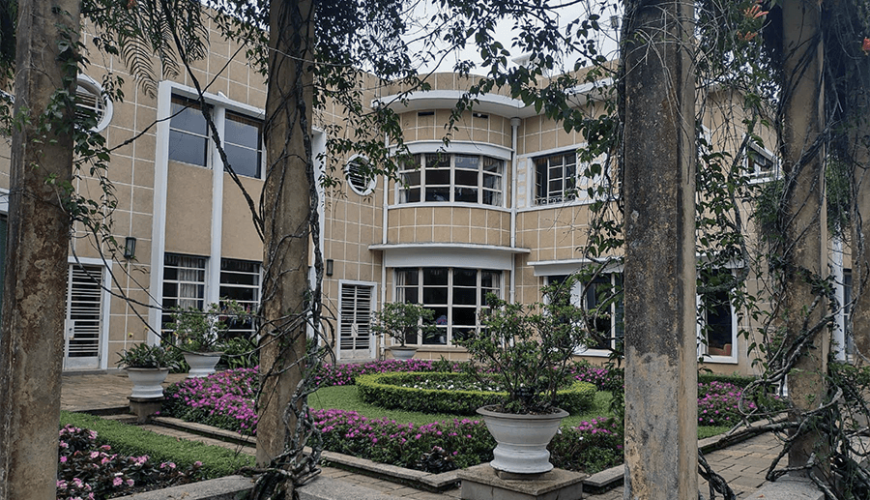
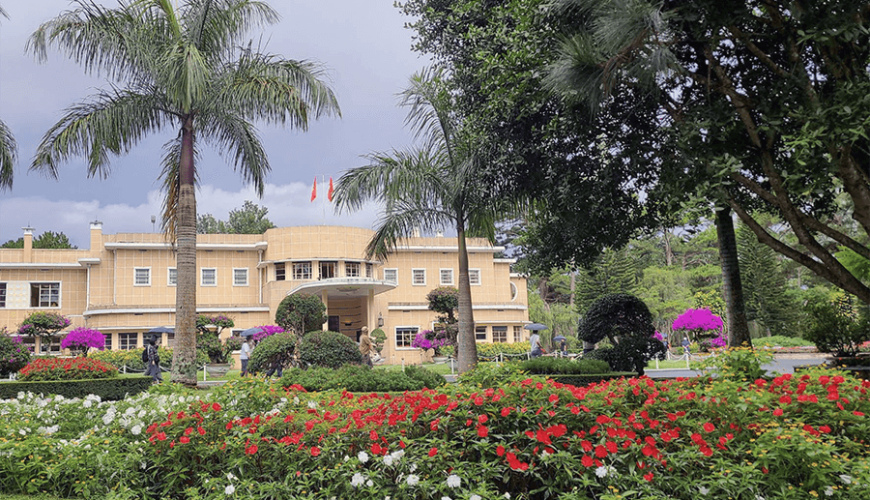
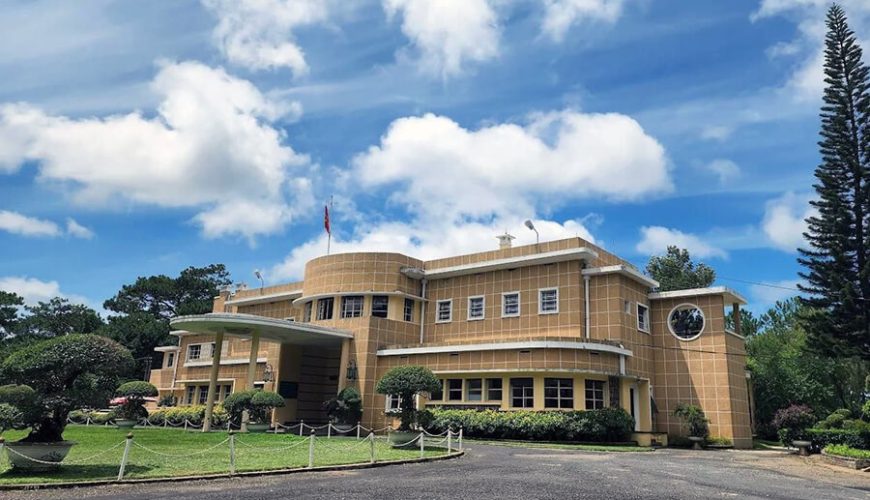
The Bao Dai Palace III, also known as Bao Dai Palace or Palace III, was built between 1933 and 1938 and served as the residence and workplace of Emperor Bao Dai’s family in Da Lat. Designed by French architects Paul Veysseyre and Arthur Kruze, the building embodies a modern Western architectural style harmoniously combined with traditional East Asian aesthetics.
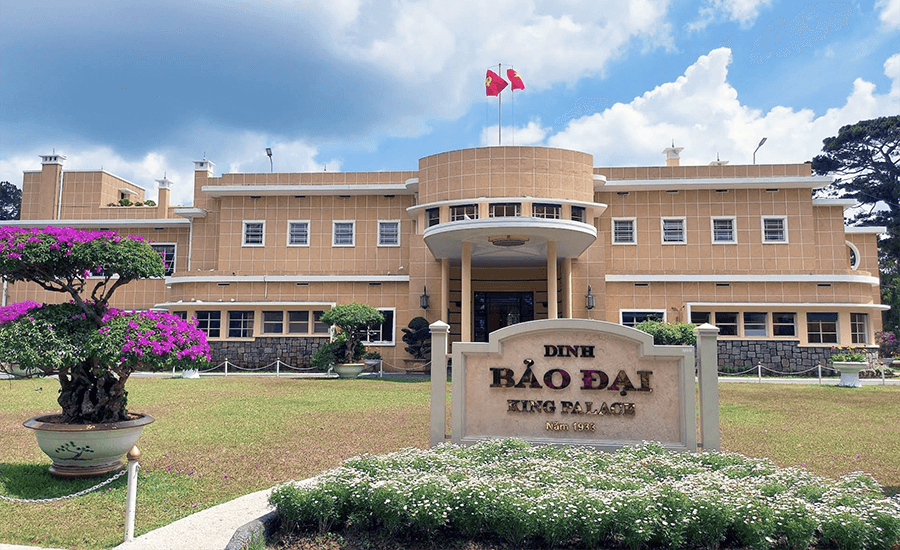
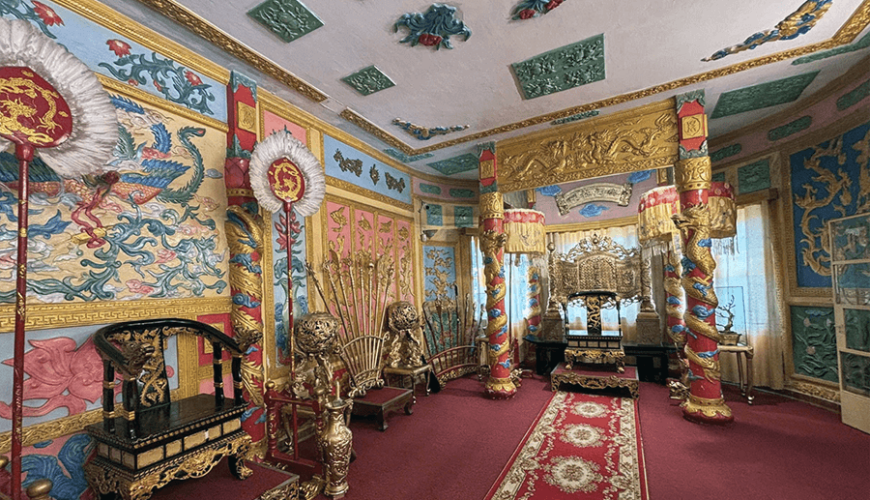
The palace was completed and officially inaugurated in 1938. From 1938 to 1945, Palace III in Da Lat served as Bao Dai’s summer retreat, hunting lodge, and workplace, earning it the nickname “Summer Palace”. In 1948, when the French restored Bao Dai to power, the palace continued to serve as his residence and workplace as Head of State.
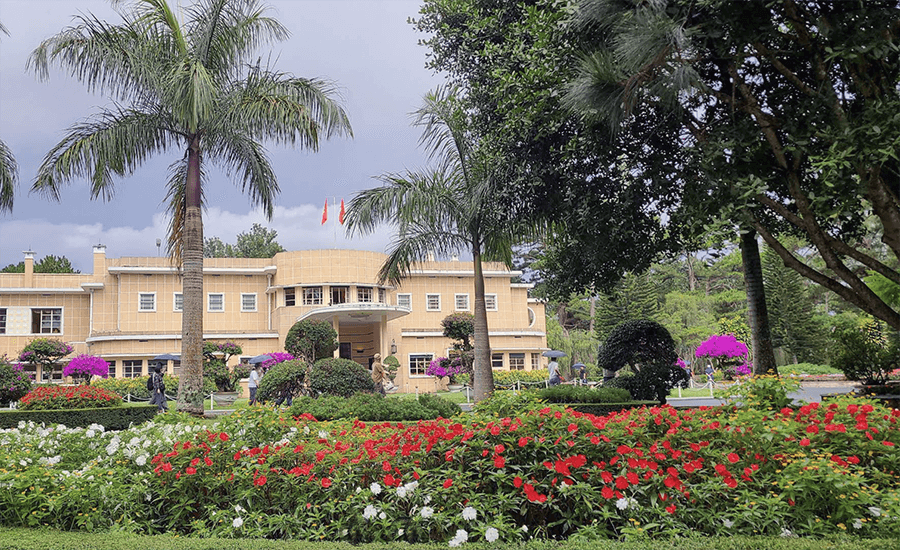
After Bao Dai went into exile in France, Palace III successively became a high-class resort for South Vietnamese heads of state, including the Ngo Dinh Diem government and later President Nguyen Van Thieu. Through the ups and downs of time and history, today, Bao Dai Palace III has become a strong attraction for tourists visiting Da Lat.
Opening hours and entrance fees
- Address: 01 Trieu Viet Vuong Street, Xuan Huong-Da Lat Ward, Lam Dong Province.
- Opening hours: 7:00 AM – 5:30 PM every day of the week.
- Entrance fee: 30,000 VND / person (includes only the entrance fee to the entire Palace 3 area, excluding horse-drawn carriage and horseback riding fees).
- Costume rental fee: 20,000 VND / set
Architectural features of Bao Dai Palace III
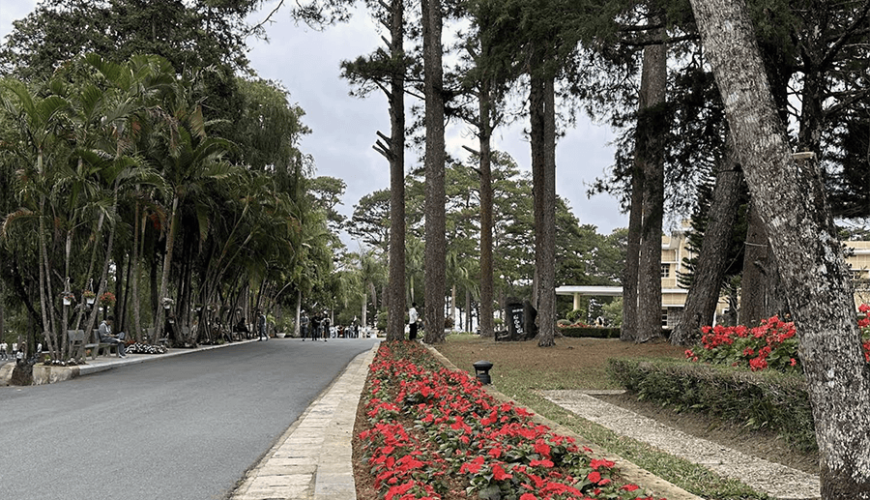
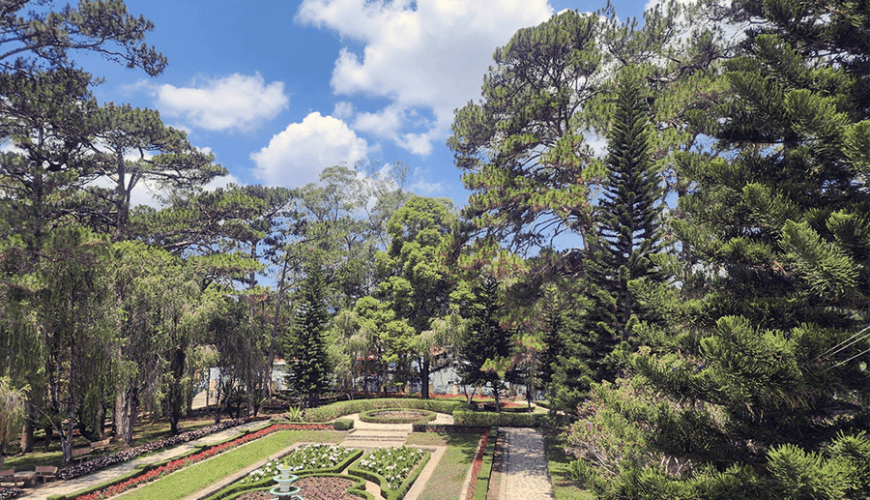
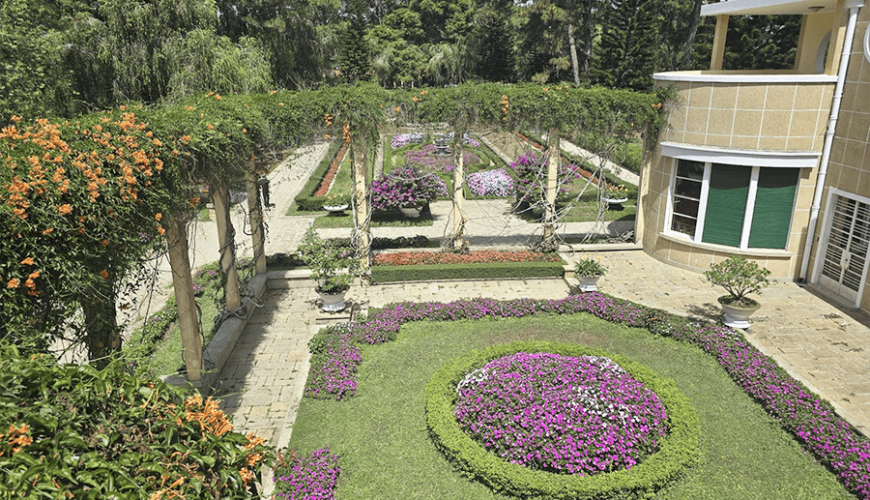
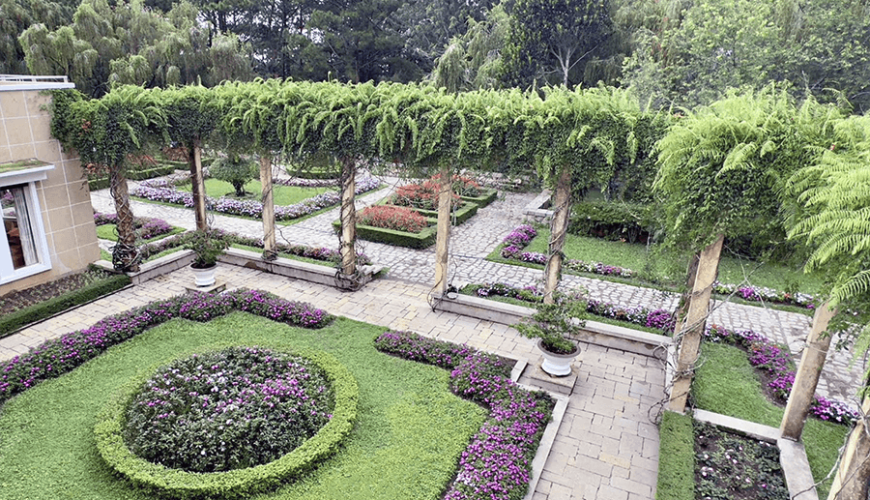
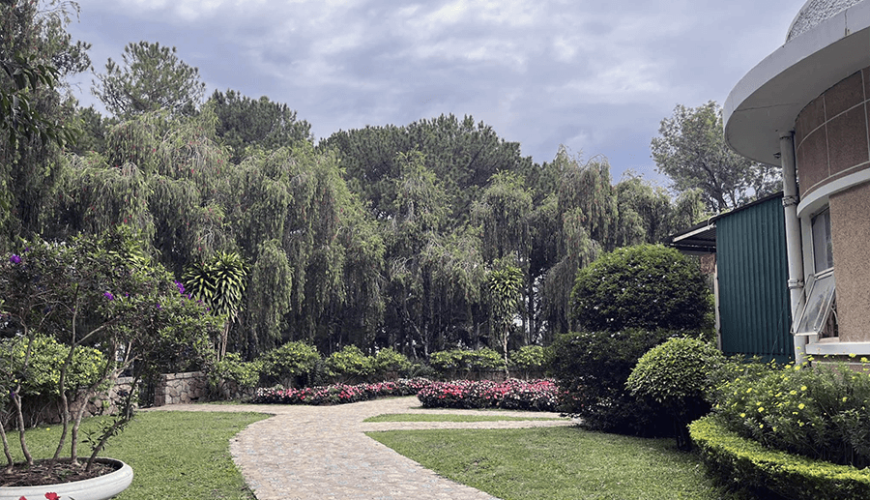
Located on Trieu Viet Vuong Street at an altitude of 1539m, 2.5km south of Da Lat center, Bao Dai Palace III is surrounded by a cool and peaceful green space.
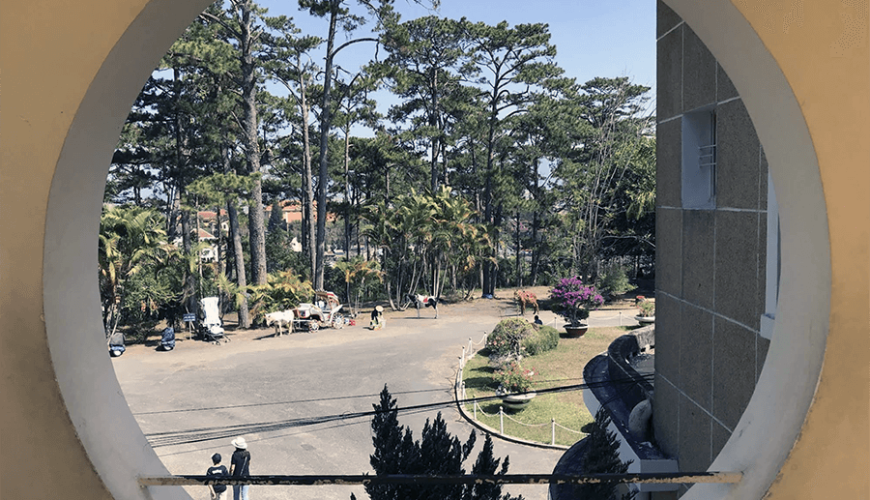
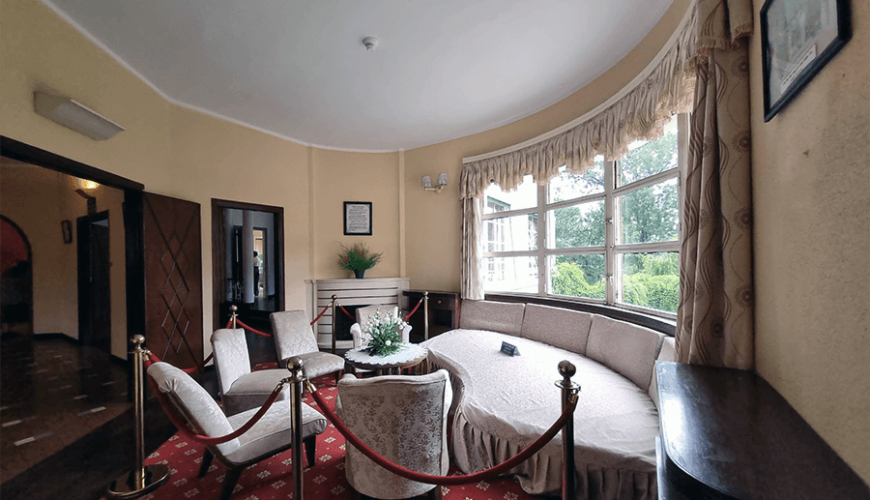
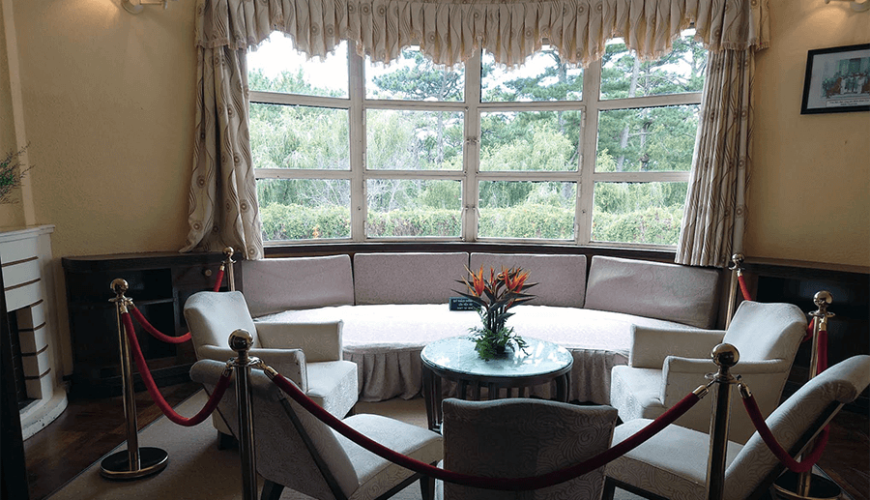
The Palace III, covering approximately 1,000 square meters, was built in the Art Deco architectural style, a blend of modern and classical beauty. The palace is a two-story structure with 26 rooms of varying sizes, arranged in a thoughtful, luxurious manner. All rooms feature large windows that maximize natural light and offer stunning views of the surrounding pine hills, creating a sense of immersion in nature.
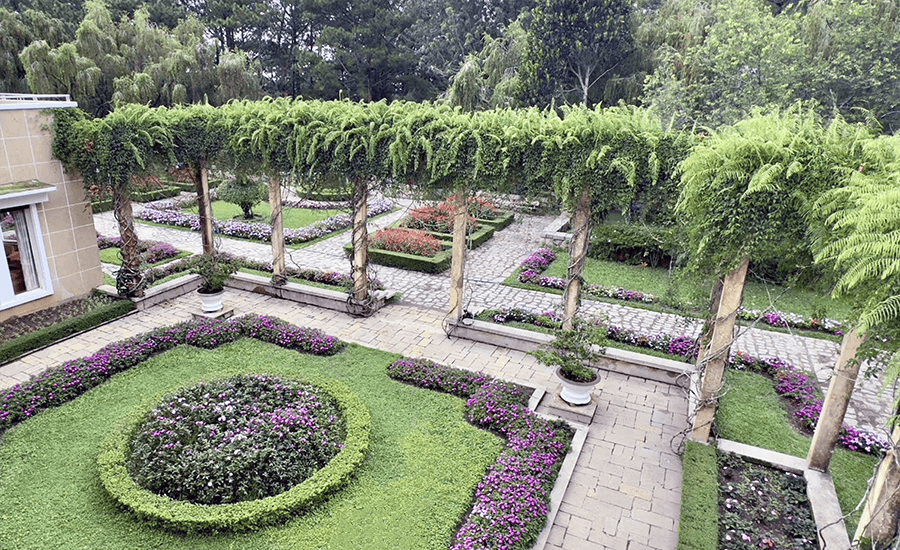
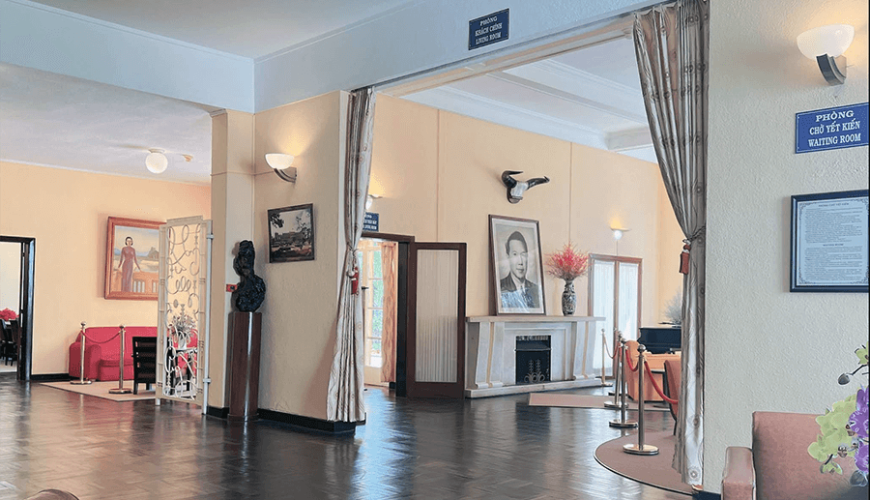
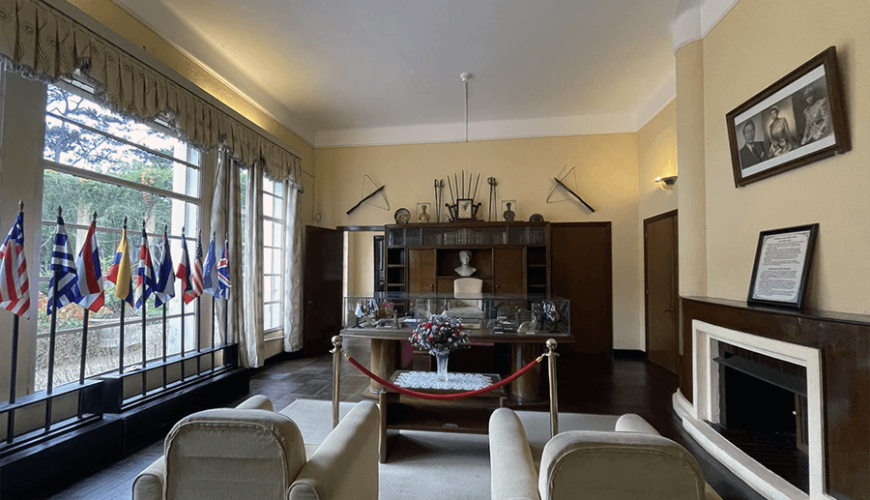
Inside the palace, the space is clearly divided according to function, reflecting the royal lifestyle.
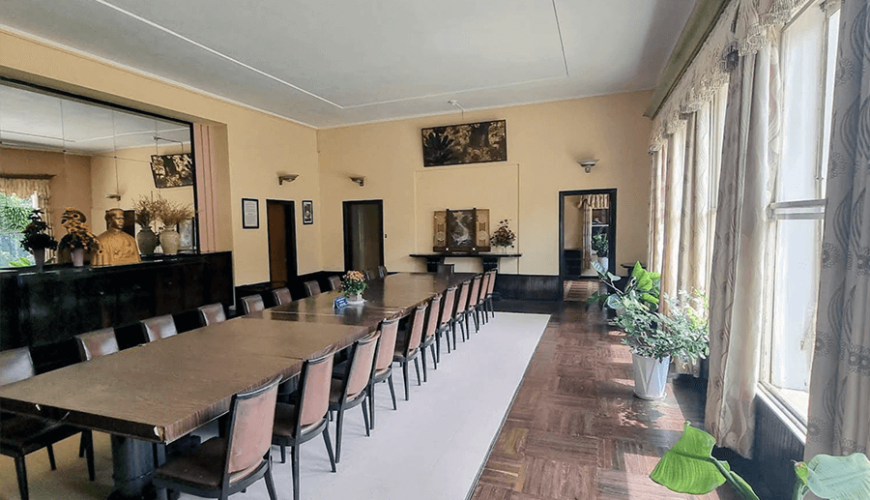
Ground floor: This is the working and reception area, including the main functional rooms such as:
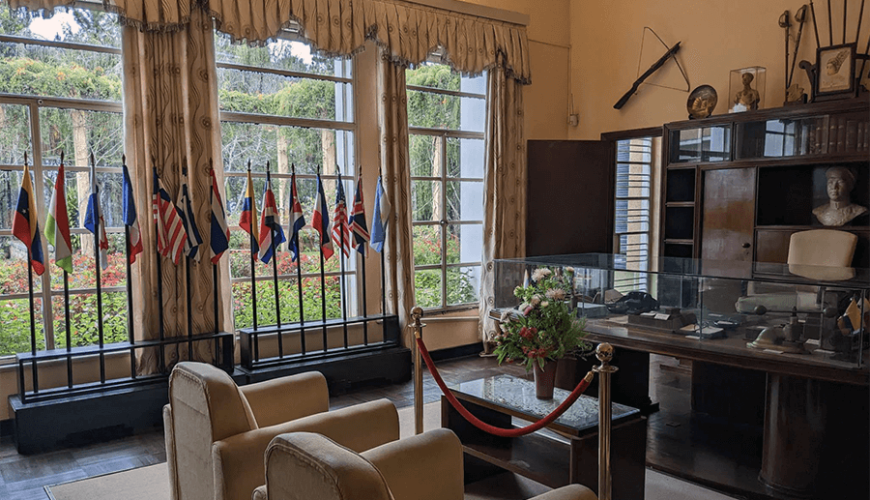
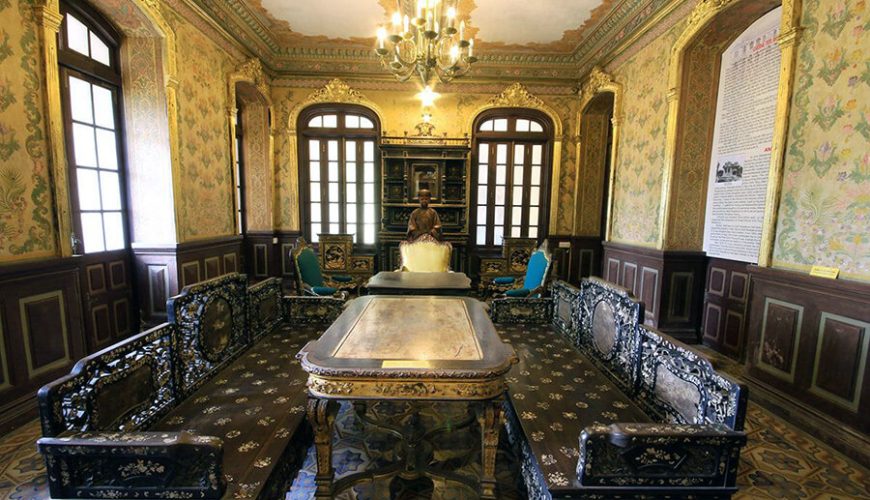
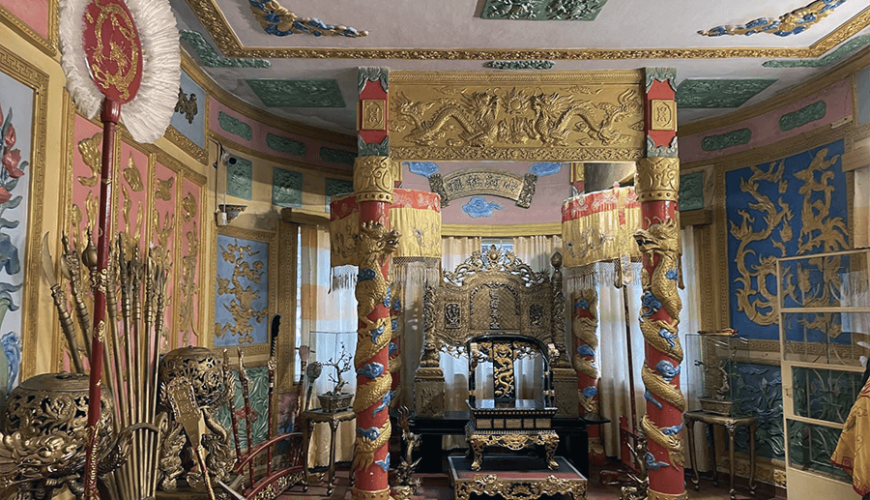
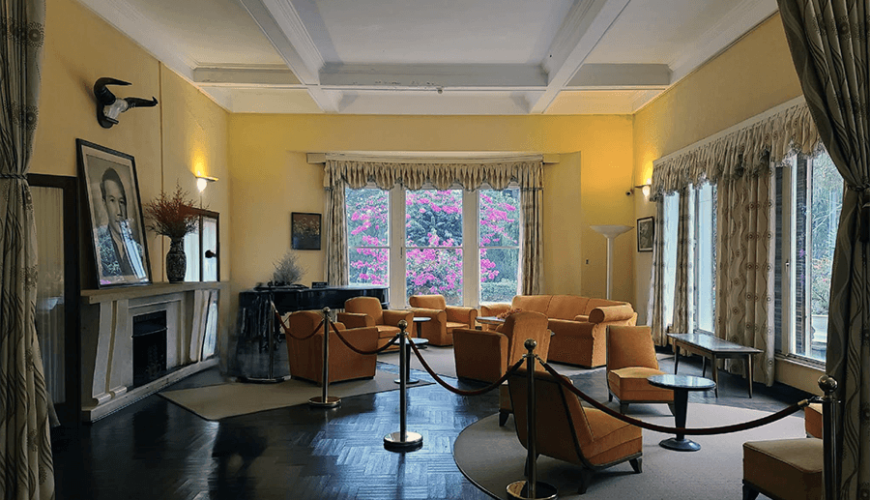
- Office, intimate reception room, and ceremonial hall: Where Emperor Bao Dai held meetings and received government officials, as well as foreign guests.
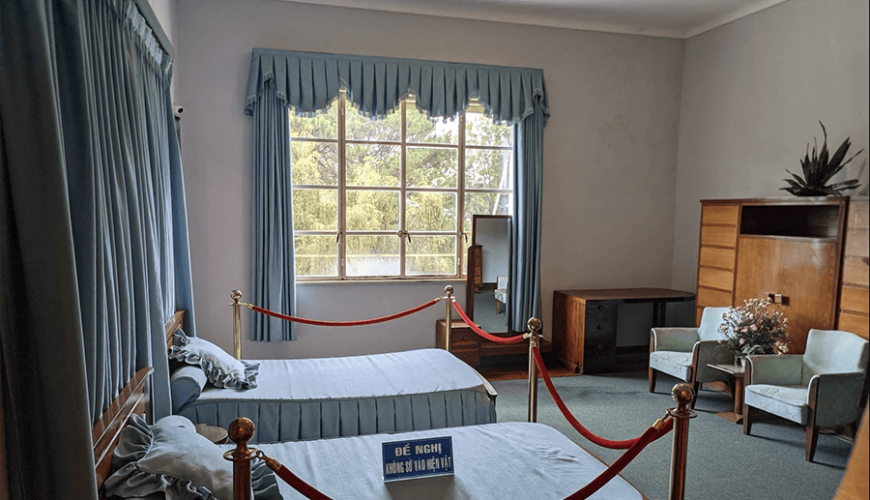
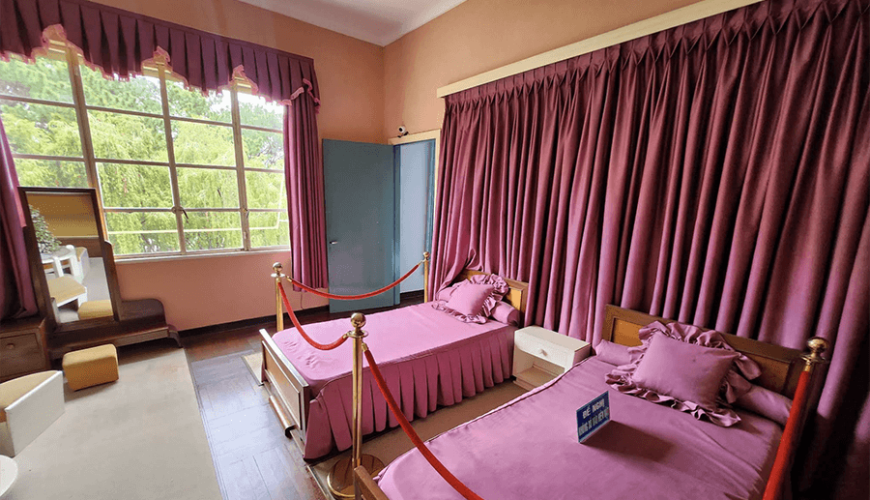
- Princess and Prince’s playroom: An area dedicated to the younger members of the family.
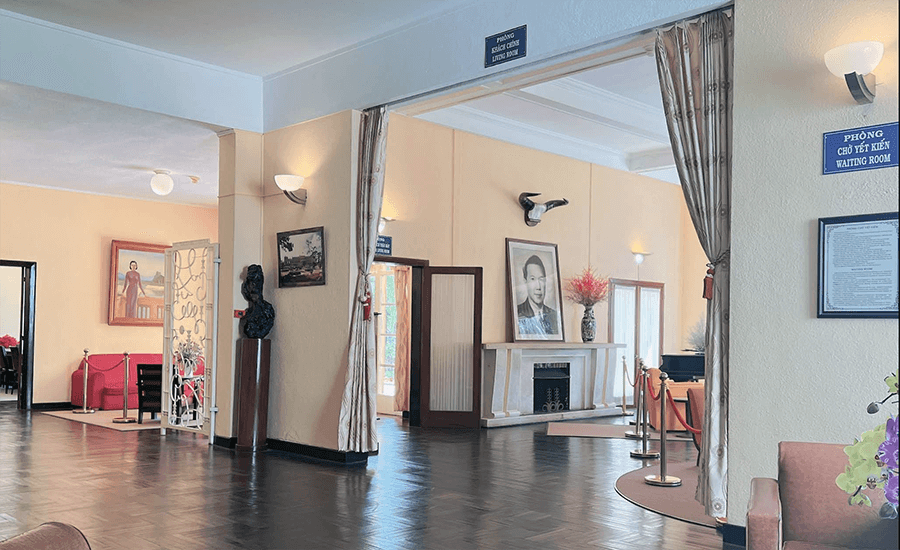
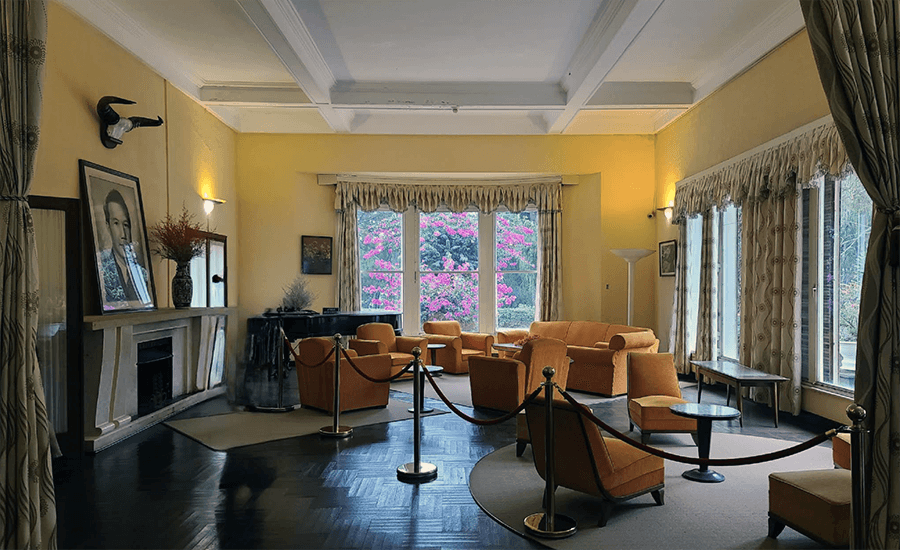
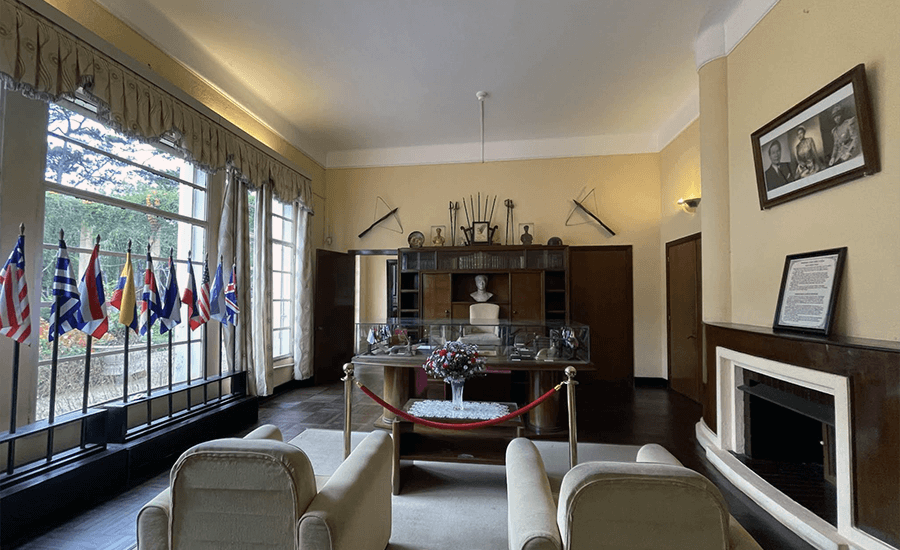
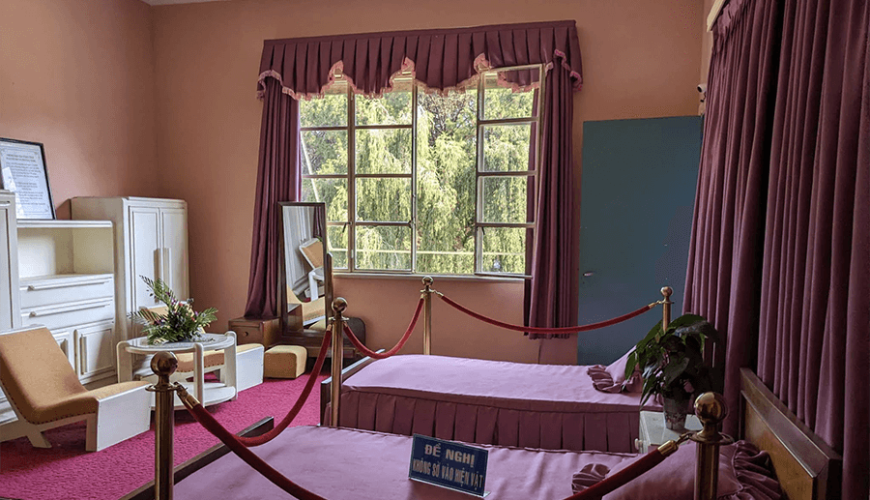
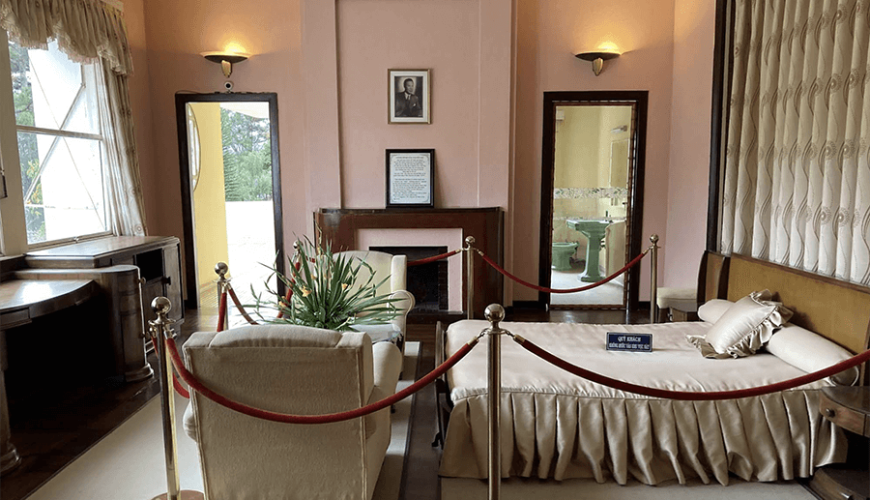
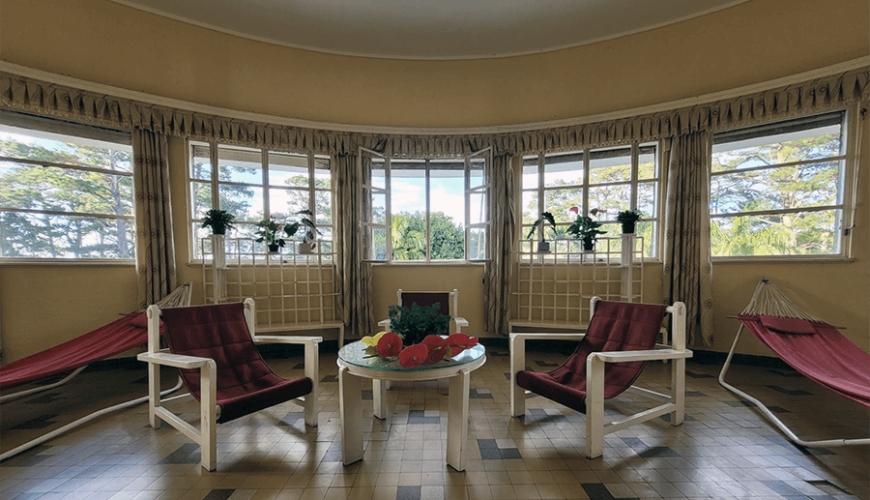
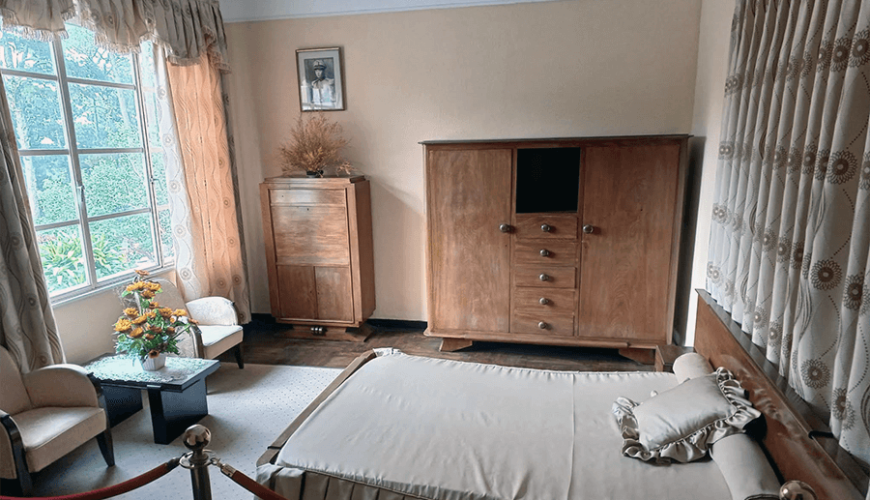
The upper floor: This was the family’s private living and resting area. It included the former emperor and empress’s bedrooms, a family living room, an embroidery room, and an entertainment room. Notably, outside the emperor’s bedroom was the beautiful Moon-Viewing Pavilion, where he and the empress often gazed at the moon.
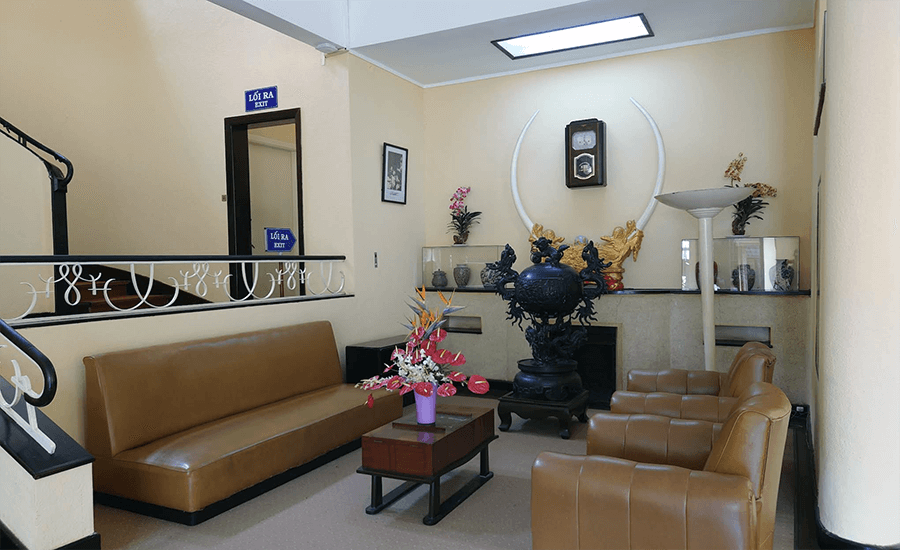
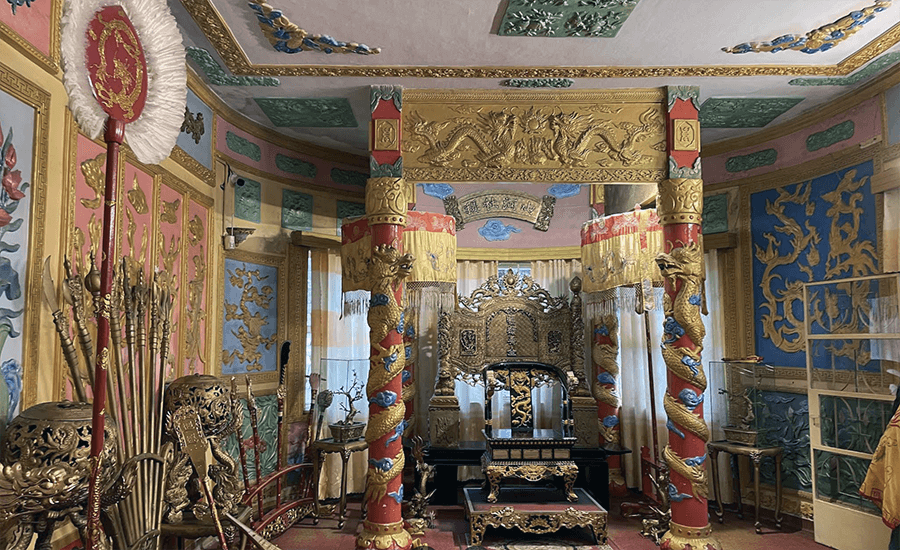
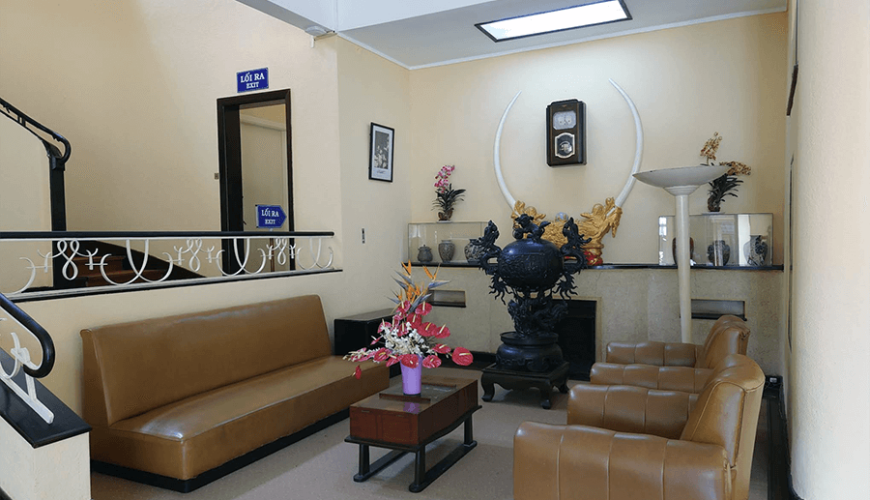
In addition, outside the palace, hidden underground, was Bao Dai’s wine cellar. The entrance to the cellar faced a pine-covered hill, showcasing the sophistication in design and space utilization. The entire interior and furnishings of the Bao Dai Palace III have been preserved almost intact, offering an authentic glimpse into the life of the last emperor of the Nguyen dynasty.
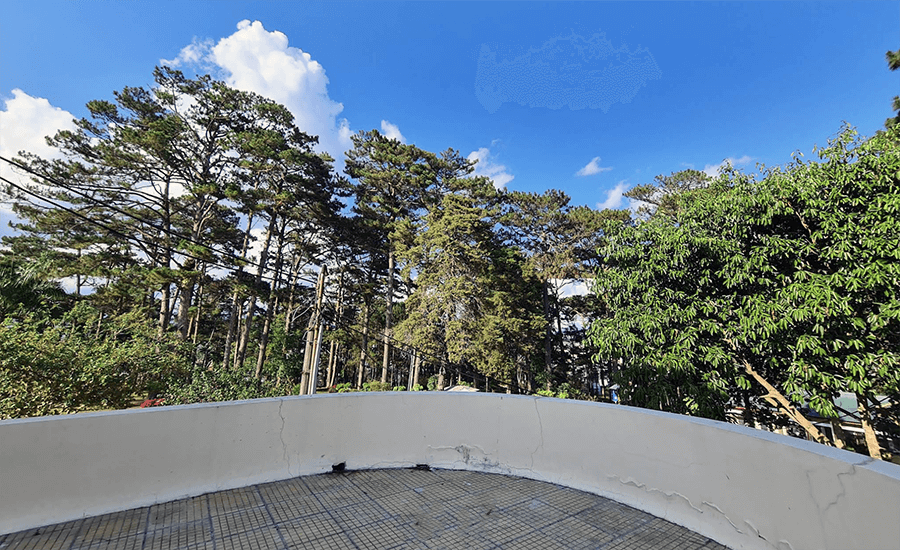
Bao Dai Palace III is not only a historical landmark but also a masterpiece of construction and architecture. Details such as the Moon-Viewing Pavilion, the underground wine cellar, and the Bao Dai Palace’s functional layout demonstrate a magnificent structure that combines aesthetics and functionality. Today, this site attracts many tourists on their trips to Da Lat.
Source: collected by An
Follow us for the best deals on Vietnam package tours and visa services!

Comment (0)