
With its vast forests, rich flora and fauna, and unique location near the Indochina Junction, Chu Mom Ray National Park is one of the most remarkable natural assets in Quang Ngai’s western region. More than a tourist attraction, the park tells a story of forest conservation, biodiversity, and the enduring relationship between humanity and nature, adding a distinctive and valuable dimension to any journey through Central Vietnam.
Overview of Chu Mom Ray National Park
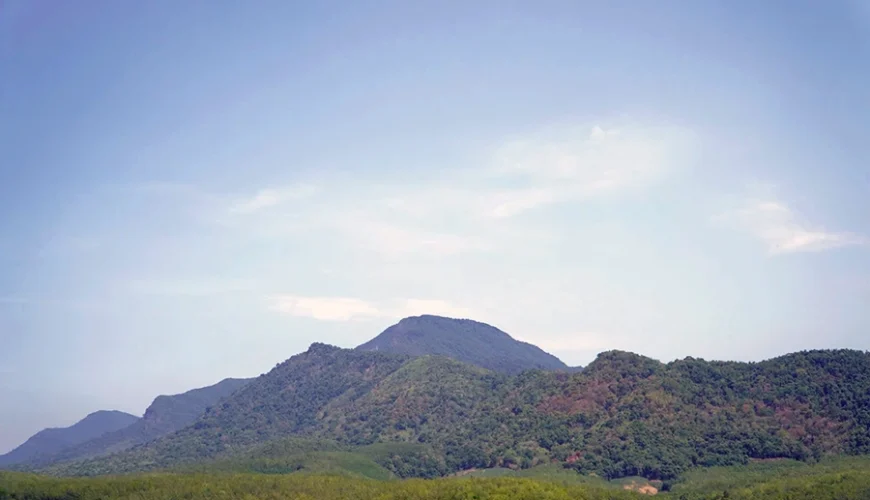
Situated in the mountainous west of Quang Ngai Province, Chu Mom Ray National Park is one of Vietnam’s nature reserves boasting outstanding biodiversity. Prior to administrative boundary adjustments, the area fell within Kon Tum Province (merged into Quang Ngai in 2025). Spanning approximately 56,249 hectares with elevations ranging from 200 meters to 1,773 meters above sea level, Chu Mom Ray features vast forests, towering mountains, rivers and streams, and a variety of habitats. It is a special destination for travelers seeking to discover a pristine, lesser-known side of Quang Ngai’s mountainous west.
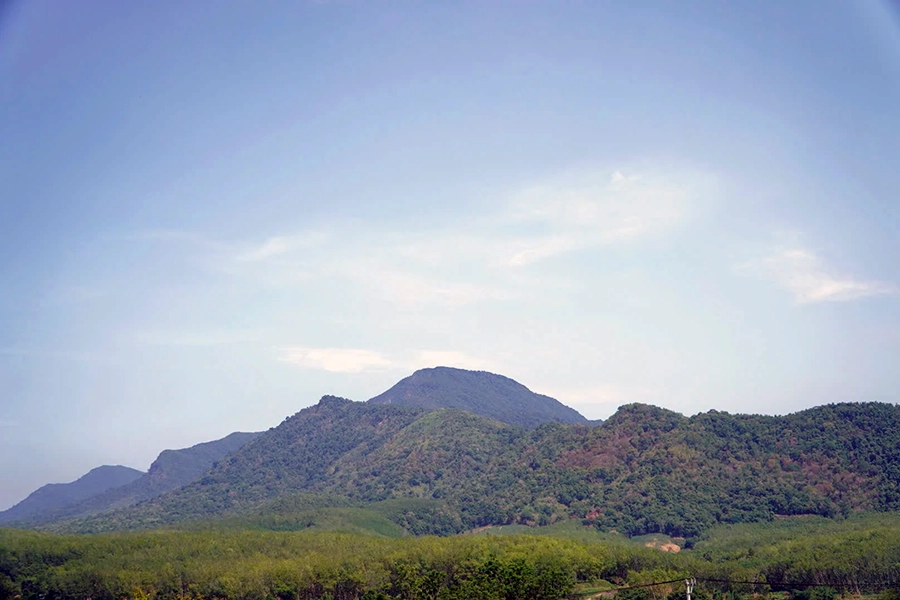
The name “Chu Mom Ray” comes from Mount Chu Mom Ray, the area’s highest peak at 1,773 meters. The park lies near the Vietnam-Laos-Cambodia border, occupying a unique position within the Indochinese forest system. Across the border lie Cambodia’s Virachey National Park and conservation areas in Laos. These interconnected forest zones form a vast transboundary conservation landscape that plays a crucial role in the movement, growth, and preservation of numerous wildlife species.
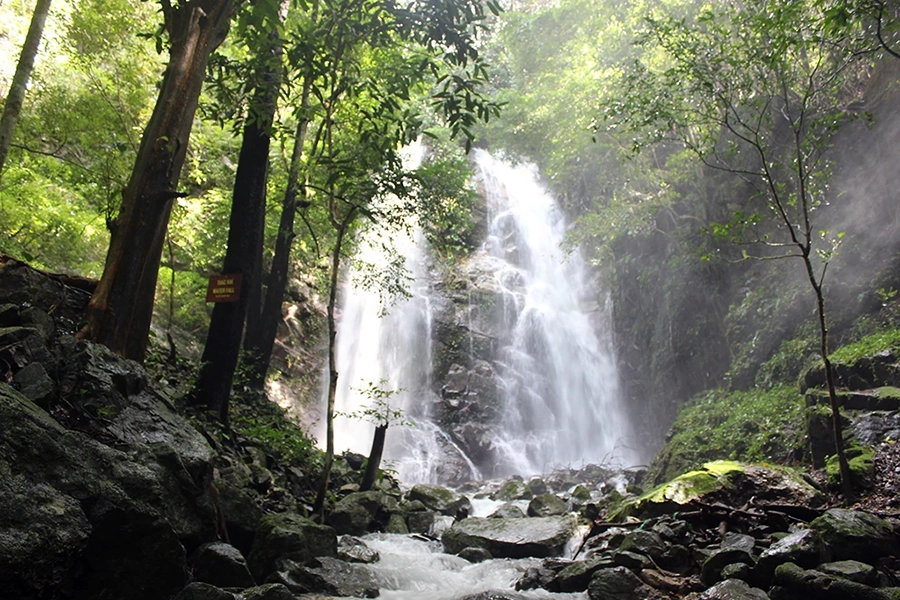
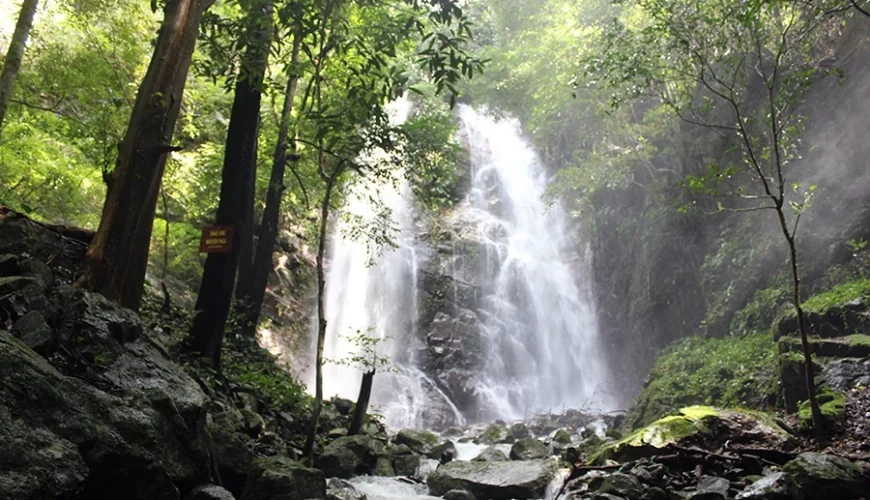
Chu Mom Ray’s most striking feature is the diversity of its forest ecosystems. Complex terrain, significant elevation changes, and a tropical monsoon climate have produced a range of vegetation types. The area features evergreen forests, low-mountain forests, bamboo groves, shrublands, and grasslands. Transitions between these habitats create a landscape that shifts distinctly with the terrain, ranging from multi-layered forest canopies to valleys, rivers, streams, and mountain meadows.
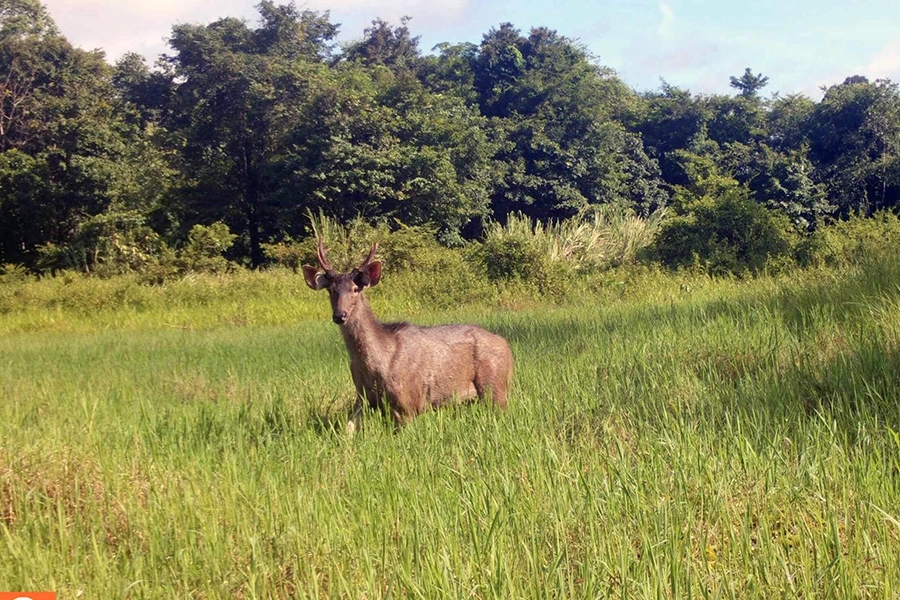
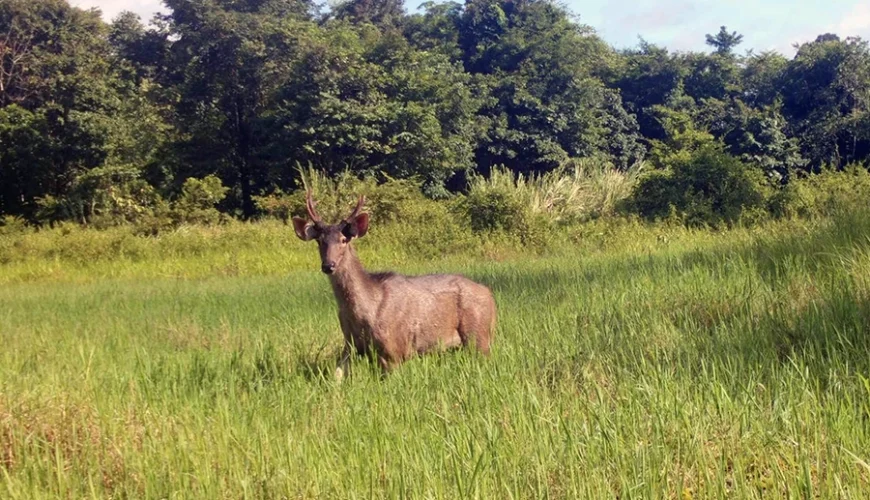
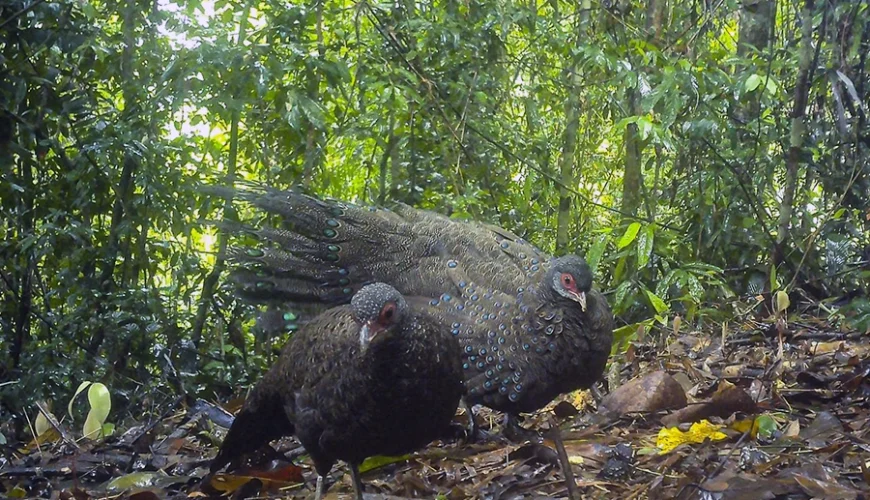
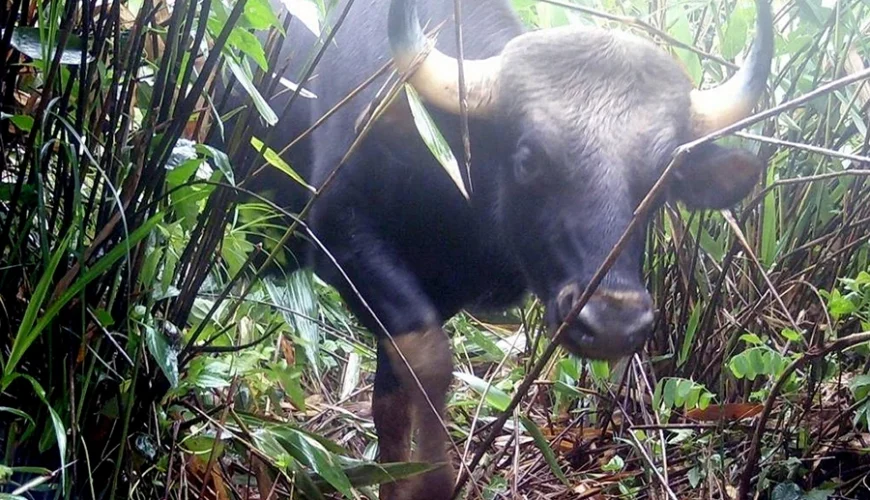
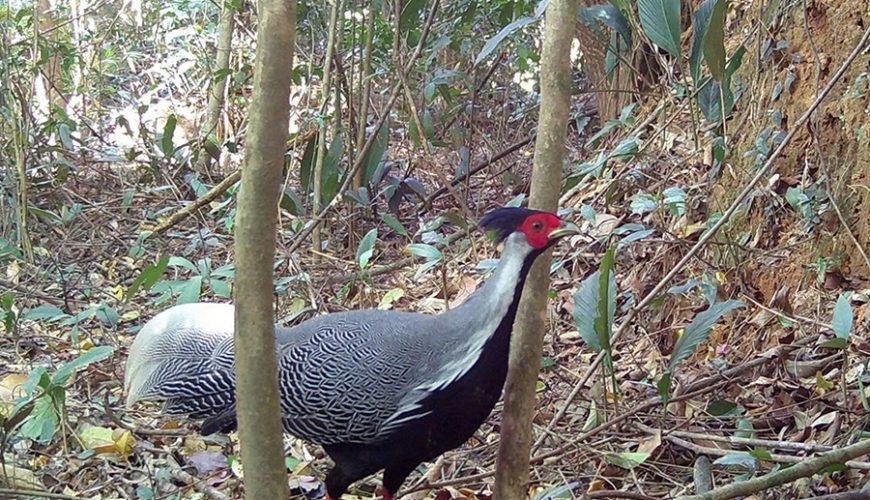
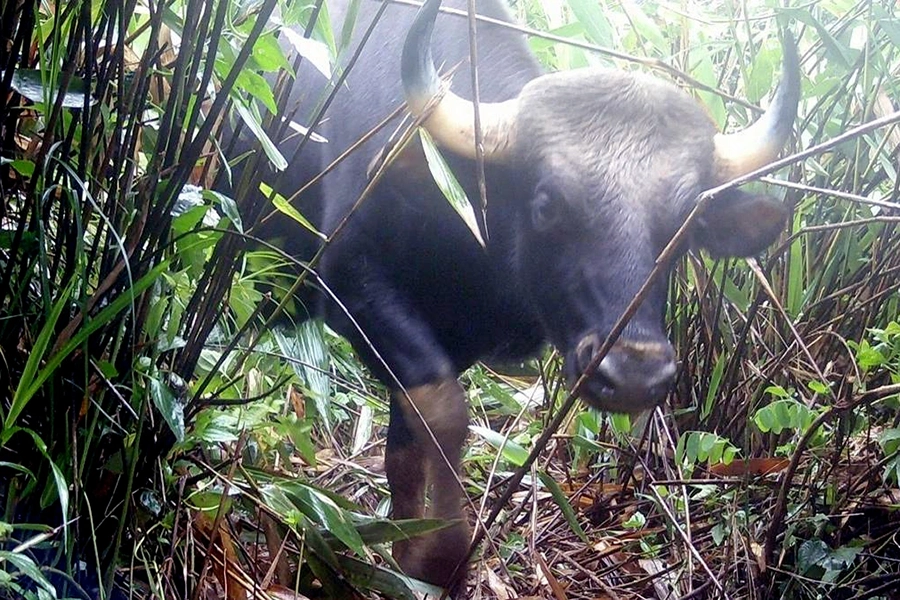
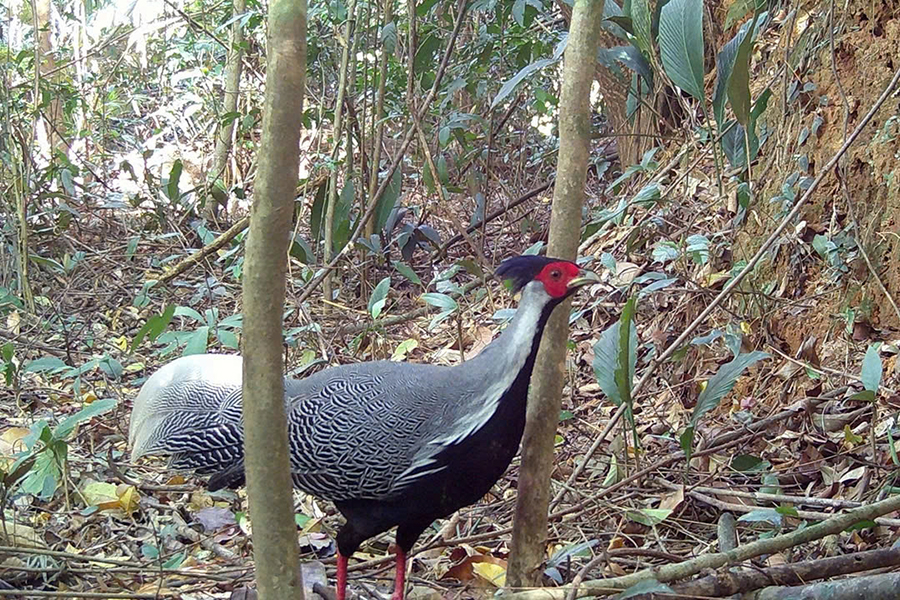
However, Chu Mom Ray’s greatest value lies beyond its scenery; it is a vital repository of biodiversity for both Vietnam and Southeast Asia. Data from the National Park management board record 97 mammal species, 270 bird species (spanning 17 orders and 60 families), 69 reptile species, and 19 freshwater fish species. Notably, the area is home to 29 species endemic to Vietnam, including the gray-shanked and brown-shanked douc langurs, clouded leopards, jungle cats, Indochinese gaurs, and wild water buffaloes; bird species include peafowl, pheasants, and great hornbills.
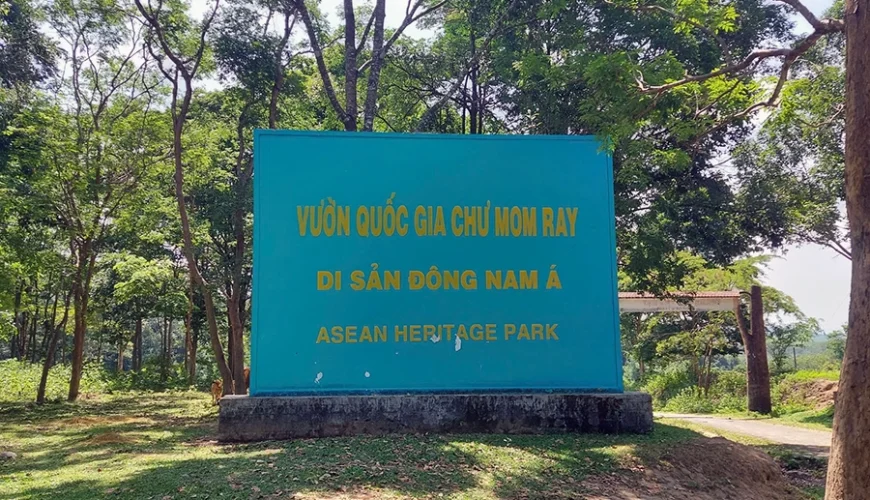
The flora is equally rich, with Chu Mom Ray National Park boasting 12 distinct forest vegetation types. A 2011 survey recorded 1,895 plant species, 80 of which are threatened or endangered, with 48 listed in the Vietnam Red Data Book and 63 in the global Red List. Furthermore, the Chu Mom Ray forests play a crucial role in soil protection, erosion control, climate regulation, and maintaining water resources for the Se San River basin and major regional hydroelectric projects. Consequently, conserving Chu Mom Ray matters not only for wildlife but also for the environmental health and water security of a vast region. Thanks to these exceptional qualities, Chu Mom Ray was designated an ASEAN Heritage Park on December 18, 2003. This title is awarded to protected areas in Southeast Asia with outstanding biodiversity, ecological, and conservation value. It also helped establish Chu Mom Ray’s significant position on Vietnam’s nature conservation map.
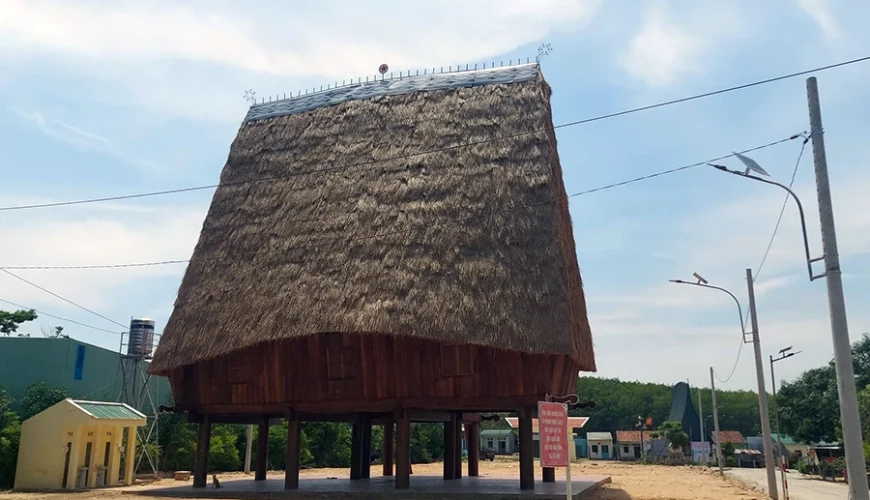
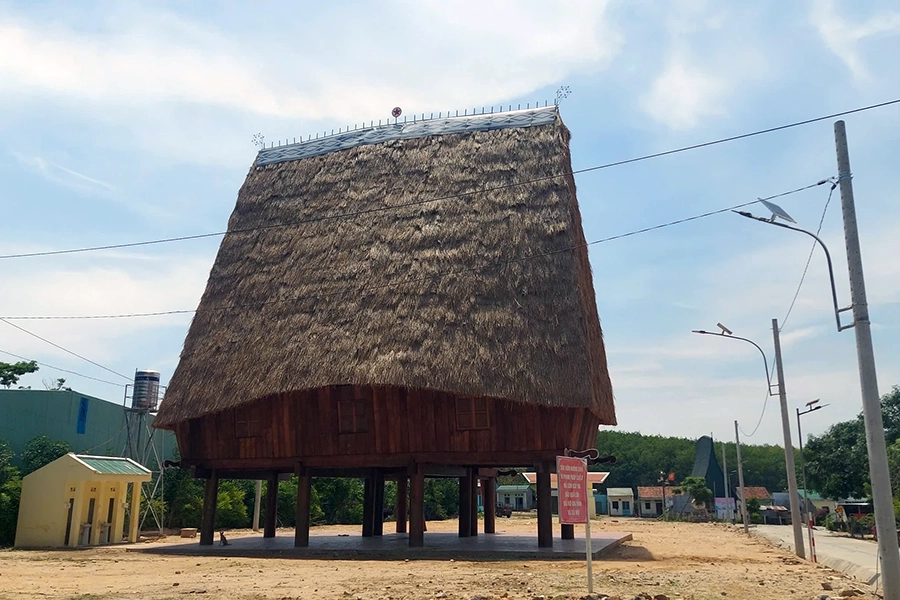
The landscape surrounding Chu Mom Ray is deeply intertwined with the lives of various ethnic minority communities, most notably the Jrai and Ro Mam peoples. For generations, these communities have maintained a close connection to the forests and the natural conditions of this border region. Consequently, Chu Mom Ray’s value extends beyond its natural attributes to encompass the interplay between the forest environment and indigenous culture.
For international visitors, Chu Mom Ray offers a perspective of the region that differs vastly from the usual image of Quang Ngai. Instead of the familiar blue seas, volcanic islands, or coastal landmarks, it presents a world of tropical rainforests, towering mountains, and untamed wilderness. However, because it is primarily a conservation area, visitors must follow the National Park’s regulations and the management authorities’ guidelines, especially when venturing into deep forest areas or sensitive habitats.
Chu Mom Ray National Park
- Location: Located in the western part of Quang Ngai Province, approximately 30 km northwest of the center of Kon Tum.
- Best for: trekking, camping
- Nearby tourist spots: Yaly Hydropower Plant – Yaly Reservoir, Mang Den…
Source: collected by An
Follow us for the best deals on Vietnam package tours and visa services!
Comment (0)