
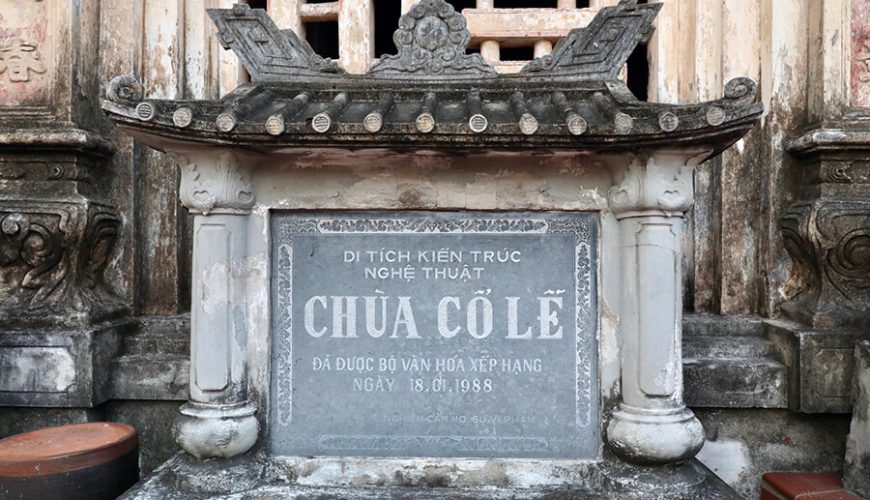
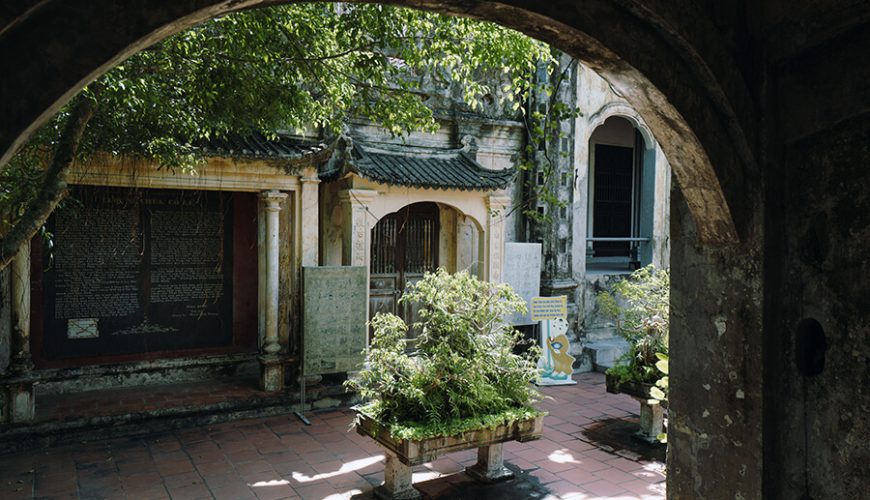
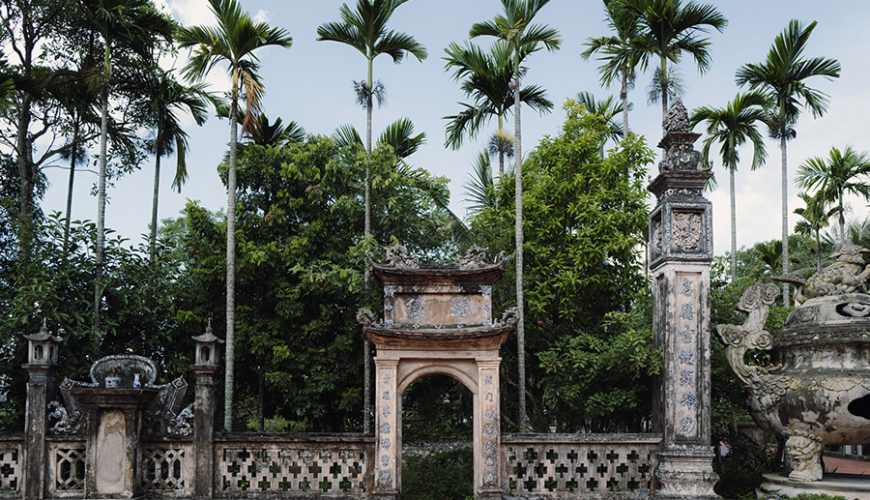
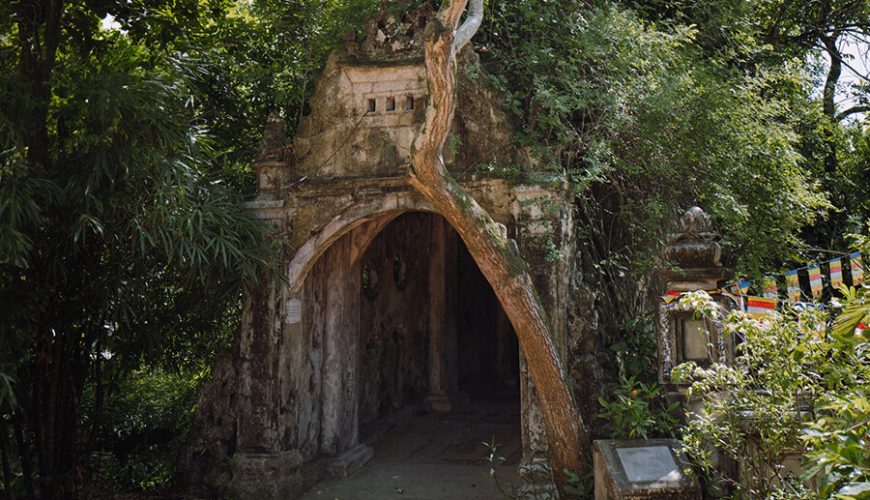
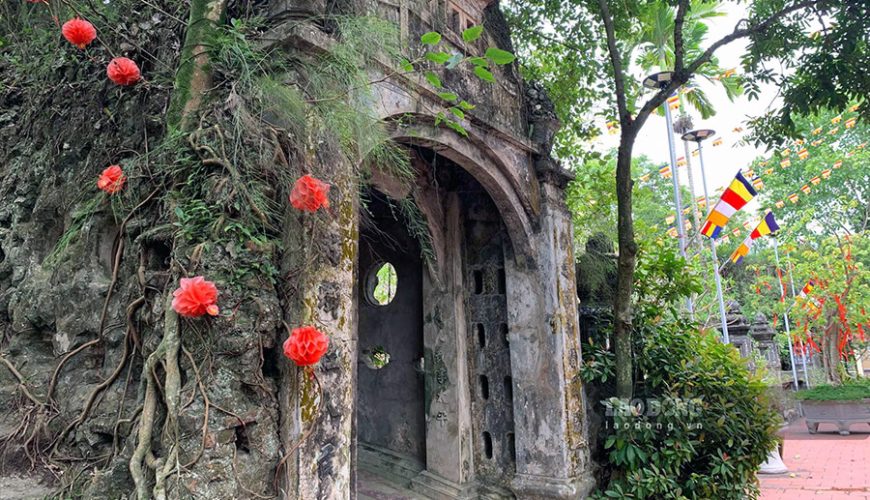
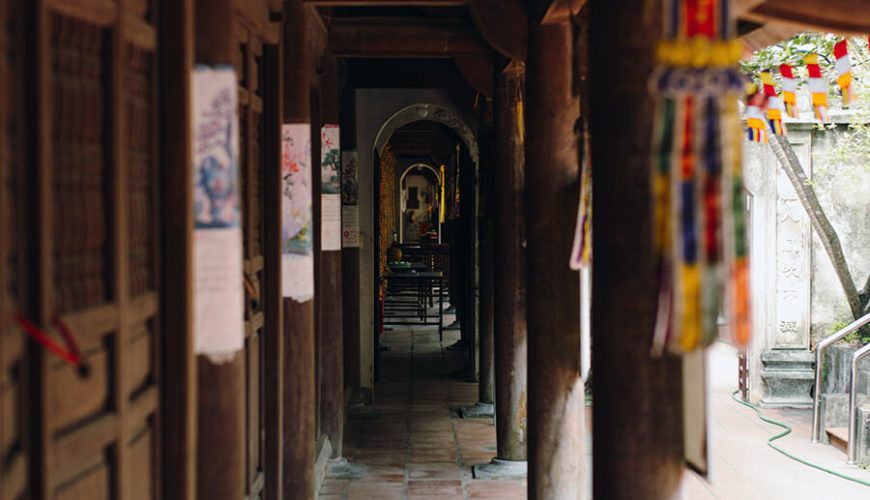
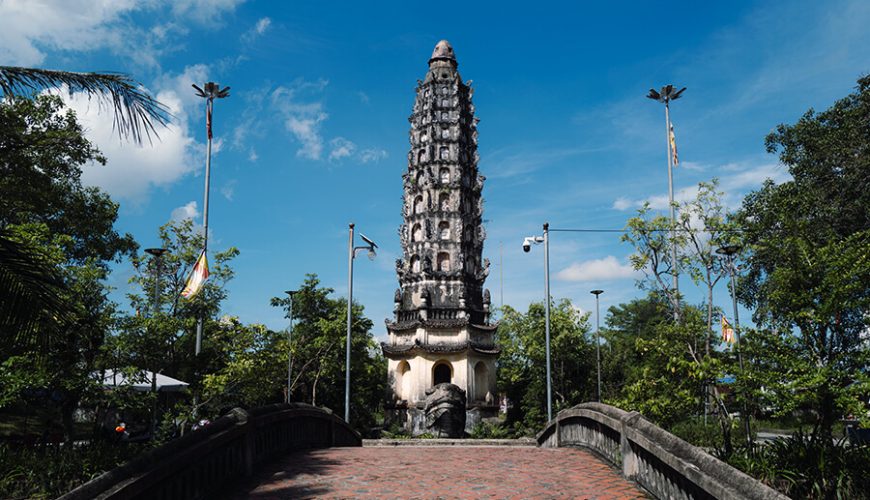
Built during the Ly Dynasty, Co Le Pagoda is a unique Buddhist architectural complex. This is also a place where visitors can learn about the profound, sophisticated, and long-standing cultural beauty of Vietnam.
History of Co Le Pagoda
Co Le Pagoda is located in Co Le Commune, Ninh Binh Province. According to the introduction board in the pagoda, Co Le Pagoda was originally built during the reign of Ly Than Tong (1116 – 1138), founded by monk Nguyen Minh Khong to worship Buddha. The first pagoda was made of wood in an ancient architectural style. However, this original pagoda was ruined.
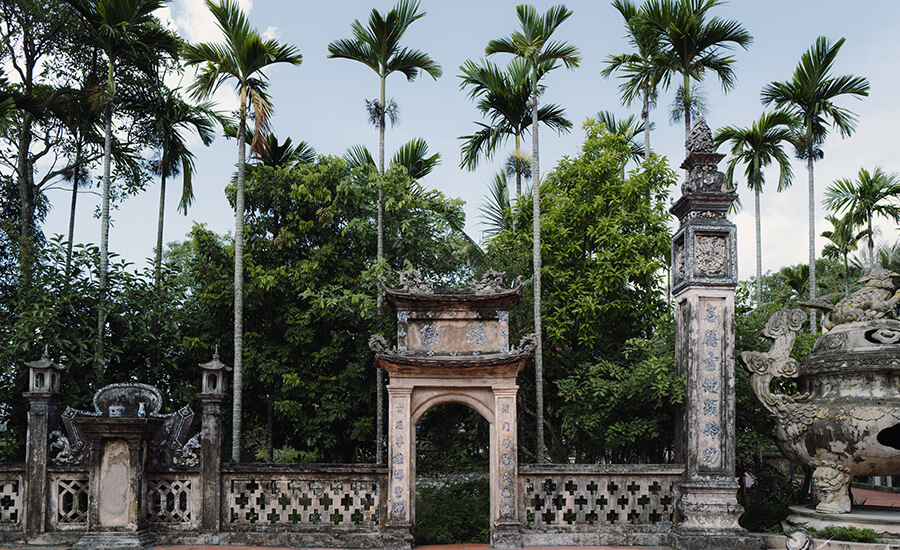
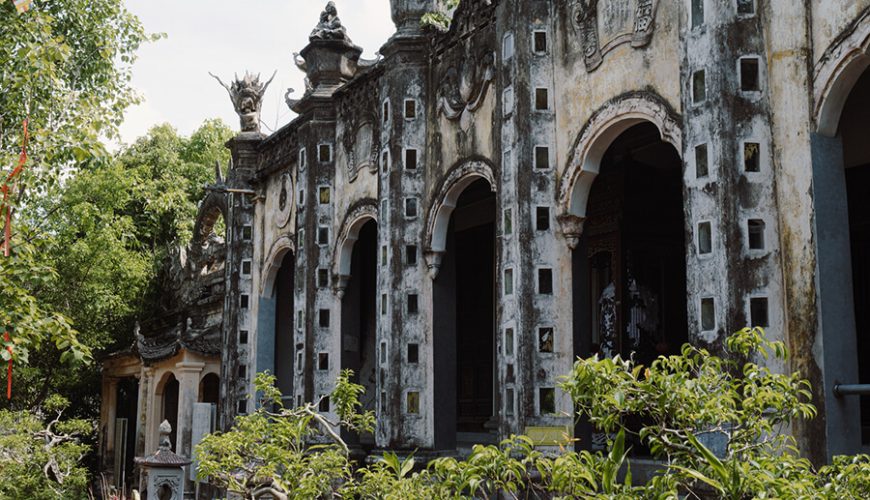
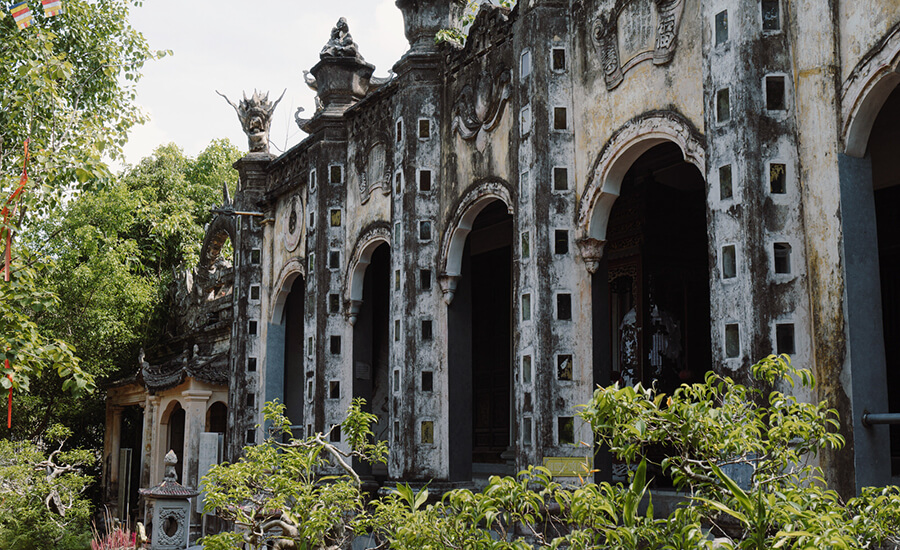
In 1902, monk Pham Quang Tuyen came to preside over the pagoda and designed and rebuilt it in a new style, incorporating Gothic elements similar to the Catholic churches that were common in the neighboring areas. After that, the pagoda was restored many times. The construction materials were bricks, lime mortar, molasses, and special paper, which together created a solid, durable structure for the entire pagoda.
Outstanding architectural works at the pagoda
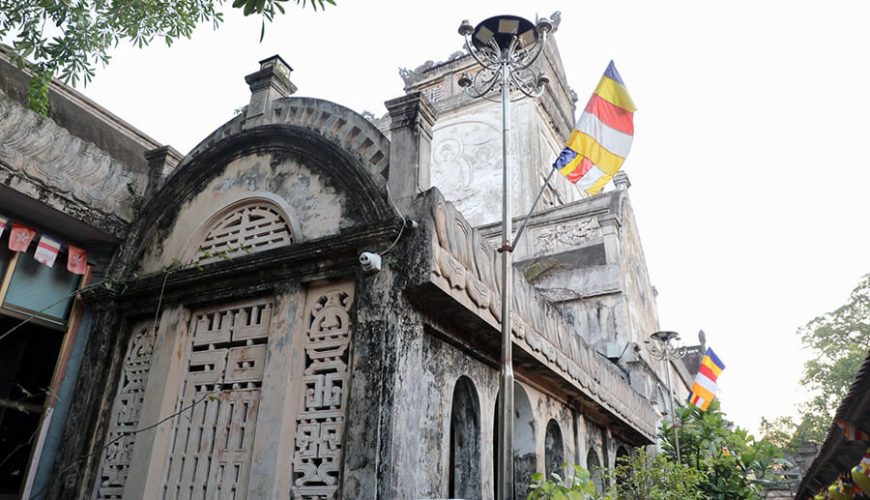
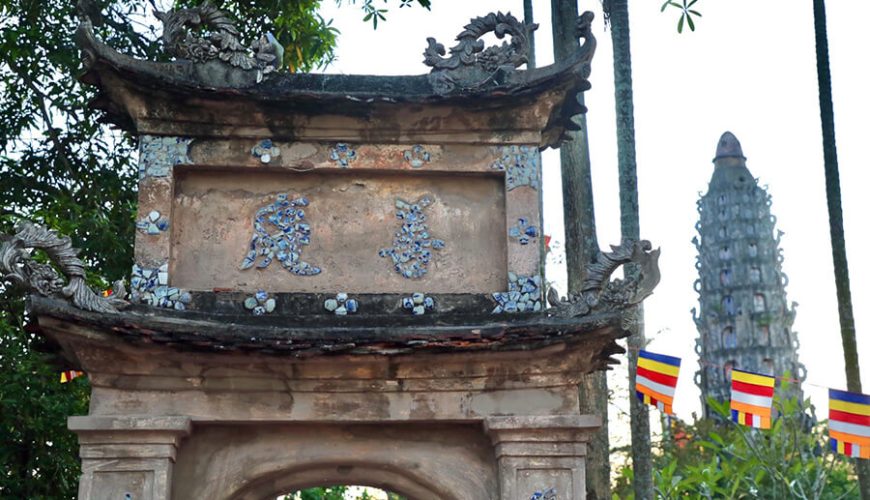
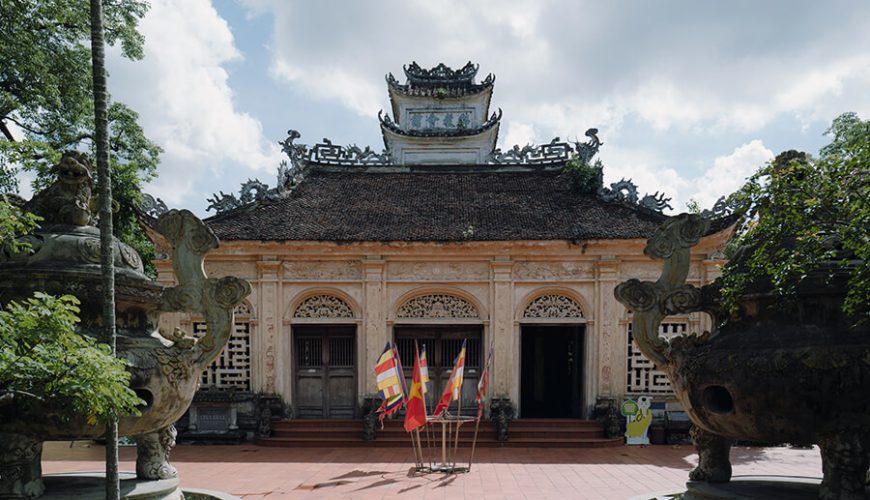
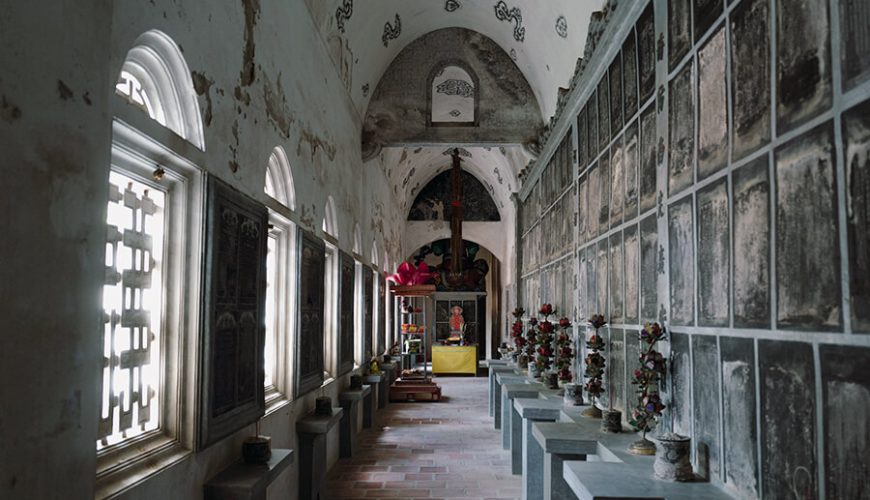
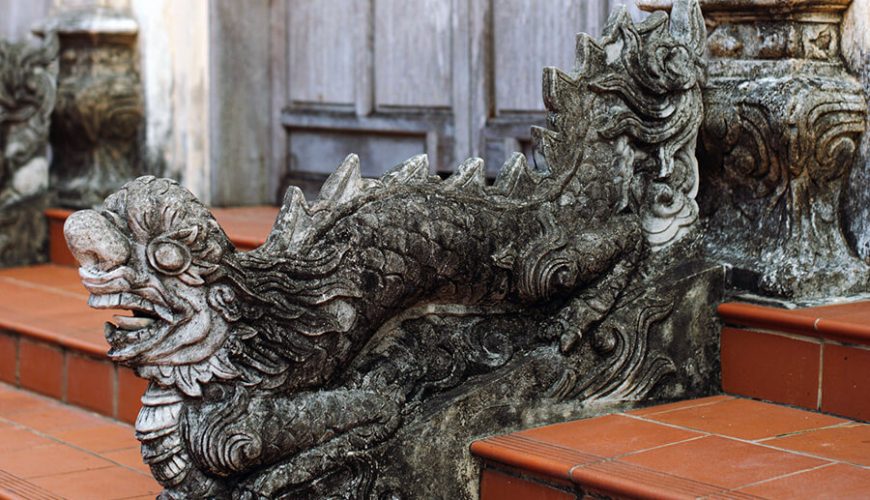
Co Le Pagoda is a fusion of traditional Vietnamese and European Gothic architectural elements. This is a Buddhist pagoda, but it resembles a Catholic cathedral.
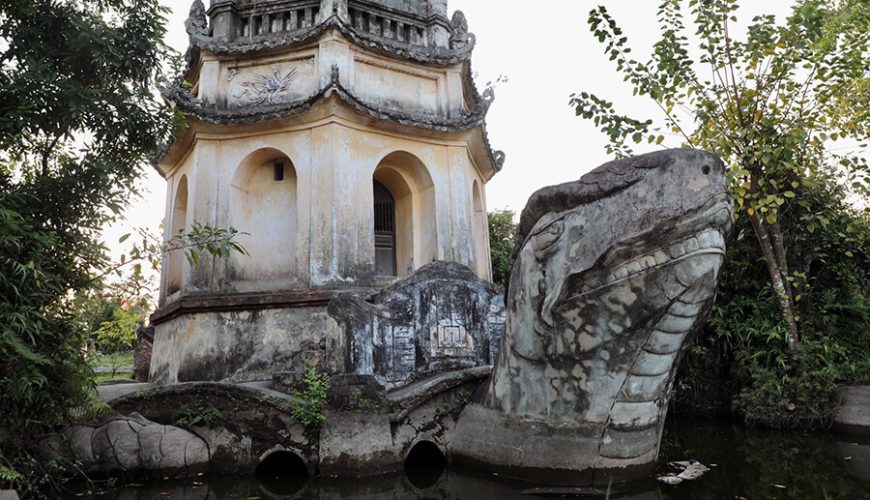
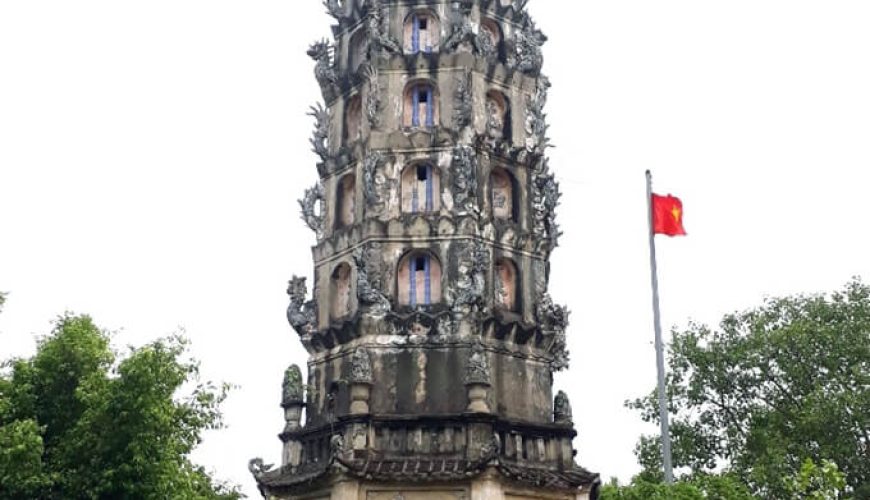
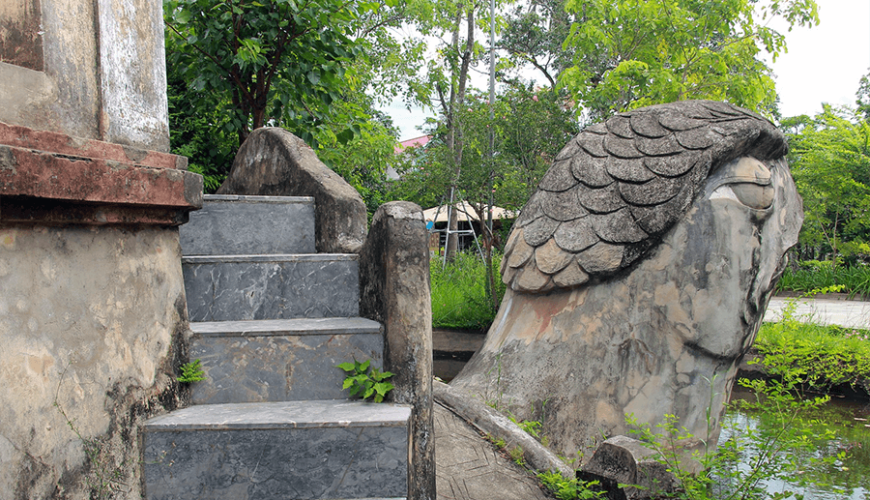
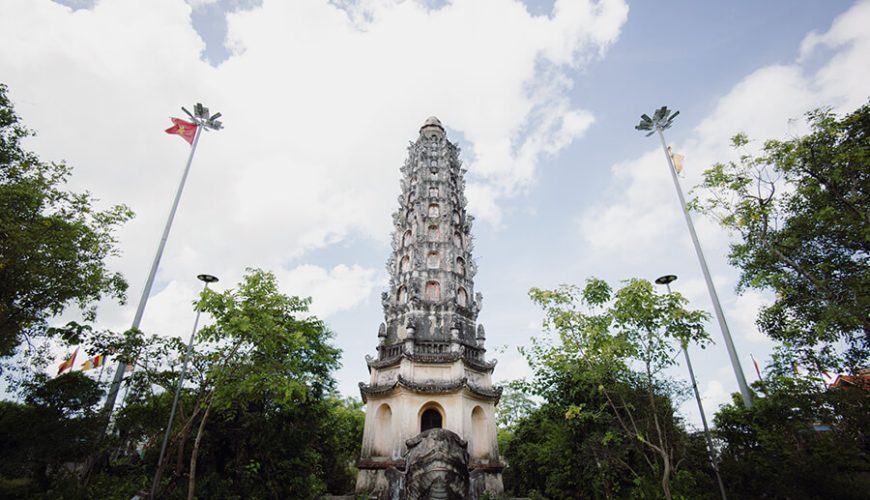
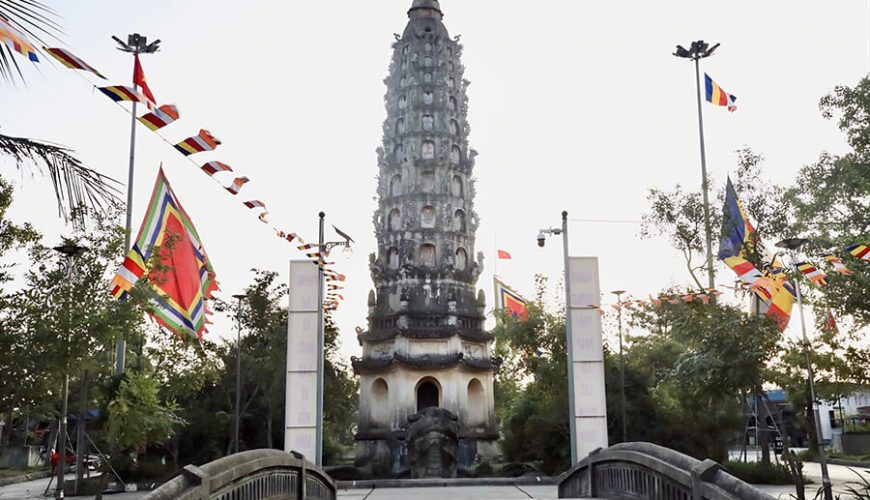
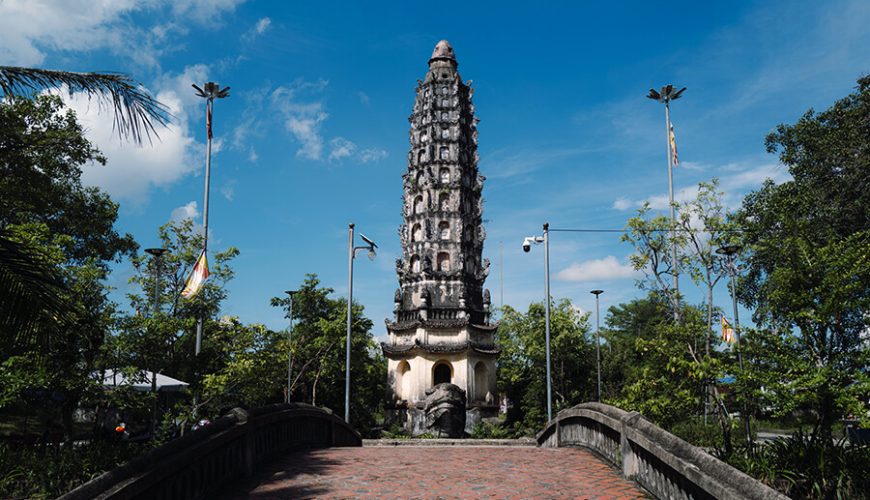
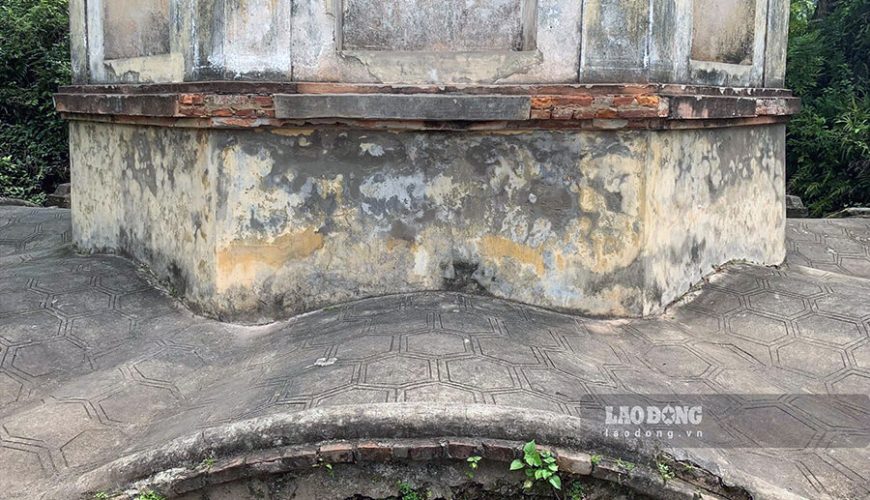
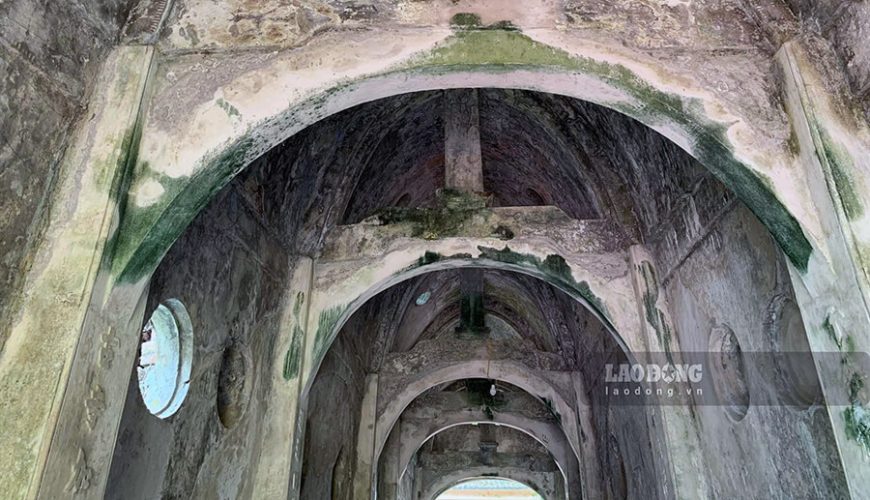
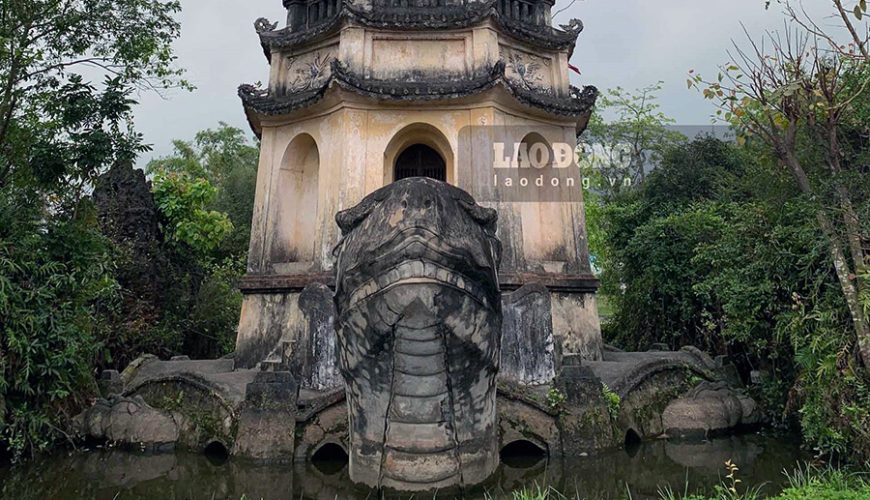
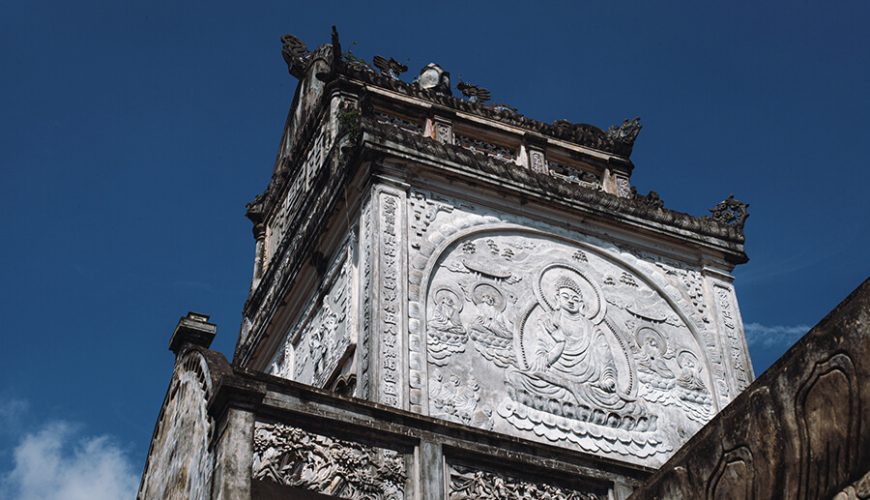
In front of the pagoda stands the 32 m-high Cuu Pham Lien Hoa tower, with 8 sides, built in 1927. The pedestal is placed on the back of a large turtle, its head facing the pagoda.
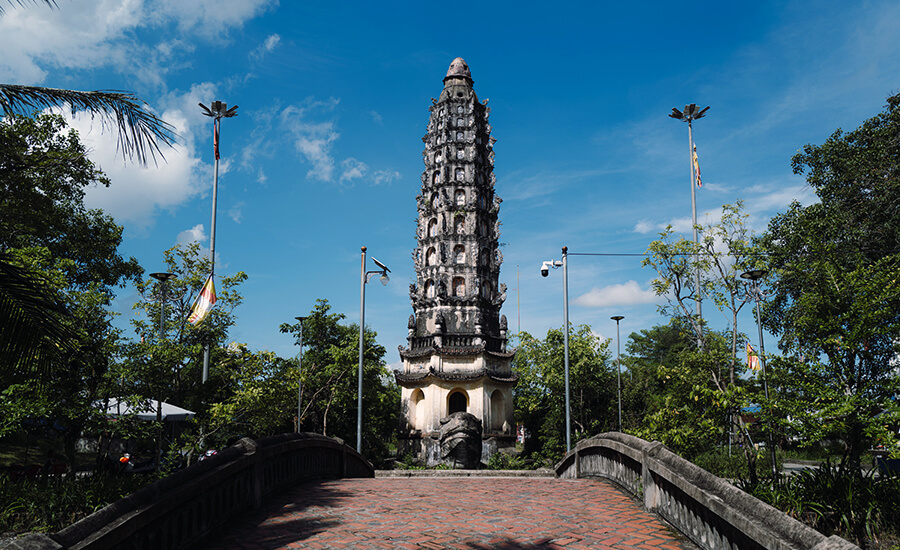
The turtle is located in the middle of a square lake, with four large artificial mountains at the four corners and four elephants the size of real elephants. Inside the tower is a staircase of 98 spiral steps to the top. This place attracts many pilgrims who try to reach the statue at the top of the tower, believing it will bring good luck in life.
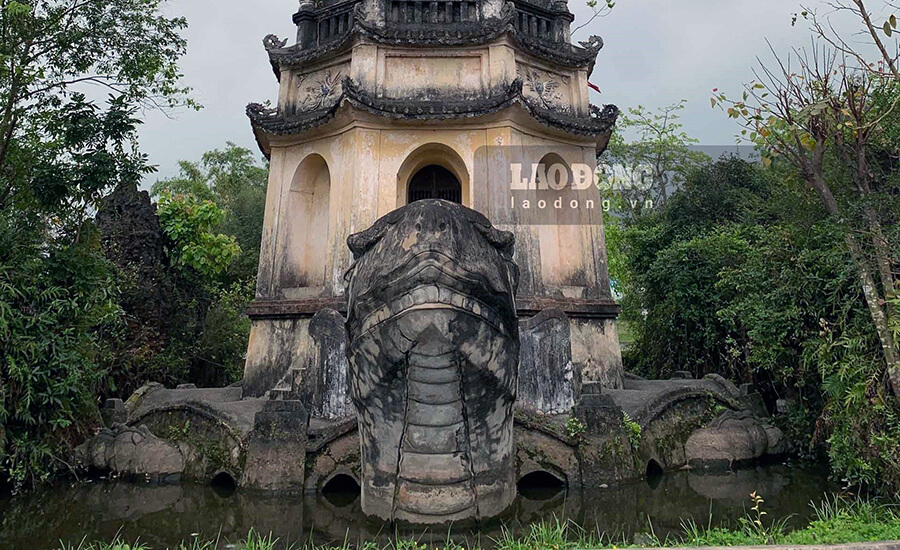
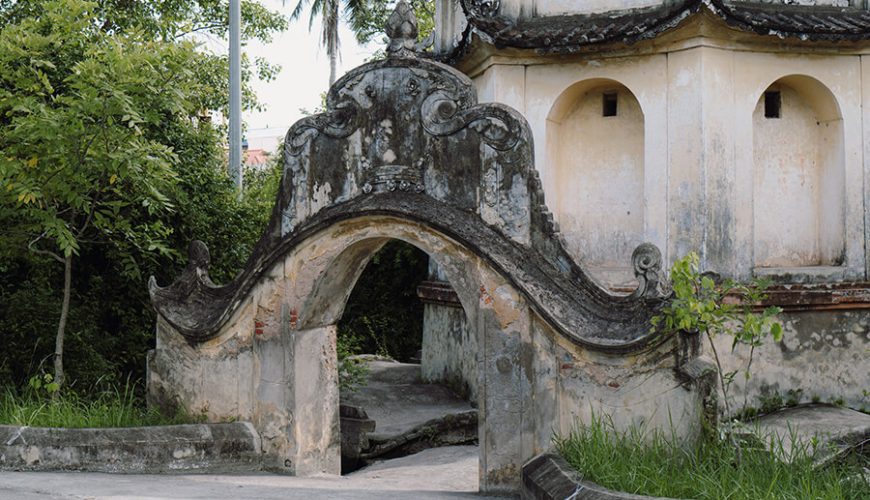
Next to the tower is a three-span curved bridge across Chu Tich Lake (also known as Nui Lake), called Cuon Bridge. The bridge surface is paved with brick. Cuon Bridge leads to Trinh Pagoda, also known as the Buddhist Assembly Hall.
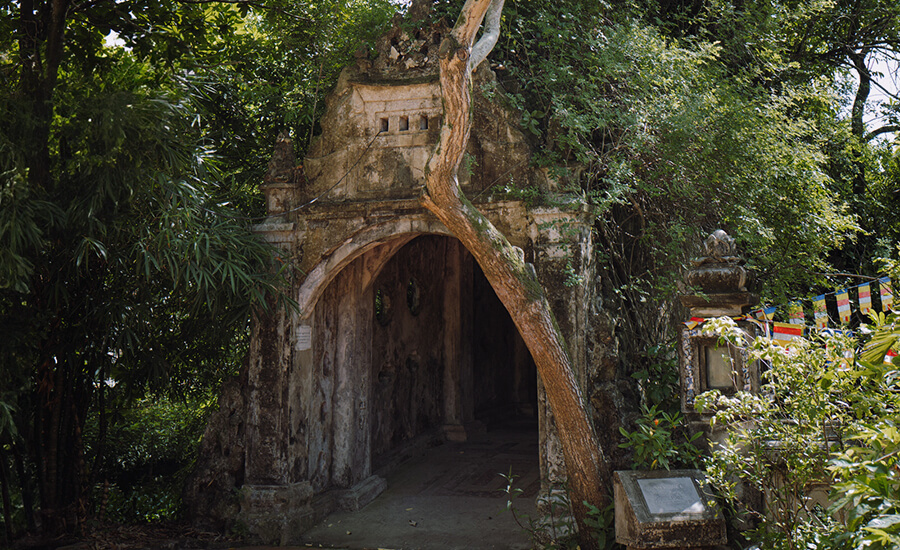
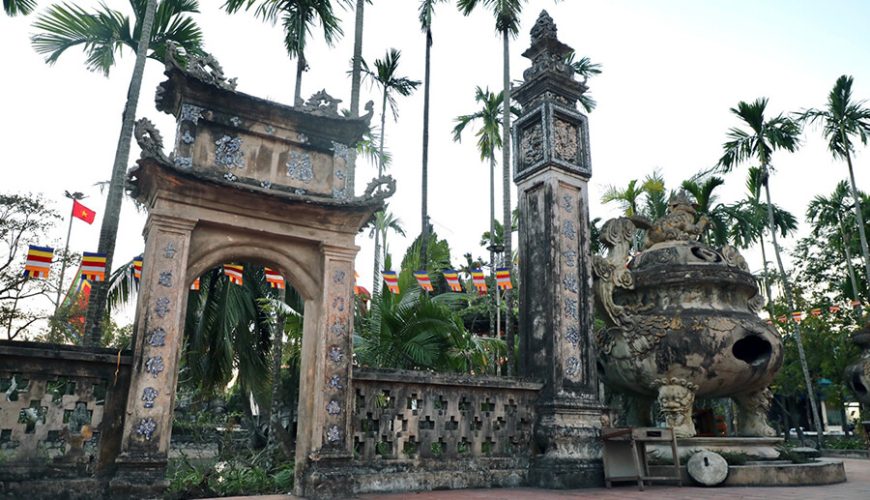
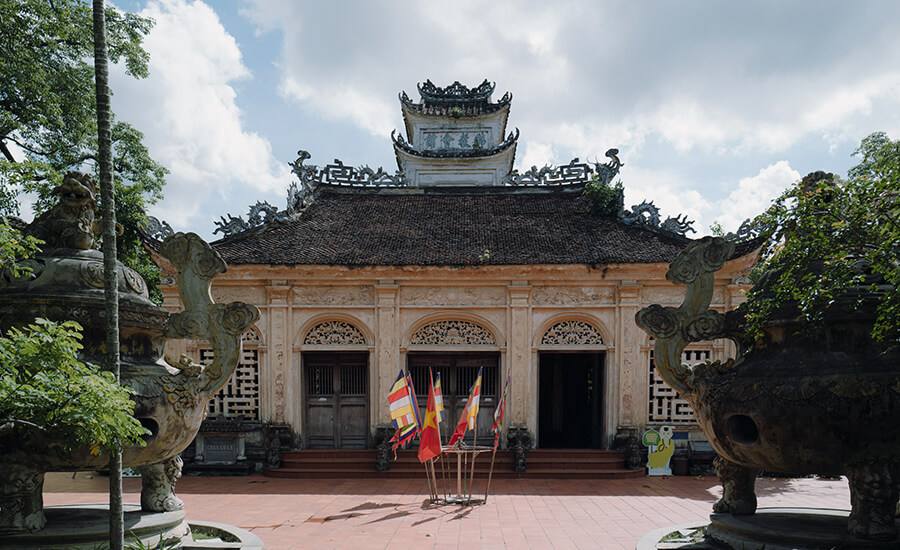
Trinh Pagoda was built in 1936 and restored in 2001. In the pagoda, there is a statue of the Thousand-Armed Bodhisattva. In front of Trinh Pagoda, there are two giant bronze incense burners.
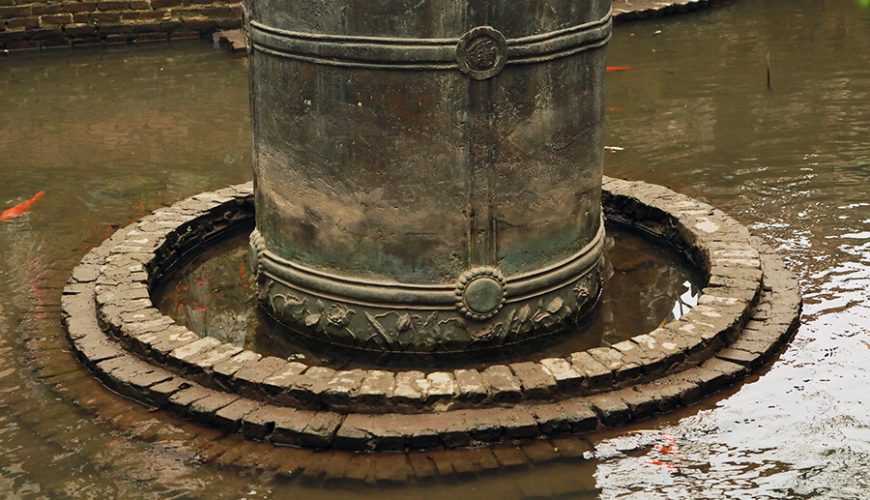
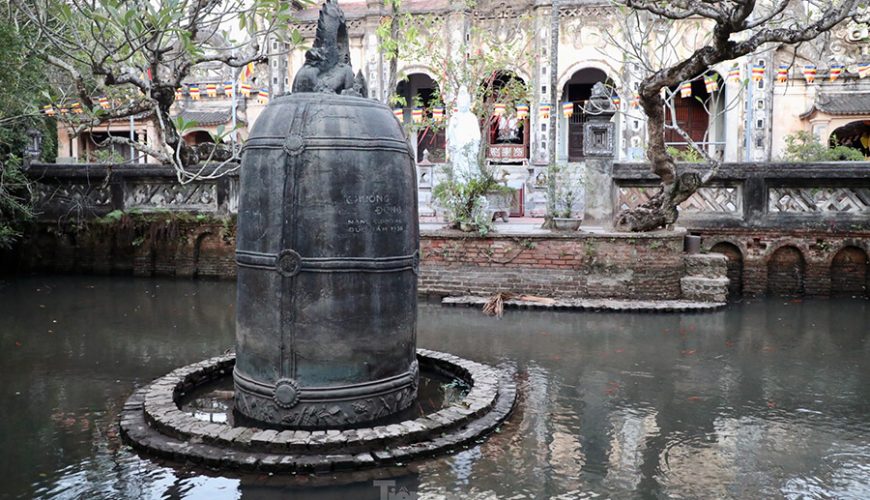
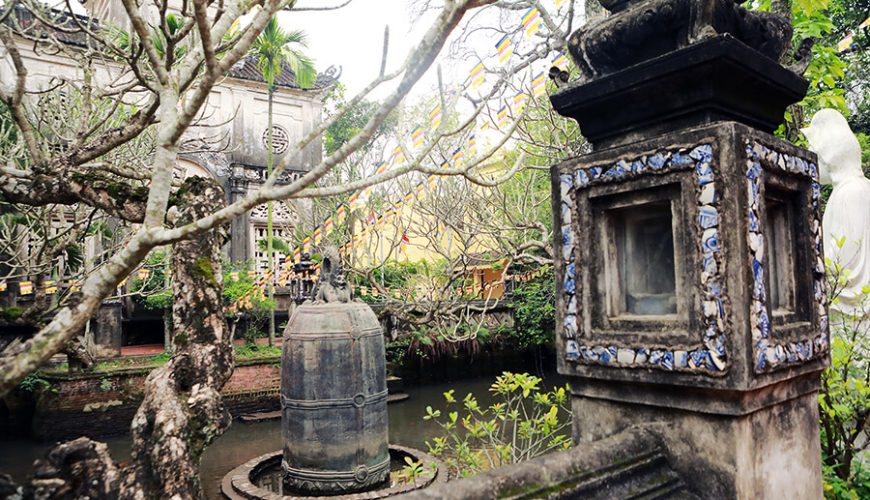
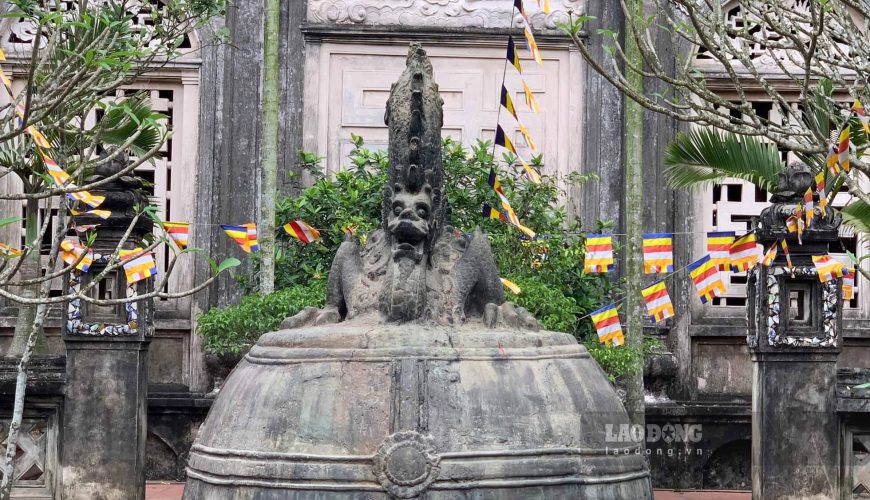
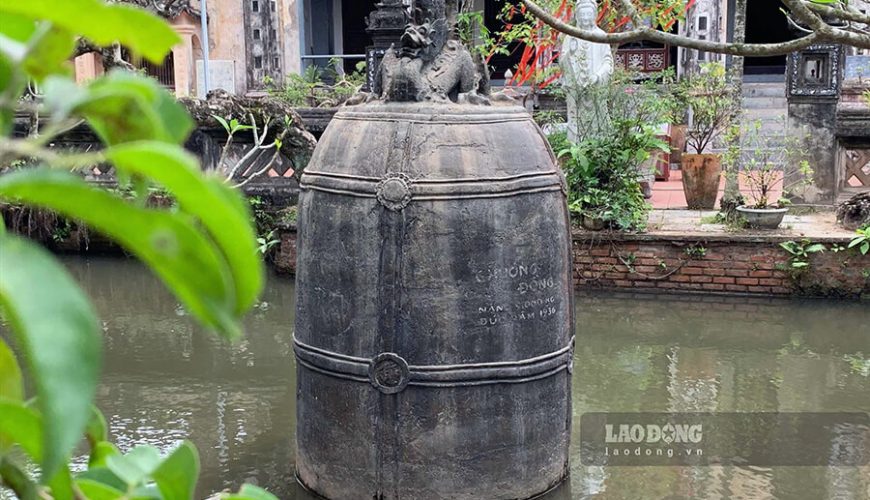
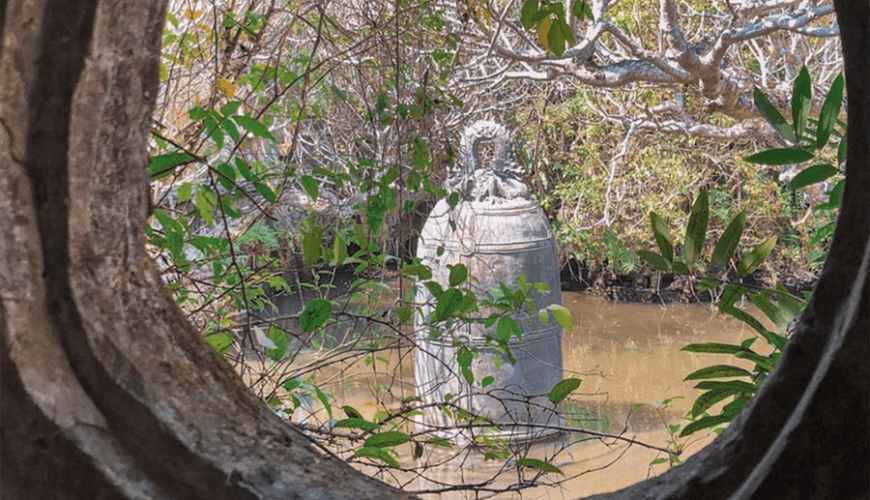
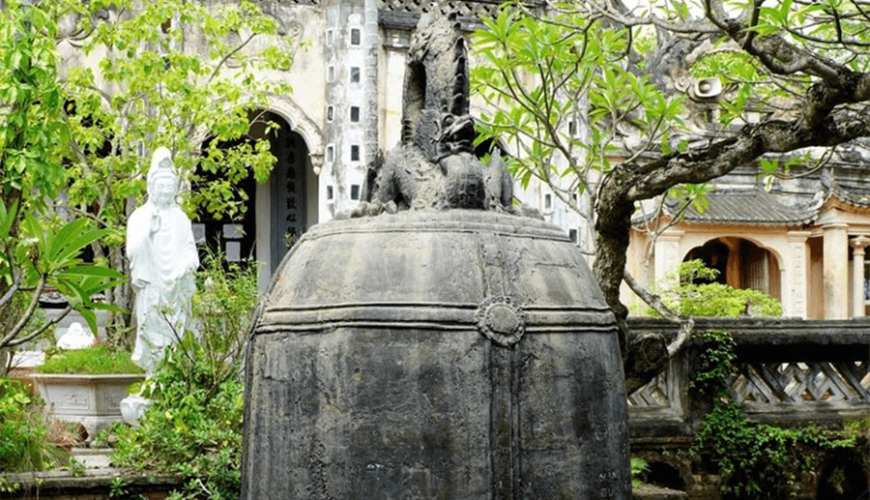
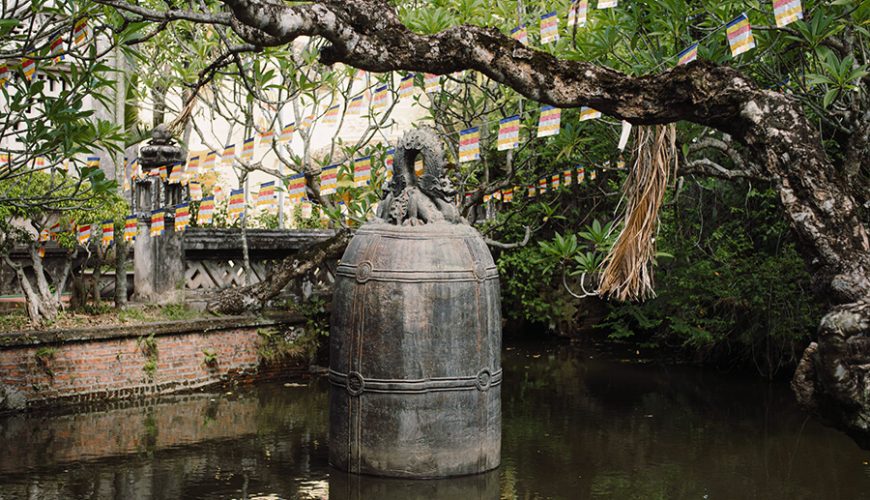
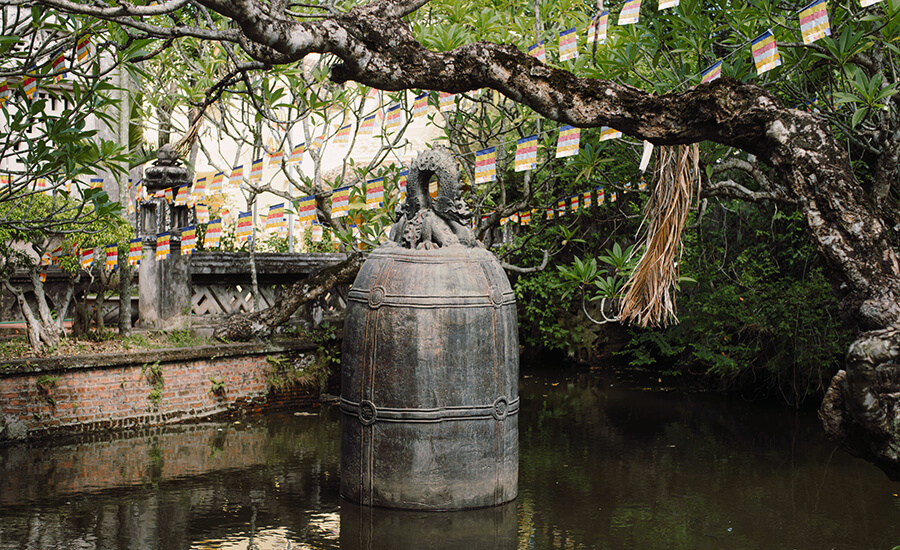
Behind Trinh Pagoda is a large lake. In the middle of the lake, there is a 9,000 kg bell called Dai Hong Chung. The bell is 4.2 m high, 2.2 m in diameter, and 8 cm thick. The mouth of the bell has lotus-petal motifs, and the body has motifs of flowers, leaves, rivers, and some Chinese characters.
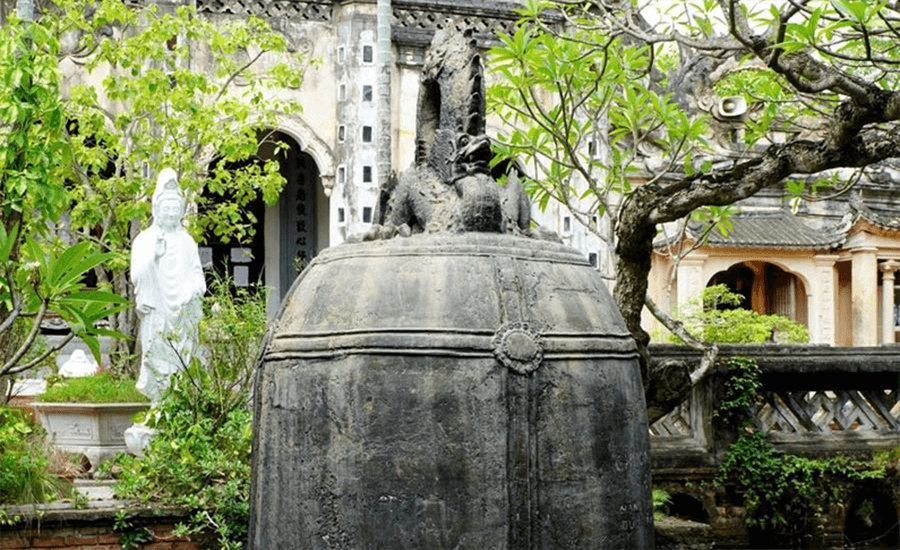
This is one of the largest bells in Vietnam, cast with great dedication, materials, and effort by local people. When the bell was just cast, the war of resistance broke out, and the local people, wary of the enemy’s sabotage, immersed the bell in the lake. It was not until 1954 that the bell was salvaged and placed on a stone pedestal for tourists to visit since then.
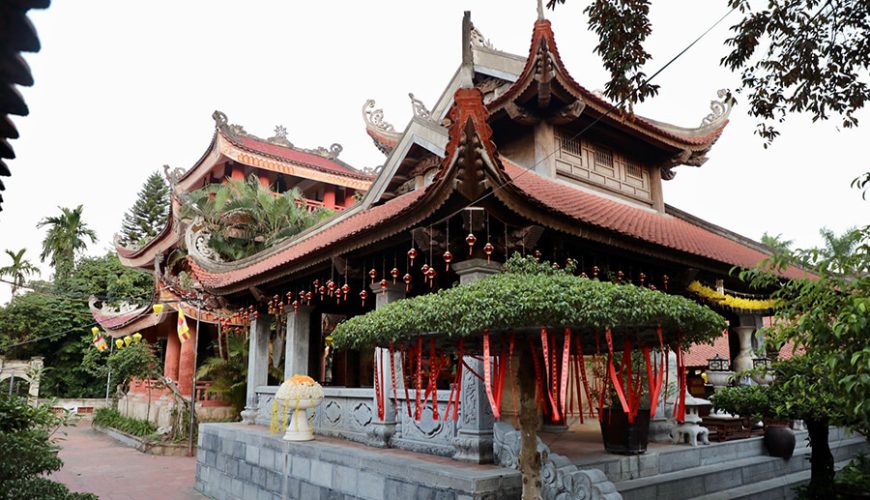
There are two bridges that look like mountain caves, called Mountain Bridges, across the lake leading to the main architecture of Co Le Pagoda, which is Than Quang Pagoda. The main hall is designed in a harmonious architectural style that blends traditional and modern elements.
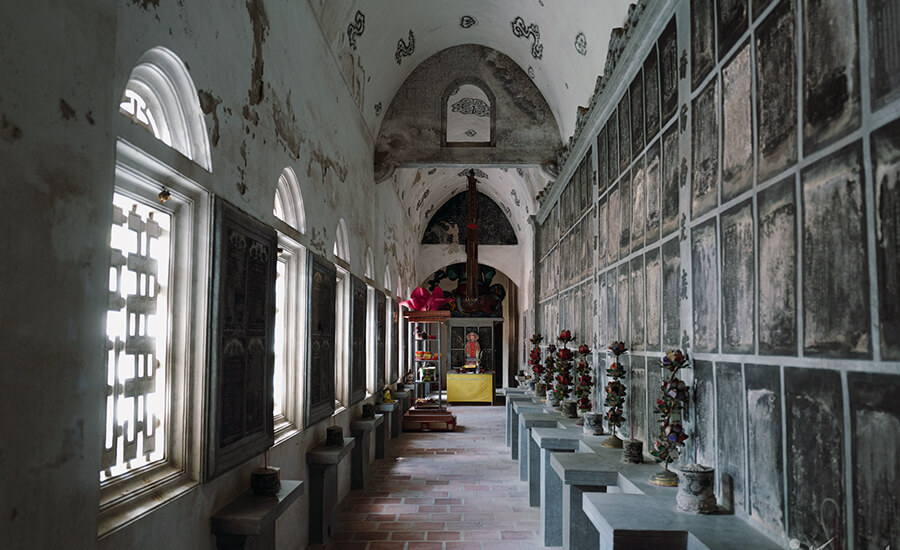
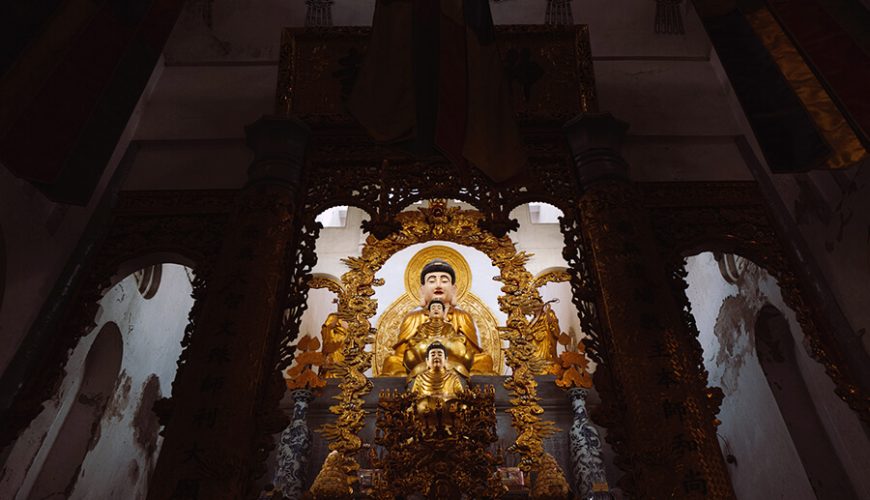
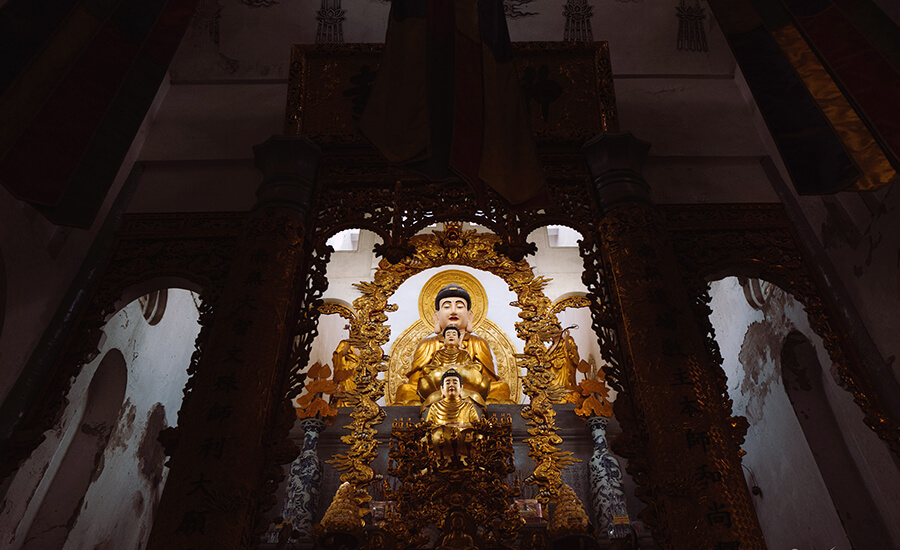
Than Quang Pagoda was built in 1914 on the site of an ancient pagoda dating to the 12th century. In 1995, the pagoda was extensively renovated. In the pagoda, there is a 4-meter-high gilded wooden Buddha statue on the upper floor, which requires climbing many steps on both sides to reach the area where the Buddha statues are placed. Behind the Buddha statue is an altar with a statue of Nguyen Minh Khong.
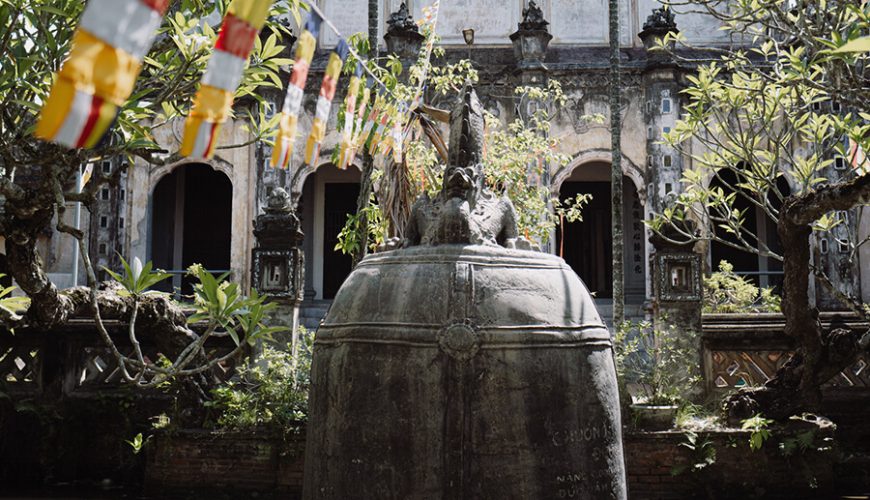
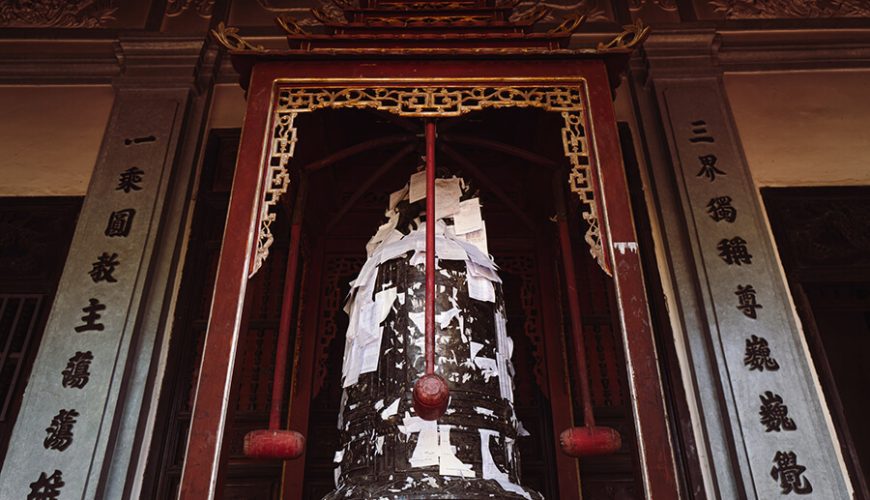
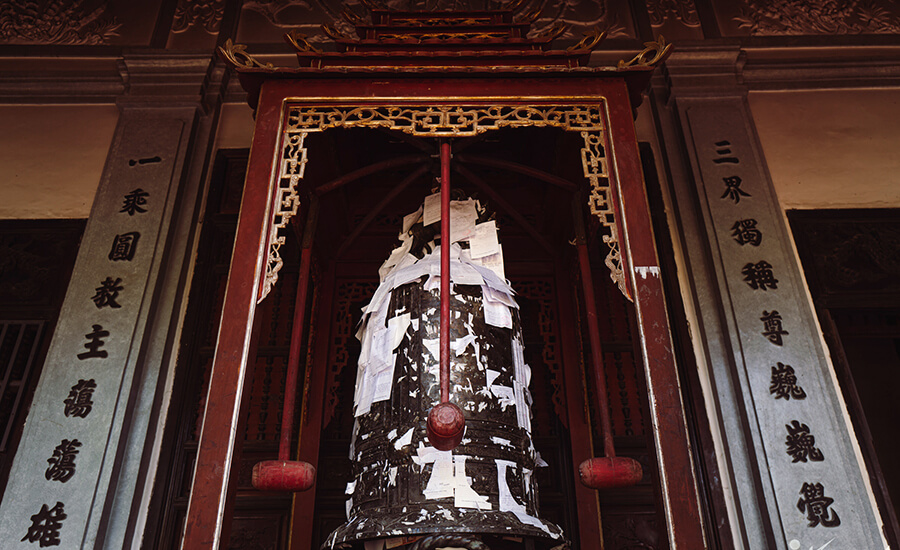
Behind the ancestral shrine is a large bell tower with traditional architecture consisting of 3 floors and 4 sides, called Kim Chung Bao Cac. This bell tower, built in 1997, is 13.40 m high. Inside, it hangs a bronze bell cast during the 18th century, weighing 300 kg.
Behind the bell tower is the temple’s ancestral tomb area.
Thanks to the combination of traditional Vietnamese architecture and elements of Western architecture, Co Le Pagoda has become a famous landmark in the Red River Delta.
Festival in Co Le Pagoda
The pagoda festival is held from the 13th to the 16th of the 9th lunar month every year, featuring many traditional cultural rituals such as the Buddha procession, wrestling, human chess, and especially watching the rowing boat competition on the winding river around the pagoda.
Source: collected by An
Follow us for the best deals on Vietnam package tours and visa services!
Comment (0)