
Huong Pagoda, popularly known as the Perfume Pagoda, is known as a “sacred land” with beautiful natural scenery and unique temple architecture. Not only is it a sacred place, but the image of Huong Pagoda also has great historical and cultural value. Coming here, visitors will experience unique entertainment and festival activities.
General information about Huong Pagoda
Huong Pagoda is a cultural and religious complex in Vietnam, consisting of dozens of Buddhist temples and shrines dedicated to agricultural beliefs. The center of this cluster is Huong Pagoda, located in Huong Tich Cave on the right bank of the Day River, in Huong Son Commune, Hanoi. The history of Huong Pagoda dates back to the 15th century. However, the pagoda was officially built on a large scale around the end of the 17th century. In 1947, during the Indochina War, the pagoda was almost completely destroyed. In 1988, under the guidance of the late monk Thich Thanh Chan, the pagoda was rebuilt.
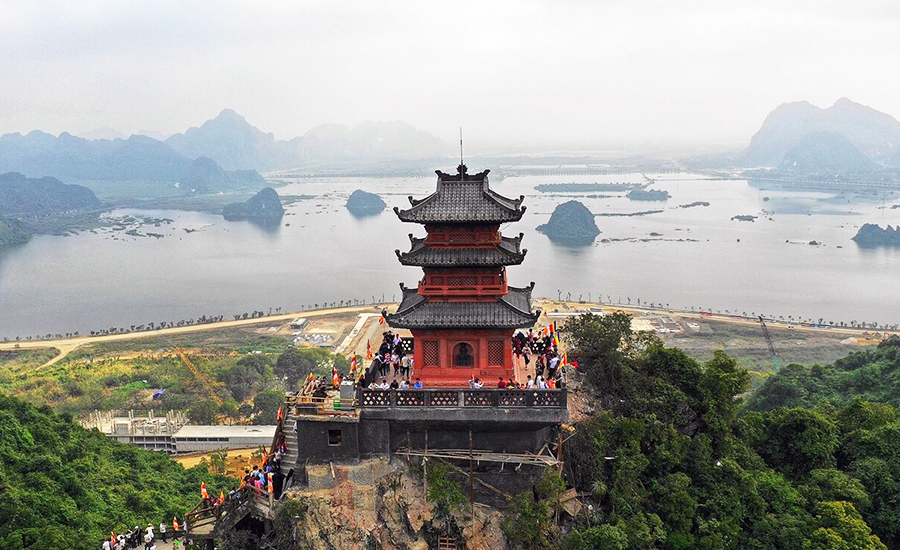
In 1994, the Nam Thien Mon gate was also built, standing tall in the middle of Huong Son mountains and forests. In later years, the 12th abbot-monk Thich Minh Hien expanded and built many new structures. To this day, Huong Pagoda has become a majestic and magnificent architectural complex.
What’s the best time to visit Huong Pagoda?
You can visit Huong Pagoda at any time of the year, each time period, Huong Pagoda will have its own special and attractive features, for example:
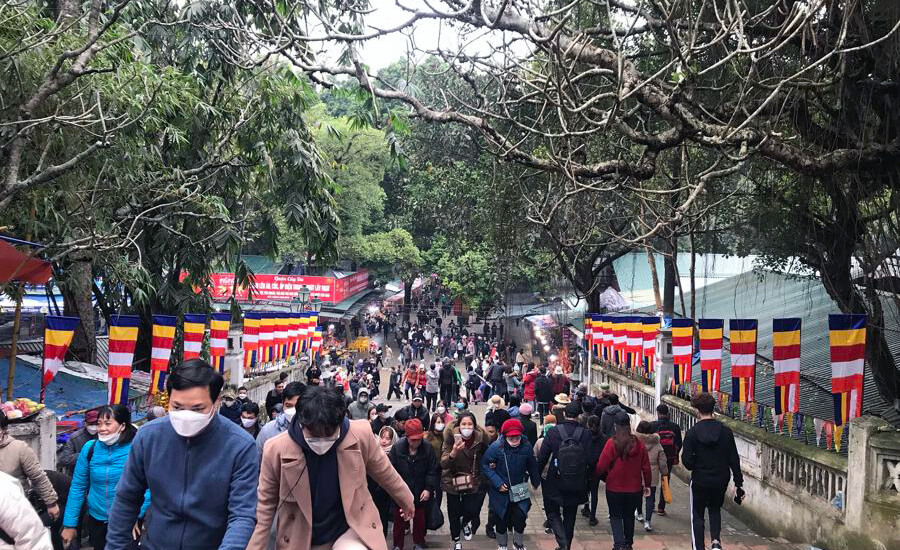
January to April: This is the pilgrimage season at the beginning of the year, so Huong Pagoda will be quite crowded at this time. However, you will be immersed in the festival’s vibrant, joyful atmosphere here.
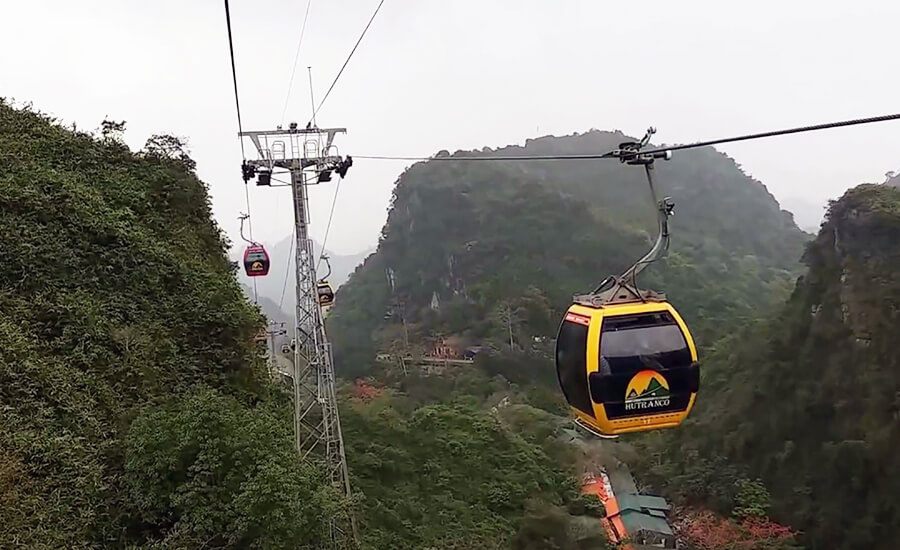
May to September: the time when the Bombax ceiba tree on both sides of the Yen stream begins to bloom. Visitors can take a boat ride or take the cable car to admire the wonderful beauty of the bombax ceiba blooming in front of the Giai Oan pagoda.
October to December: Visit Huong Pagoda during this time; you will enjoy the romantic beauty of lotus flowers floating on the surface of the Yen stream and the poetic white reed fields nearby. The lotus flowers bloom early in the morning when the mist still covers the mountains of Huong Pagoda and close when the midday sun begins to heat up.
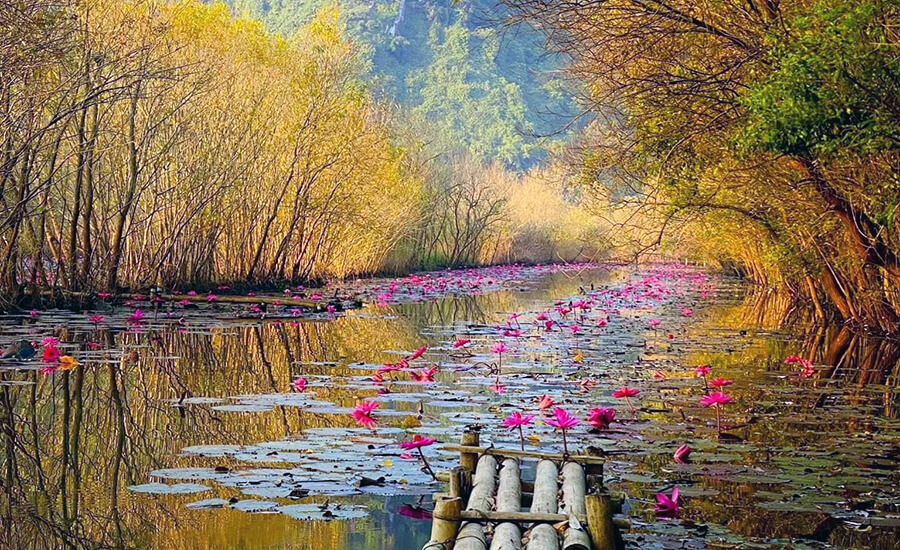
Therefore, if you want to enjoy the flowers and take virtual photos, you should go to Yen stream between 7 am and 9 am. Surely the beautiful scenery here will make you fall in love.
Opening hours and entrance fees to Huong Pagoda
Huong Pagoda opens from 6:00 – 18:00 pm. If you want to enjoy the fresh morning air, take a bus from Hanoi to the boat station early.
The entrance fee to Huong Pagoda includes a sightseeing ticket of 80,000 VND/person and a boat ticket of 50,000 VND/person.
Please note that:
The above ticket price only applies to the tour route: Trinh Temple – Thien Tru Pagoda – Huong Tich Cave (departing from Duc Pagoda wharf).
The boat ticket price to Huong Pagoda for the Tuyet Son and Long Van routes is 35,000 VND/person.
Cable car ticket price:
The Huong Pagoda cable car ticket price for adults is 150,000 VND for a one-way ticket and 220,000 VND for a round-trip ticket.
Huong Pagoda cable car ticket prices for children under 1.2m are 100,000 VND for a one-way ticket and 150,000 VND for a round-trip ticket.
Tourist attractions in Huong Pagoda
Huong Pagoda is a famous spiritual and tourist destination in the North. Not only does it have a fresh, quiet space, but it also features many unique and ancient architectural elements. If you don’t know what to explore in Huong Pagoda, don’t miss the information below!
Huong Tich Cave – ” The most beautiful cave in Vietnam”
Huong Tich Cave is at an altitude of 390 m. To reach the cave, visitors can either climb or take the cable car. With a poetic natural landscape, this place was awarded the title “Nam Thiên Đệ Nhất Động” (meaning “the most beautiful cave in Vietnam”) by Lord Trinh.
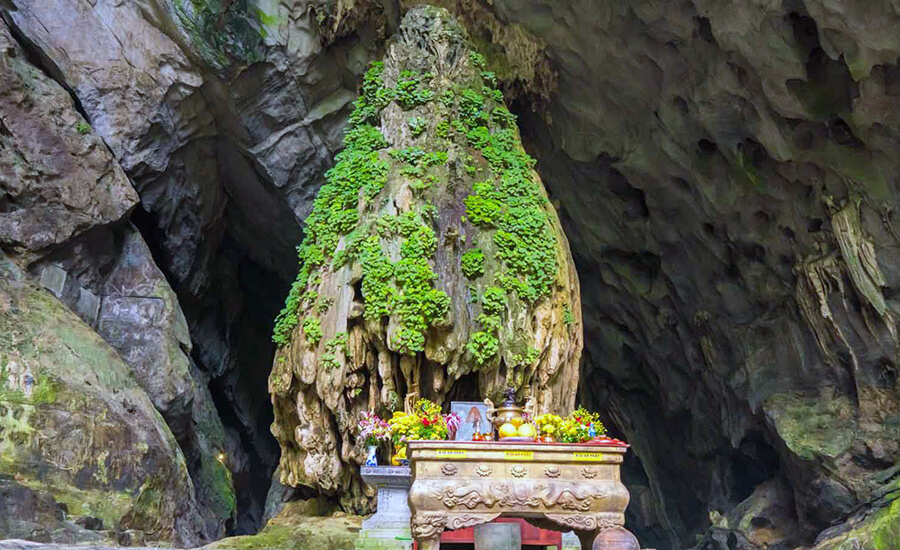
Inside the cave are stalactites in many different shapes, such as a golden tree, a buffalo shape, and Nine Dragons competing for a pearl… Currently, Huong Tich Cave is a place of worship for the Bodhisattva. Therefore, every New Year, the cave attracts many pilgrims to visit and pray for luck and peace.
Poetic Yen Stream
Yen Stream is famous for its clear, blue water. Along with the stone walls and ravines, this place offers a poetic and charming scene. The stream is about 4km long and is the only waterway leading to Huong Pagoda.
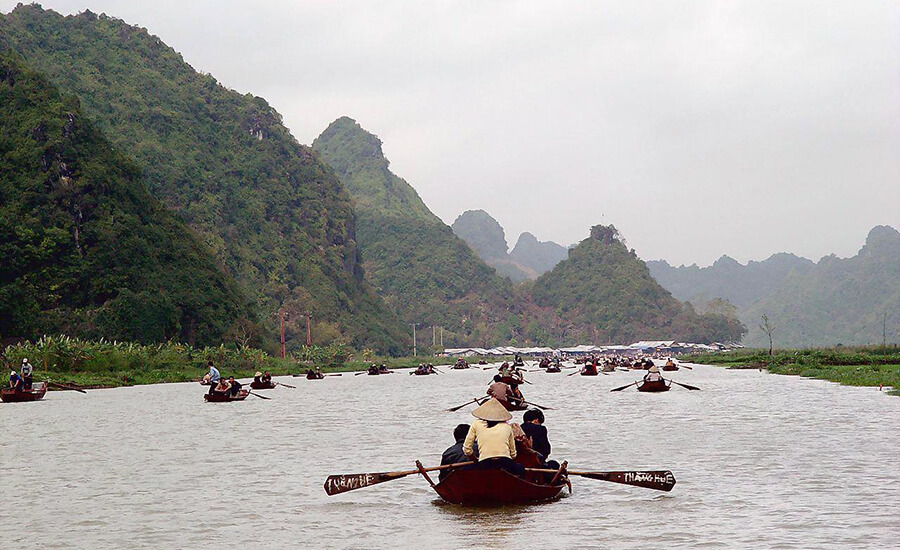
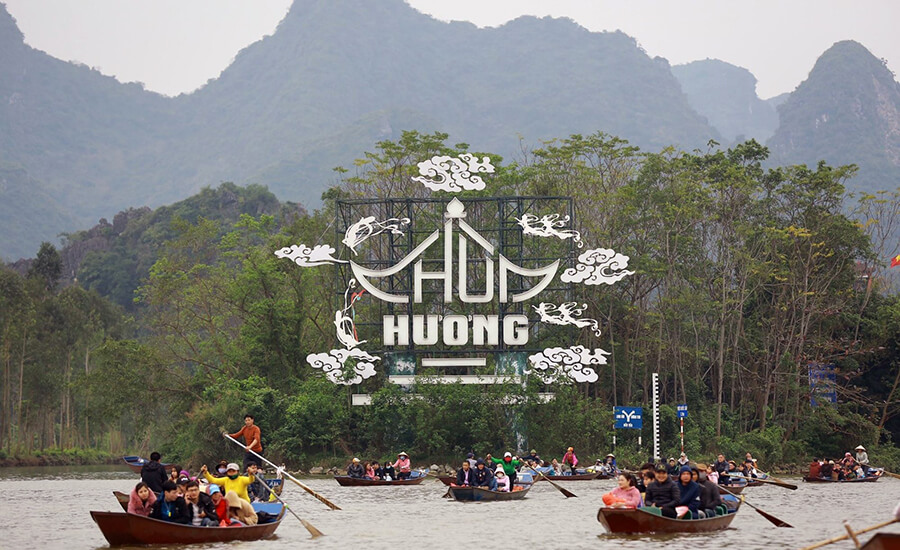
Sitting on a boat along the river, visitors will enjoy a feeling of relaxation and peace. At the same time, they have the opportunity to admire the beautiful natural scenery on both banks. During the festival season, the gentle Yen stream suddenly becomes bustling with shuttle boats carrying visitors in and out to sightsee and worship Buddha.
Duc Wharf
Duc Wharf of Huong Pagoda is located on the bank of the Day River, the departure point to Huong Pagoda. During the festival months, Duc Wharf has thousands of boats used to pick up and drop off visitors.
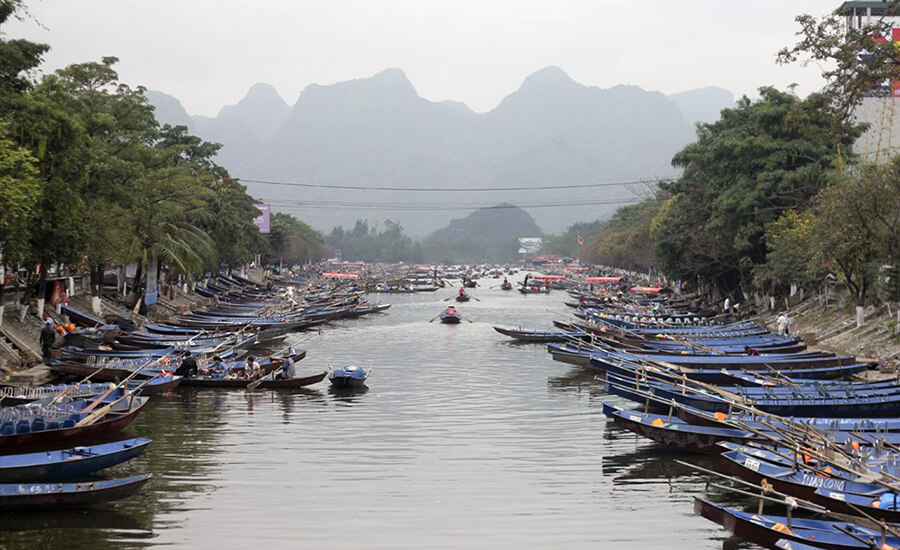
The more than an-hour boat journey on Yen Vi Stream from Duc wharf offers many interesting experiences for visitors. In particular, this place has also become an endless source of inspiration for many poets.
Trinh Temple
When visiting Huong Pagoda, you definitely cannot miss Trinh Temple. The temple is located at the foot of Ngu Nhac Mountain with architecture built in the Le Dynasty style. The temple is a place to worship General Tu Ma, who helped King Hung fight foreign invaders.
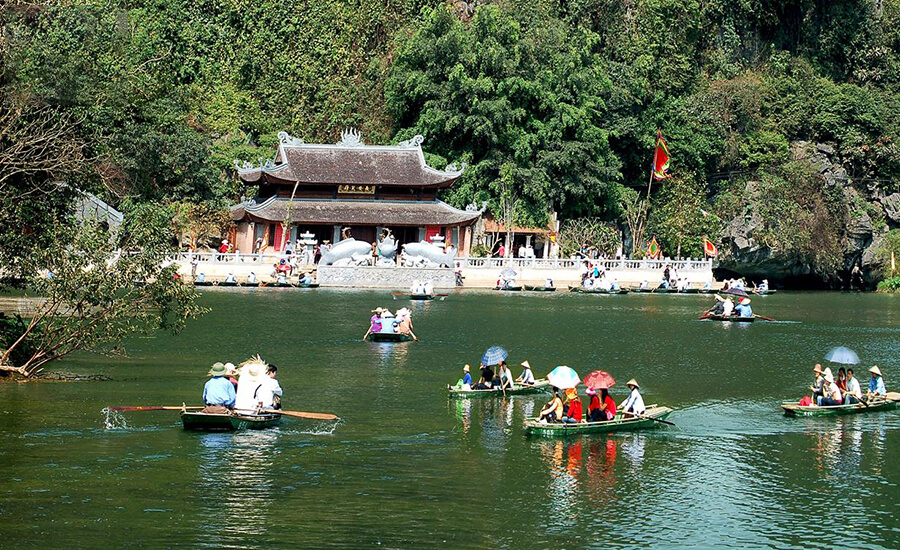
Not only does it stand out with its unique architecture, but the statues of warriors and elephants in the yard, along with the majestic scenery of Ngu Nhac Mountain, create a beautiful scene like a fairyland.
Thien Tru Pagoda
Thien Tru Pagoda is located in the scenic area of Huong Son. This place is also known as the most magnificent and majestic castle in the South.
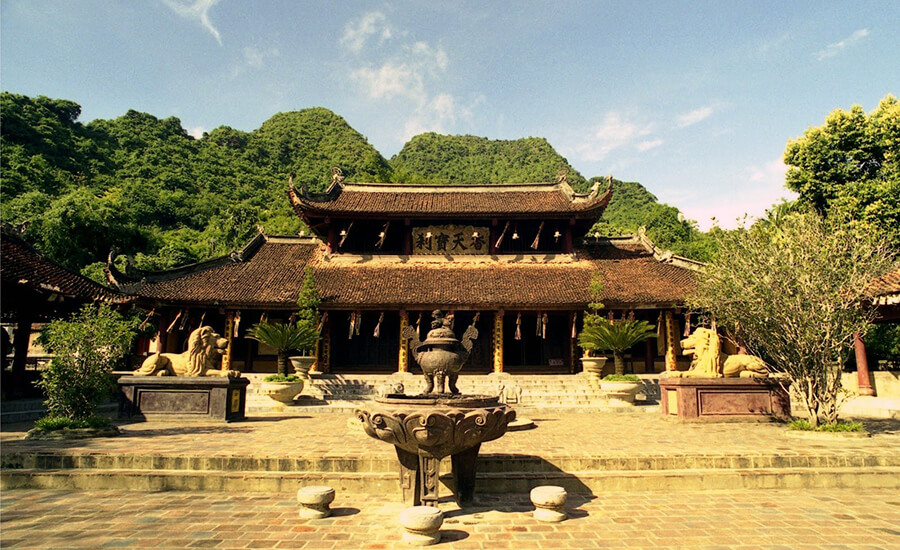
To set foot in the pagoda, you have to take a boat down the Yen stream about 4km. Thien Tru Pagoda attracts visitors with its peaceful, quiet space, like a fairyland. In addition, this pagoda is considered a prominent example of the ancient architectural style of the Le-Nguyen Dynasty.
Giai Oan Pagoda
This pagoda was built halfway up Long Tuyen Mountain, where Bodhisattva is worshiped. In the pagoda, there is Thanh Tri well with clear water that never dries up. According to legend, this is where Lord Ba used to bathe and cleanse himself of worldly dust before entering the Buddha realm. Therefore, this well is also called the Giai Oan well (Giai Oan means “injustices”).
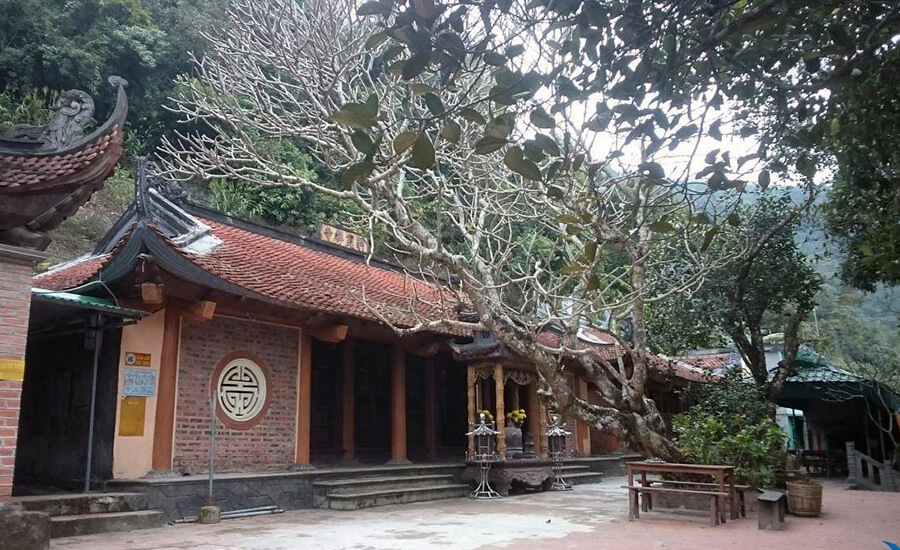
Visitors to Huong Pagoda often stop here to draw water from the well to drink, praying to be freed from all injustices. Giai Oan Pagoda has a unique architecture and is located in the middle of a quiet natural landscape, which adds to its mysterious and solemn appearance.
Tuyet Son Pagoda
Tuyet Son Pagoda, also known as Bao Dai Pagoda, is located in the Huong Pagoda scenic complex. The pagoda was built in accordance with ancient Vietnamese architecture during the Le-Trinh period.
Passing through the three-door gate area is a large yard, with rows of straight trees on both sides. The pagoda grounds are modest, and after climbing a few dozen steps, you will reach the main hall. Although the pagoda has undergone many renovations, the architecture and arrangement of the Buddha statues remain intact.
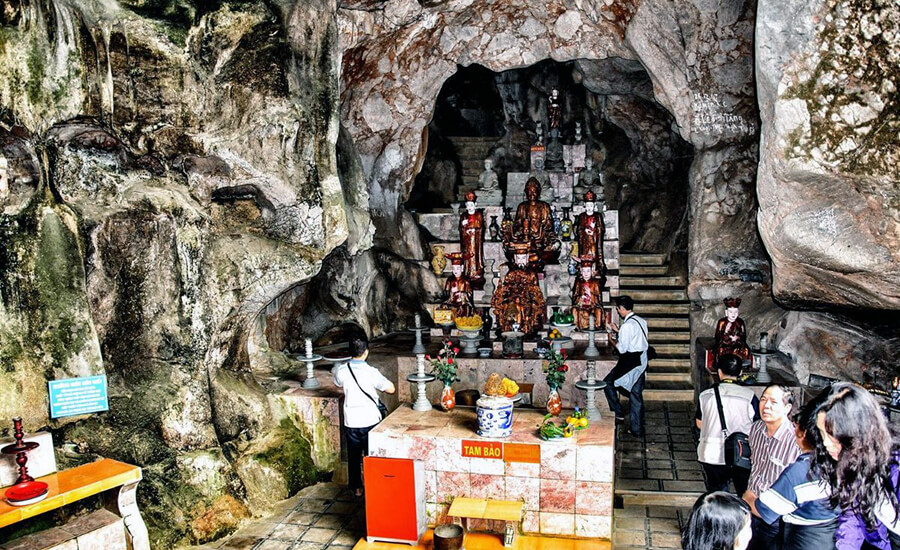
After visiting Tuyet Son Pagoda, visitors can follow the small path along the cliff to reach Tuyet Son Cave. The cave has many stalactites of all shapes and is divided into two small branches. One side is the Buddha shrine, the other side is arranged like a Mother Goddess shrine.
Long Van Pagoda
The pagoda was built in 1920, like a house on a hill. The pagoda gate is low, close to the ferry. Standing on the porch of Long Van Pagoda looking down, you will clearly see the stream and the fields; the scene is extremely poetic and romantic. When visiting Huong Pagoda, visitors certainly cannot miss this unique pagoda.
Thanh Son Pagoda
Thanh Son Pagoda is located in the Huong Pagoda scenic area. The pagoda was built in 1860 and is located next to the stream flowing from Thung Luon, near a cave deep in the mountain. This temple stands out with its majestic natural scenery and represents Vietnamese beliefs.
Huong Pagoda’s Festival
The Huong Pagoda Festival is considered one of the largest religious events in the North of our country after the Lunar New Year, attracting millions of Buddhists and tourists from all over. This is also the longest festival in Vietnam, taking place from January 6 (lunar calendar) to March 6 (lunar calendar), but the main festival is held from February 15 to 20 (lunar calendar).
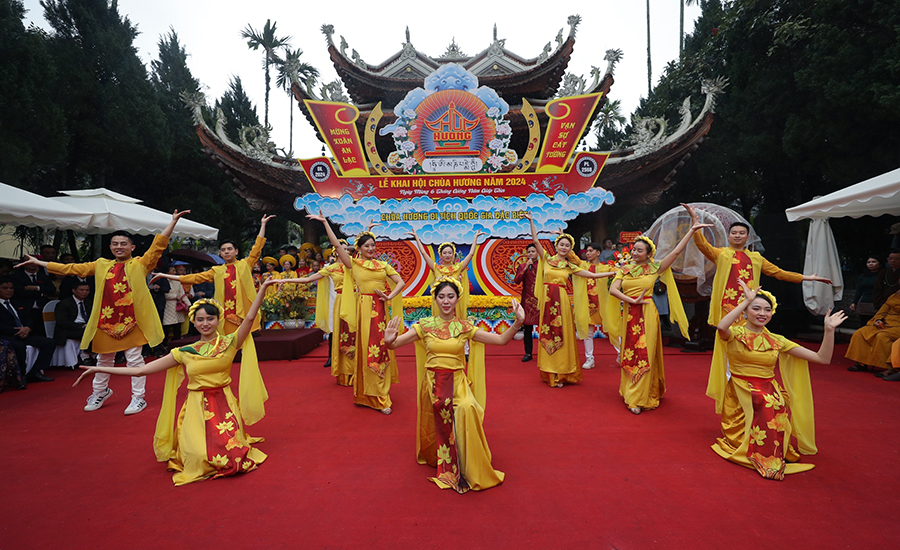
The festival will include rituals and spiritual events such as incense offerings, processions, and meditation. This festival is dedicated to the three main religions in Vietnam: Buddhism, Confucianism, and Taoism. During the festival, many people make pilgrimages to the pagoda to pray for a peaceful and prosperous new year.
The Huong Pagoda Festival features many cultural and entertainment activities held in the villages and along the roads of Huong Son Commune. These include mountain climbing, boating, and singing Chau Van. On these days, walking along the ferry piers, visitors will hear unique folk songs of Xam and Cheo.
Source: collected by An
Follow us for the best deals on Vietnam package tours and visa services!
Comment (0)