
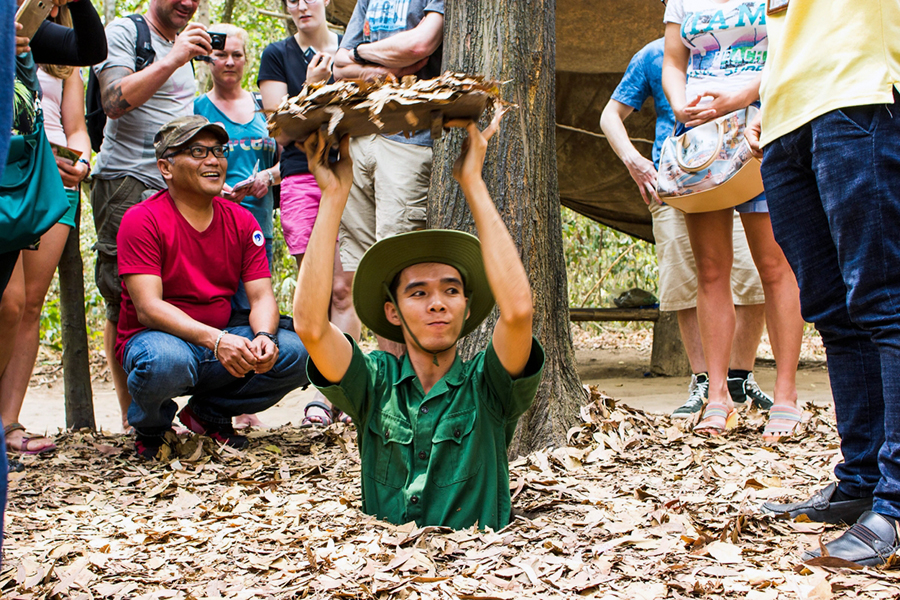
Cu Chi Tunnels is a historical work, a feat of construction by the army and people of Cu Chi during the two periods of resistance against the French, and was expanded during the anti-American period. Although the war ended many years ago, the tunnels still retain their original structure and have become a tourist destination, attracting visitors to explore, research, and learn about this historic site. In addition, there are many exciting entertainment activities; follow this article to read our review of the Cu Chi Tunnels.
History of the formation of Cu Chi Tunnels
The Cu Chi Tunnels are a vast underground defensive system with an extremely complex structure. During the war against America, this tunnel network was up to 250 km long. Up to now, there are still 120 kilometers of tunnels that are preserved and exploited for tourism.
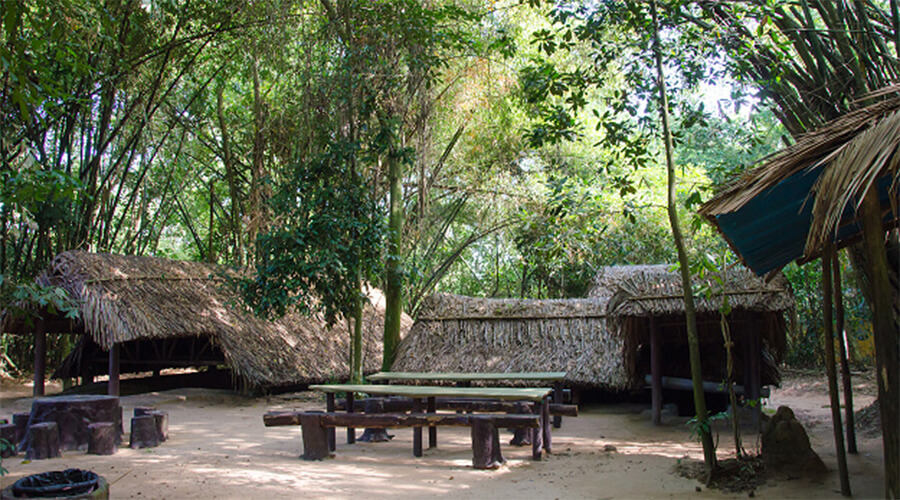
The original tunnel structures were dug by the soldiers and civilians of Tan Phu Trung and Phuoc Vinh An communes during 1946 – 1948. These tunnels are all quite short, simple in structure, and used to hide materials and weapons and to evade raids by the French colonialists.
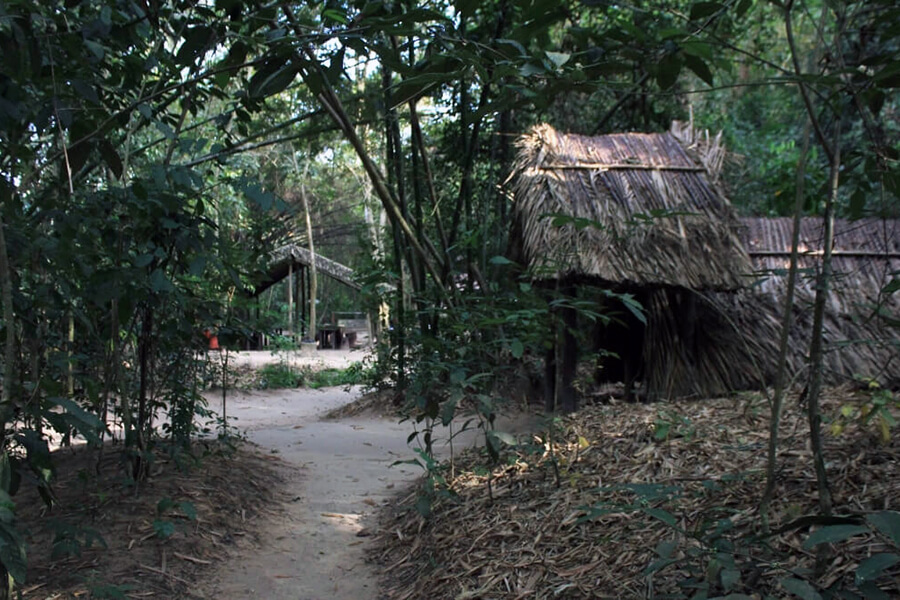
Over a period of five months, each village and commune formed its own tunnels. Due to the need for travel and communication between villages during wartime, these tunnels were gradually expanded and interconnected, forming an inter-district tunnel system. During the anti-American era, the tunnel system was increasingly expanded which more complex.
How to get to Cu Chi Tunnels?
There are many ways to get here. Please refer to the information below and choose the one that suits your preferences and conditions.
Travel to Cu Chi Tunnels on your own way
Not too difficult for those who want to cycle or ride a motorbike to the Cu Chi Tunnels. However, with the distance being quite far (about 70 km) from Ho Chi Minh City center to Ben Dinh tunnels, if you cycle here, you need to stop to rest at the hammock cafes along the way a couple of times.
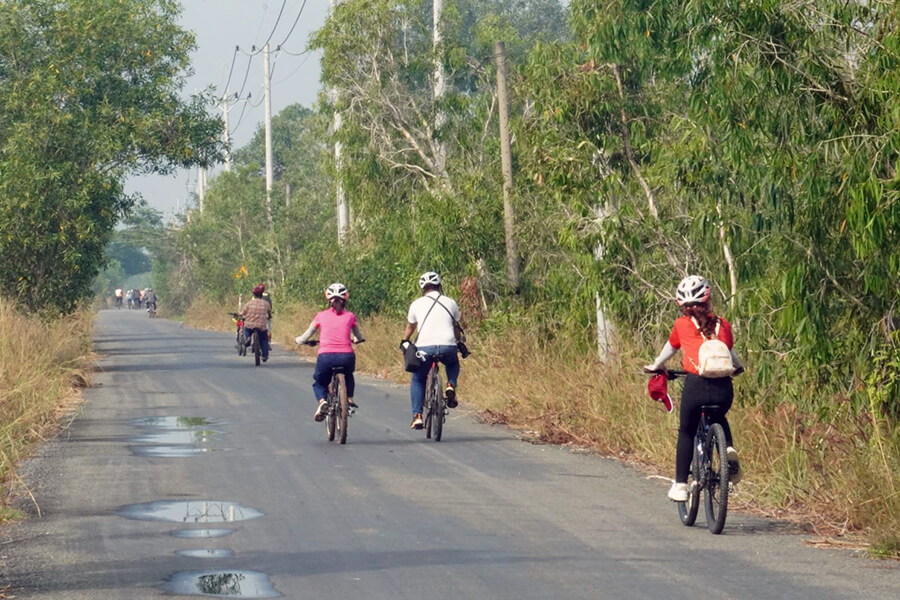
As for those who ride motorbikes, you should pay attention and drive carefully! Also, prepare a reliable GPS, a 4G or 5G connection, a phone with a battery, and drinking water, as some roads in Cu Chi have few passersby, so you may have difficulty if you get lost.
Go by speedboat
If you want to come here by waterway, you can contact travel companies that operate the waterway to Cu Chi tunnels by boat on the Saigon River.
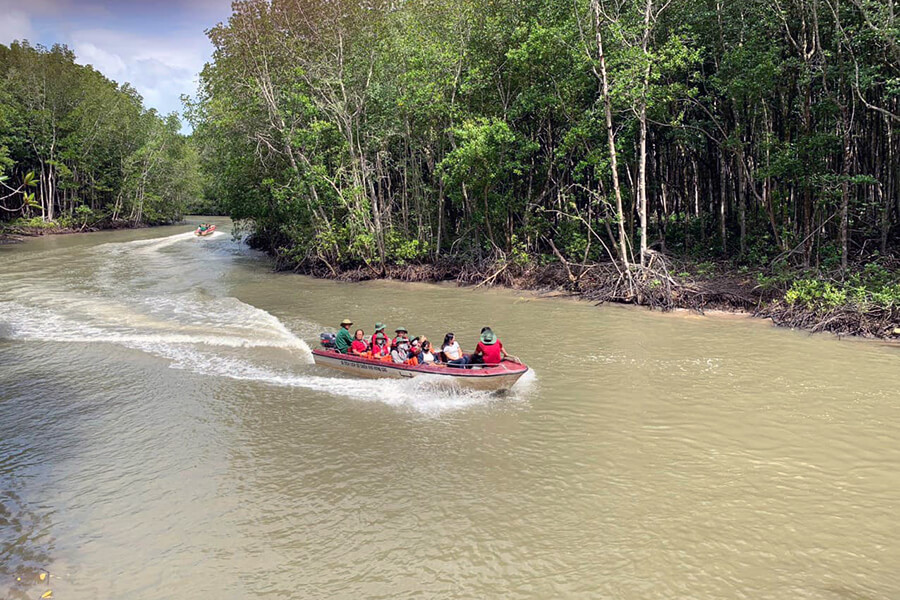
Visiting and exploring the Cu Chi tunnels by boat is quite expensive; however, it offers a unique experience, allowing you to admire the scenery on both sides of the Saigon River.
Rent by taxi, private car/bus
Renting a private car/bus from a travel agent or taxi is the most comfortable and convenient when you travel with family or in groups. Car rental costs start at 60 USD for a 4-7-seat vehicle for half a day. This fee will increase if you want to use the vehicle to visit nearby tourist attractions or rent it for a full day.

Travel by public bus
In addition to driving a motorbike or car by yourself, you can also take a public bus to Cu Chi Tunnels, and just take two buses to get to Ben Duoc.

First, take bus number 13 from 23-9 Park (near the Pham Ngu Lao backpacker area) to Cu Chi bus station, then take bus number 79 towards Ben Duoc. The total travel time this way is about 2 and a half hours, and the cost is extremely low at only 26,000 VND (more than 1 dollar).
Take the opportunity to go early in the morning to have time to fully explore the Cu Chi Tunnels before the buses stop running for the day. Bus number 79 stops at 5:30 pm and bus number 13 at 9:00 pm. Because the bus wait time is long and you are not comfortable with it, you should plan your time accordingly.
Structure of Cu Chi tunnels
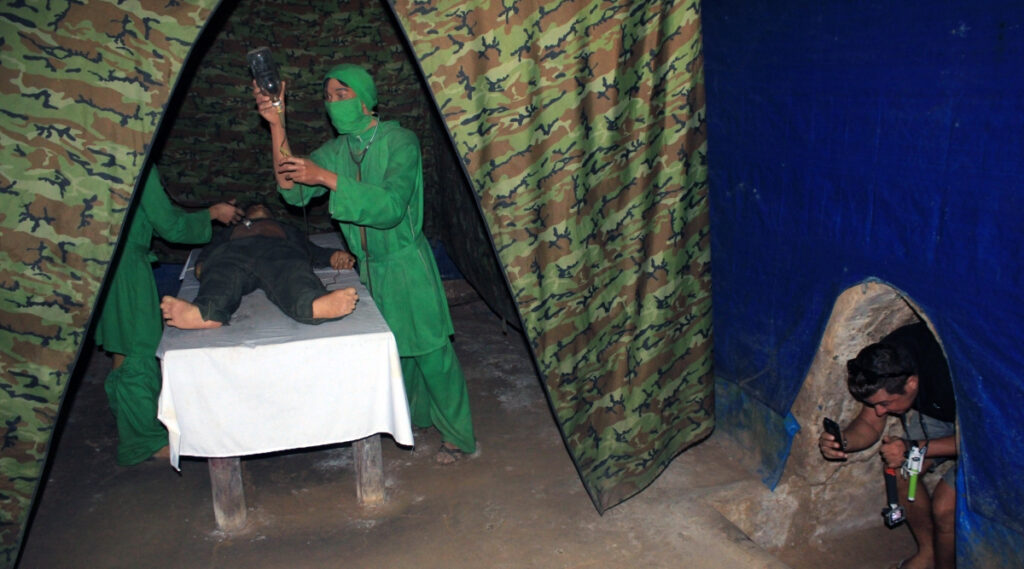
The tunnel’s transportation system is extremely intricate; from top to bottom, there are many traps and ambushes… The tunnel system is divided into 3 main floors, from shallow to deep, at depths of 3, 8, and 12 meters, respectively. There are many spaces for combat activities, meetings, ambulances, weapons storage compartments…
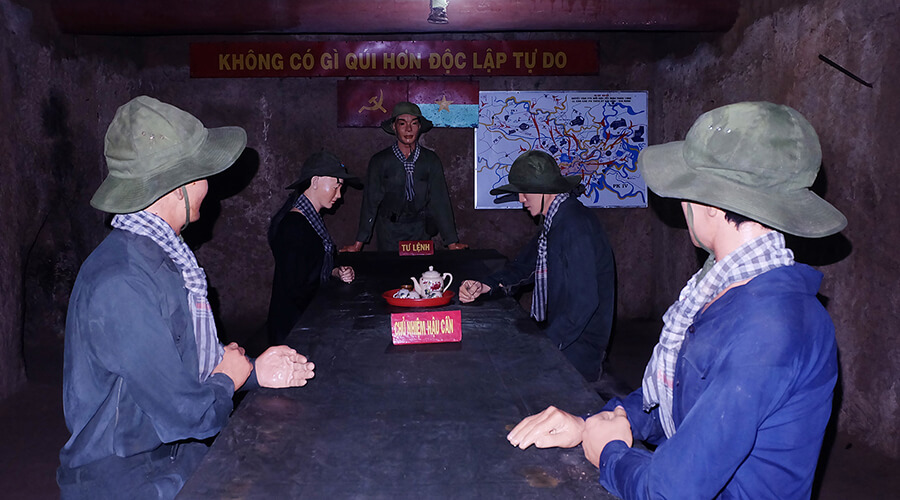
The tunnel is quite low, and the walkways between floors are also camouflaged with secret tunnel doors. Above the tunnels, fighting emplacements and traps are arranged to create a continuous guerrilla battle between villages.
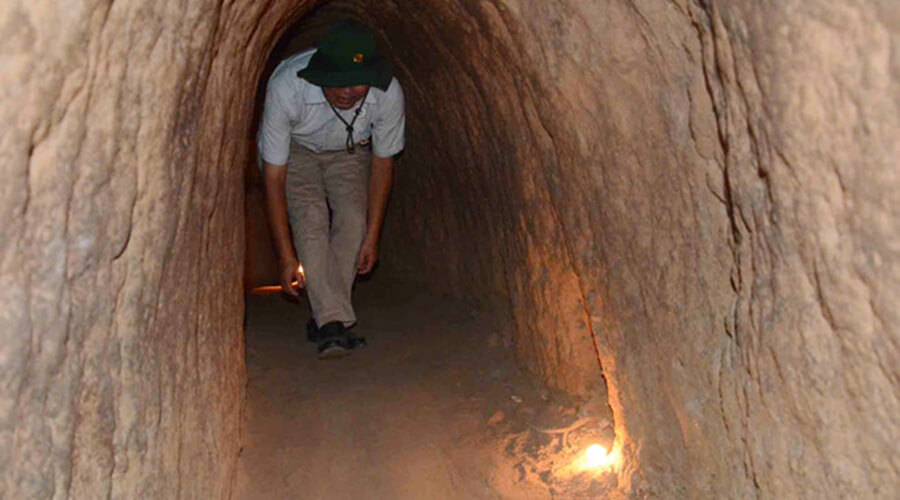
The tunnel structure is made from clay mixed with laterite, so it is very sturdy, less prone to landslides, and can withstand many enemy bomb attacks. The tunnel’s air is circulated through a system of vents. When necessary, it is possible to destroy and isolate a specific part of the tunnel to stop the enemy.
Wartime activities at Cu Chi tunnels
Life in the militia’s tunnels is extremely difficult, lacking basic necessities. The lack of light, humidity, and heat in the tunnels also causes many types of diseases, parasites, etc.
During the war, the US military employed numerous attack plans against the Cu Chi Tunnels. These are sniffer dogs, setting mines, pumping water, spraying gas…etc.
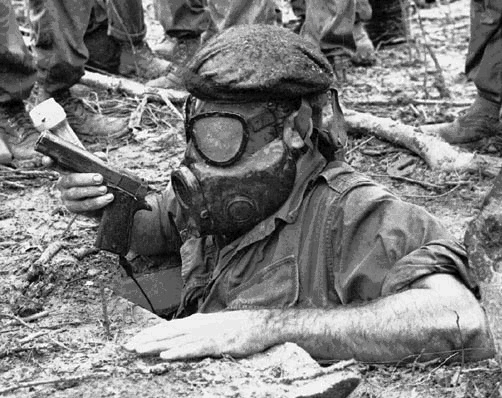
These measures proved only marginally effective, and very quickly the army and people of Cu Chi would devise a plan to subdue them. During bomb raids and large-scale firepower, a small part of the tunnel above collapsed, but the majority of the structure still remained.
Tourism activities at Cu Chi Tunnels
Currently, about 120 kilometers of the tunnels are still preserved. Cu Chi Tunnels Historical Relic Area directly manages two relics: Ben Duoc Tunnels and Ben Dinh Tunnels. It is a polite demonstration against America as well as an interesting tourist attraction, attracting domestic and foreign tourists.
Visit Cu Chi Tunnels
When you come to Cu Chi tunnels, of course, you cannot miss the opportunity to explore these historical tunnels. Under the guidance of the on-site presenter, visitors can step into deep underground tunnels and imagine the life of local people, the soldiers during wartime.
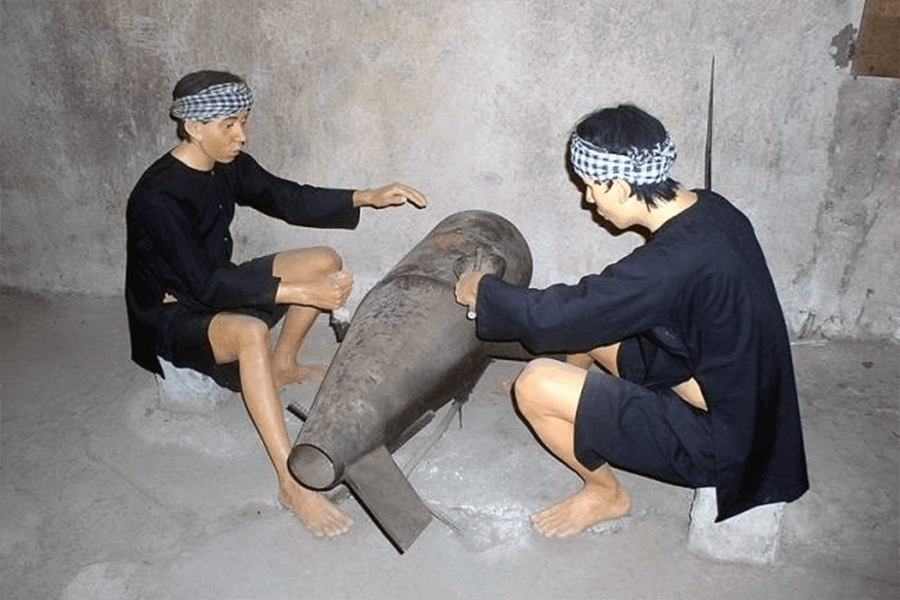
In each section of the tunnels, there are also wax statues, recreating activities of cooking, weapon manufacturing, first aid, etc…enough for visitors to imagine the difficult situation of the soldiers and people of Cu Chi at that time.
War reenactment area
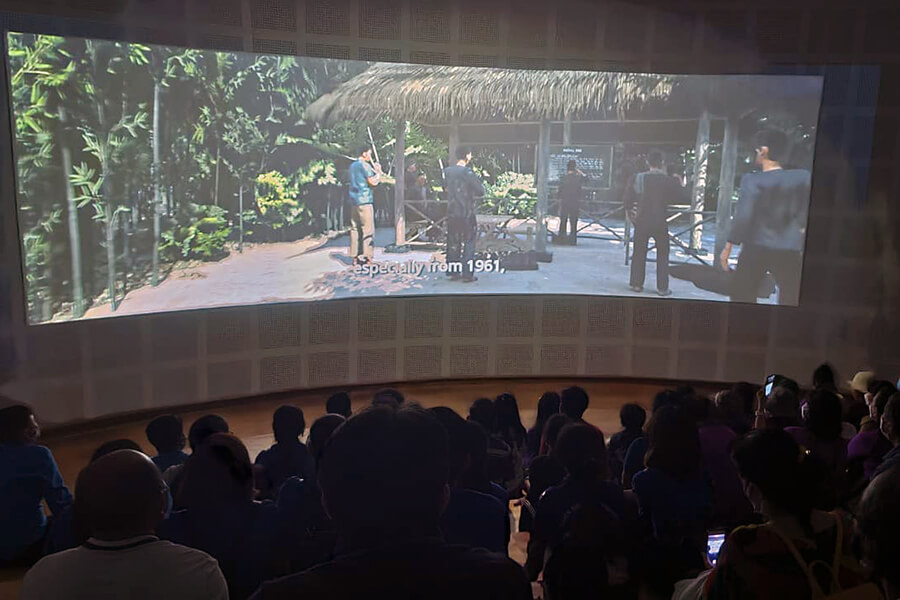
The war reconstruction area is a museum of pictures, films, models, and scenes designed to recreate the architecture of houses, the lives, activities, and battles of Cu Chi’s army and people.
+ Area for displaying table models and movies: this is where visitors can admire the military sand table and listen to a narrator explain the developments of fierce battles in the past.
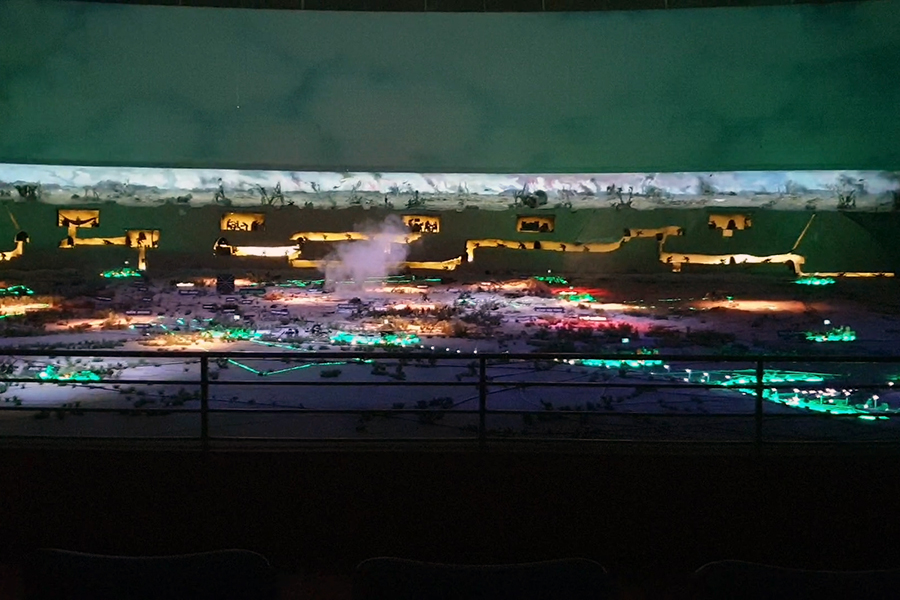
+ Space area 1 recreates the special war time in the years 1961 – 1964.
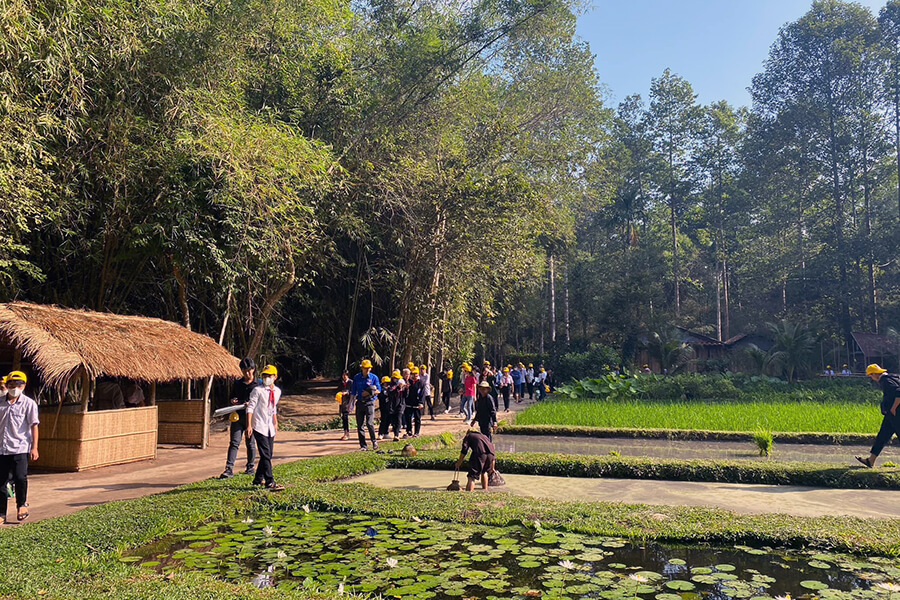
+ Space area 2: Recreates the time of local war in the years 1965 – 1968, when the enemy’s fierce war raided the Cu Chi area.
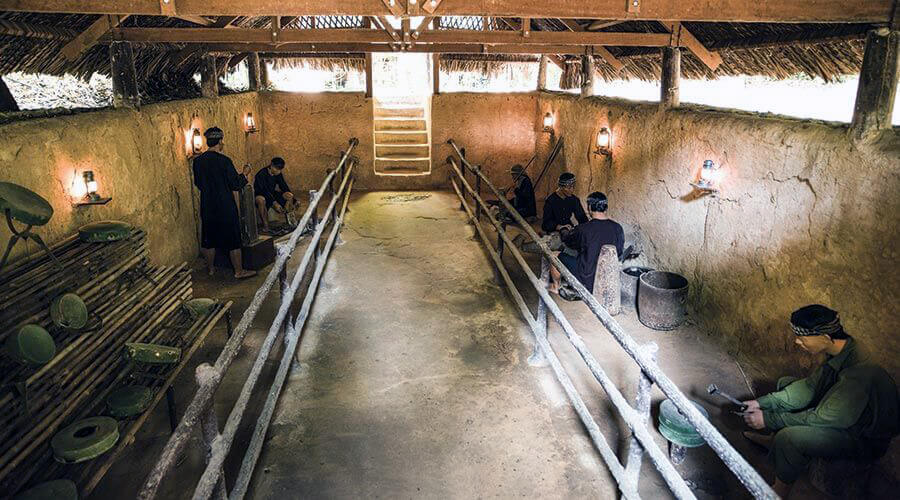
+ Space area 3: Recreating the white area in Cu Chi in the years 1969 – 1972, reflecting the war at its fiercest peak.
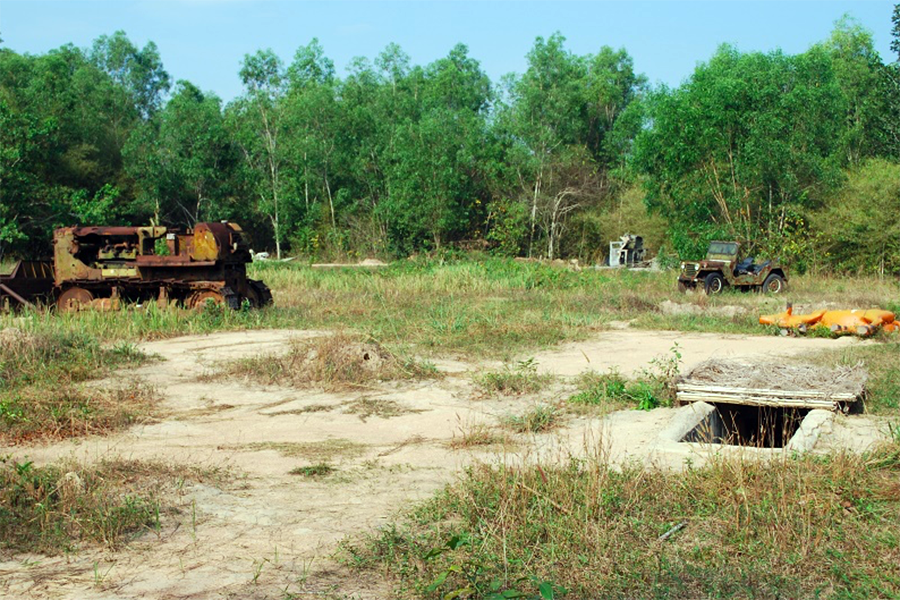
The landscape lake simulates the East Sea and three miniature models
This is a lake area landscaped according to the East Sea area under Vietnam’s sovereignty, and 3 typical models of the 3 regions include:
- One Pillar Pagoda: Represents the North.
- Hue Citadel: Represents the Central region.
- Nha Rong Wharf: Representing the South.
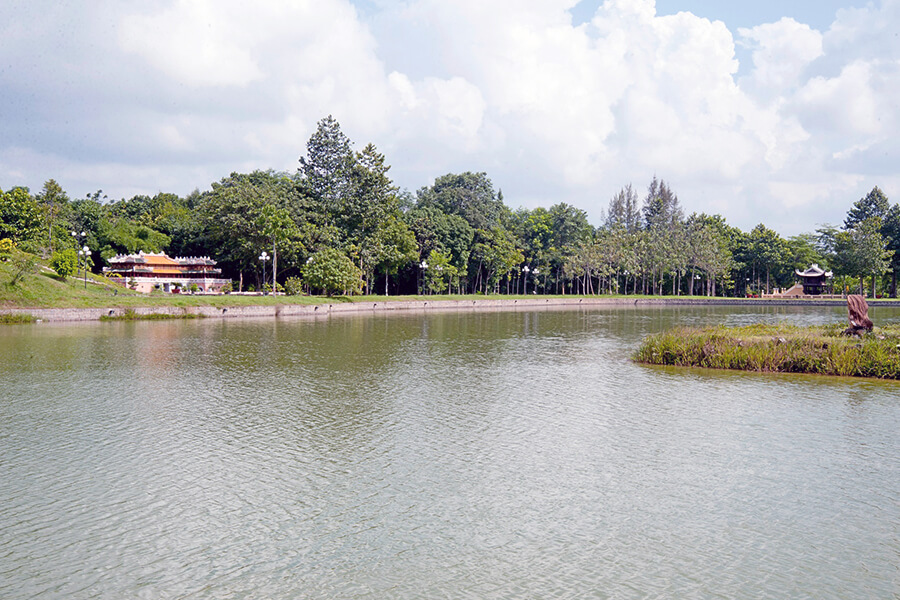
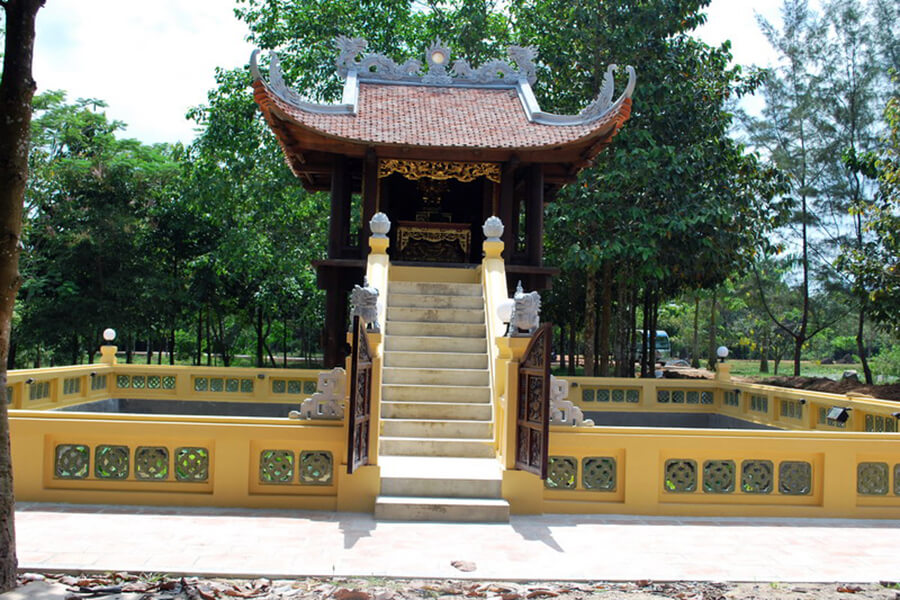
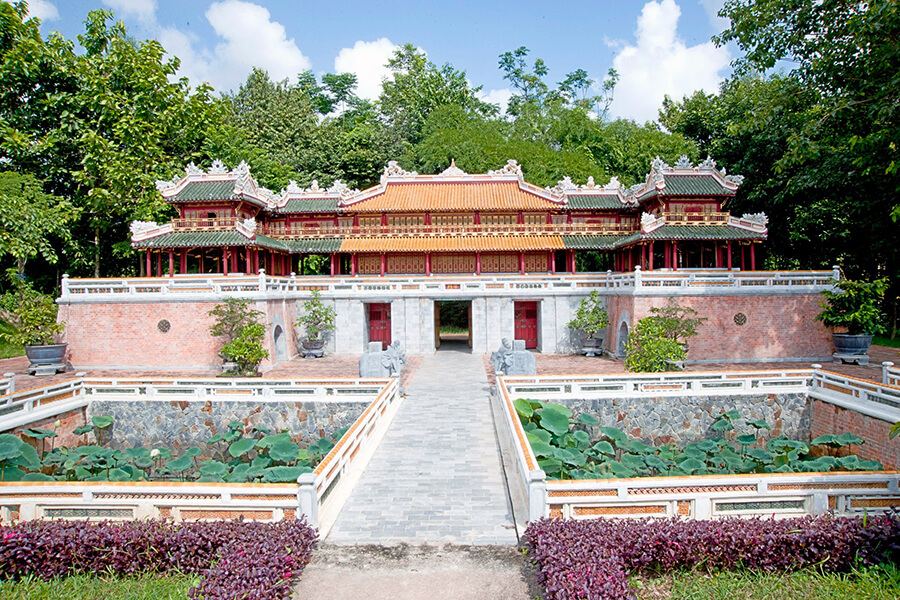
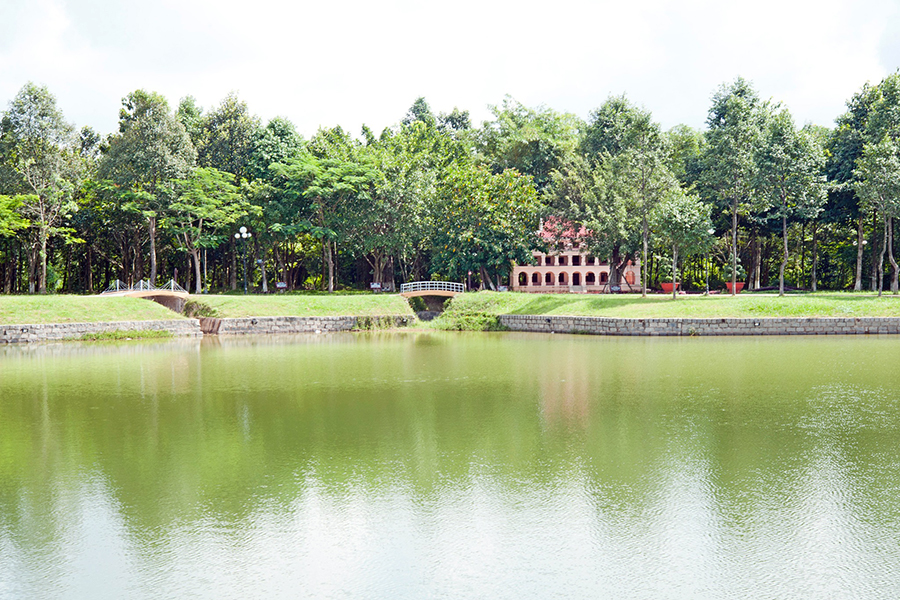
The above three projects were inaugurated and put into operation on December 19, 2009. This is a place for people of Ho Chi Minh City and southern provinces to have the opportunity to visit typical architectural works and world cultural heritages of the regions, combined with visiting the tunnels to educate patriotism for young generations of Vietnam, and at the same time offer incense to commemorate heroic martyrs at Ben Duoc Martyrs Memorial Temple.
Experience real gun shooting at the shooting range
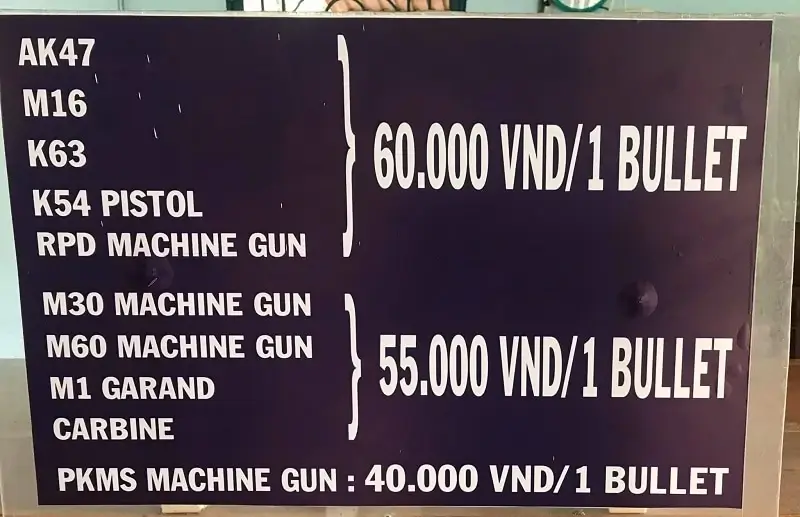
Both Ben Dinh and Ben Duoc have shooting areas for tourists who want to experience live fire. This activity is organized and supervised by experts at the national defense sports shooting range in the Cu Chi tunnels relic site. Mandatory requirements when participating in the game are that you must be in good health and over 16 years old. Bullets are sold in sets; each set contains about 10 bullets of the same type. Here are the current prices for the different types of ammo sold here:
- M16: 60,000 VND / 1 bullet
- AK 47: 60,000 VND / 1 bullet
- M60 machine gun: 55,000 VND / 1 bullet
- M1 Garand: 55,000 VND / 1 bullet
- M30 machine gun: 55,000 VND / 1 bullet
- Carbin: 55,000 VND / 1 bullet
- …
Play paintball exercises
Paintball is a game that is no longer strange to young people across the country. This is a fake combat sport that simulates battles. From the moment it appeared, this game has been especially loved by everyone.
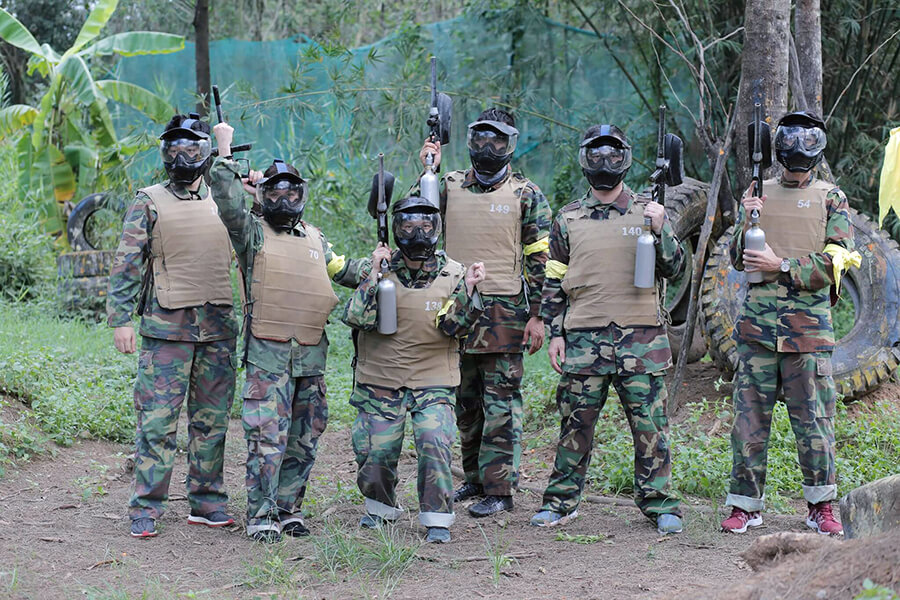
This is an action game with both sporting and military elements. In addition, it helps players relax and practice judgment, team coordination, and marksmanship.
When participating, visitors will feel as if real soldiers are fighting, fully equipped with weapons, masks, uniforms, and ammunition. The paint-spray gun shooting game is a type of entertainment that visitors cannot miss when visiting the Cu Chi Tunnels, offering high appeal and absolute safety.
Treetop Trekking
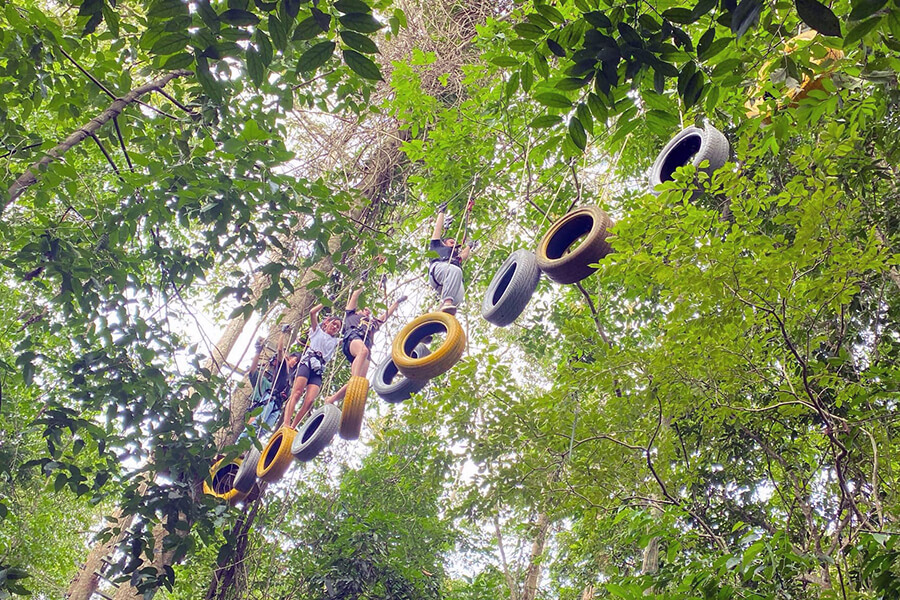
In addition to the paintball practice game, tourists can also experience thrills with a new sport that the Cu Chi Tunnels have just put into operation – a treetop trekking with a height of 8m and a viewing length of 120m of the forest from above, travel time is about 10 minutes, but it will be a wonderful, memorable experience that you must try once.
Enjoy the cuisine
Boiled cassava and ground peanuts with sugar were the main foods of the liberation army and local people during the war due to the scarcity of food at that time. These dishes are quite delicious and filling when enjoyed with hot tea. You can find this dish in underground kitchens in the Cu Chi tunnels.
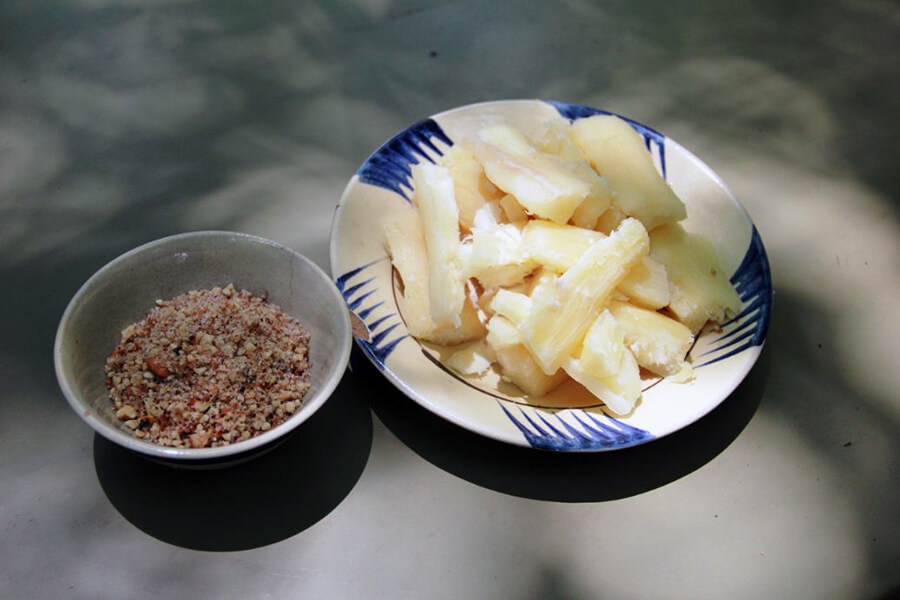
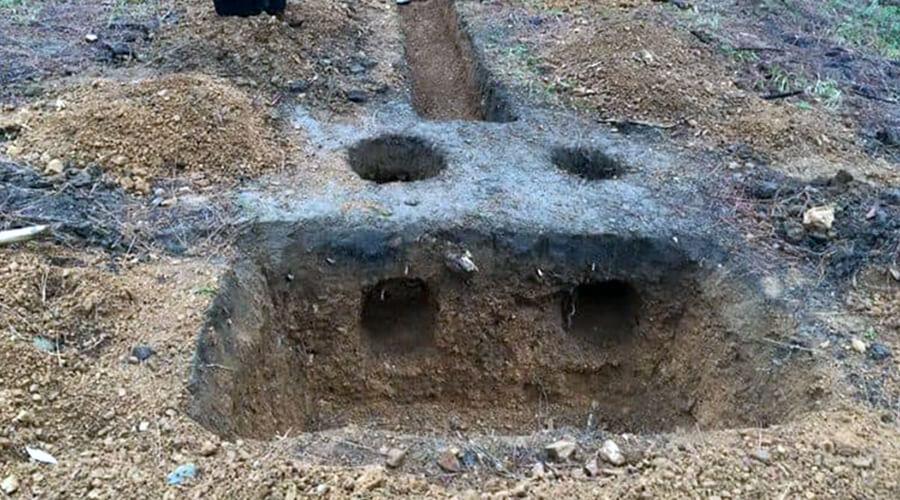
When you taste these rustic dishes on a rainy day in a damp, cramped tunnel, you will partly understand the hardship and deprivation that the revolutionary soldiers had to go through. You can also admire the Hoang Cam stove model, which accompanied the Vietnamese militia throughout the resistance war against foreign invaders.
When referring to Cu Chi specialties, it is impossible not to mention the famous beef dish, especially heifer, which is highly appreciated for its tenderness, natural sweetness, and milk-like aroma.

The local people often choose new heifers about 5-6 months old, exclusively breastfed, so the meat is fragrant, soft, and mildly sweet. The dishes to try are boiled beef rolled with wild vegetables, grilled beef, beef porridge… Priced at about 100,000-150,000/person, you will have a delicious meal.
Some destinations can be combined with the Cu Chi tunnels trip
Wildlife rescue station
Cu Chi Wildlife Rescue Station is a non-profit organization, founded and funded by Mr. Dominic Scriven, in coordination with the Forestry Protection Department of Ho Chi Minh City.
Over many years of operation, Cu Chi Wildlife Rescue Station has become known as a “hospital” capable of rescuing and caring for many rare wild animals. Because each animal species has different characteristics, the station is designed with separate areas to suit each species, creating easy conditions for their care and protection. Including rare animals in Vietnam such as: sun bear, yellow-cheeked gibbon, chevrotain, small loris (especially 35 individuals of the primate family), smooth-haired otter, Java pangolin, golden mountain turtle, wild cat…
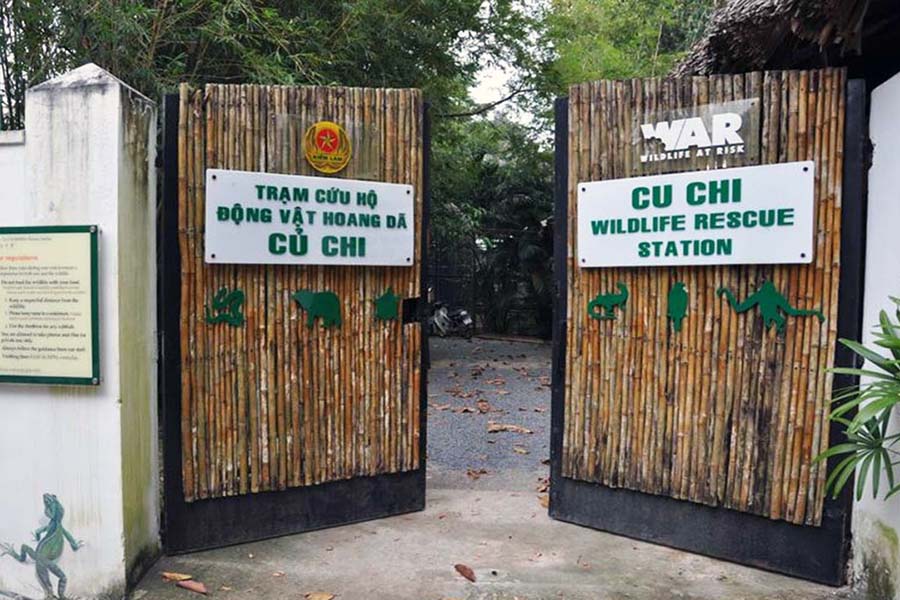
It is worth mentioning that before being received by the station, animals often suffer serious injuries or mental panic due to being hunted, traded, illegally kept, and tortured. Therefore, upon receiving animals, the station will first check their general health to plan for periodic care and treatment. After a period of time, any animal that is completely healthy and has recovered its wild instincts will be released back into the wild by the station. However, if any animal is disabled or unable to survive on its own, the station will be responsible for nurturing them here for life.
Visit the swimming pool simulating the East Sea
A swimming pool area where visitors can relax and shake off the dust after their tunnel exploration. Visitors can immerse in the clear blue water at the swimming pool simulating the East Sea.

Some experiences visiting Cu Chi tunnels
- There is no dress code when visiting the Cu Chi tunnels; however, you should choose neat and dark-colored clothes so that when you return, you won’t have to struggle to wash off stains on your clothes when entering the tunnels.
- Prepare a pair of comfortable sneakers, as you’ll need to walk to many areas in the Cu Chi Tunnels.
- Applying sunscreen and insect repellent spray is indispensable when coming here.
- During the rainy season (May to November), although the tunnels are not flooded, visiting is not very convenient because there will be a lot of mud that stains your clothes.
- During Tet (the Vietnamese Lunar New Year, which falls in late January or early February), Cu Chi tunnels still welcome guests as usual.
- Tourists with claustrophobia and high blood pressure are advised not to enter small tunnels and to choose larger ones instead. Also, if you are afraid of enclosed spaces, you should consider this before crawling through tunnels.
- To explore the tunnel area, you will need 2 to 3 hours. If you want to experience real gun shooting and paintball shooting, you need at least 5 hours.
- You should arrive early or book a room in Cu Chi to be proactive during your visit.

Comment (0)