
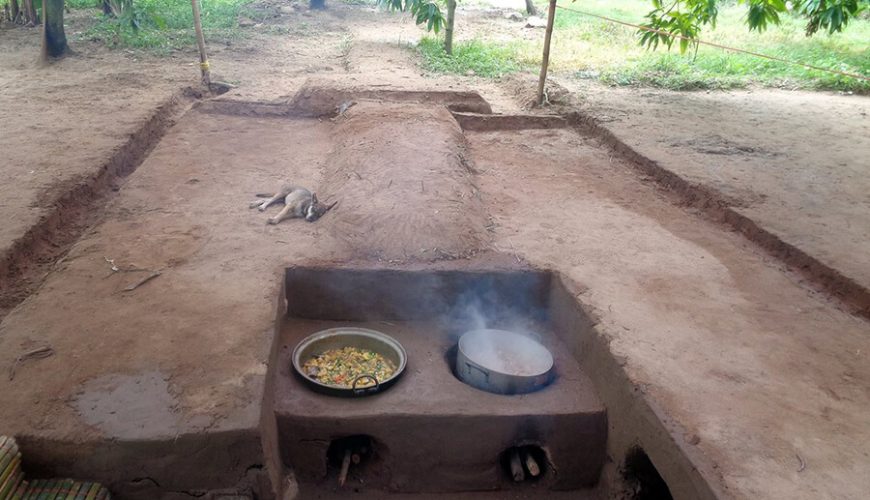

Hoang Cam Stove (Vietnamese: bếp Hoàng Cầm, bếp means stove) was created during the Hòa Bình campaign (1951 – 1952). The stove is named after the man who made it, a military chef, Mr. Hoàng Cầm. Since its introduction, the stove has been widely used in the Vietnamese army and is mandatory in all units. Currently, tourists can see this kitchen when visiting Cu Chi Tunnels.
Making of a great stove
Witnessed many mortalities, and those who survived were weakened due to a lack of nutrition. The main reasons were that the enemy warplanes raided his troops and unsafe eating conditions, partly due to the cooking process. A smoke at the middle of the jungle during the daytime or firelight at night can be spotted by enemy reconnaissance aircraft. Then, it will be a target for booming.
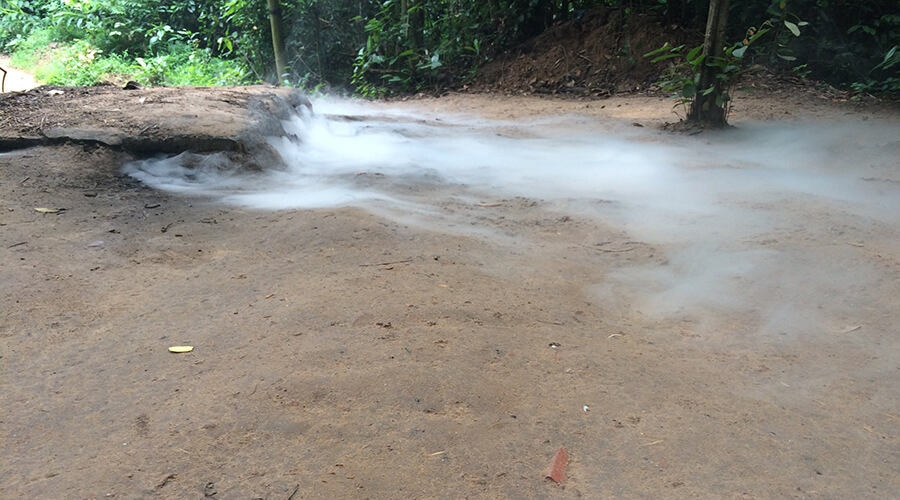
There is also another problem when cooking at night, when a Vietnamese military chef heard an enemy airplane coming, they would stamp out the fire with water. The rice was often uncooked and stale, making it hard to consume. Furthermore, food cooked at night that had to be eaten during the day was cold, leading to an unhealthy food problem, especially for wounded soldiers.
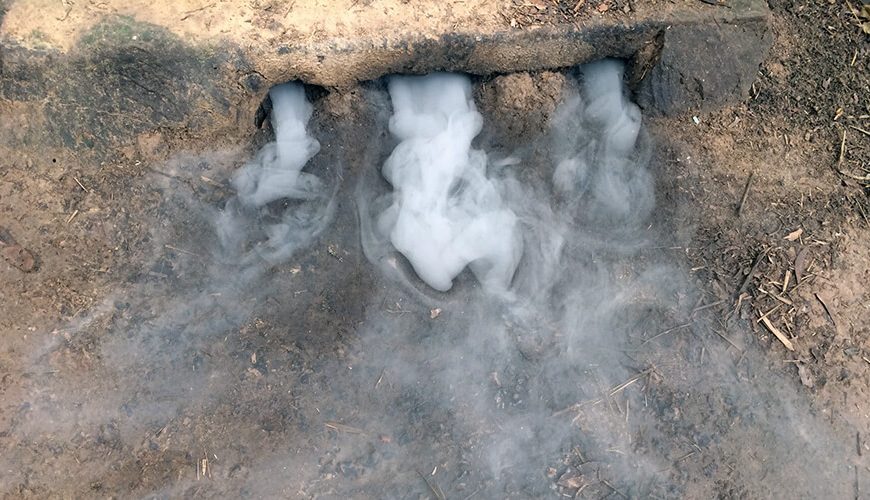
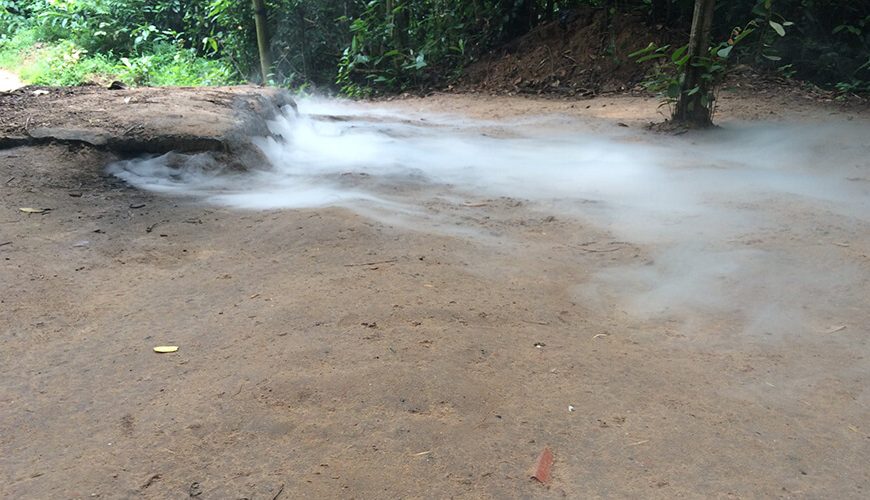
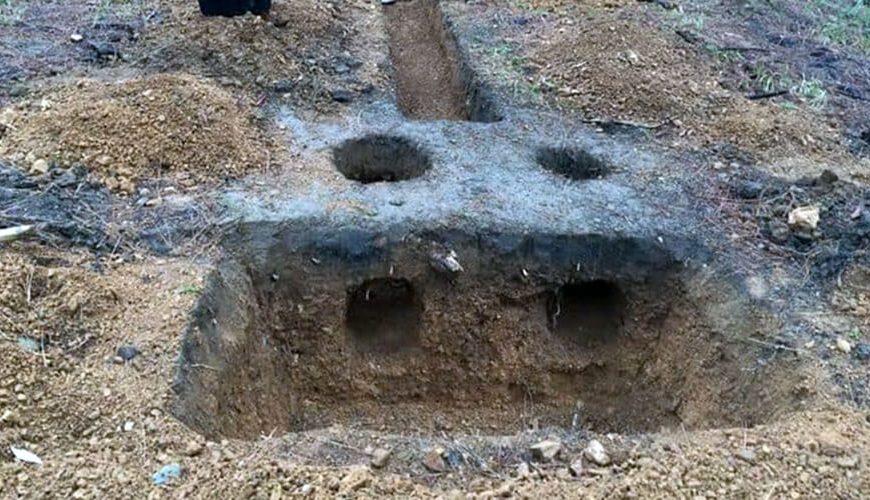
After many times of diligent research, digging dozens of different kitchens, Mr. Cầm came up with the idea of making a kitchen that could cook, not only during the daytime but also at night, without fear of detection by enemy planes. He dug stoves deep into the ground and created many vents so smoke could go in other directions, like a mouse den.
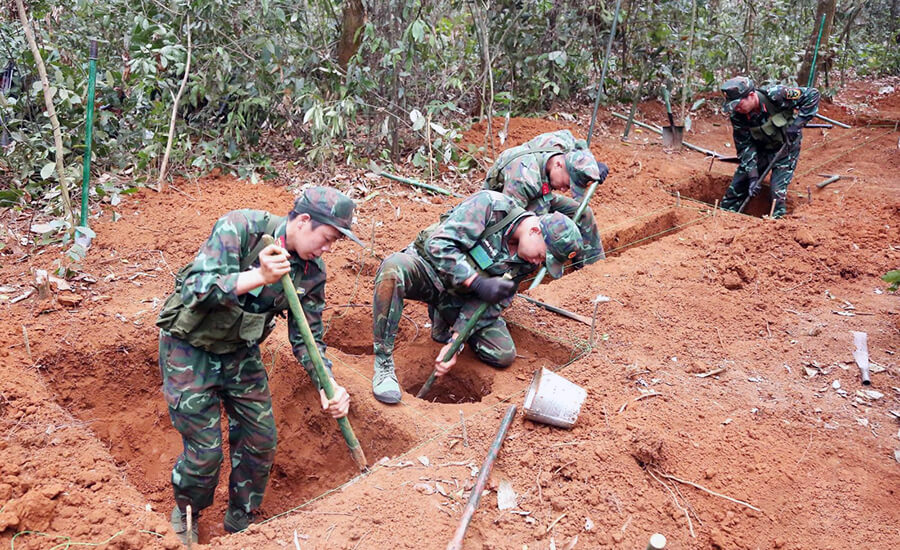
Then he covered the vents with tree branches, leaves, and dirt so that no visible smoke could escape. In front of the stove, he also dug a large hole and covered the roof with plastic or leaves to store cooking items, covering the firelight. Underneath, he made a hole like a smoke cellar, giving more air for the fire to burn more strongly.
Efficacy of Hoang Cam Stove
His creative style of Mr. Cầm was very suitable for a military chef during wartime. They cooked all day, all night, were not afraid of enemy aircraft detection. Soldiers have hot rice and soup every day. Furthermore, military medical institutes have hot water to disinfect medical instruments…
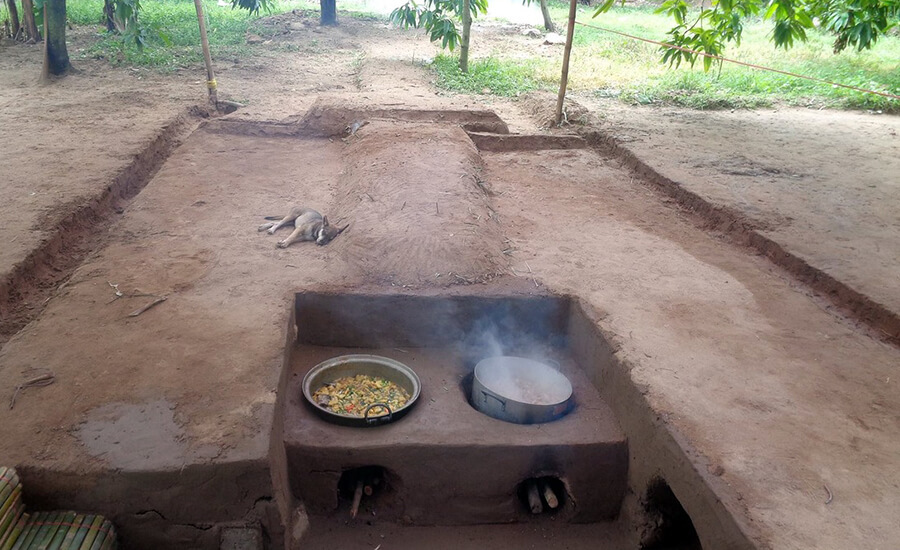
In the end, Cầm’s initiative was of great value in practical and combat operations and made an important contribution to maintaining the health of the troops. To witness and learn more about the Hoàng Cầm Stove, you can visit Cu Chi Tunnels tour with us.
Source: collected by An
Follow us for the best deals on Vietnam package tours and visa services!
Comment (0)