
Saigon, one of the old names of Ho Chi Minh City, is a simple and familiar name, but many Vietnamese people do not know its meaning. The Town in a forest, The Land of Prosperous, The Tribute of the West… are the scholars’ interpretations of this city’s name, over 300 years old. So let’s follow Vietdreamtravel and see which explanation is most appreciated.
The Land of Prosperity
Scholar-writer Vuong Hong Sen said that it is impossible to rely on the semantics of the two words “Saigon” and “Prei Nokor” for analysis. According to his study, when the Chinese left Cu Lao Pho (Bien Hoa) in 1773, they gathered in the new land of Cho Lon today. They realize that this is a “Prosperous Land” and needs to be consolidated to be sustainable. The Chinese added a higher and stronger canal bank, and called this land “Tai-Ngon” or “Tin-Gan”, which, according to the Sino-Vietnamese, was De Ngan.
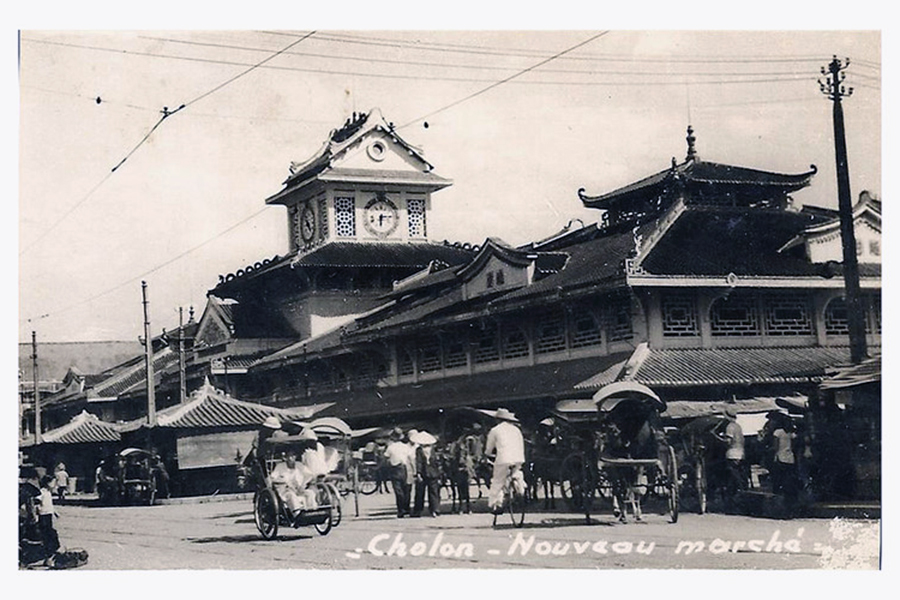
De Ngan, pronounced with a Cantonese accent, sounds like “Thay Ngon” or “Thi Ngon”. And that was the sound to call Cho Lon at that time. According to Mr. Vuong’s theory, the sound “Saigon” comes from “Master Ngon” and “Thi Ngon”.
However, according to Scholar Le Quy Don, there were data in 1674 when Governor Nguyen Duong Lam obeyed Lord Nguyen’s orders to attack Cambodia and break Saigon’s stronghold… This is also the first time the two words “Sai Gon” appear in Vietnamese documents. This proves that the word “Saigon” predates the arrival of the Chinese in Cho Lon, so Vuong Hong Sen’s explanation is unconvincing.
The Tribute of the West
The French scholar Louis Malleret said that Saigon is derived from the word “Tay Ngon,” meaning “tribute of the West.” The “Tay Ngon” is pronounced with a Chinese accent as “Saigon”.
Mr. Malleret followed this theory because of historical data recorded by Trinh Hoai Duc. When Cambodia was divided into two states, both kings paid tribute to Lord Nguyen in Prei Nokor.
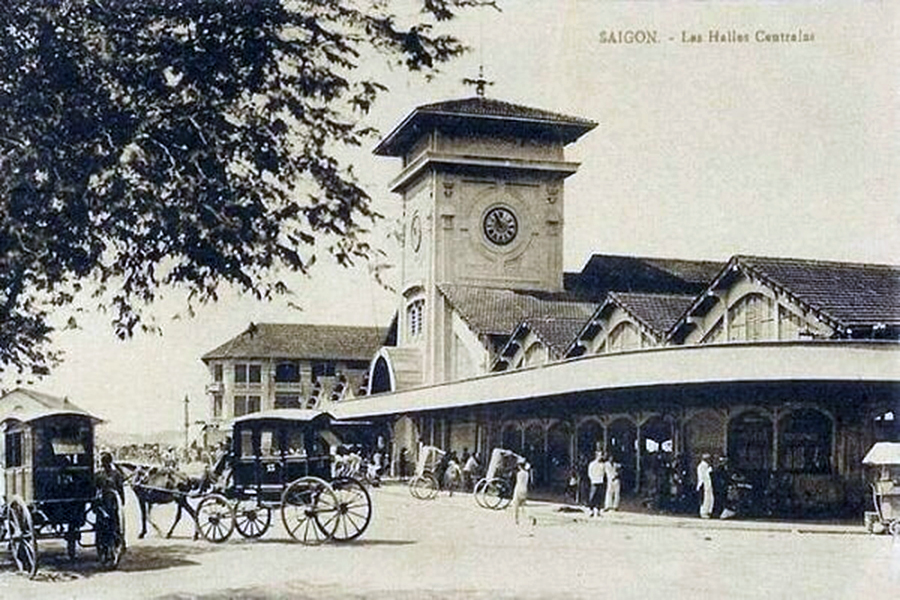
Regarding this explanation by the French scholar, Mr. Vuong Hong Sen said that “Tay Cong” was used by the Chinese only later. In the past, the Cho Lon area was called Saigon, but when the French occupied the Southeast provinces, they called the Ben Nghe area Saigon because the name Ben Nghe was too difficult for them to read.
The town in the forest
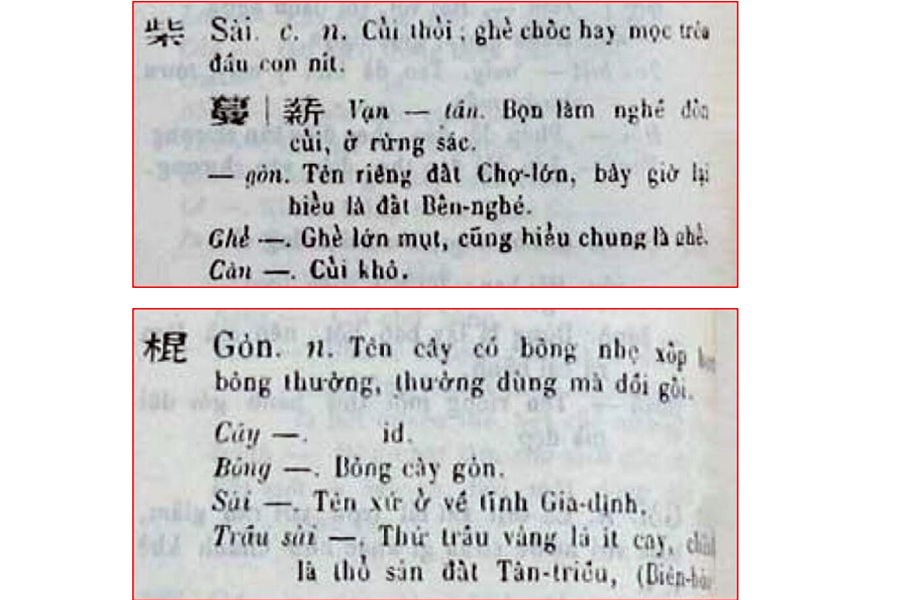
Based on the words “Sai” meaning “firewood” and “Gon” meaning “cotton tree”, researcher Huynh Tinh Cua gave the meaning of Saigon as “firewood of cotton tree”.
Scholar Truong Vinh Ky said that the name Saigon was transliterated from “Prei Nokor” of the Khmer, which means town in the forest. Gradually, people made mistakes in reading, from “Prei” to “Rai” and then to “Sai,” and the word “Nokor” was read as “Kor” and then to “Gon”.
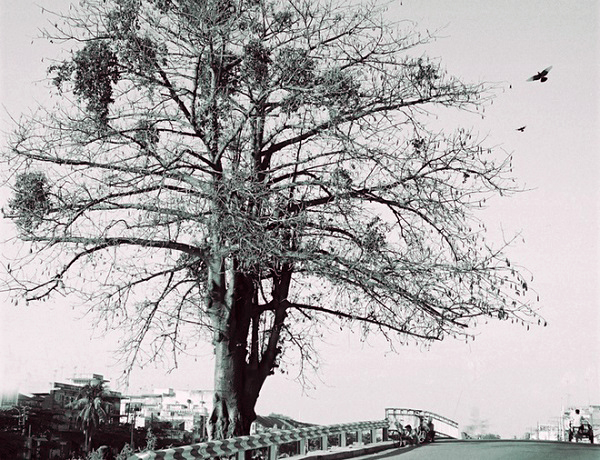
This explanation rests on the fact that, in the past, Prei Nokor was a dense forest with many cottonwood trees used by local people for firewood. Scholar Truong Vinh Ky recounted that the ancient Khmer planted cotton trees around Cay Mai fort. He himself also saw some ancient trees there in 1885.
After Truong Vinh Ky, Governor Le Van Phat agreed with this explanation. He said that not only the Khmer but also the Lao people called this area “the forest of cotton trees” through the word Cai Ngon. However, this hypothesis is considered unfounded because, over time, no one has found any traces of a “forest with many cotton trees” at Prei Nokor; that is just speculation.
The origin and meaning of the name Saigon will remain controversial, but many scholars have noted that this uncertainty makes Saigon more mysterious and attractive, and arouses curiosity to learn.
On July 2, 1976, upon the formal establishment of the modern-day Socialist Republic of Vietnam, the new government renamed Saigon as Ho Chi Minh City after the President. Ho Chi Minh, the former leader of the Vietnam Communist Party. However, when recalling memories, people usually refer to this area of Saigon City.
Comment (0)