Tet Nguyen Dan (Vietnamese: Tết Nguyên Đán or Tết), also known as the Vietnamese Lunar New Year, is the biggest festival in Vietnam. According to Vietnamese customs, Tết is a family-oriented celebration and an occasion for family members to meet. It is also an occasion for people to light incense in commemoration of their deceased relatives. The Lunar New Year’s festival is the most sacred celebration in Vietnam during which people wish each other health and happiness. But do you know when the Vietnamese Lunar New Year is and what it means?
What is the date of the Vietnamese Lunar New Year?
Tết follows the lunar calendar, which is based on the motions of Earth around the Sun and of the Moon around Earth. The first day of the Vietnamese Lunar New Year never falls before January 21 or after February 19 of the Gregorian calendar. It usually falls between late January and mid-February on the Gregorian Calendar.
Origin of Tet Nguyen Dan
The origin of Tết is still controversial, but most sources say it originated in China and was introduced to Vietnam over 1,000 years ago. Tết is generally celebrated on the same day as Chinese New Year, except when the one-hour time difference between Vietnam and China causes the new moon to fall on different days.
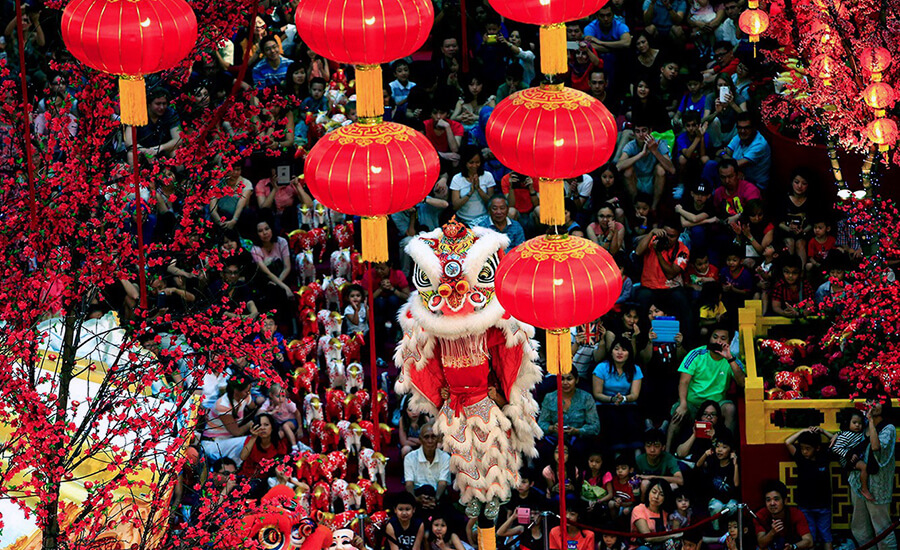
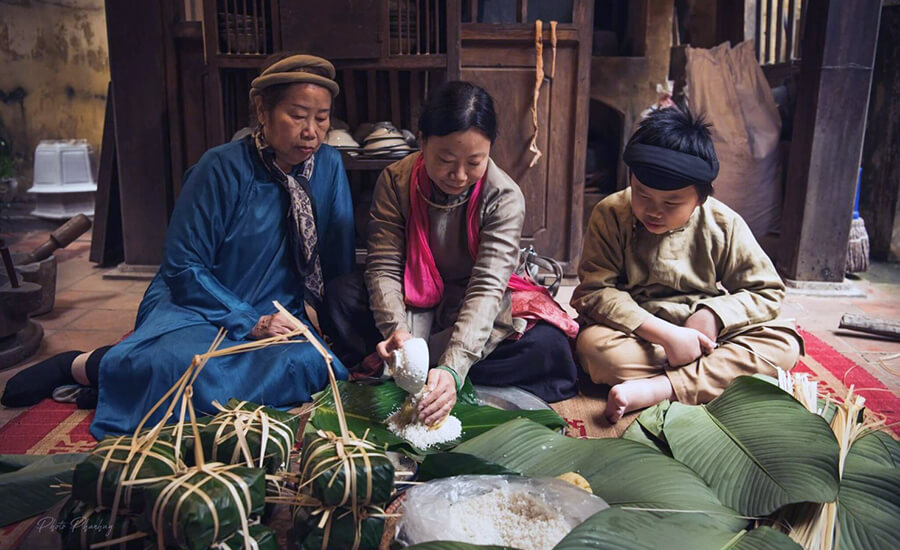
But it did not originate from China. According to the legend, Vietnamese people had celebrated the Tết festival with “Bánh Chưng” (rice cake), made from glutinous rice, mung beans, pork, and other ingredients, for 1,000 years before colonization. The creation of “bánh chưng” was credited to Lang Liêu, a prince of the Hung King VI of the Hung dynasty (c. 1712 – 1632 BC). Tết in Vietnam and China may influence each other but still have their own characteristics.
The profound meaning of Tet Nguyen Dang to Vietnamese
Tết is the first day of the new year; everyone has the opportunity to review the old work and “refresh” everything. New jobs can be started, such as cleaning, sweeping, lime application, painting, and refurbishing the house. The floor is scrubbed, and the incense burner is polished. Everybody wears new clothes. This is also an opportunity for people to renew their emotional and spiritual well-being so that their relationships with relatives are closer, more relaxed, and more cheerful…Debts are paid before going through Tết. For each person, sorrow and quarrels are put aside. During the holiday, everyone laughs together, speaking slowly, politely, hoping the whole year will be good. The new year brings people optimism about life.
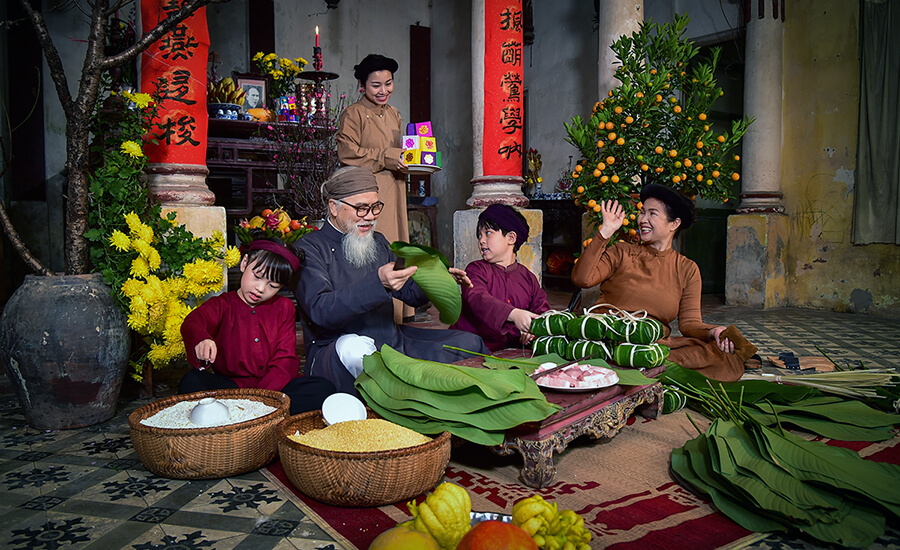
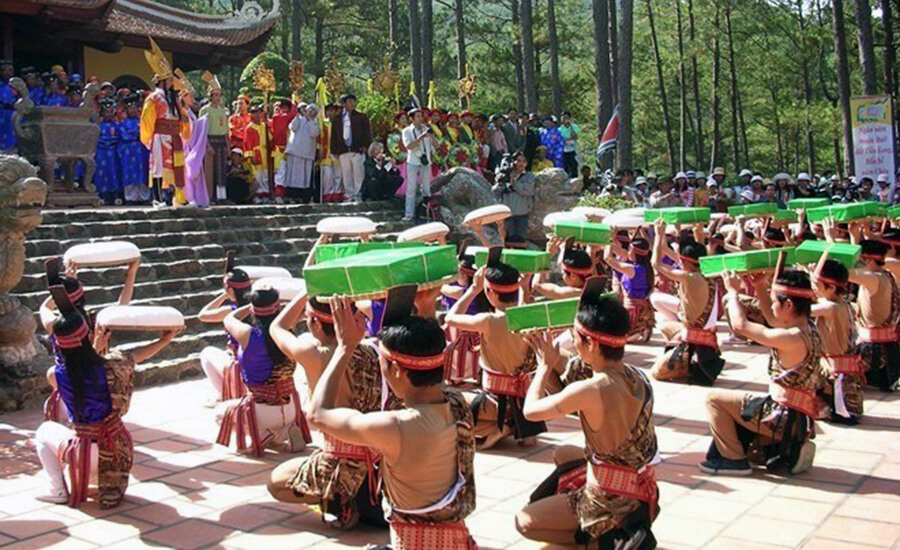
Vietnamese people have a custom every year when Tết comes, no matter what their profession, wherever they are, they wish to return to reunite with their family for the first 3-days of the Lunar New Year, to pray before the ancestor altar, revisit the temple, the tomb, the yard, … to relive memories full of the love of beloved childhood. “Coming home to celebrate Tết” is not a common concept of going home or returning, but a pilgrimage to the origin, to the native place. According to Vietnamese concepts, it’s time to build relationships among neighbors, friends, and relatives…
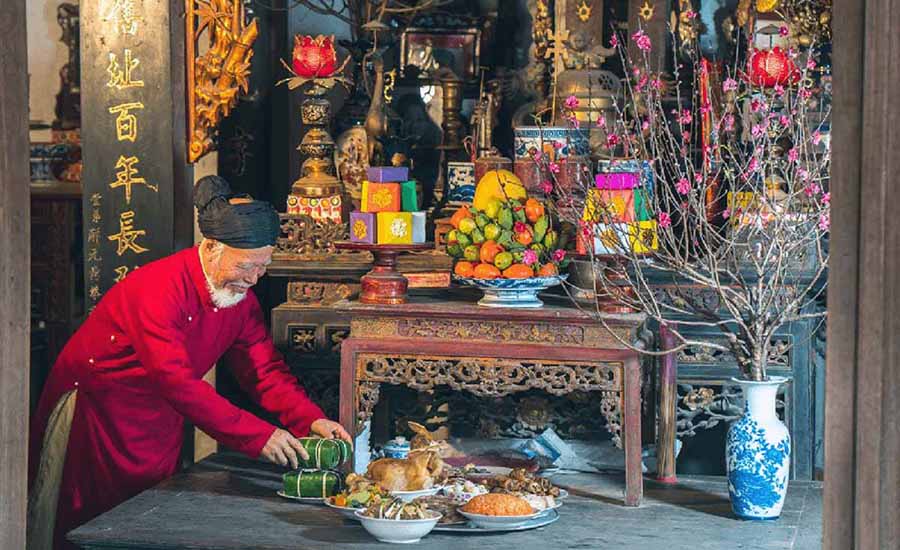
Tết Nguyên Đán is also a reunion day with all those who have died. In every Vietnamese family, the ancestral altar has a very important position. The home altar on the Tết holiday is an expression of the Vietnamese people’s respect for their ancestors and deceased relatives, with carefully selected fruit trays; trays with many delicious dishes or familiar dishes of the deceased.
Tết is the birthday of every Vietnamese person; everyone gets one year older. Adults celebrate for children and the elderly. They wish children to eat more, grow up rapidly, and study well. For the elderly, wish them a healthy, long life and rejoice so that their children and grandchildren will be filial and blessed. Here are some common wishes for Tết:
- Sống lâu trăm tuổi (long life of 100 years): used for elders. Traditionally, children wish their grandparents health and longevity.
- An khang thịnh vượng (security, good health, and prosperity)
- Vạn sự như ý (may myriad things go according to your will)
- Sức khỏe dồi dào (Plenty of health)
- Tiền vô như nước (may money flow in like water): used informally
- Cung hỉ phát tài (Congratulations and be prosperous)
- Năm mới thắng lợi mới: New year, new triumphs (often heard in offices)
- Chúc hay ăn chóng lớn: Eat more, grow rapidly (for children)
- Năm mới thăng quan tiến chức: I wish that you will get promoted in the new year
- Năm mới toàn gia bình an: I wish that the new year will bring health to all your family
Vietnamese people choose Lunar New Year as an opportunity to give thanks. Children give thanks to parents, parents give thanks to grandparents and ancestors; leaders thank the staff via parties or bonuses; or visit and thank teachers…
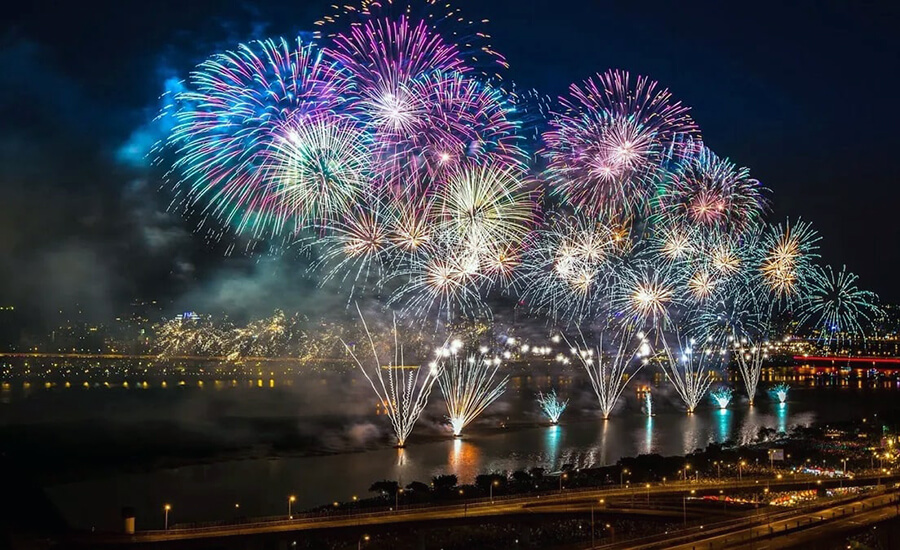
The Vietnamese Lunar New Year also shows the communion between heaven, earth, people, and spirits. The farmers consider this an opportunity to commemorate the gods related to the gain and loss of crops, such as the Earth god, Rain god, Water god, and Sun god. The farmers also do not forget the animals and plants that helped and nurtured them, from rice to cattle, poultry… in these days.
In the end, traveling to Vietnam during the Tet Nguyen Dan period is also a good idea, as you cannot only witness many cultural activities but also enjoy pleasant weather throughout the country.
Comment (0)