
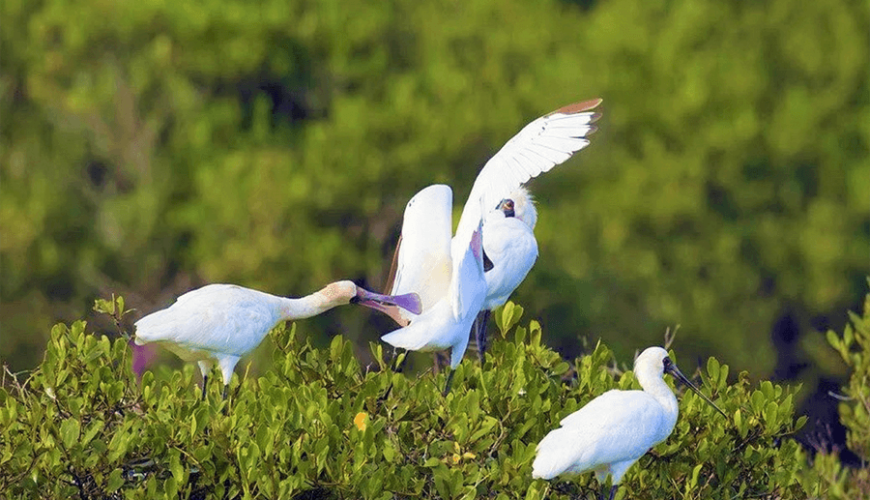
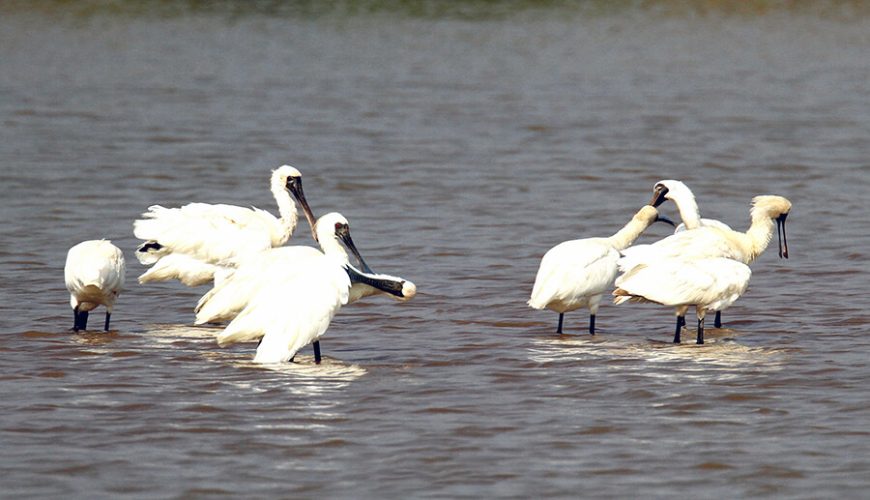
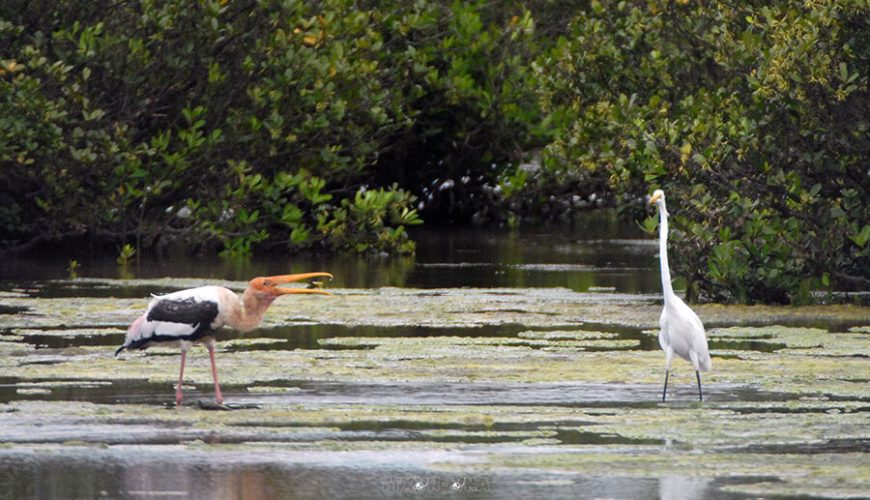
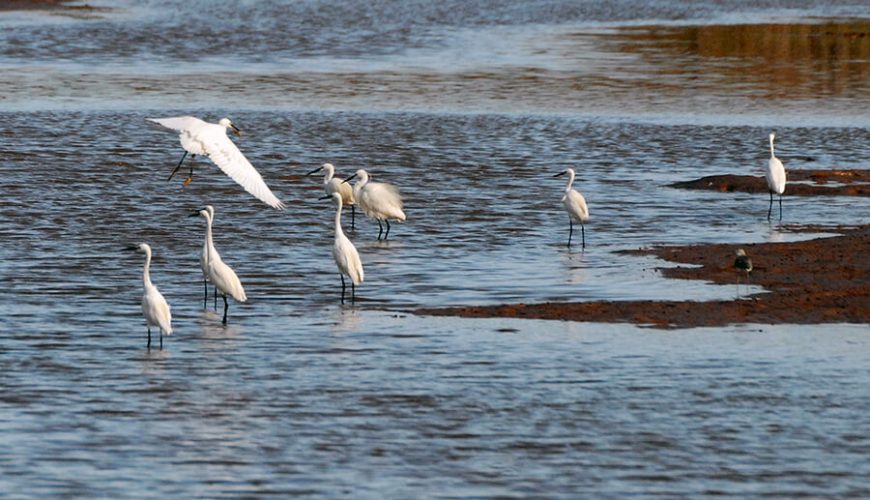
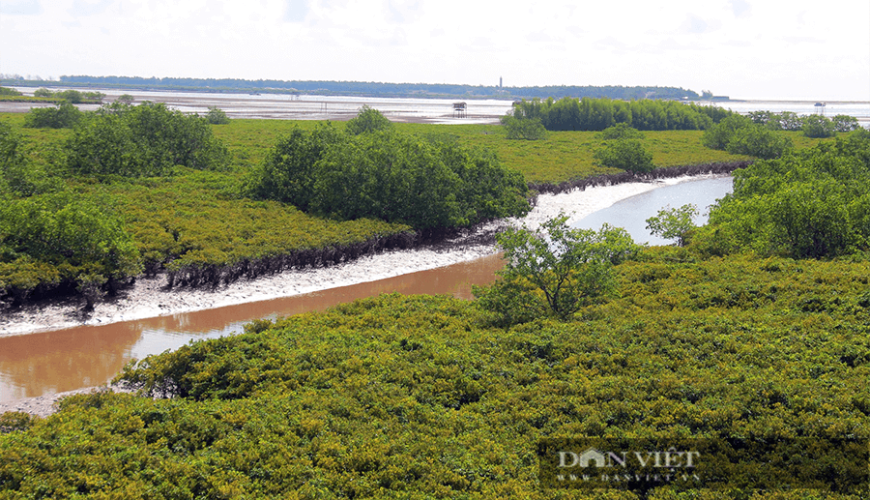
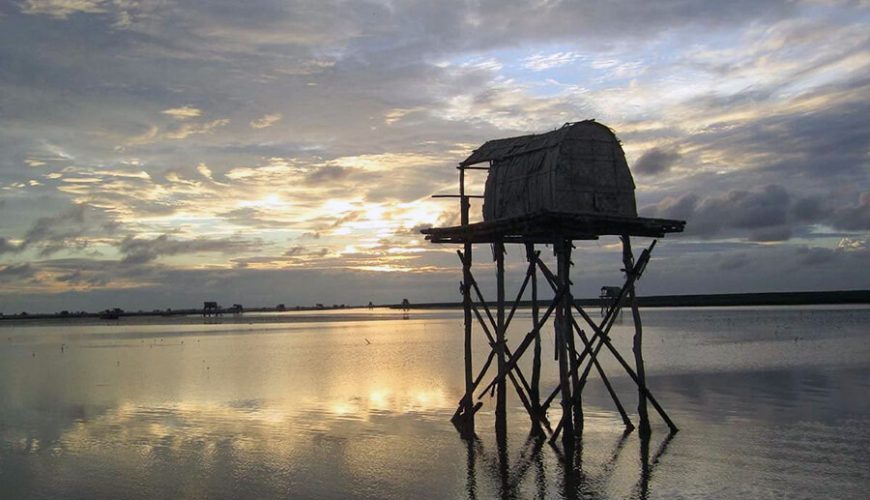
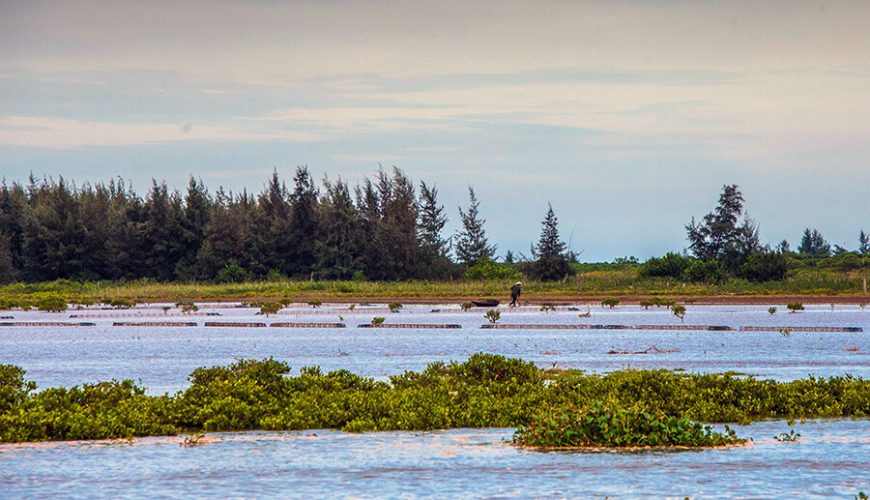
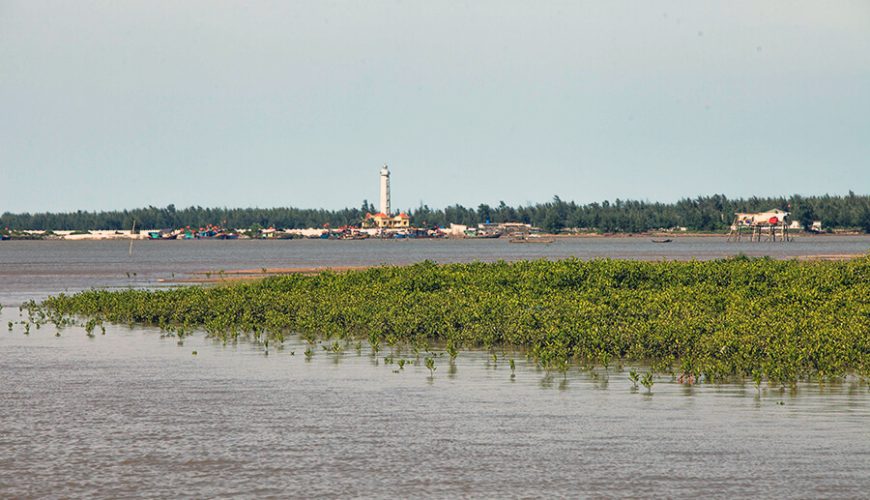
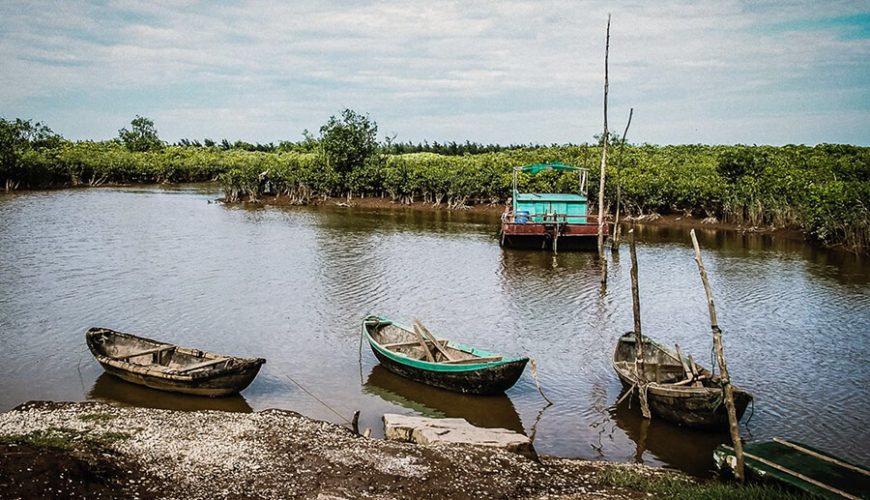
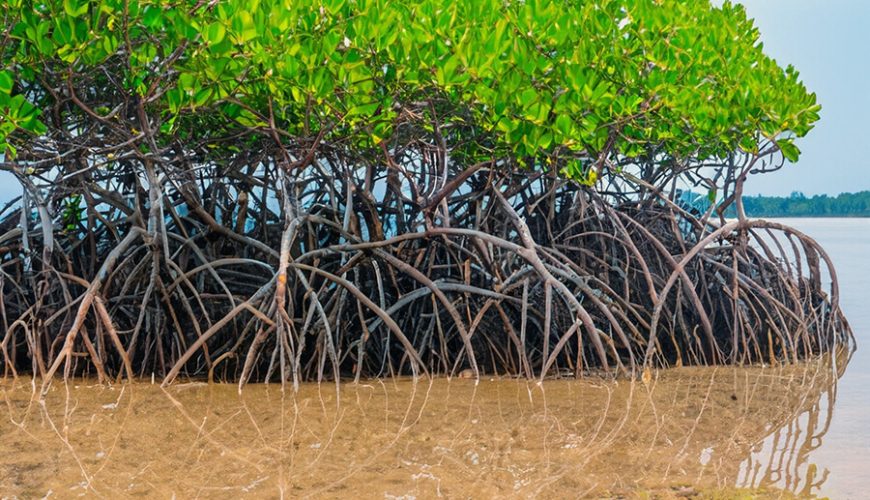
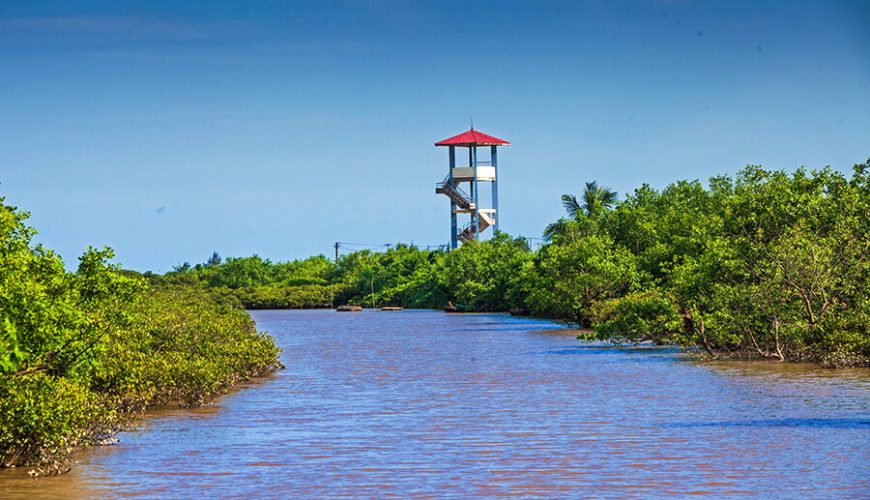
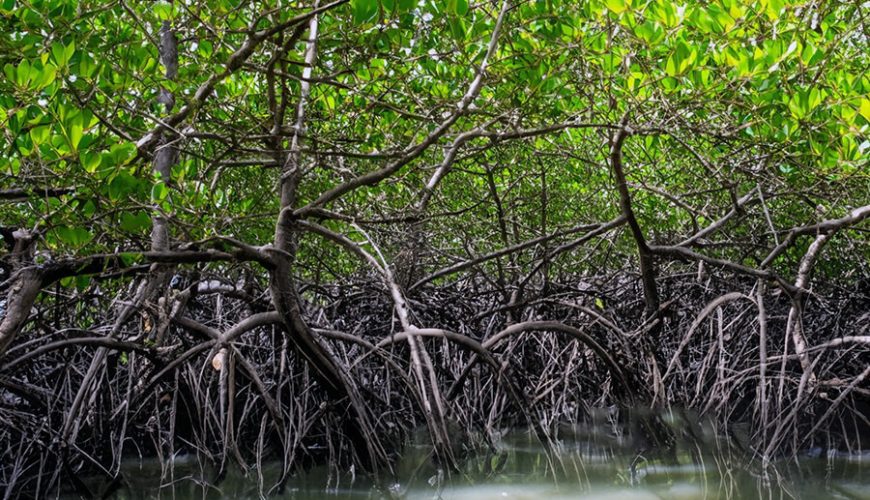
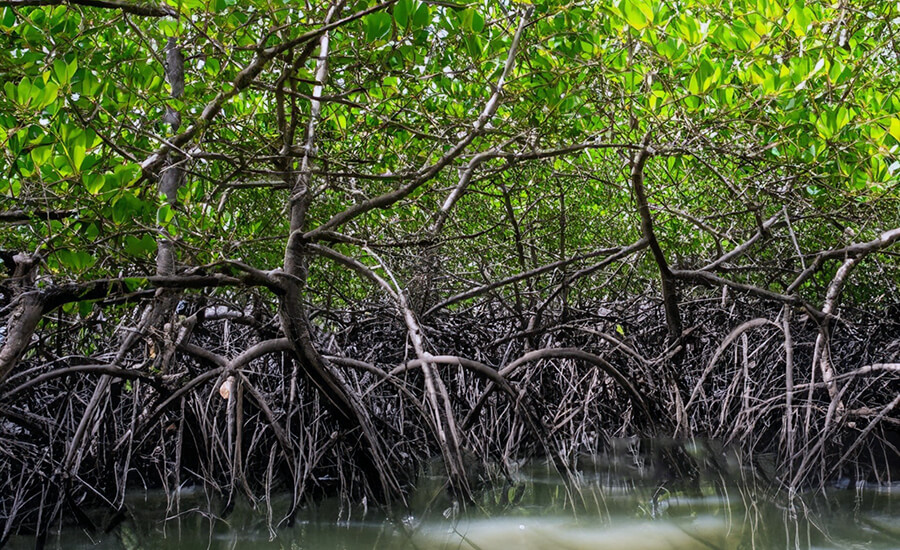
Xuan Thuy National Park is recognized as the first Ramsar site in Southeast Asia, with a diverse wetland ecosystem that includes a variety of birds, storks, and wild trees. From the observation tower, Xuan Thuy National Park looks far away and is as beautiful as a watercolor painting.
The first Ramsar Reserve site in Vietnam and Southeast Asia
The Ramsar Convention is an international treaty on wetlands signed in Ramsar, Iran, in 1971. This is an international treaty for the conservation and sustainable use of Ramsar sites (wetlands). The purpose is to prevent the increasing encroachment on wetlands and to recognize their ecological and scientific functions and cultural values.
To date, Vietnam has 9 wetlands recognized as Ramsar sites. In January 1989, the alluvial area in the south of the Red River estuary in Xuan Thuy district, Nam Dinh (Xuan Thuy National Park) was recognized as the 50th Ramsar site in the world and the first in Southeast Asia and Vietnam.
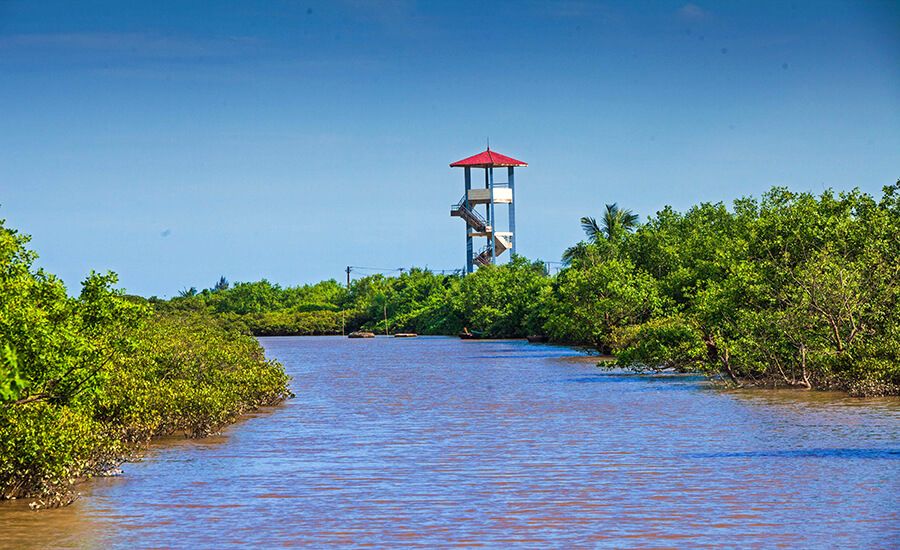
With a total area of up to 15,000 square meters, including a core area of 7,100 hectares, of which 3,100 hectares are forested land at low tide and about 4,000 hectares of flooded land; a buffer zone of 7,233 hectares, including 960 hectares of the remaining area of Ngan islet, the entire inner beach with an area of 1,997 hectares. Xuan Thuy National Park spans 03 communes: Giao Minh, Giao Hoa, and Giao Phuc.
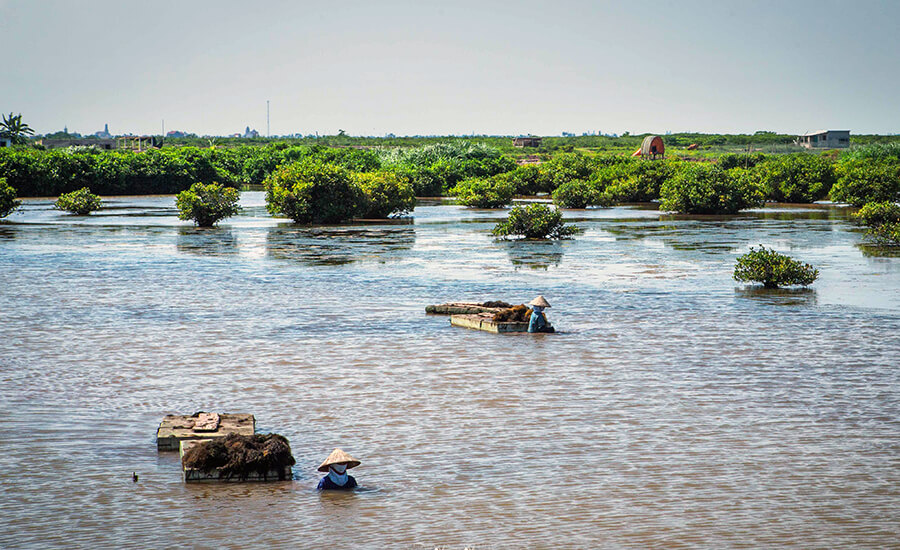
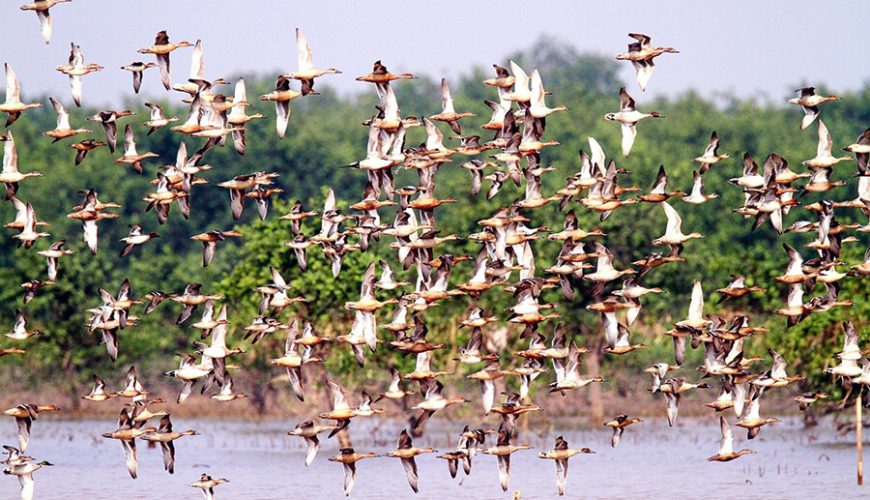
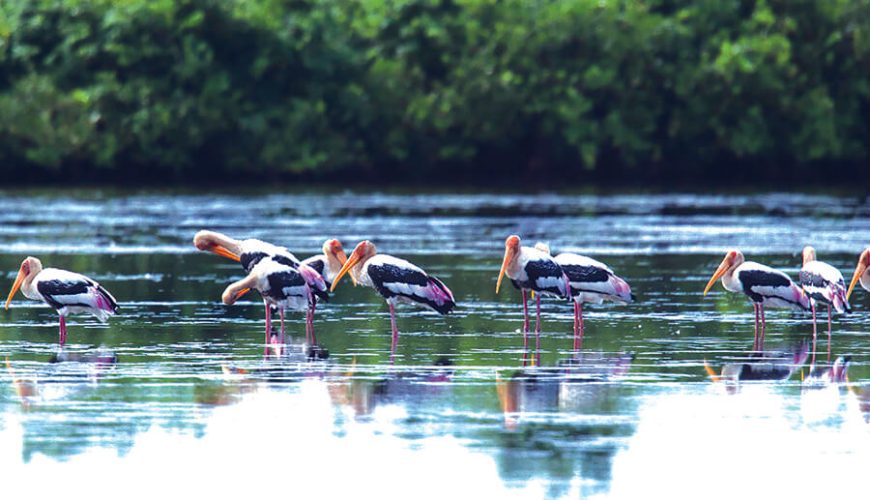
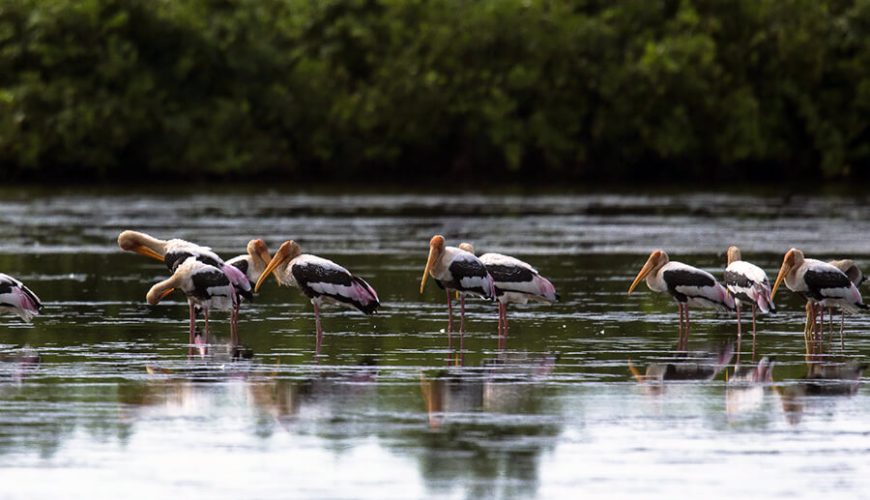
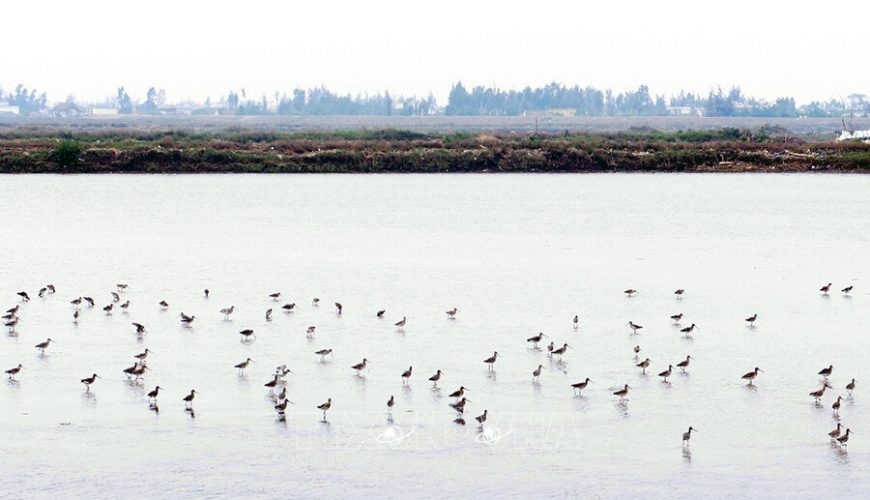
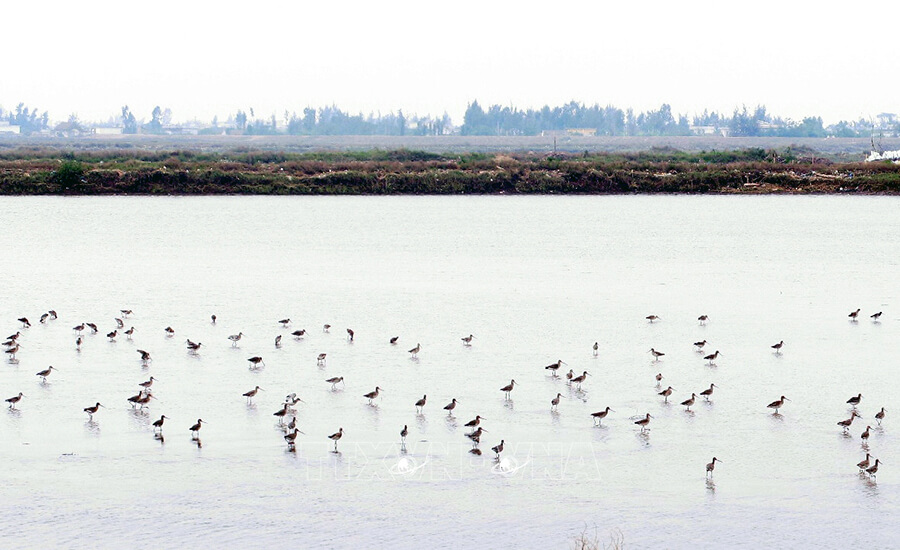
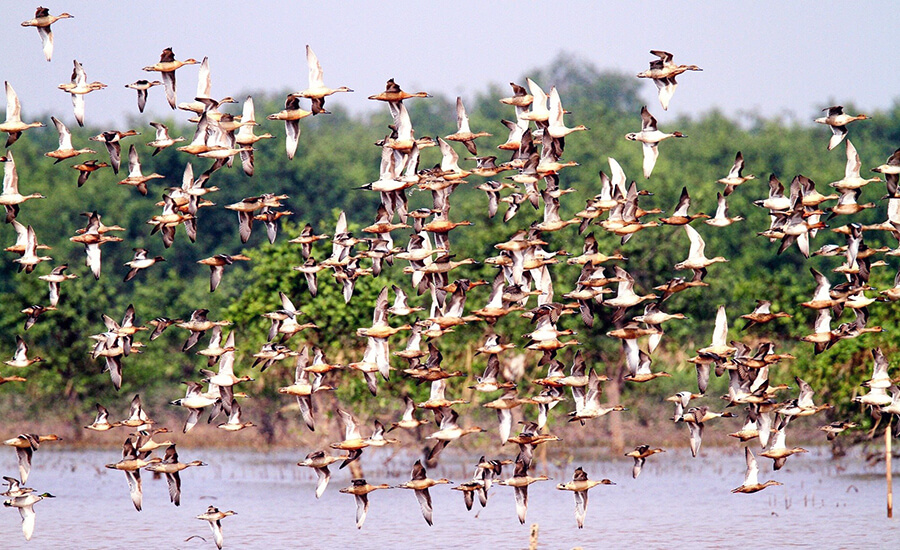
Xuan Thuy National Park is known for its many bird varieties. There are 215 species, including 160 types of migrating birds and 50 types of water birds, according to the latest survey carried out by International Bird Life.
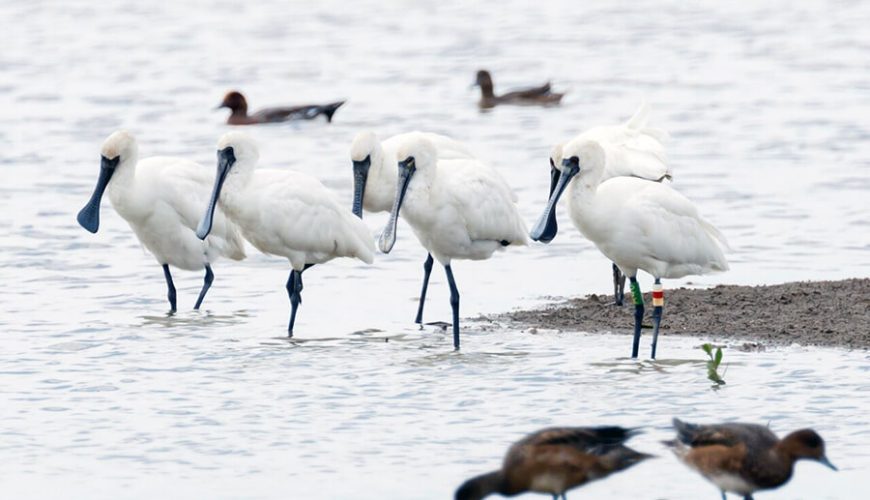
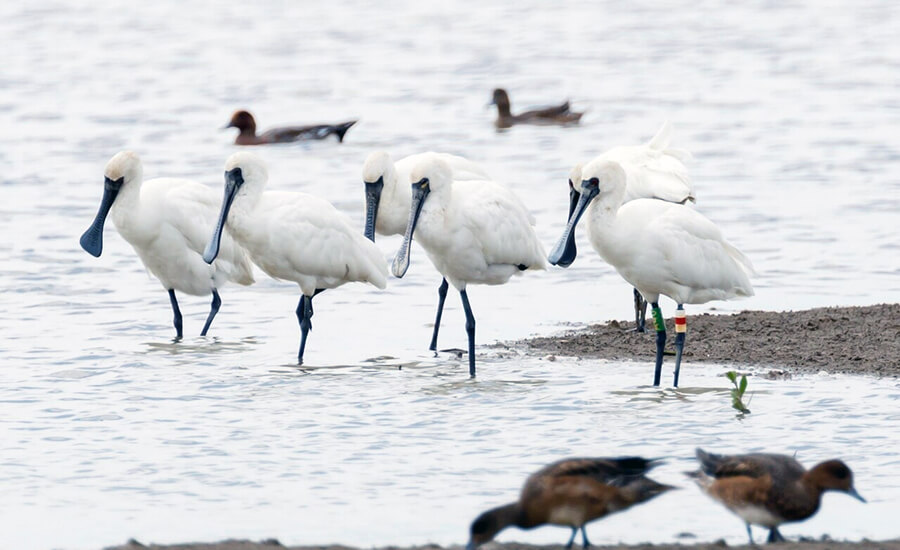
Nine of these species, including the black-faced spoonbill and the northern white egret, are listed in the world’s Red Book of rare animals. The black-faced spoonbills found in the reserve account for one-fifth of the world’s bird community.
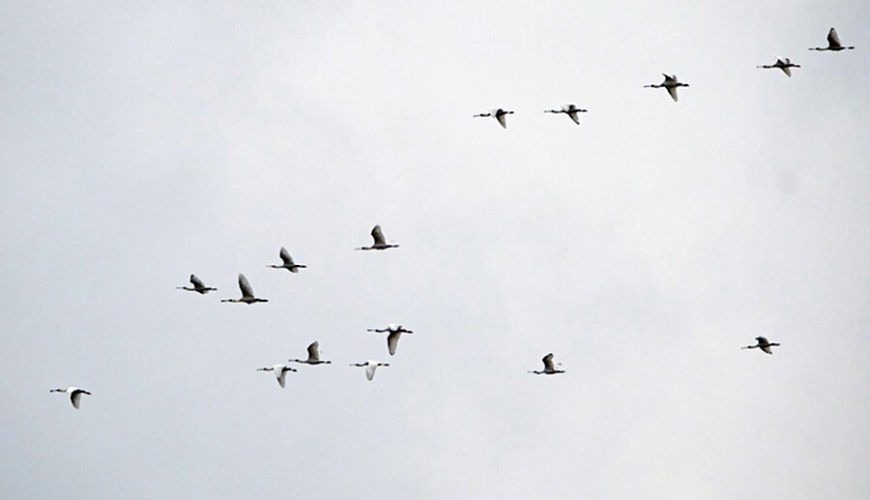
Shrimp, fish, and crabs are the main food sources for birds. From November to April, Xuan Thuy National Park is also a meeting place for ten thousand birds migrating from the north.
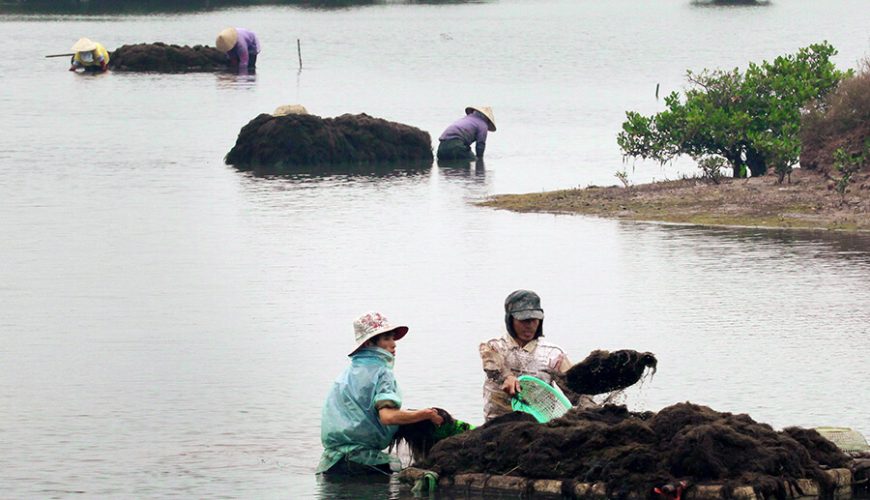
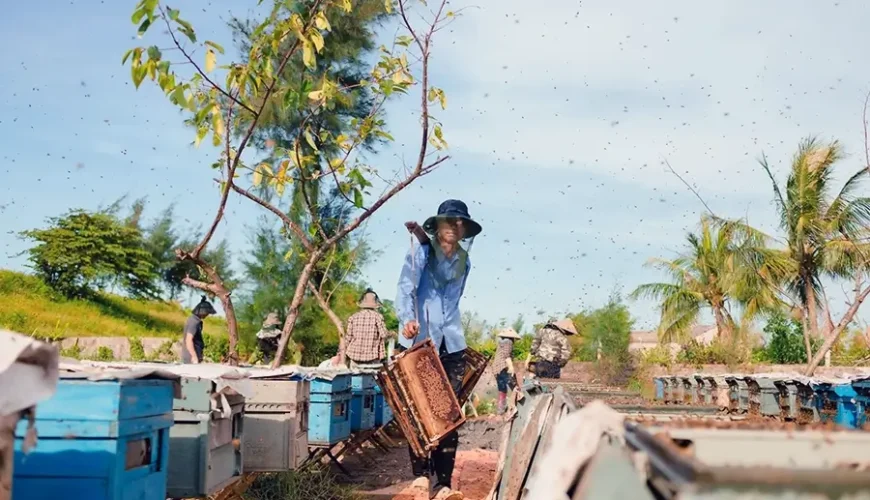
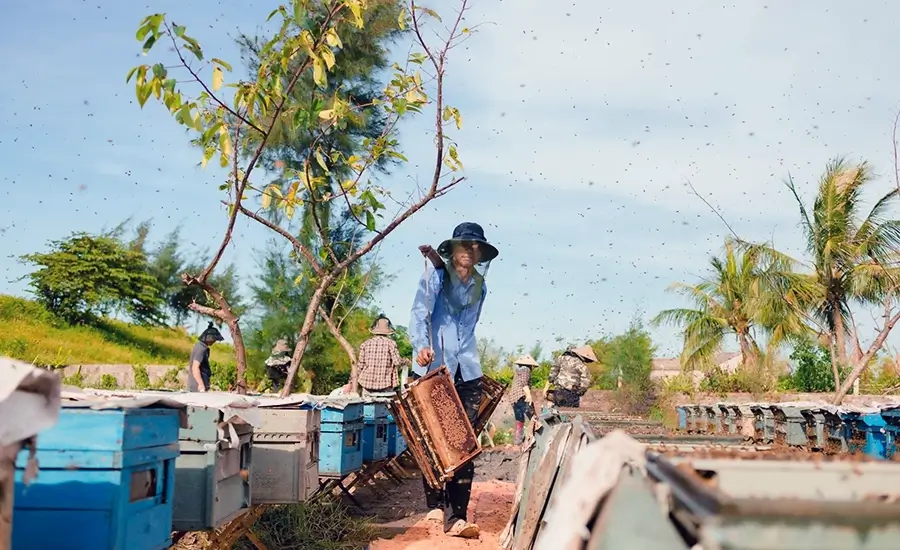
In recent times, Xuan Thuy National Park has introduced new livelihoods such as mushroom cultivation, beekeeping, and clam farming to generate new income while conserving mangrove ecosystems. With the profession of producing honey from mangrove forests, every year, about a thousand bee colonies are brought into the mangrove to take care of and harvest the bees. Therefore, people often call the honey here “honey of the sea”.
A hot destination in Ninh Binh
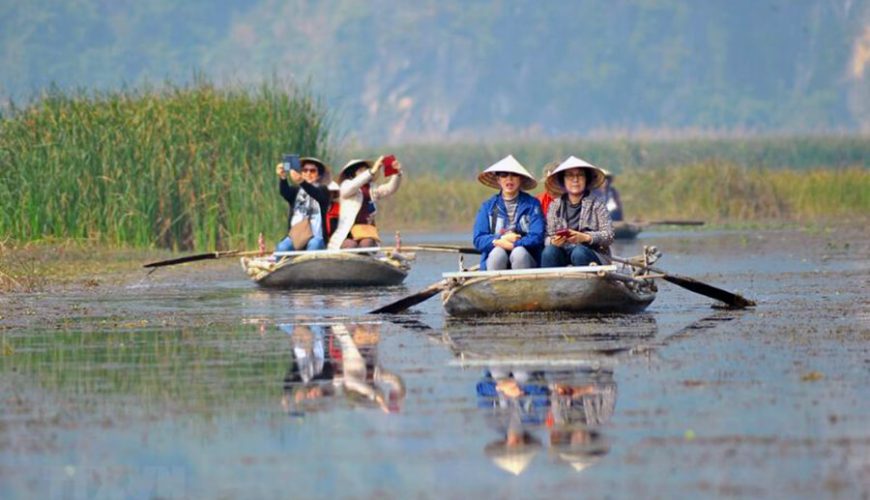
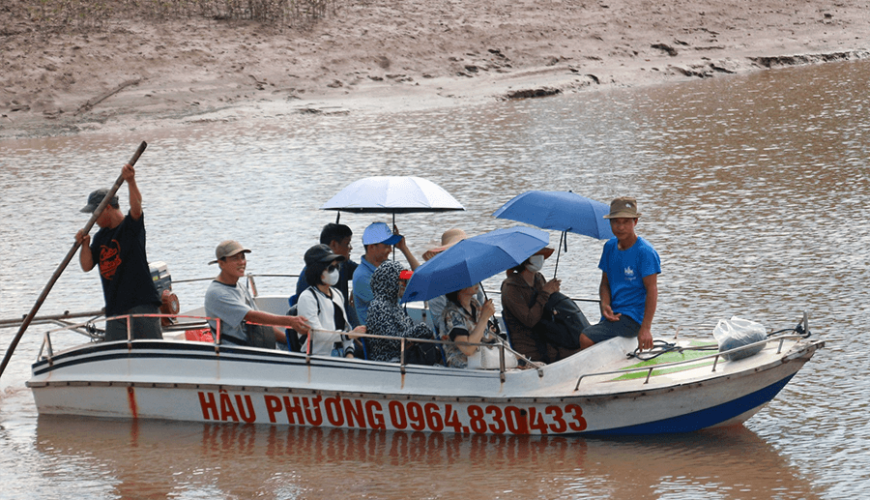
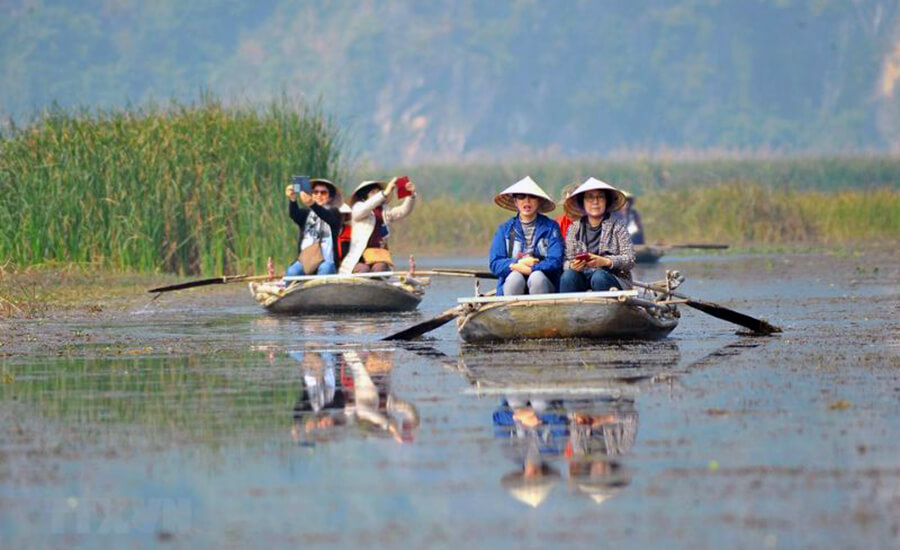
The atmosphere at Xuan Thuy National Park is always fresh, and the scenery is peaceful and poetic. In recent years, Xuan Thuy National Park has attracted thousands of tourists. Visitors can experience a series of services: renting a canoe/motorboat to sightsee and take pictures; camping overnight in the wild with full protective gear; fishing near the shore; observing flocks of birds as the sun sets or rises…
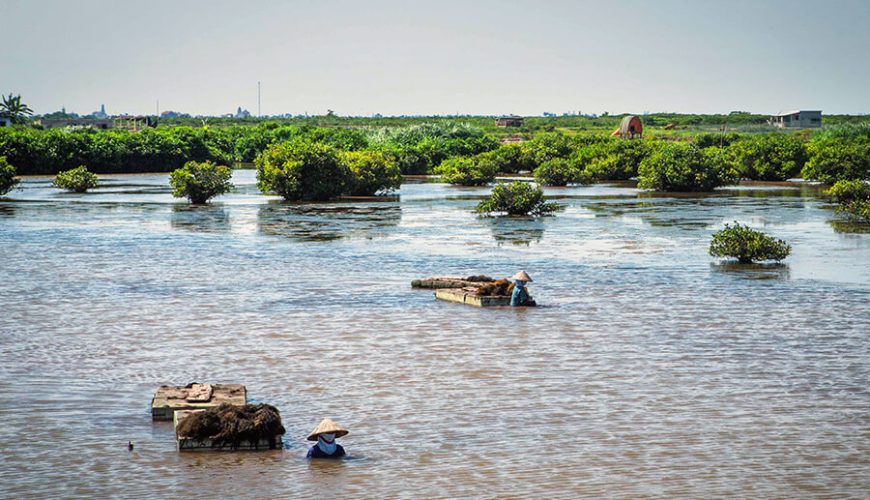
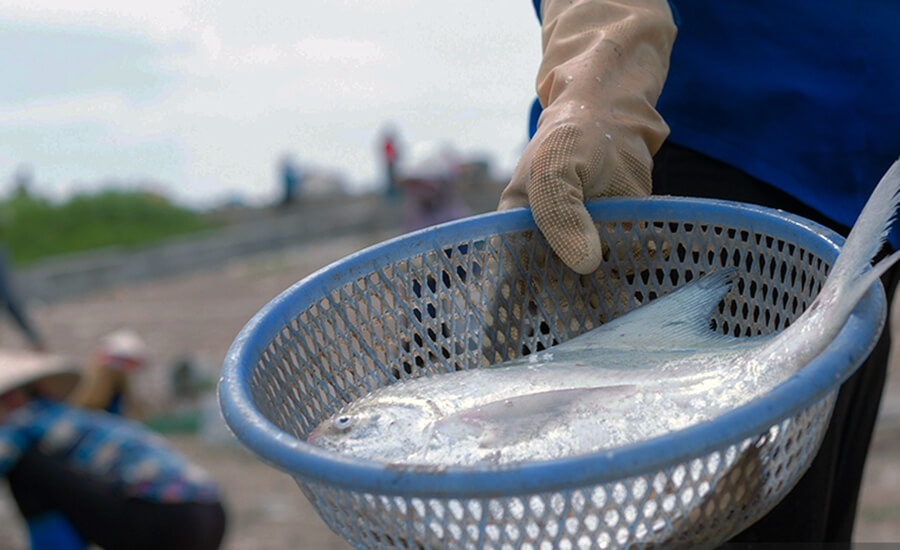
Not only that, the Xuan Thuy National Park is also considered a diverse ecosystem of aquatic species such as clams, crabs, shrimp, fish… Every day, local people still go to Xuan Thuy National Park early in the morning to catch these aquatic species; they catch them manually, by hand, only catching the big ones and leaving the small ones. This is a source of fresh seafood and can be used to make favorite dishes.
Source: collected by An
Follow us for the best deals on Vietnam package tours and visa services!
Comment (0)