
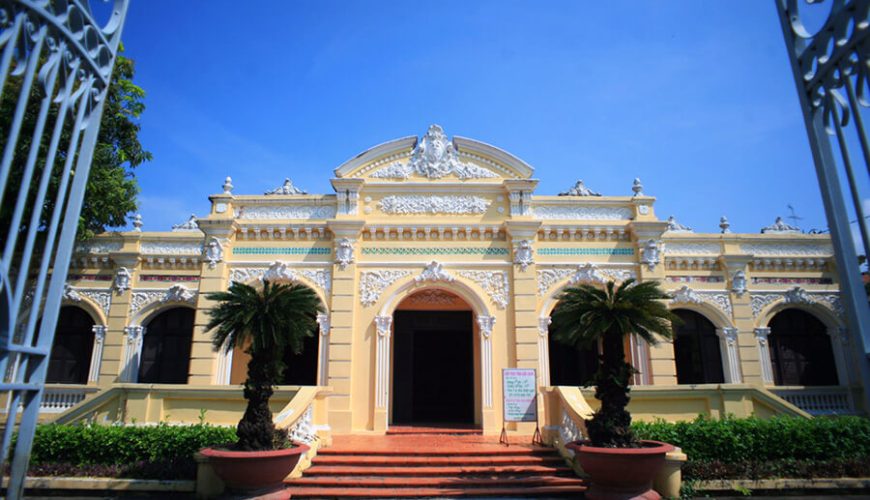
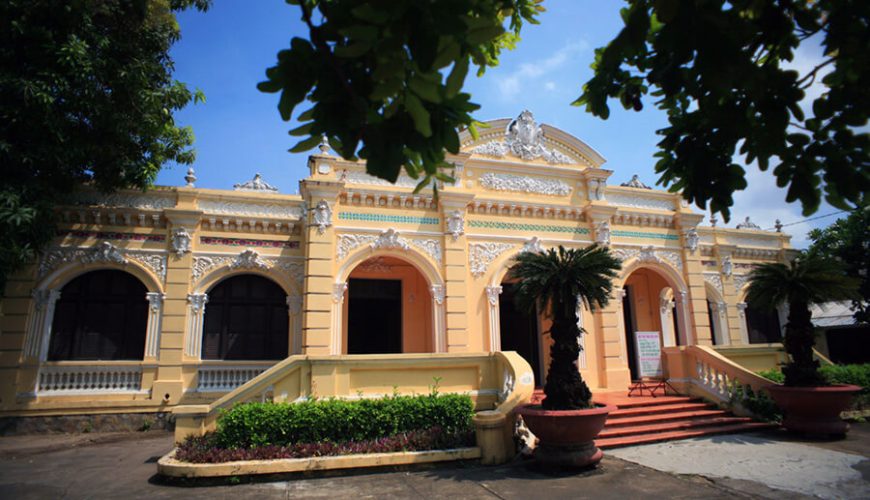
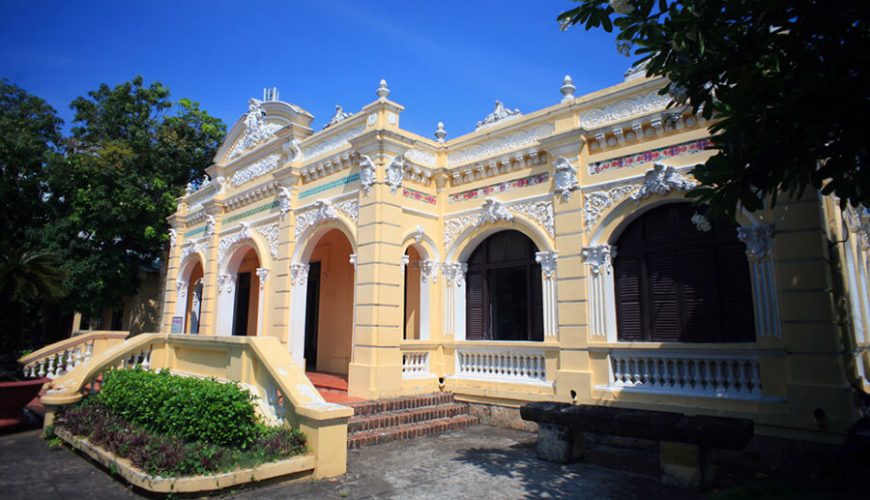
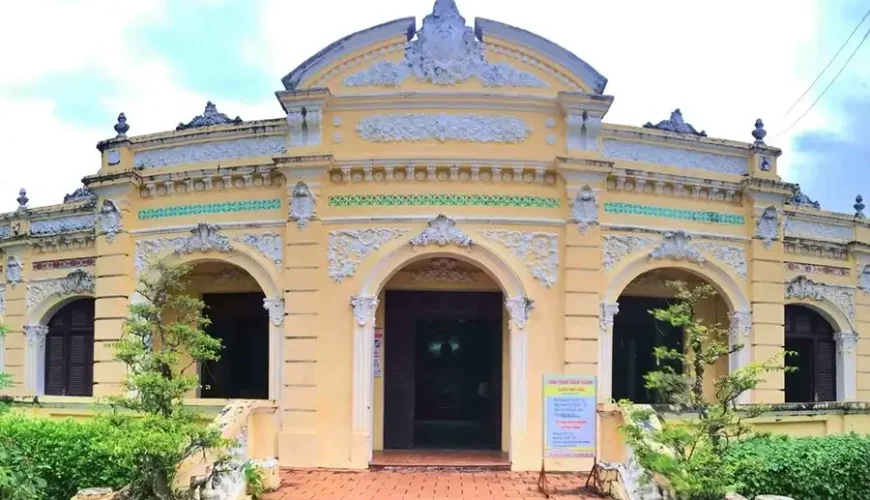
With modern French architecture blended with the ancient features of Southern houses, Kien Giang Museum is a place to preserve the culture, history, land, and people of Kien Giang (now merged into An Giang Province) in an extremely impressive way, through carefully preserved artifacts.
Kien Giang Museum: History, Artifacts, and Architecture
History of formation and development
Kien Giang Museum is located at 27 Nguyen Van Troi Street, Rach Gia Ward, originally the mansion of a famous feudal landlord, Mr. Tran Nhue.
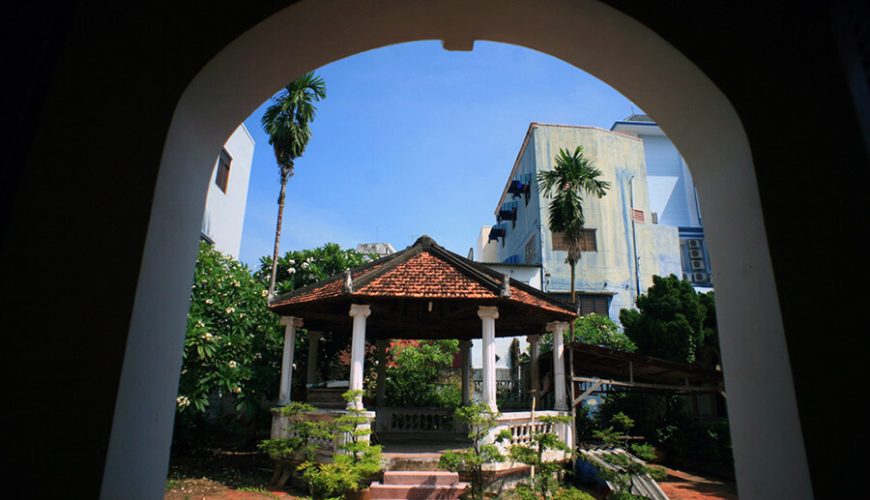
The house was built in 1911 and completed in 1920, with an area of about 2,000 m². Later, Tran Nhue’s third son, Mr. Tran Quang Chieu, inherited this property, so people called it “Mr. Ba Chieu’s house”. During a turbulent historical period, the building served many different functions.
In 1946, when the French colonialists occupied Rach Gia, the largest house in the town was requisitioned as the headquarters of the Provincial Court.
In 1970–1973, the American advisory group in Rach Gia rented this place as the advisory office, because the house was spacious and had a solid fence. From 1973 to 1975, the owner rented it to a refrigeration company as an office. After 1975, the building was taken over by the government, used by the Kien Giang Women’s Association for a short time, and then handed over to the Provincial Art Troupe as its headquarters. In January 1985, the Kien Giang Provincial Museum was officially established, using this ancient house as its headquarters and exhibition space.
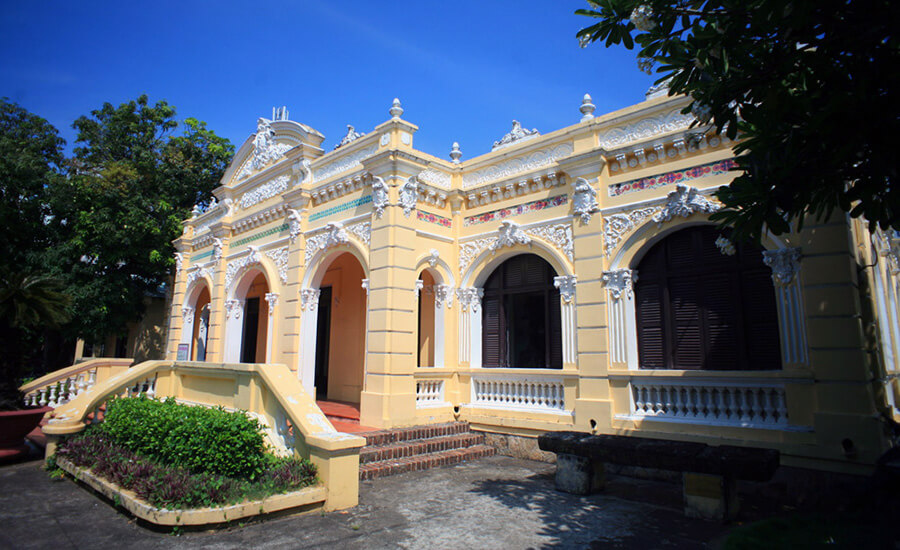
In 1990, the house was ranked as a National Architectural and Artistic Relic by the Ministry of Culture and Information (now the Ministry of Culture, Sports and Tourism). Since then, the building has become both a valuable architectural heritage site and a place to display the province’s historical and cultural artifacts. Over the course of its operation, the museum has continuously added artifacts and innovated in how it displays them to better serve the public’s needs for sightseeing and research.
Typical artifacts and main collections
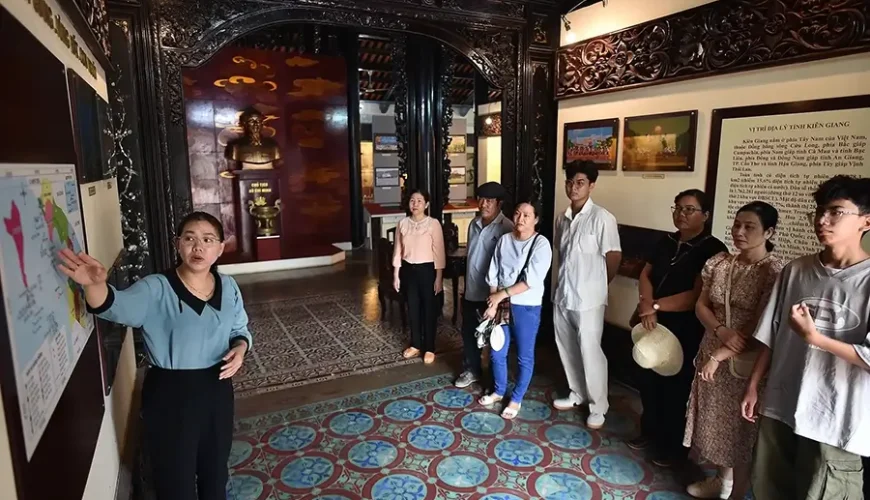
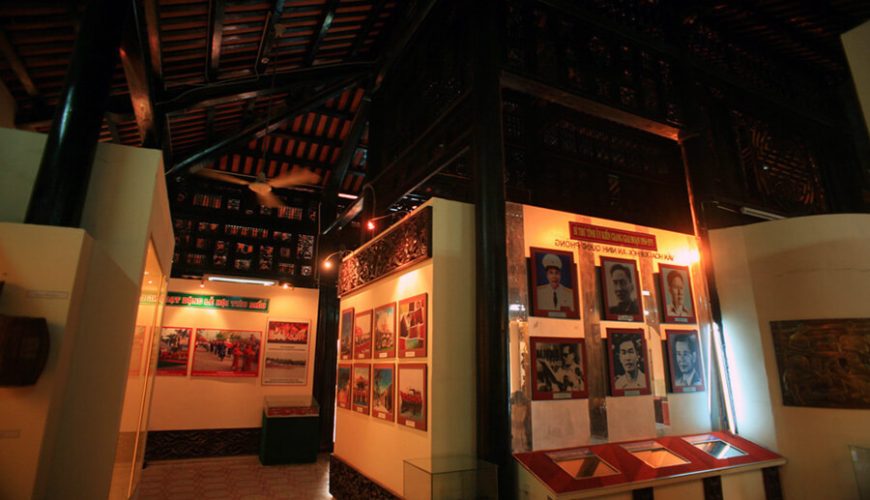
Currently, Kien Giang Museum displays six main topics, corresponding to the typical collections of artifacts of the locality:
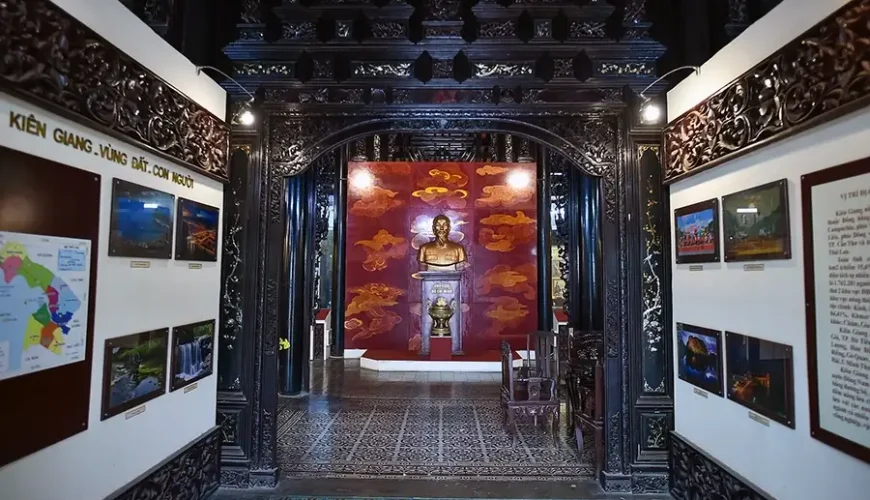
Kien Giang – Land, People: Introducing the natural conditions and cultural life of the ethnic groups of Kien Giang province. This topic displays artifacts associated with the traditional activities of local residents, such as the Southern amateur music instrument, traditional costumes of the Khmer and Hoa ethnic groups, and typical handicraft products of Kien Giang. These artifacts help viewers visualize the province’s diverse community and indigenous cultural identity.
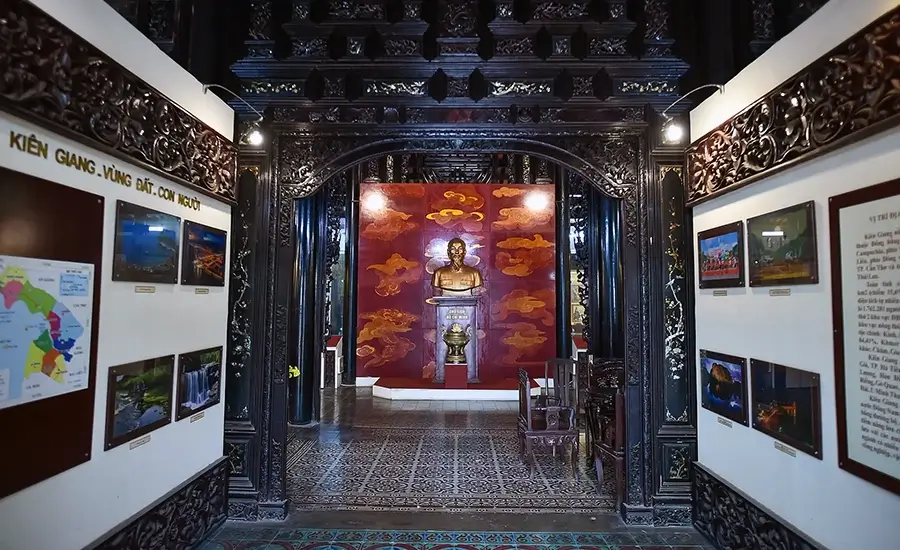
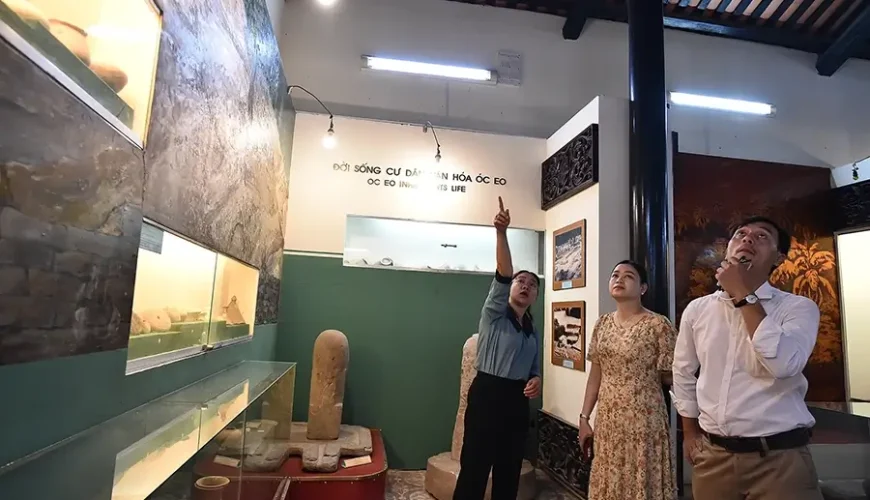
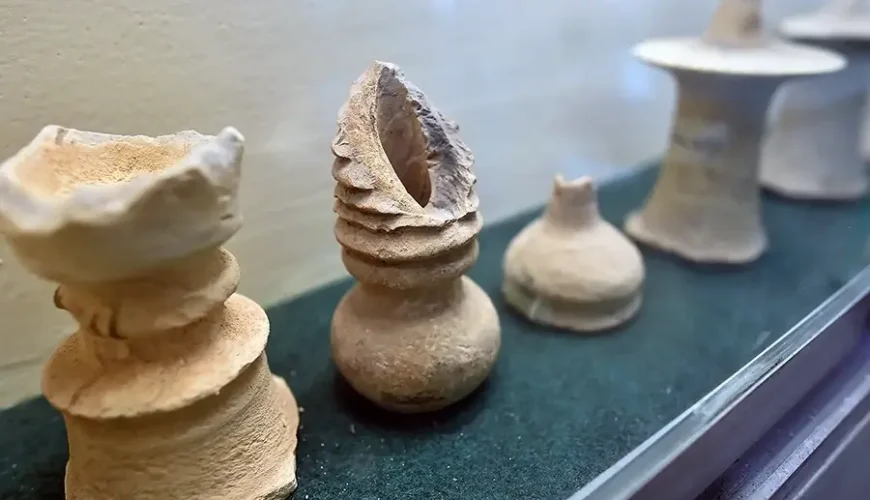
Oc Eo culture in Kien Giang: Introducing the heritages of the ancient Oc Eo culture (belonging to the kingdom of Funan, around the 1st-7th century) discovered in Kien Giang. Typical are the archaeological relics made of gold, pottery, stone… excavated from the Nen Chua site (Kien Luong district) – one of the sites belonging to the Oc Eo civilization.
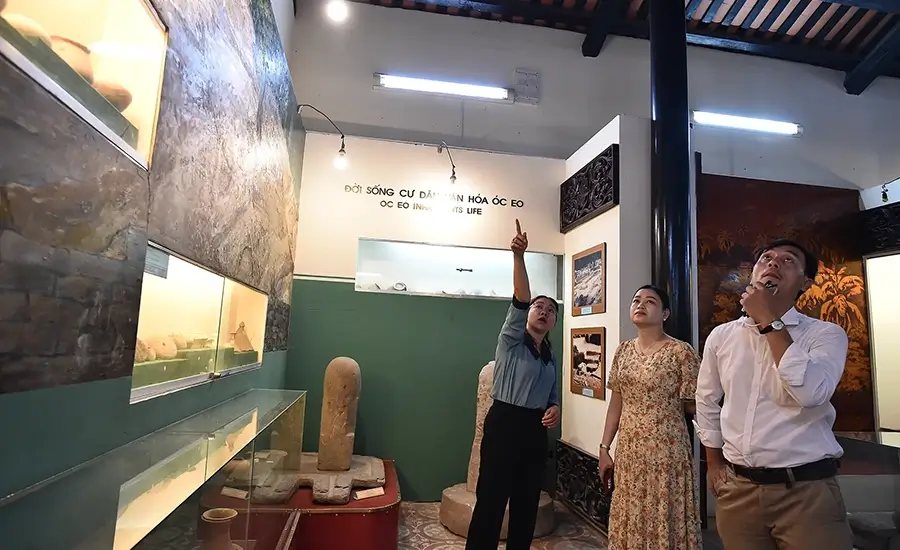
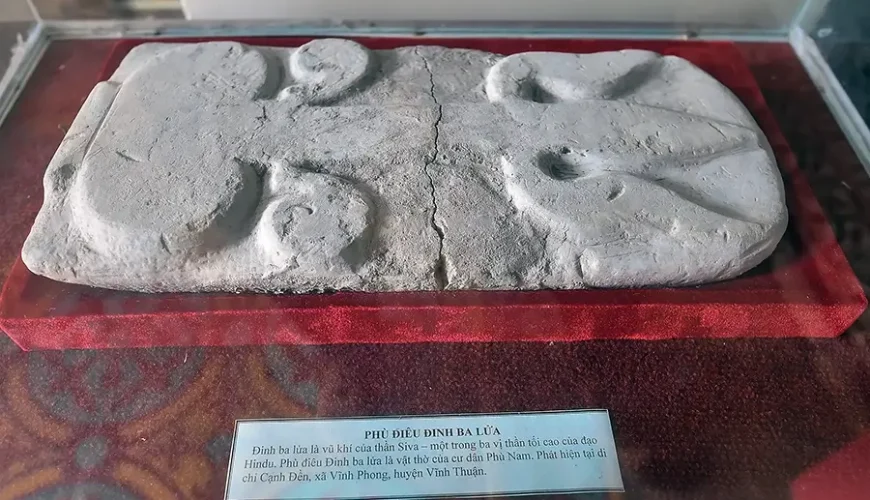
The museum currently preserves a number of rare antiques, such as the “Dinh ba lua” (Fire trident) relief (a religious symbol in Oc Eo culture) and many artifacts showing the fusion of Hinduism and indigenous culture.
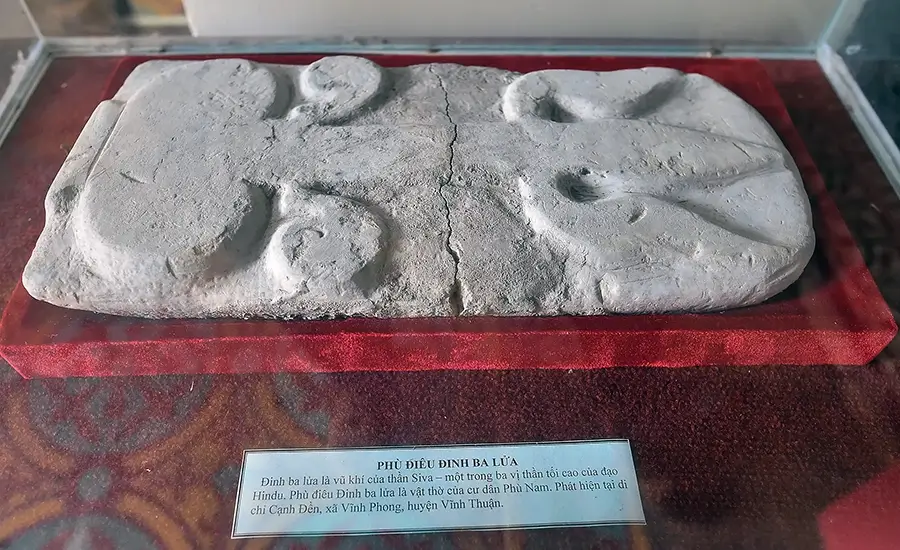
This is one of the most attractive exhibits in the museum because of the special historical and cultural value of the Oc Eo antiques to the Kien Giang region.
Mac family with the exploration of Ha Tien town: Displaying documents and artifacts about the Mac family (Mac Cuu, Mac Thien Tich…) – the people who contributed to the exploration of Ha Tien land in the 18th century. Here, visitors can learn about the process of exploring and building the ancient town of Ha Tien through genealogy, royal decrees, artifacts, and documents related to the Mac family. These artifacts demonstrate the role of the Mac family in the history of the southwestern region’s formation.
National hero Nguyen Trung Truc: Introducing the life and career of fighting against the French of Nguyen Trung Truc, a hero associated with Kien Giang. This topic often features portraits, documents, weapons, and artifacts related to Nguyen Trung Truc and his army in Rach Gia (such as the burning of the Hy Vong ship in 1868). Visitors can see souvenirs that recreate the indomitable patriotism of the national hero in Kien Giang.
Kien Giang army and people through the two resistance wars against France and the US: Displaying artifacts from the war, demonstrating the contributions of the Kien Giang army and people in the cause of defending the Fatherland. Many simple but touching artifacts are introduced, such as the “homemade lamp” made by the Hon Dat district engineering team in 1968 to provide light for soldiers in deprived conditions.
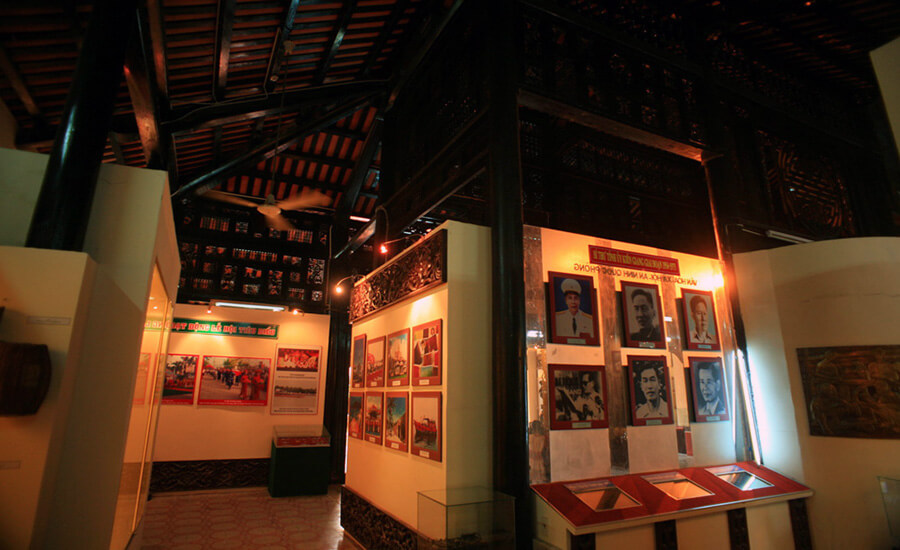
In addition, there are primitive weapons, equipment, and daily necessities of the guerrillas and the people of Kien Giang during the resistance war, which show the local indomitable spirit throughout the two wars.
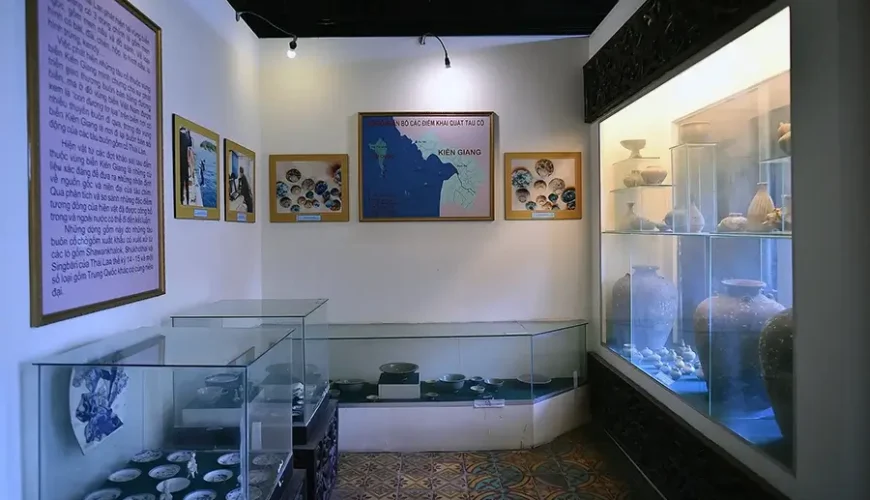
Salvaged artifacts from Kien Giang waters: This is a unique highlight of Kien Giang Museum, displaying artifacts found from ancient shipwrecks off the local coast.
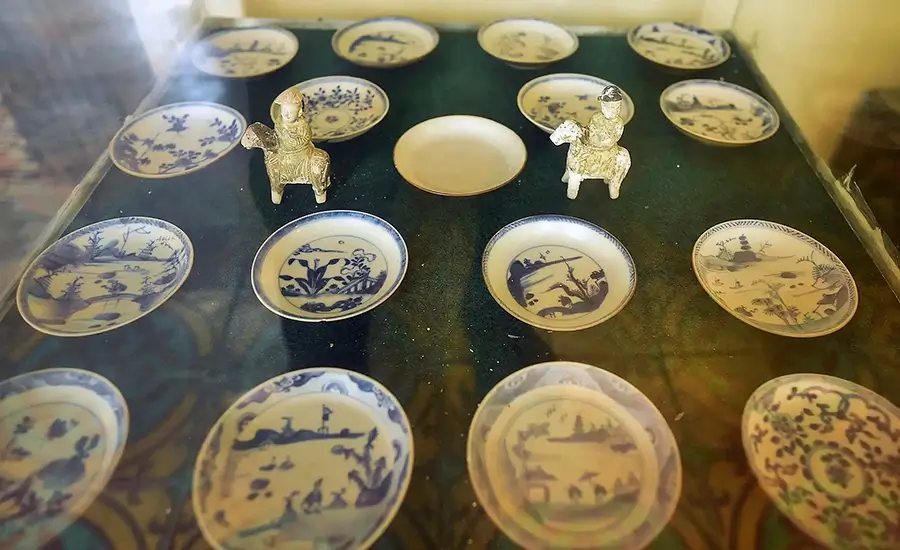
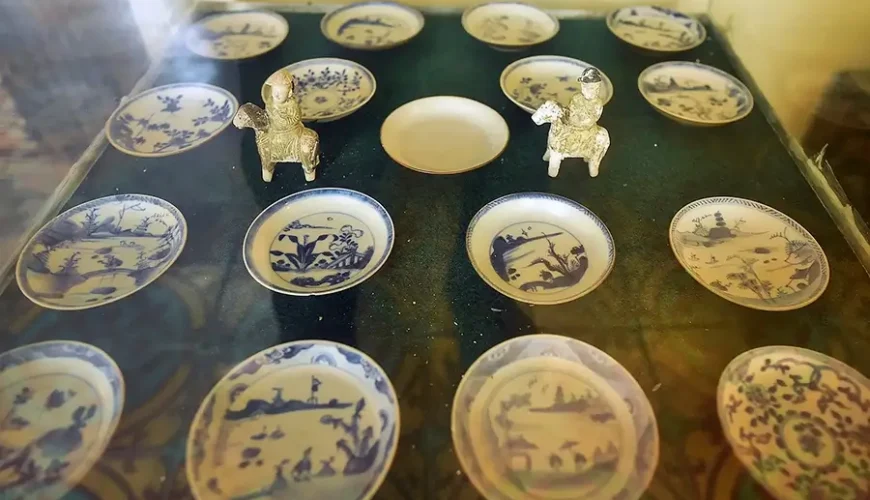
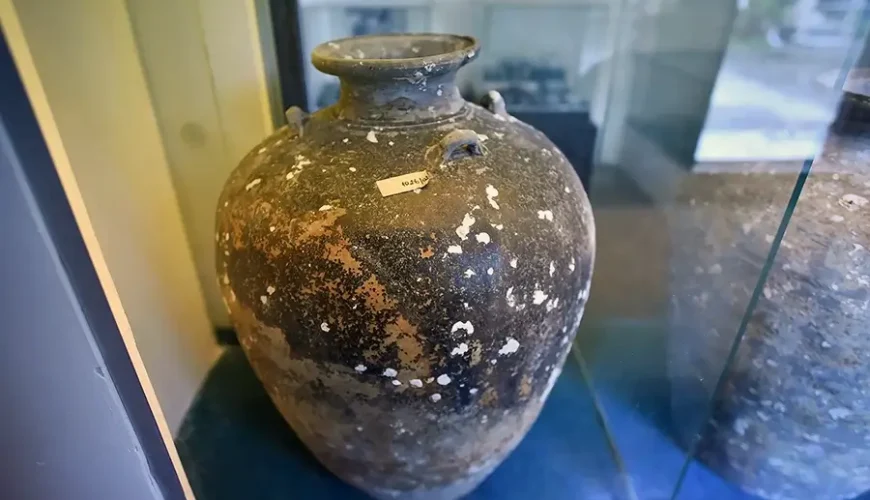
The collection includes hundreds of artifacts, mainly ceramics originating from China and Thailand, dating back to around the 14th-15th centuries. Many experts believe that these ancient ships were merchant ships on ancient maritime routes, which encountered an accident in Kien Giang waters due to hitting reefs and corals.
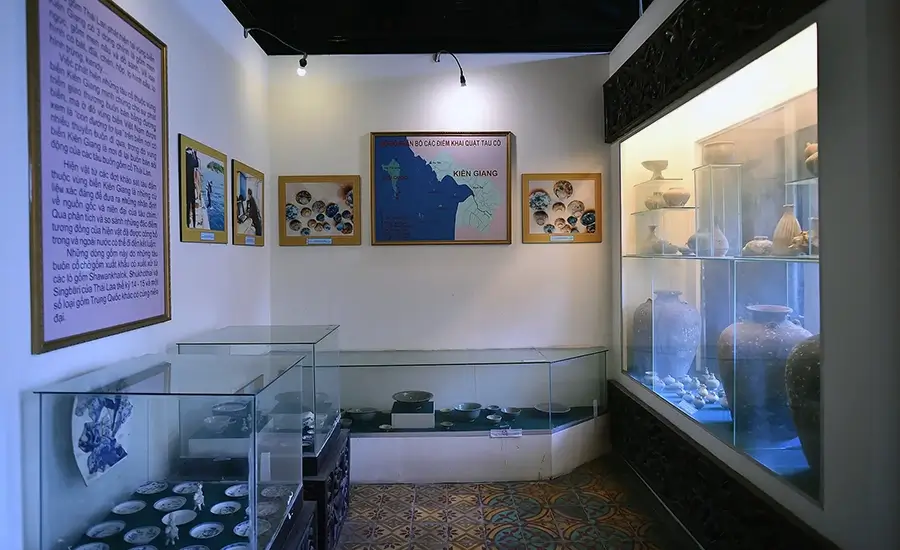
Typical artifacts include jars, pots, and ancient ceramic vases with Ming Dynasty (China) patterns or Thai ceramics, all salvaged from depths of tens of meters underwater. These artifacts not only have archaeological value but also tell the story of past trade in the Gulf of Thailand.
In addition to the above topics, the museum also preserves many other valuable artifacts in the warehouse, continuously collecting and adding them to support future display work. The richness of the artifact collection makes Kien Giang Museum an ideal destination for those who want to learn more about the province’s cultural and historical heritage.
Unique architecture of the museum
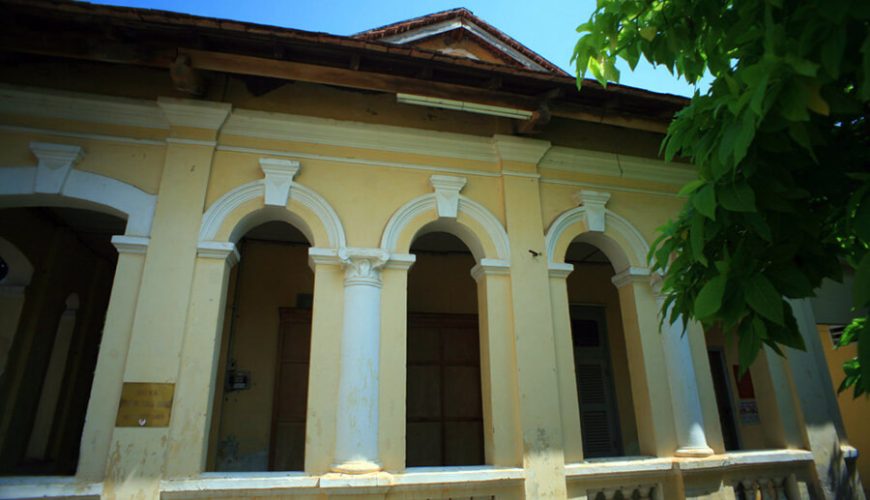
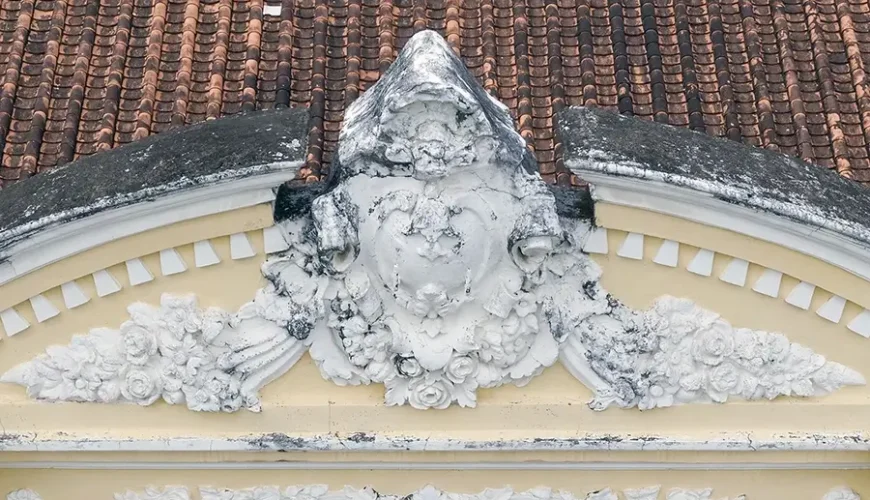
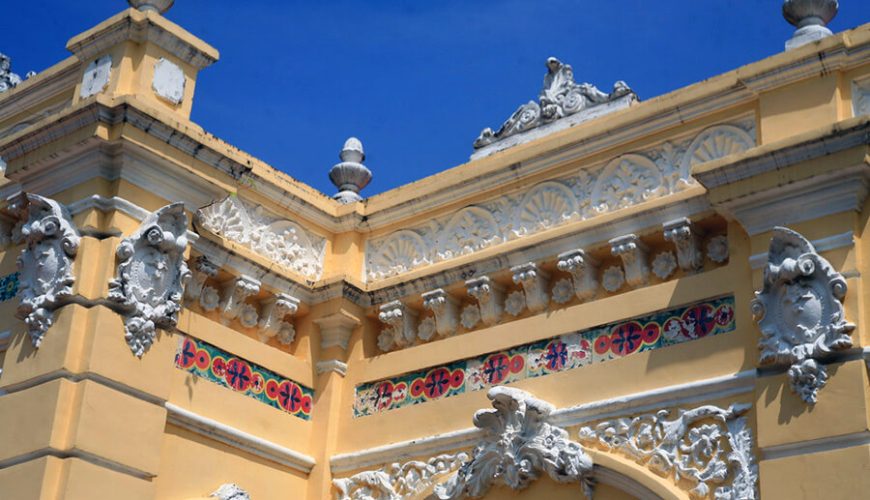
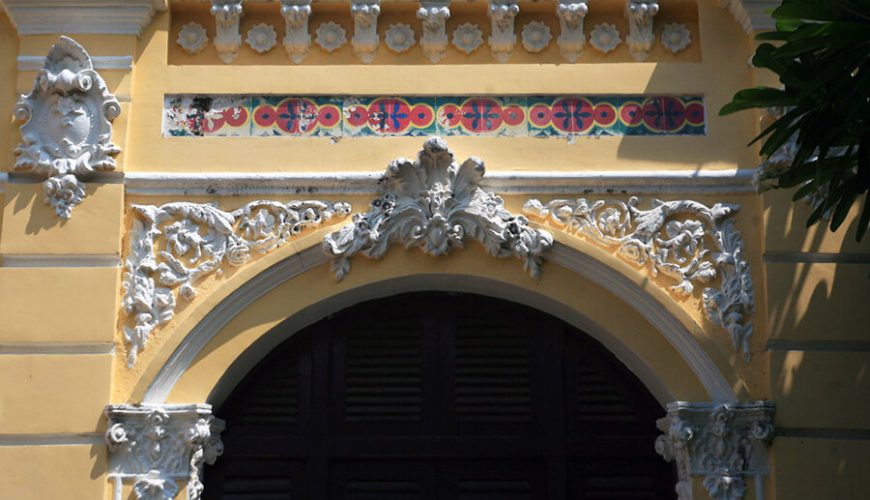
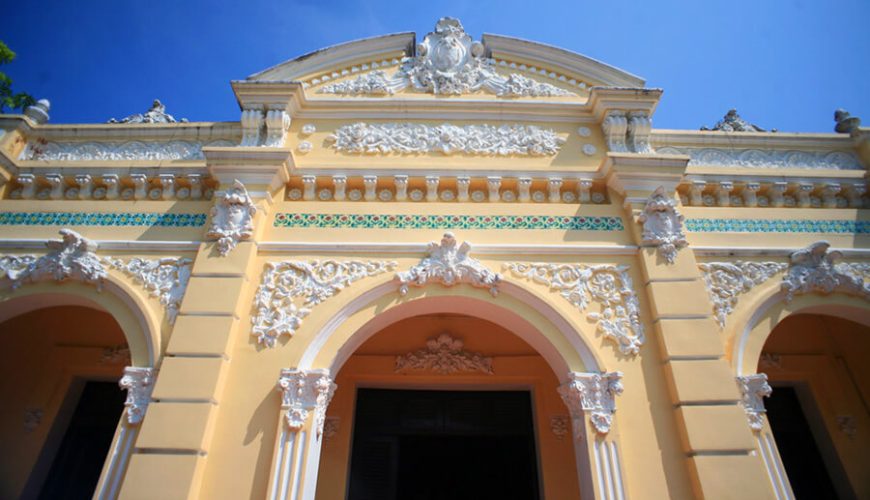
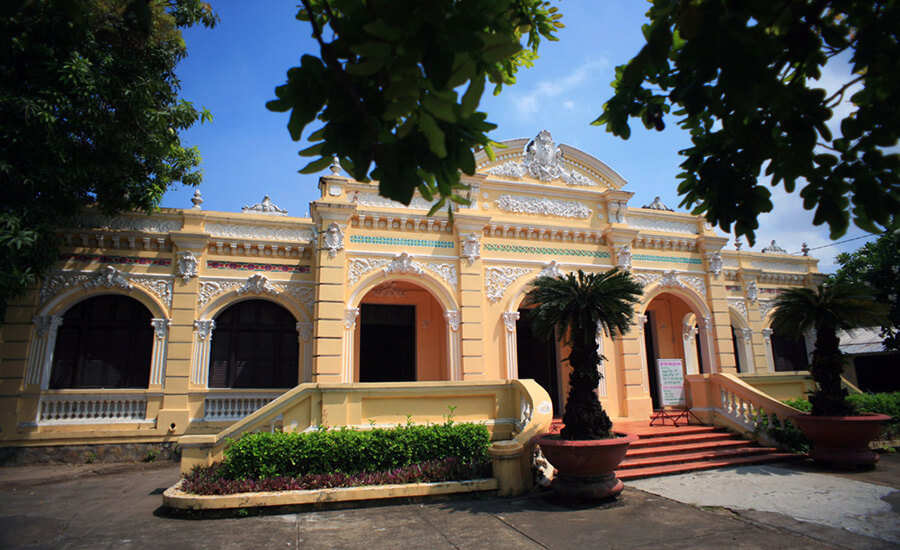
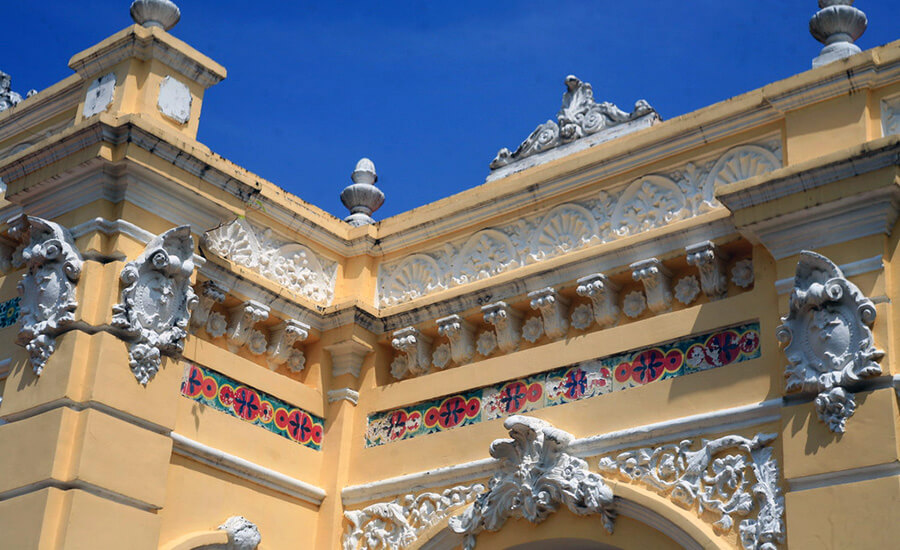
The facade of Kien Giang Museum has an Asian – European architectural style: the outside is the arches and reliefs with strong French features, the inside is the structure of a traditional Vietnamese house.
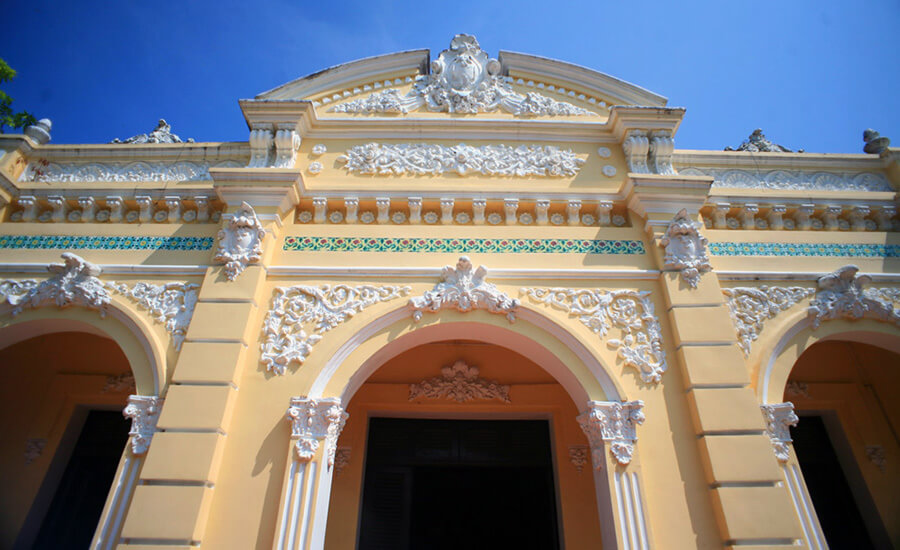
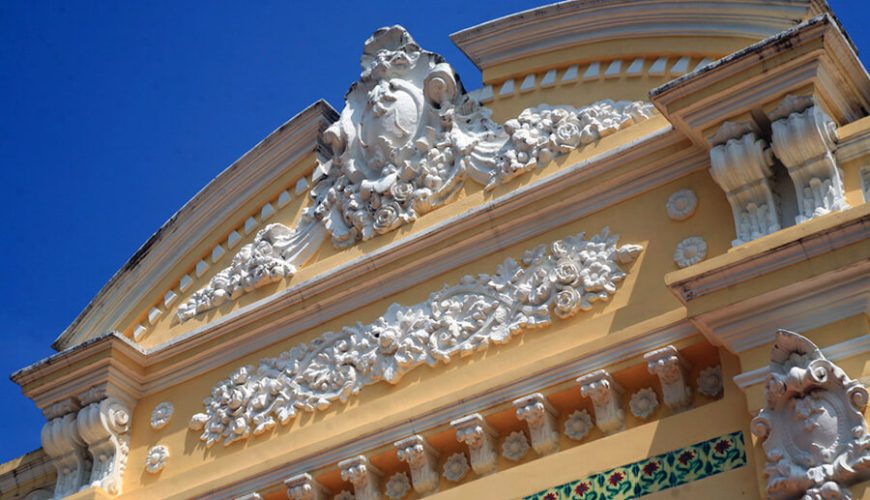
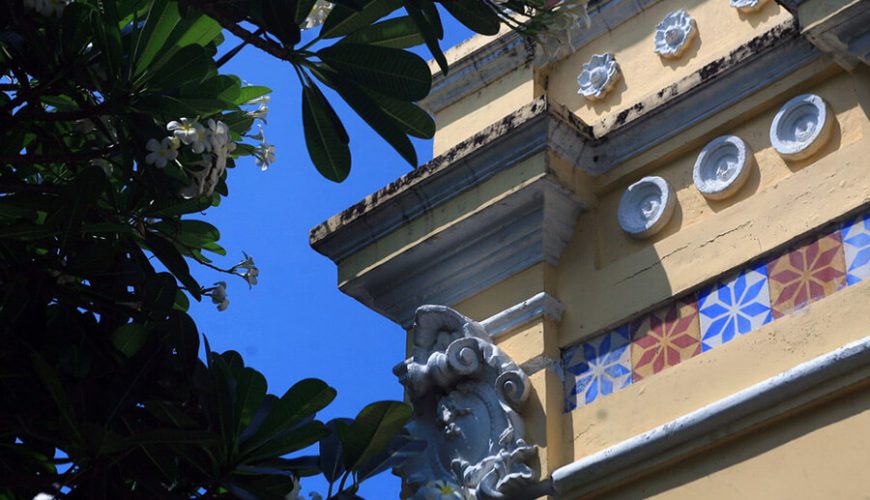
The Kien Giang Museum building impresses with its unique “half-Western, half-Eastern” architectural style. Built during the colonial period, the house harmoniously combines the style of a Western villa with the spatial structure of an ancient Southern house. On the outside, the building is a box-like house with the appearance of a European mansion, decorated with many sophisticated relief motifs in the French architectural style (such as arches, floral and leaf reliefs, and animals atop the columns).
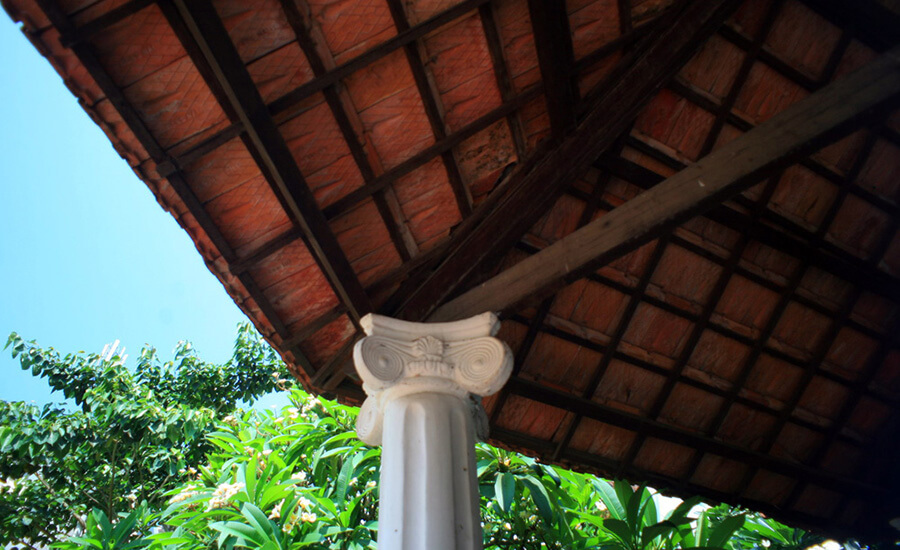
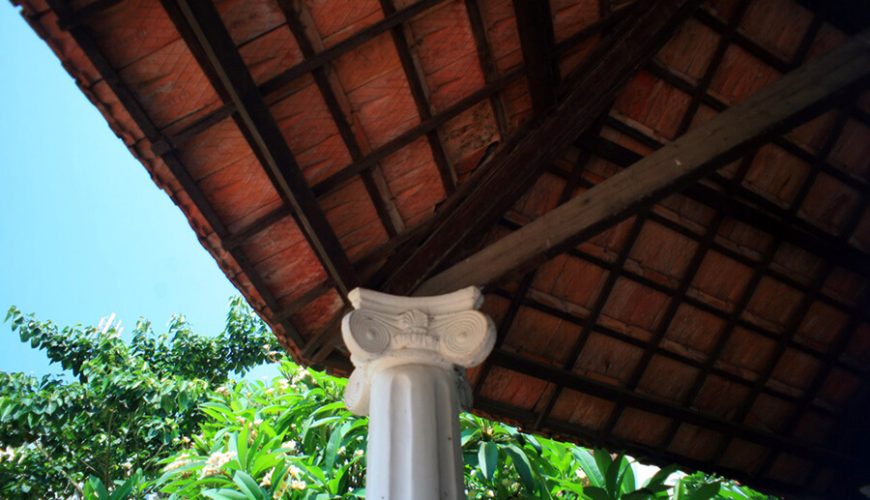
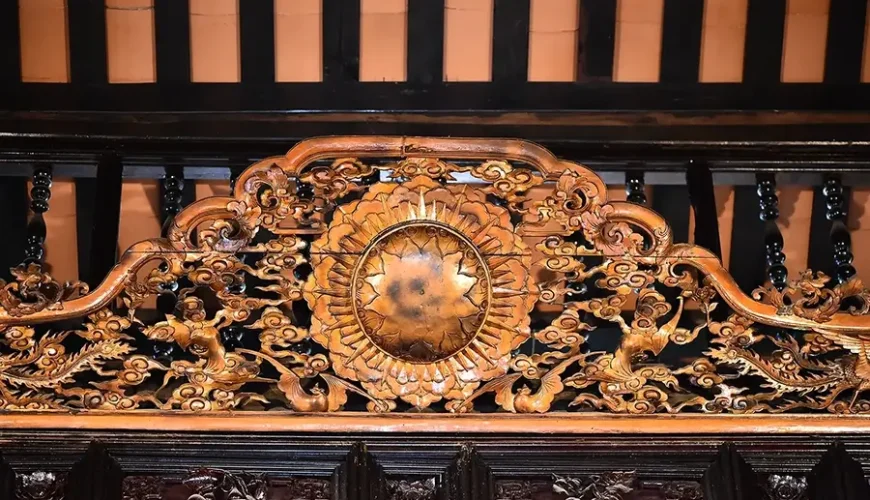
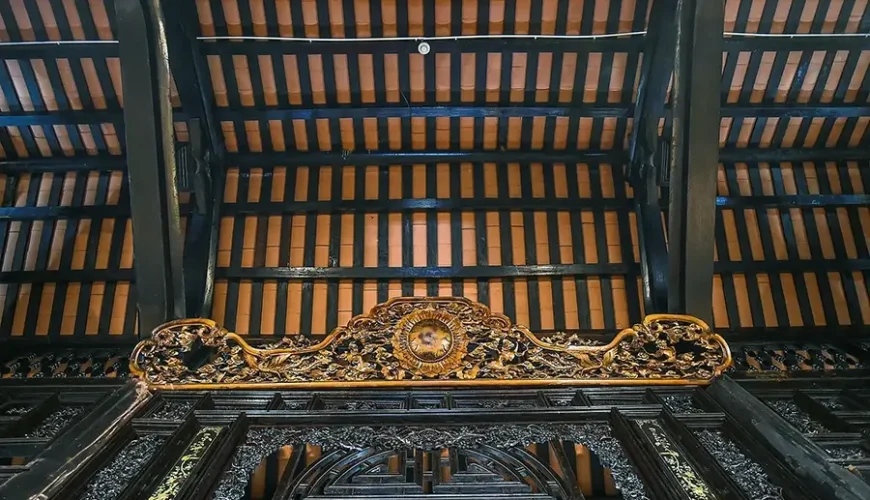
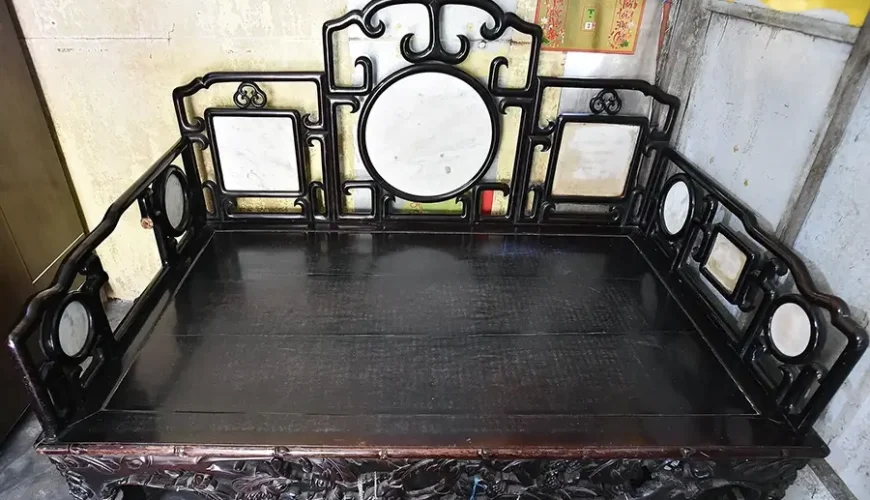
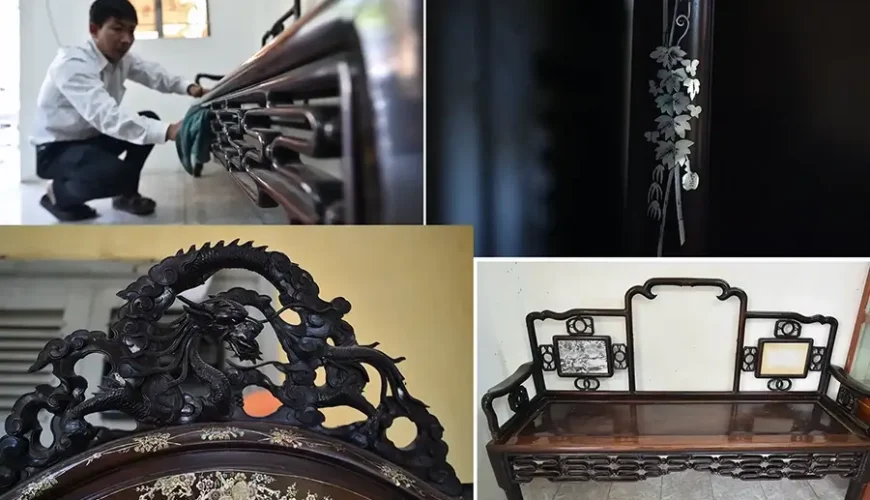
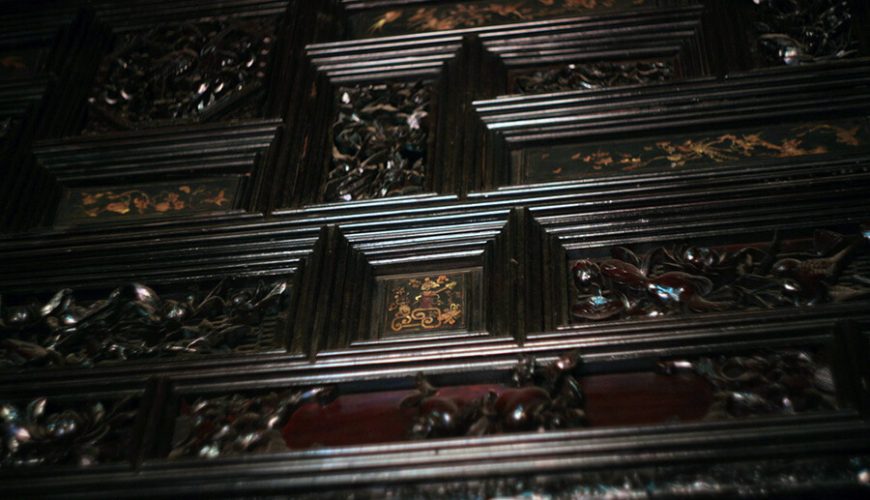
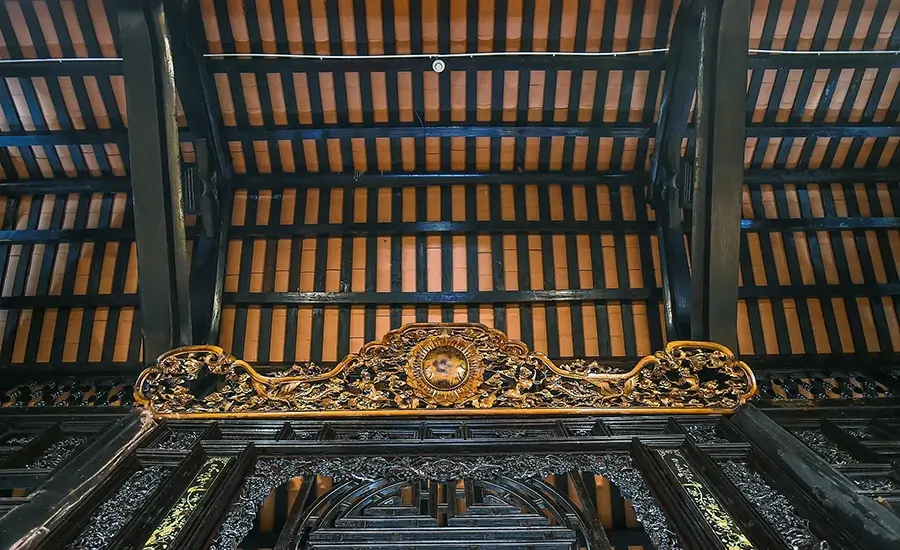
Inside, the architecture is imbued with traditional Vietnamese features, including horizontal lacquered boards, parallel sentences, and elaborately carved wooden rafters. The entire house frame, especially the main worship hall, is made of precious wood, with a load-bearing wooden rafters structure.
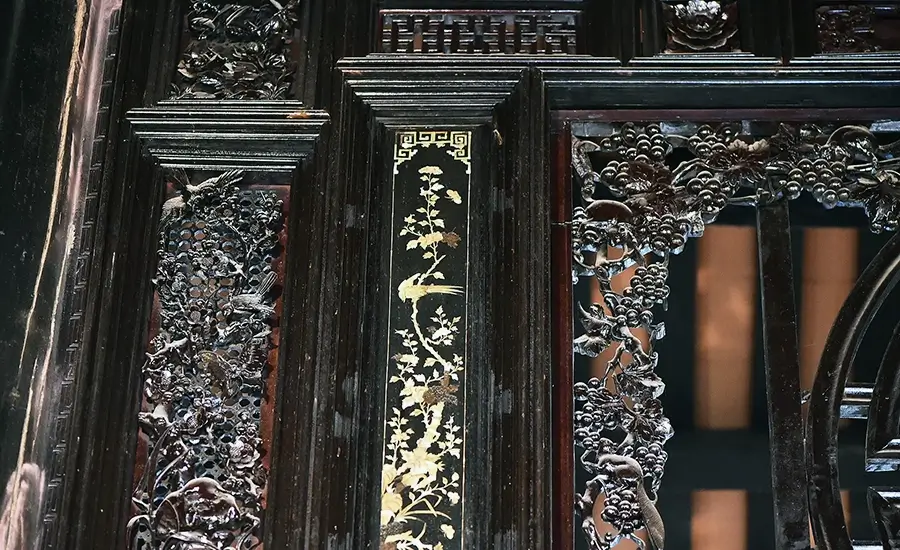
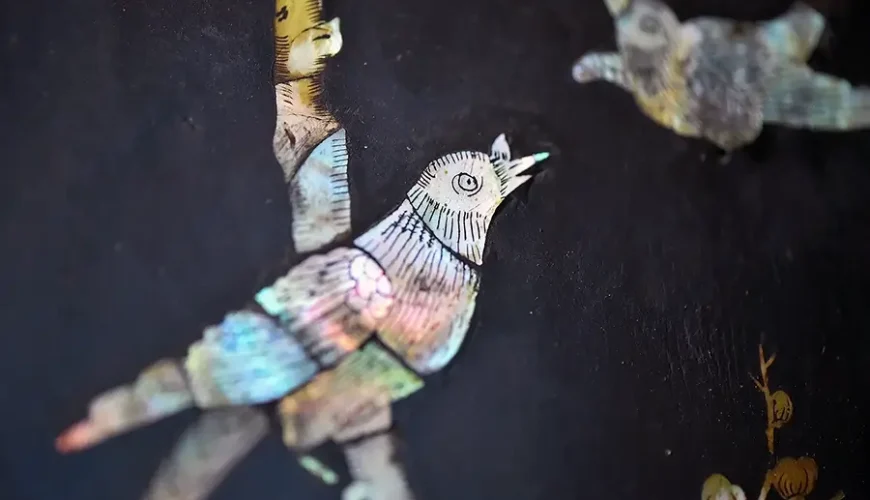
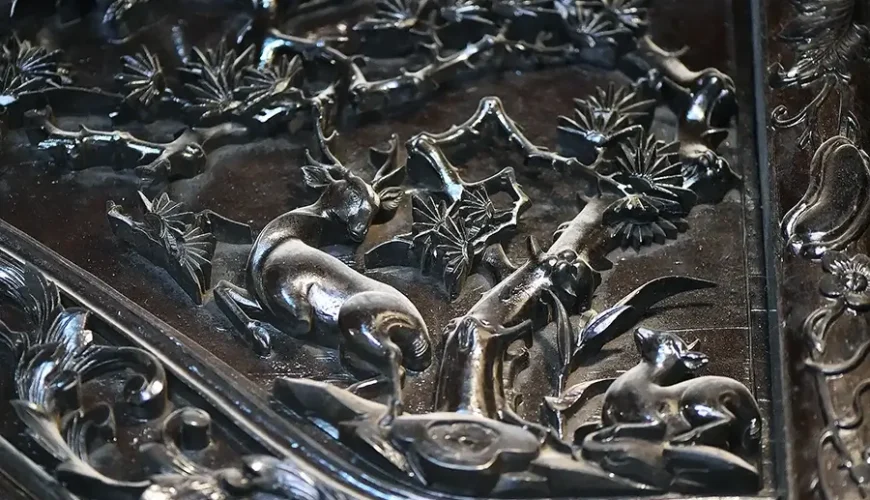
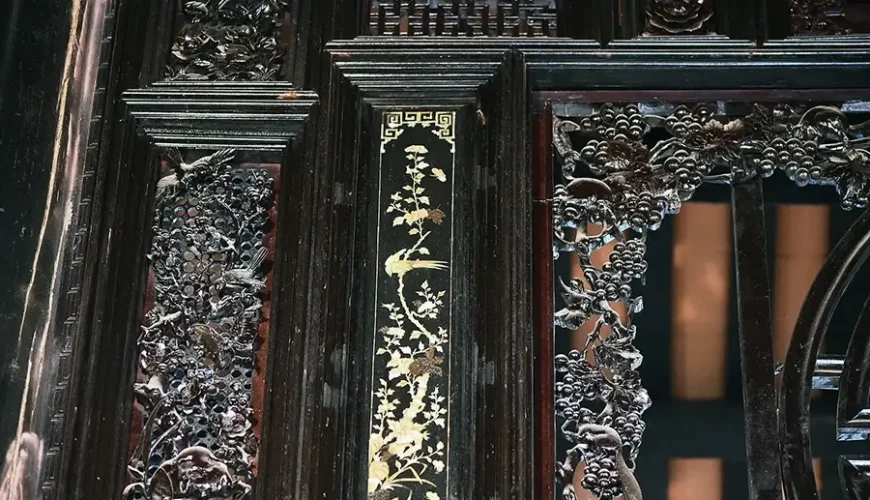
The most unique feature of the house is the interior decoration carving system. Ancient artisans carved extremely intricate patterns in wood, imbued with the spirit of Eastern art. The motifs include: flowers and grass (Four Noble Ones: plum blossom – bamboo – chrysanthemum – apricot), birds and animals (bats, peacocks, phoenixes, pheasants), fruits (papaya, grapes, pomegranates), and even animals such as deer, elk, etc.
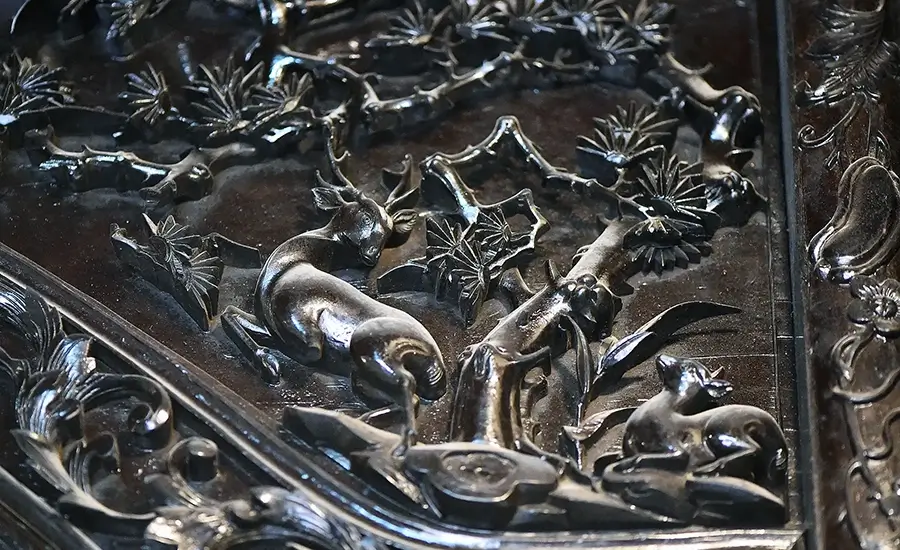
Many carvings are also inlaid with sparkling mother-of-pearl, creating a delicate yet vibrant beauty for the interior space. All interior architectural details are intended to wish the ancient owner wealth, luck, and longevity. It is the skillful combination of Western art on the exterior and traditional Vietnamese art on the interior that has created the high aesthetic value of the ancient building, which is more than 100 years old.
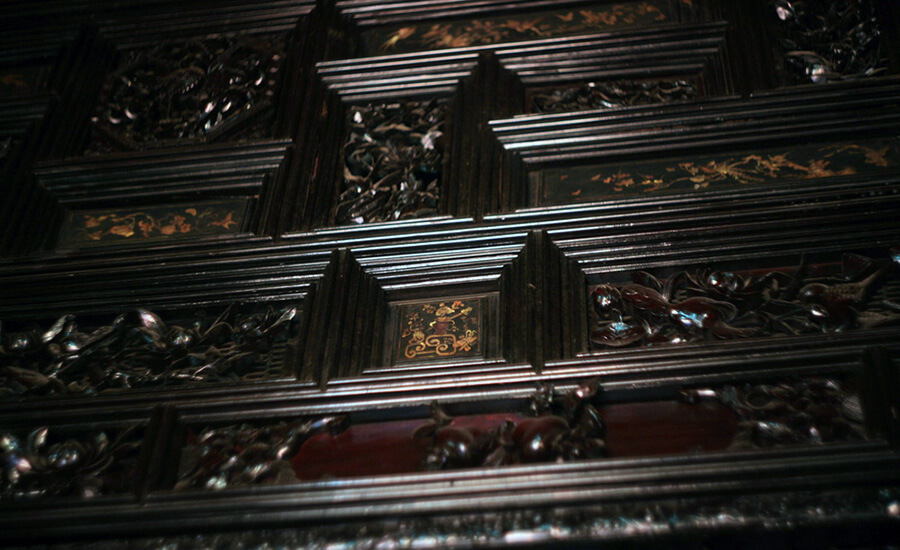
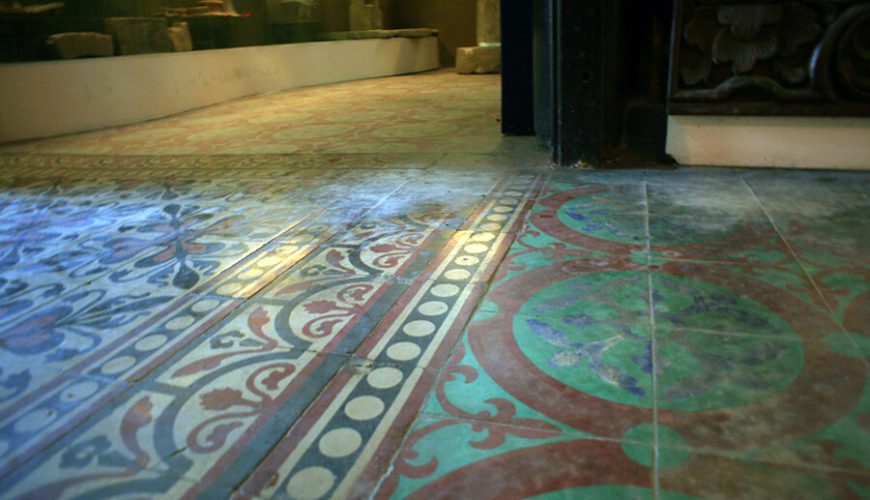
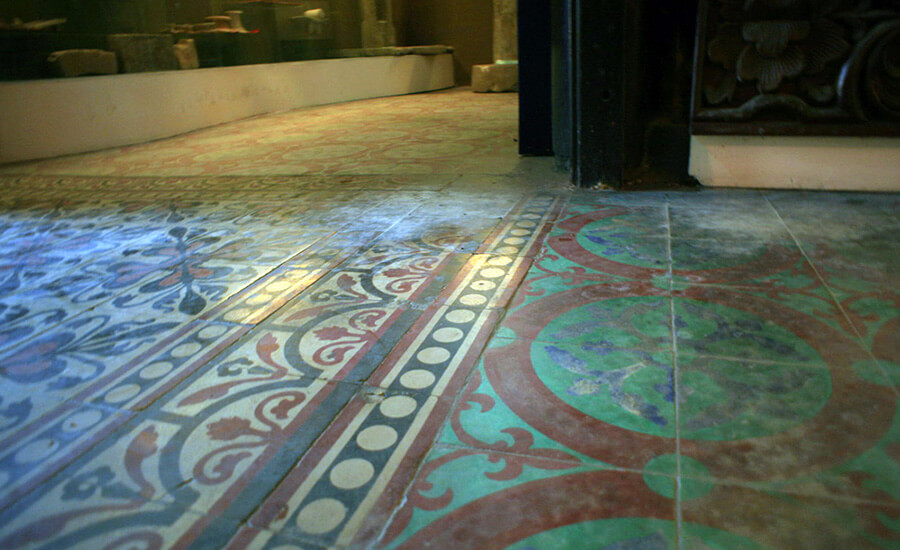
To build this large-scale mansion, the original owner paid great attention to the technical aspects and materials. The project was constructed over 10 years by a large team of workers: skilled masons and carpenters were invited from Gia Dinh (Saigon) and Hue, and sophisticated wood carvers from the North. The construction materials were very selective: wood and tiles were purchased from the Southeast region, and floor tiles were imported from France.
In particular, the house was built entirely by hand, using a mixture of molasses, sap from the oleander tree, sand, and lime as a binder instead of cement. The house’s foundation is built on a solid stone foundation (soil taken from a mound along the coast), and the foundation alone took 3 years to complete. Thanks to that, even after over a century, the house’s structure remains durable.
After becoming a museum, the ancient building has been restored many times to preserve its heritage value. Up to now, the building has undergone two restorations, most recently in 2009, including reinforcing the tiled roof, painting the walls, and repairing wooden structures. Thanks to regular maintenance, the tiles, reliefs, wooden frames… basically retain their original appearance despite being over a hundred years old. Currently, the Kien Giang Museum and the authorities are continuing to plan the restoration and termite prevention in the house to preserve this precious heritage in the long term.
For more than a century, Kien Giang Museum has not only been a historical witness of Rach Gia land but also a unique “museum” of architectural art. Today, this project is both a valuable national relic and a place to preserve thousands of cultural and historical artifacts of Kien Giang province. Visitors to the museum have the opportunity to admire the “unique” ancient architecture and, at the same time, learn more deeply about the indigenous culture, events, and people who have shaped the history of Kien Giang through rich and diverse collections of artifacts.
Source: collected by An
Follow us for the best deals on Vietnam package tours and visa services!
Comment (0)