
Vietnam ranks 5th in area and 6th in tea production in the world. In 2017, Vietnam had a tea growing area of 129.3 thousand hectares with an output of 1,048.8 thousand tons of fresh tea. The Vietnamese tea culture, from daily life to international diplomacy, is imbued with the elegance and simplicity of the Vietnamese people.
Historical evidence
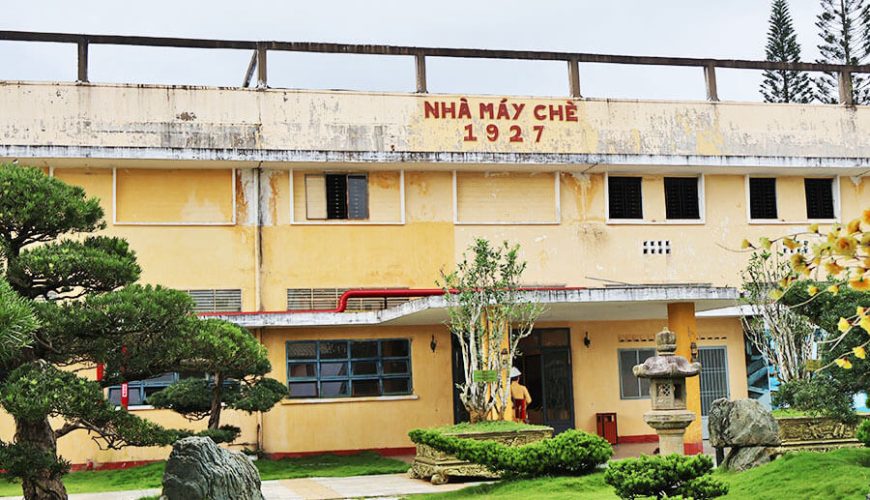
It is no coincidence that the 1927 Tea Factory located at 45 Doi Can, B’Lao Ward, contains valuable historical values of the tea industry in the Southern Central Highlands. According to historical documents, based on the potential of climate, soil, and terrain bestowed by nature, in 1927, the French brought tea trees to grow in the B’Lao area (Dong Nai Thuong Province – now B’Lao Ward, Lam Dong Province). The tea variety chosen by the French to grow in this area was Indian Assam tea (one of the 10 famous tea varieties in the world at that time). This is a historical milestone, marking the appearance of tea trees in Lam Dong.
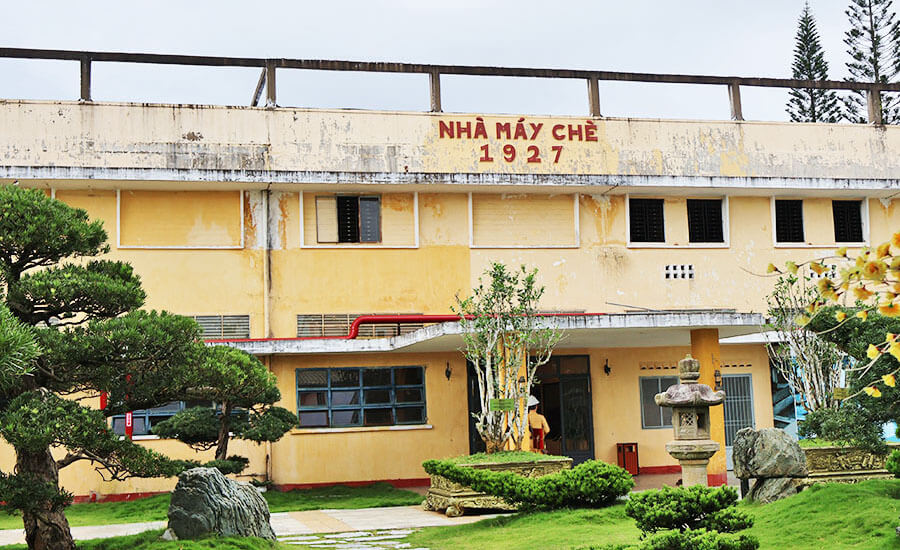
Over time, the tea trees were well cared for and rooted in the values of the land, sky, and people of the Southern Central Highlands. In 1930, the French invested in the 1927 Tea Factory in Bao Loc, with a capacity of 3 tons of tea/day. The investor in the 1927 Tea Factory was French, so the entire system of machinery and technology for tea production and processing had a modern Western appearance. By 1950, the Factory had been transferred to a Chinese person and continued to be upgraded and expanded to meet the demand for tea products at the time.
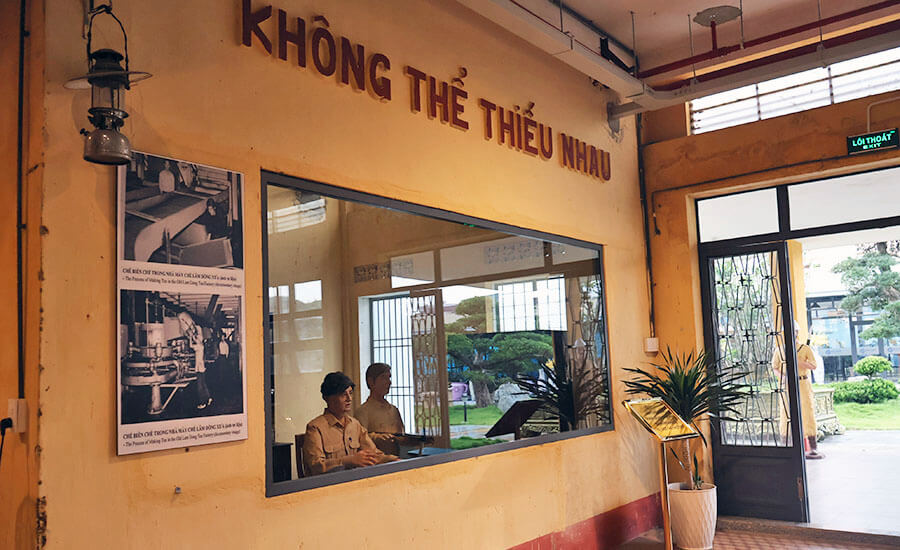
In 1975, after the complete liberation of the South, the 1927 Tea Factory was taken over by the State under various names. The 1927 Tea Factory is a symbol of a development milestone in Lam Dong’s tea industry.
After nearly 100 years of operation, the factory has ceased operations, but the facilities and equipment used for tea production and processing are still preserved, making them valuable antiques of the tea industry.
Tea Factory 1927 – a place to preserve the soul of tea
Along with its historical values that have endured over the years, the 1927 Tea Factory is the place that preserves the tea production and processing technology throughout the formation and development of the Lam Dong tea industry.
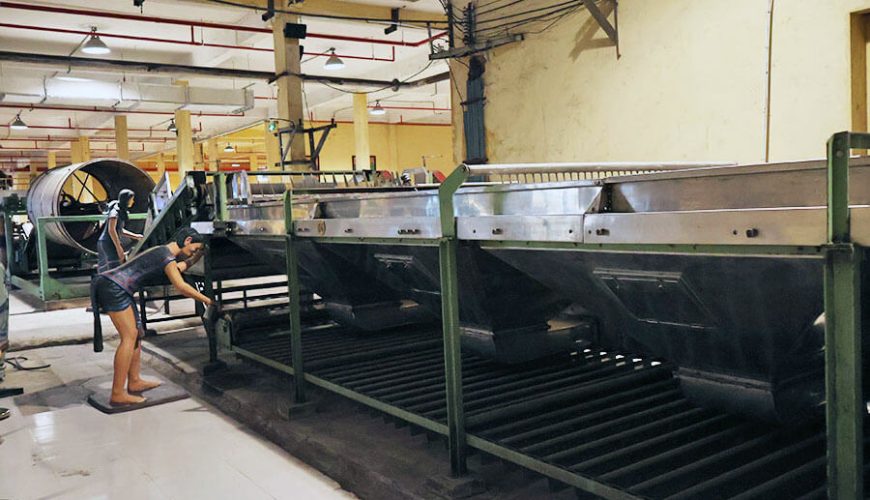
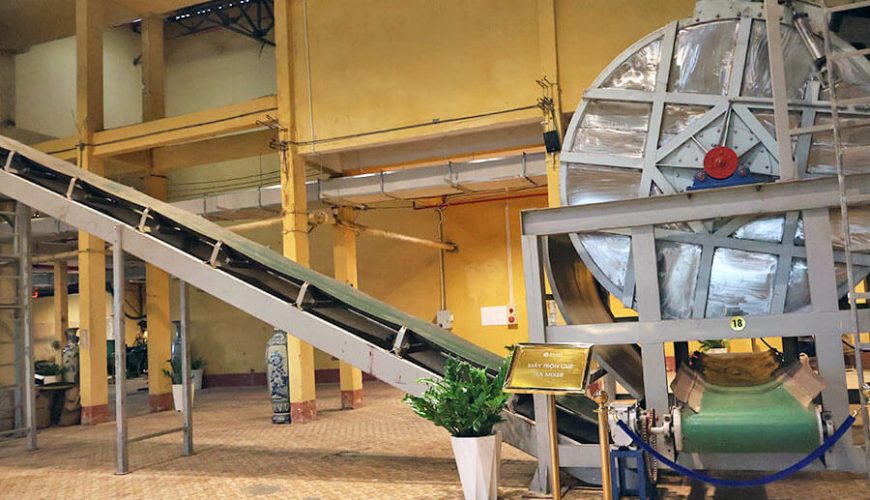
To produce and process tea products for export, right from the time of its construction, the 1927 Tea Factory was equipped with quite modern equipment and machinery using French technology, with 2 production lines for OTD black tea (traditional black tea production method) and CTC black tea (modern black tea production method).
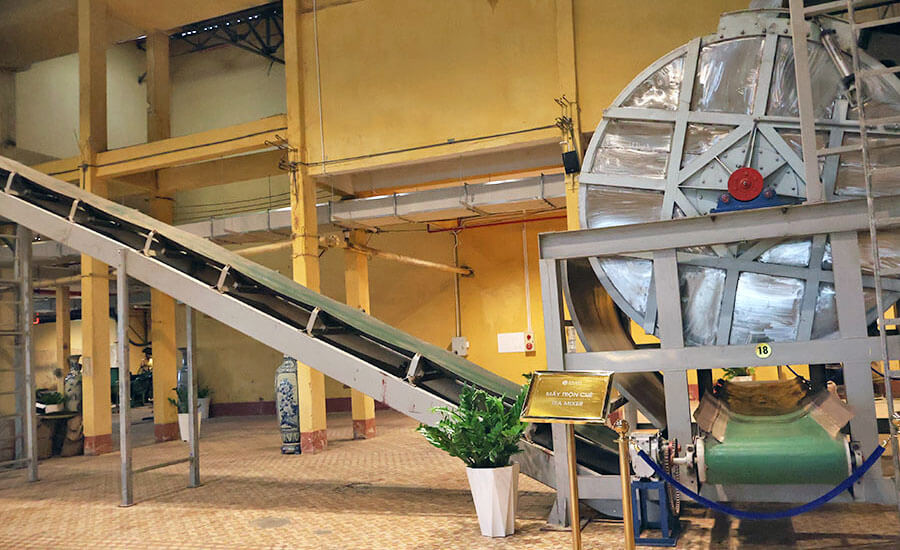
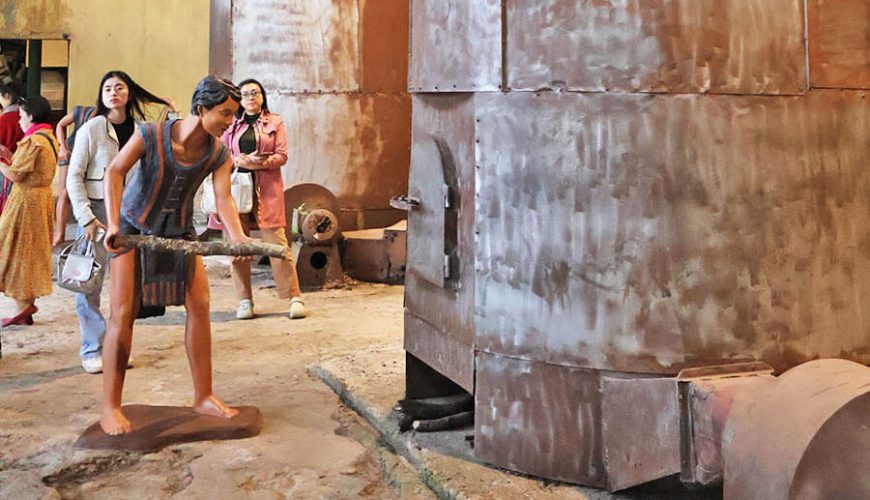
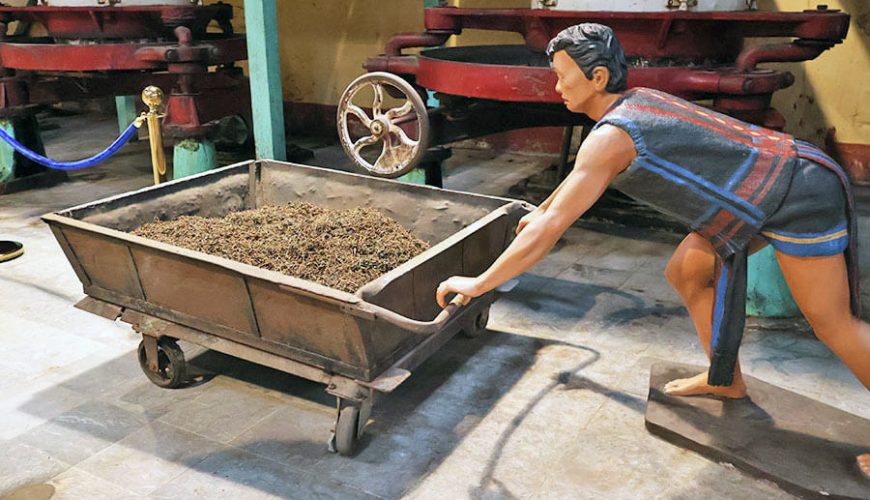
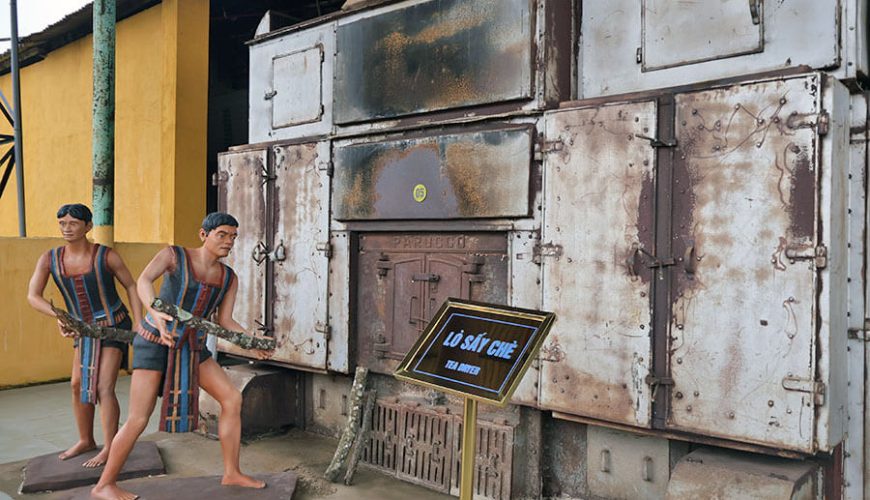
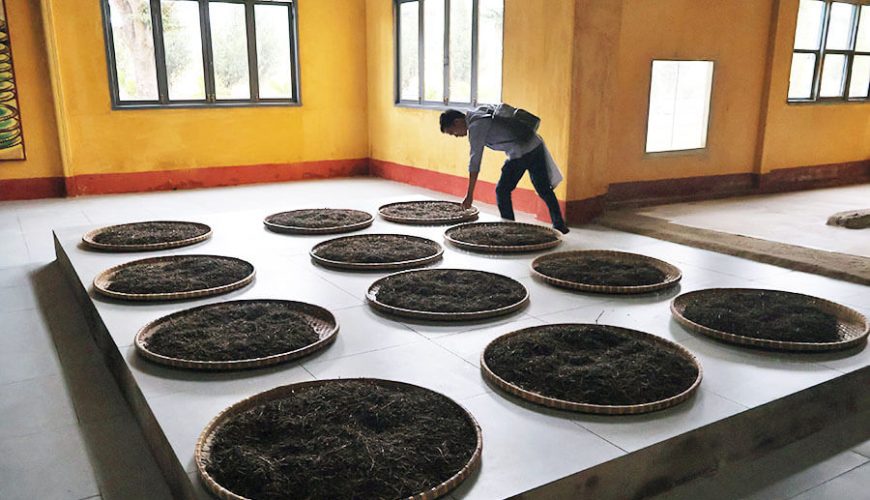
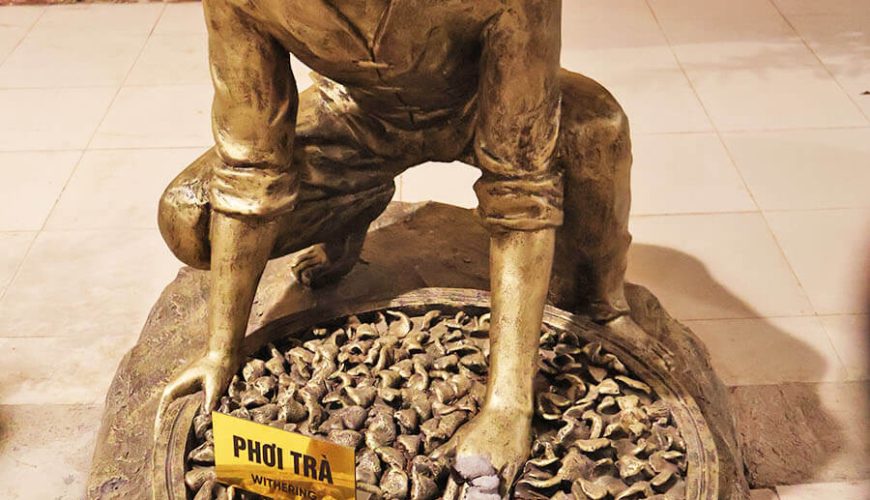
After being harvested, the tea is transported to the Factory, where workers place it in a bin over a wood-fired furnace that generates heat to wither the tea. The withering process helps the tea release some water vapor while retaining its original green color.
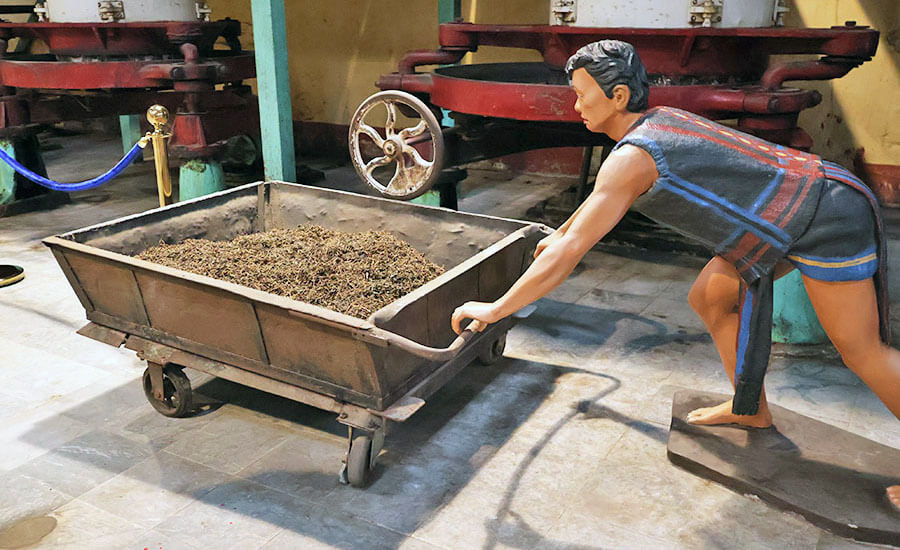
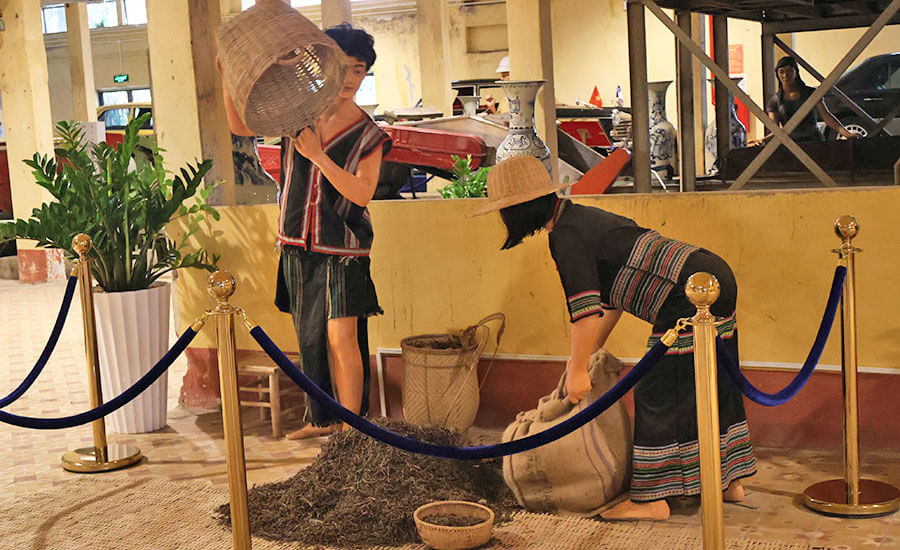
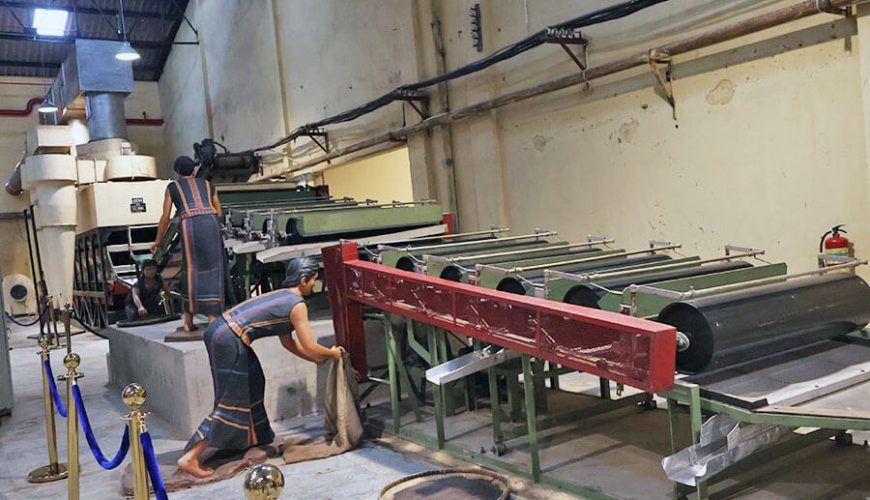
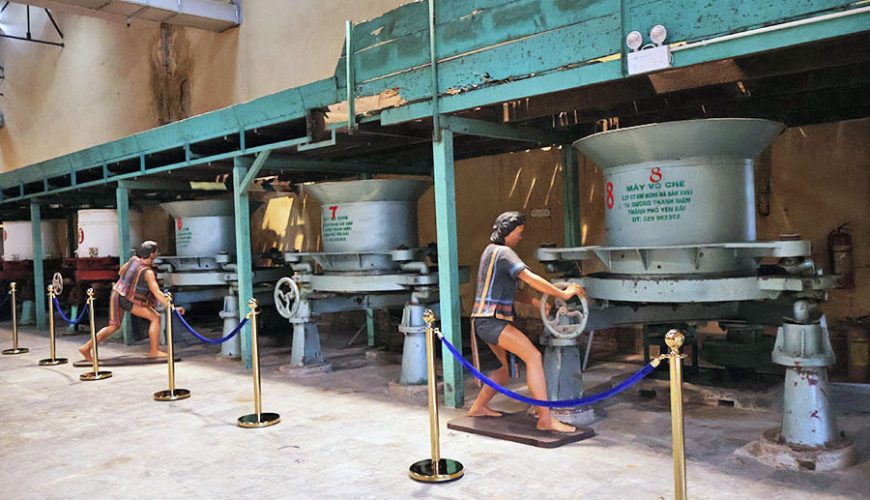
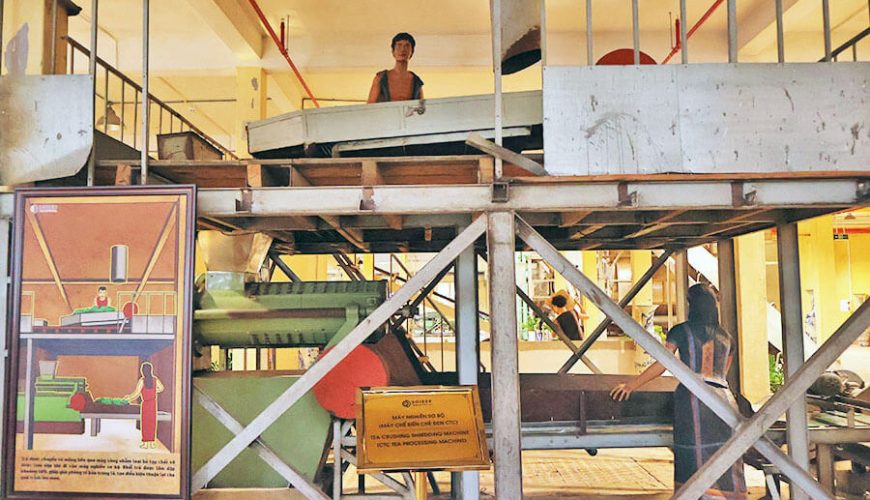
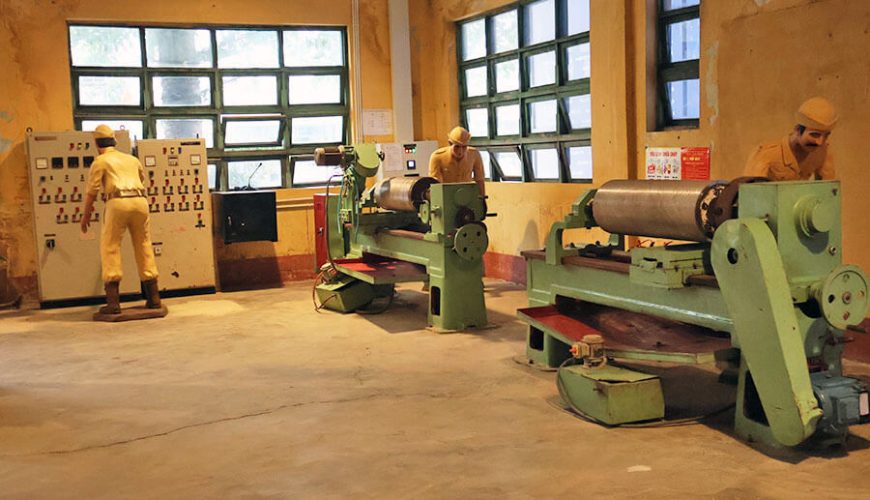
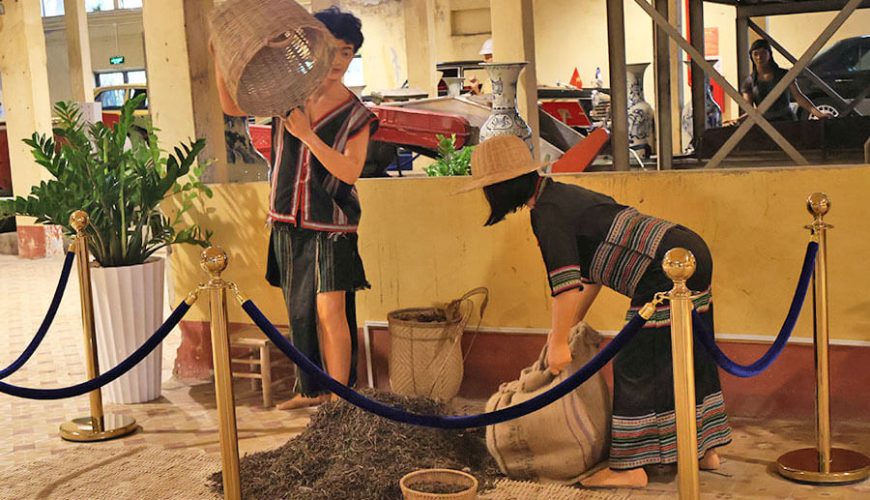
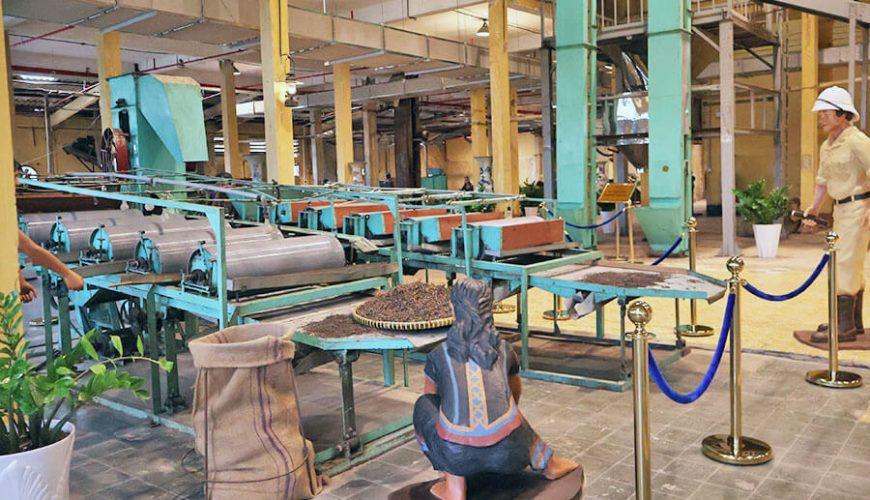
After that, the tea is transferred to the screen, where workers’ labor helps remove impurities. Next, the tea is placed in the crusher, crushed, and then transferred to the cutting machine. From there, the tea continues to be circulated through the rolling machine system.
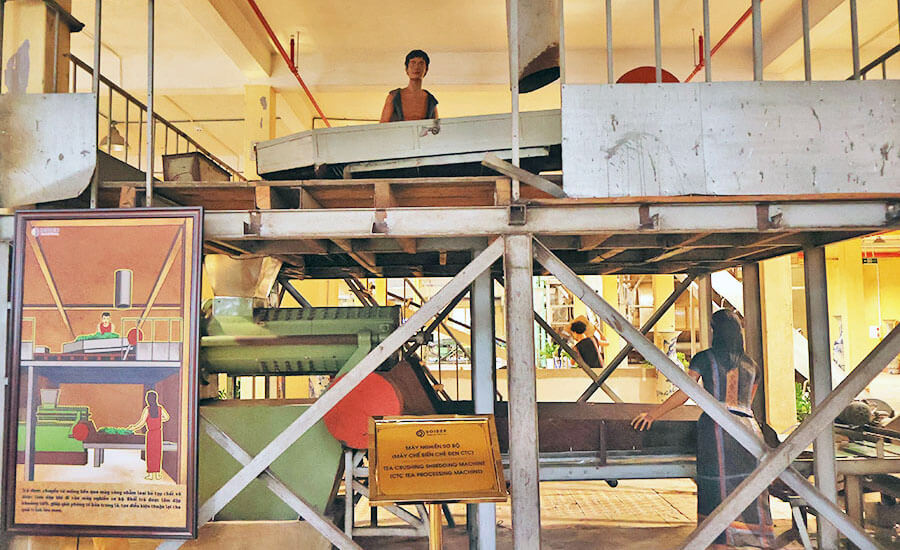
At this stage, the tea is shaped into round balls and then loaded into the fermentation machine for fermentation. This is the most important stage, the tea is fermented for 4 – 5 hours. During this time, the workers will spray mist, adjust the temperature, and air so that the fermented tea meets the standard characteristics of black tea.
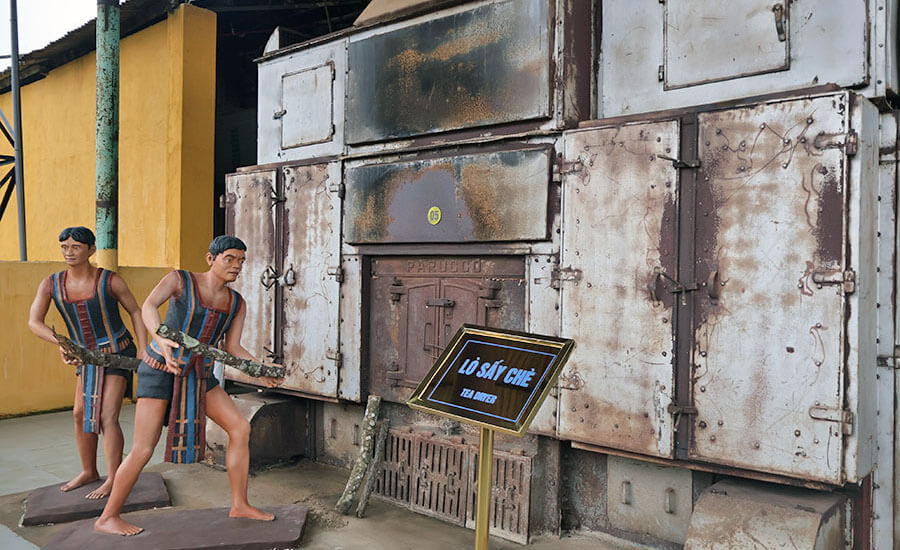
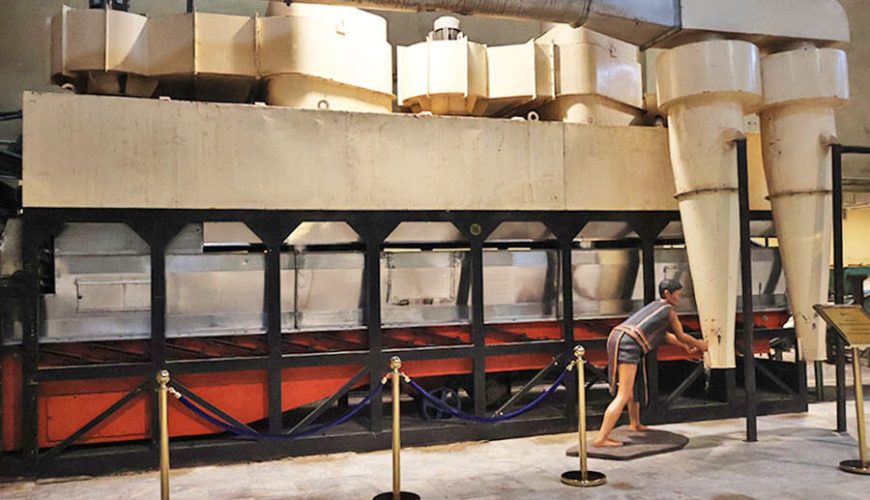
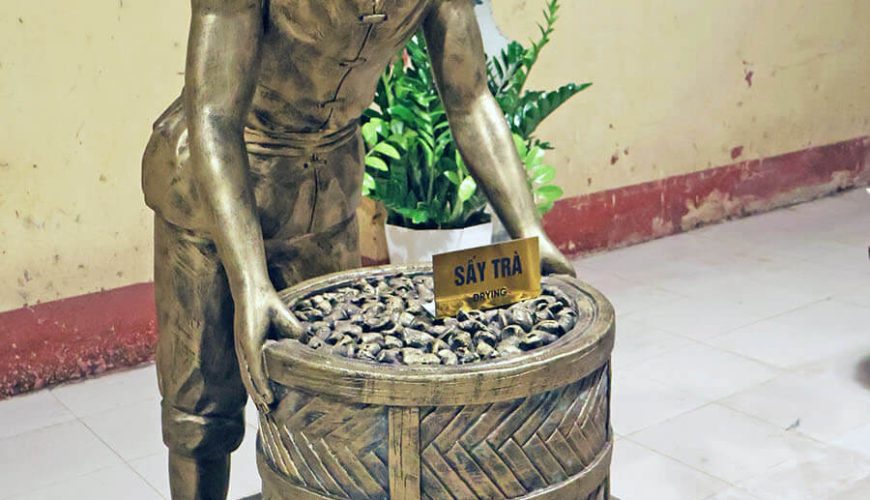
The finished product after fermentation is transferred to the dryer, dried according to standards and transferred to the packaging stage, and stored in the warehouse.
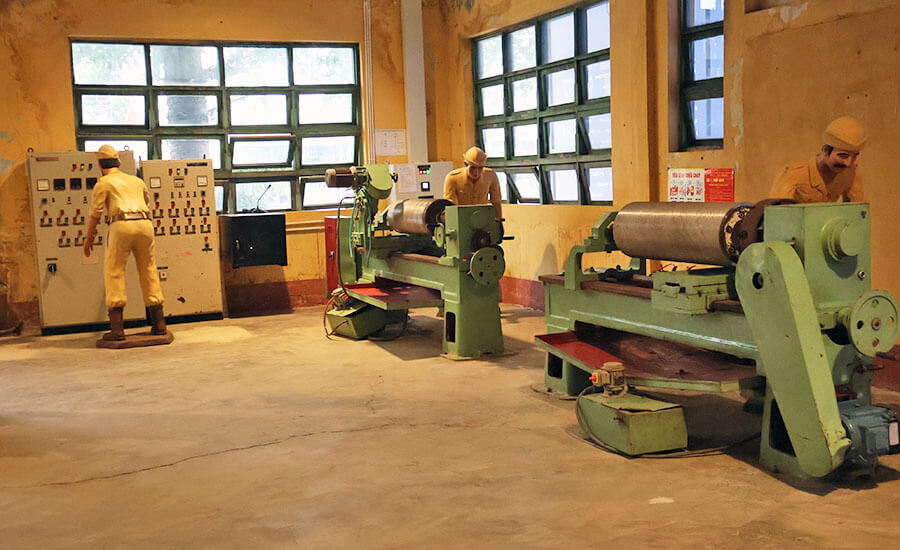
The production process of black tea products at the 1927 Tea Factory has helped make the Lam Dong tea brand famous domestically and reach the world. These are also the historical and cultural values of the tea industry that have contributed to Bao Loc’s reputation as the “Tea Capital” of Vietnam.
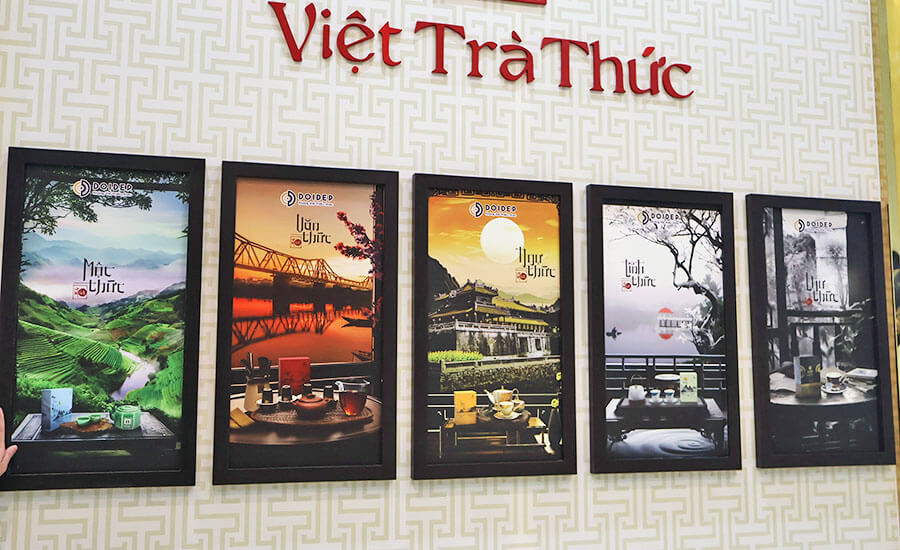
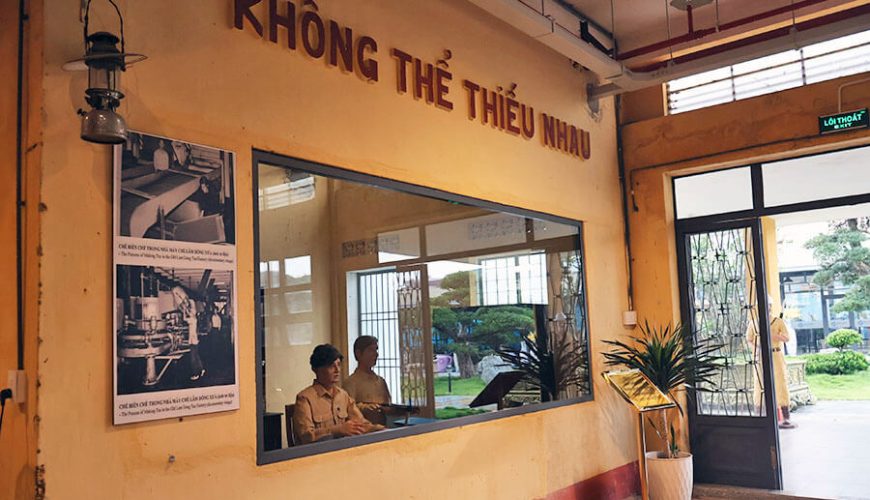
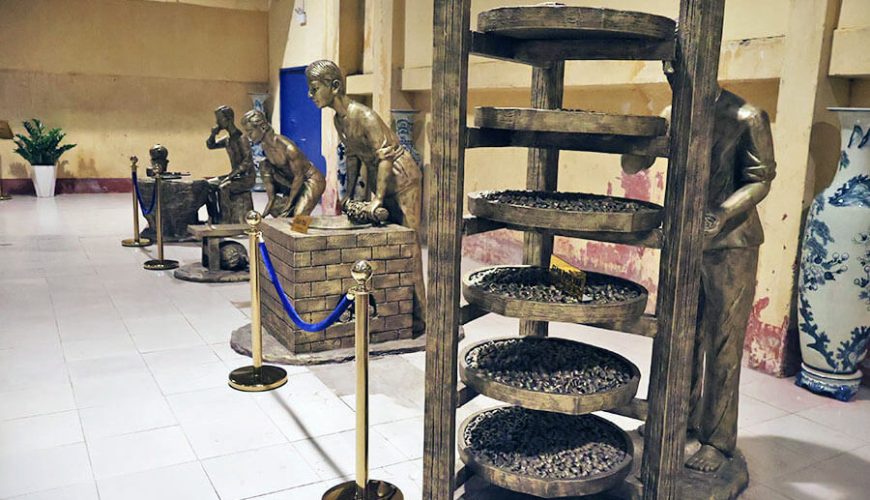
Today, tea production and processing technologies are increasingly modern, with machinery systems developed using automation technology. From the beginning of 2024, the equipment and machinery at Tea Factory 1927 have been requisitioned for preservation and exhibition to serve tourism.
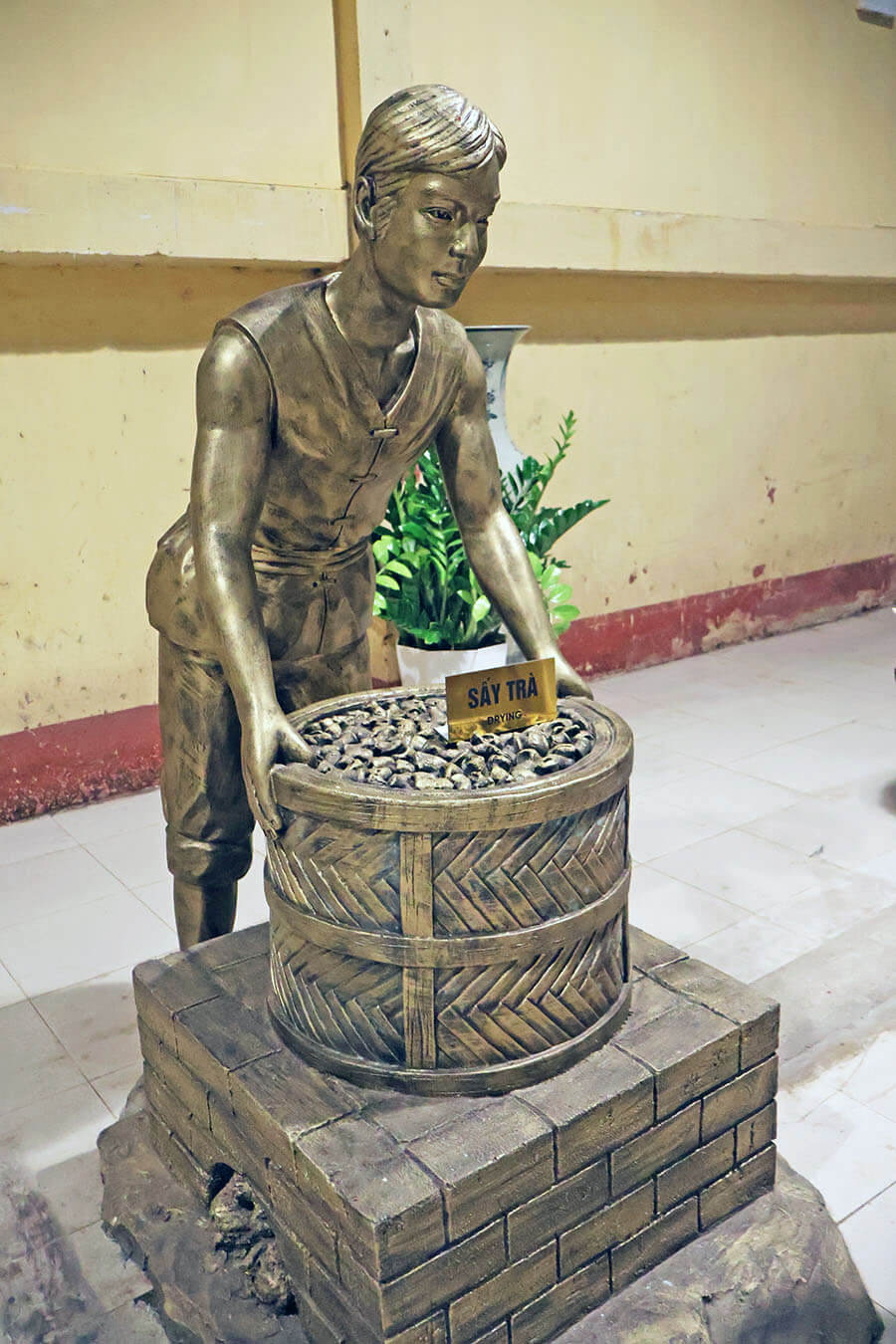
Here, all the artifacts, machinery, equipment, production lines, and tea processing lines that are nearly 100 years old are displayed in their original form for people and tourists to enjoy and experience.
Source: collected by An
Follow us for the best deals on Vietnam package tours and visa services!
Comment (0)