
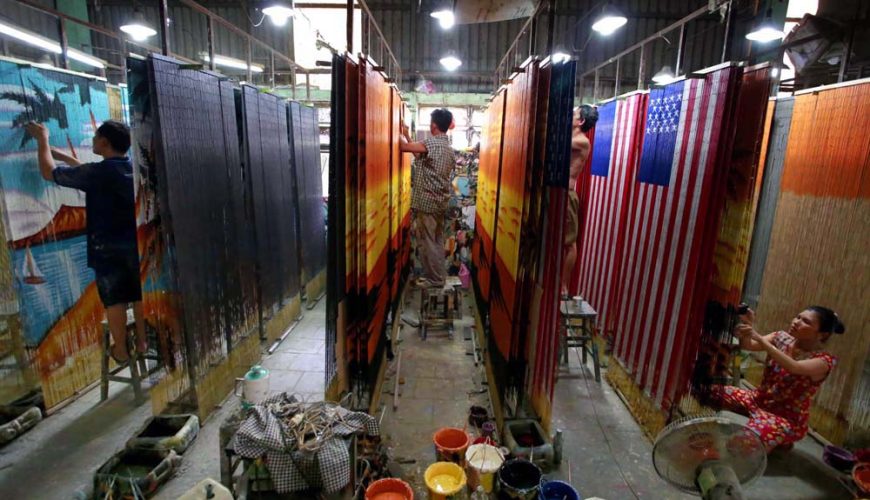
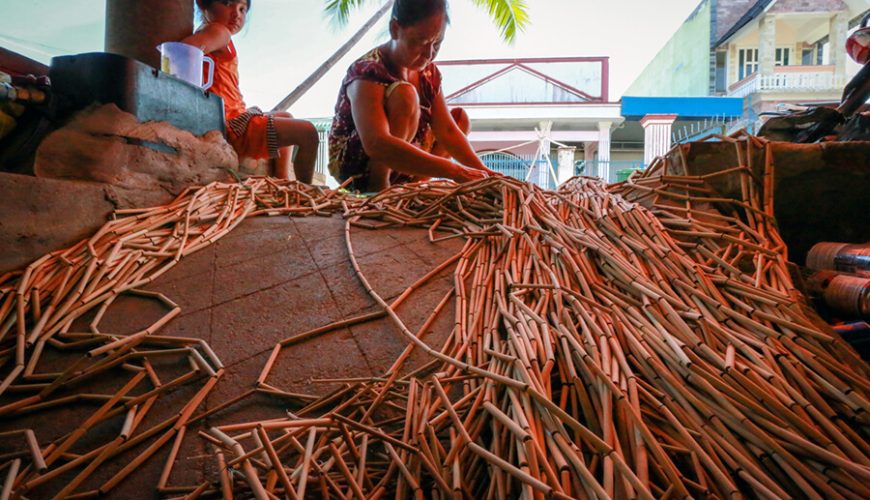
Tan Thong Hoi traditional craft village (Cu Chi, HCMC) is known as the country’s leading producer of bamboo screens. The village also attracts a lot of tourists who come to explore, admire the brilliant bamboo curtains, and experience the process of creating a delicate product.
History of Tan Thong Hoi traditional craft village
According to the elders at the bamboo curtain craft village, which was formed on the day of liberation in 1975. The profession started in the Trung Chanh area, then came here, and has developed up to now.
Previously, in Tan Thong Hoi commune, there was a large area of bare land, so people planted a lot of bamboo. From 1975, the bamboo screens workshop began to form, until about 1978 to 1988, this profession developed strongly, managed by local cooperatives, and then dissolved.
Since then, local people have made and managed themselves, self-sign contracts with customers. From small family businesses, after a period of expansion into a large production base serving as the focal point for supplying raw materials and consuming products for small processing households.
How to make a bamboo screen?
The bamboo screen profession is not like other jobs with few stages. If the owners could not find enough staff, one person would have to handle and complete a lot of work across many different stages, such as threading, rigging, framing, and painting scenes…Moreover, it is not simple, because even the smallest stages still require meticulous attention from workers. A bamboo curtain is made, requiring a very high level of artistry. Customers buy goods for the price of a curtain but expect the curtain to be the texture of an art picture.
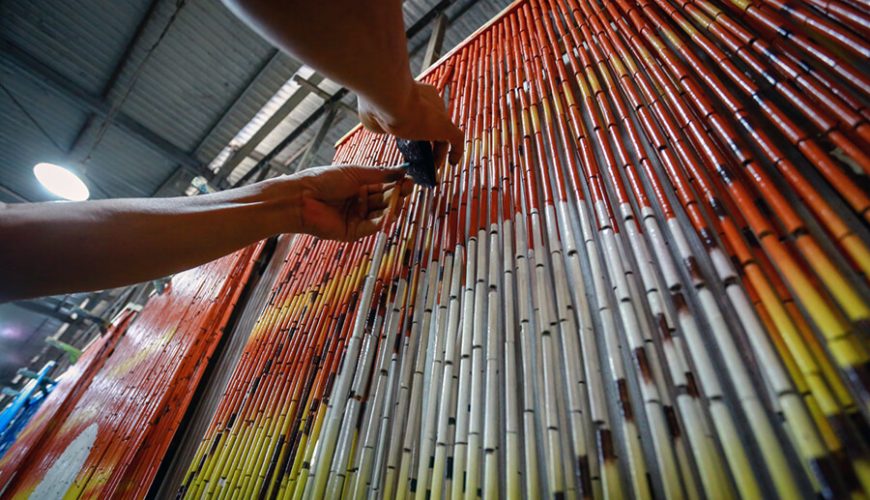
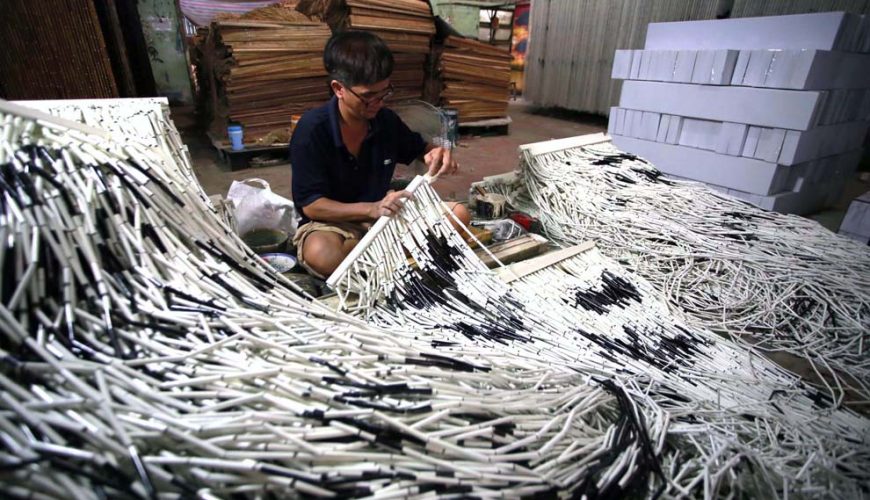
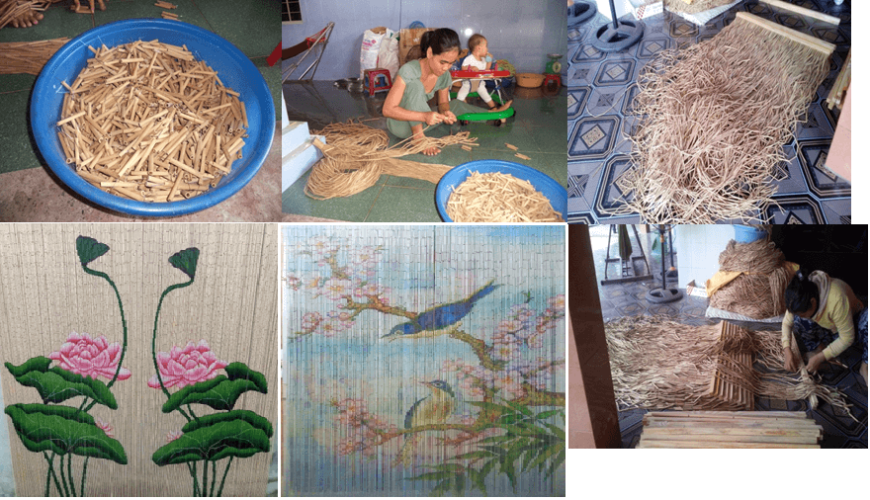
To get the bamboo screens to meet the requirements of the fastidious markets. At first, bamboo branches are selected and cut into small pieces about 6 cm long, mixed with sand, and all the outer silk is removed. Then they are soaked in water to prevent termites, dried in the sun, or dried at a temperature of 70 to 800 degrees Celsius.
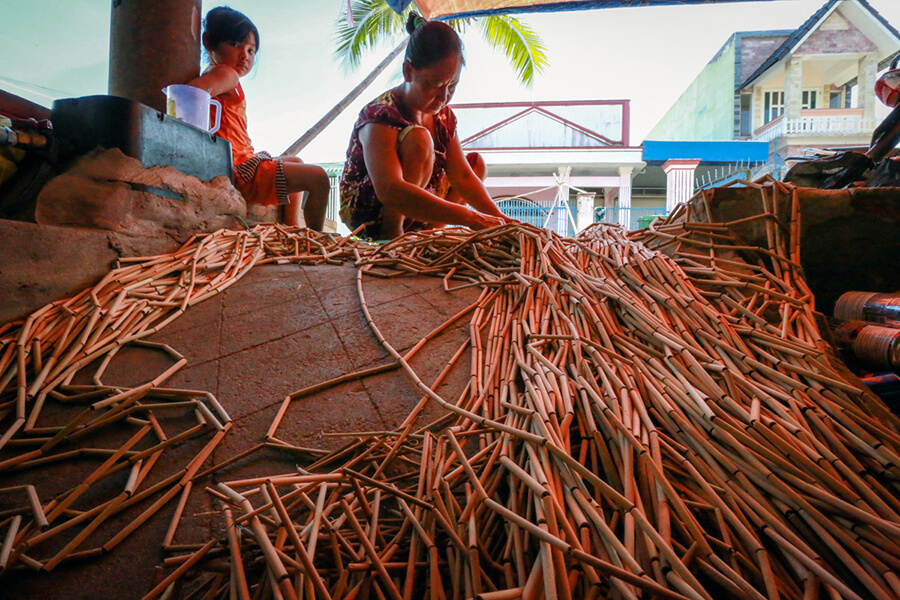
Dried bamboo will be strung together into wires with zinc wires and then hung as a curtain. This is a very important stage, requiring the worker to observe carefully so that the stitches are even. It also requires both the health and ingenuity of the craftsman.
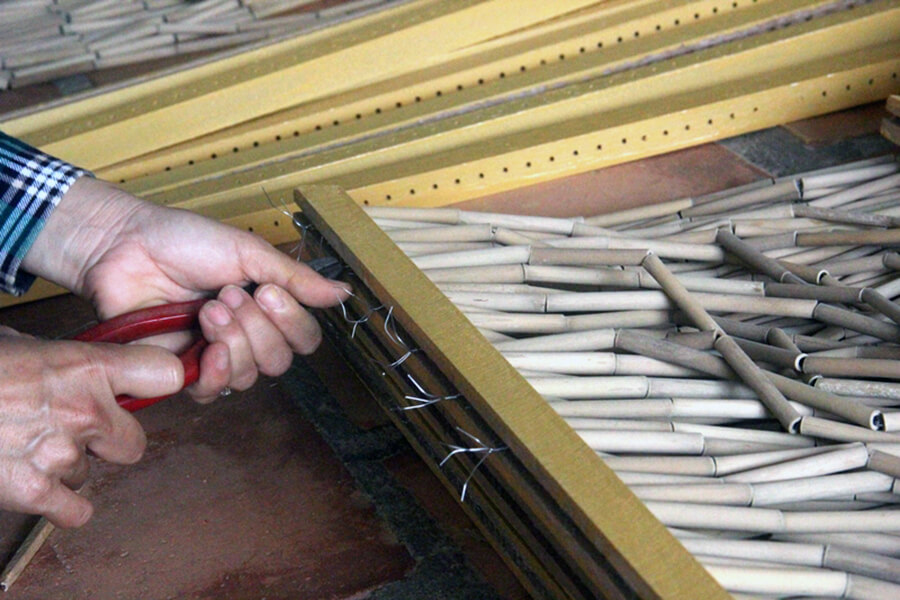
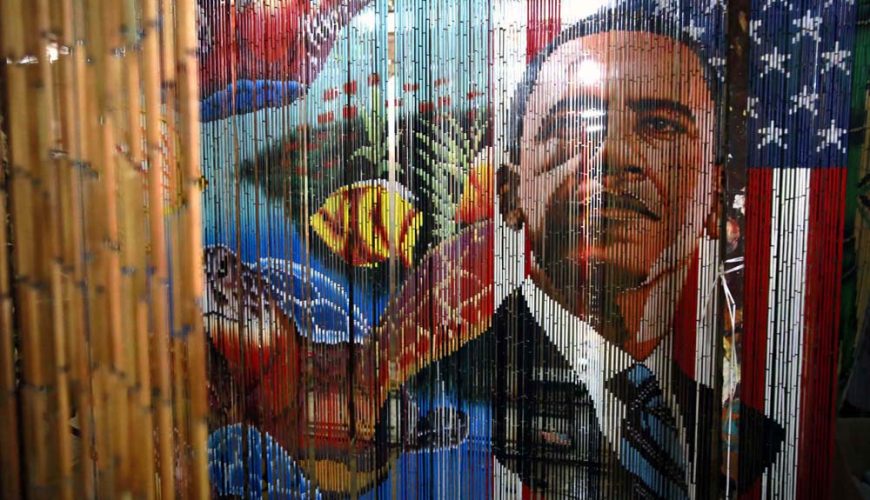
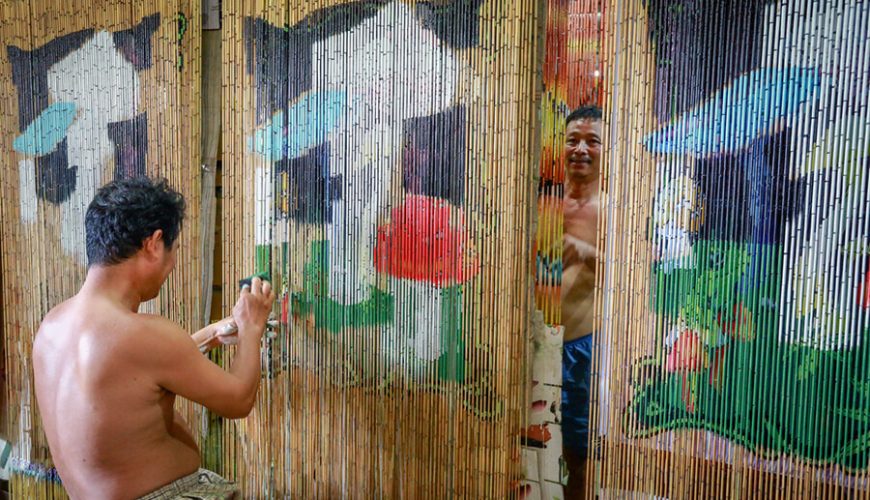
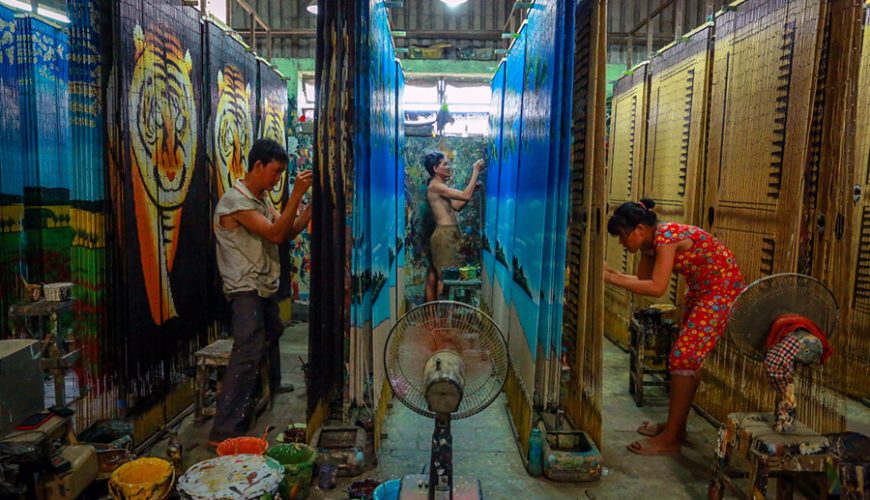
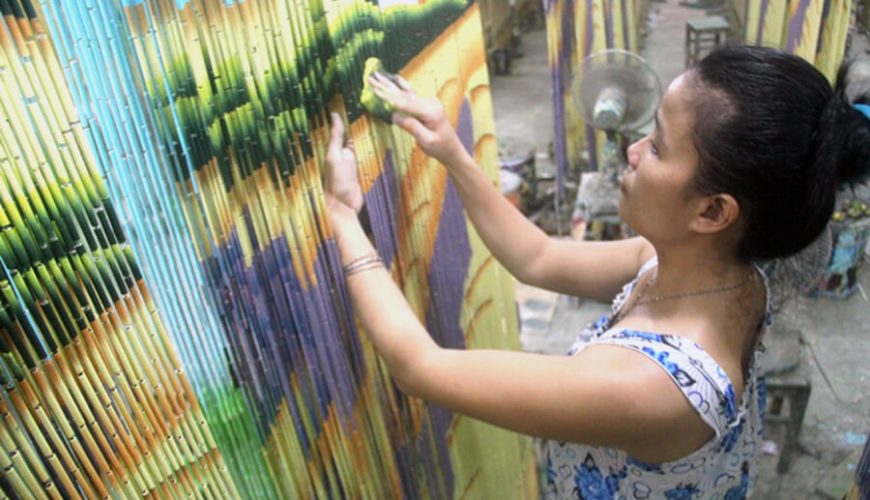
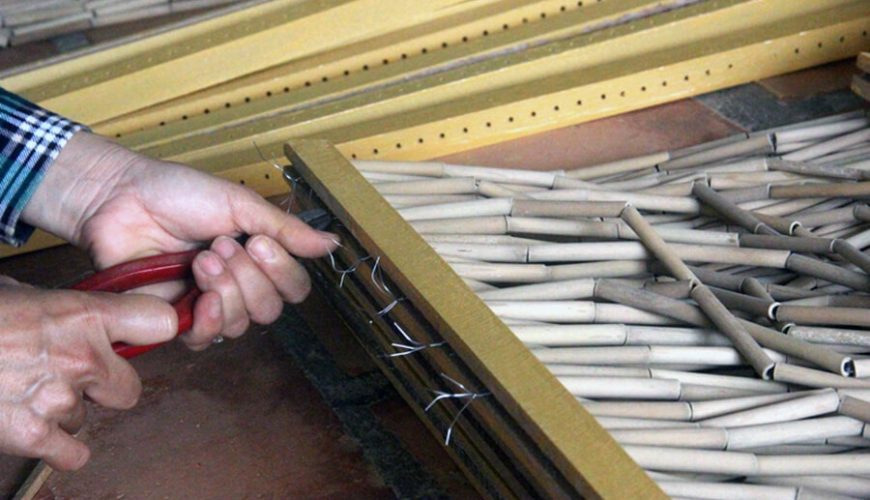
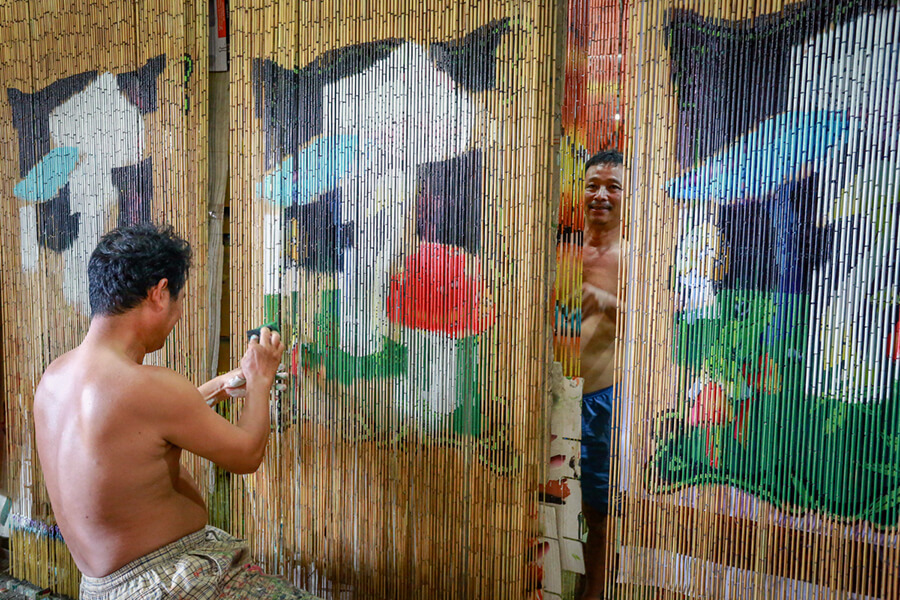
He inserts the woven bamboo blinds onto the shaft, then uses pliers to tighten the zinc threads to ensure they are secure. Must be a familiar hand, with experience to do it, because if you tighten the rope too much, it will be hard, and if it is too loose, the curtain will sag. To paint, the craftsman uses a sponge to absorb paint and create decorative details on the bamboo curtain. The paintings have many themes to express, depending on customer requirements such as style and scenes, portraits… delicate and no less vivid.
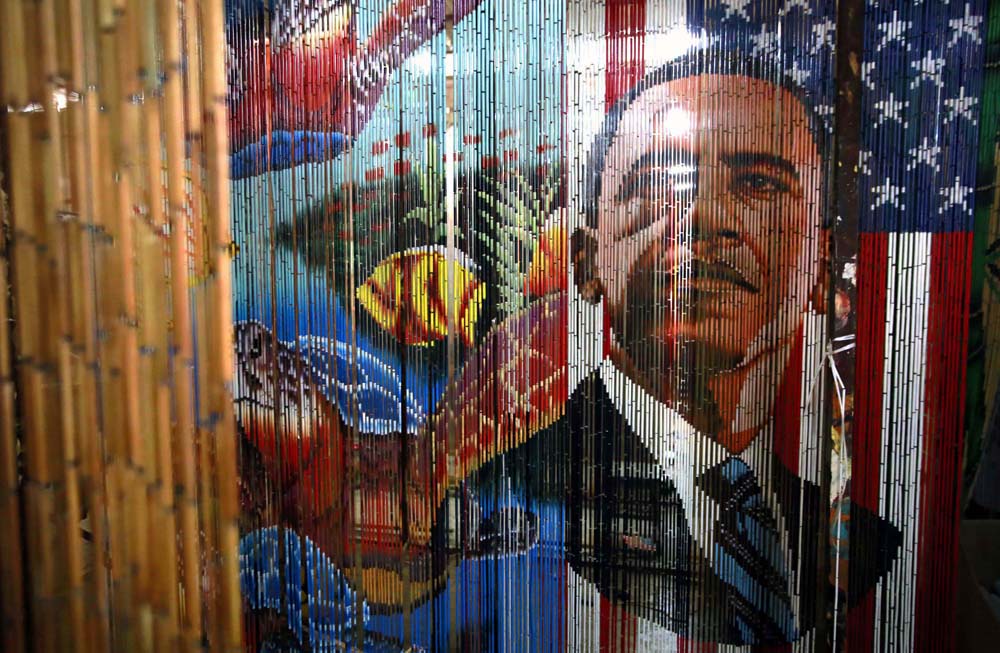
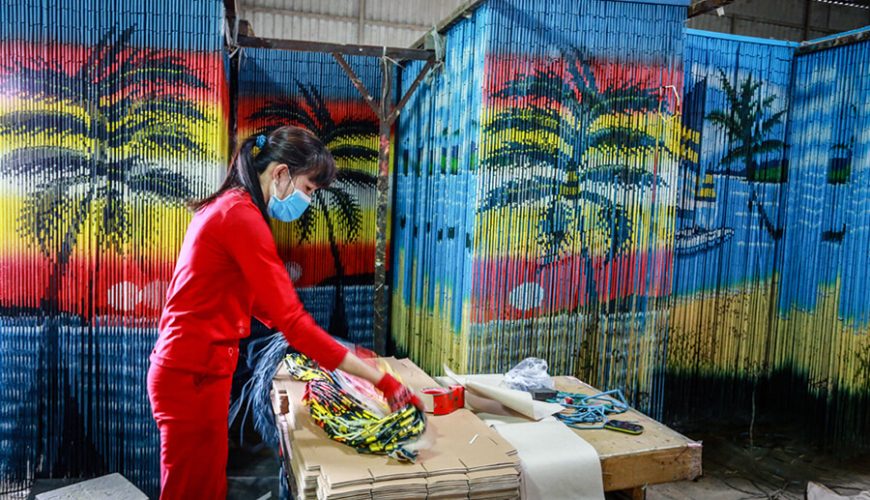
After the coloring is completed, these paintings will be passed through the inspection area again before being packed and shipped. In the bamboo blinds manufacturing profession, each worker will undertake a different stage. Therefore, many of the workers are elderly women and housewives who also participate in the stages of making bamboo screens at home.
Currently, Tan Thong Hoi traditional craft village has about 7 large establishments specializing in producing bamboo screens. The activities of this area have created jobs for hundreds of local workers and in neighboring communes.
Source: collected by An
Follow us for the best deals on Vietnam package tours and visa services!
Comment (0)