
The world cultural heritage of Thang Long Imperial Citadel is a complex of relics associated with the history of the formation and development of Hanoi Capital. After historical changes, which works of the ancient Thang Long Imperial Citadel are still preserved?
Hanoi Flag Tower
As one of the intact preserved relics in the World Heritage Site, Hanoi Flag Tower is a symbolic historical building of the capital, Hanoi.
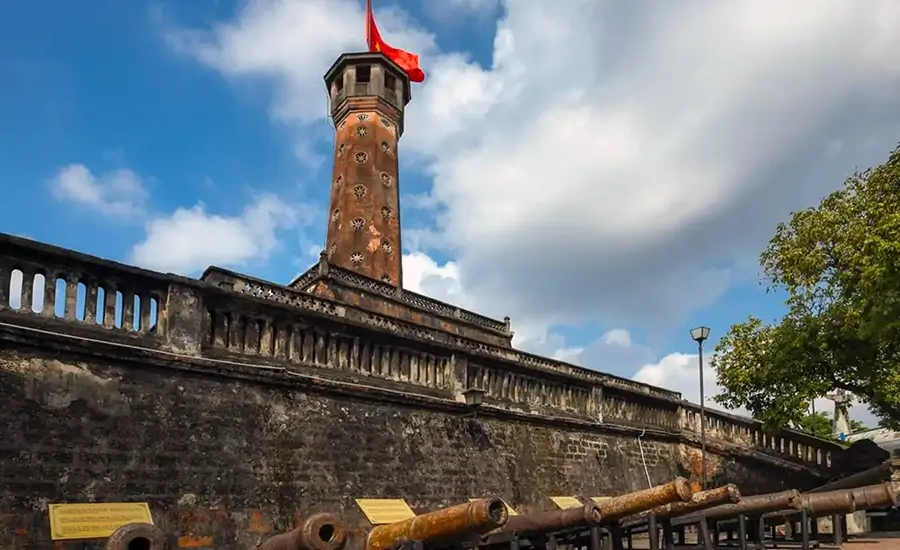
Built from 1805 to 1812 under the reign of Emperor Gia Long, the tower is officially called “Kỳ Đài” (Vietnamese: Kỳ means Flag; Đài means Tower), located in the southern part of the Thang Long Imperial Citadel.
The Hanoi Flag Tower is a tower-like structure, 41 meters high, consisting of three base floors and a pole. Inside the flag, there are stairs leading to the top. The top of the tower is an octagonal building, and in the middle is a tall, round pillar where the flagpole is mounted.
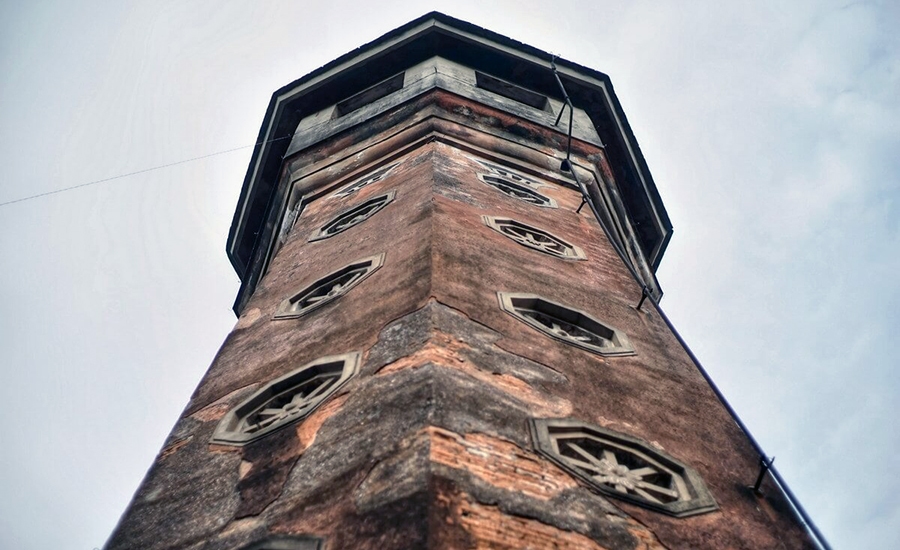
For more than two centuries, Hanoi Flag Tower has witnessed many heroic moments in the capital. The image of this special project was solemnly printed on the first currency issued by the State Bank of Vietnam.
Main Gate
The Main Gate (Vietnamese: Đoan Môn) is the southern main gate leading into the ancient Forbidden City of Thang Long (an old name for Hanoi). This is the most imposing building in the complex of relics belonging to the Thang Long Imperial Citadel.
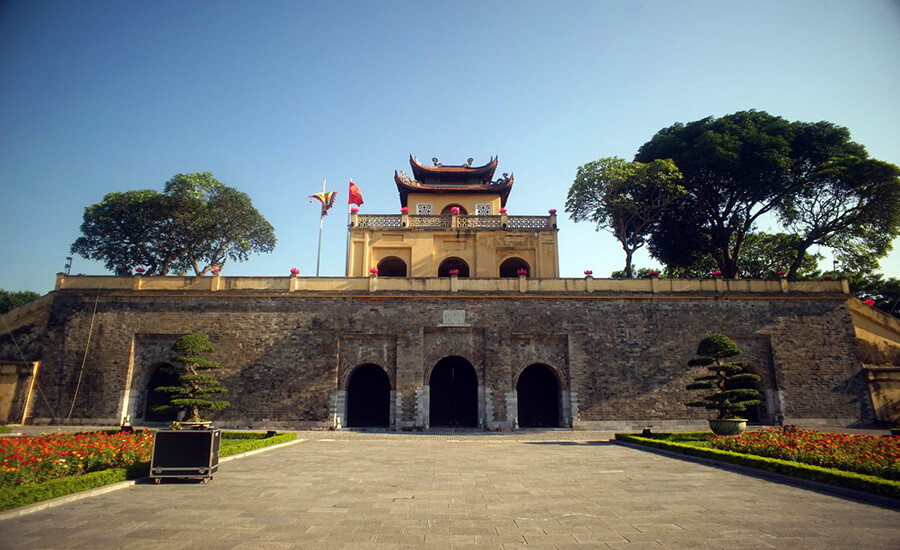
Built in the Le Dynasty and renovated in the Nguyen Dynasty, the Main Gate features 5 symmetrical stone arches along the Imperial Citadel’s divine axis. The largest middle door is reserved for the Emperor; the other doors are also for mandarins and princes of the country, who are forbidden to enter and leave the palace.
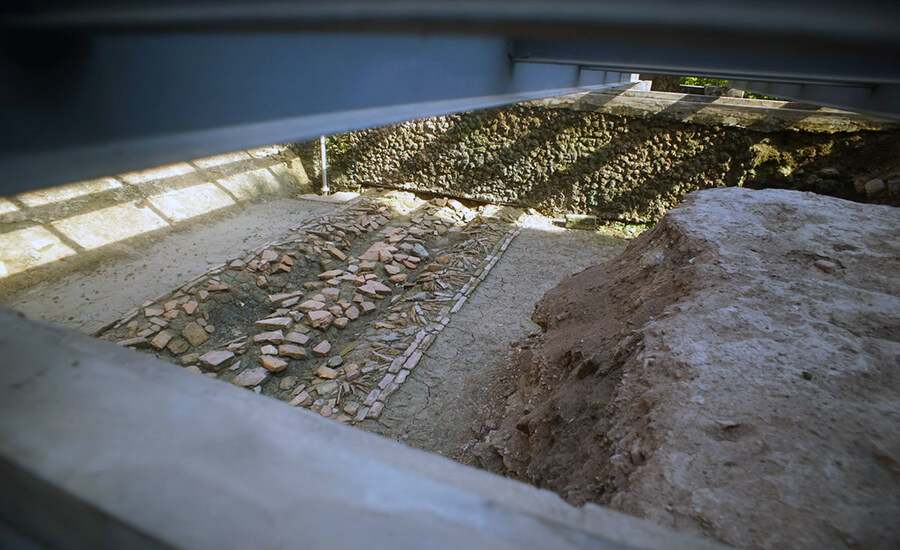
After centuries of ups and downs, the gate of the Thang Long citadel still retains its solidity and majesty. In 1999, behind the main gate, archaeologists excavated an 85.2 m² area to trace the ancient road. Today, this hole is left open for tourists to visit.
Kinh Thien Palace
Located in the center of Thang Long Imperial Citadel, Kinh Thien Palace was the most important palace in the ancient capital of Thang Long. This is the place where the most solemn ceremonies of the royal court were held, to welcome foreign envoys or to hold court to discuss important national matters.
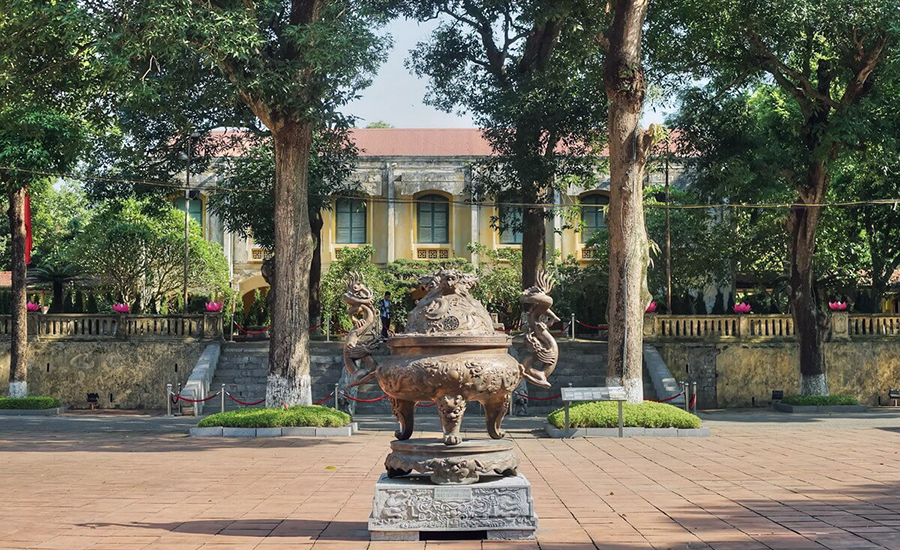
Kinh Thien Palace was built in 1428 during the reign of King Le Thai To. At the beginning of the Nguyen Dynasty, Emperor Gia Long used this place as a palace for the Emperor to use every time he traveled to the North. During the French colonial period, the French colonialists demolished Kinh Thien Palace and built an artillery command headquarters.
Today, only the remains of the ancient Kinh Thien Palace remain: the steps and the foundation. In front of the palace, there are 10 stone steps with dragon-shaped railings, divided into three entrances. Behind the palace, there are 7 smaller steps, and on both sides are two stone dragons of similar shape.
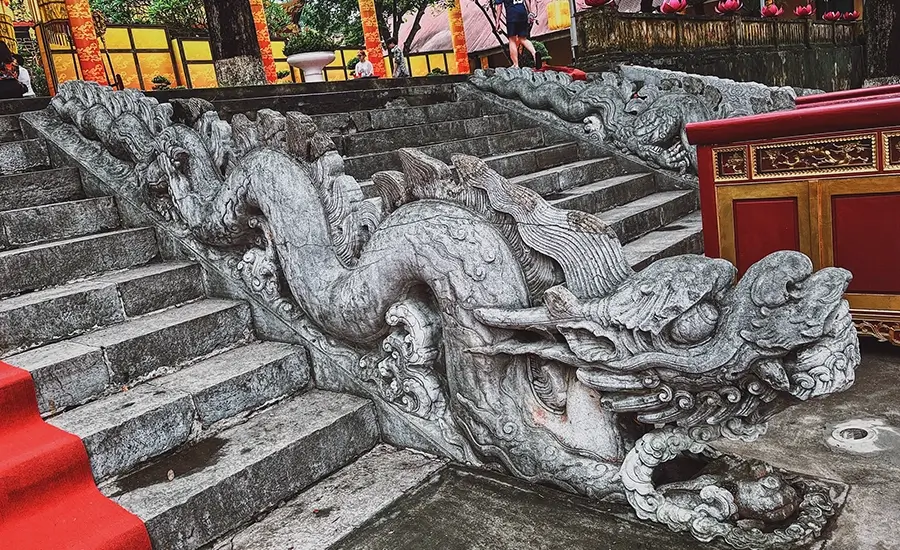
According to researchers, the pair of stone dragons in Kinh Thien Palace was built in 1467. This is an architectural heritage of special value, typical of the sculptural art of the Early Le Dynasty.
Rear Palace
Located behind Kinh Thien Palace, the Rear Palace (Vietnamese: Hậu Lâu) relic is a unique structure in the Thang Long Imperial Citadel.
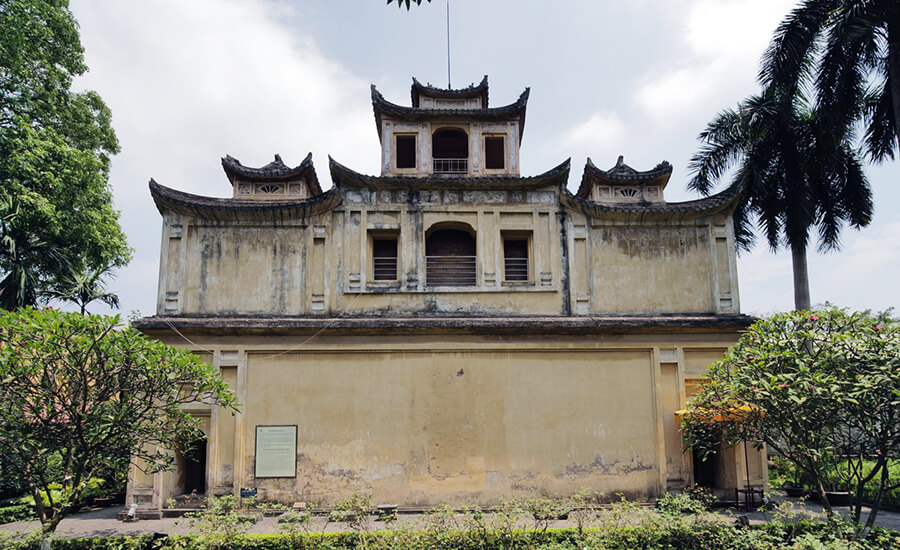
This building was built to the north of the palace to guard and promote peace (according to feng shui), so it is also called “Tĩnh Bắc Lầu” or “Hậu Lầu”. Because it was the resting place of the women in the convoy escorting the Emperor to Hanoi, this place is also known as the Princess’s Palace.
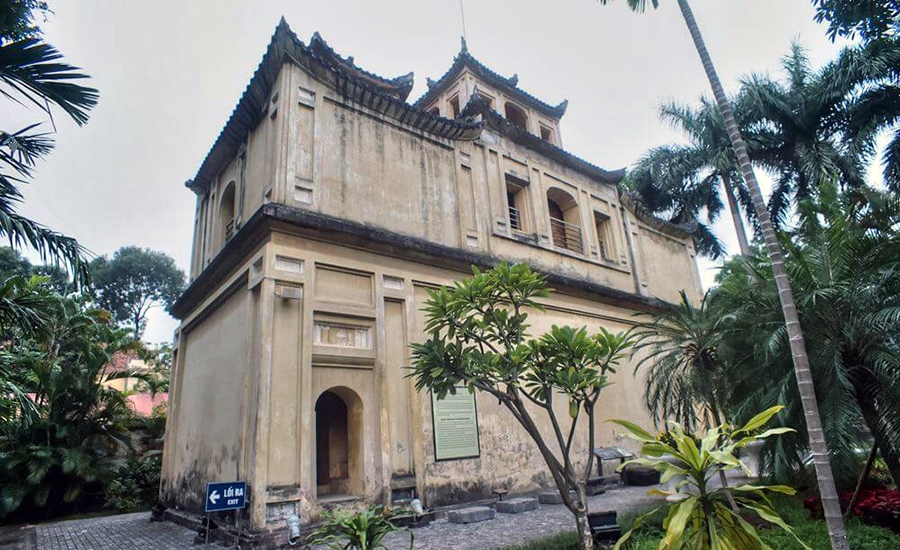
During the French bombardment of the Hanoi Citadel, the Rear Palace was destroyed and later rebuilt by the French as a garrison for the French army. Therefore, the current architecture is a blend of Vietnamese royal architecture and 19th-century French architecture.
Northern Gate
Located on Phan Dinh Phung Street, the Northern Gate was built in 1805 on the foundations of the Le Dynasty gate. Similar to the Main Gate, the North Gate is built in the style of a gazebo, with an upper floor and a lower citadel. The citadel was built very solidly with stone and brick, and the foot of the embankment was made of stone. The city gate connects from the front to the back, built in a rolling arch style.
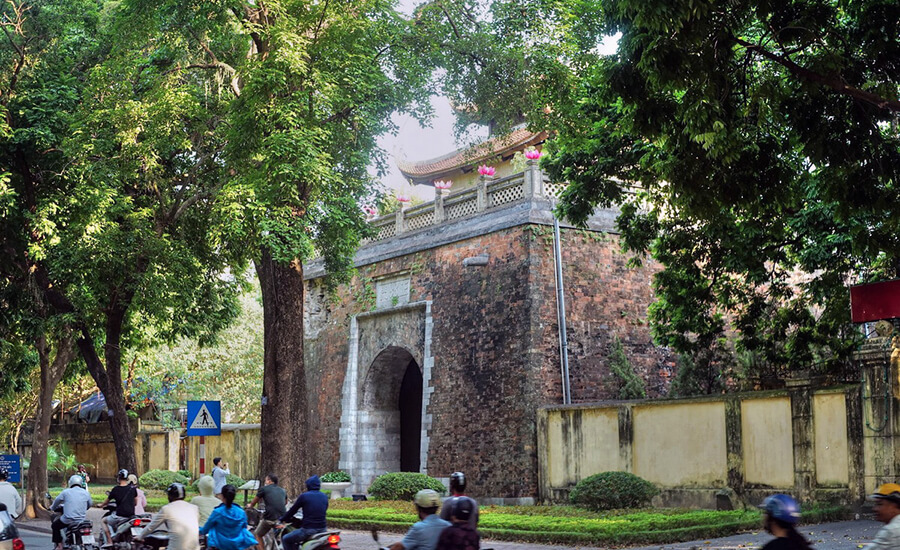
The floor was partially reconstructed with a wooden frame in the style of overlapping eight roofs, tiled roofing, and doors opening in four directions. This is the place to worship Nguyen Tri Phuong and Hoang Dieu, two historical figures who sacrificed their lives to protect the Hanoi citadel from the French colonialists’ invasion.
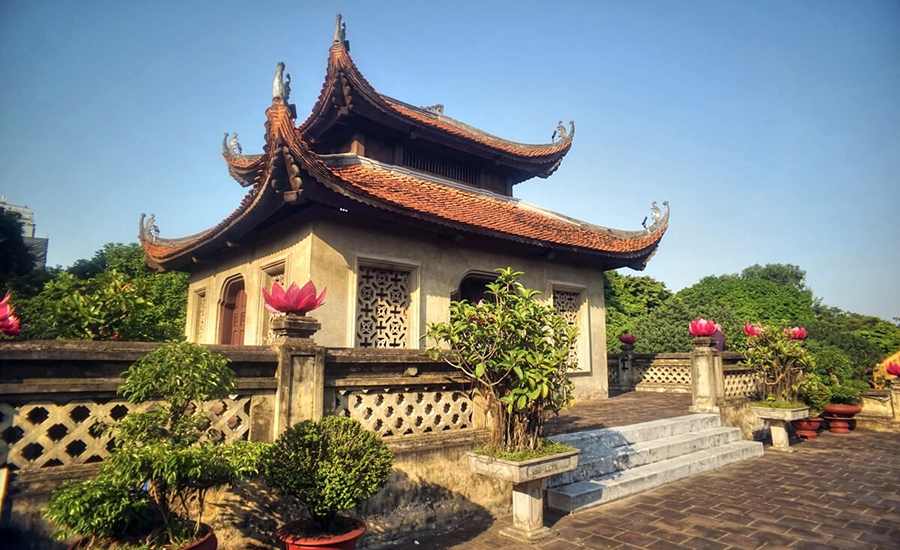
According to researchers, although North Gate was built by the Nguyen Dynasty, at the foot of this city gate lie layers upon layers of citadel relics from previous dynasties, confirming the continuity of the Imperial Citadel of Thang Long’s thousand-year history.
Source: collected by An
Follow us for the best deals on Vietnam package tours and visa services!
Comment (0)