
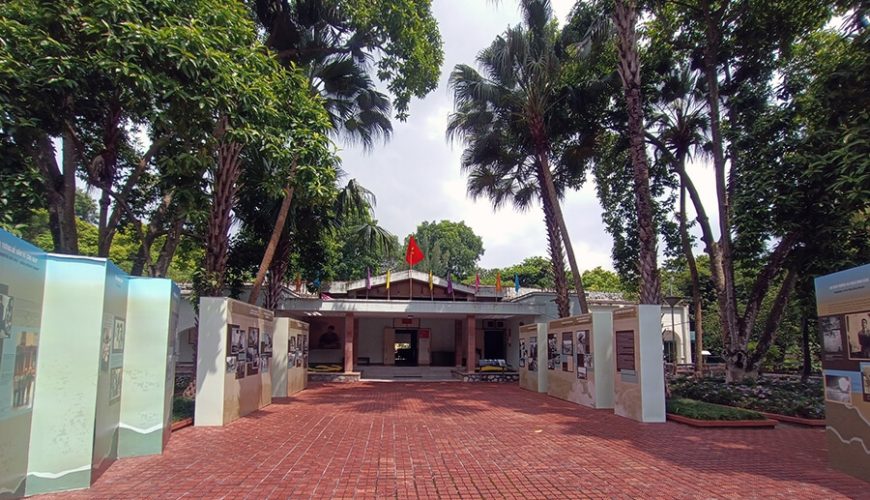
Visitors to Thang Long Imperial Citadel can now visit the vault of House D67 with many new artifacts on display. House and basement D67 are located north of Kinh Thien Palace. Previously, this place was the Command Headquarters of the Vietnam People’s Army during the 1954 – 1975 war.
In 1966, the US began using the air force to attack the capital, Hanoi. In 1967, the level of raiding intensified. To ensure the headquarters’ workplace during the war, the Ministry of National Defense decided to build a house in Area A, Command Headquarters, Ministry of National Defense (Hanoi Citadel Palace during the Nguyen Dynasty). The house, called House D67, was designed and built in 1967.
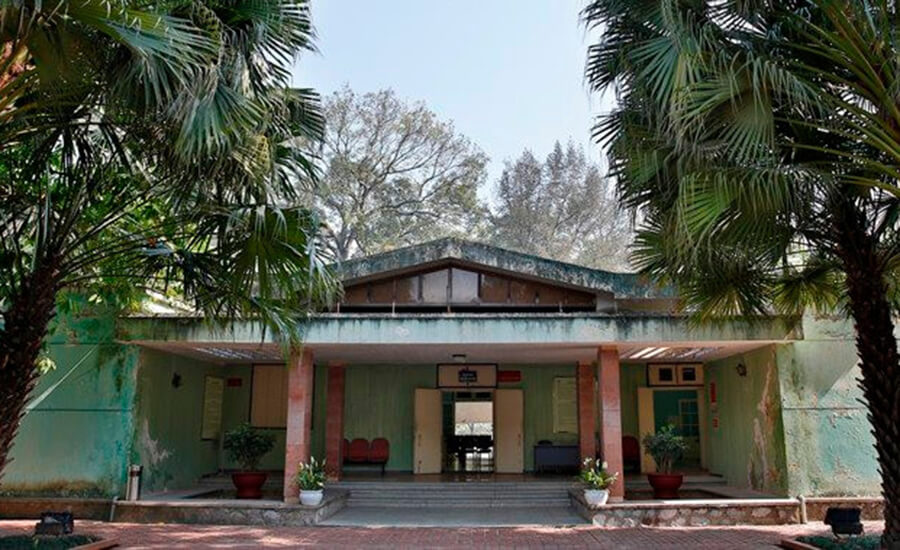
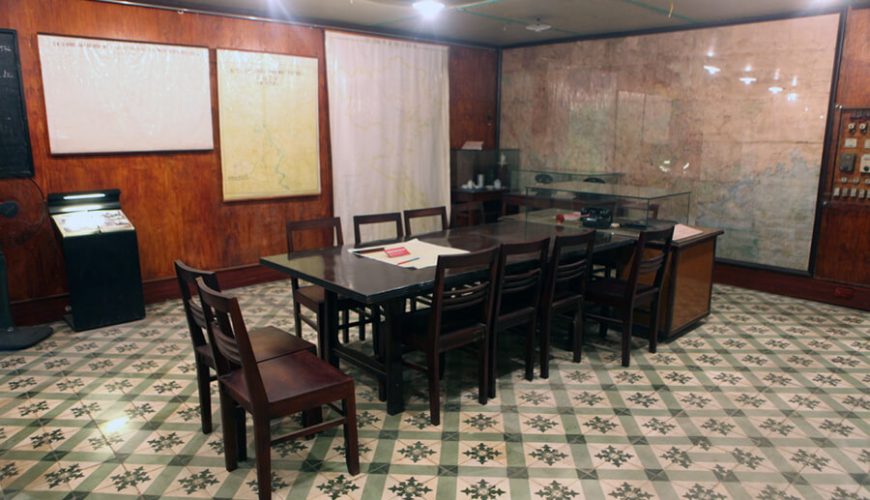
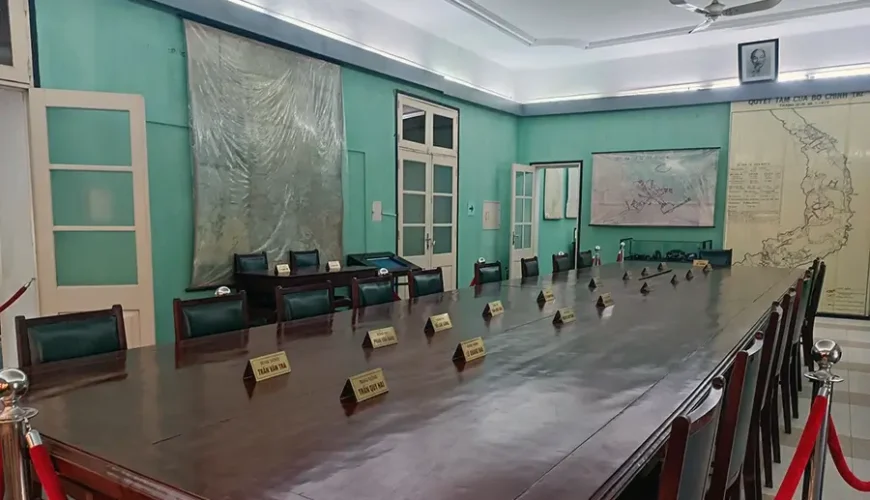
Historical and revolutionary relic House D67 is associated with the activities of the Politburo, the Central Military Commission of the Communist Party of Vietnam (from 1976 onwards, the Vietnam Labor Party), the Minister of National Defense, and the General Staff of the School. Vietnam People’s Army since September 1968. There are meeting rooms for the Politburo and the Central Military Commission: the Office of General Vo Nguyen Giap and the Office of General Van Tien Dung.
House D67 is one of the few military structures from the resistance war against the US that remain relatively intact. The main reason is that the project is built with sustainable materials: iron, steel, bricks, sand, and cement. When damage occurs, the project is repaired promptly; it is also located in a confidential area and carefully protected.
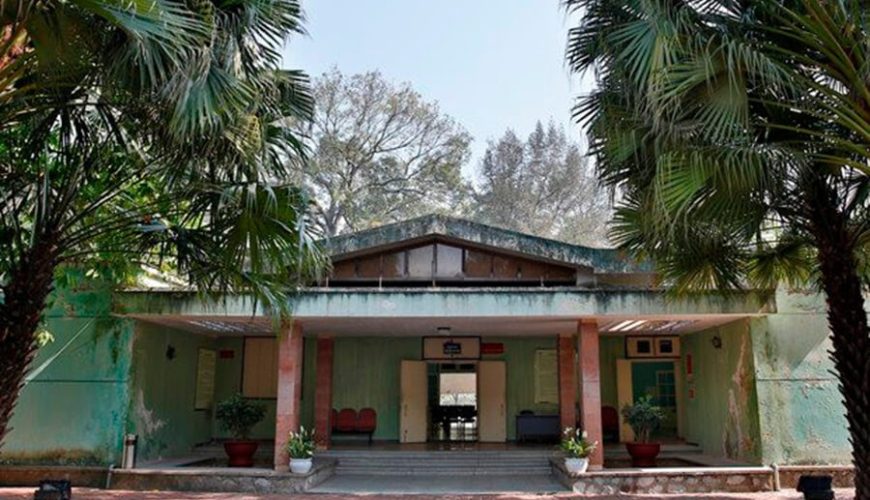
On the outside, House D67 is a typical flat-roofed house, measuring 43.02 x 20.85m, with a roof height of 7.89m, located under a grove of trees. Only when inside does the military element appear clearly. The walls are 0.6m thick and soundproofed, and the door has 2 layers: the outer layer is a 1cm thick steel plate. On the roof, there is a layer of sand that prevents rocket and common bomb fragments.
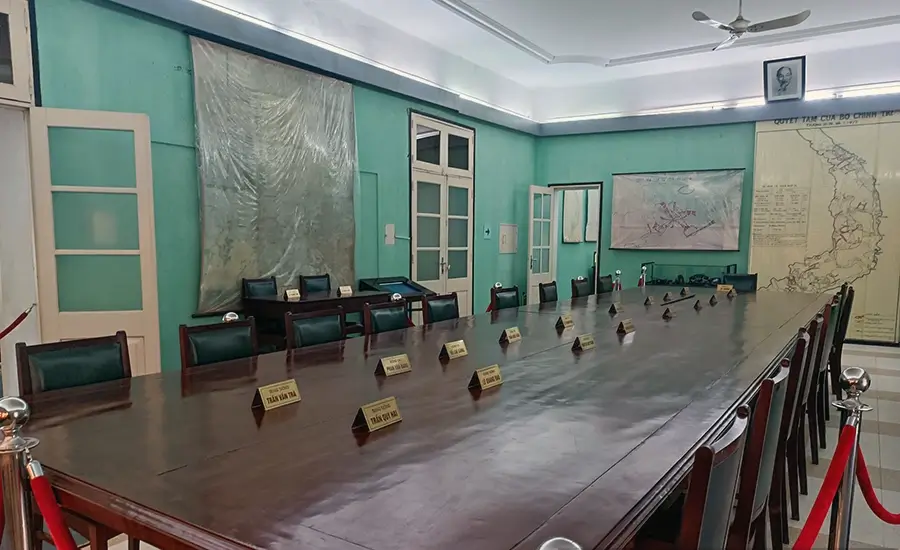
The back hallway is open with two doors to the underground bunker. The hatch is made of sheet steel. The meeting room of the Politburo and the Central Military Commission has 4 doors; the offices of General Vo Nguyen Giap and General Van Tien Dung each have 2 doors. When an incident occurs, you can quickly escape or go underground. There is no audio, video recording, or anti-intrusion system inside.
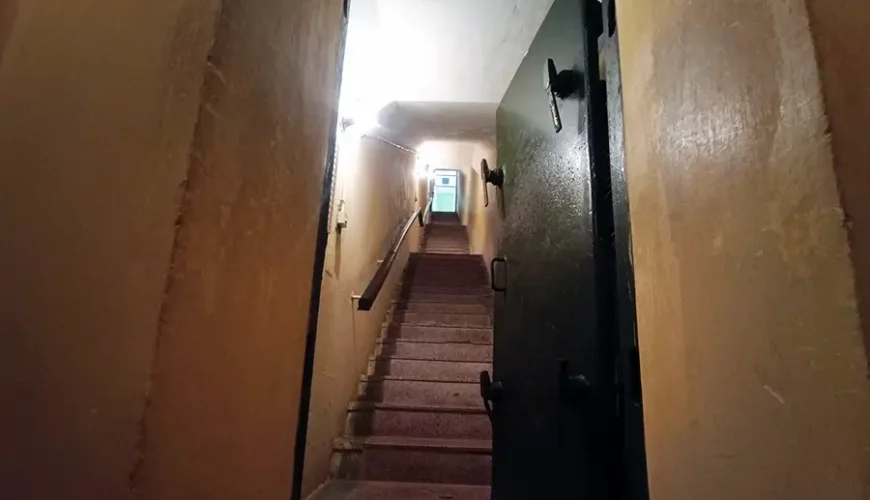
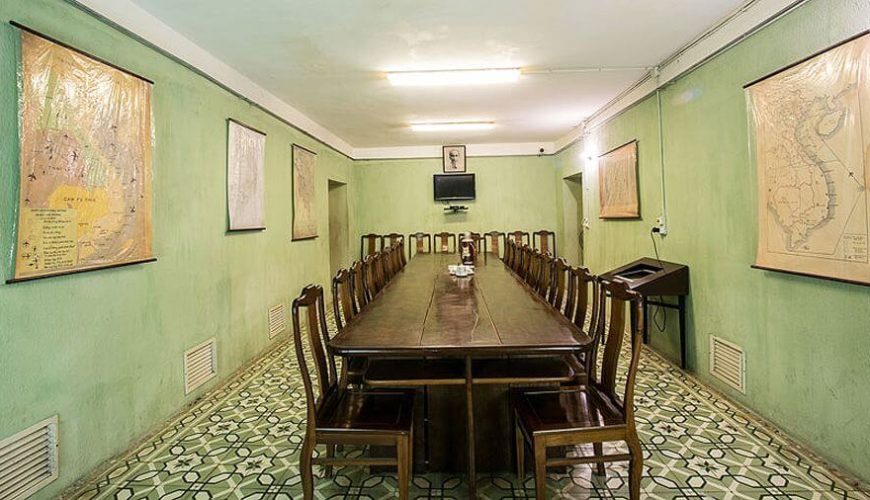
Tunnel D67 (Central Military Commission bunker) was built in 1967 along with building D67. The tunnel is 9m deep, solidly built to resist bombs. The tunnel has three flights of stairs up and down.
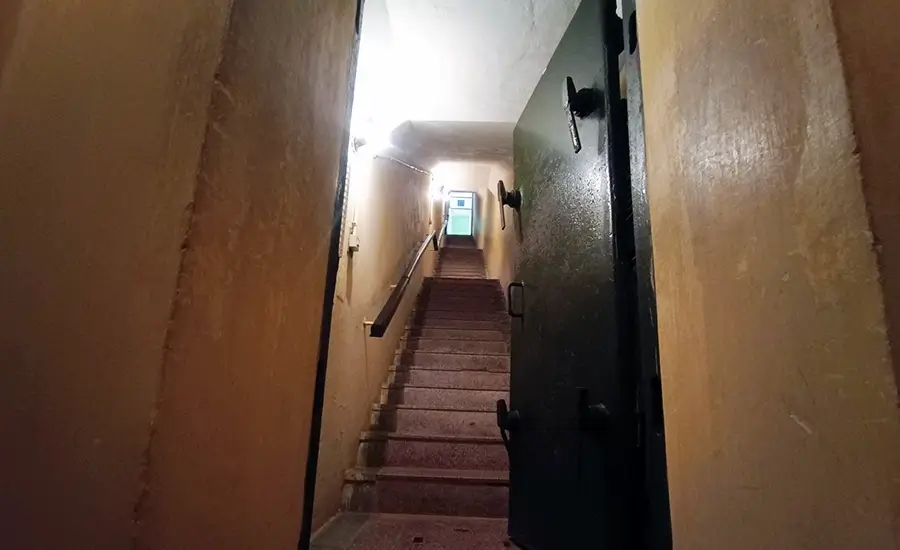
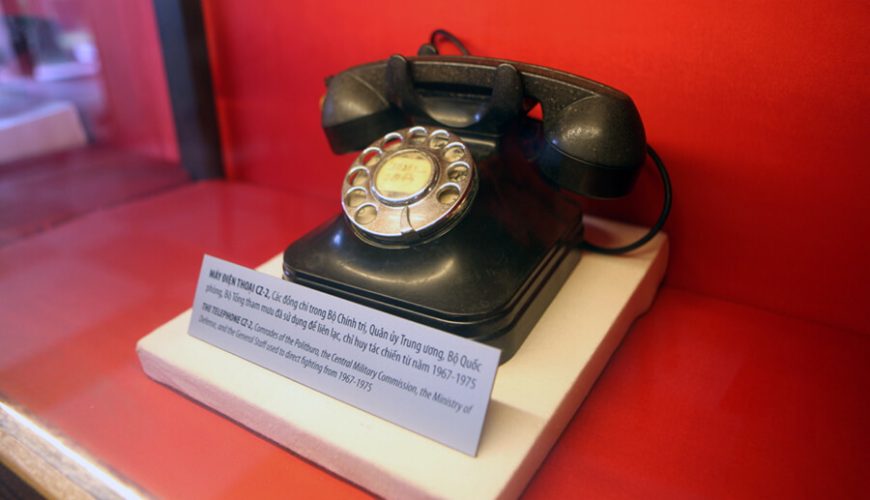
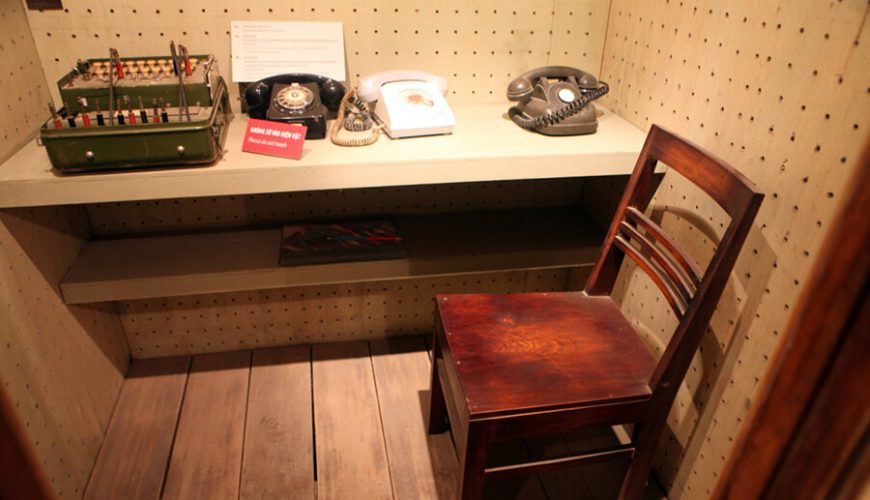
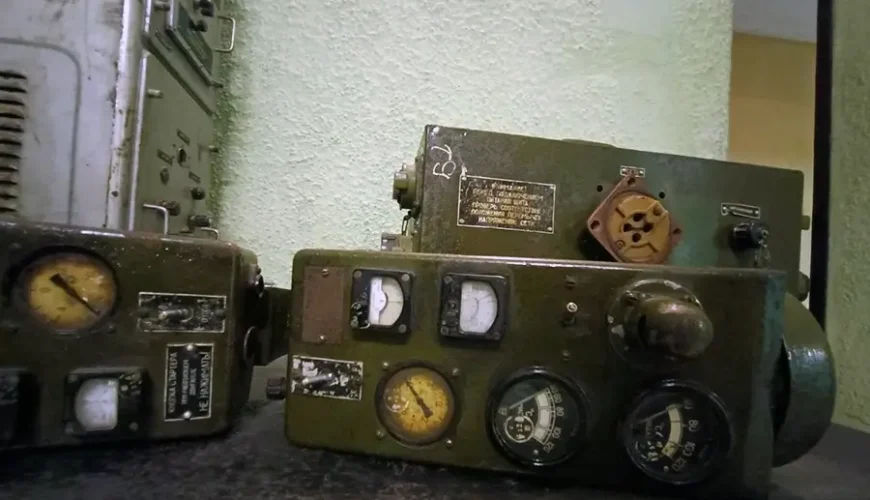
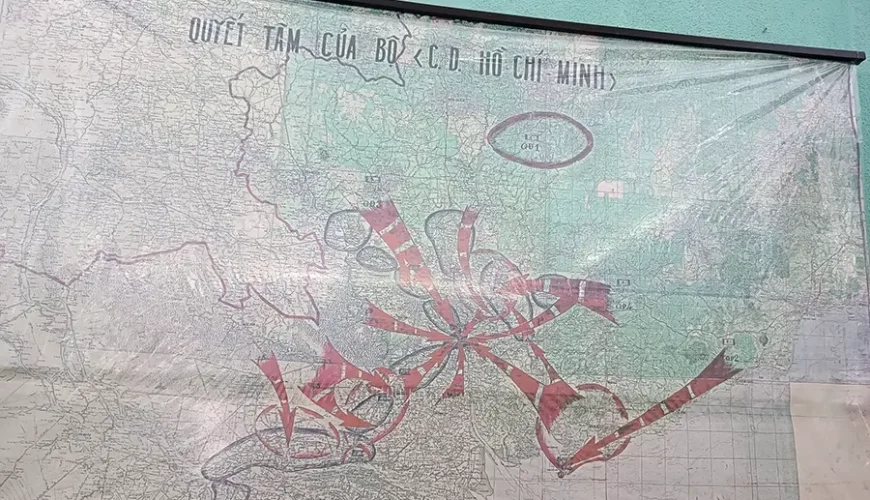
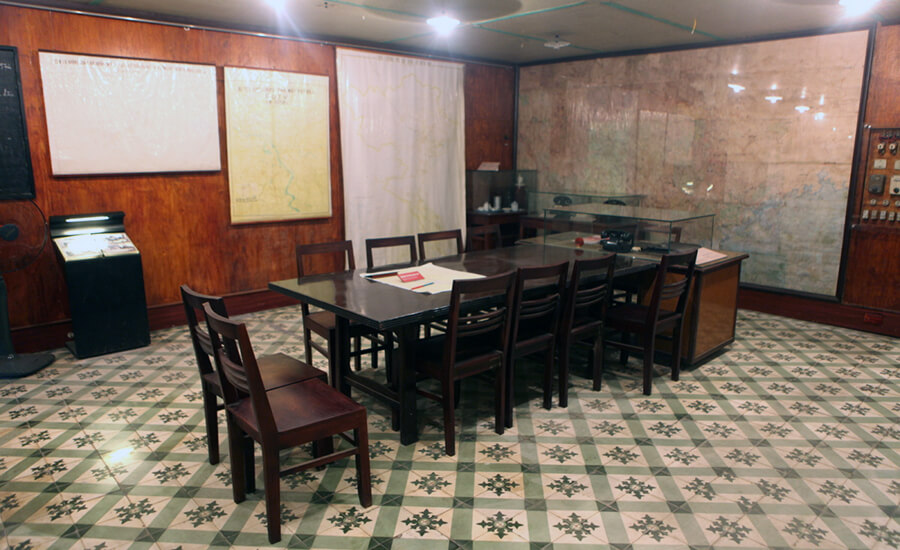
The tunnels consist of 3 rooms; the largest is the duty room, which still preserves many artifacts, such as the General Staff’s desk, large maps to orient enemy aircraft, radio sets, telephones connected to the Presidential Palace, and a notice board on the enemy aircraft situation.
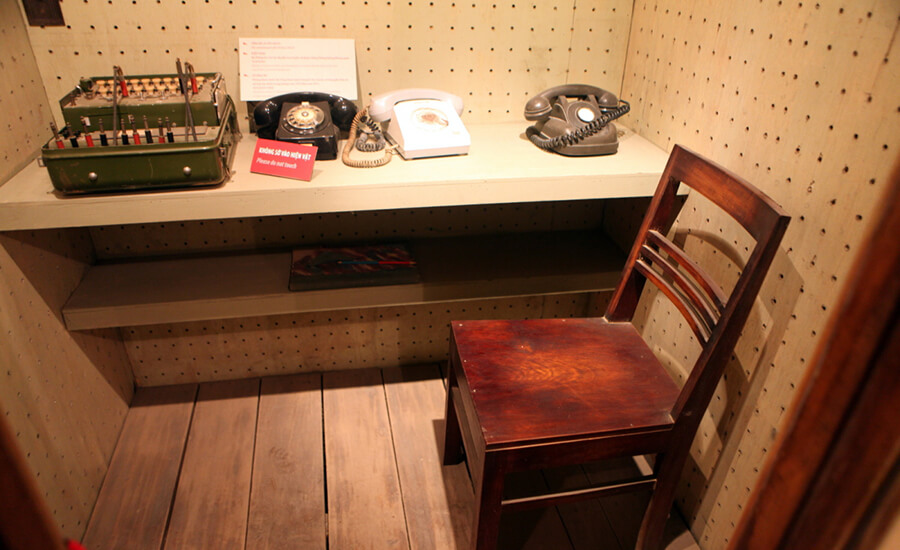
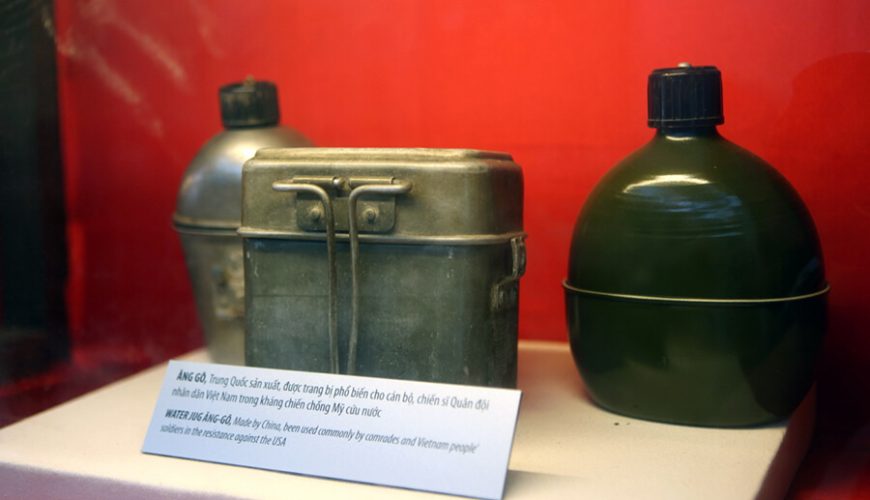
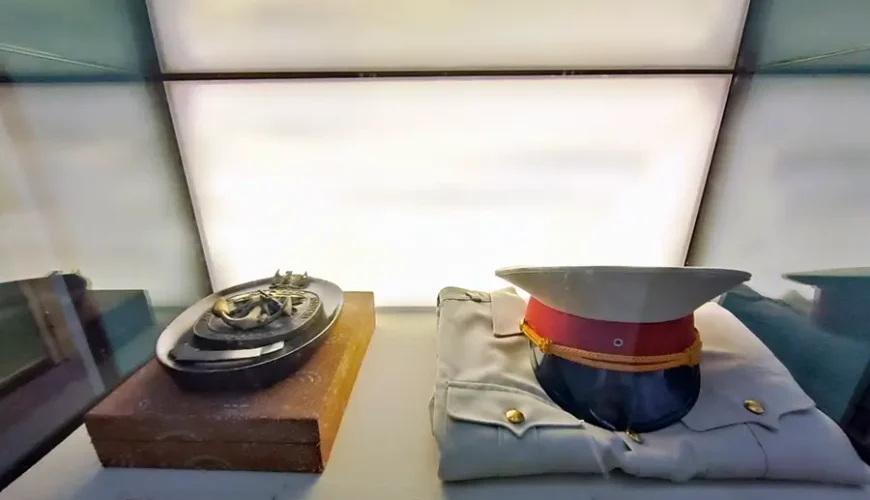
Here, on display, are artifacts used by comrades in the Politburo, the Central Military Commission, the Ministry of National Defense, and the General Staff during the years of resistance against the US.
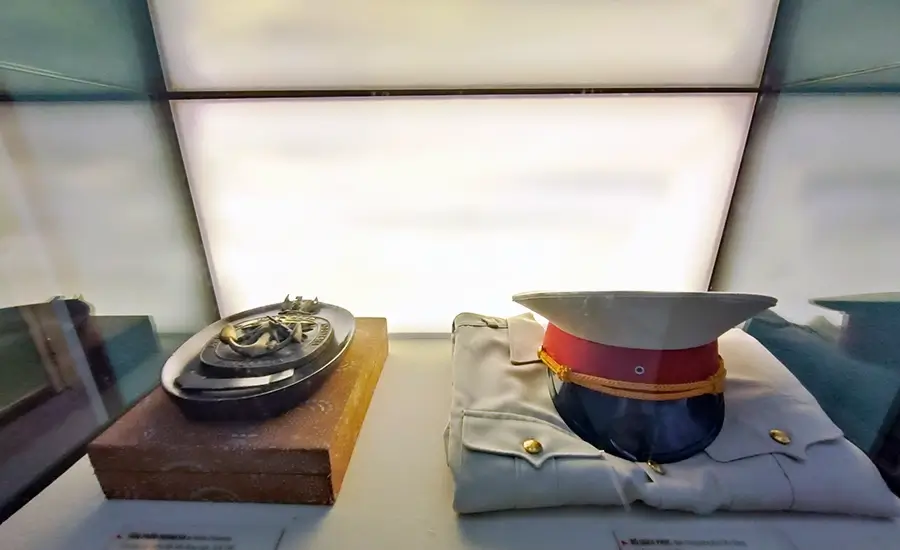
House D67 is a simple military structure, but has very high use value. For 7 years, the house ensured the safety of the Vietnamese leaders, enabling them to work, plan policies, and direct the organization to successfully carry out the final phase of the resistance war against the US and save the country. House D67 is one of the precious military and cultural relics of the 20th century.
To visit the House D67 and tunnels, you first need to buy a ticket for 30,000 VND per person. For students and seniors, the ticket price is 15,000 VND.
Source: collected by An
Follow us for the best deals on Vietnam package tours and visa services!
Comment (0)