
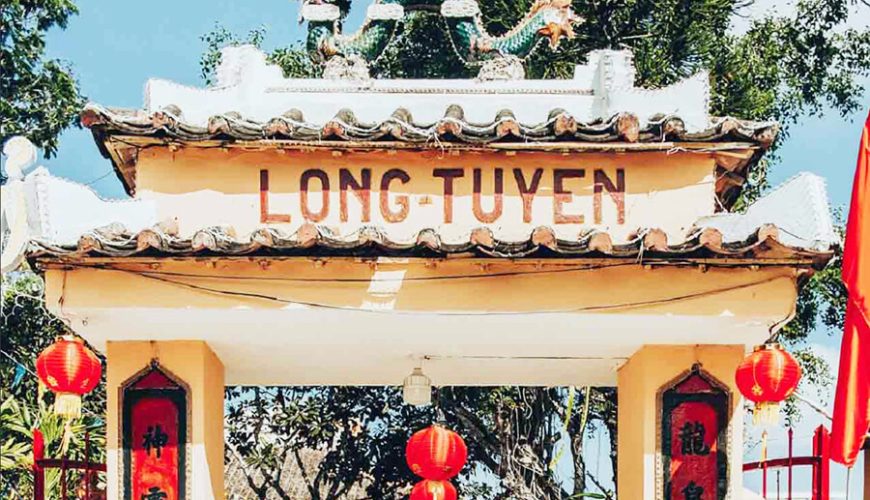
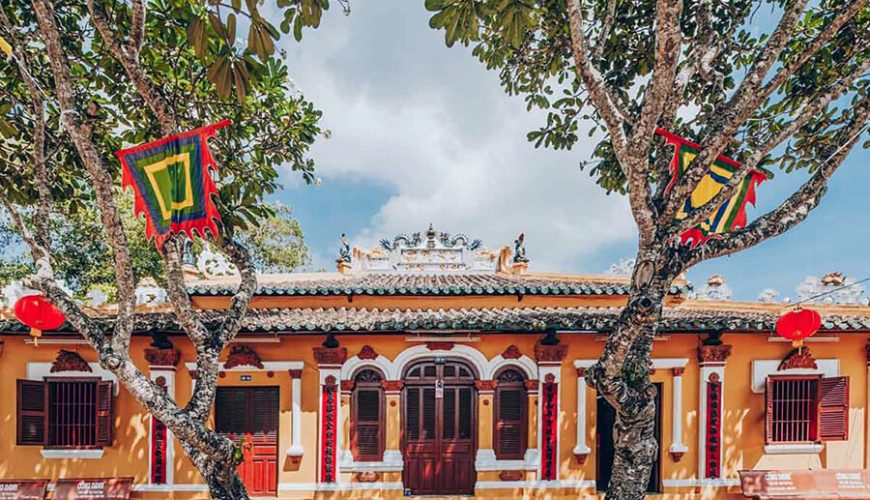
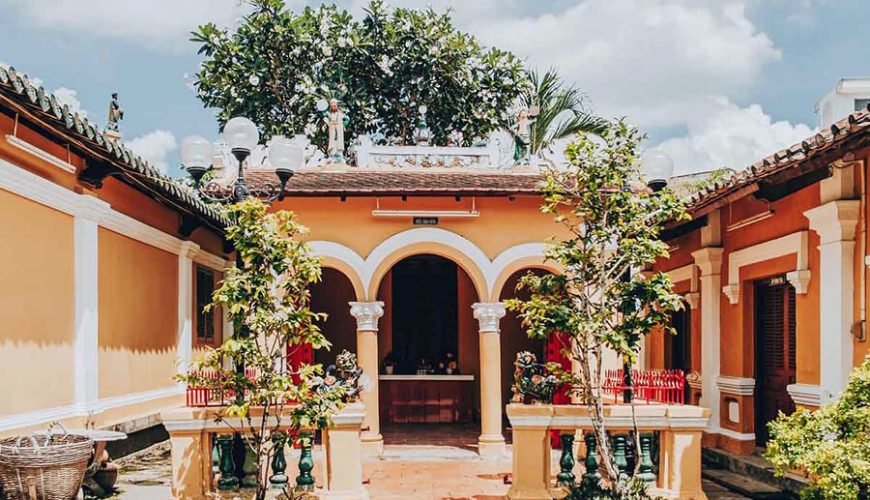
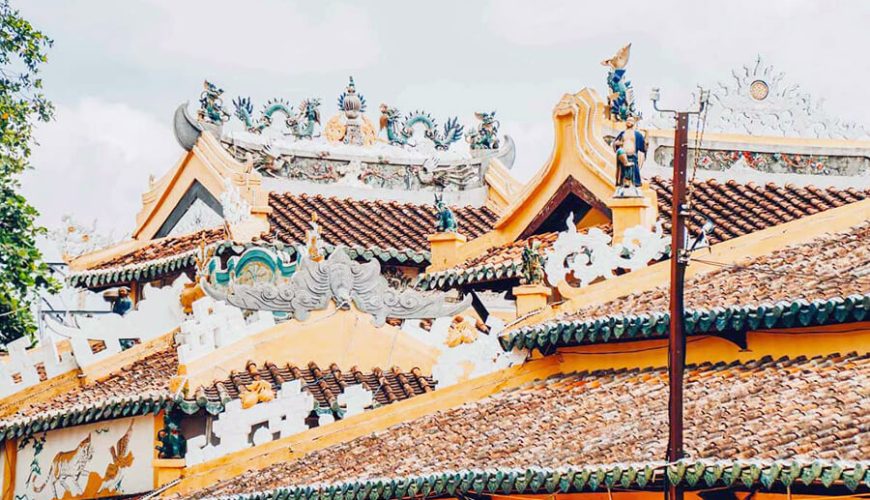
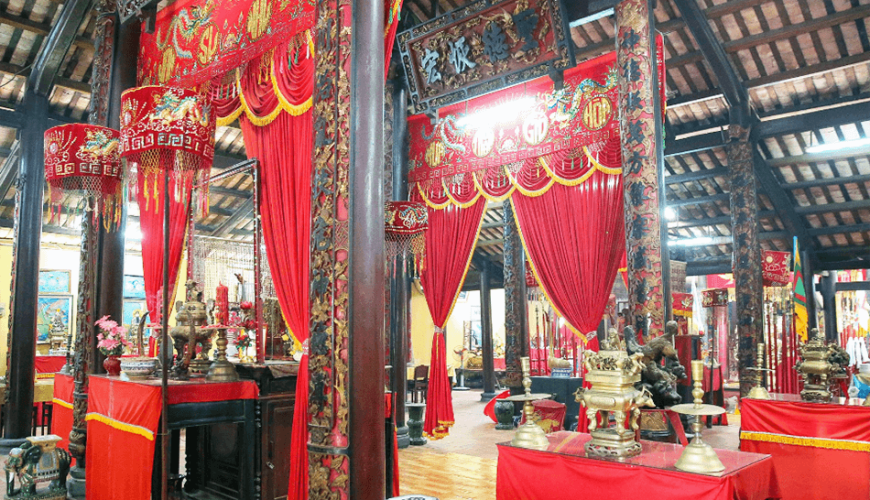
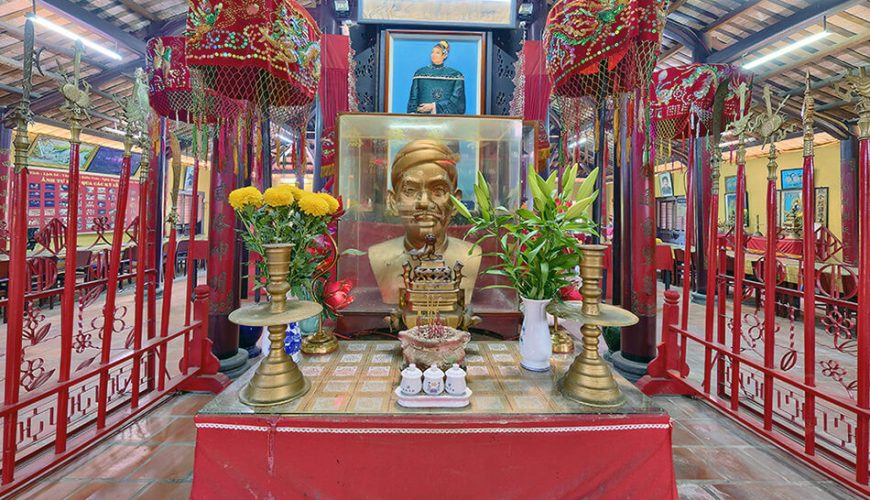
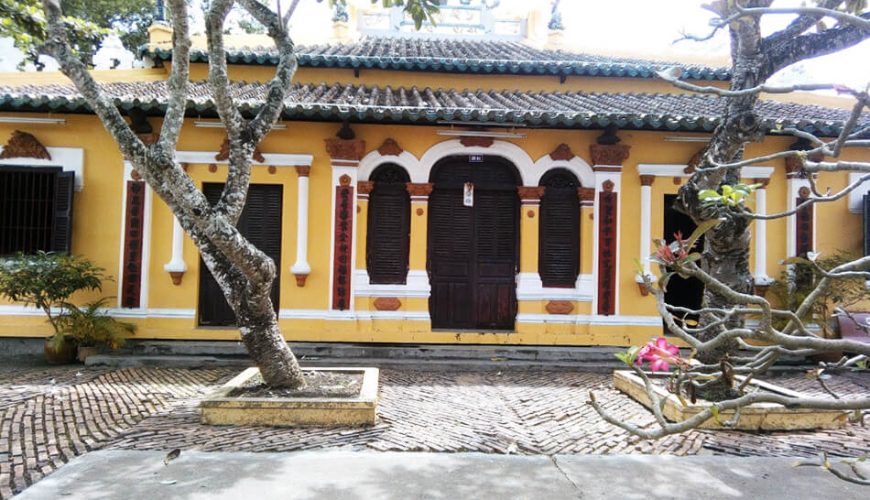
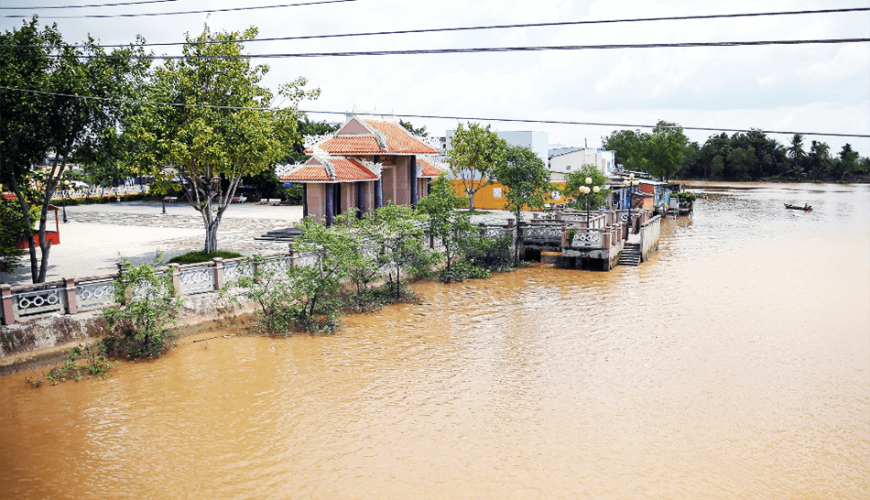
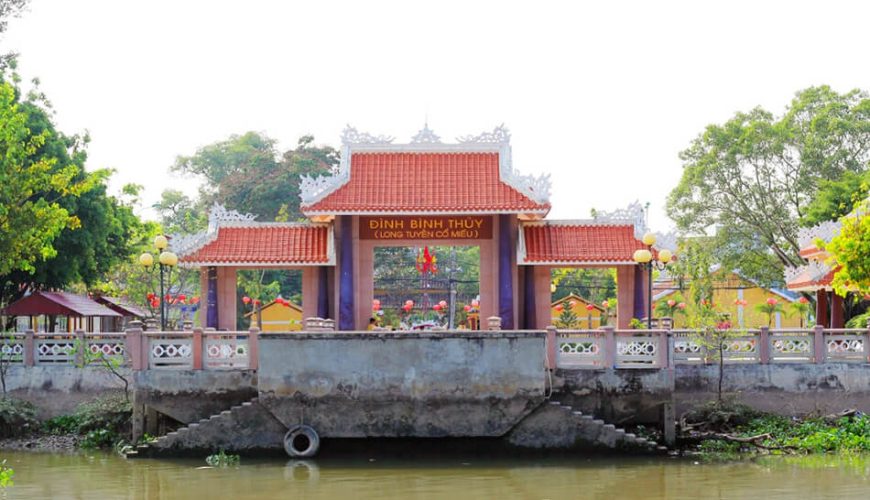
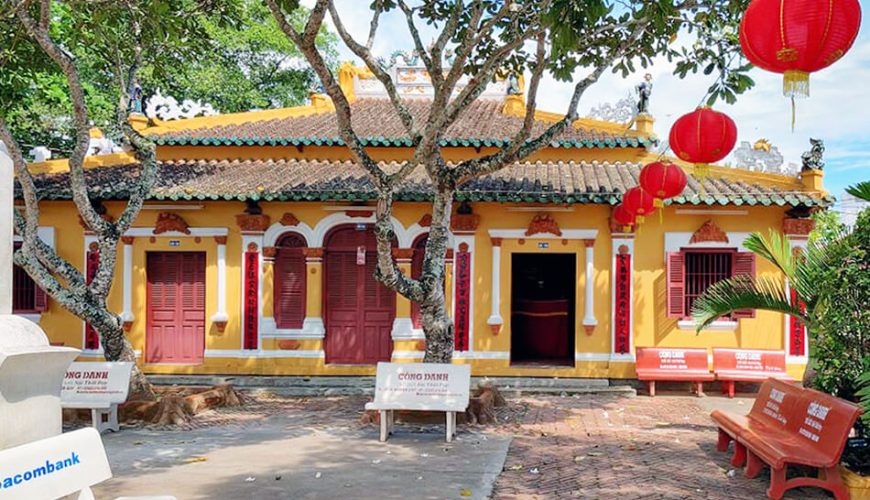
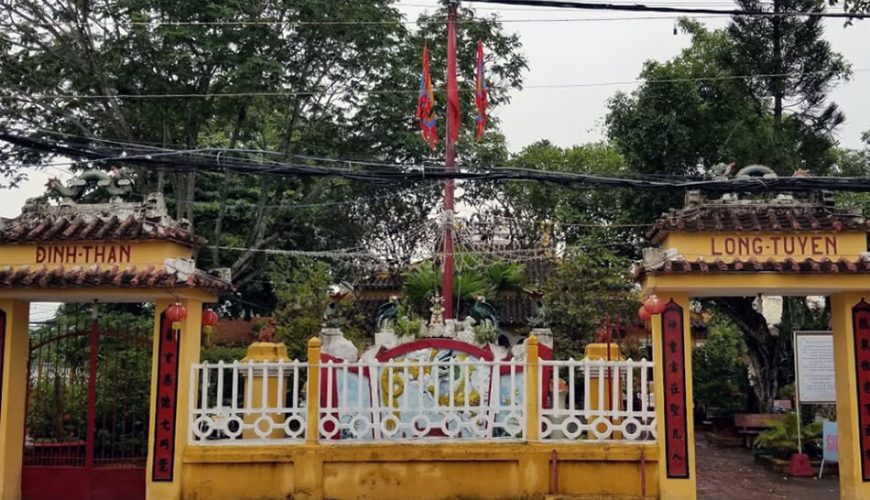
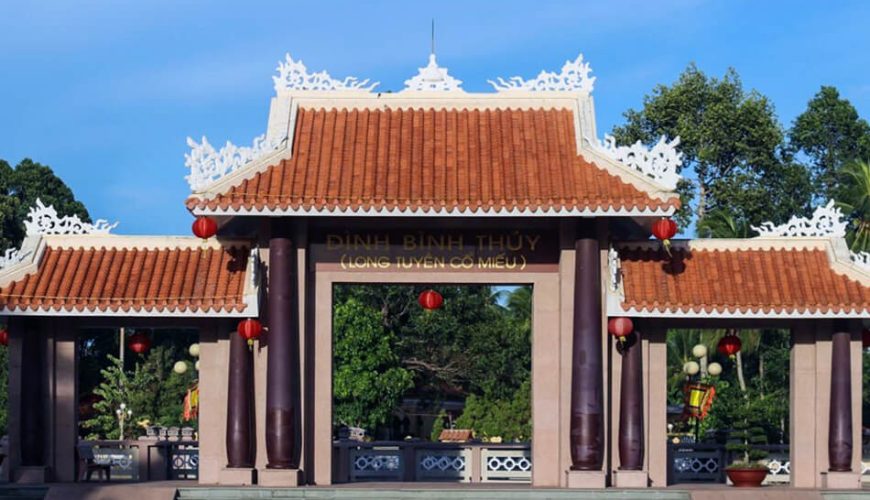
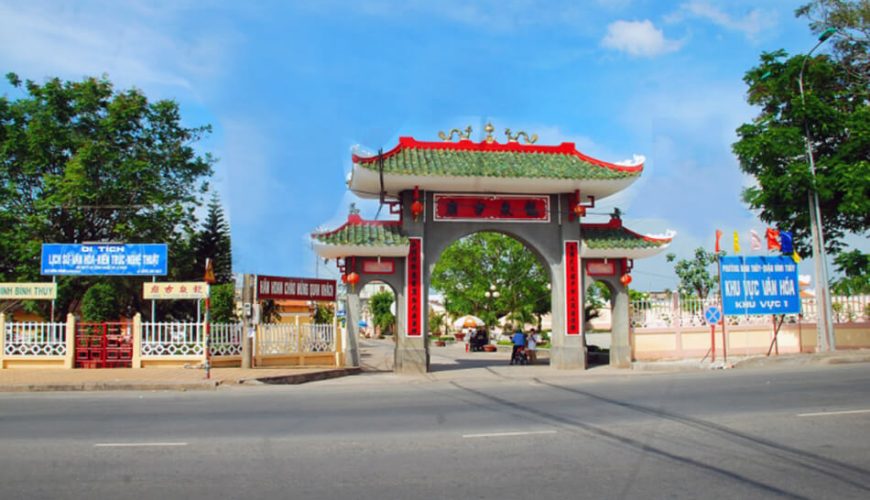
Binh Thuy Temple (Vietnamese: đình Bình Thủy, where đình means temple), also known as Long Tuyen Ancient Temple, is a place of worship for Thanh Hoang, a deity enshrined in the village. Among the remaining ancient communal houses in the southwestern region, Binh Thuy in Can Tho is one of the most majestic and splendid in its artistic style. When you visit the temple, you not only admire its ancient architecture but also learn about the history of its construction.
Overview of Binh Thuy Temple
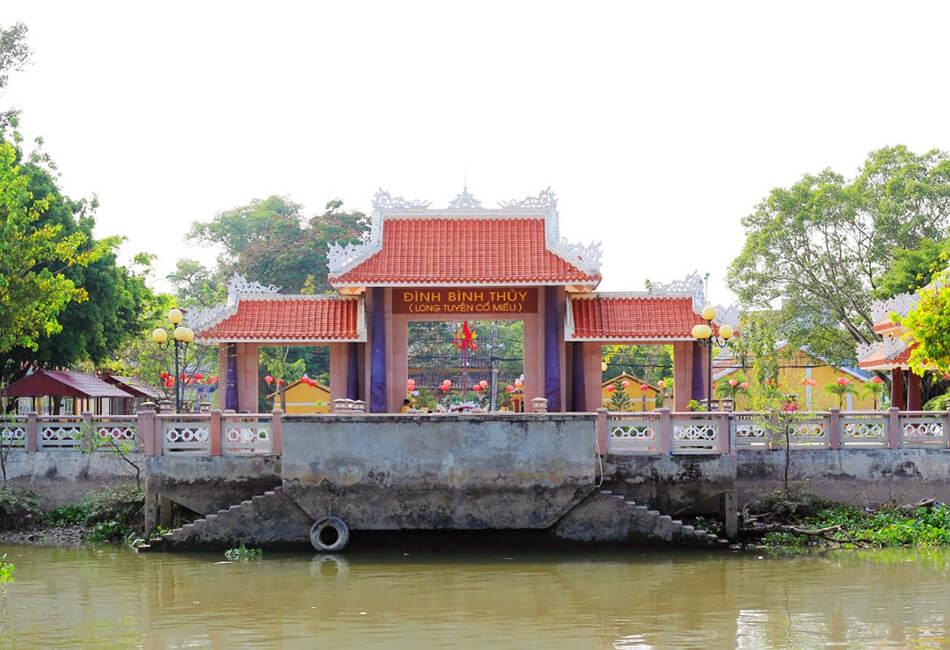
The Binh Thuy temple is located at 46/11A Le Hong Phong Street, Binh Thuy Ward, under Can Tho Bridge, next to the Binh Thuy River, opposite Nam Nha Pagoda, and near the road leading to the old house of Binh Thuy.
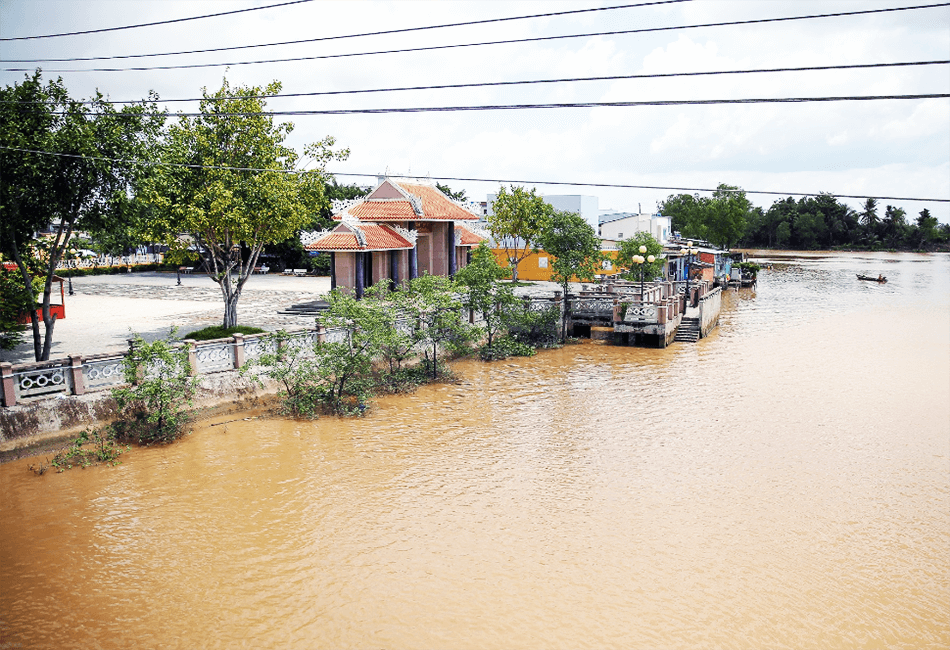
This is a favorite spiritual destination of local people. Normally, they come here to pray for peace, good health, or remember the merits of national heroes.
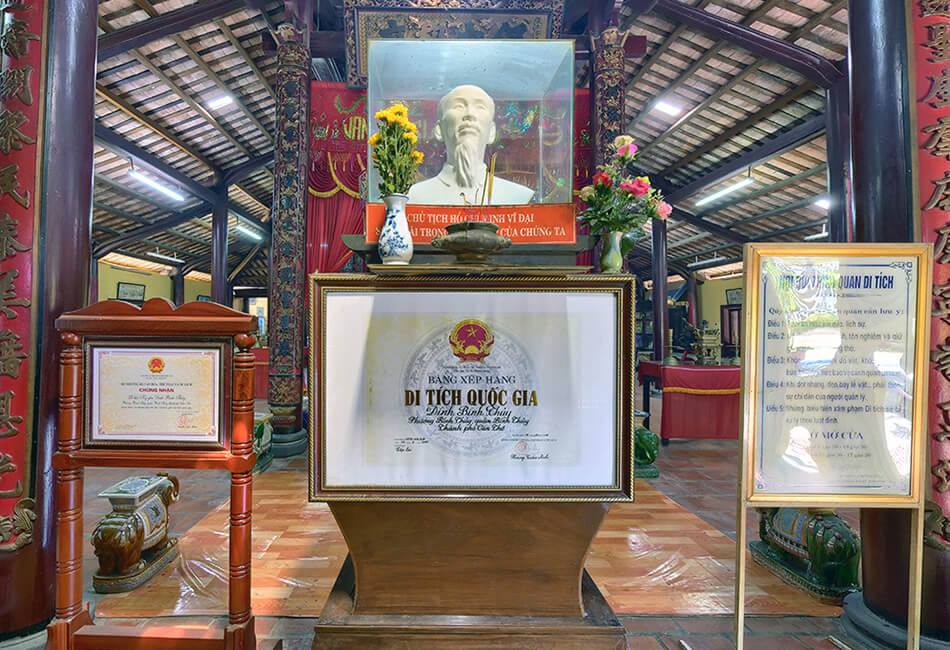
Besides worshiping the Gods of Shennong, Tiger, Forest, and Water, there are stele statues of some heroes and patriotic leaders such as Ho Chi Minh, Nguyen Trai, Tran Hung Dao…
Opening hours of Bình Thủy communal house: Morning 7:30 – 10:30 and afternoon 13:30 – 17:30.
Architecture of Binh Thuy Temple
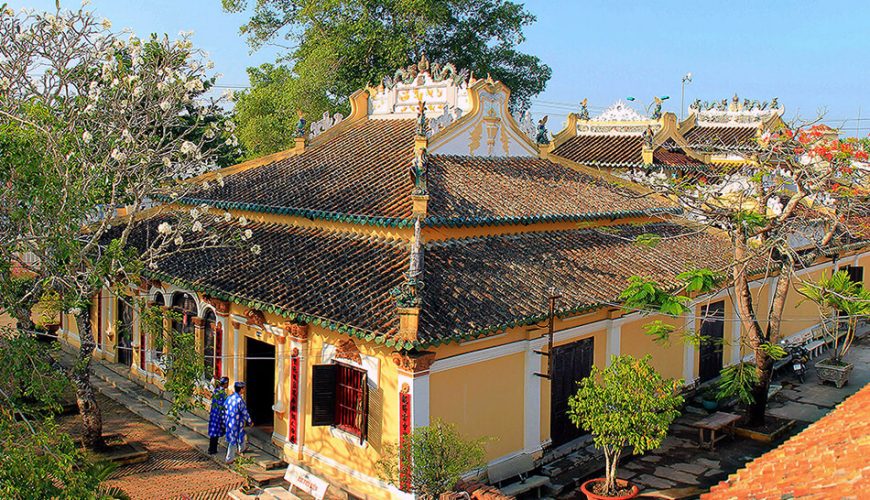
The temple was first built in 1844, mainly from bamboo, wood, and thatch, on a plot of land measuring more than 4,000 m². It is built on a high, deep foundation; the front and back temples are square, and each side has 6 columns. The pillars are large, round make the buildings more stable.
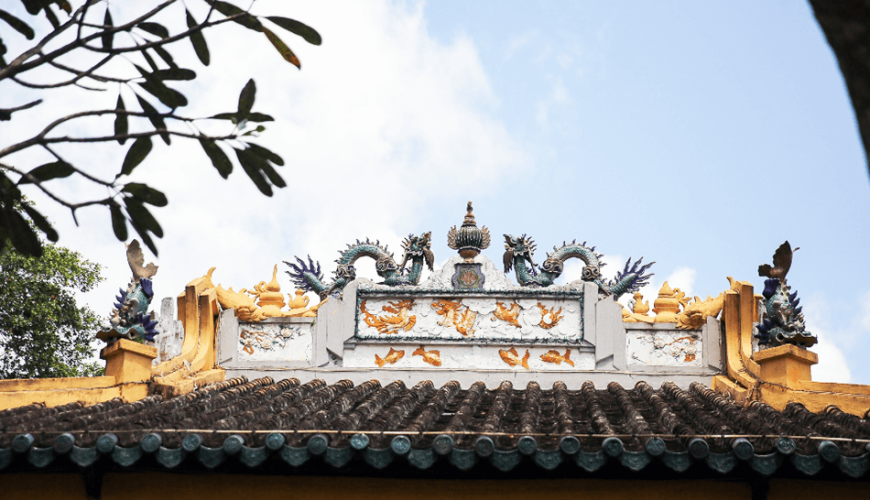
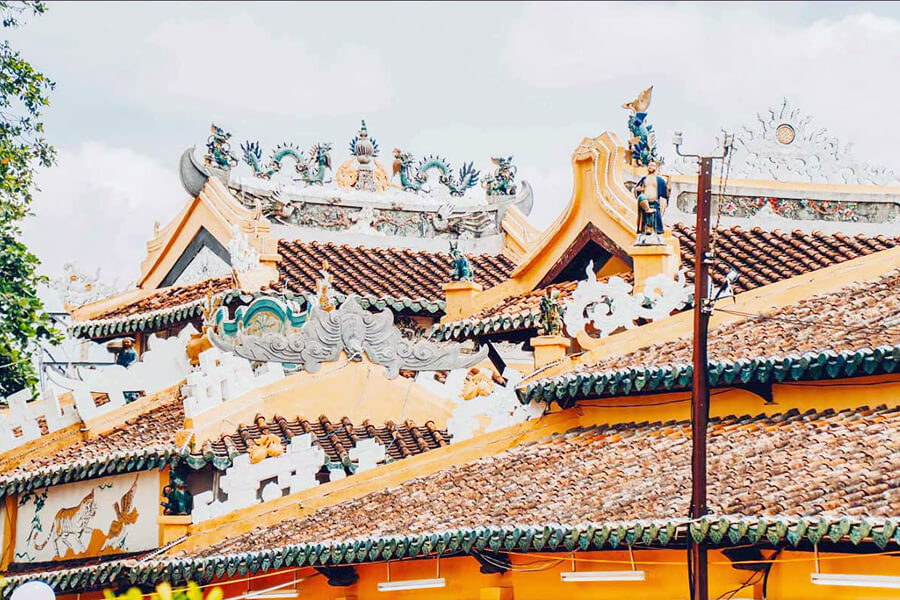
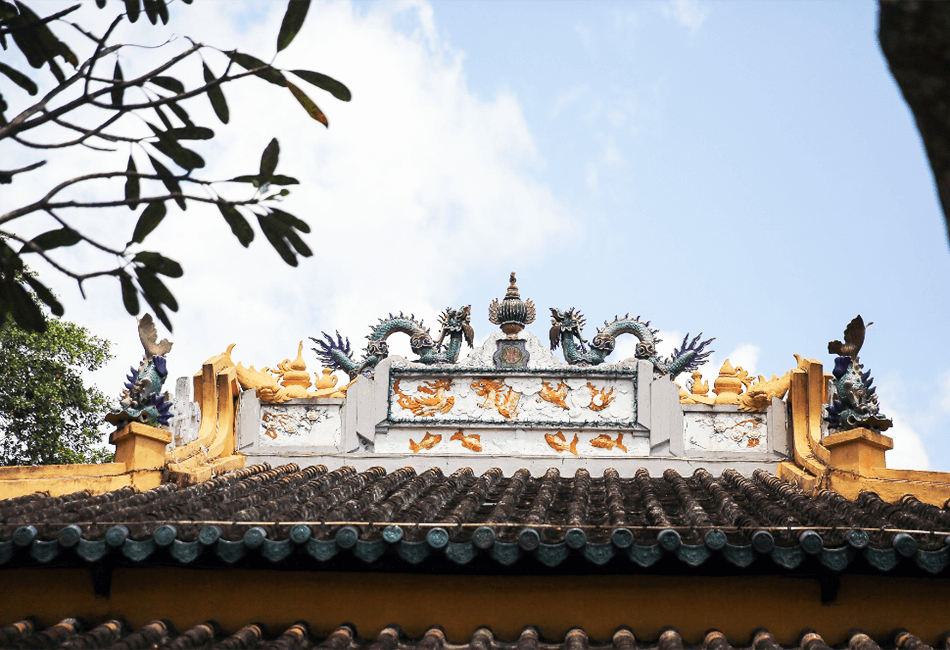
The main sanctum, on the top of the roof is covered with ornamentation of people, qilin, and common carp transforming into dragons.
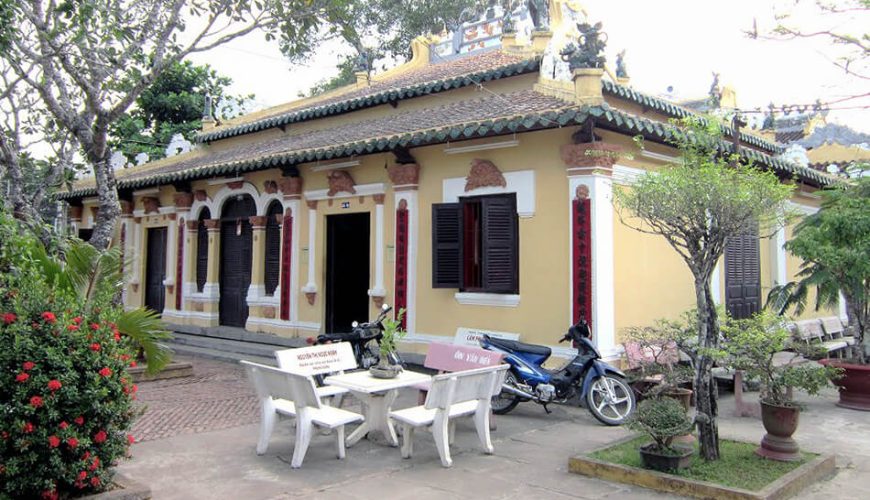
The front of the house is cement columns decorated with delicate embossed flowers.
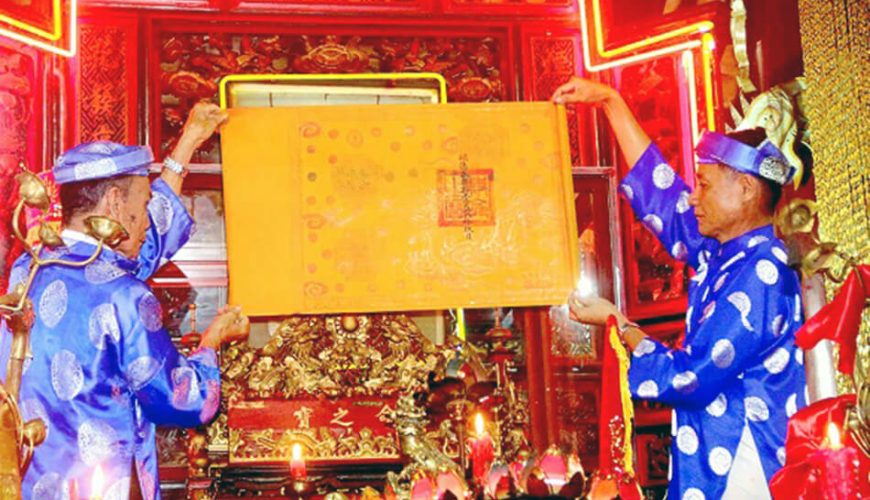
The place where the small square house is located is Nghi Thượng’s altar, used for the main festival ceremonies. In the middle of the temple is the main altar. Opposite the right wall is the altar of the dignified Tiên Giác and the altar of Tiền Hiền. Close to the innermost wall of the nave is the altar of the Hậu Đế; on either side are the altars Hữu Bang and Tả Bang. Outside the temple, there are two large shrines worshiping Shennong and the Tiger God.
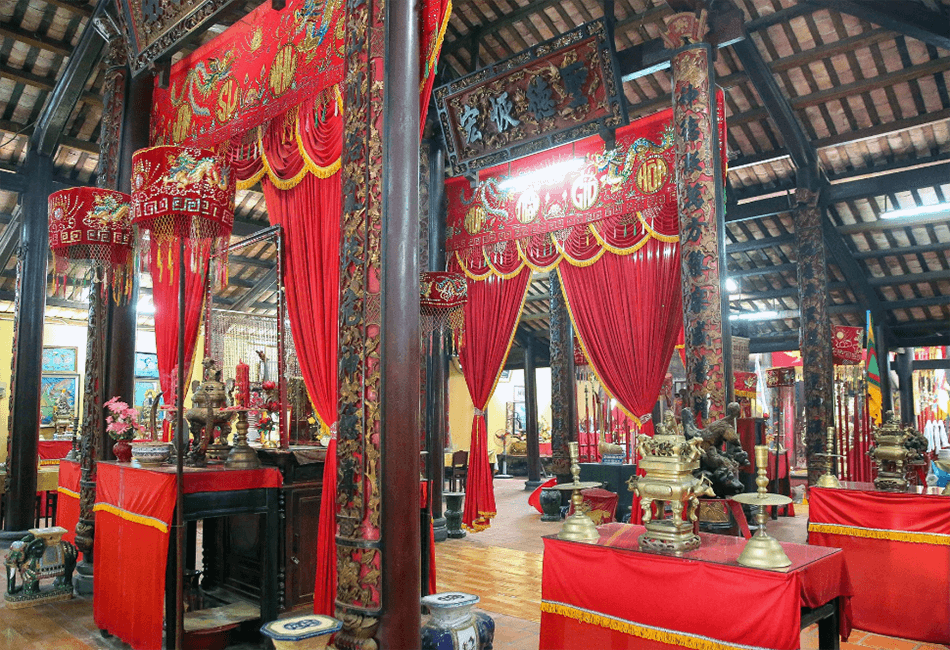
Binh Thuy Temple is a valuable work in artistic architecture. Although it was built in the early 20th century, the temple’s architecture still retains many traditional architectural elements of the nation. The temple still retains decorative motifs that are close to national art.
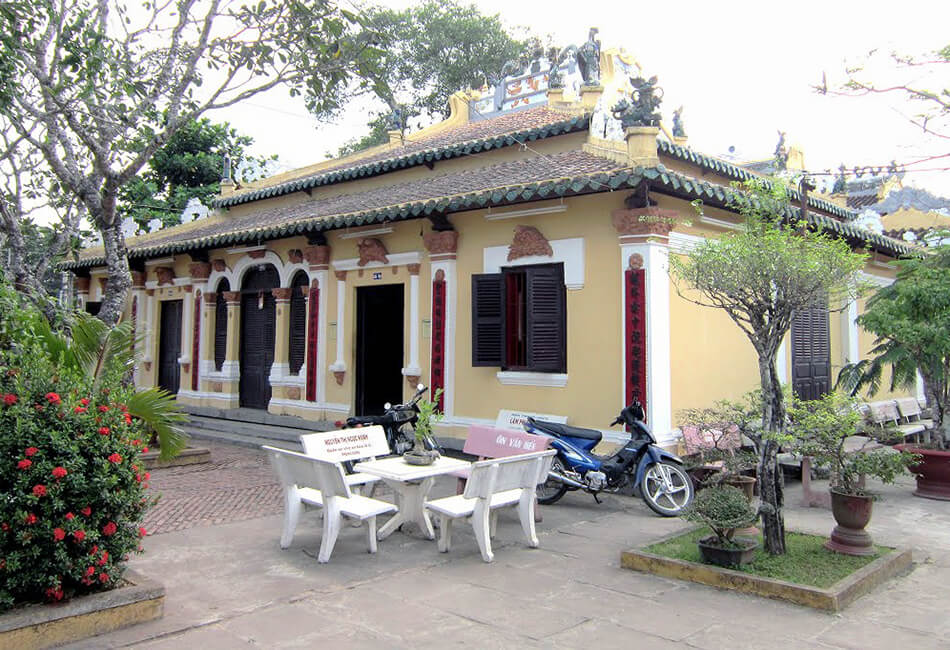
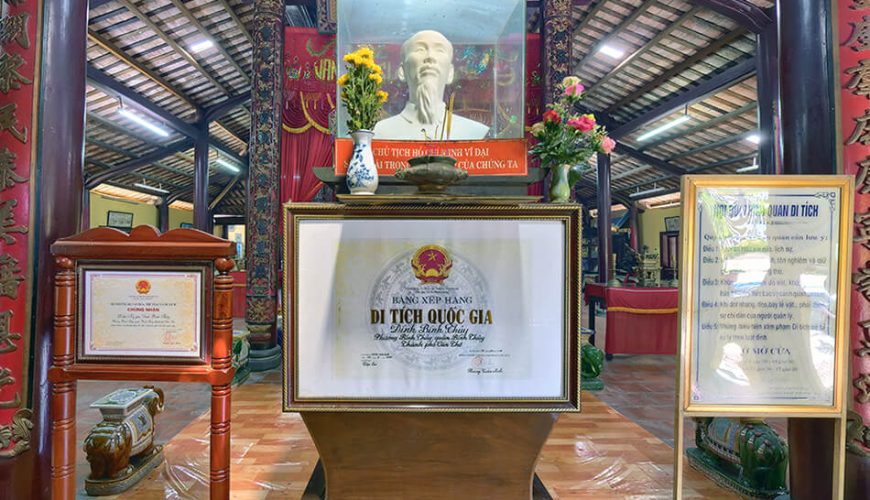
The woodcarving here is very delicate and lively. Hidden under this temple is not only the traditional historical origin of an ancient village of the South, but also the place to preserve the quintessential values of culture in the delta river. On September 5, 1989, the temple was certified as a national monument.
Festival at Binh Thuy Temple
Every year, the local people organize the festivities of Thượng Điền (breaking land), held from April 12 to April 14 (lunar calendar), and Hạ Điền (initiating farm work), held on December 14th and 15th (lunar calendar).
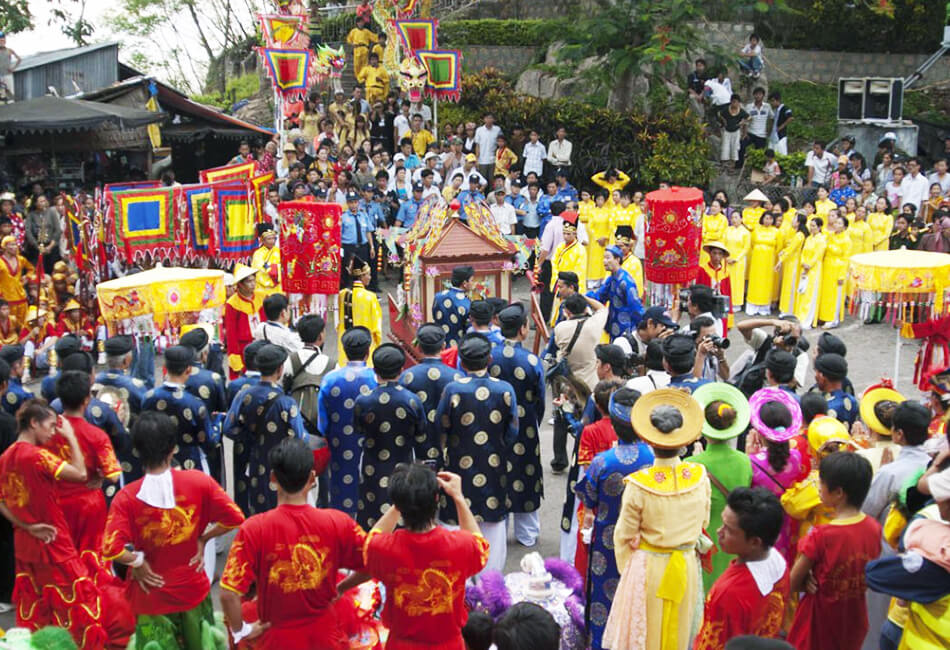
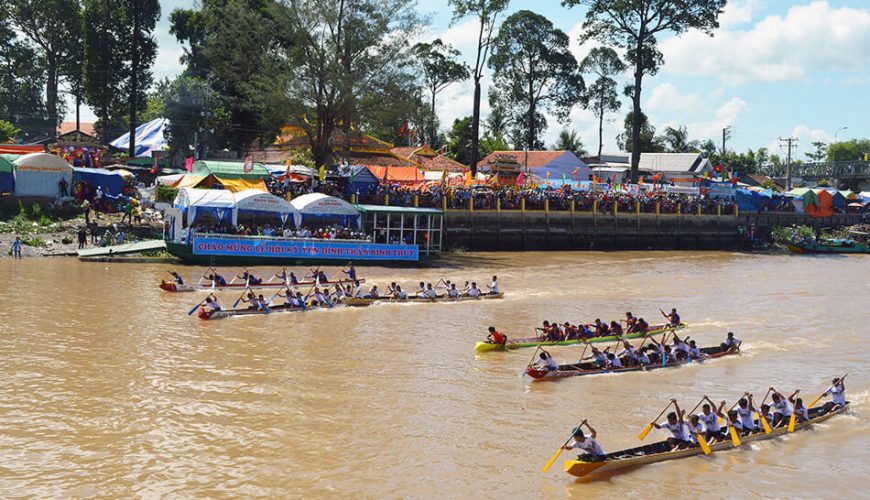
The festival has a lively and joyful atmosphere with folk games such as duck-dropping, tug-of-war, singing, racing boats, and cooking local foods …
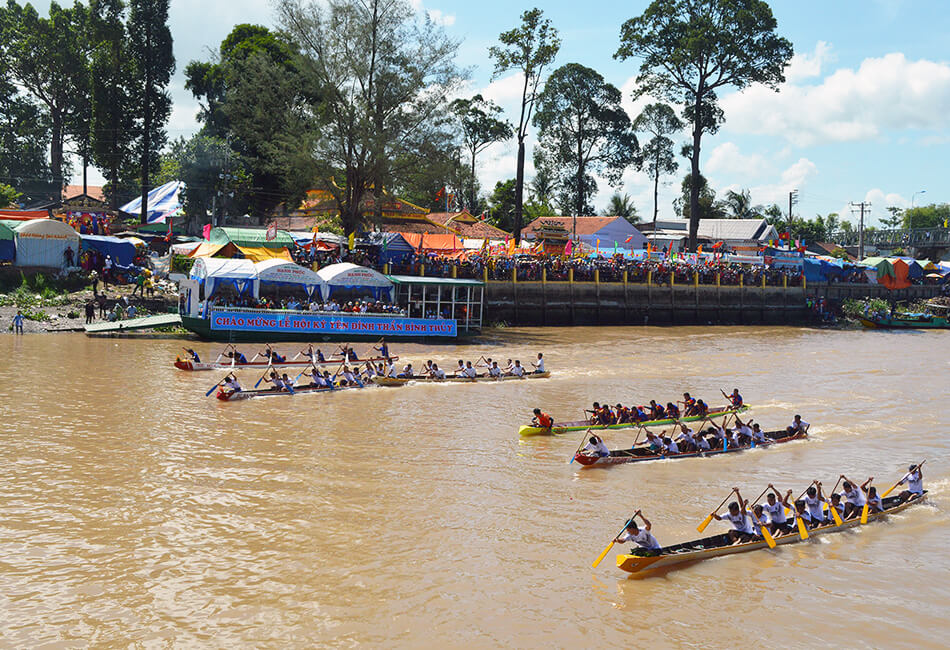
This is a cultural festival that attracts thousands of people from everywhere to participate and pray for the nation’s peace, good weather, and peaceful families. Binh Thuy Temple celebration is one of the three largest congregations in the Mekong Delta River.
- Best for: Family, couple, solo, pilgrims
- Entrance: Free
- Other tourist spots nearby: Phong Dien floating market, Bang Lang stork sanctuary, Truc Lam Phuong Nam Monastery, Cai Rang floating market, Ong Temple…
Source: collected by An
Comment (0)