
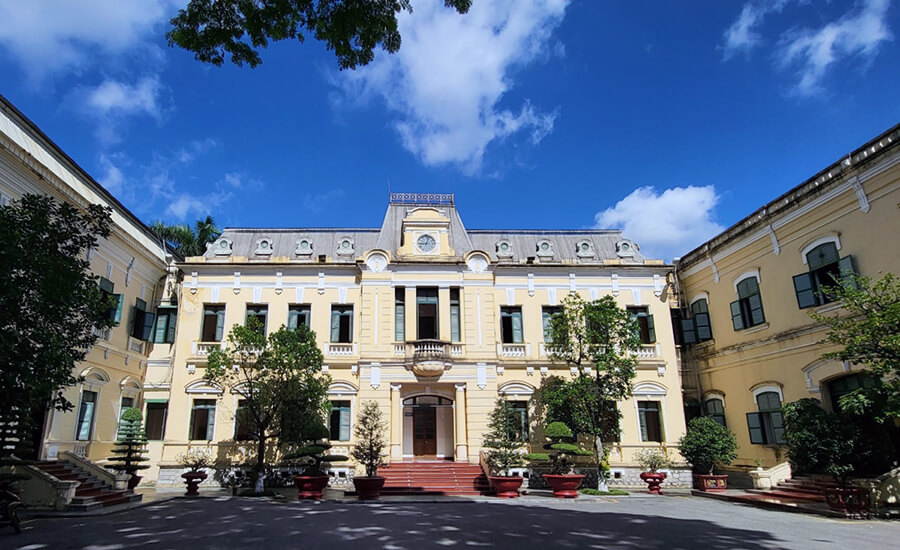
With a lifespan of more than 100 years, some French architectural works built from the late 19th century to the early 20th century are still preserved, becoming attractive destinations for tourists visiting Hai Phong City.
Previously, Hai Phong, a coastal area, was one of the first three first-class urban areas in Vietnam in 1888, under French planning and construction. After the Giap Tuat Treaty in 1874, the French began urbanizing Hai Phong City by building many works on the land stretching from Lac Long Bridge to Tran Hung Dao Street today.
One of the most famous French works in Hai Phong is the Opera House, one of the three large theaters built by the French in Vietnam. This project was built in 1904 and completed in 1912.
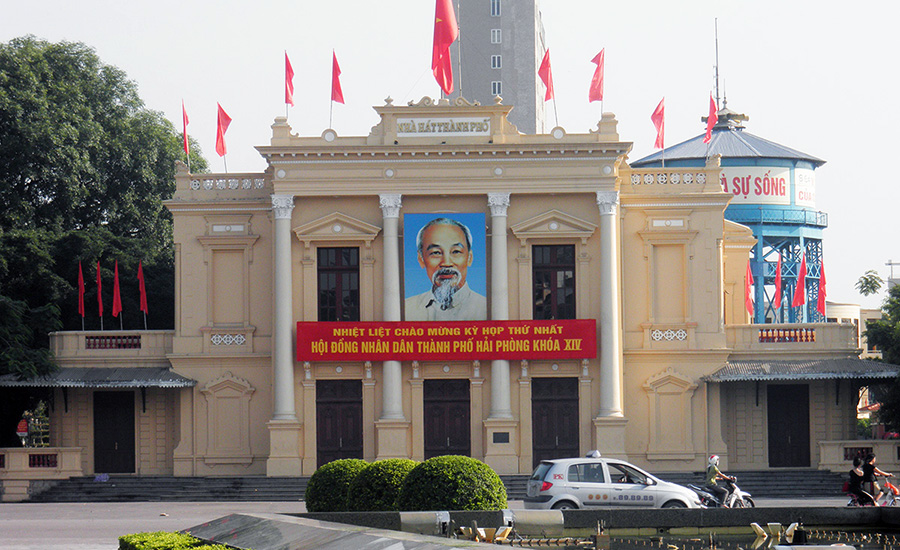
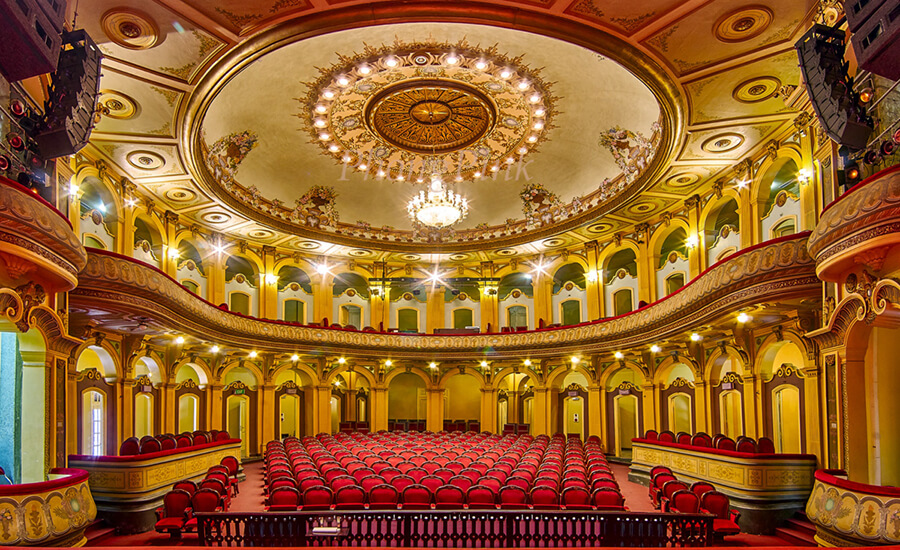
The Hai Phong Opera House is a place that witnessed the milestones of the history of the Vietnamese revolution. The interior space of the Opera House has great artistic and architectural value with a strong European style. To date, this remains the place to organize major cultural, artistic, political, social, and tourism activities in Hai Phong City.
Near the Opera House is Fesquet, a private hospital of a French doctor on Tran Hung Dao Street. Currently, this is the headquarters of the Hai Phong City Youth Union.
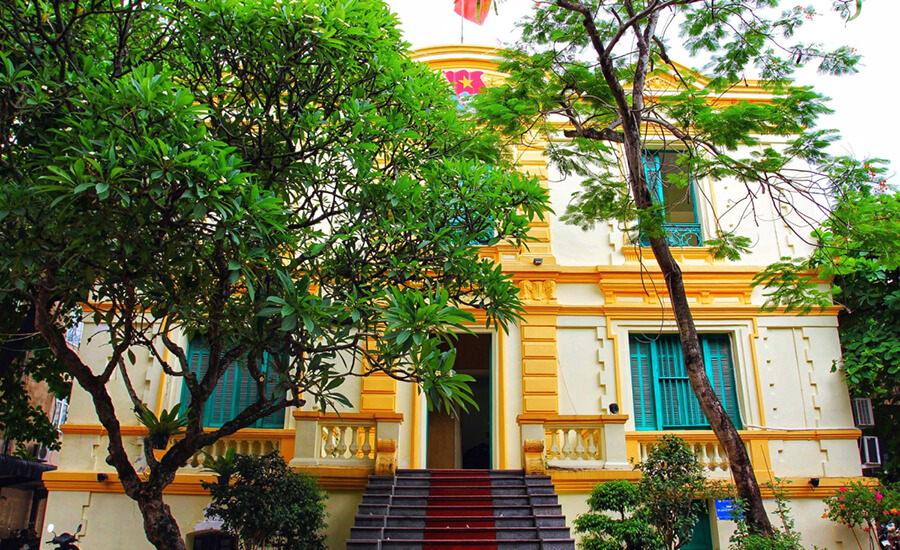
The central post office of Hai Phong City was built around 1905. This place was one of the four most modern post offices in Vietnam in the early 20th century. Although it has been renovated many times, the building still retains its ancient features, attracting many people and tourists to visit and check in.
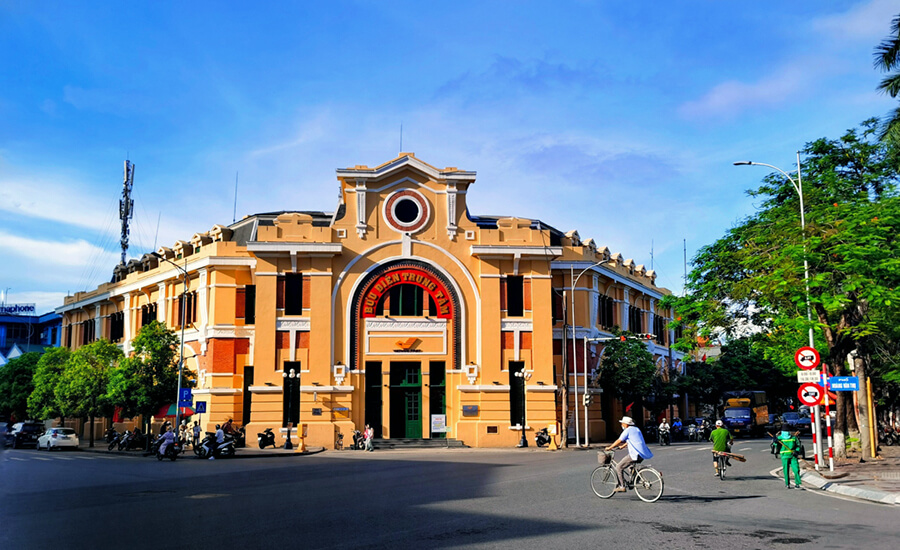
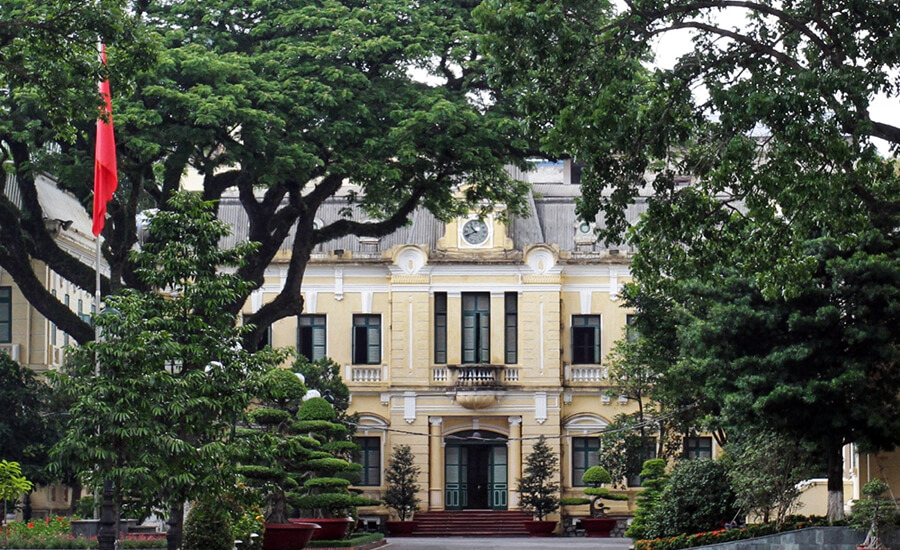
The headquarters of the City People’s Committee in Hai Phong (formerly the City Hall) was built in 1905 and still retains its classical beauty.
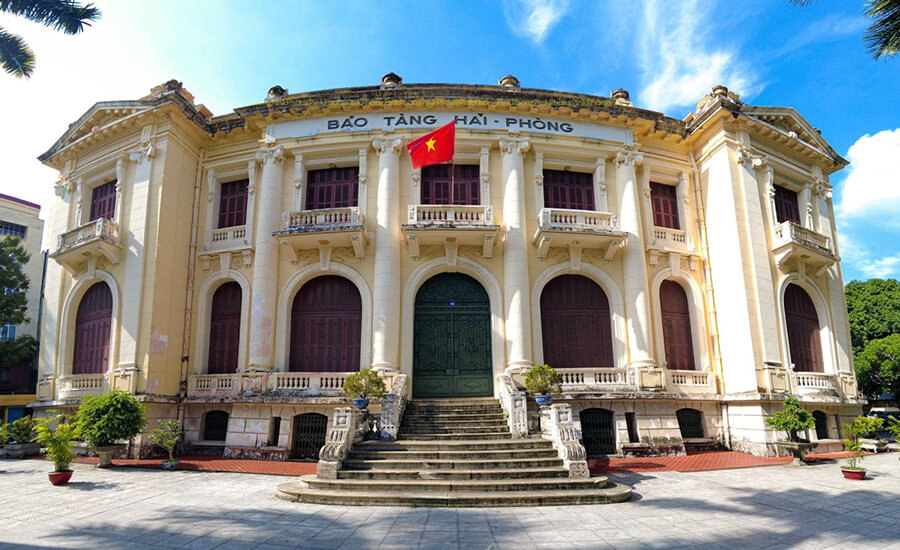
Paul Bert Avenue (now Dien Bien Phu Street, Hong Bang Ward) is known as a place with many French-built architectural works. Among them is the Hai Phong Museum, completed in 1919.
With its unique architecture and exhibition areas featuring the city’s historical artifacts, the museum currently has more than 22,000 artifacts and displays over 2,000 historical artifacts. Hai Phong Museum is open to visitors free of charge from Tuesday to Sunday every week.
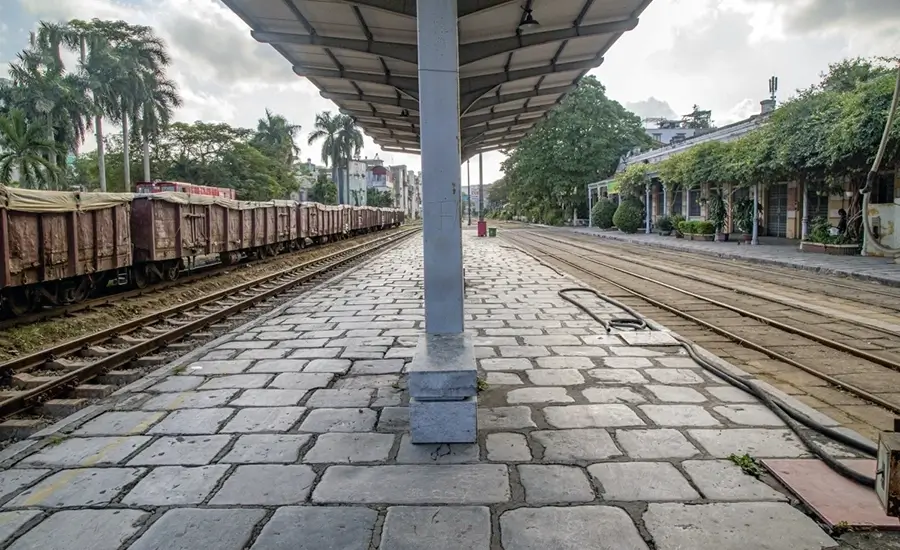
Hai Phong Station (Luong Khanh Thien Street, Gia Vien Ward) was officially opened on June 16, 1902. Almost as much as the Opera House, Hai Phong Museum, or other administrative headquarters, Hai Phong Station also bears the mark of French architecture and has witnessed many ups and downs of the port city.
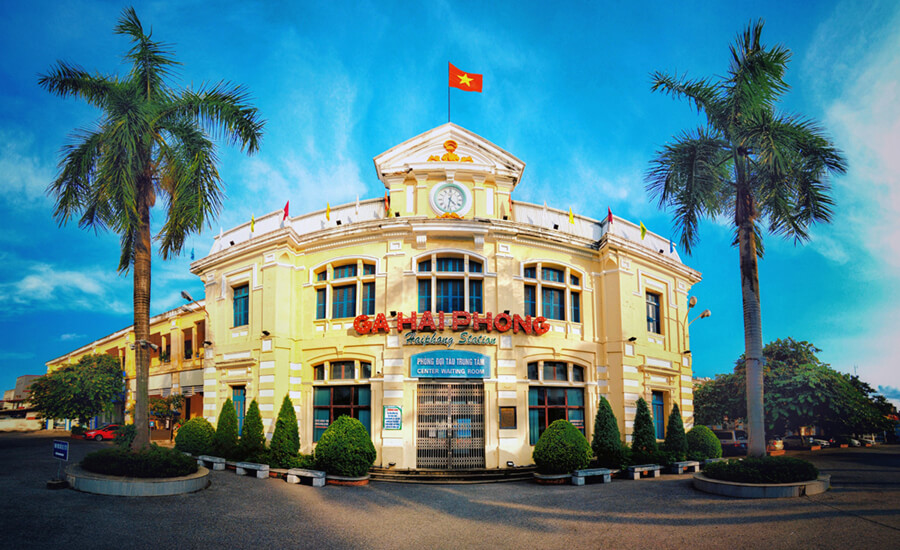
Inside the station, there are rows of iron columns, with porches and floors paved with blue stone from the station’s early days of operation, still intact. This is one of the few structures that have maintained their intended use since their construction. In addition to the function of transporting passengers and goods, Hai Phong Station is also an attractive sightseeing and check-in spot for tourists when visiting the “red poinciana flowers” – the nickname of Hai Phong City.
The headquarters of the Bank of Indochina, Hai Phong branch, now the State Bank of Vietnam – Hai Phong branch (Nguyen Tri Phuong street, Hong Bang Ward) was built in 1884. The building was built by the French with a unified design and aesthetics in a strong European style.
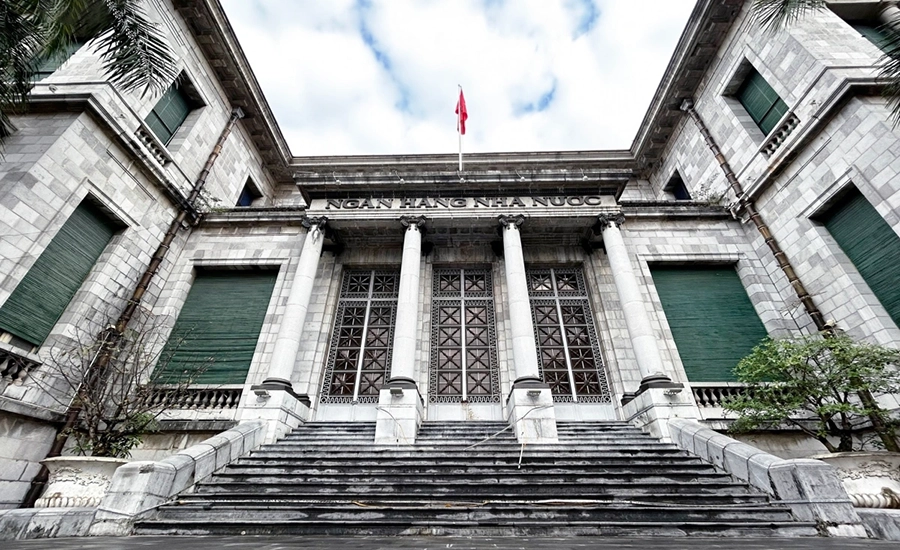
The headquarters of this bank was built entirely by the French from natural green stone blocks, with windows framed in solid square iron; inside are stylized bars cast in bronze. To date, the building retains its classical beauty.
The preservation and promotion of the value of constructions from the French colonial period, in particular, and architectural works with artistic, cultural, and historical values in general, are of special interest to Hai Phong city.
Source: collected by An
Follow us for the best deals on Vietnam package tours and visa services!
Comment (0)