
Hoi An Silk Village is a traditional craft village nearly 300 years old, located in the heart of the ancient town. Here, traditional beauties exist, not lost but developed to reach the world. Join Vietdreamtravel to explore this silk village right now!
General information about Hoi An Silk Village
Hoi An Silk Village is a place that showcases silkworm farming, silk reeling, and silk weaving, with the aim of honoring the Quintessence of Vietnamese Crafts. Here, to continue the World Cultural Heritage of Hoi An Ancient Town, Hoi An Silk Village is also a living museum of mulberry and silkworm varieties, tools, and hand-weaving methods of Champa-Dai Viet (one of the old names of Viet Nam). These collections are intended to provide reflections on the Maritime Silk Road, which operated continuously for many centuries, during which Hoi An served as the International Trade Transit Center, the gateway for countless millions of people. The Silk of Quang Land connects to the Wearing Culture of the outside world.
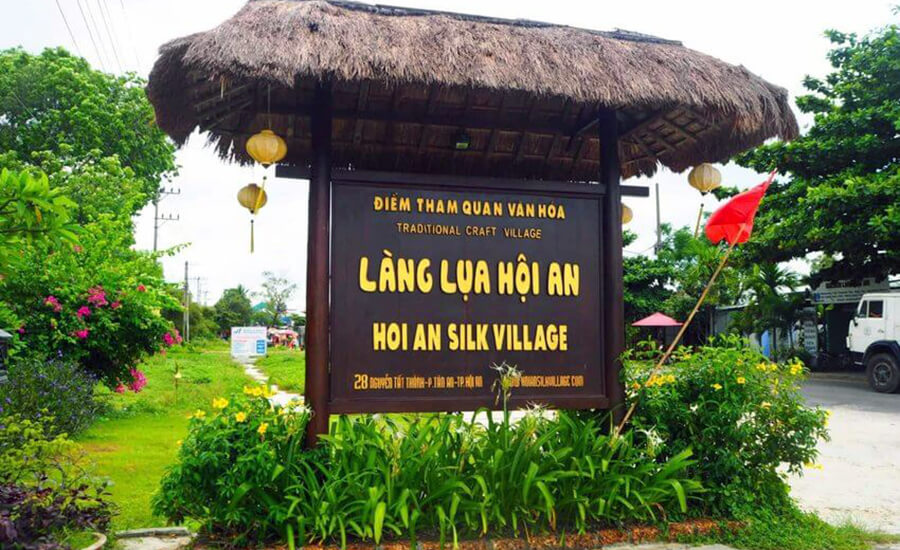
Currently, to expand tourism and meet tourists’ needs, Hoi An Silk Village offers two tour programs: short and long tours.
- Short tour with 45 minutes. ticket price: 100,000 VND/person, with a tour guide. Because the time is quite short, you can only learn about the general processes of silk weaving, and you will not be able to experience the weaving process yourself.
- Long tour (start at 9:00 or 14:00): ticket price 595,000 VND/person; tour time: 4 hours; with a tour guide. The tour is long, so you will have a more detailed and in-depth experience learning about the Hoi An silk village. You also have the opportunity to experience silk weaving yourself under the guidance of artisans here.
Contact details:
- Address: No. 28 Nguyen Tat Thanh. Hoi An Tay Ward, Da Nang City about 1km from Hoi An ancient town.
- Opening hours: 8:00 – 21:00
- Phone: (+84) 02353 921 144
- Ticket price to visit Hoi An silk village: 50,000 VND/person,
- Buffet price at Hoi An Silk Village: 299,000 VND/person.
Activities to explore Hoi An Silk Village
Once the “silk center” of Quang Nam province, Hoi An’s silk industry shipped its products via the “silk sea route” to Europe and Asia. The silk village was once home to dozens of craftsmen working in the field of producing, fabricating and weaving silk products using only silkworms. However, due to competition, interest in handmade silk products declined about 100 years ago. Hoi An Silk Village seeks to revive this part of Hoi An’s history by partnering with the tourism industry and promoting the village’s artisanal processes and silk products. And below are the list of things you can do in the Hoi An silk village:
Explore the ancient space of the traditional house of Hoi An
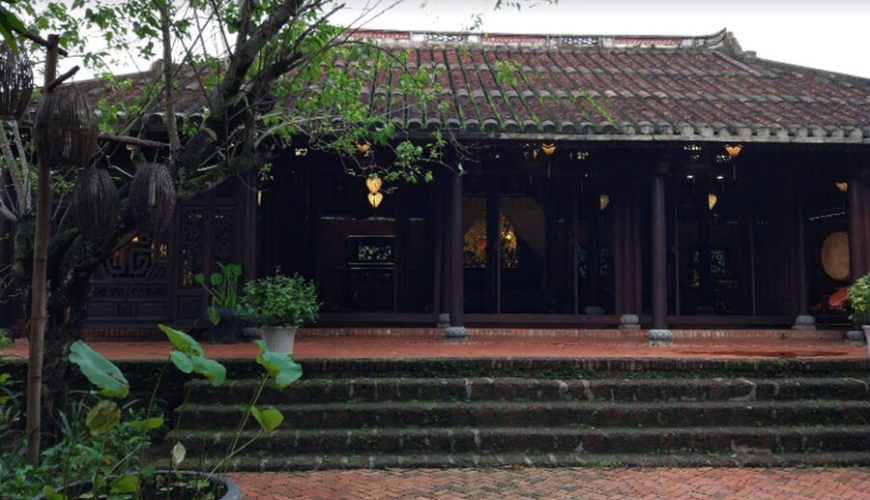
When coming to Hoi An Silk Village, you will admire the ancient houses dating back to the 19th century. In the large house in the middle is the place to worship the Lady Doan Quy Phi.
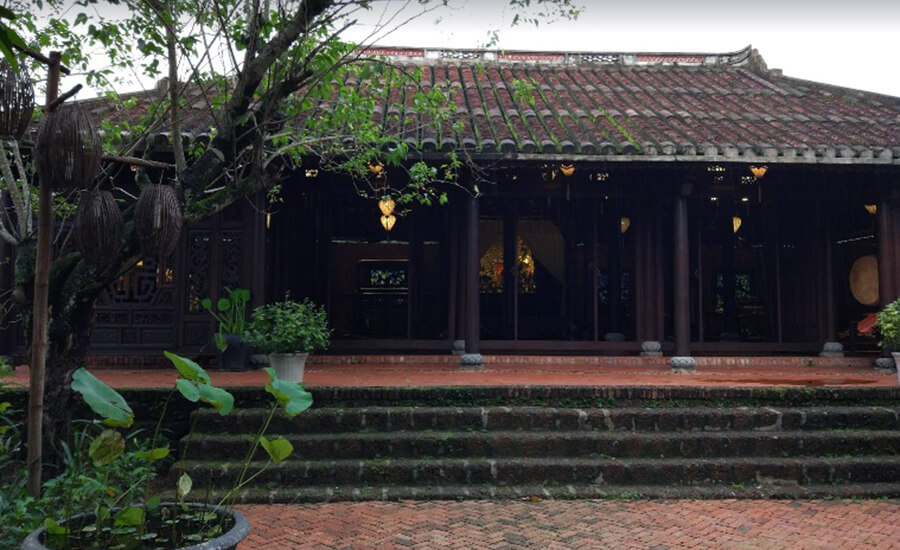
She was someone who had made great contributions to preserving and developing the silk weaving profession and to bringing it to the world from Hoi An. Besides, the house also displays typical silk products of Vietnam’s 54 ethnic groups.
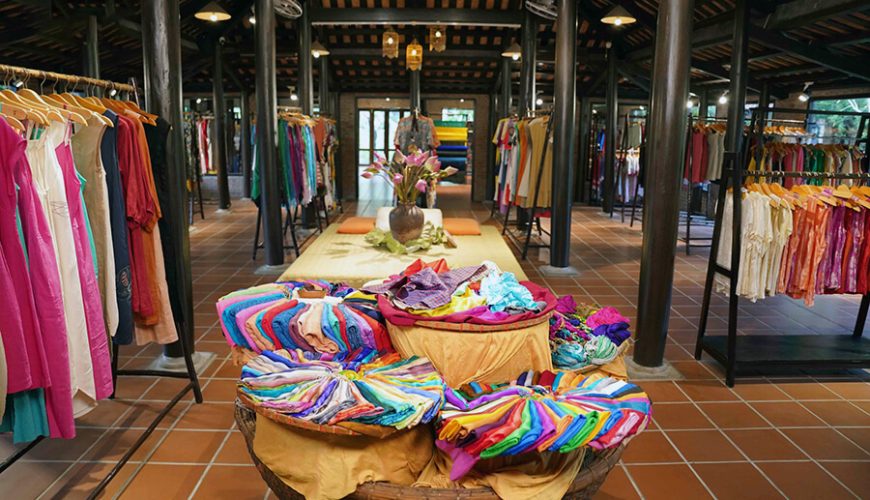
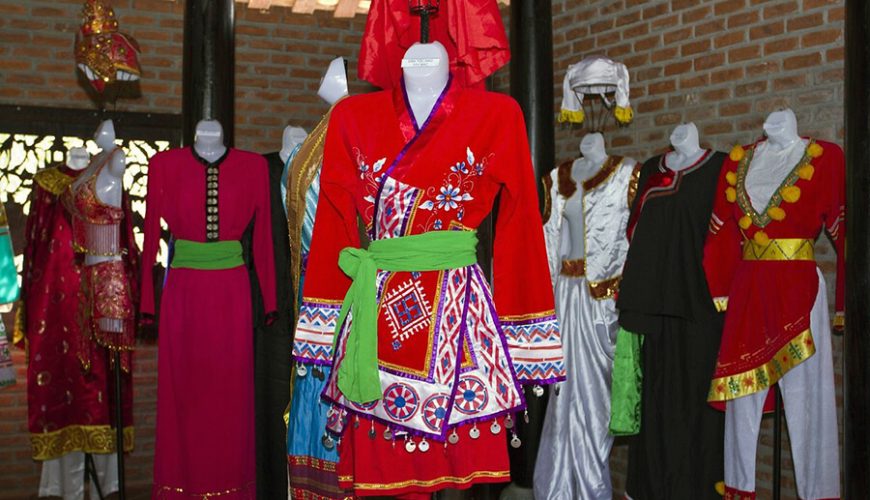
Admire the collection of Ao Dai and traditional costumes
The traditional house of Hoi An Silk Village is currently displaying more than 100 graceful ao dai sets worn by Vietnamese women, bearing the mark of development over 3,000 years of history.
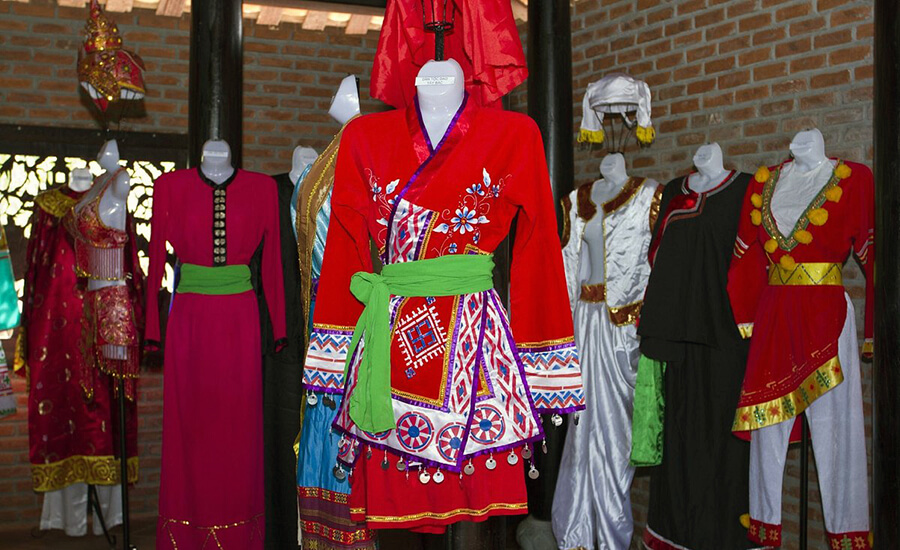
The traditional costumes of 54 ethnic groups are the clearest reflection of the country’s multiculturalism. This is the exhibition space that makes the strongest impression on domestic and foreign tourists.
Discover how to raise silkworms to get silk
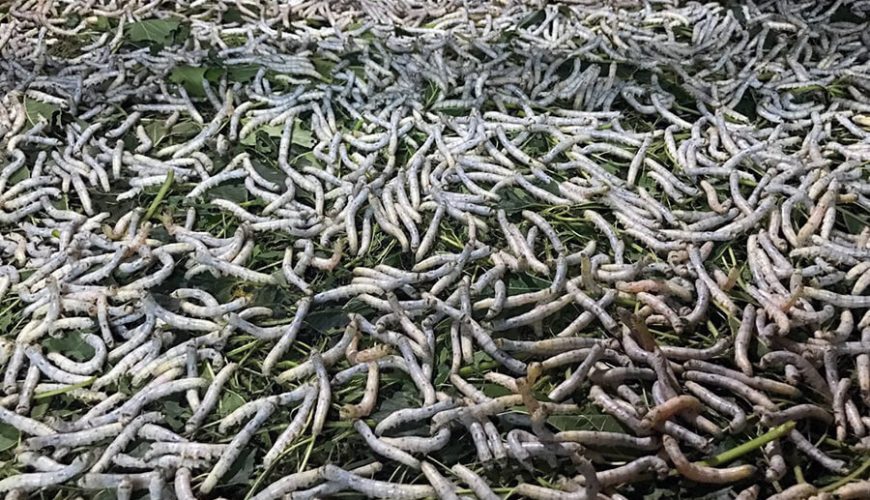
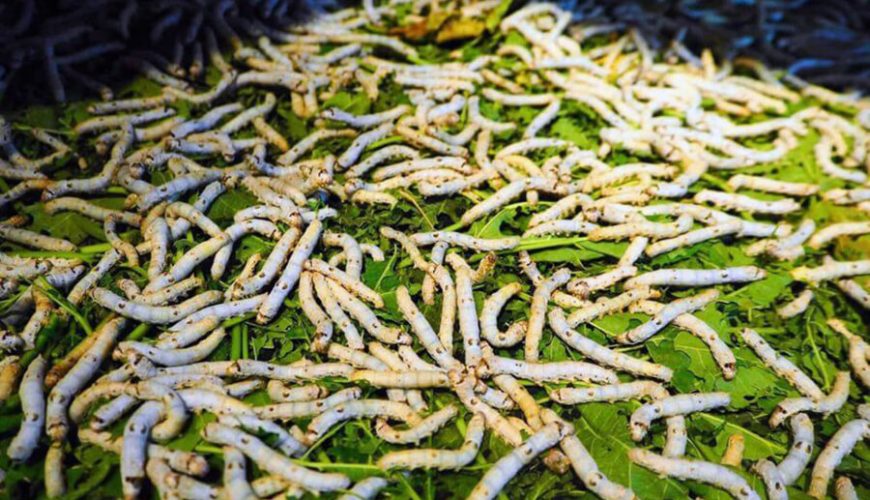
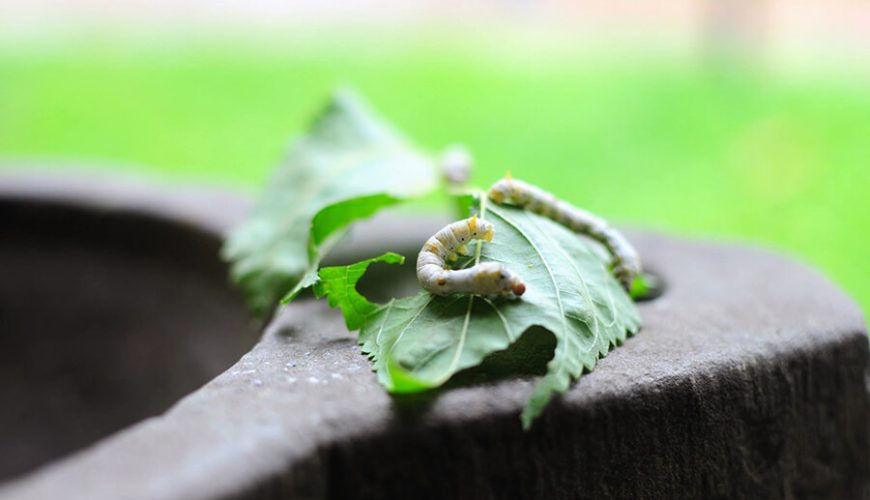
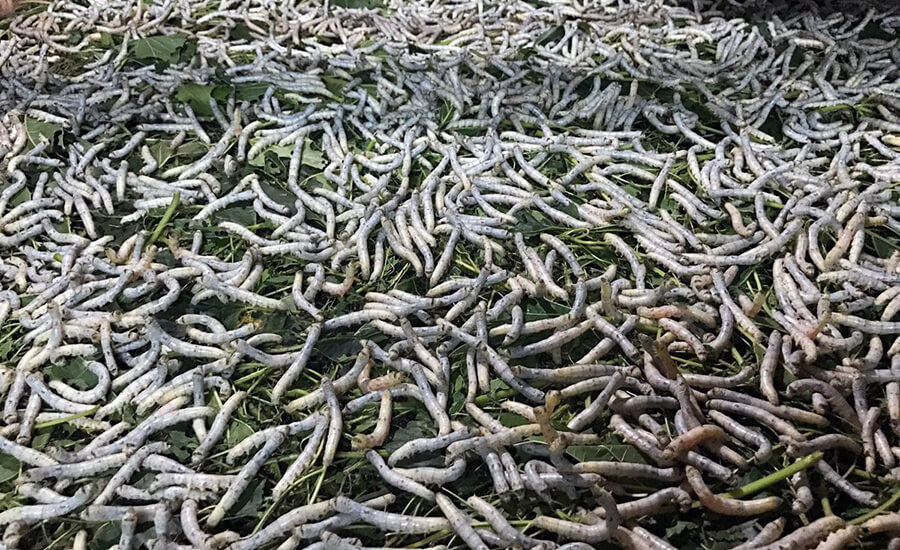
To produce high-quality silk, traditional craftsmen here have to work hard through many manual steps. By visiting the traditional craft village, you will be thoroughly introduced by the tour guide to the birth of silkworms. First, there are two main varieties of silkworms that produce silk: white silkworms in northern Vietnam and yellow silkworms in the central provinces.
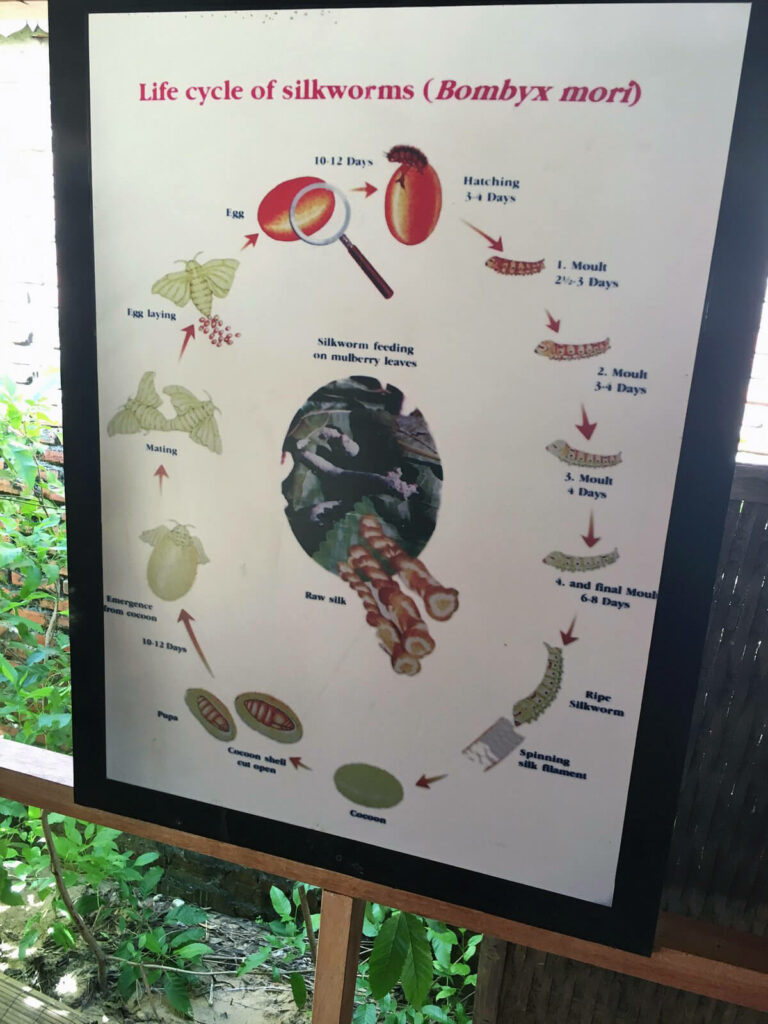
White silkworms produce white silk threads; from these threads, people can steam-dye them into many colors. Yellow silkworms produce golden silk threads, and if dyed, they can only be dyed black. That’s why white silk is always more expensive than yellow silk. White silkworms are also larger than yellow silkworms. To distinguish silkworms, people look at their bodies. White silkworms have white bodies, and yellow silkworms have white bodies but yellow legs.
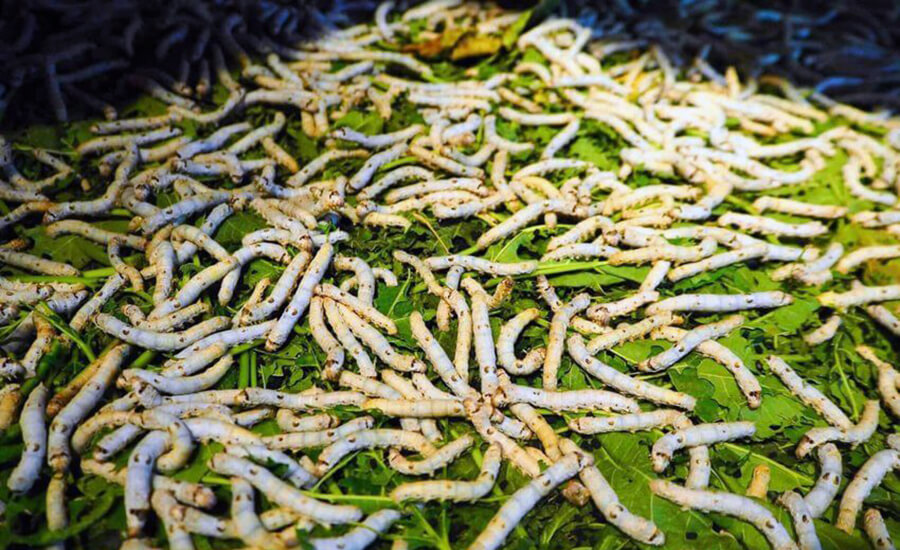
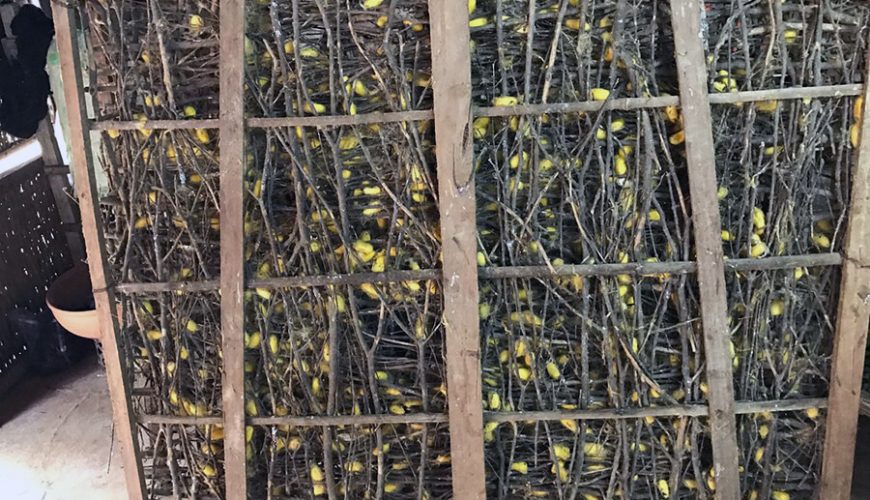
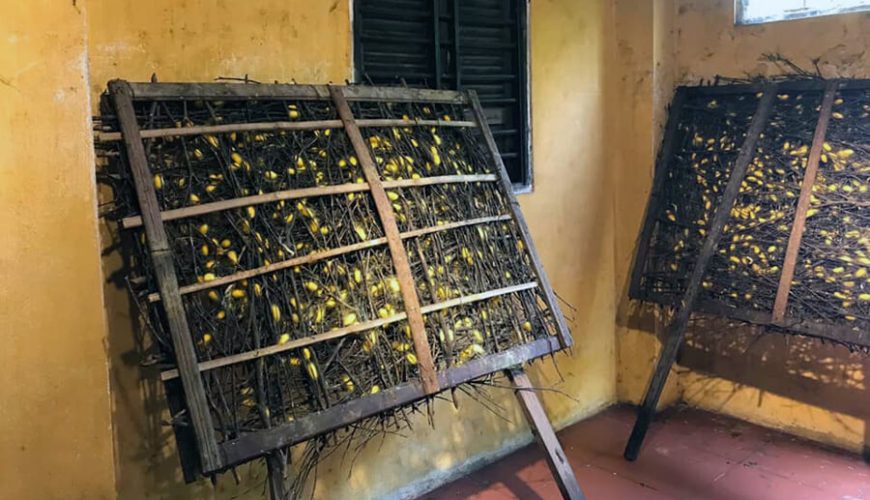
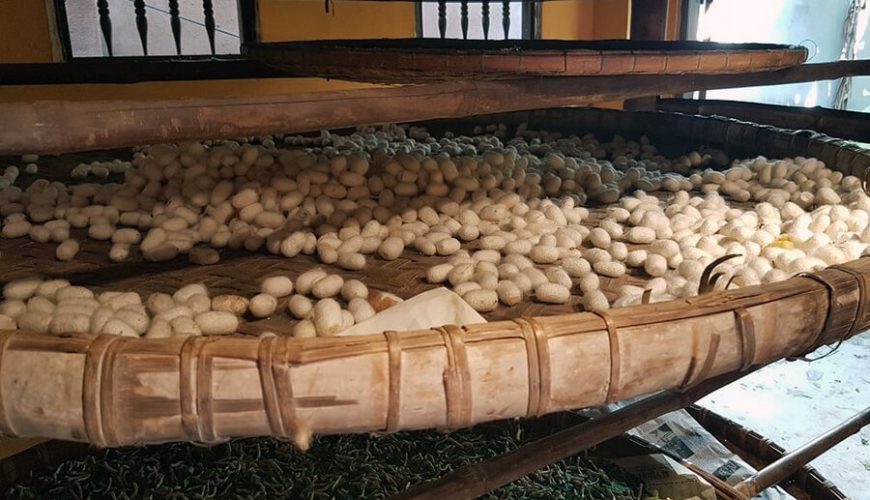
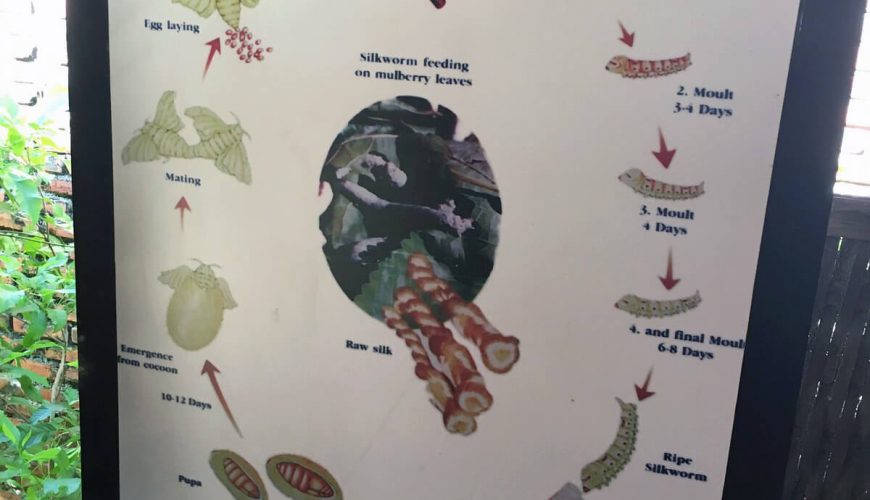
The life cycle of a silkworm will last 40 days. During the cocoon stage, the tiny eggs hatch into baby silkworms as small as a strand of hair. When they reach 24 days, they begin to spin silk, and at this time, the silkworms stop eating completely. After that, people pick up the silkworms onto pre-woven wooden bodies, and it takes 3 to 4 days of continuous weaving to complete the cocoon.
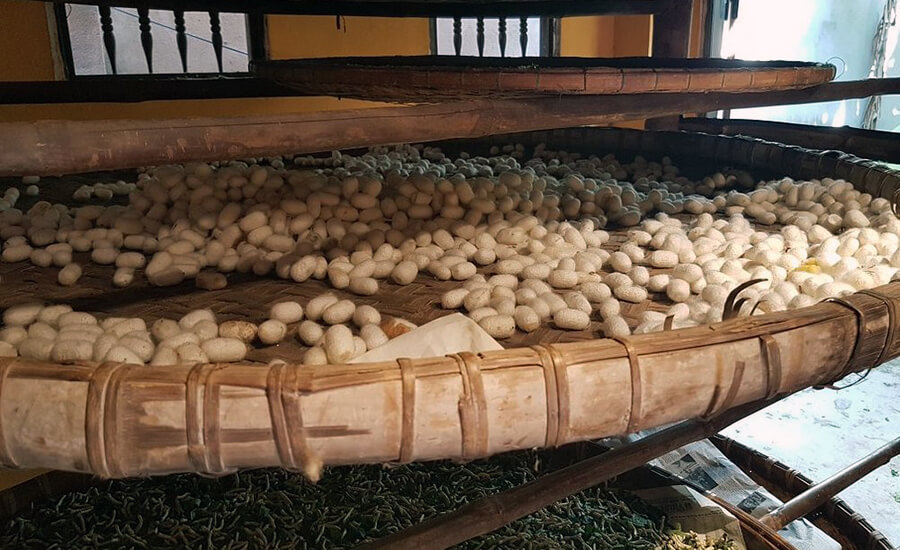
After weaving the cocoon, the silkworm will transform into a pupa and will emerge from the cocoon. The first task when the moth emerges is to mate continuously for a week. At the end of the mating process, the male will be exhausted and die, the female will continue to lay eggs. A single female can lay 300-500 eggs.
Visit the silk nursery room
After harvesting the silkworm cocoons, we will begin reeling silk. This stage requires highly skilled techniques and a high level of patience, because only by properly growing silk can we weave high-quality silk and command a high price. People will take 80% of the cocoon, with the pupa inside, and dry it in the sun, aiming to prevent the pupa from becoming a moth, because if it does, it will bite the silk thread coming out from inside.
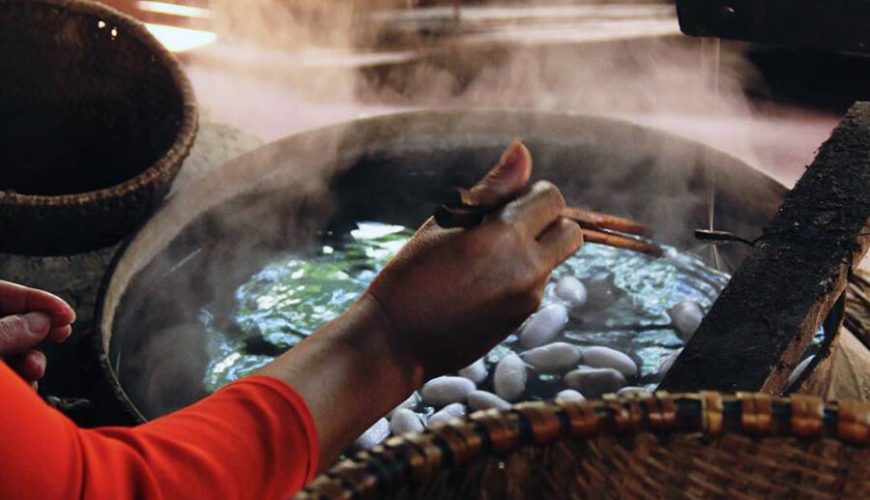
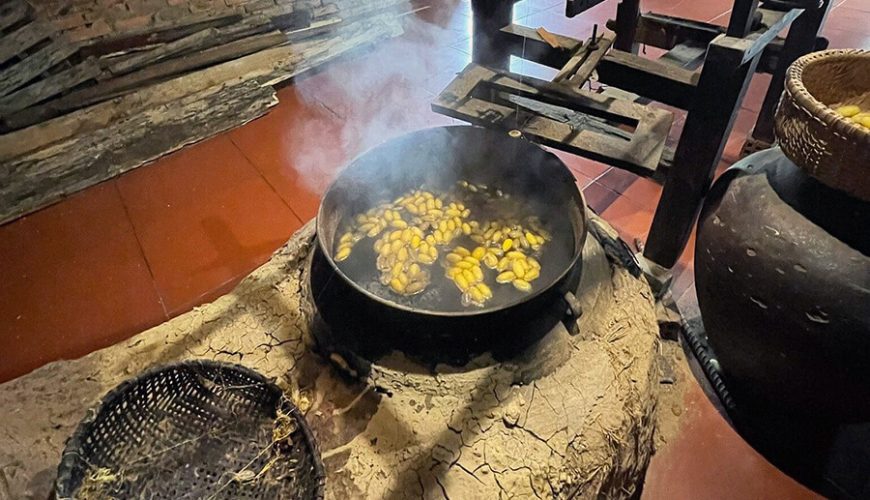
To make silk from the cocoon, the craftsman will boil a pot of water to a temperature of 70-80 degrees Celsius, boil it for 20 hours so that the silk will become softer and peel off the ruffled shell on the outside of the cocoon, then use chopsticks to push the silk fibers out.
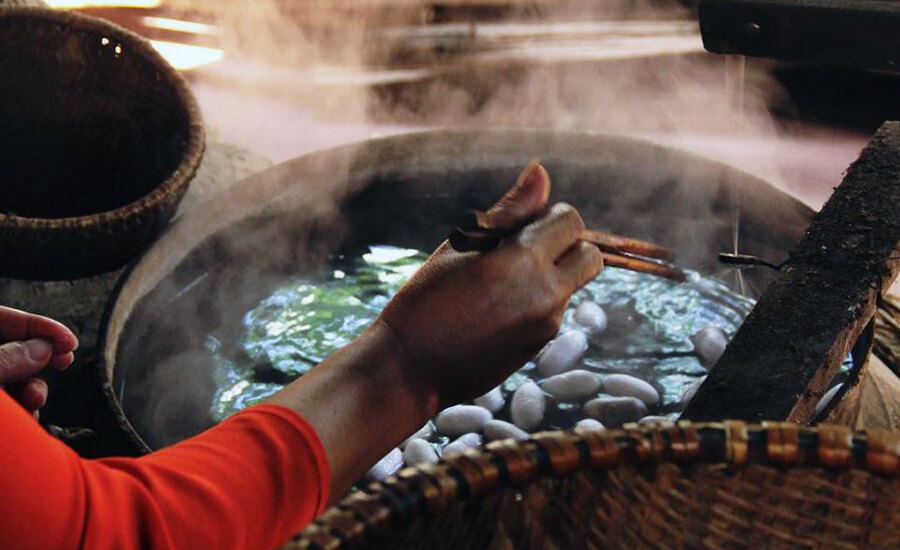
After spinning the silk, people collect all the pupae, dry them in the sun, then stir-fry and eat them, making it a favorite dish in Hoi An’s silk village. One cocoon is estimated to pull out 600-1000 meters of silk. People continue drying it after it dries, then boil it until it softens into raw silk.
Visit the silk weaving room
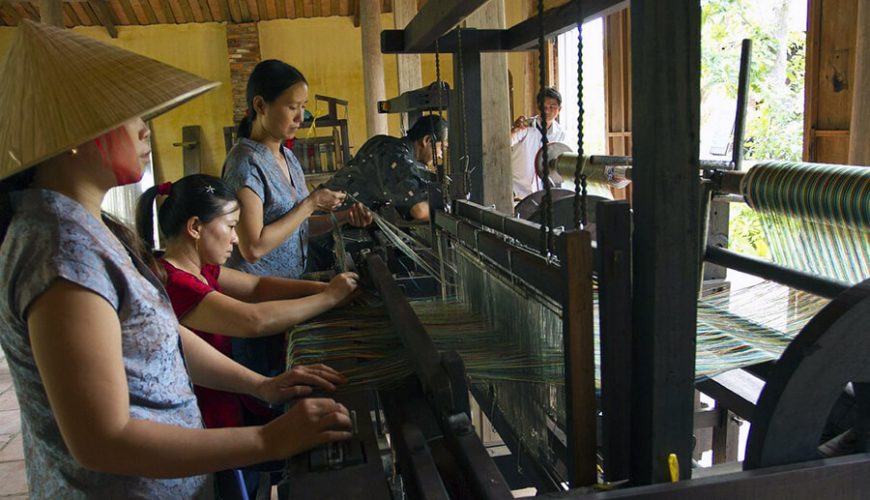
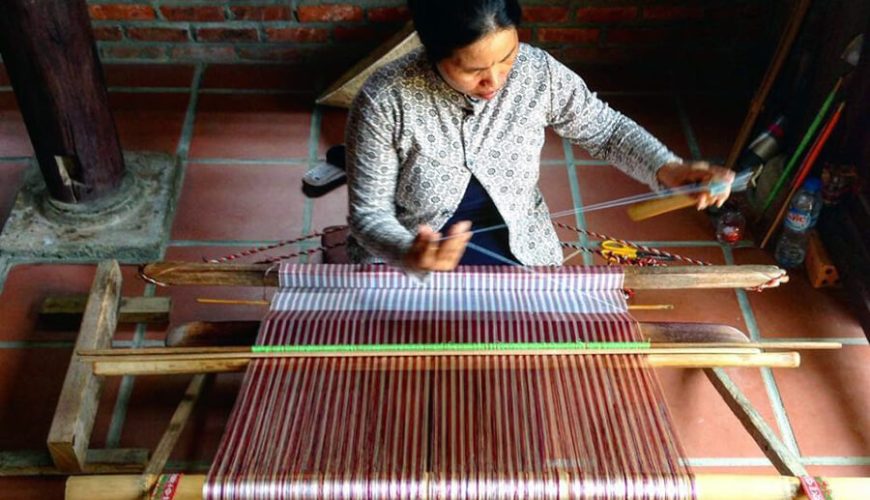
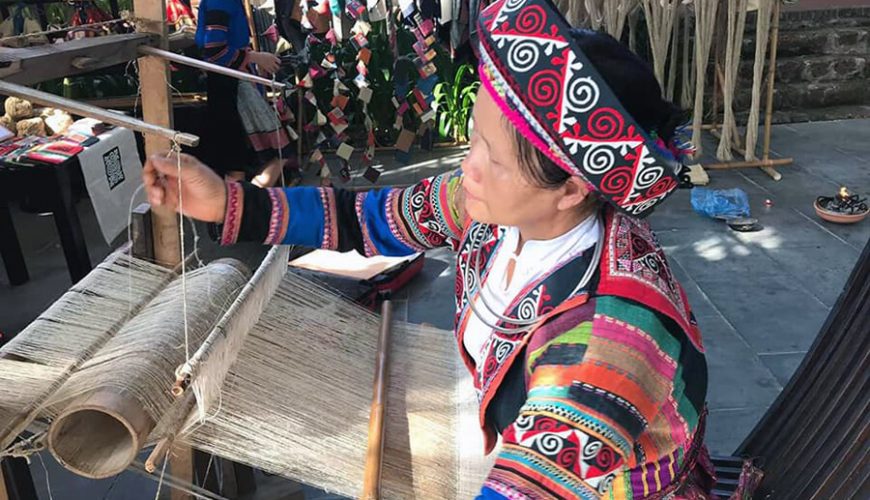
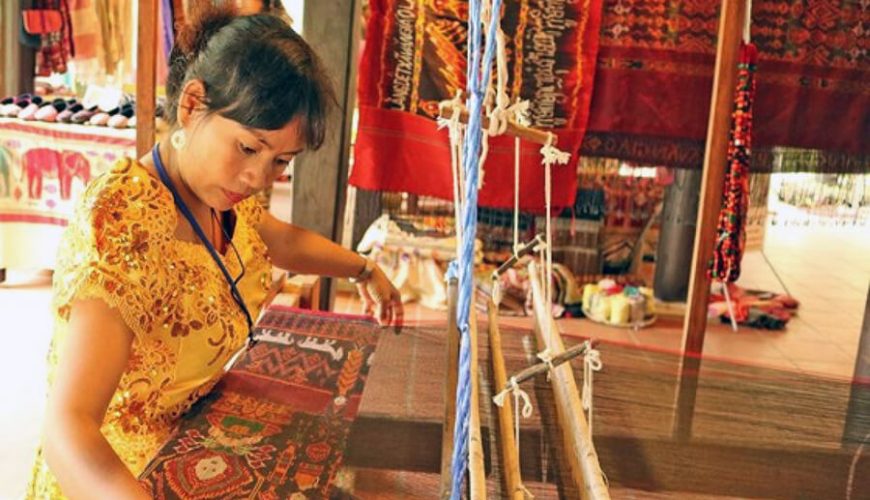
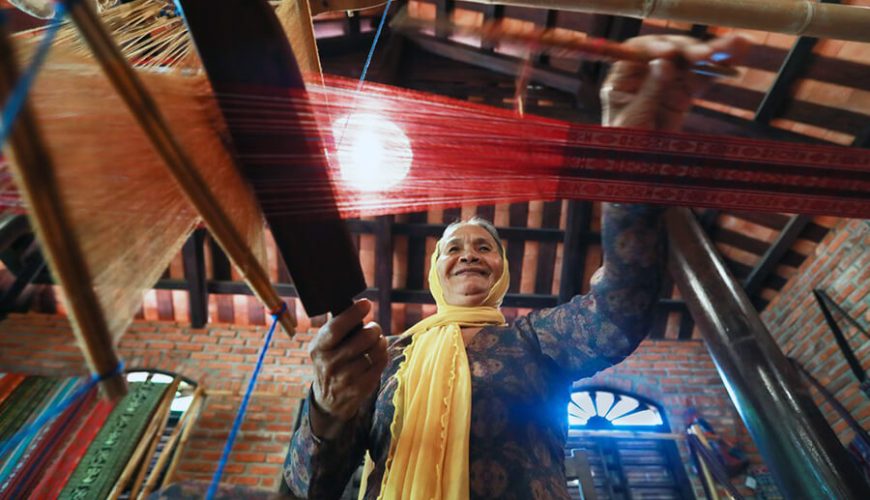
In the cool space of the traditional craft village, visitors will be able to witness firsthand the strange weaving looms of the Champa people, worked by highly skilled artisans. Here, you will witness firsthand the process of creating beautiful silk fabrics with sophisticated patterns and world-class quality. All looms, from ancient Champa to modern times, are on display at Hoi An Silk Village for visitors to see.
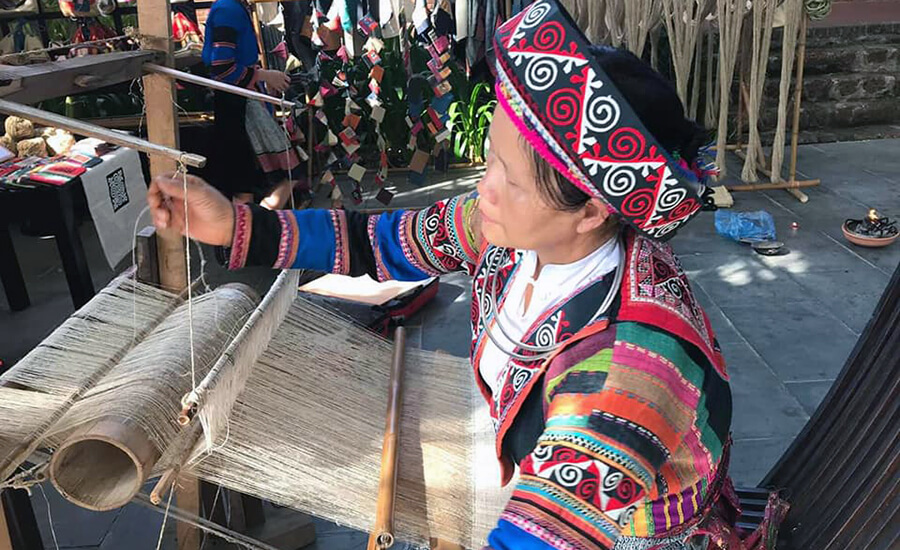
To weave the pattern, the workers create hanging stones. When they pull the stones up and down according to the correct rules, they can achieve the correct pattern shape, with the thread floating or sinking on the fabric.
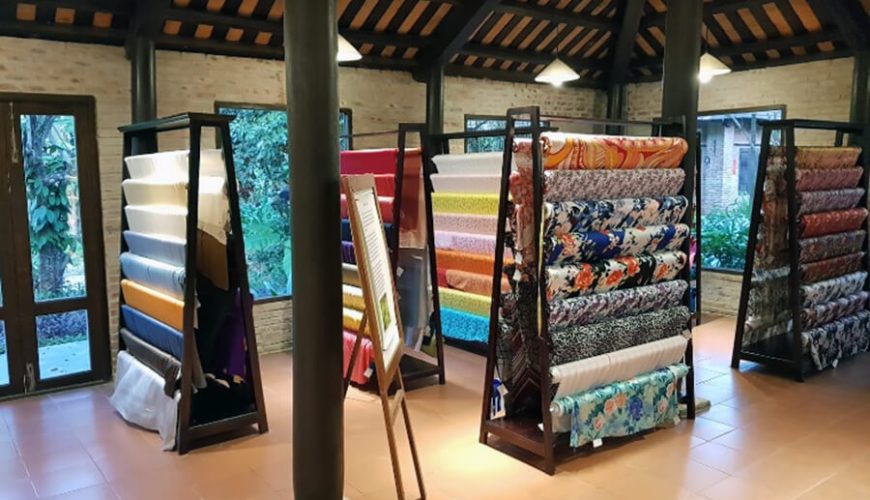
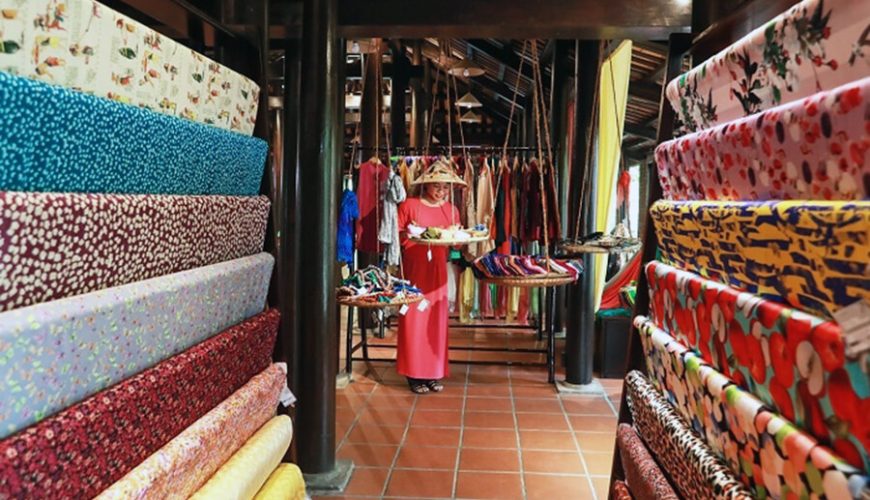
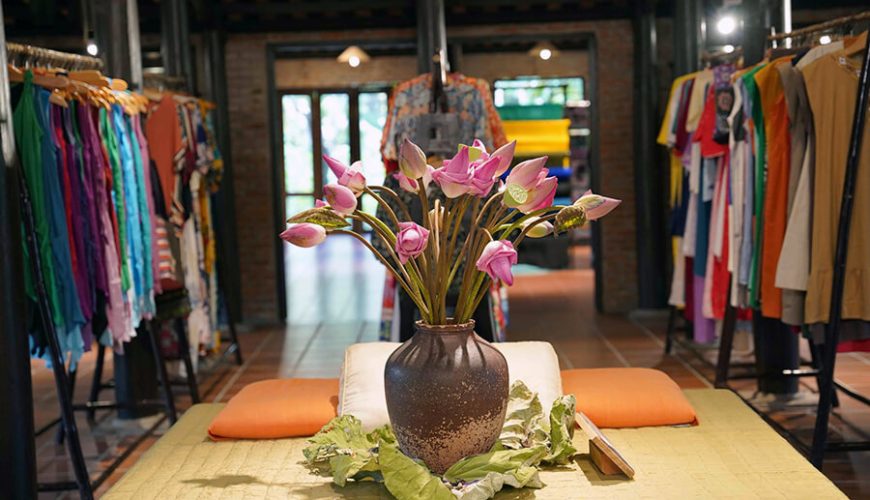
Visit the silk products showroom
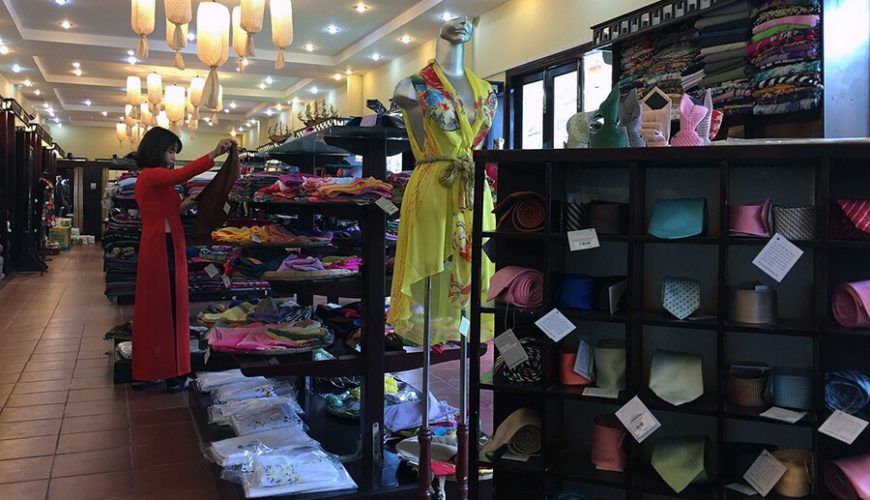
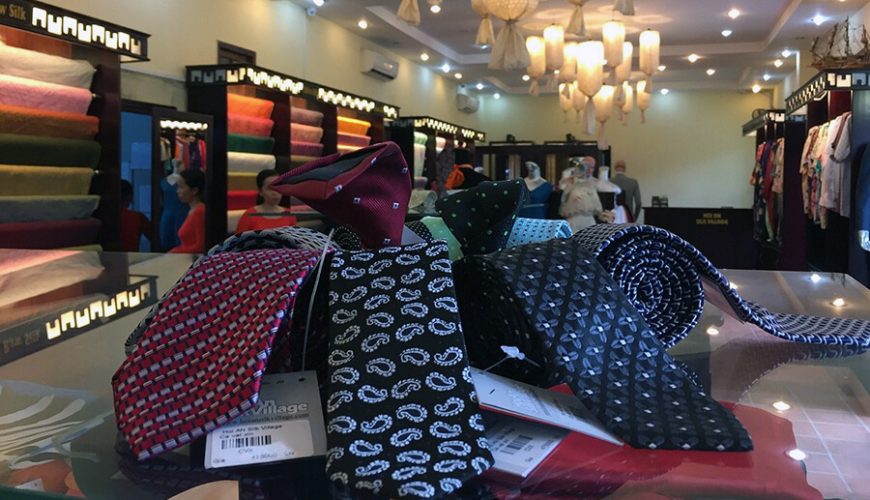
Finally, you will be taken to the product showroom, where you will witness the weaving process. You will also learn how to distinguish between silk fabrics woven on ancient and modern looms, types of silk that require long or quick cooking times, real silk, and blended silk, all taught by professional artisans.
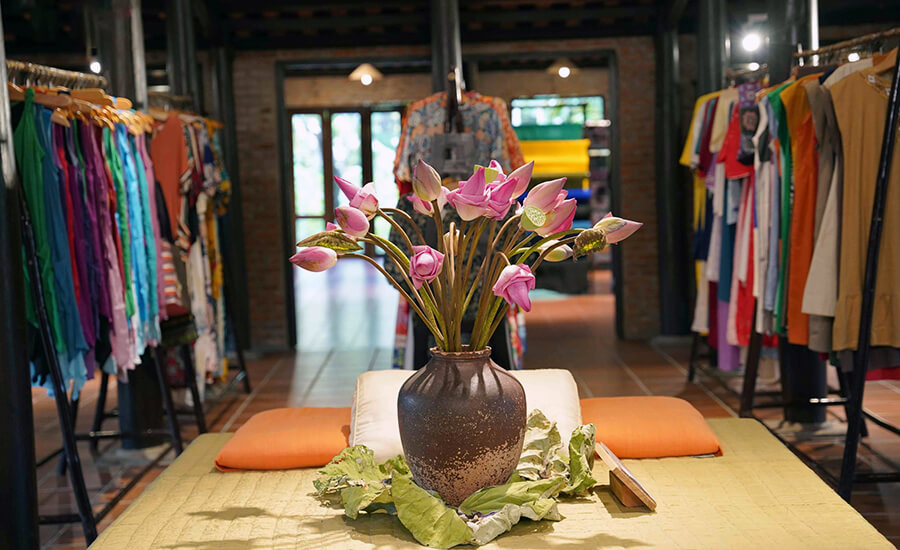
In the cool space of the traditional craft village, people will be able to witness firsthand the strange weaving looms of the Champa people, worked by highly skilled artisans. To weave the pattern, the workers create hanging stones. When they pull the stones up and down according to the correct rules, they can achieve the correct pattern of the thread floating or sinking on the fabric.
Visit the ancient mulberry garden
Visit an ancient morus tree dating back to the ancient Champa period in Hoi An Silk Village. This morus tree was brought from the Que Son land to the silk village in 2012. It is more than 10 meters tall and has unique bird-foot-shaped leaves. The special thing is that this tree has not been hybridized compared to modern morus varieties.
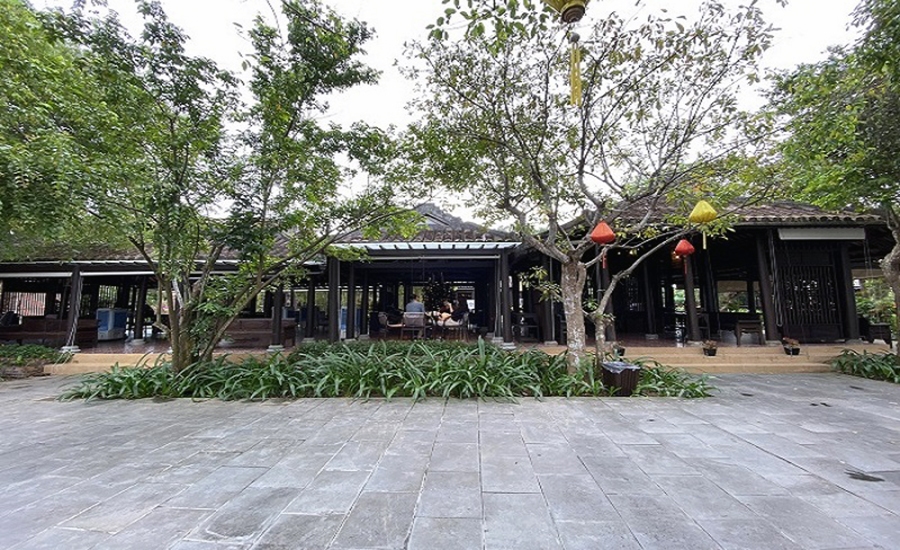
In addition to the ancient morus tree, visitors will learn about the gourd-leaf morus variety of Quang Nam. This plant requires intensive care and seasonal harvesting of morus leaves. Each year, up to 8 generations of morus leaves provide 8 generations of silkworms.
Enjoy Hoi An Silk Village buffet restaurant
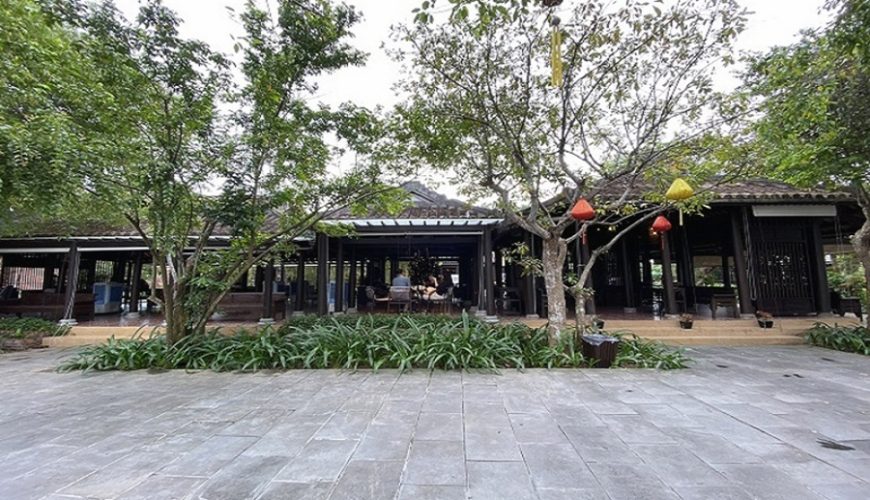
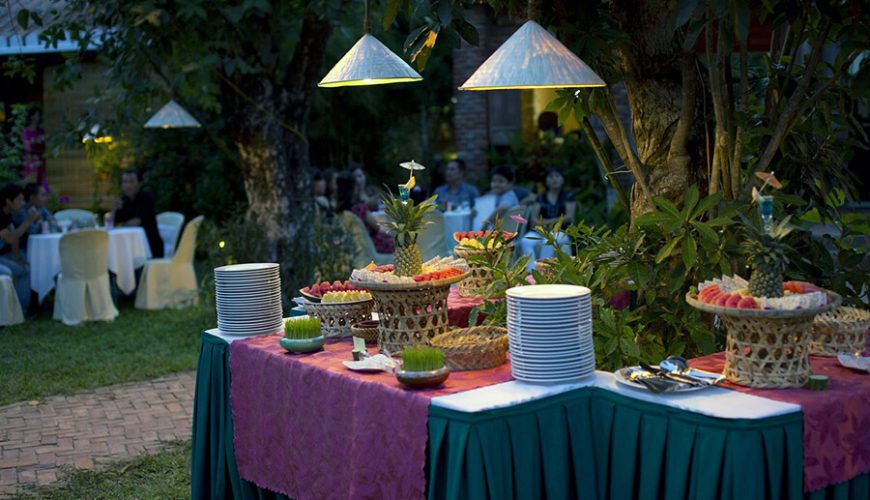
At the end of the journey to Hoi An silk village, tourists will visit the buffet restaurant to enjoy traditional Hoi An dishes such as pancakes, Quang noodles, sweet cake, Tam Ky chicken rice, and Hoi An spring rolls. The restaurant is an open space with an impressive layout on the stilts.
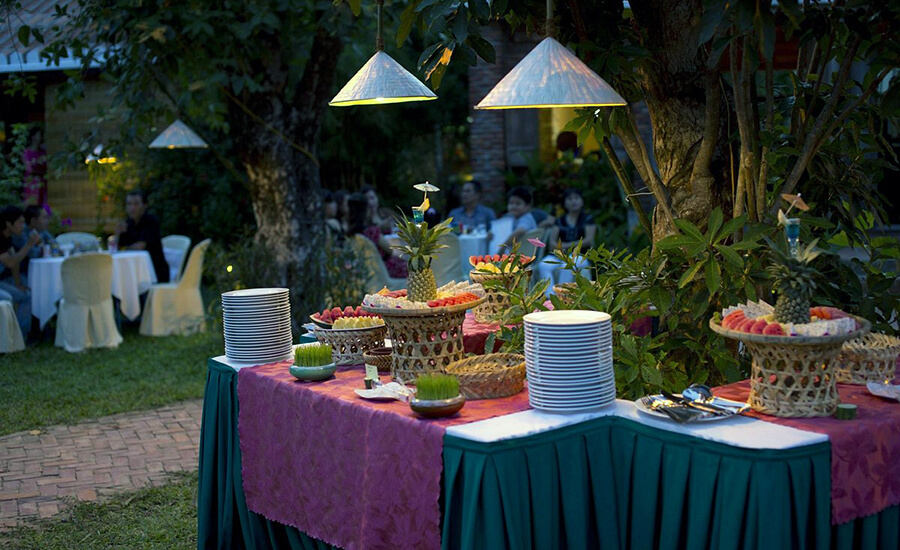
A special feature here is that all the service staff wear traditional Ba Ba suits, creating a space like a countryside market, with a strong hometown feel.
Hoi An Silk Village leaves a deep impression on many people because of its traditional values. The quintessential cultural beauty here is not only preserved but also increasingly developed as tourists spread out and live in Hoi An. Let’s pocket the above things, Vietdreamtravel, when starting your trip to explore Hoi An!
Source: collected by An
Follow us for the best deals on Vietnam package tours and visa services!

Comment (0)