
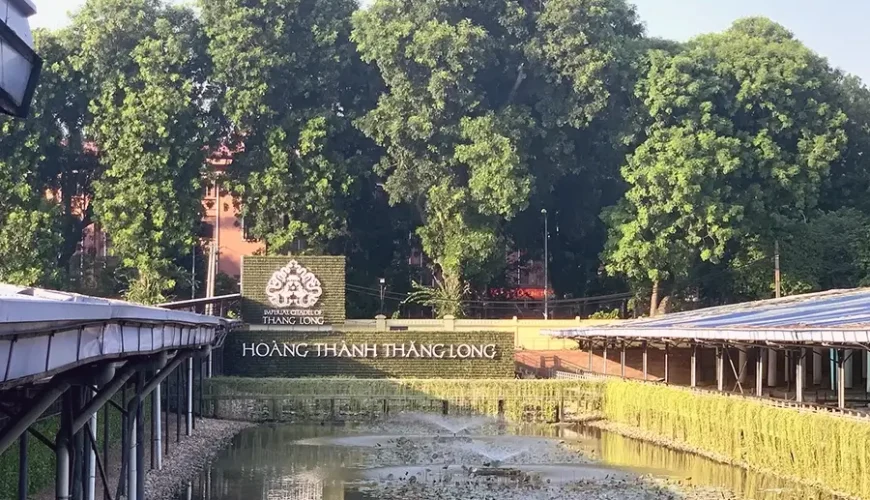
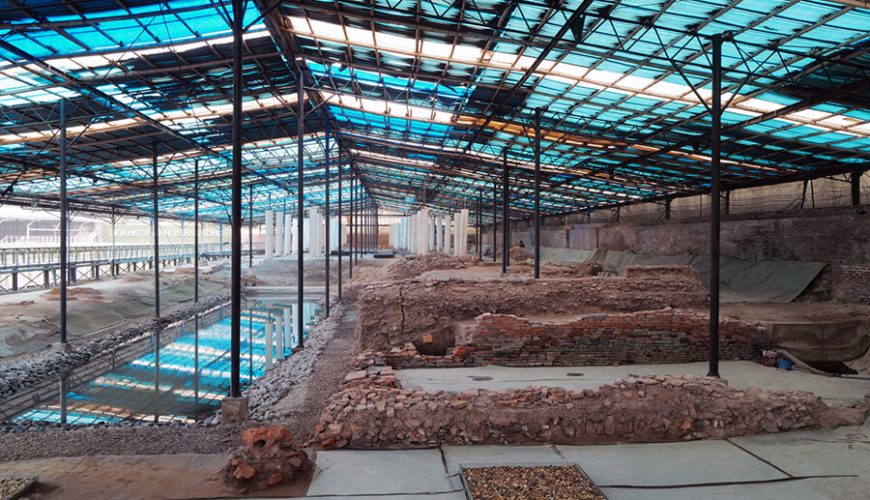
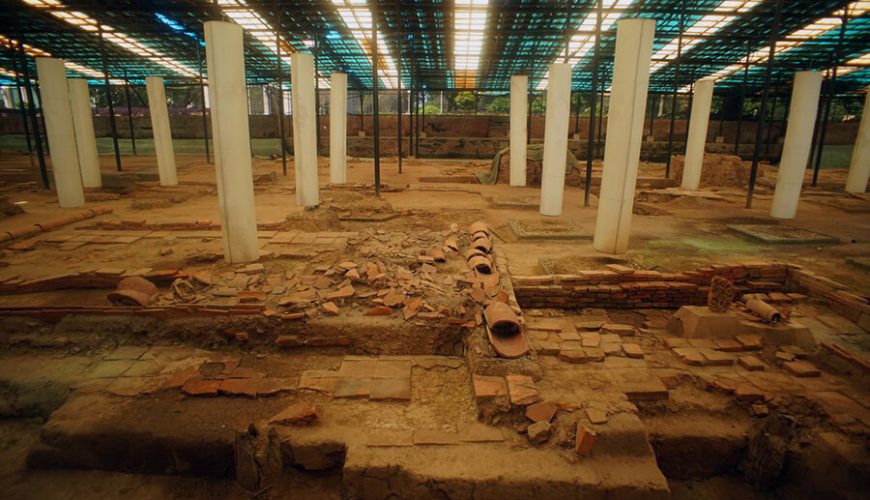
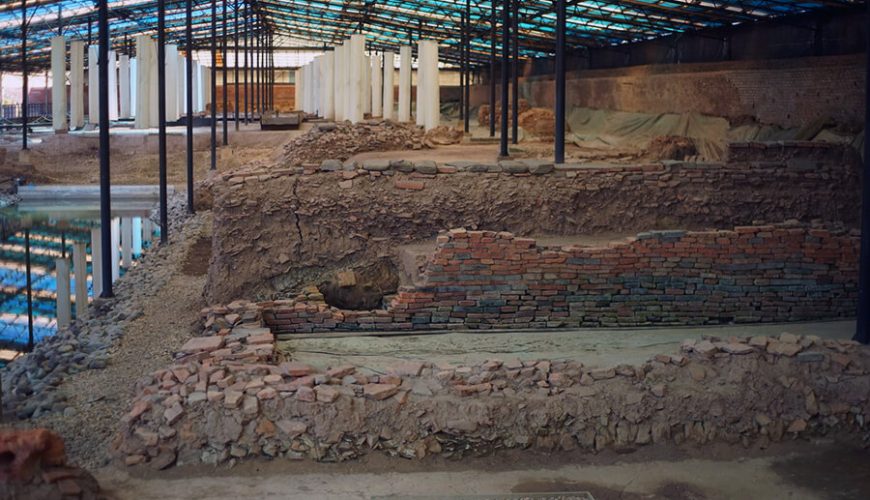
The Archaeological Area in Thang Long Imperial Citadel is currently home to hundreds of precious artifacts and relics from many dynasties and historical periods of Vietnam.
In December 2002, in preparation for the construction of the new National Assembly, a large-scale archaeological excavation was conducted at 18 Hoang Dieu, Ba Dinh Ward, Hanoi.
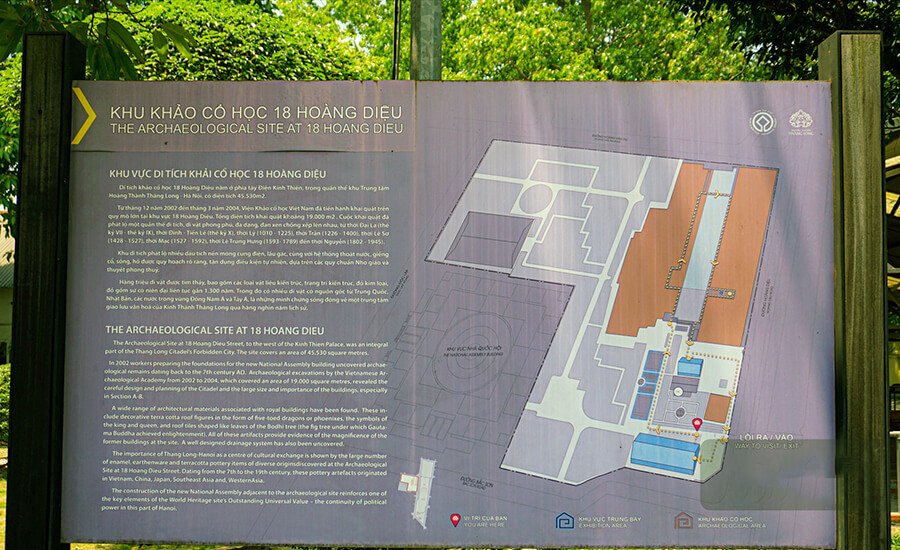
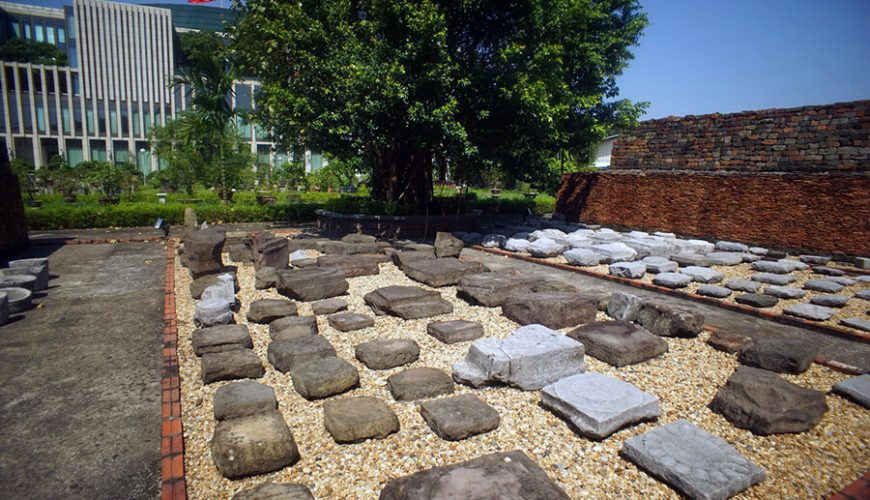
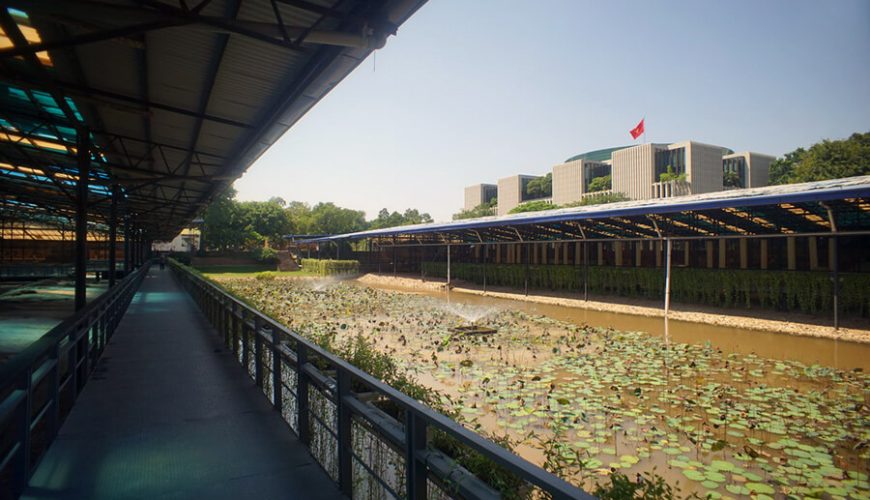
The archaeological site is divided into 4 zones by the Institute of Archeology, named A, B, C, and D. Currently, zones A and B are designated for sightseeing and tourism. These two areas are located parallel to Hoang Dieu Street and separated by a pond.
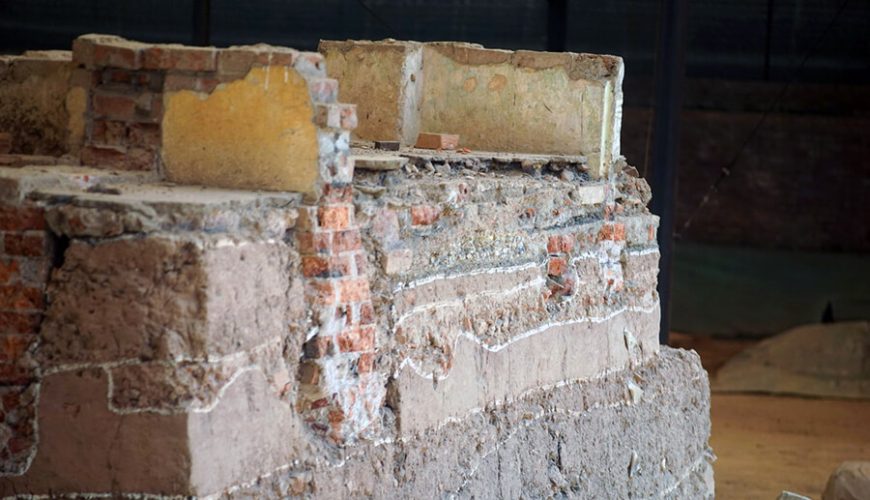
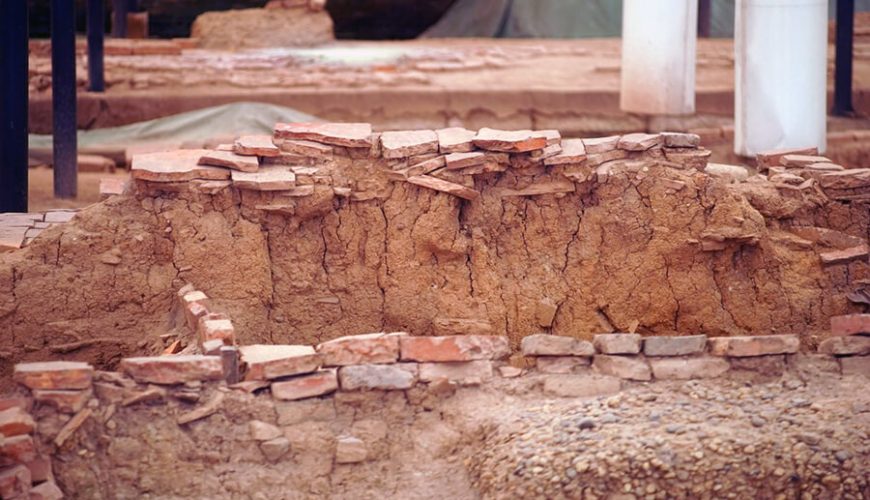
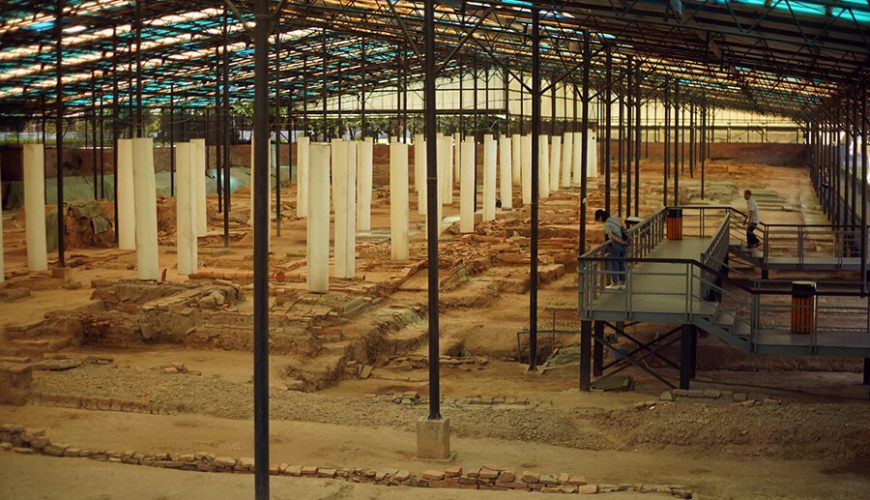
In these archaeological areas, many types of architectural relics have been discovered, dating back to each other, overlapping each other over a period of 1,300 years, starting from the Dai La period (7th – 9th centuries), through the Dinh – Early Le (10th century), Ly (1009 – 1225), Tran (1226 – 1400), Ho (1400 – 1407), Le (1428 – 1527), Mac (1527 – 1592) dynasties ), Le Trung Hung (1592 – 1789) and Nguyen (1802 – 1945).
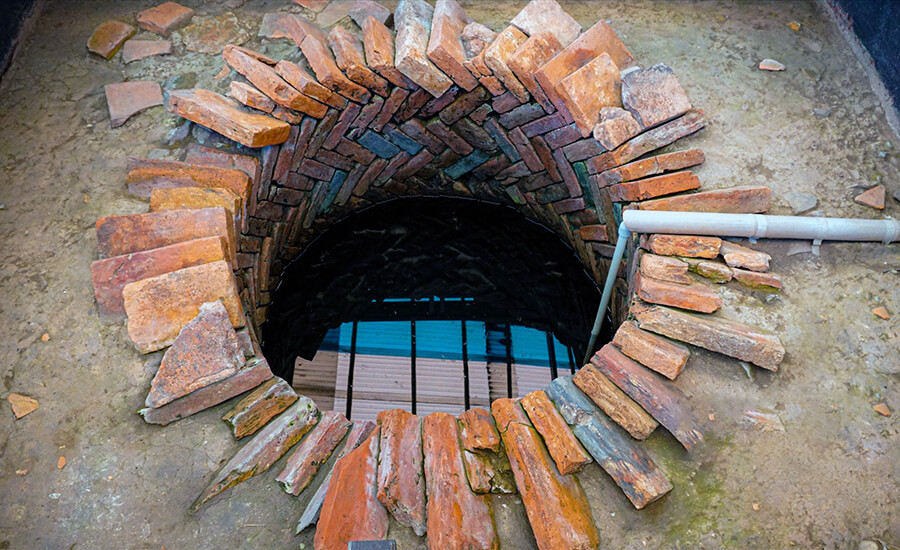
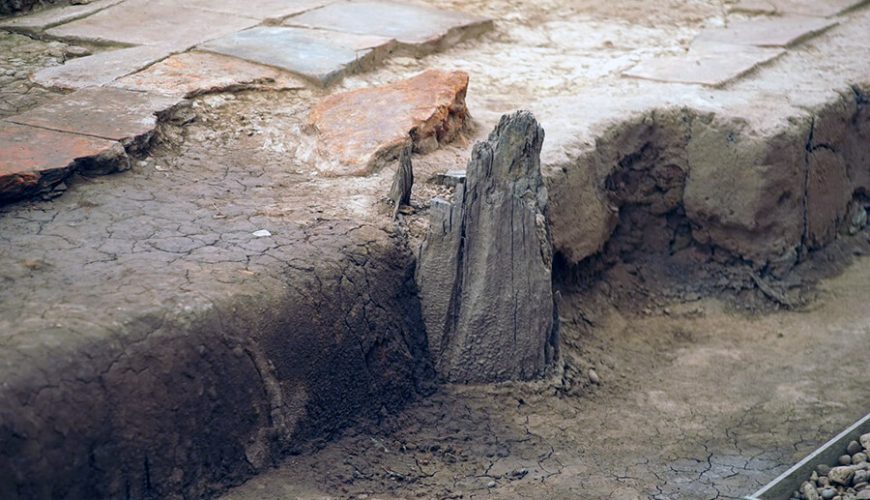
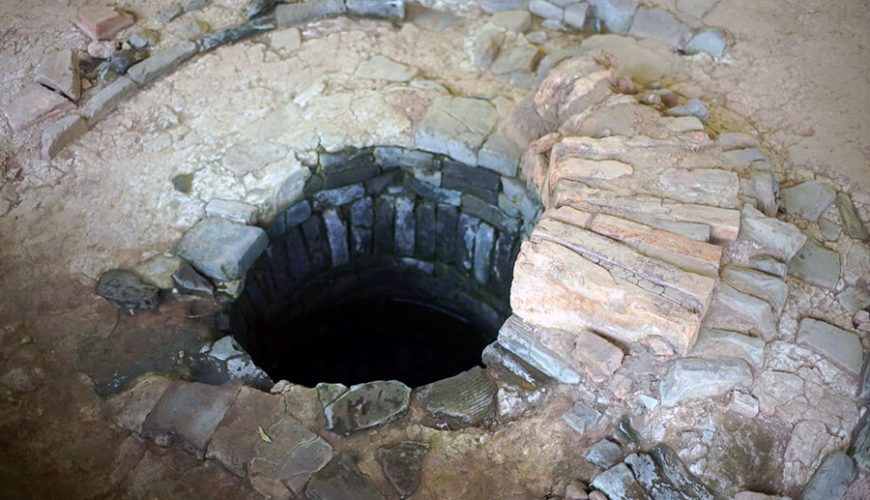
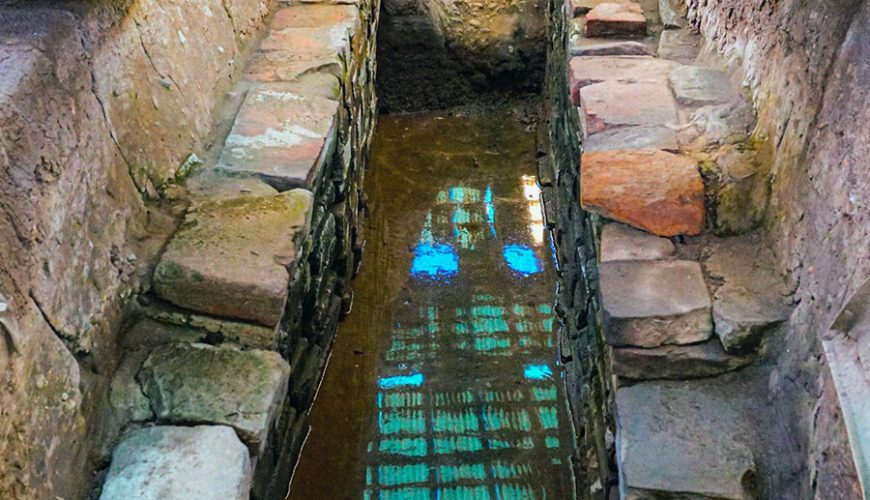
Specifically, the bottom layer is the architectural system of the Pre-Thang Long period, also known as the An Nam colonial period or Dai La, clearly shown through the system of wooden columns, architectural foundations, drainage pipes, wells, and relics bricks, tube tiles decorated with images of magical beasts, clown faces, and many ceramics dating from the 7th – 9th centuries.
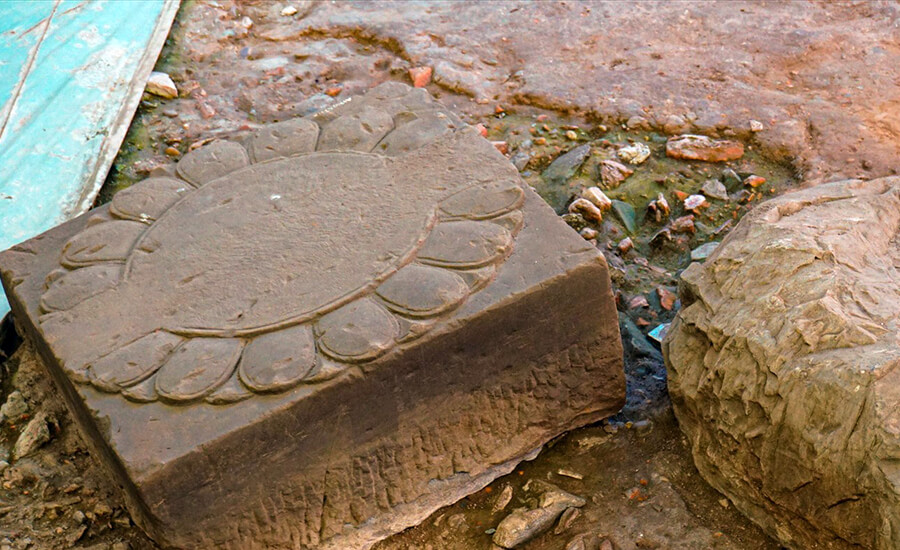
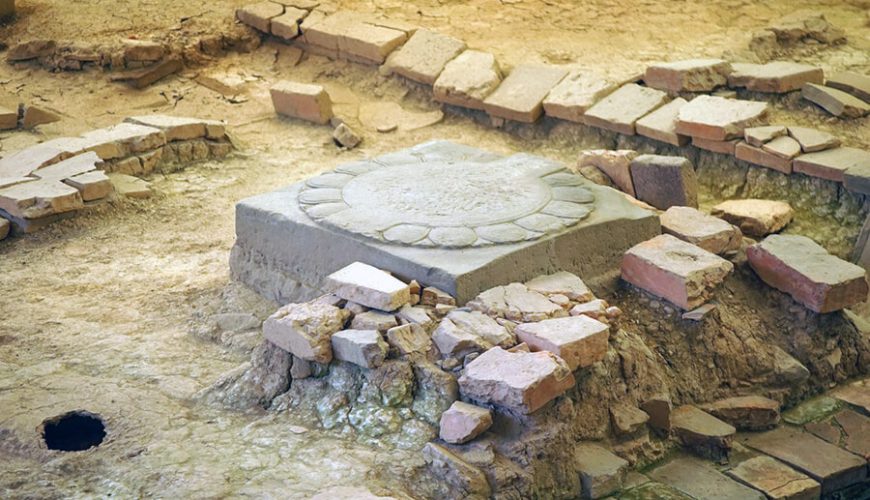
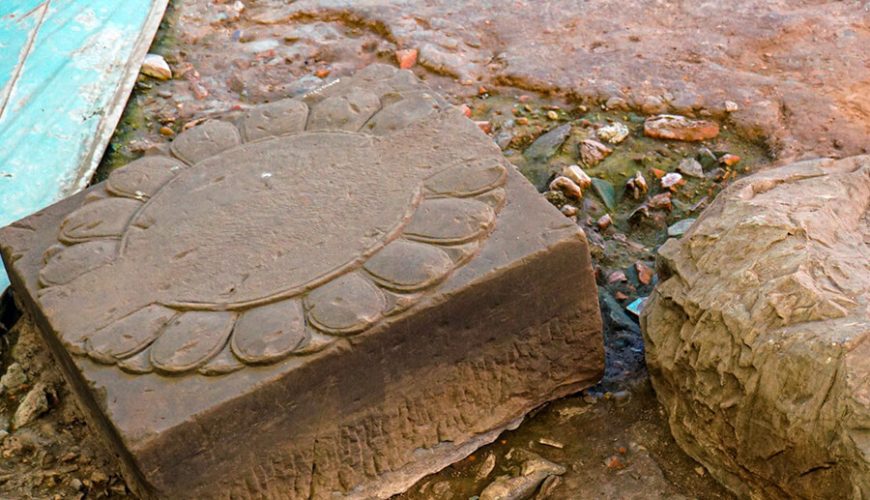
The upper layer of the Dai La period architecture is a trace of the Ly-Tran dynasty architecture (11th – 14th centuries), clearly shown in the architectural plan with gravel foundation pillars, brick foundations, stone bases, lotus flowers, brick yards, and sewer lines…In particular, the types of roof ornaments are large and elaborately decorated. Some locations have cultural vestiges from the Dinh-Early Le period (10th century).
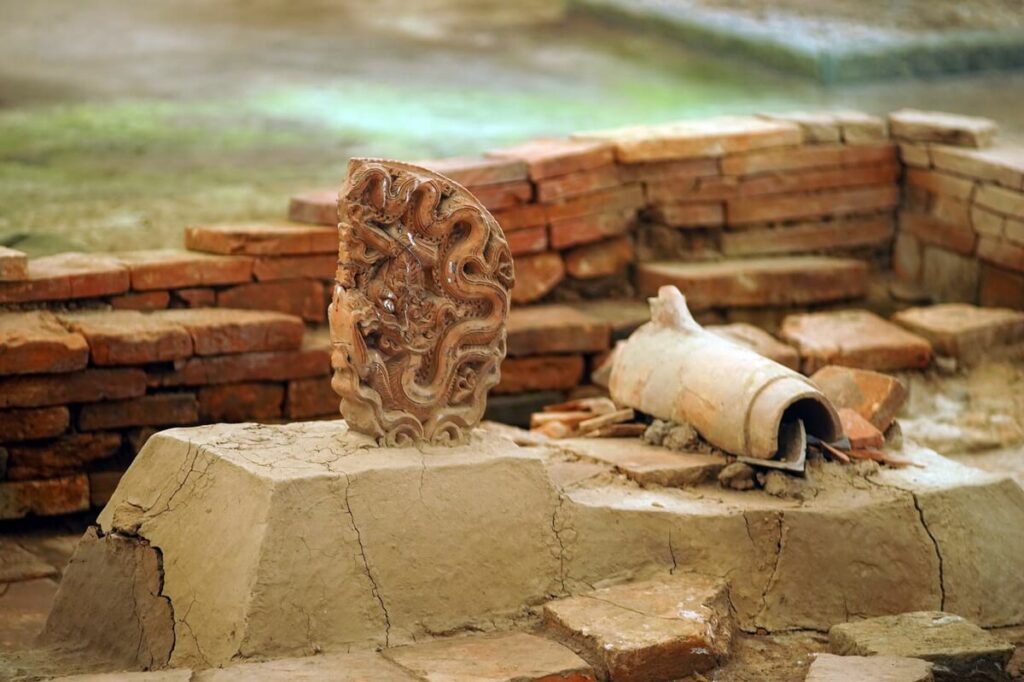
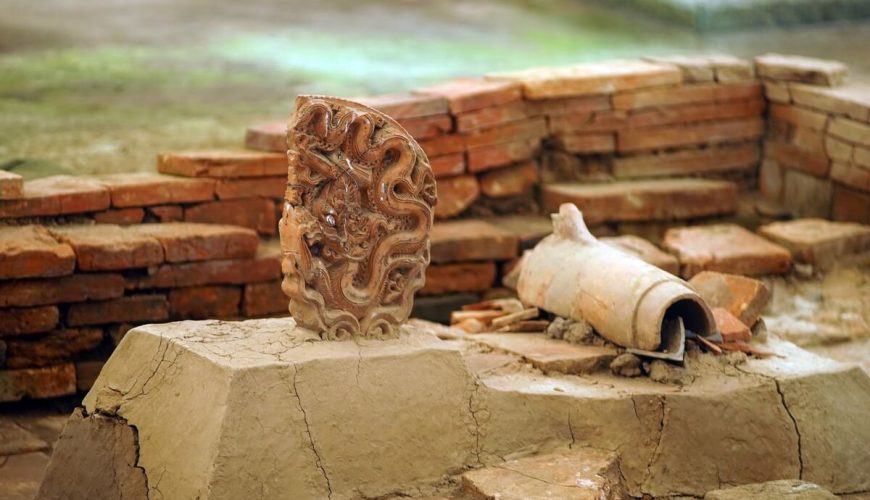
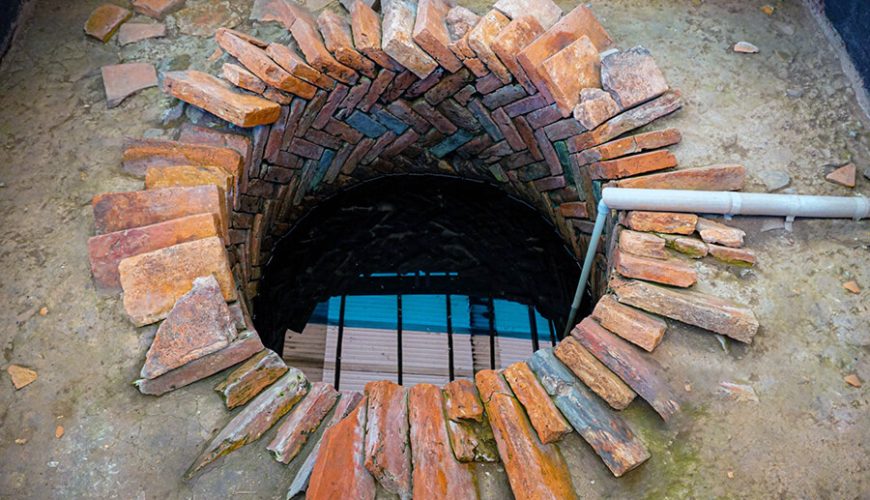
At the top is the architectural layer of the Le Dynasty (15th – 18th centuries), with traces of brick foundations, water well systems, especially dragon-decorated tiles used to cover the roof of the king’s palace, and all kinds of porcelain used exclusively for the king.
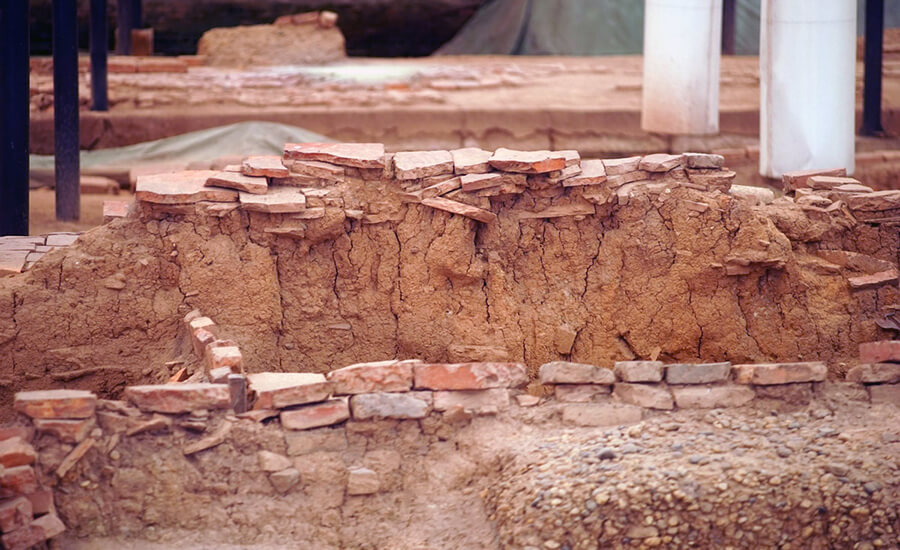
In addition, some locations have cultural traces of the Nguyen Dynasty (19th – 20th centuries), but they are faint and unclear. Researchers say that the soil layers at the 18 Hoang Dieu archaeological site bear the marks of all historical periods over the past 1,300 years and show an orderly, continuous evolution, especially since it is located at the center of the Imperial Citadel and the Forbidden Citadel of Thang Long.
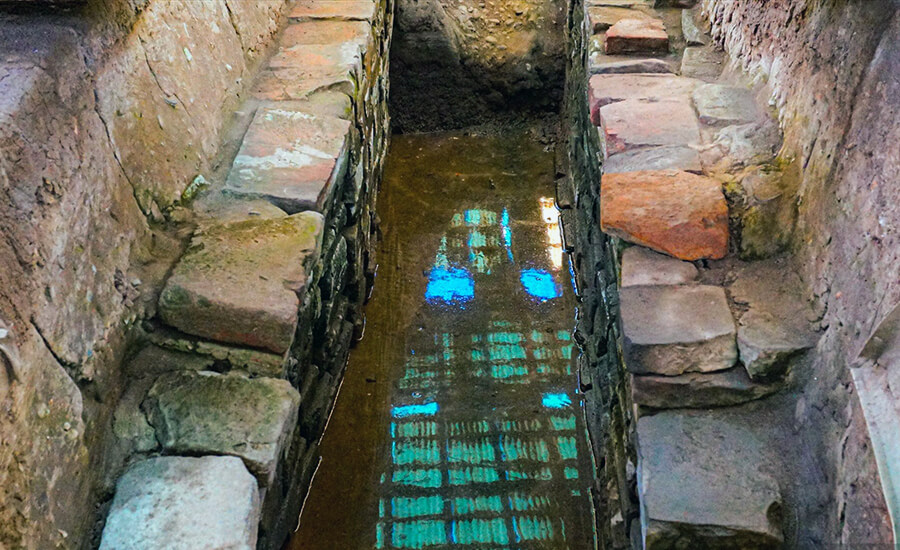
In the world, it is very rare to have a capital city of a country that still preserves a complex of relics with a long history and culture, and has layers of culture overlapping and successively connected continuously like that.
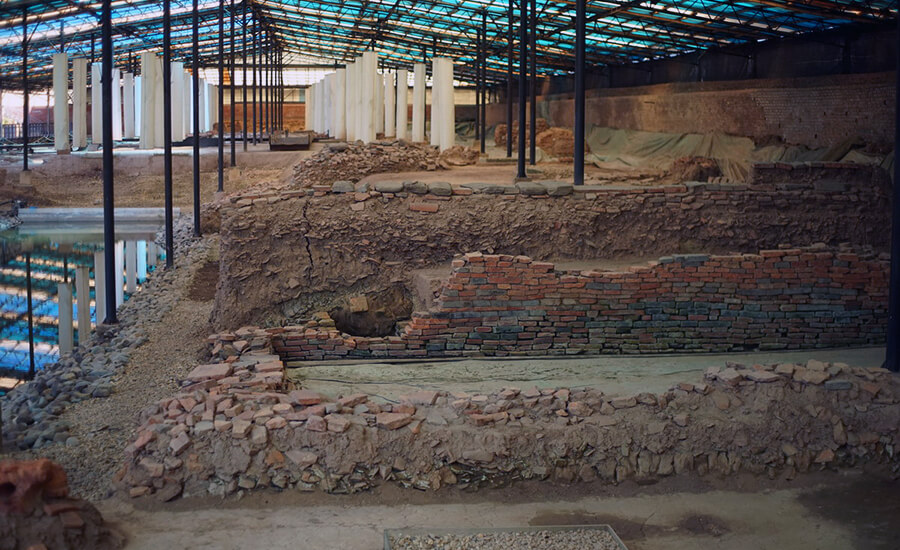
This is an outstanding feature that contributes to the great value and uniqueness of the Thang Long Imperial Citadel relic site. It can be said that this is an invaluable asset of Vietnamese history and culture in general, and of the history and culture of Thang Long – Hanoi in particular.
Source: collected by An
Follow us for the best deals on Vietnam package tours and visa services!

Comment (0)