
Located in the heart of Buon Ma Thuot ward (Dak Lak province), Ako Dhong village is a rare example of indigenous culture amidst a developing urban area. The longhouses, the sound of gongs, the aroma of coffee, and the stories of the village’s guardians make it a highly regarded destination for both domestic and international tourists.
The village preserves the authentic Ede identity
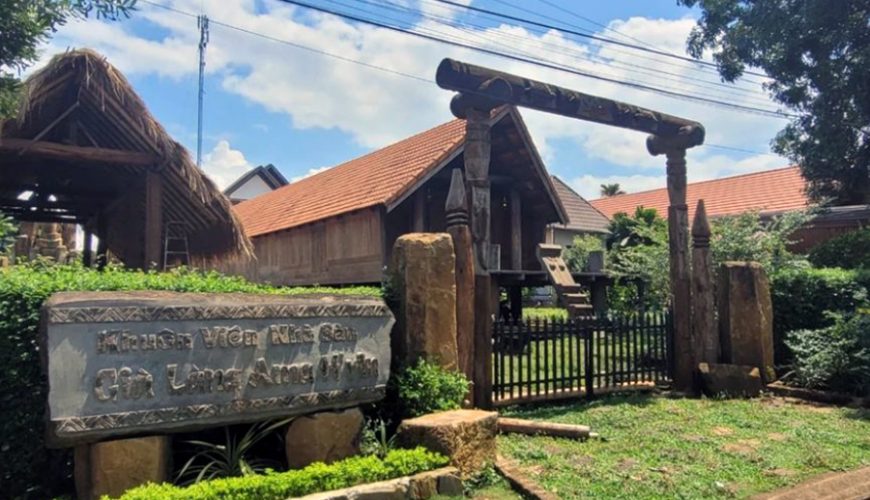
Ako Dhong village, in the Ede language, means “village located in the headwaters,” and is situated in Buon Ma Thuot Ward, Dak Lak province. It also has other names, including Cô Thôn village (as called by the Kinh people) or Ama H’rin village – named after the village elder who pioneered this land.
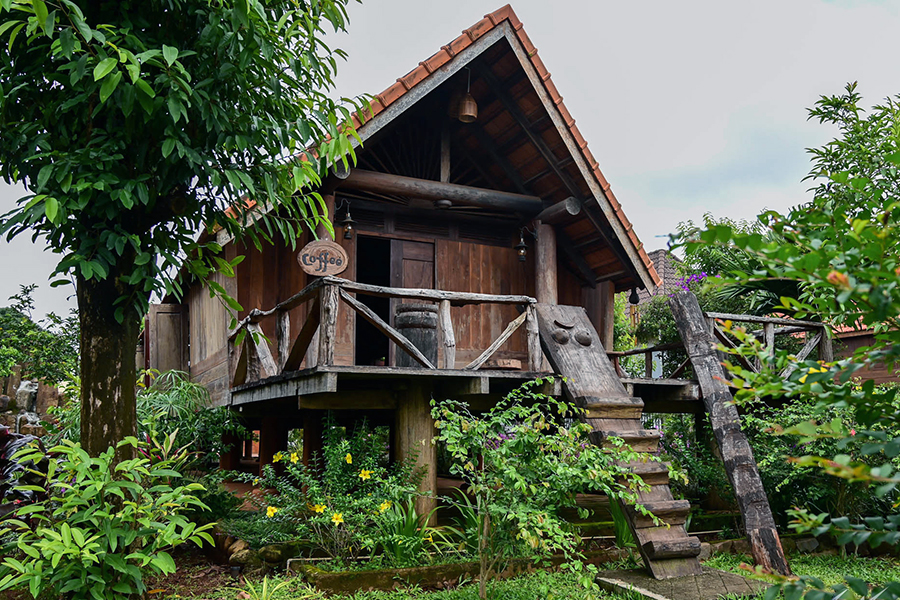
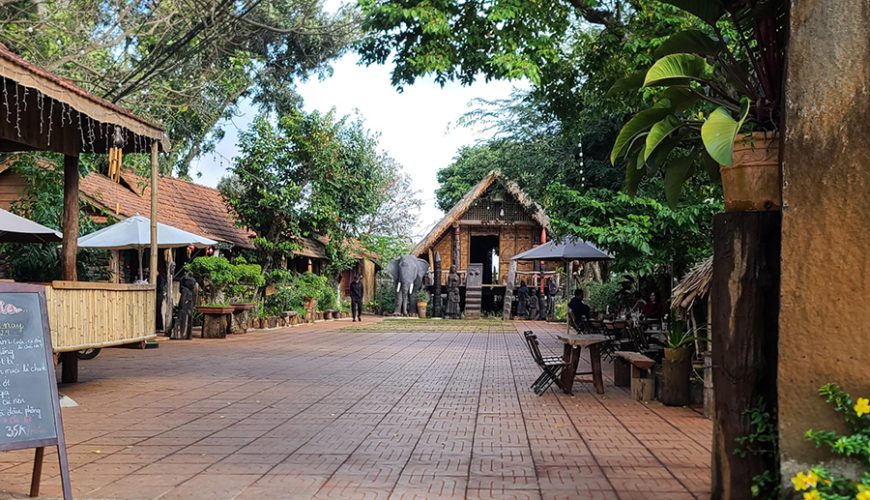
Despite being in the heart of the province, the village maintains a rare sense of peace. Small paths winding through traditional houses, lush green gardens, and the chirping of birds create an atmosphere distinctly different from the hustle and bustle outside.
What makes Ako Dhong so attractive is not its grand structures, but its cultural values that have been preserved almost intact. It is still home to many Ede families, so daily life unfolds naturally. Elderly people sit weaving baskets on their porches, children play under the shade of trees, and women weave brocade or prepare the evening meal. Each moment reflects a simple life intertwined with this land for generations. Thanks to this, visitors can learn firsthand about the lives of the Ede people right in the heart of Buon Ma Thuot.
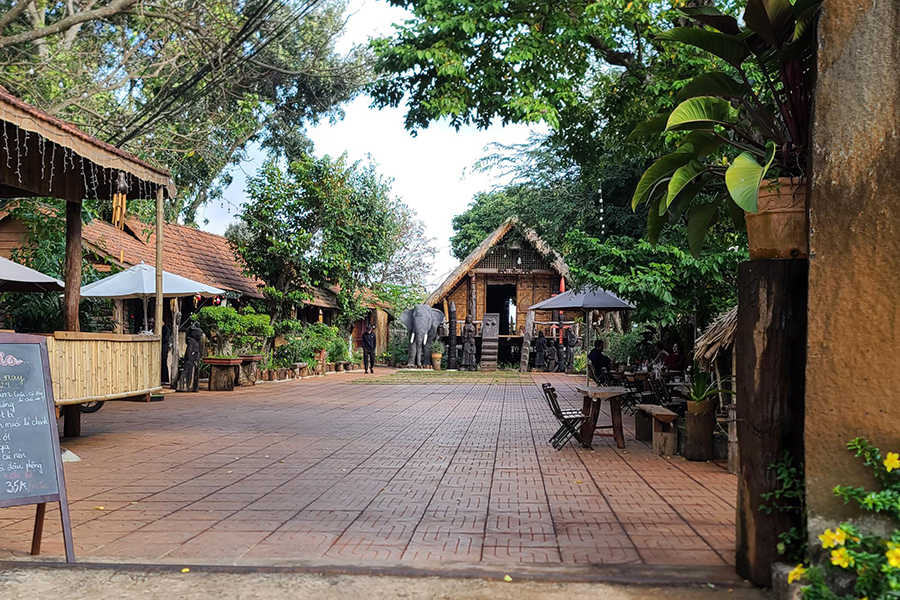
One of the most memorable experiences is meeting the locals. Their friendliness and hospitality quickly bridge the gap between visitors and the local community. Simply by taking the time to chat, you’ll hear about ancient customs, the meaning of traditional rituals, or stories surrounding each house in the village. These simple, heartfelt conversations make the journey of discovery more intimate and emotionally enriching.
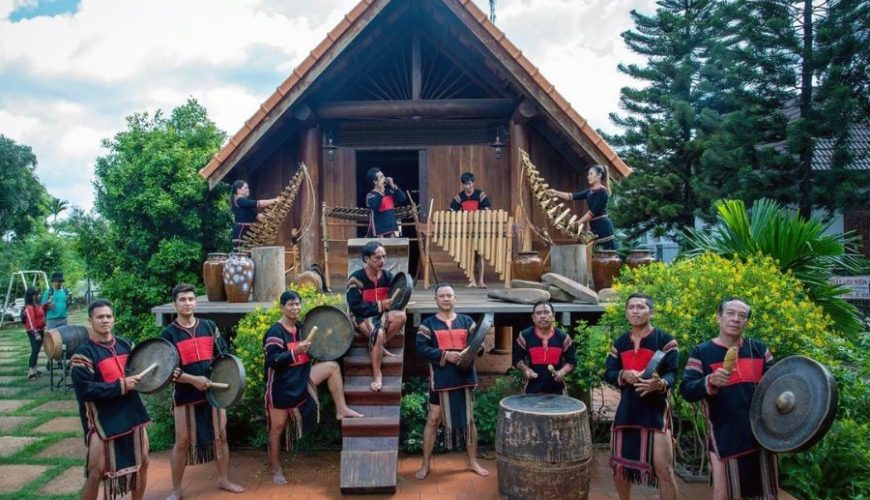
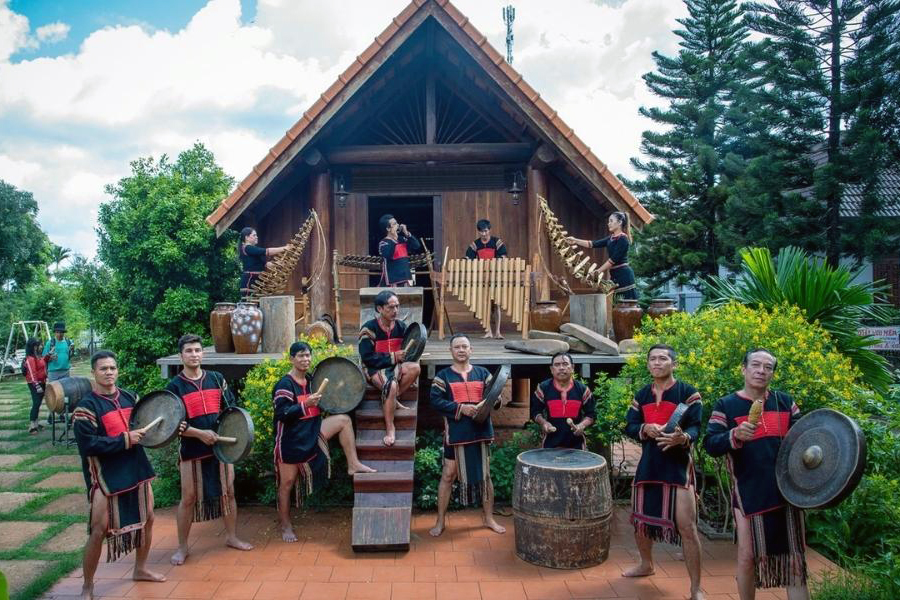
If you visit during a festival, the atmosphere will be even more vibrant with the resounding sounds of gongs echoing through the vast forest. Traditional dances, water-worship ceremonies, and community rituals are solemnly organized, demonstrating the connection between people, nature, and ancestors. This is also an opportunity for visitors to better understand why the Central Highlands gong culture was recognized by UNESCO as a Representative Intangible Cultural Heritage of Humanity.
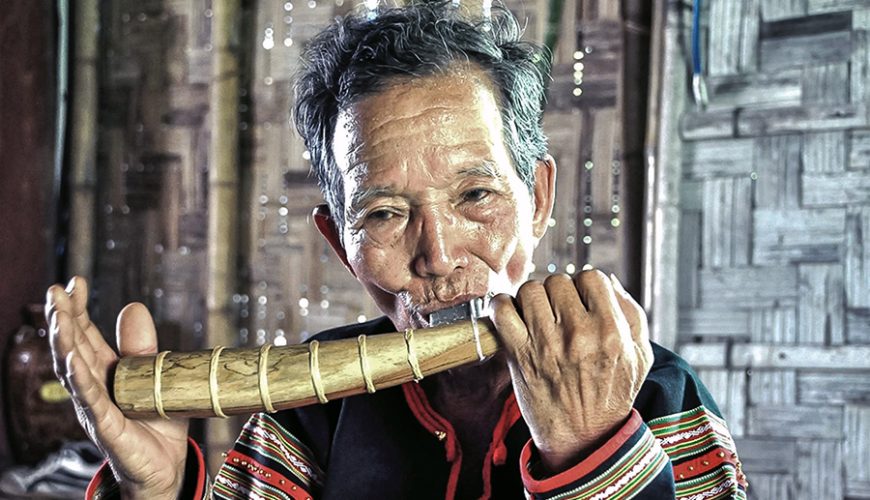
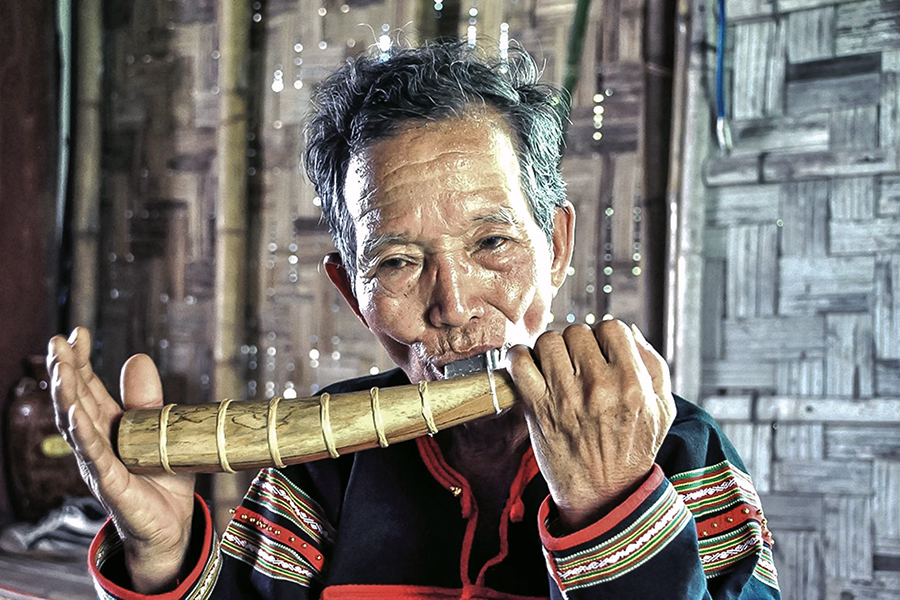
Besides its cultural values, Ako Dhong also showcases many traditional crafts. The vibrant brocade fabrics are entirely hand-woven with patterns bearing the distinct mark of the Ede people. Products woven from bamboo and rattan, as well as traditional musical instruments, also demonstrate the skill and creativity of local artisans. These are not only meaningful souvenirs but also help preserve traditional crafts that are gradually disappearing.
Unique Traditional Rong Architecture
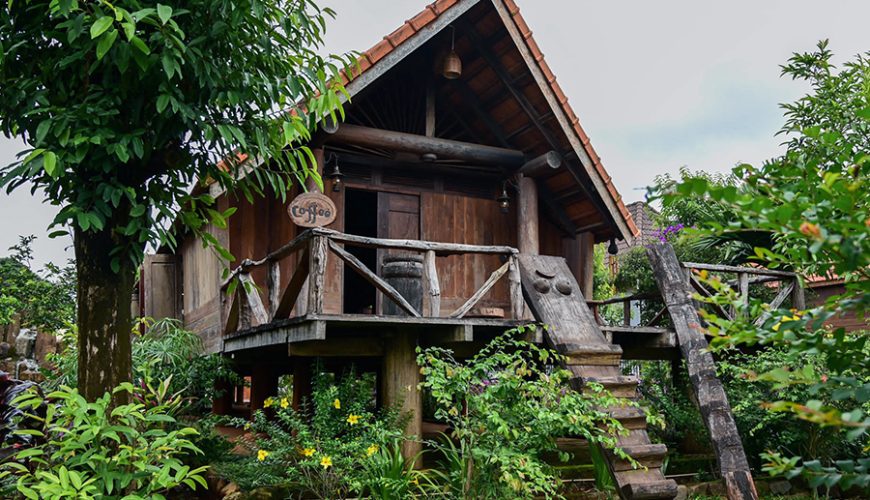
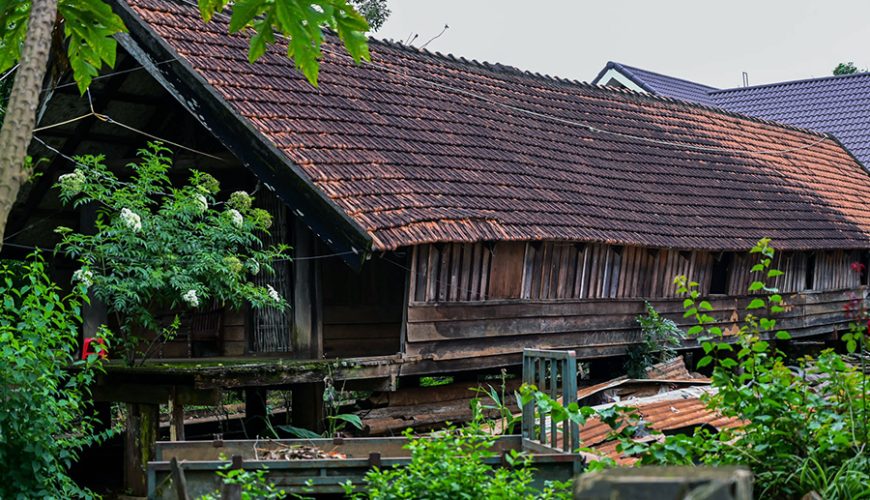
Walking through the village, the most impressive image is the Rong house – a traditional communal house of the Central Highlands. This is a distinctive architectural symbol of the Ede people, reflecting their unique matriarchal system. Each house is built on a sturdy wooden stilt system, with a high roof and a spacious interior, and extends according to the number of female members in the family. When a daughter gets married, a new section is added to the house, so some houses can be more than 20 meters long. Inside, the space is rationally divided into a reception area, a common living area, a fireplace, and a resting area, creating a whole that is both comfortable and rich in cultural identity.
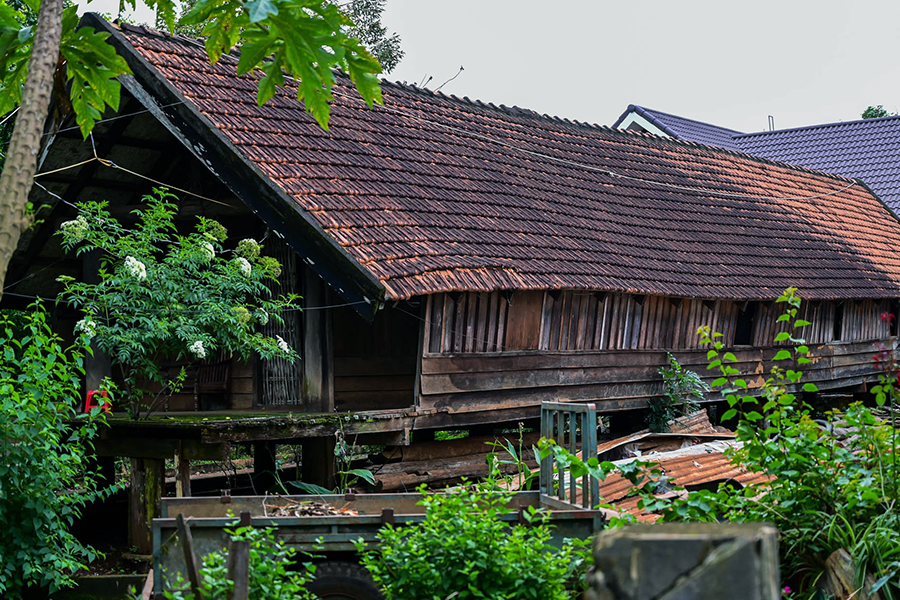
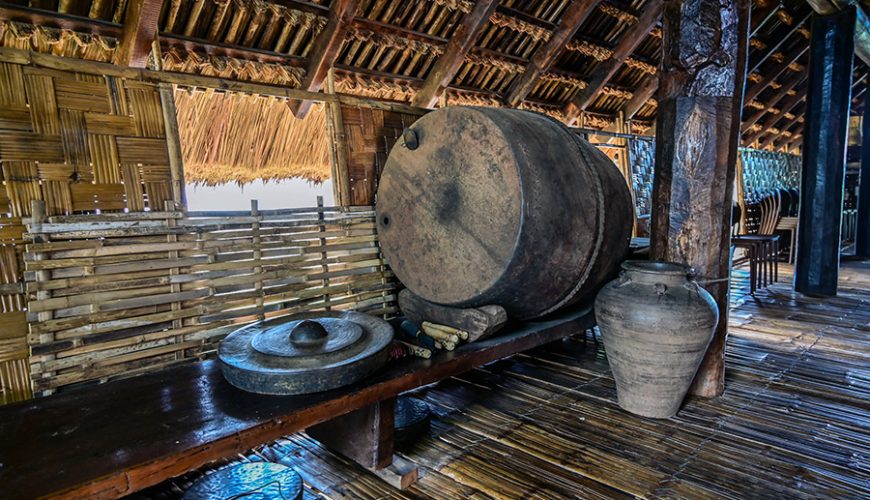
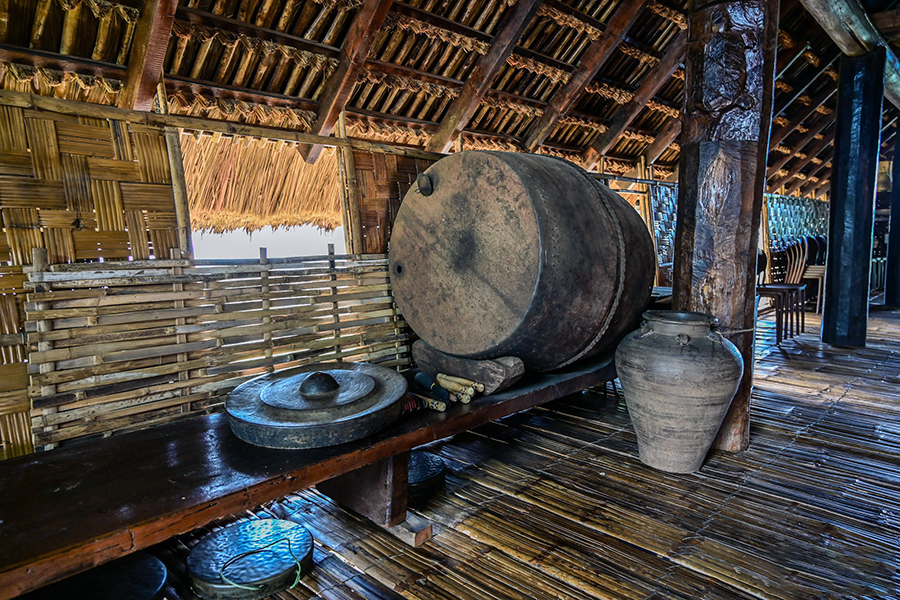
Beyond its architectural value, each house also preserves many stories about the life, customs, and beliefs of the Ede people. Ancient gongs, kpan chairs, rice wine jars, and household items made of bamboo and wood are carefully preserved as a part of the village’s memory. Therefore, the visit is not just about sightseeing; it also offers opportunities to learn more about the history and culture of the Central Highlands.
Along the well-maintained main road, about 30 traditional Rong houses, ranging from 12 to 25 meters in length, stand side-by-side. Their dark brown wooden walls and slender shape are nestled amidst lush, verdant gardens.
Unique Cuisine
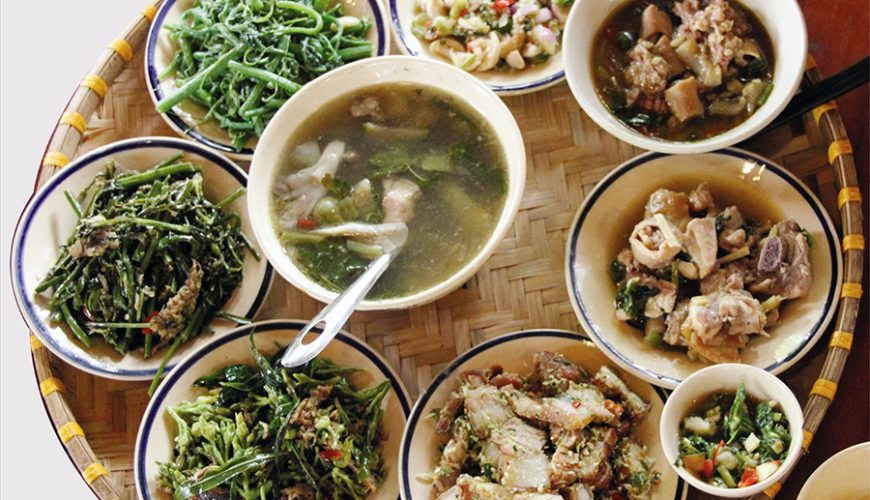
Cuisine is also a highlight not to be missed. Sticky rice cooked in bamboo tubes, chicken grilled with forest spices, grilled stream fish, local pork, and various wild vegetables offer rustic yet rich flavors.
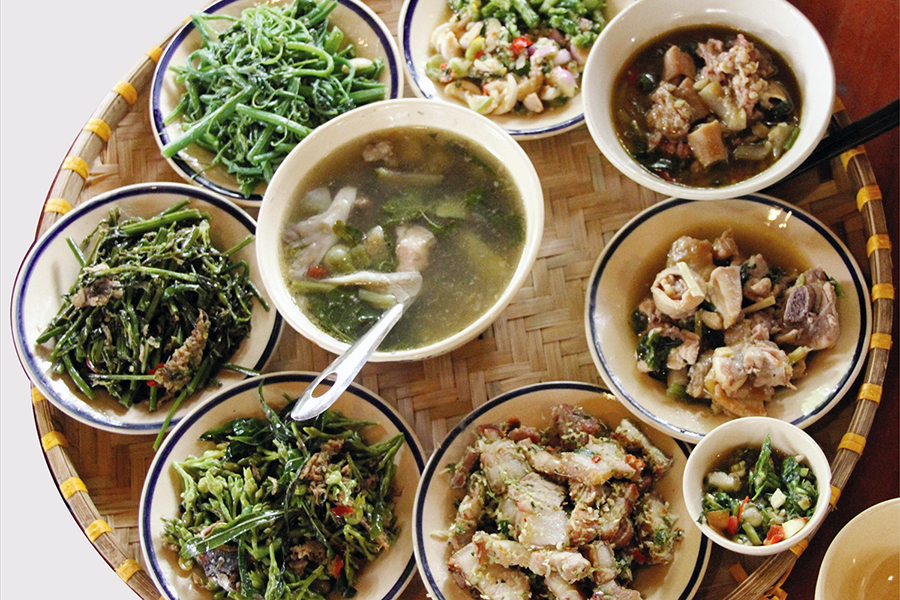
Meals are often accompanied by rice wine – a traditional drink enjoyed in a convivial atmosphere, creating a truly authentic Central Highlands experience. After exploring, a fragrant cup of Buon Ma Thuot coffee would be the perfect choice to conclude the trip.
Source: collected by An
Follow us for the best deals on Vietnam package tours and visa services!
Comment (0)