
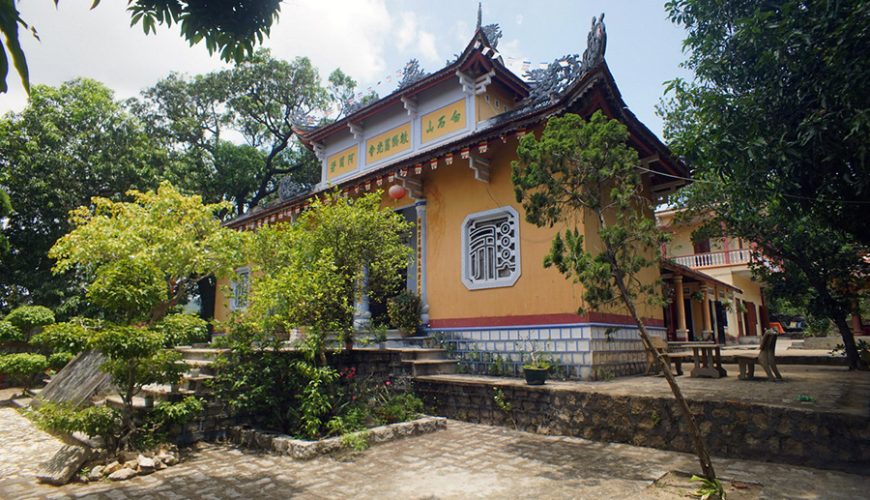
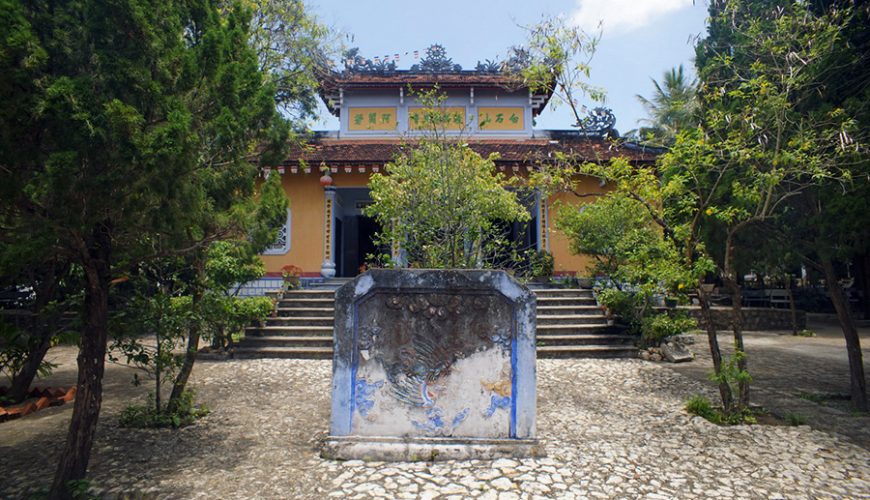
Da Trang Pagoda is one of the oldest and most sacred pagodas, not only in Dak Lak but also in the South Central coastal region. With a history spanning more than two centuries, it is not only a center of Buddhist activity for local people but also an attractive tourist destination for those who appreciate culture, history, and natural landscapes.
History of Da Trang Pagoda in Dak Lak
According to numerous local records, Da Trang Pagoda (Vietnamese: Đá Trắng) was built in the late 18th and early 19th centuries during the Nguyen Dynasty. Initially, the pagoda was just a small hermitage built of bamboo and wood to serve the needs of monks and local people for their practice. Through numerous renovations and expansions, the pagoda gradually became one of the largest Buddhist establishments in the old Phu Yen Province (now merged into Dak Lak Province).
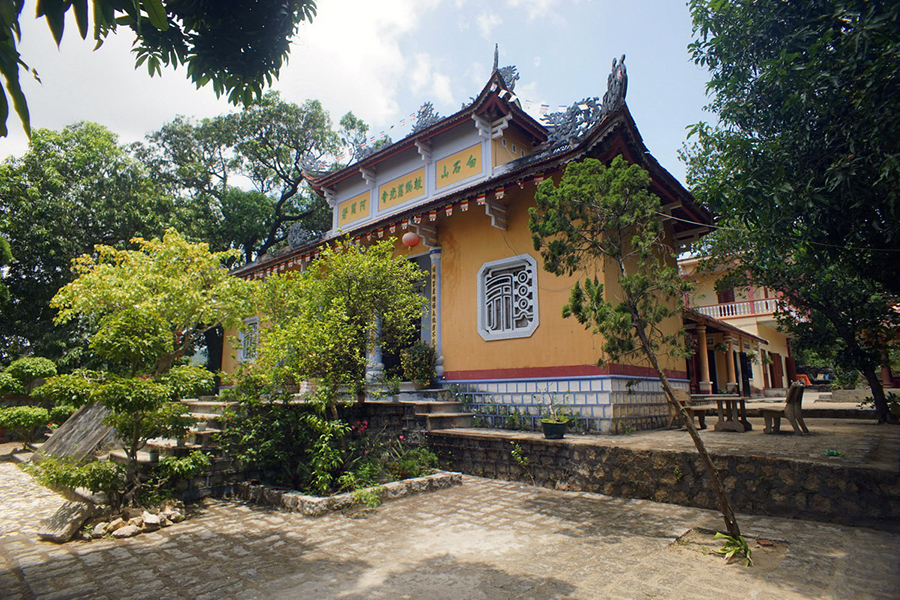
The name “Đá Trắng” (White Stone) originates from the mountain of the same name, where many bright granite rocks stand out against the green trees. From then on, the pagoda became known by this familiar name and has been passed down to this day. In addition, the pagoda also has another name: Từ Quang.
Throughout history, Da Trang Pagoda has not only been a place of study for monks but has also been associated with many cultural and religious events in the local community. On occasions such as Buddha’s Birthday, Vu Lan Festival, or the New Year, thousands of Buddhists and tourists come here to worship Buddha, pray for national peace and prosperity, and express their good wishes. Throughout war and the vicissitudes of time, many structures were damaged, but they have all been preserved and restored in the spirit of preserving traditional architecture. To this day, the pagoda still retains its original ancient appearance, becoming a cultural site with many historical values for the people of Phu Yen.
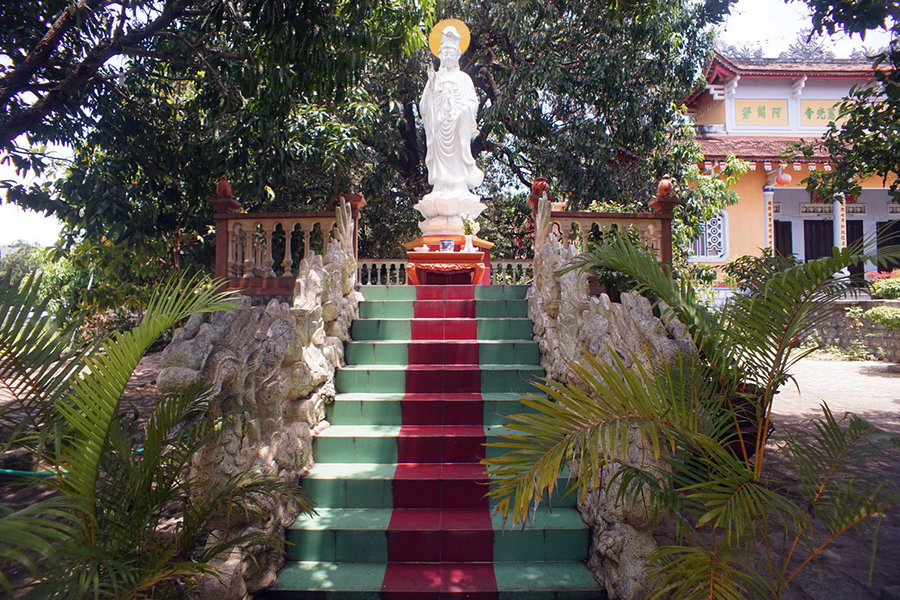
Da Trang Pagoda was recognized as a National Historical and Cultural Monument by the Ministry of Culture and Information in 1997, and is a unique destination that sparks curiosity in many tourists whenever they visit Dak Lak.
What makes Da Trang Pagoda so attractive?
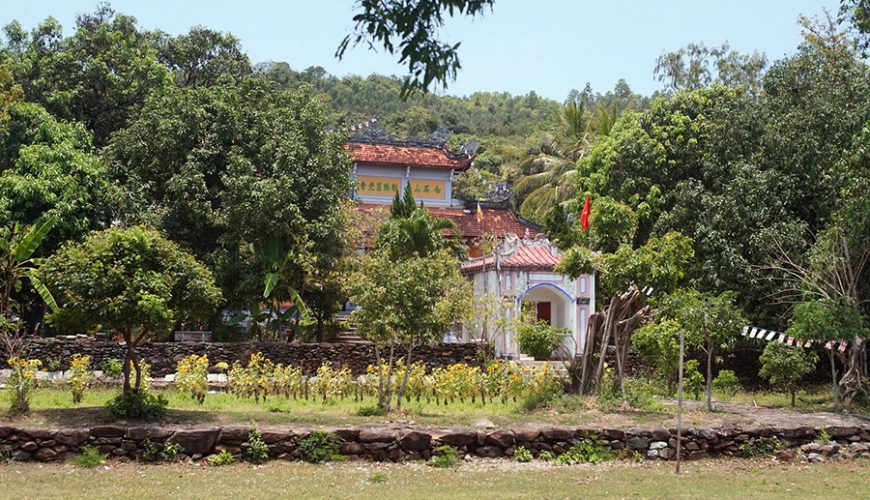
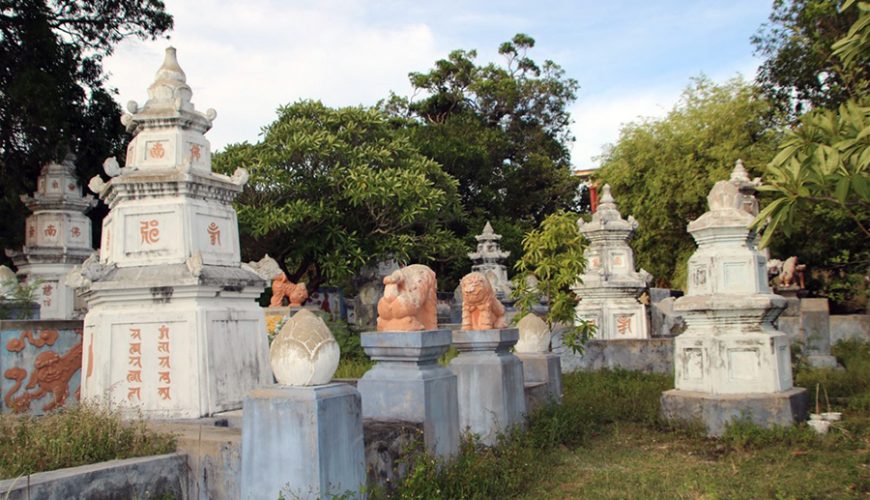
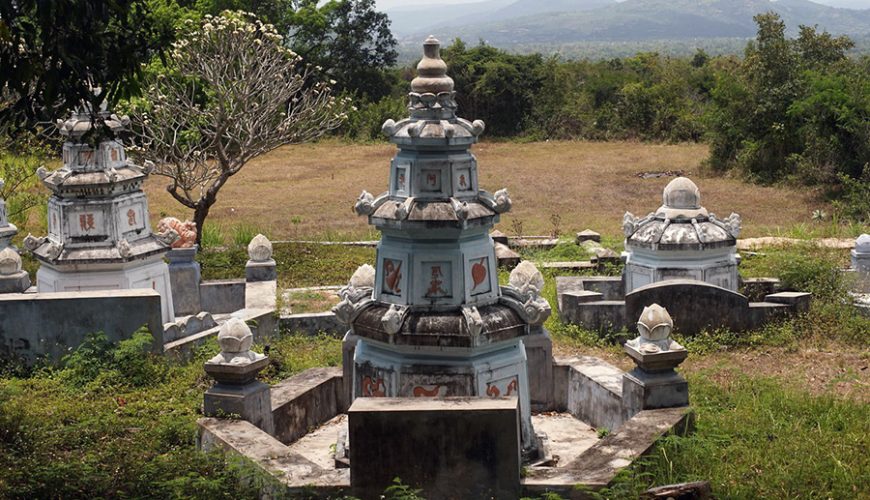
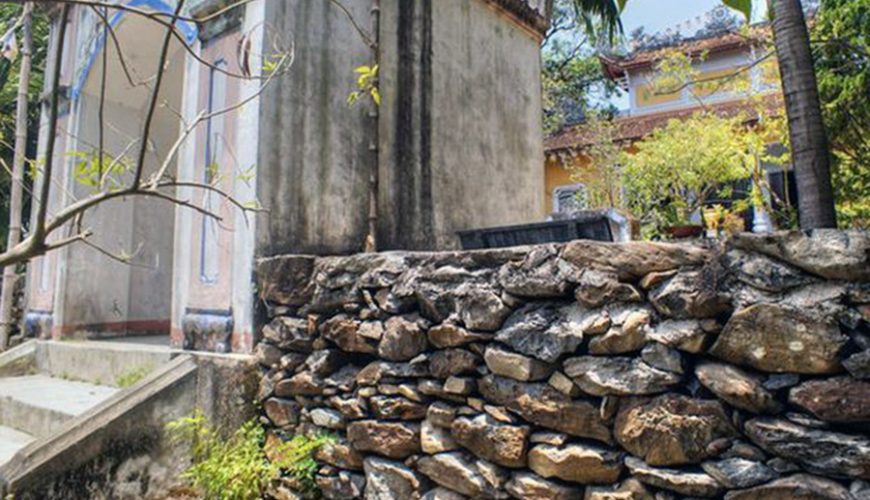
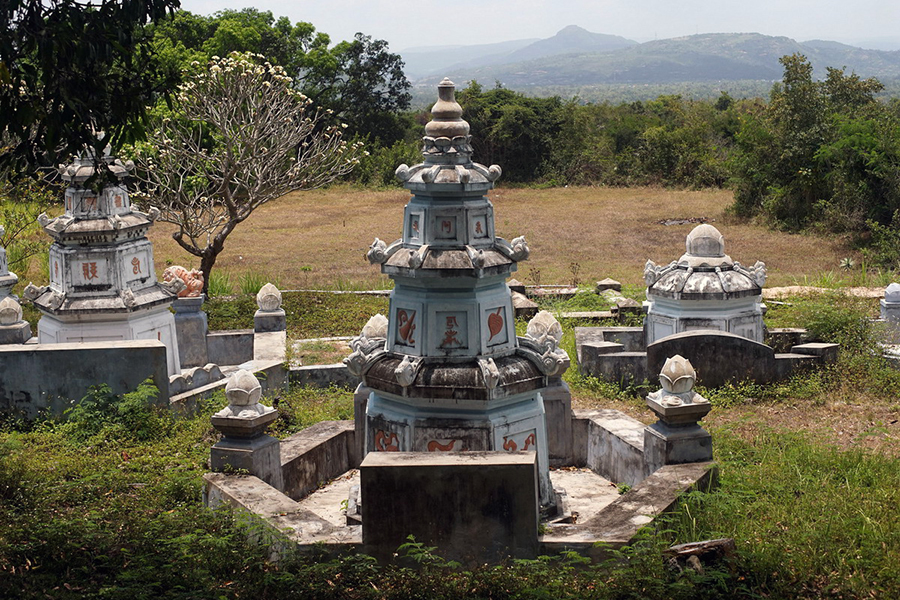
One of the attractions of Da Trang Pagoda is its harmonious blend of nature and traditional Vietnamese architectural art. The pagoda gate and especially the well-preserved stupa garden clearly showcase ancient architectural art. With varying sizes and heights, all the stupas are decorated with intricate and rich patterns, reliefs, and animal statues. From tiger statues to mythical creatures like the lion and unicorn, they all exude extraordinary power in various poses.
The ancient stupa garden is an important part of the unique overall landscape of Da Trang Pagoda. In addition, the large paving stones that make up the road from National Highway 1A to the pagoda gate hold significant architectural significance. The pagoda garden has eight stupas built on a large plot of land to the west. Among them, one is truly massive, while the others are smaller but no less magnificent.
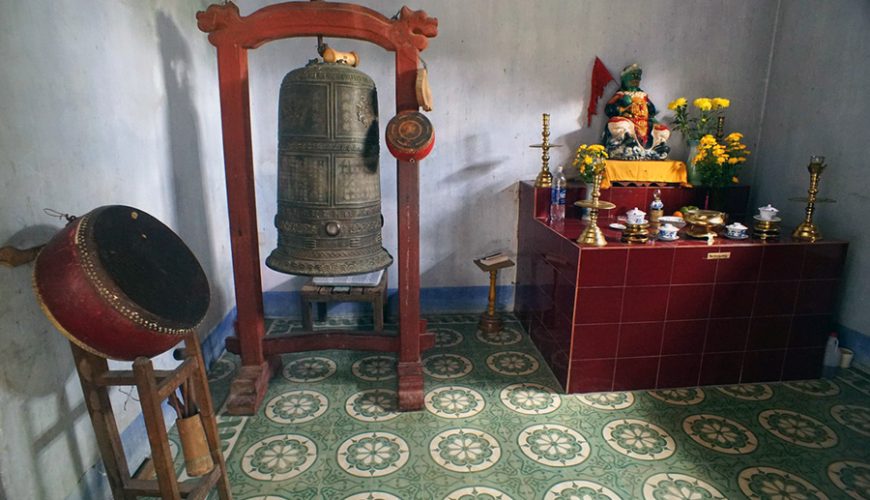
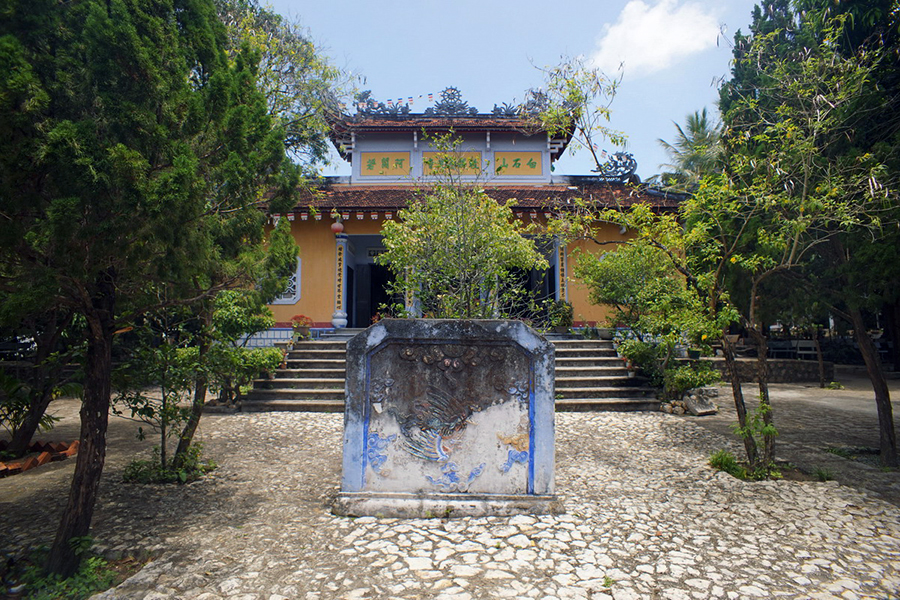
However, the pagoda’s stele has worn away over time, and the inscriptions are no longer clearly visible, further enhancing its sacred, ancient atmosphere. Inside the pagoda are two large bronze bells, each weighing 330 pounds, placed by Venerable Thich Phap Ngu in 1915, as well as many ancient Buddha statues hundreds of years old.
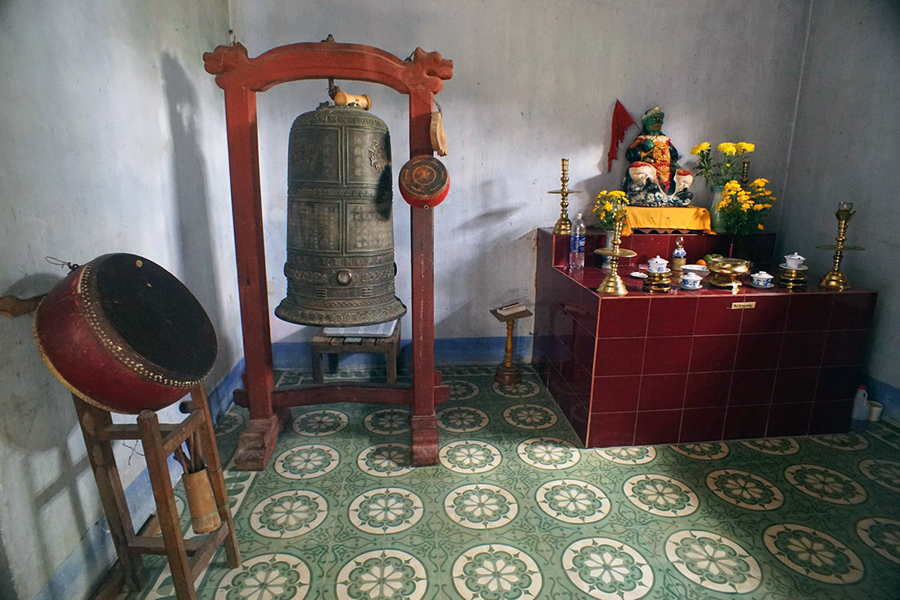
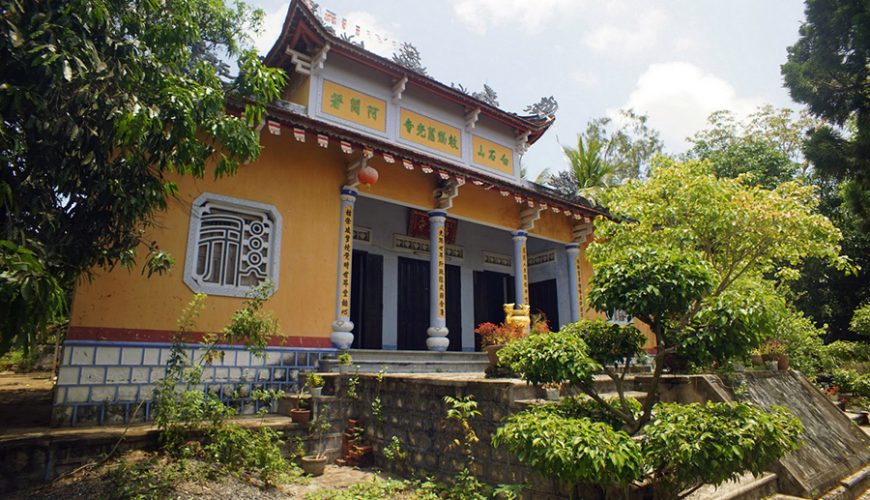
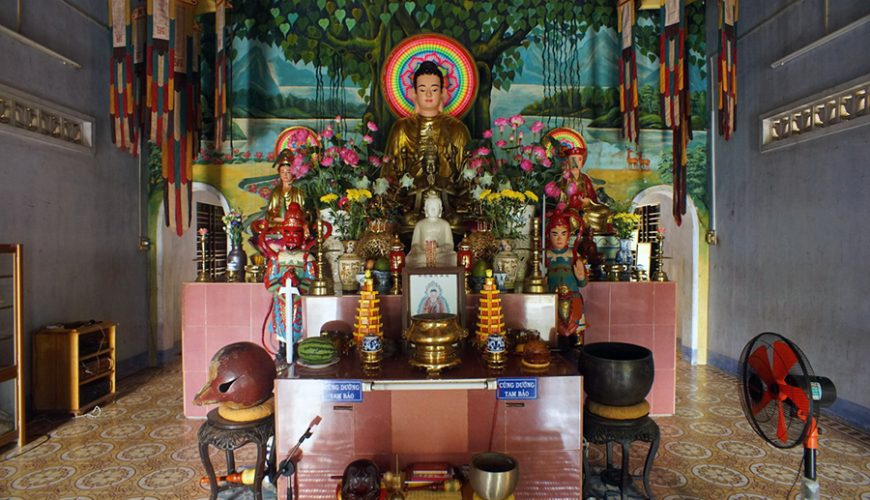
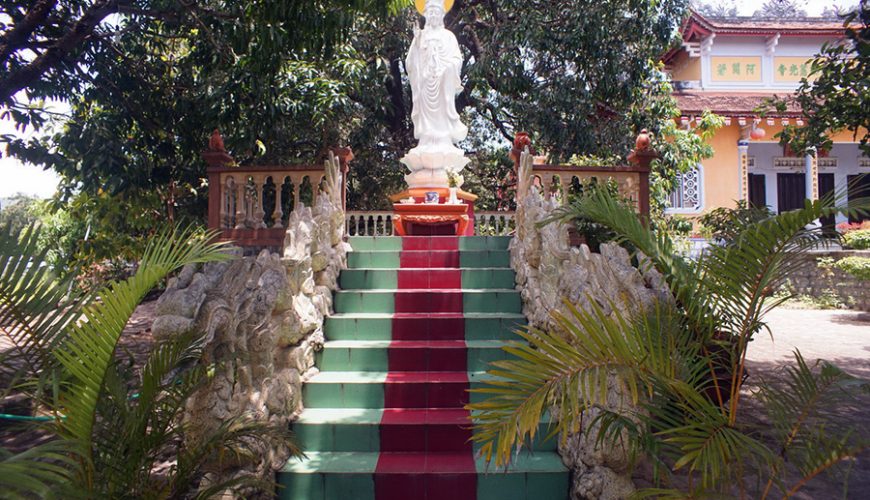
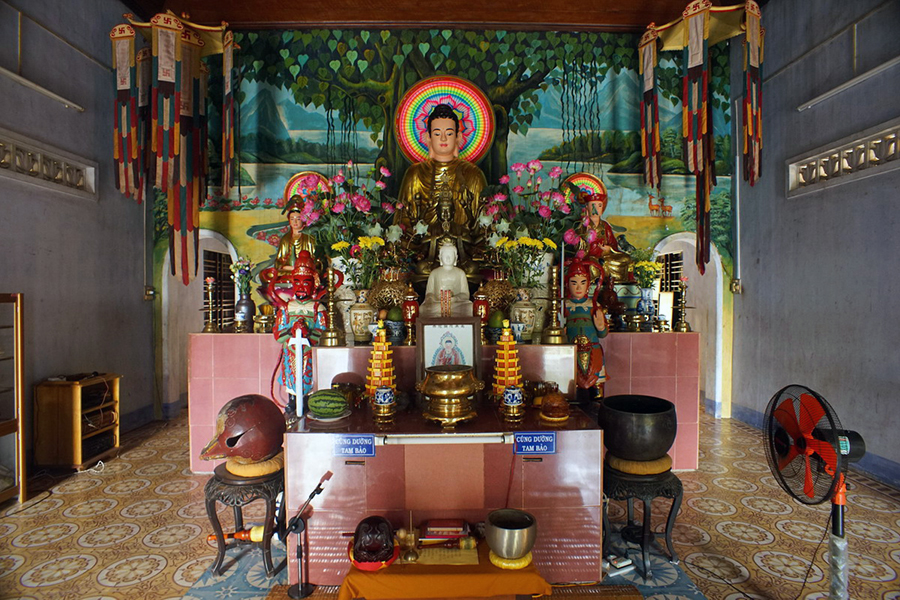
The main hall is built in the traditional Buddhist architectural style with a gently curved tiled roof, ornate eaves, and a sturdy wooden column system. Inside, there is a statue of Shakyamuni Buddha along with many Bodhisattva statues arranged solemnly. The gilded horizontal plaques and couplets contribute to the worship space’s majestic appearance.
In particular, from the temple grounds, visitors can admire the panoramic view of the Tuy An plain and the distant mountain ranges. In the early morning, a thin layer of mist covers the hillsides, creating a scene that is both poetic and sacred. As evening falls, the golden sunlight illuminating the ancient temple roof further enhances the peaceful beauty of this place.
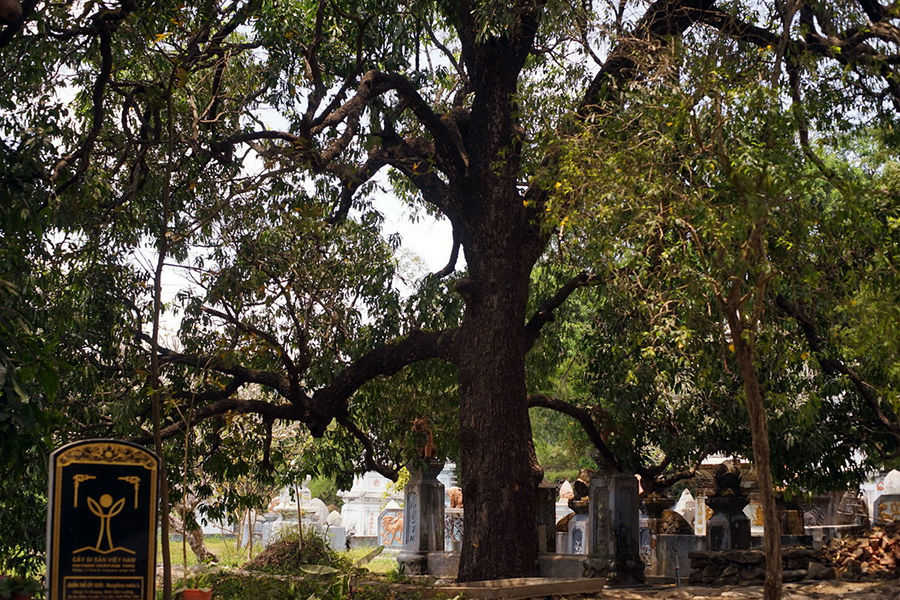
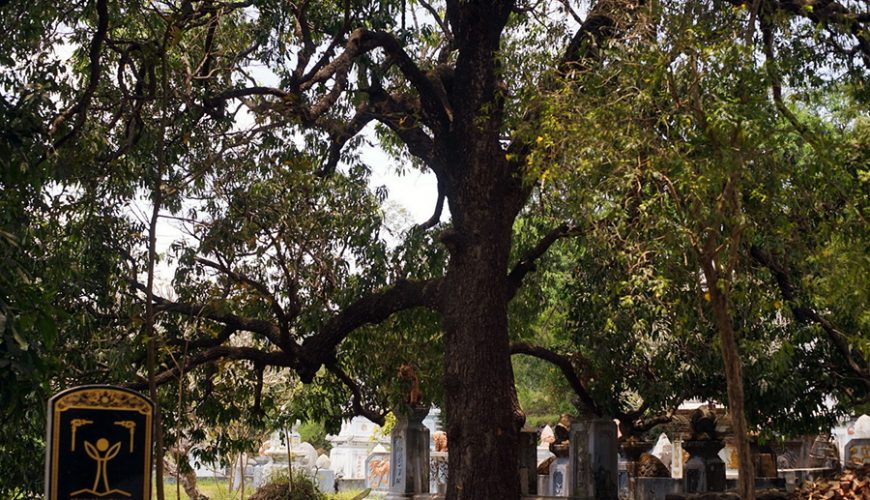
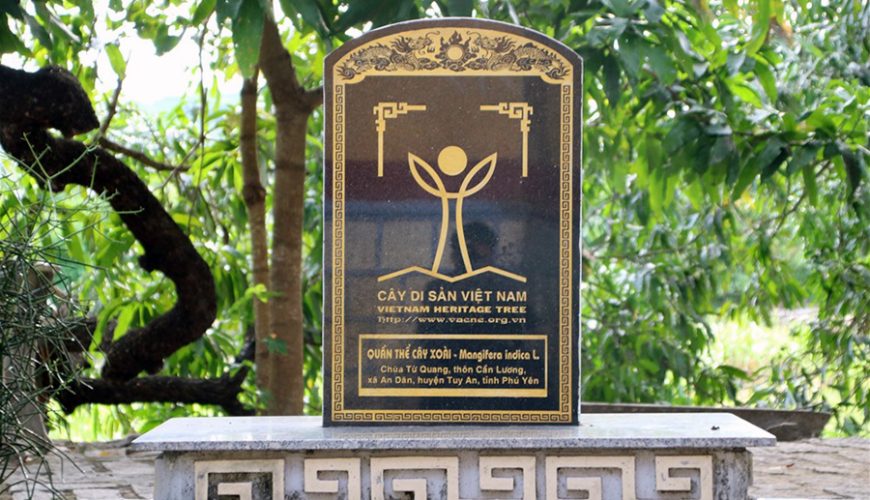
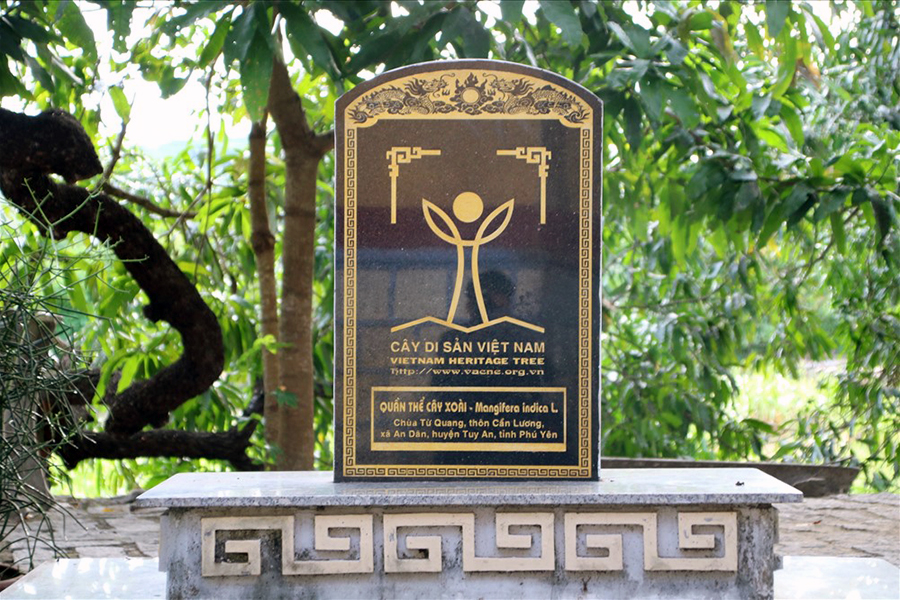
At Da Trang Pagoda, visitors are not only captivated by the historical stories but also learn about a delicious local product, once offered to the King: mangoes. With a total area of approximately 5000m², the temple is surrounded by a very famous mango orchard, whose distinctive flavor has become the subject of interesting anecdotes and poems passed down through generations in Phu Yen, considered a rare delicacy and an indispensable spiritual nourishment in the lives of the people here.
In addition to religious activities, the temple regularly organizes charitable programs, short-term retreats, and Dharma talks for Buddhists. These activities not only contribute to spreading the spirit of sharing but also help preserve traditional moral values in the community.
Useful information about Da Trang Pagoda
- Location: QL1A, Can Luong Village, Tuy An Bac Commune, Dak Lak Province.
- Best for: solo travelers, pilgrims.
- Tourist spots nearby: Mang Lang Church, Da Dia Rocky Reef, O Loan Lagoon, Yen Islet…
Source: collected by An
Follow us for the best deals on Vietnam package tours and visa services!
Comment (0)