
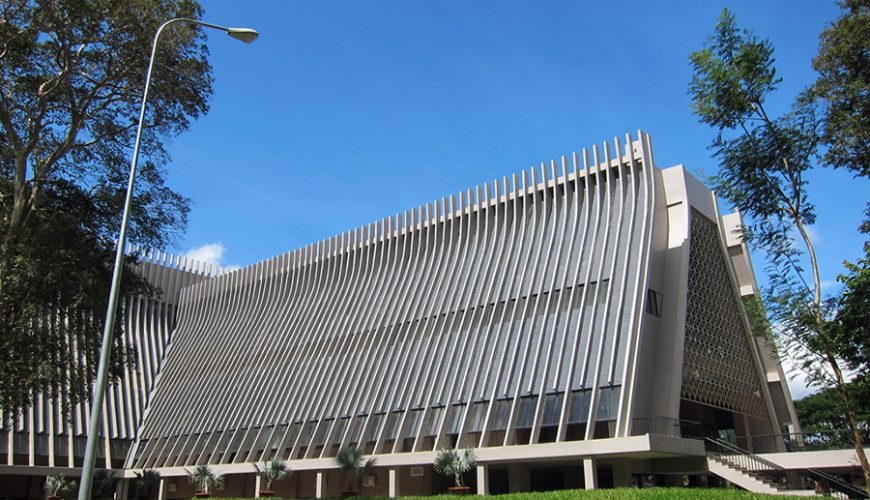
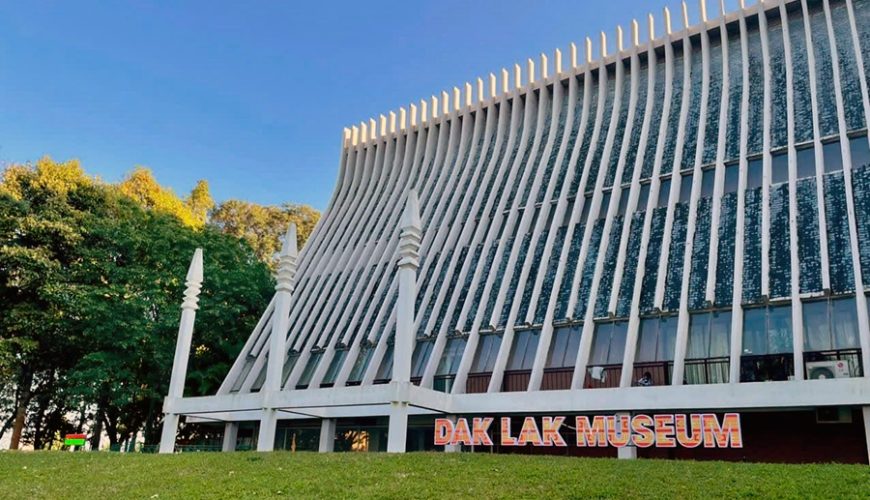
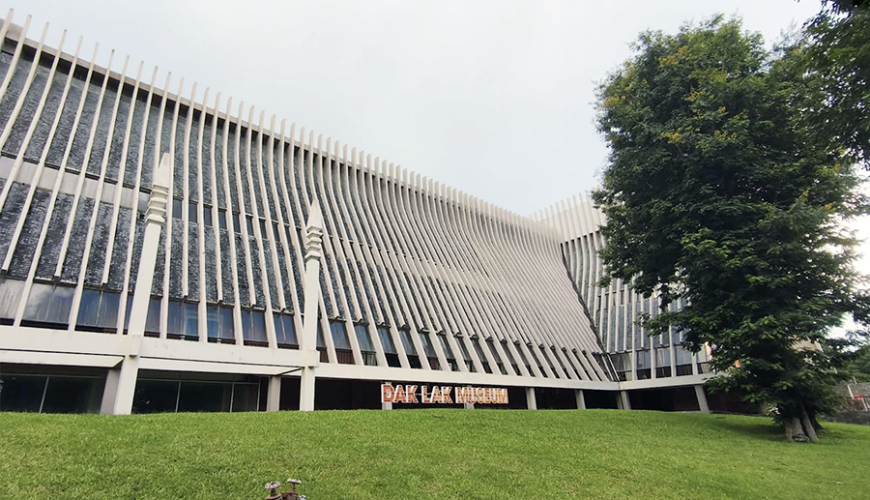
The Dak Lak Museum is one of the prominent cultural destinations in the Central Highlands, located within the Bao Dai Palace grounds in Buon Ma Thuot. The building is designed to resemble the traditional longhouse architecture of the Ede people, harmoniously blending indigenous features with modern style. It houses thousands of valuable artifacts and documents on the history and culture of ethnic groups, biodiversity, and the formation of the Dak Lak region. More than just a display space, the museum offers visitors the opportunity to explore the identity of the Central Highlands through stories, artifacts, and unique cultural experiences, contributing to the preservation and dissemination of heritage values to the community.
Overview of Dak Lak Museum
The Dak Lak Museum is located at 02 Y Ngong, surrounded by Le Duan, Phan Dinh Giot, and Le Hong Phong streets, Buon Ma Thuot Ward. The Dak Lak Museum is located within the more than 6-hectare grounds of the Bao Dai Palace National Historical Site.
The Dak Lak Museum, formerly the French Consulate, was built in 1926 by order of the French Consul Paul Giran. In 1947, it was renamed the Bao Dai Palace – the residence and workplace of Bao Dai, the final emperor of the Nguyen dynasty, the last ruling dynasty of Vietnam, after his return to Vietnam. From 1955 to 1975, it became the site of important events during the two wars of resistance against France and the United States. In 1976, the building was renovated, maintained, and redesigned into the Dak Lak Museum.
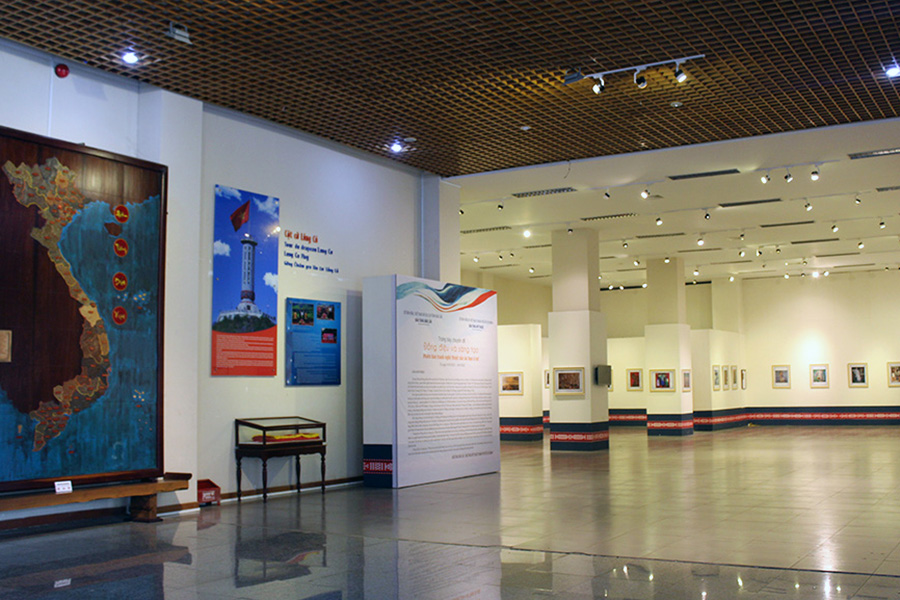
This is the first museum in Vietnam to use four languages in its exhibits: Vietnamese, French, English, and Ede. Therefore, it consistently attracts a large number of visitors every year. The Dak Lak Museum is a place for preserving, displaying, exploiting, and promoting the value of the natural, cultural, and historical heritage of the ethnic minorities living in the Central Highlands, offering visitors a comprehensive view of the country’s and its people’s development.
Opening hours and entrance fees:
The Dak Lak Museum is open to visitors from:
- 8:00 AM to 9:00 PM, Tuesday to Sunday, including holidays and Tet (Lunar New Year).
- Entrance fee: 30,000 VND/adult and 20,000 VND/child.
Unique Architectural Features of the Dak Lak Museum
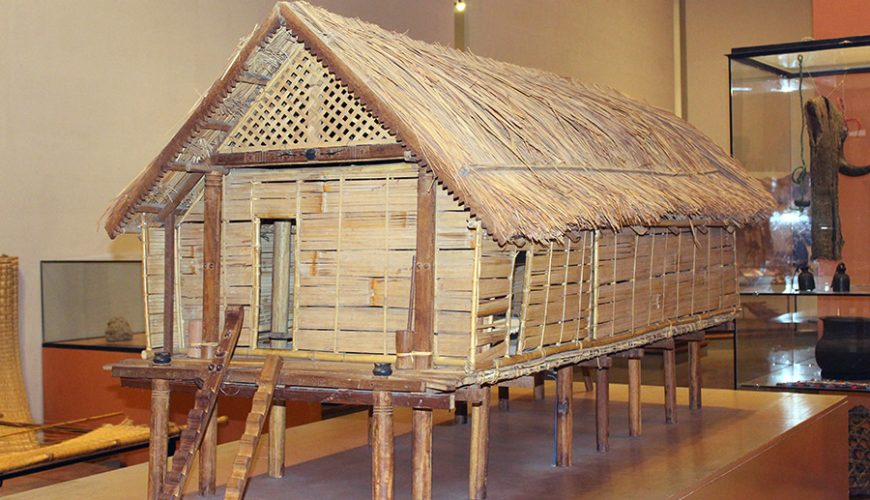
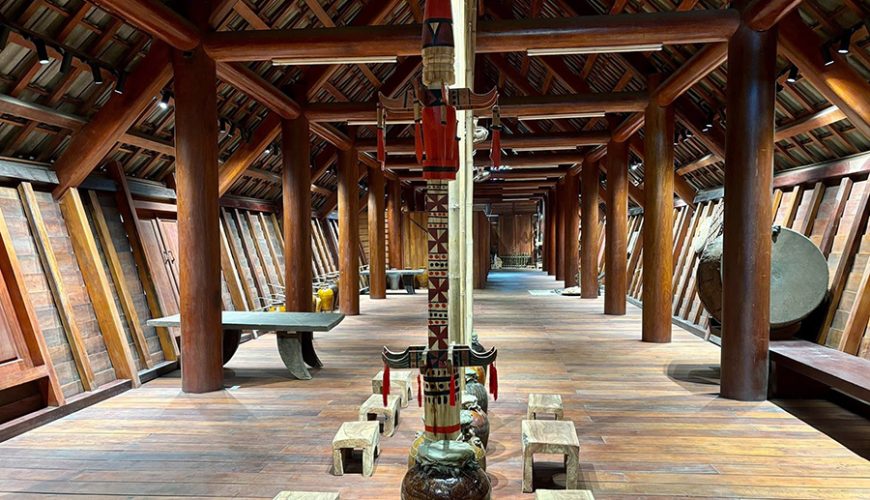
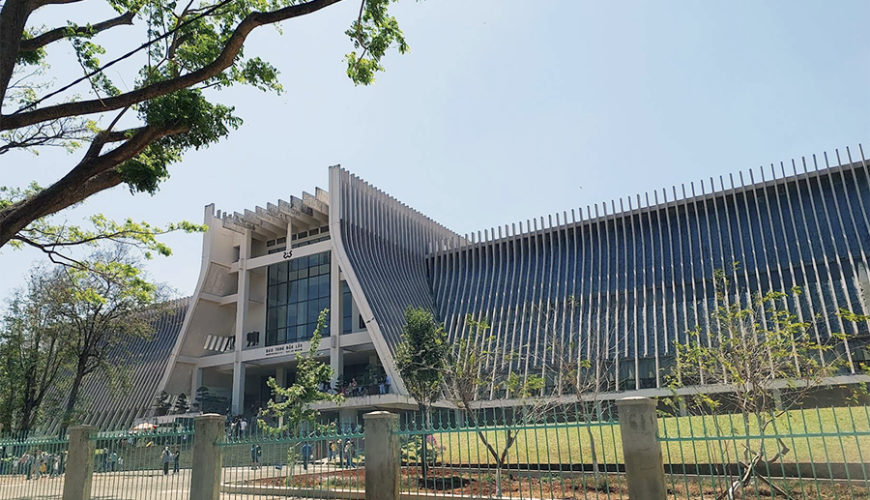
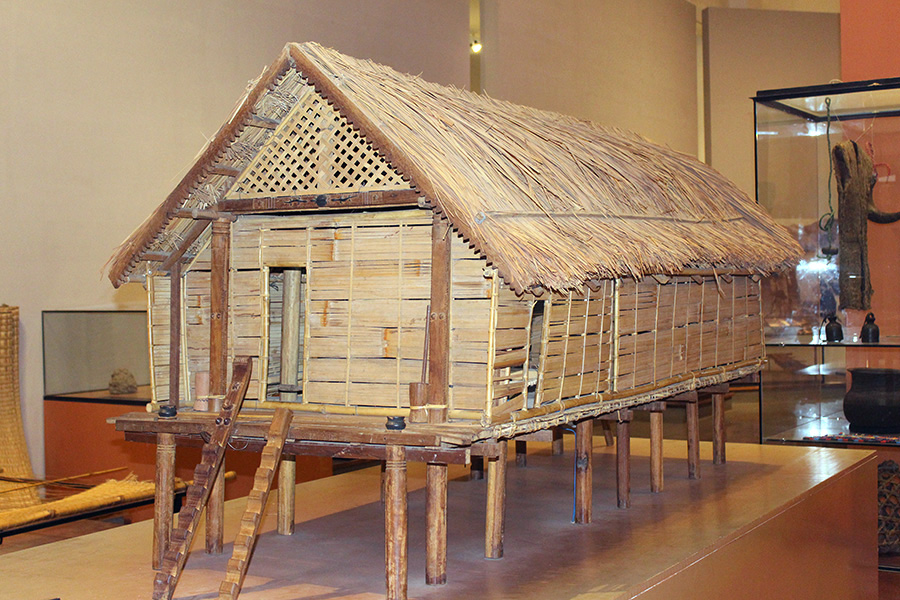
The building utilizes the artistic style of the Central Highlands, especially the image of the traditional Rong house of the people of Dak Lak. The Rong house is a distinctive feature of Dak Lak, with a simple yet impressive spatial layout; the museum’s spatial structure is modeled after this form. Most of the museum’s exhibits follow the house’s linear structure; in other words, the image of a traditional Rong house is conveyed through the new tour and exhibition sequence that presents the museum’s main content.
The museum building is a three-story structure with a compact layout, composed of two intersecting blocks. The main block is a longhouse running the length of the building plot, perpendicular to the site’s central axis. The second block is the main lobby space, welcoming visitors to the central reception area of the museum. This layout creates a welcoming direction in both directions, depending on the visitor’s itinerary, whether entering from the main gate of the museum or from the main gate of the Bao Dai Palace complex, fulfilling the tour sequence.
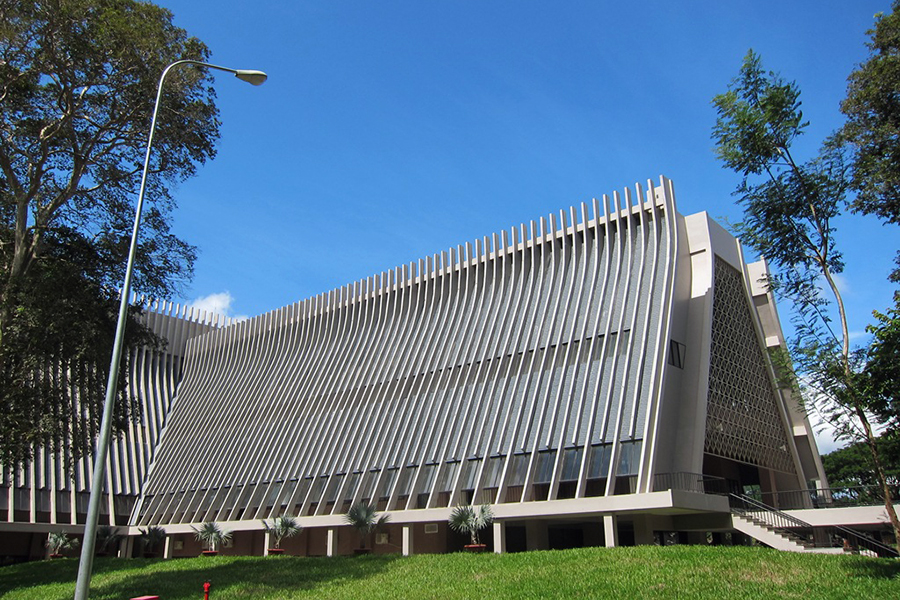
Outside the museum building are two single-story kiosks serving visitors’ needs for food, refreshments, and souvenirs.
The internal road system surrounding the building is designed to facilitate traffic flow, allowing easy access from various locations as needed.
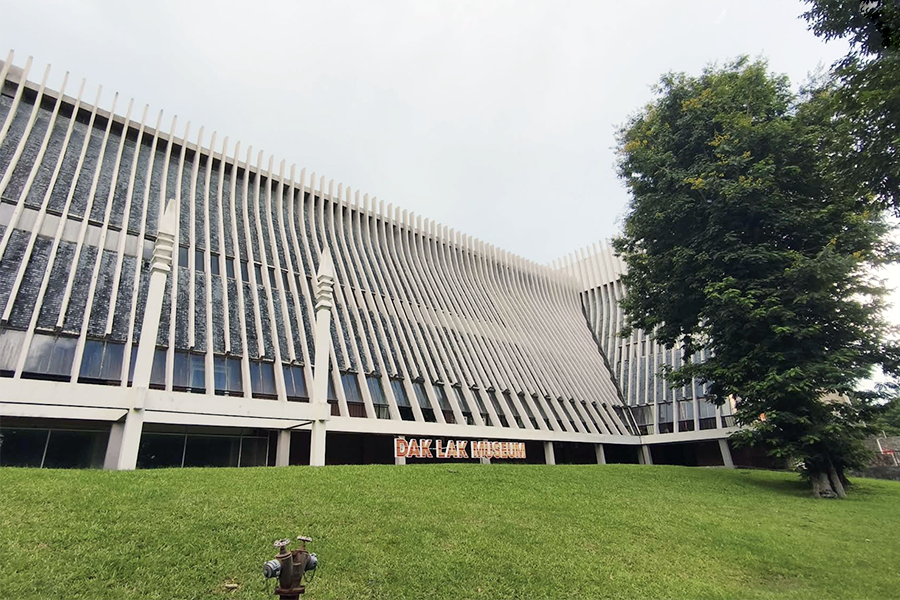
The architecture of the new museum harmonizes with nature and the existing buildings within the historical site.
The museum’s exhibition space
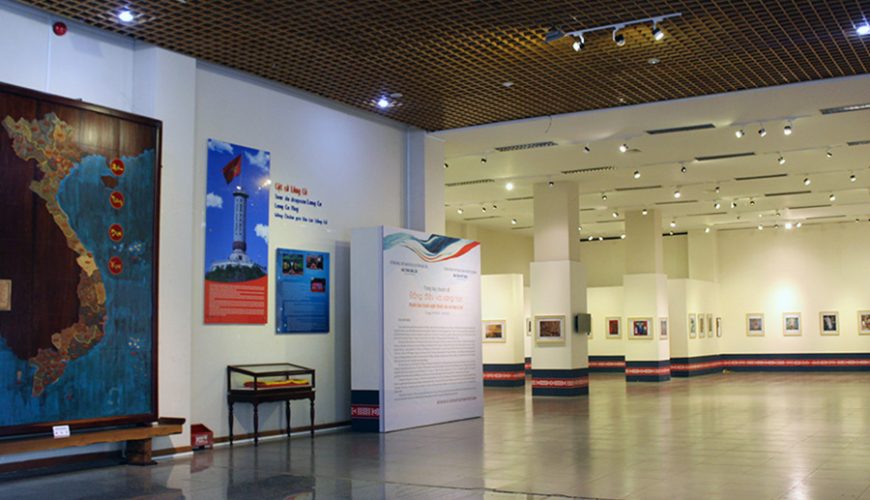
The museum houses numerous artifacts showcasing the cultural values of over 44 ethnic groups residing in Dak Lak, with a clear focus on the gong culture and issues related to the cultural identity of the local ethnic groups. Historical artifacts provide visitors with insight into the glorious past of the two resistance wars waged by the army and people of Dak Lak province against France and the United States.
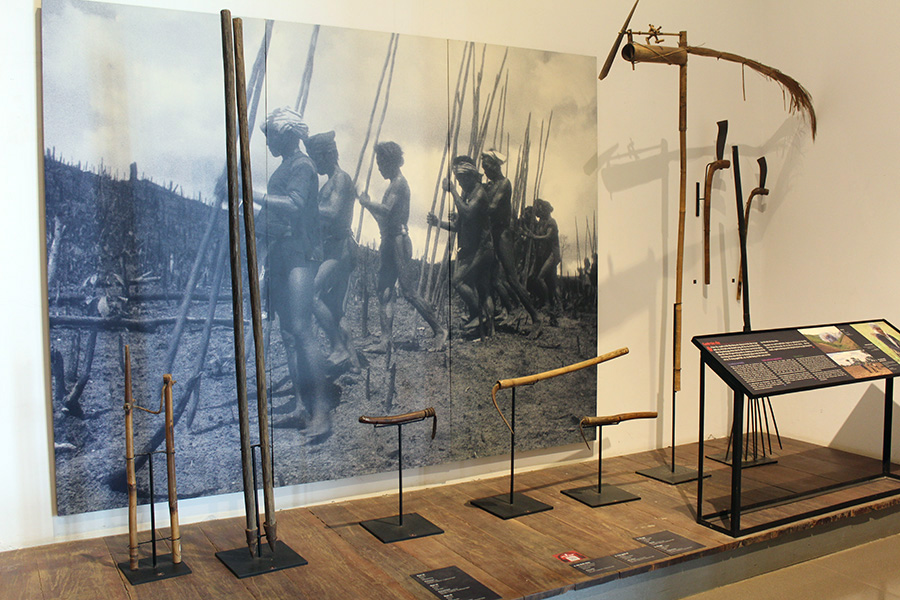
Archaeological artifacts partially recreate and provide viewers with a comprehensive overview of the historical development and unique cultural values of the people and nature of the wild highlands from the Stone Age to the present day.
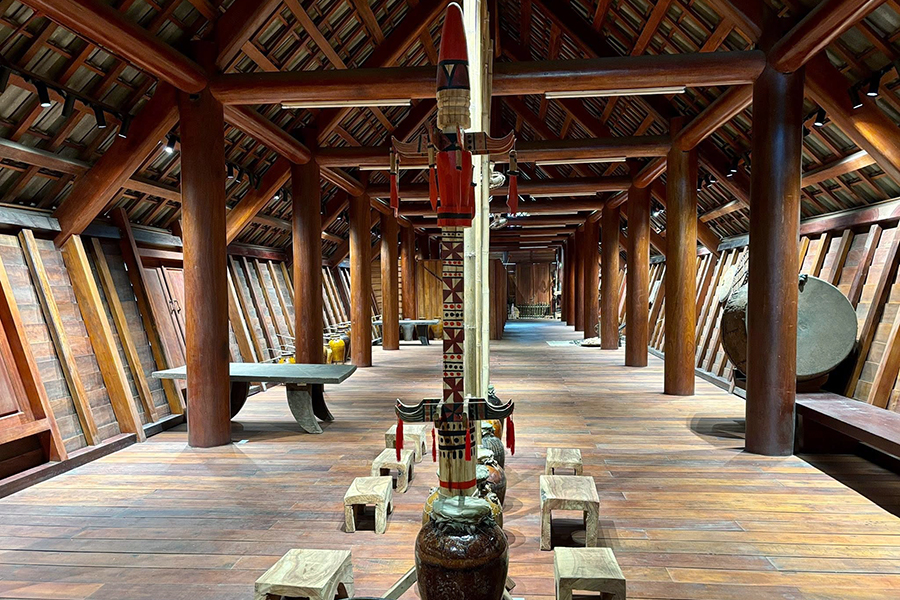
In addition, the museum displays artifacts related to biodiversity and the rich, fertile natural resources of the Central Highlands. It also presents images of deforestation and environmental degradation, aiming to educate people about forest and environmental protection in the context of global warming and climate change.
The Dak Lak Museum has three permanent exhibition spaces: Biodiversity, Ethnic Culture, and History.
Central Area: Biodiversity
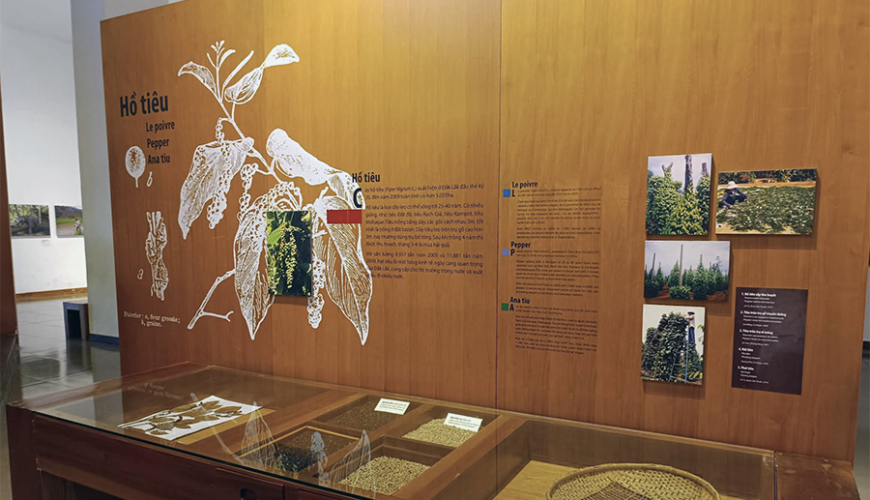
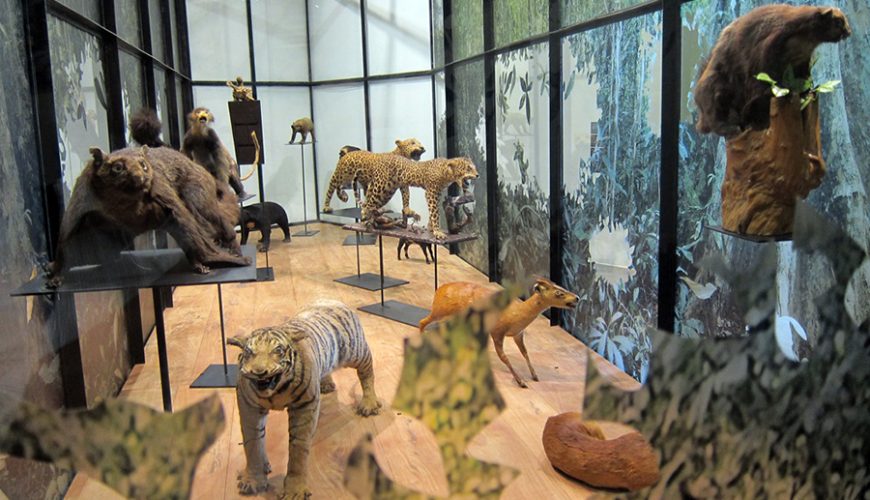
This space displays artifacts and images about the ecosystem and soil of the Central Highlands, such as:
- Forests: cypress, rosewood, ancient wood, sandalwood… and various folk medicines;
- Animals: leopards, sun bears, flying squirrels…;
- Ecological areas: Lak Lake, Dray Nur Waterfall;
- Soil: basaltic red soil, clay soil, gray soil…;
- Agriculture: coffee (also known as black gold), rubber (also known as white gold), pepper…;
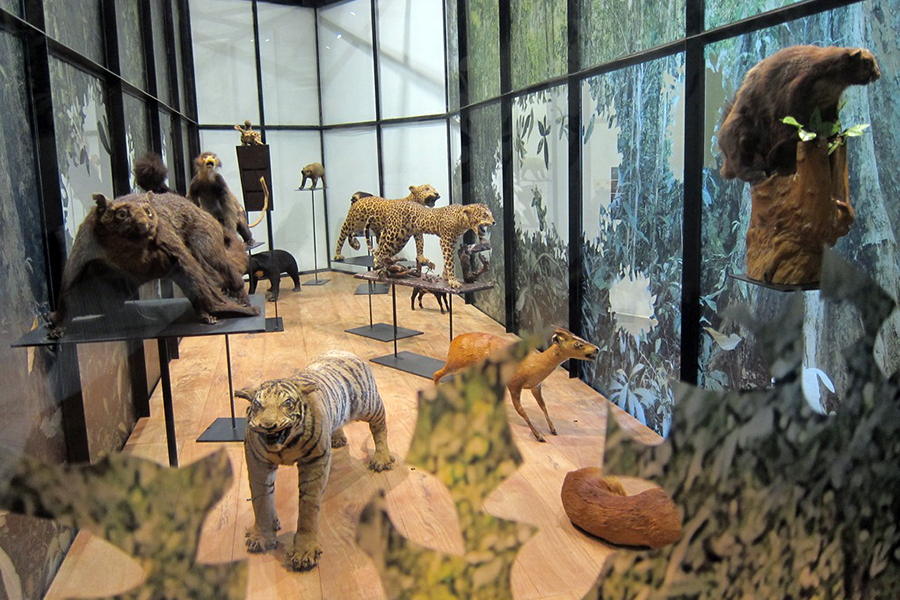
Left area: ethnic culture
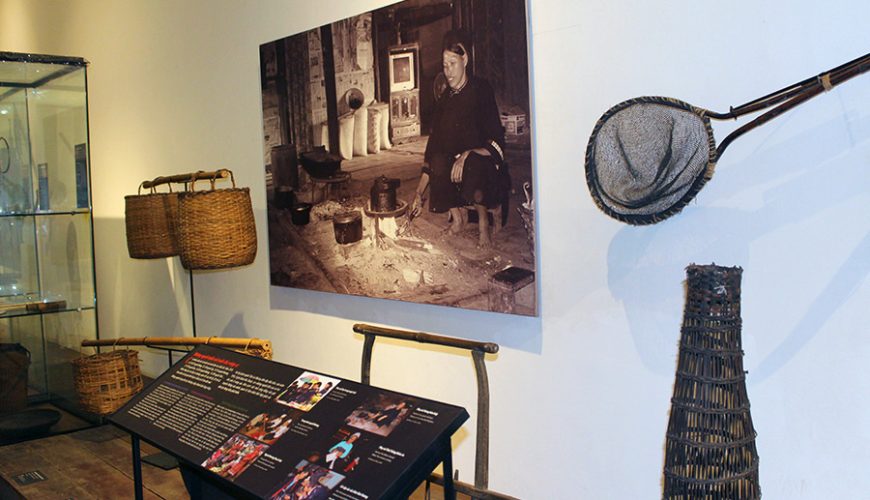
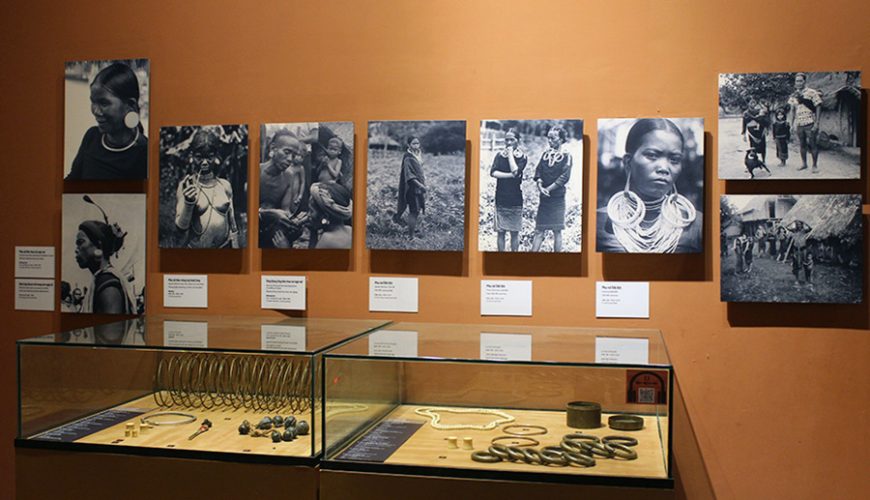
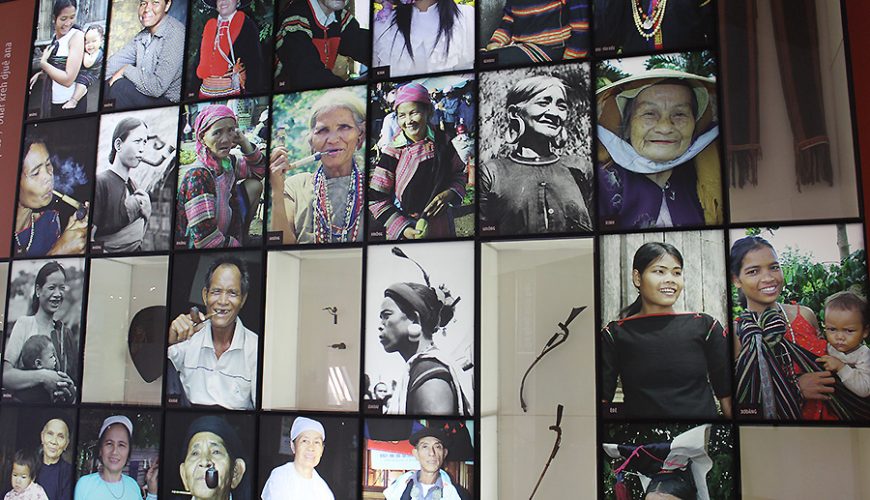
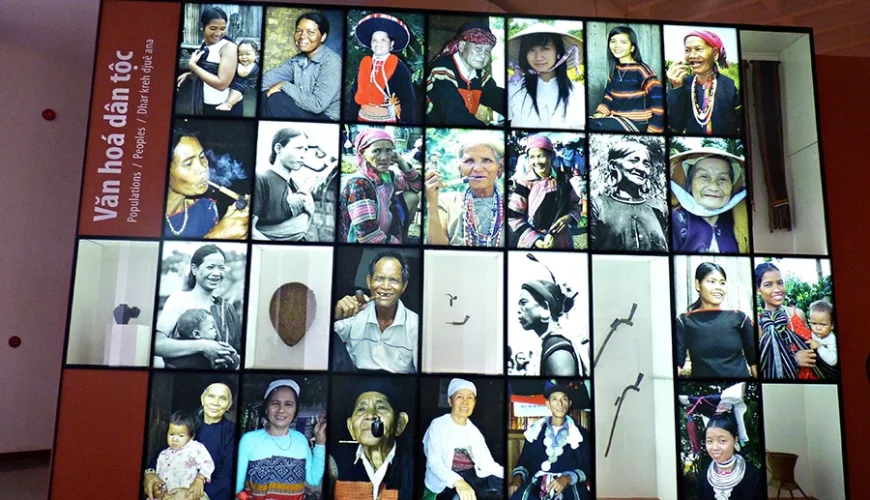
The exhibition space displays artifacts and images about the life and activities of the people of the Central Highlands, especially the indigenous Ede people, as well as other indigenous ethnic groups and some immigrant ethnic groups such as:
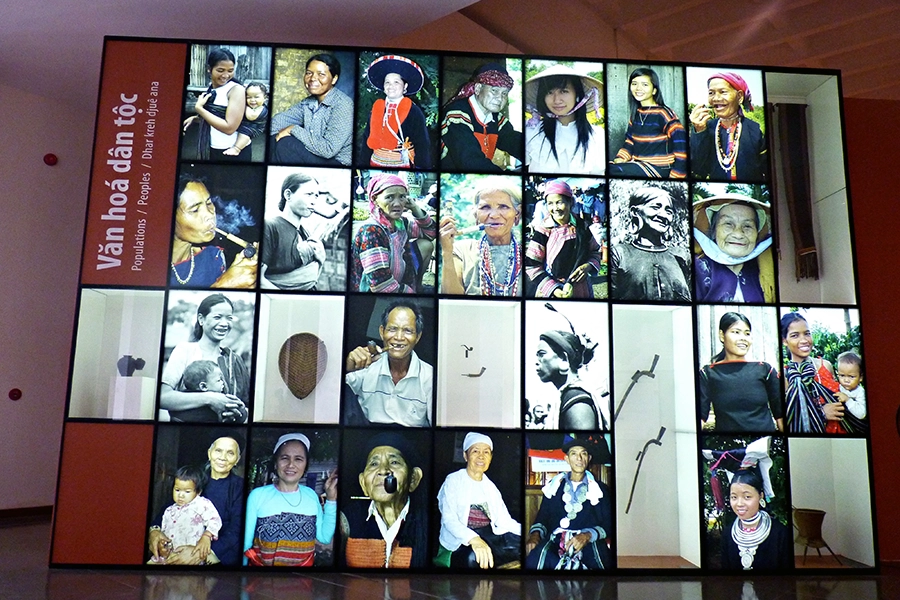
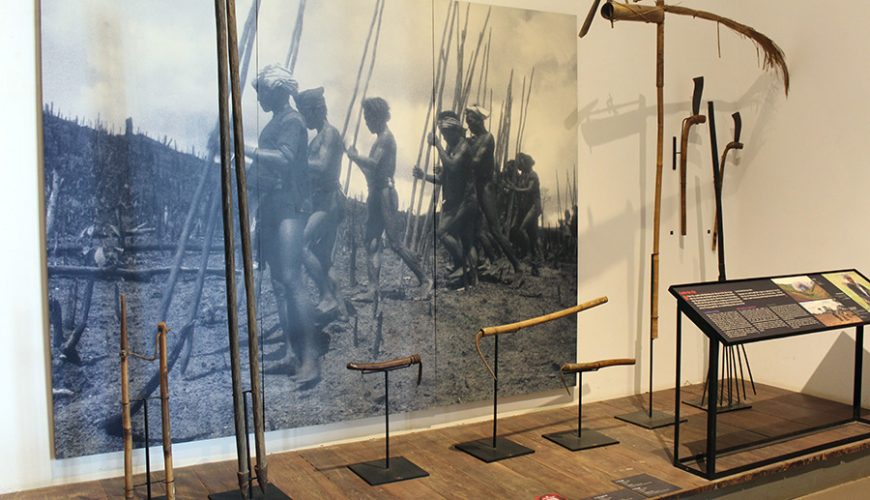
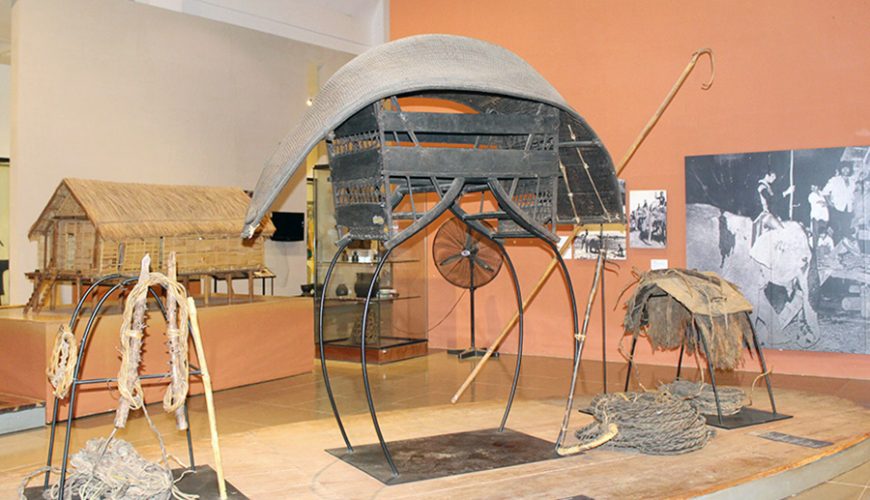
- Agriculture: baskets, rice-growing tools of the indigenous people;
- Hunting and gathering: dugout canoes, baskets, spears;
- Tools for catching and taming elephants;
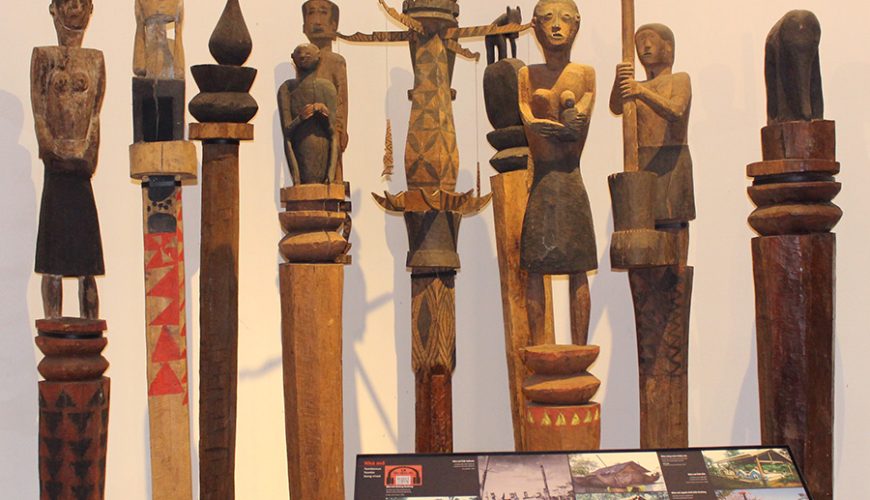
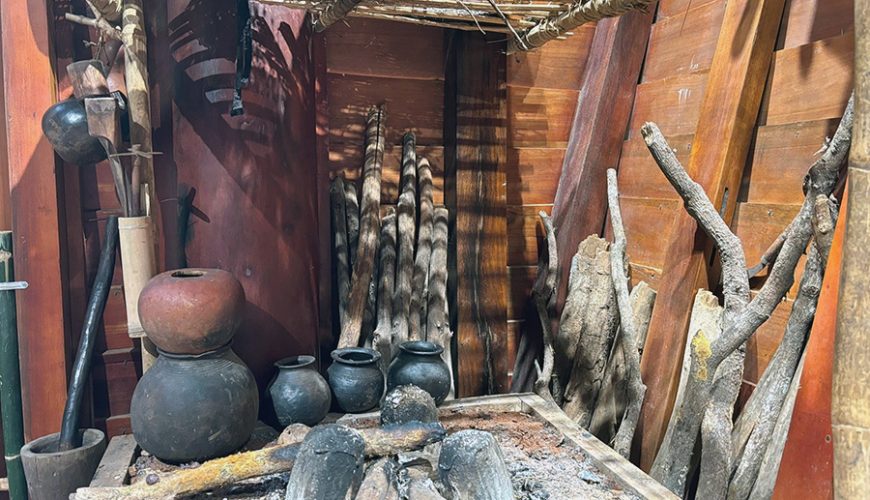
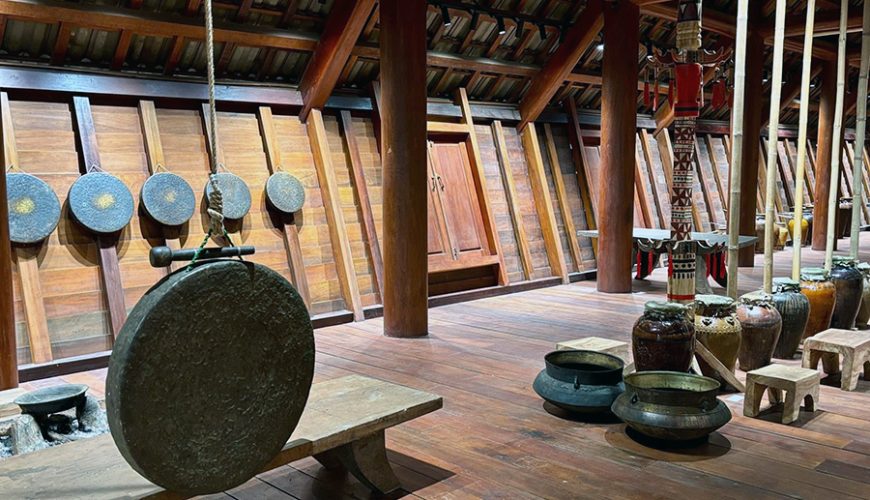
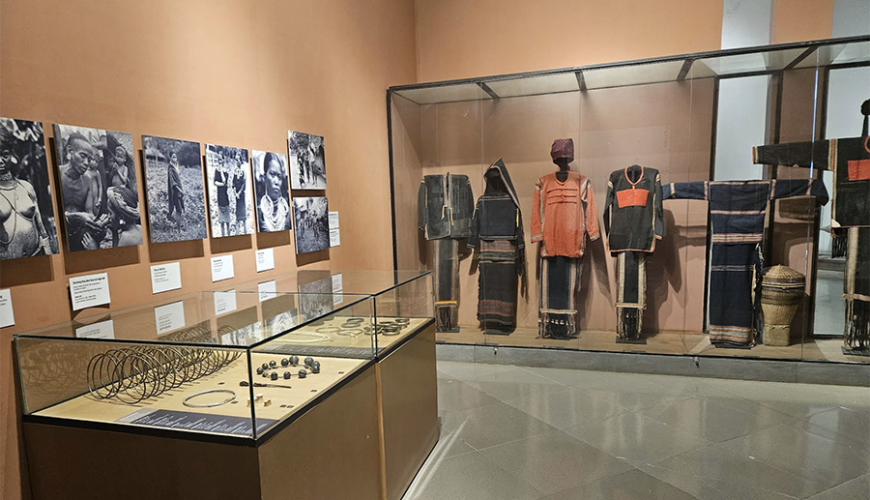
- Traditional Rong houses and interior spaces: long benches, fireplaces, jewelry;
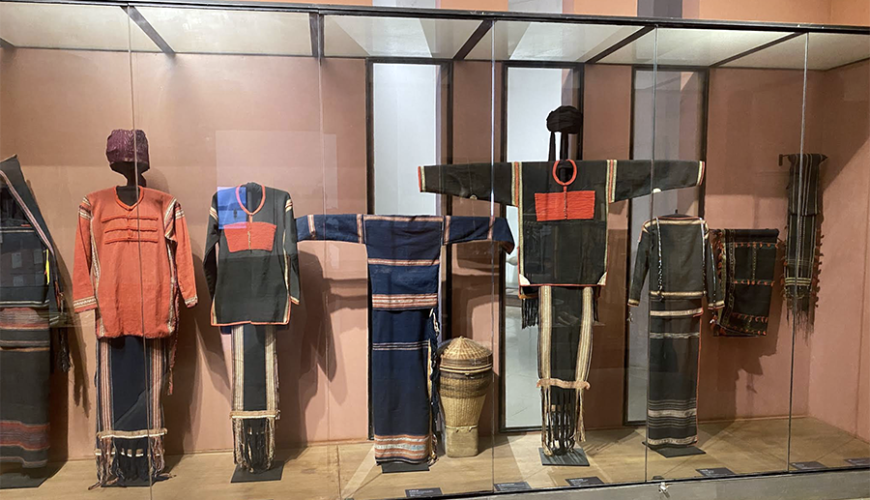
- Costumes: village elders, shamans;
- Handicrafts: brocade weaving, mat weaving, pottery making, blacksmithing using the bamboo tree;
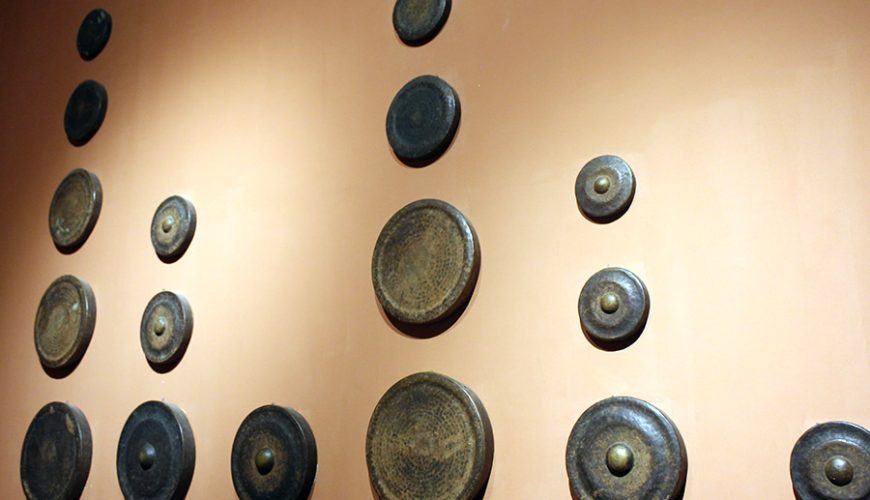
- Central Highlands gongs: gongs of the Ede and Jarai people;
- Central Highlands rice wine with different sizes of jars;
- Traditional musical instruments: stone xylophone;
- Funeral rituals: burial ceremony and tomb statues;
- Costumes of some indigenous and immigrant ethnic groups: M’Nong, Vietnamese, Dao, Thai…;
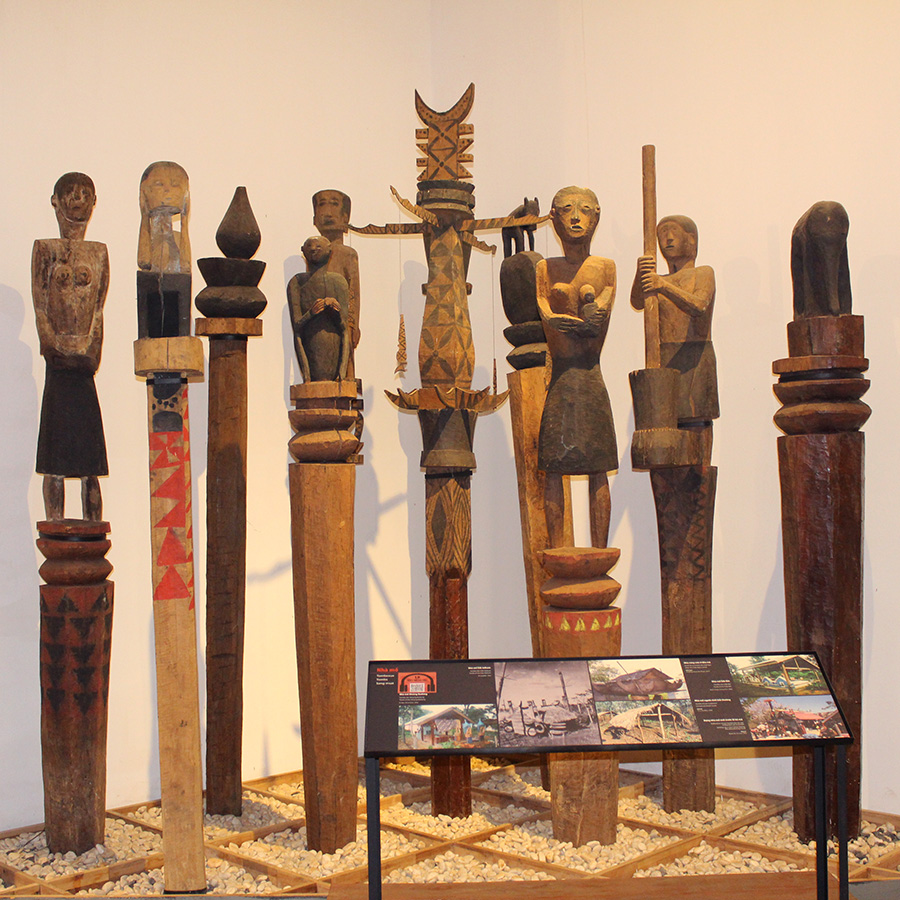
Right side: History
Exhibition space displaying artifacts and images of ancient tools, weapons used in the resistance against French colonialism and American imperialism. In addition, there are machines and equipment used in production in the early years of peace,…
- Fossils: images of fossilized snails;
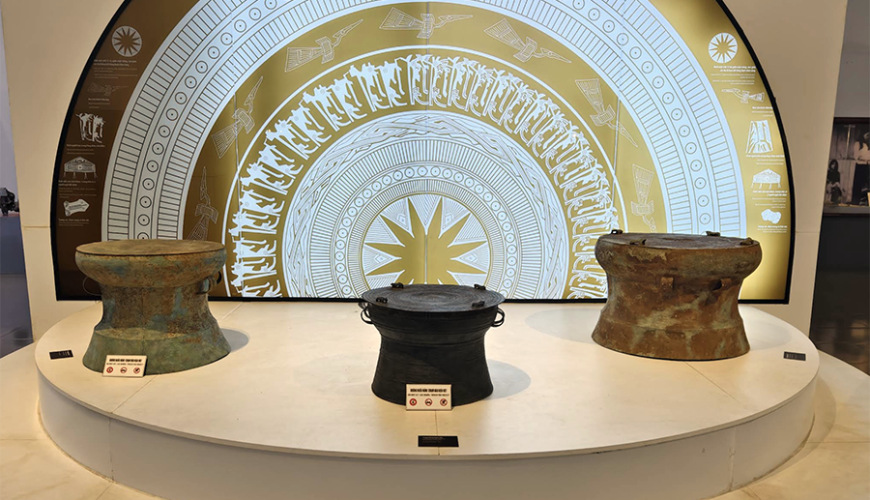
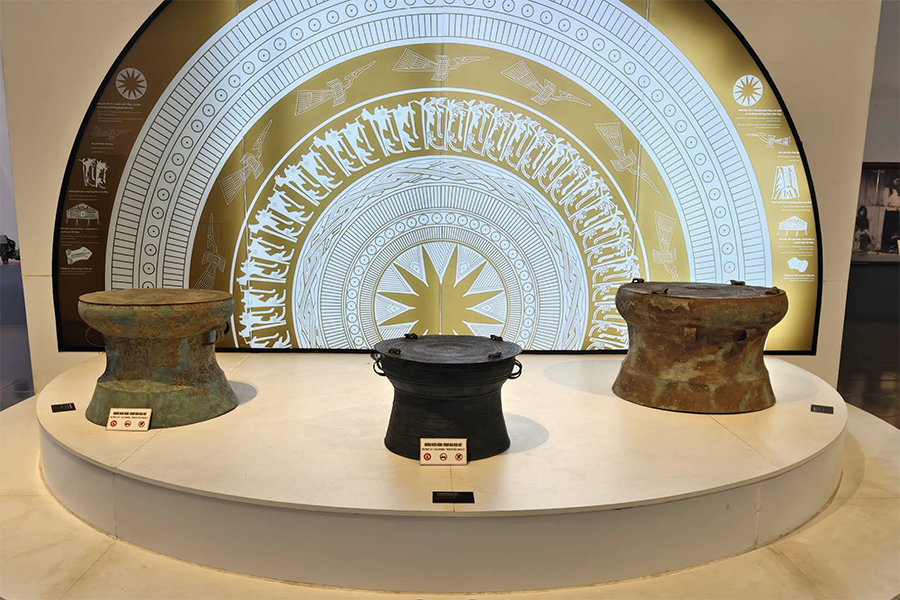
- Archaeological artifacts: Dong Son bronze drums, gongs, ancient cups and plates, and tools used in daily life during the resistance;
- Images and documents about campaigns in the national liberation resistance: the 1930-1954 campaign (money, images of Buon Ma Thuot prison, revolutionary tools); the 1954-1975 campaign (various types of guns, revolutionary beds); From 1975 to the present (typewriters, telephones, chainsaws, commander’s seals, border markers between Vietnam and Cambodia in 2007).
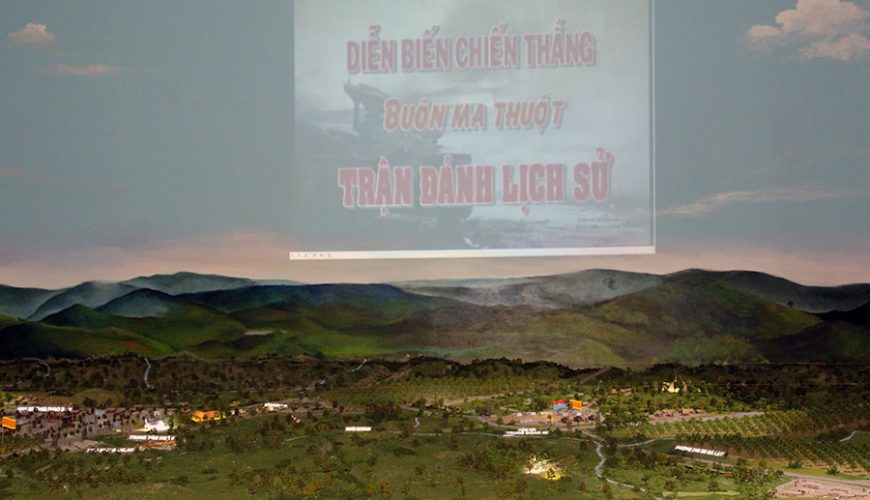
In addition to the three spaces above, the Dak Lak Museum has a diorama of the Buon Ma Thuot Victory and a connecting space between the exhibition sections.
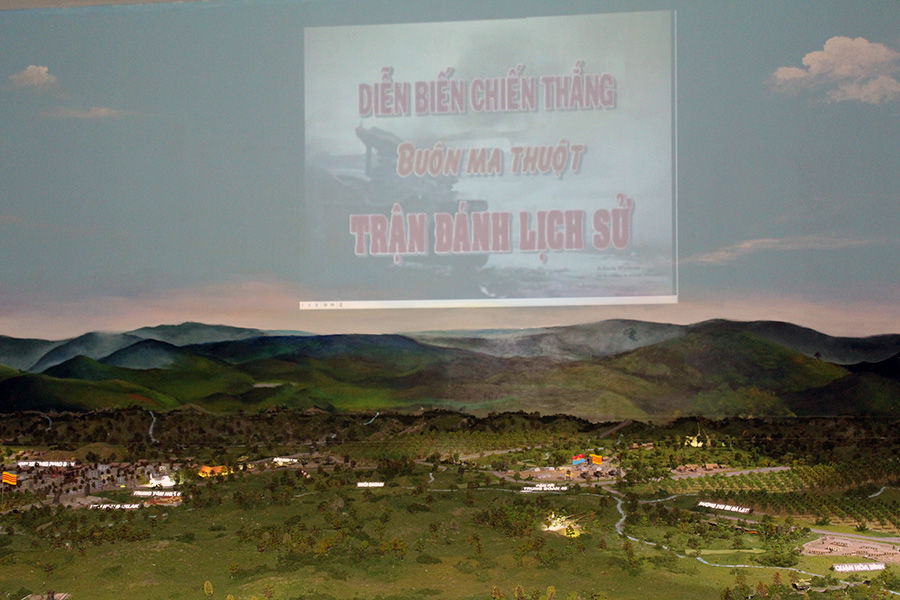
Furthermore, the Dak Lak Museum has learned to use films, videotapes, and hardcover books in its exhibitions as visual tools to help visitors grasp some of the content without needing explanations. The museum has organized experiential programs, such as weaving and making musical instruments, to help visitors immerse themselves in the cultural space and enjoy engaging activities.
Source: collected by An
Follow us for the best deals on Vietnam package tours and visa services!
Comment (0)