
The Phu Yen Museum is a representative cultural institution, preserving valuable historical, cultural, and human artifacts from Vietnam’s South Central coastal region. More than just a place to display artifacts, the museum serves as a “living history book,” allowing visitors to journey back in time to explore the formation and development of Phu Yen (currently merged into Dak Lak Province) from prehistoric times to the present. With thousands of valuable artifacts, unique architectural spaces, and many attractive exhibition themes, it has become an unmissable destination for those who love history, archaeology, and national culture.
Overview of Phu Yen Museum
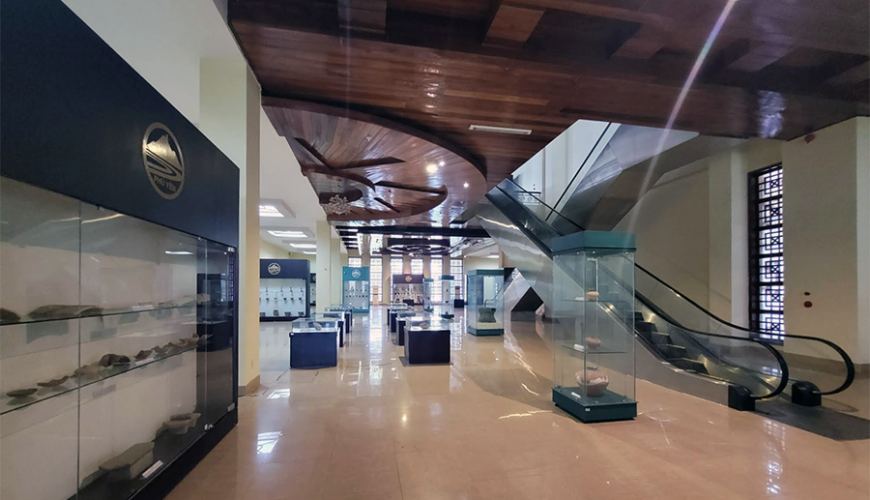
The main building of the Museum is a three-story structure, with the following functional spaces: the first floor, in addition to the reception area, visitor reception, and administrative area, is dedicated to the artifact storage and exhibition space; the second floor is entirely for exhibition space; and the third floor is dedicated to the Museum’s educational activities.
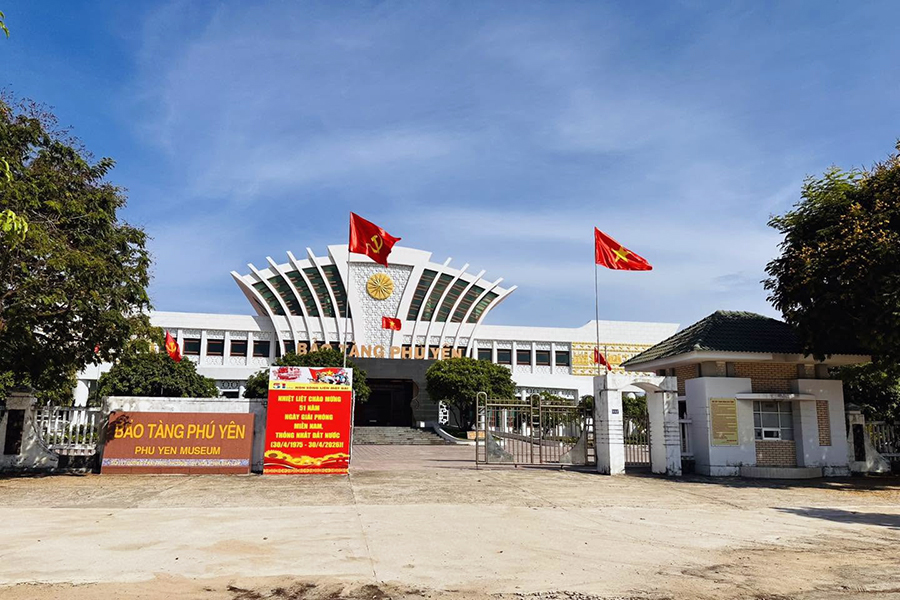
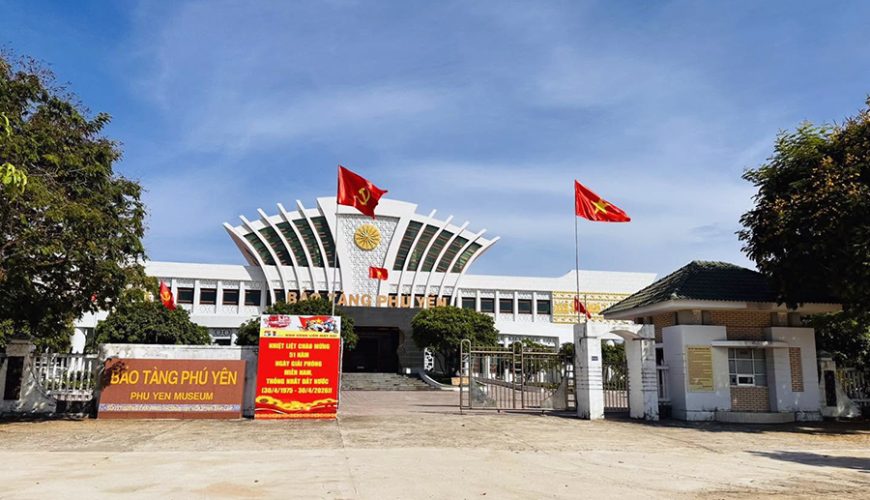
The design concept is inspired by the image of a boat sailing out to sea – a symbol of the exploration and development of Phu Yen province and the aspirations of the local people. The building’s facade incorporates motifs bearing the hallmarks of Vietnamese culture, such as bronze drums, the Lac bird, and the image of King Hung’s hat, creating a solemn yet approachable beauty.
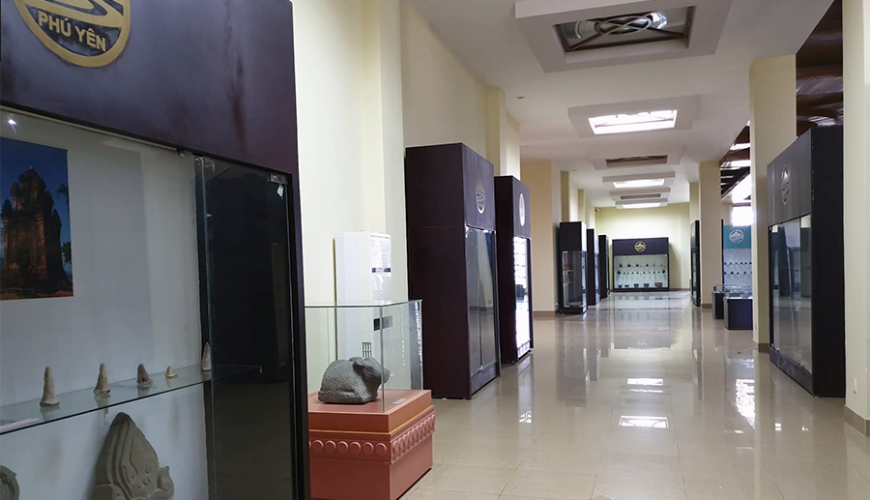
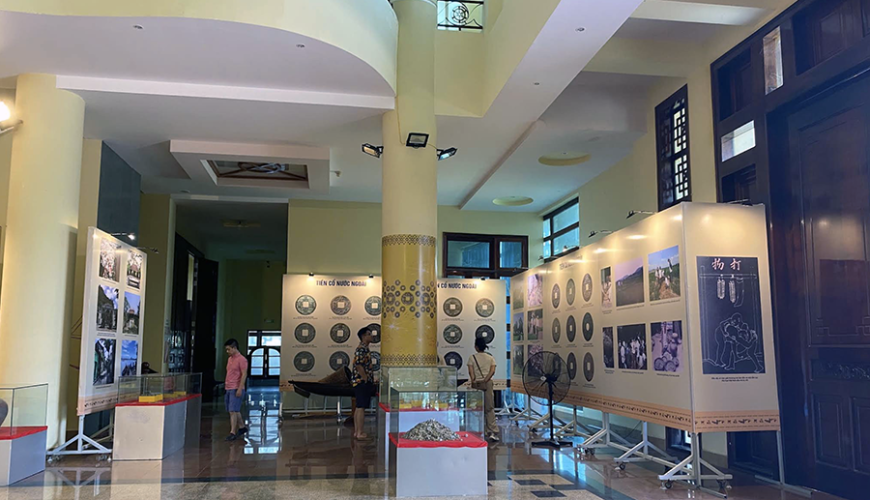
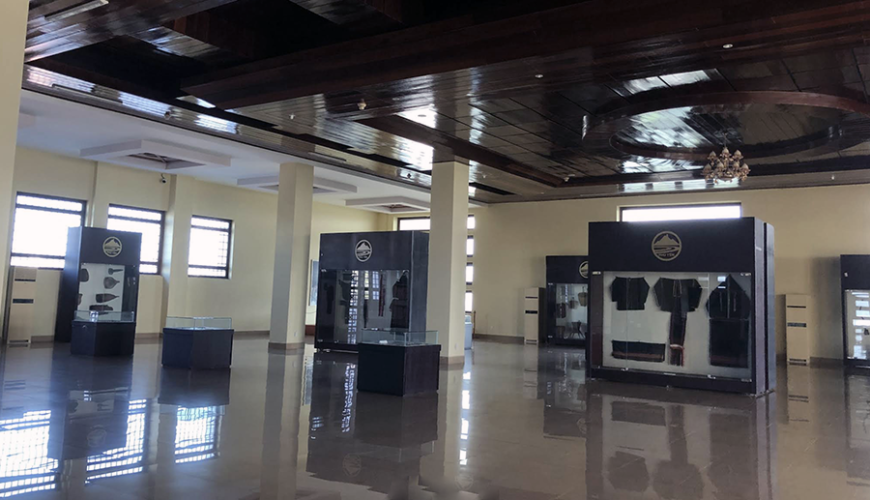
Inside, visitors will clearly feel the modernity in the exhibition space’s organization. The lighting system, information boards, display cases for artifacts, and exhibition areas are arranged scientifically, making the visit easier and more engaging.
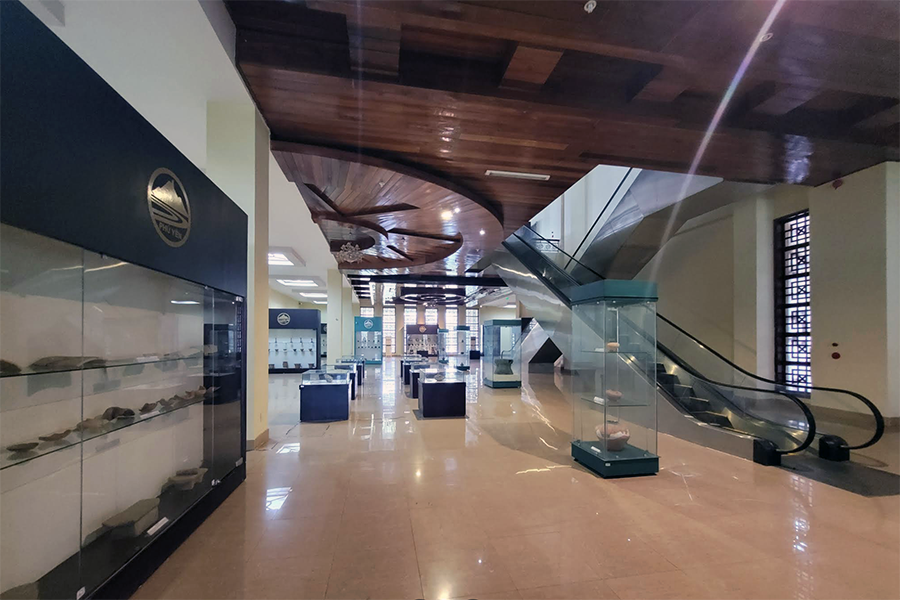
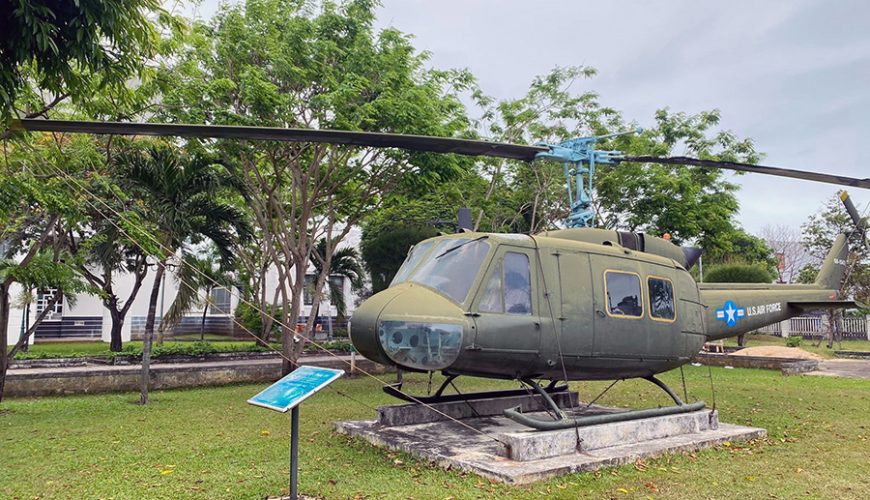
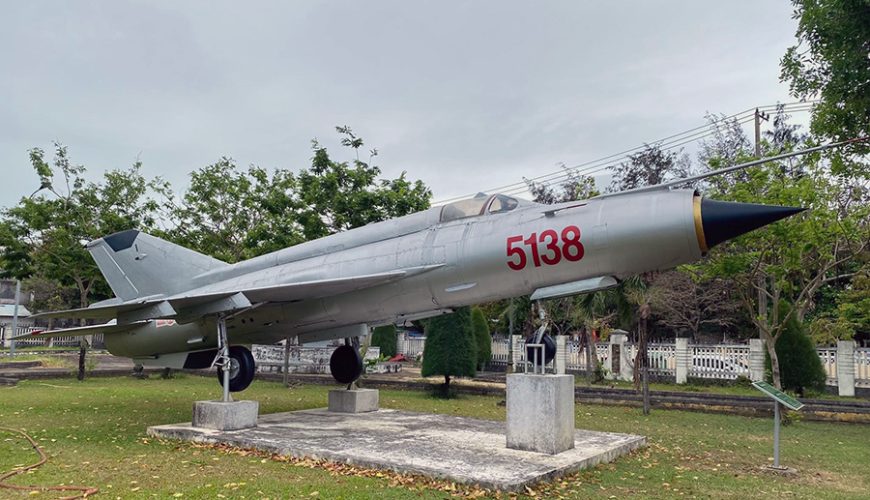
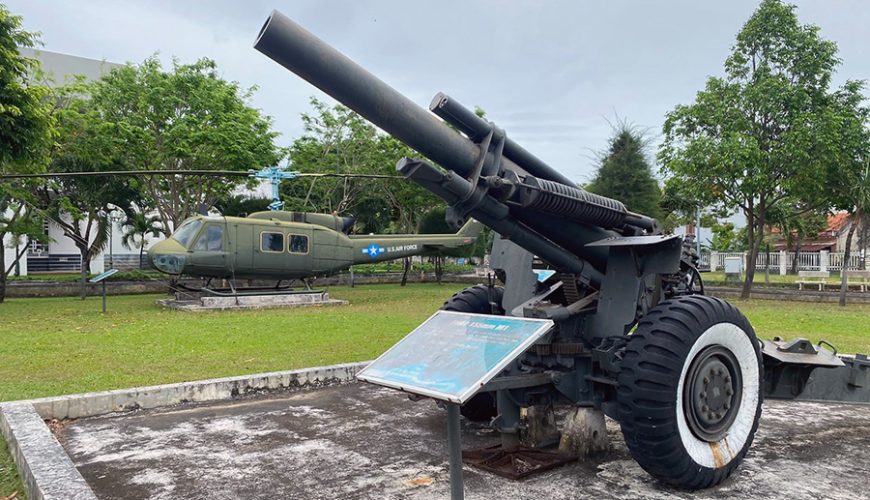
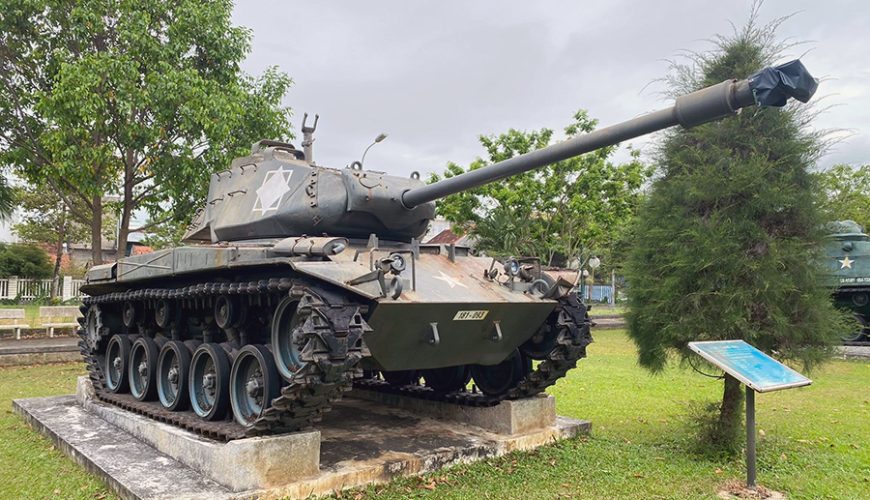
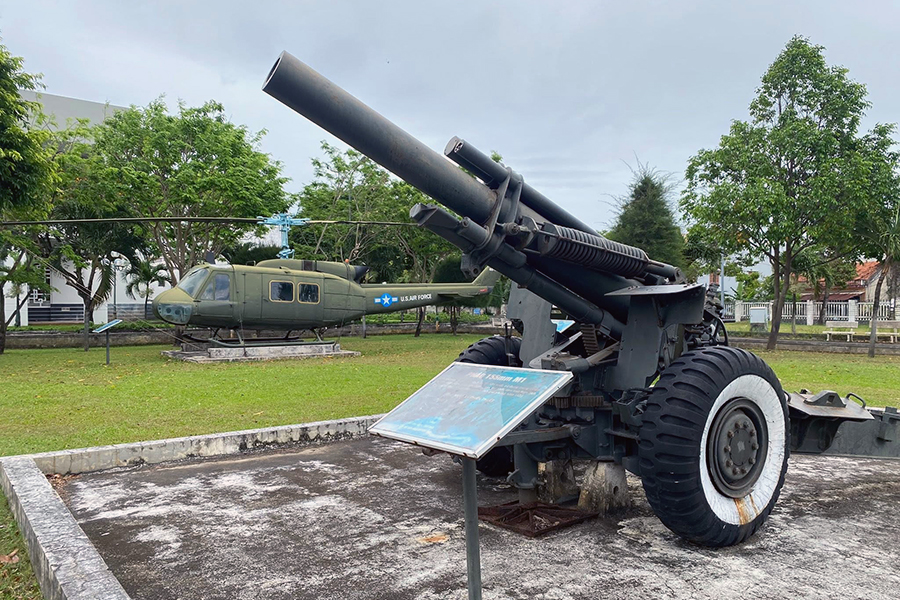
In addition to the indoor exhibition area, the museum also has an outdoor exhibition space for models of traditional architecture, large-scale artifacts, and folk cultural performances.
Collection of Artifacts
Currently, the Phu Yen Museum houses nearly 6,400 artifacts and documents of historical and cultural value, about 1,200 of which are on permanent display. This is a valuable source of information for scientific research as well as for educating the younger generation about traditions.
The artifacts are divided into many groups, comprehensively reflecting the development of the Phu Yen region across different periods.
Archaeological artifacts
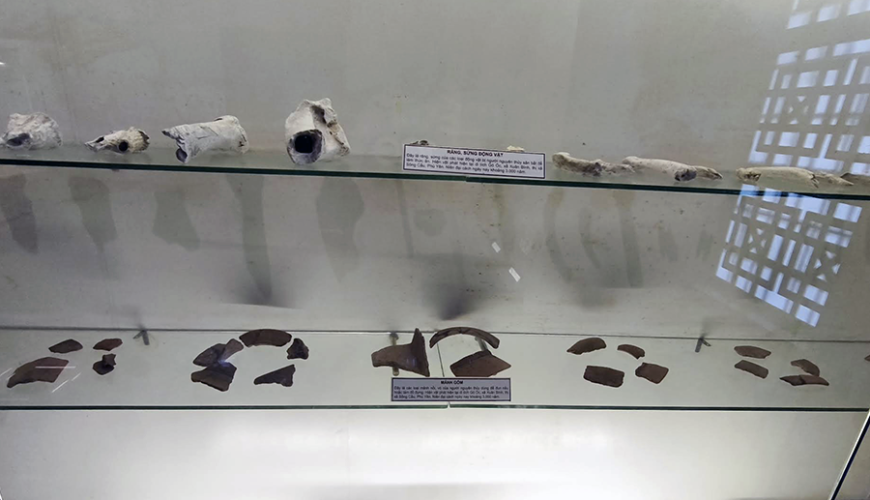
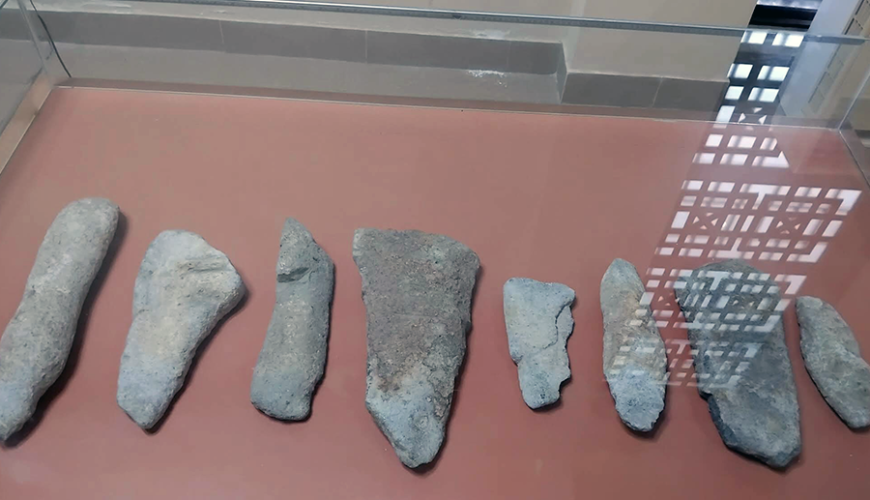
This is the earliest group of artifacts and is the foundation for recreating the process of human settlement in Phu Yen. Notable are the stone-working tools of the Hoa Binh culture, including stone axes, grinding tables, spear tips, and stone jewelry, as well as many artifacts unearthed at archaeological sites in the province. These artifacts show that ancient residents knew how to make tools, hunt, gather, and gradually develop agricultural life.
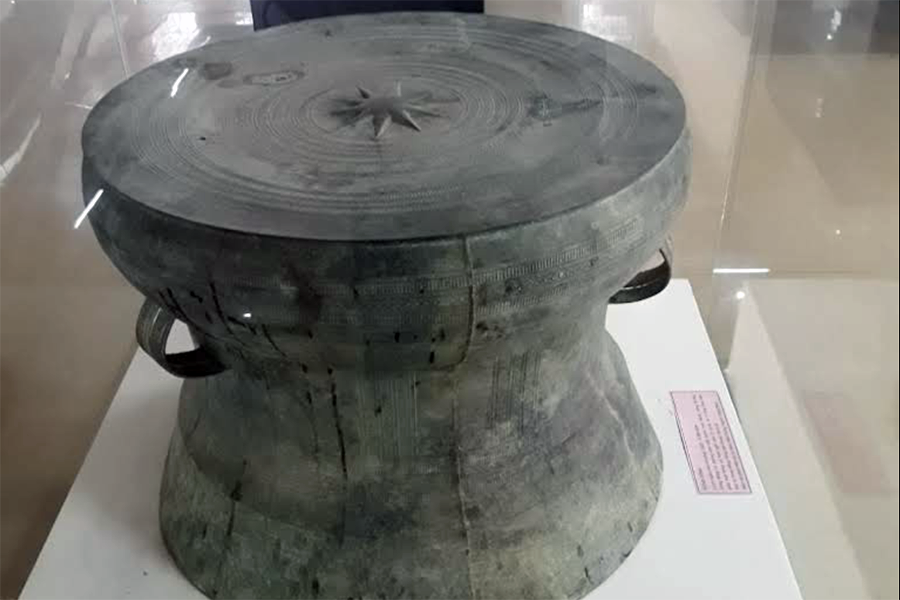
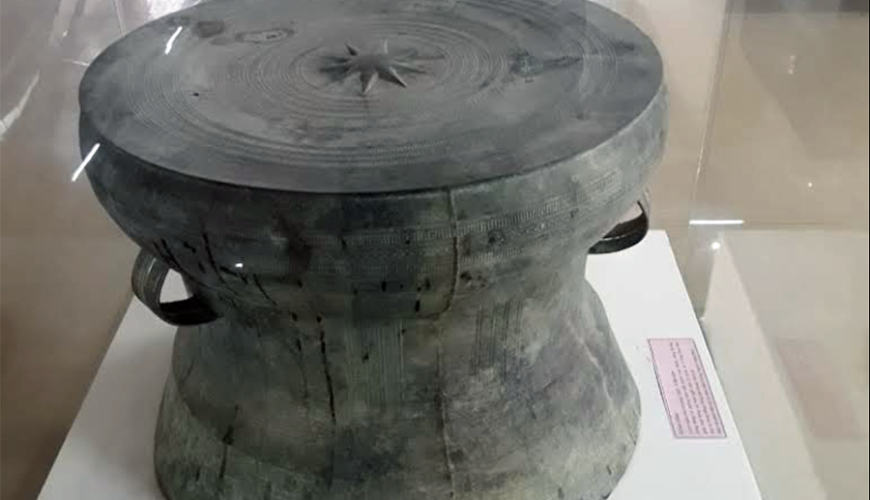
Among archaeological artifacts, stone instruments and stone trumpets are particularly valuable. These are rare ancient musical instruments, reflecting the rich spiritual life of prehistoric residents as well as a very high level of stonemaking. There are also bronze drums, evidence of cultural exchange with Dong Son culture in the Northern region.
Champa cultural artifacts
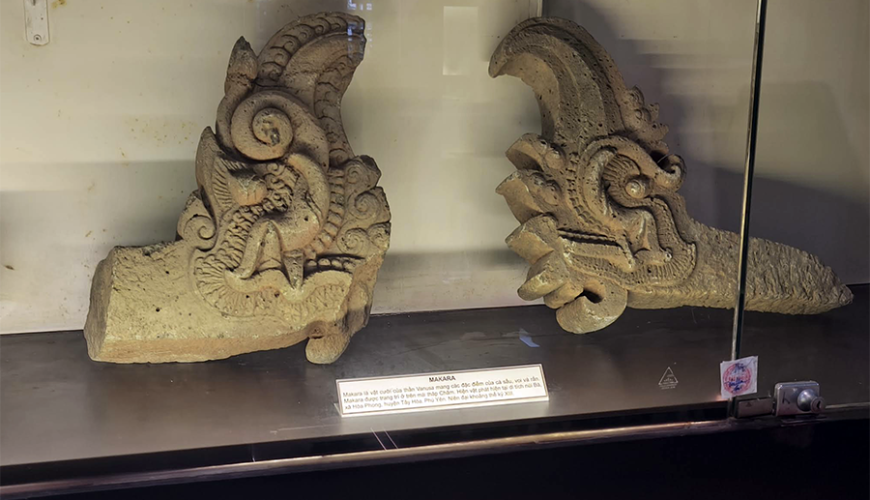
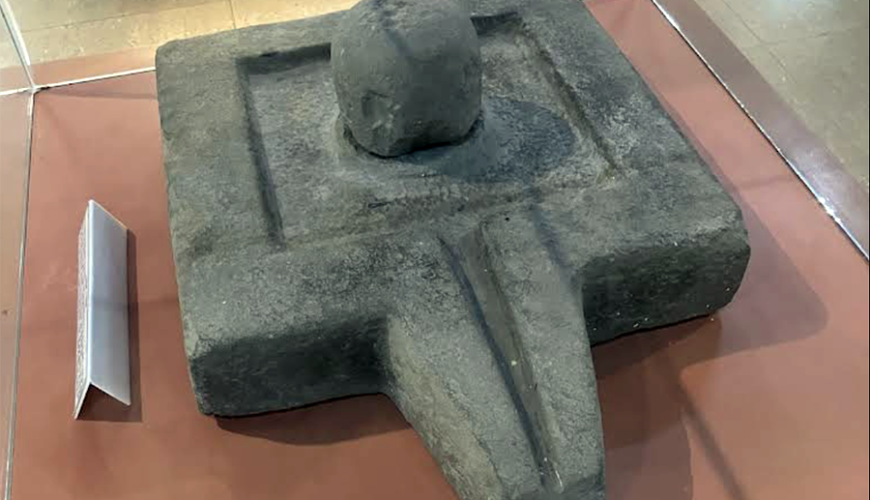
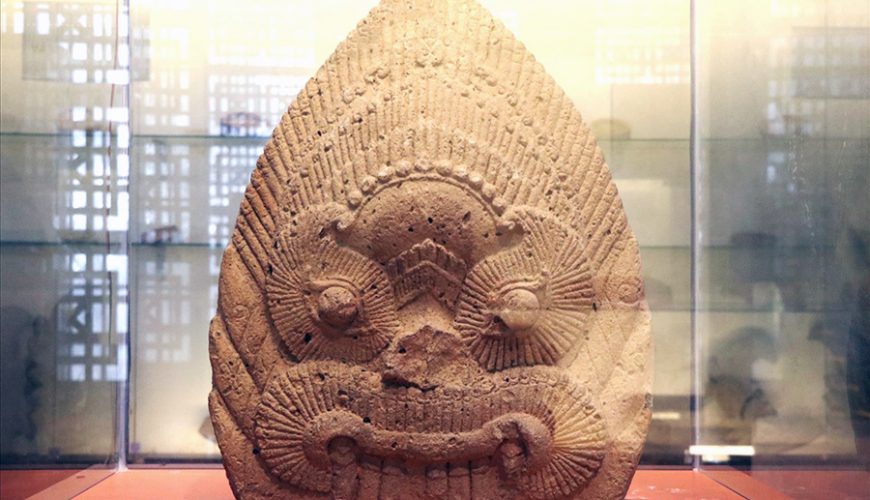
Phu Yen was part of the Champa kingdom for many centuries, so the museum preserves many artifacts bearing the marks of this civilization. The collection includes stone statues, reliefs, mascots, linga, yoni, Hamsa goose, lotus-shaped stone pillars, and many sandstone sculptures of high artistic value.

In particular, the Kala Relief (Ba Mountain) is the museum’s most representative artifact and has been designated a National Treasure.
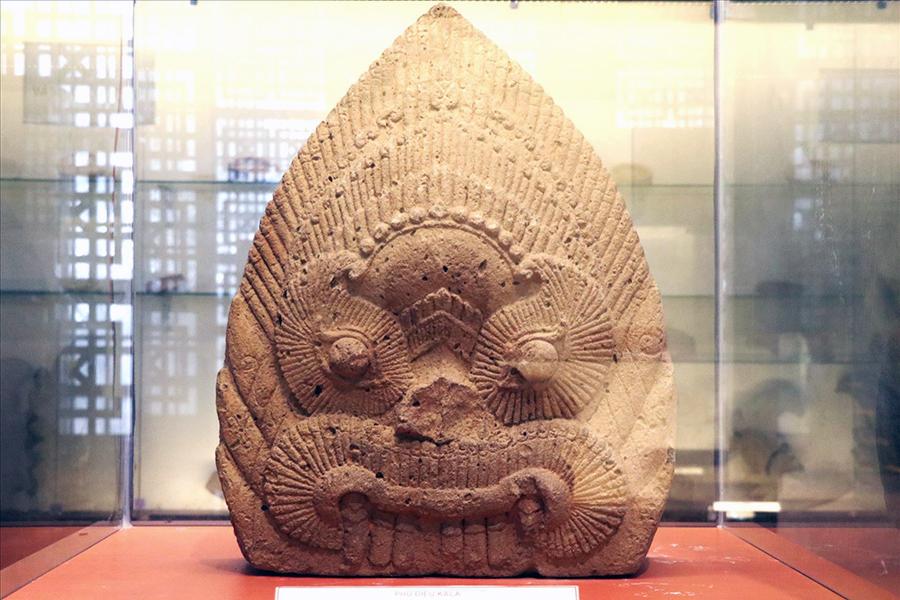
The artifacts not only demonstrate the sophisticated sculpting skills of the Cham people but also hold significant value in the study of Southeast Asian history, beliefs, and art.
Feudal period artifacts
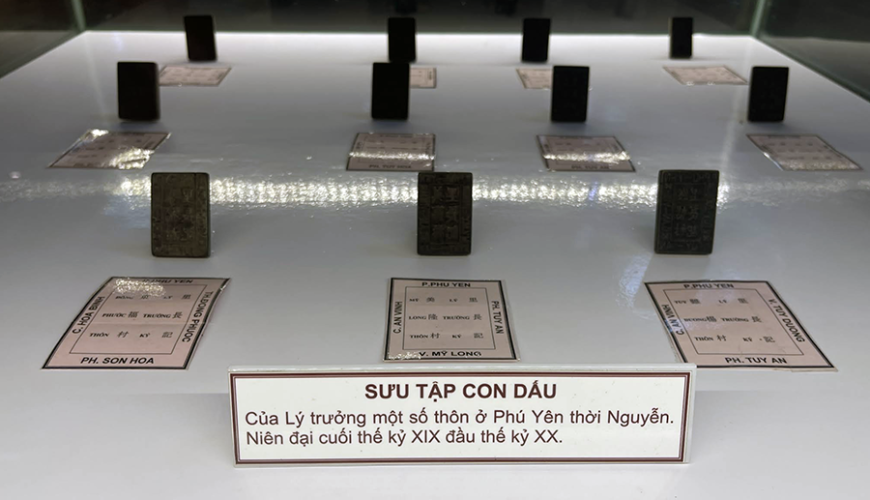
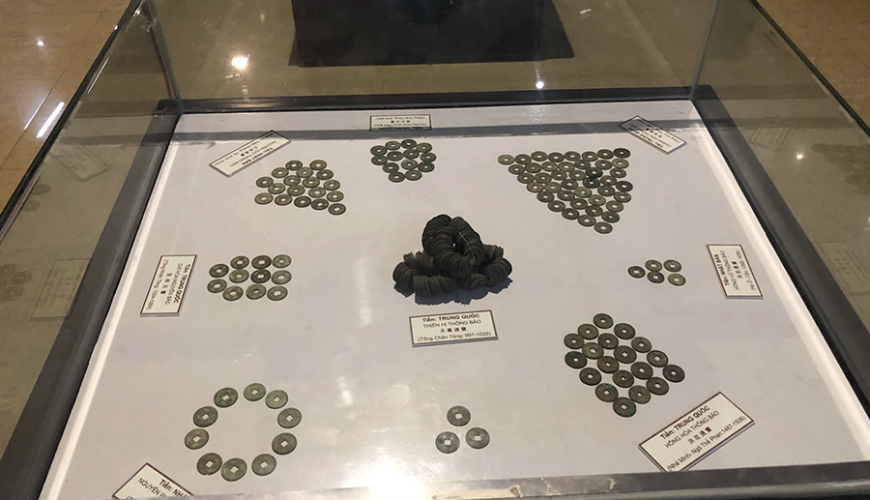
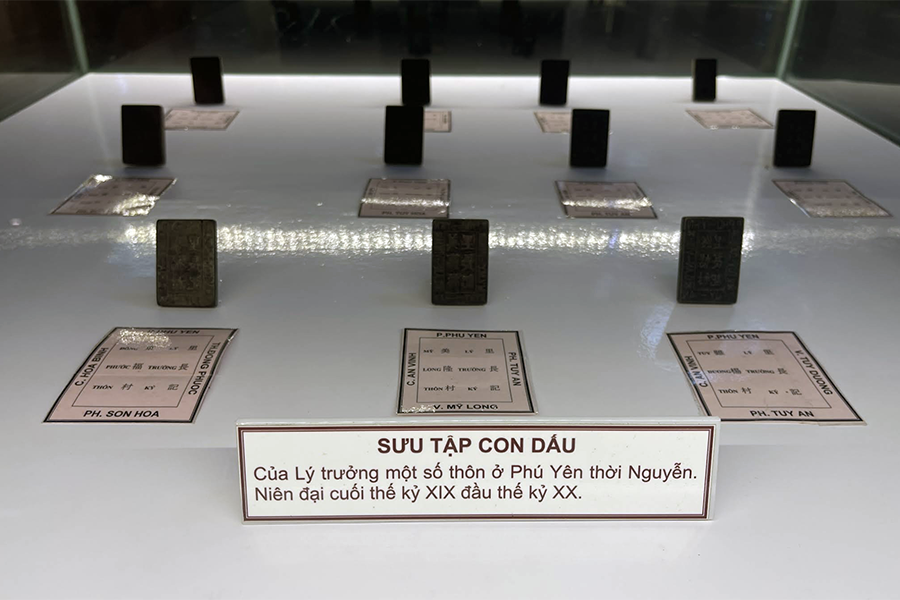
The feudal period is recreated through numerous artifacts that reflect the administrative apparatus, economic activities, and social life under the Nguyen Dynasty. Typically, the Nguyen Dynasty seal collection includes dozens of bronze seals from local administrative agencies, ancient coins, administrative documents, ordinations, ceramics, and artifacts of daily life.
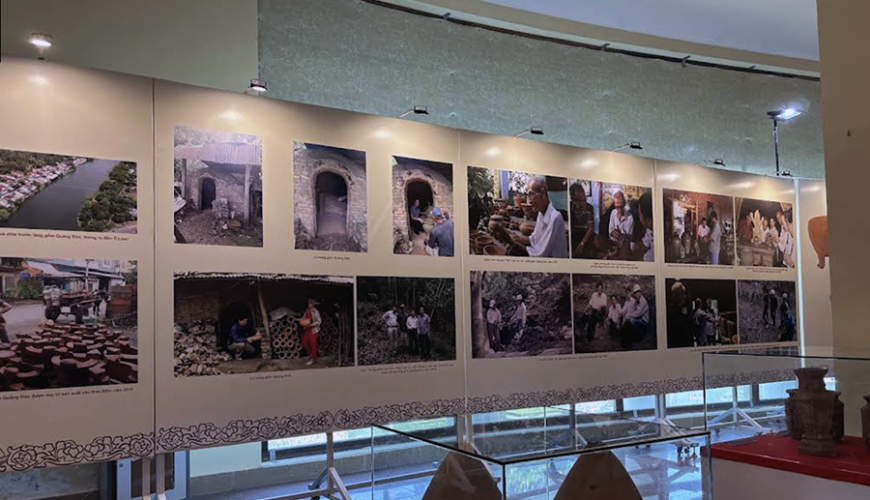
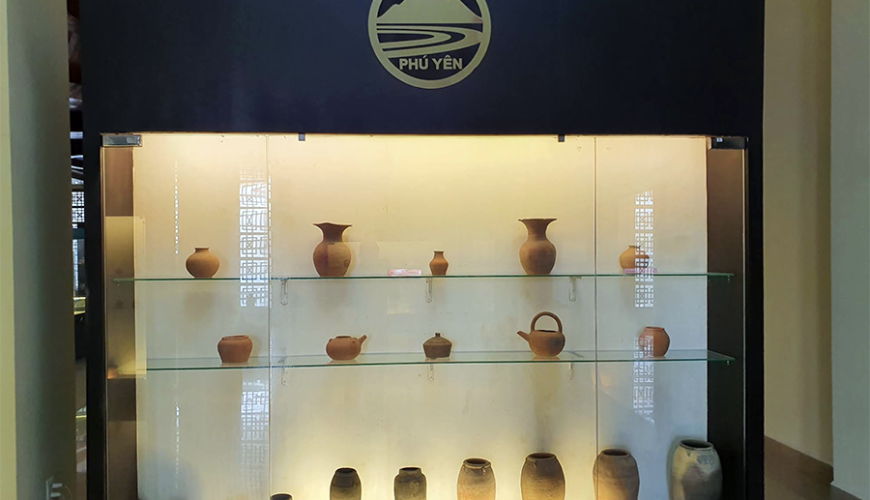
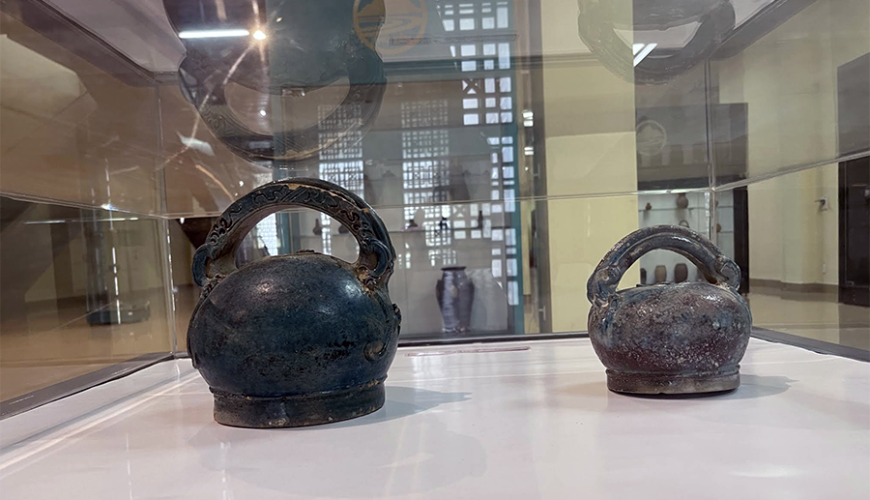
Besides, the Quang Duc ceramic line – a famous ceramic product of Phu Yen from the late 18th century to the early 19th century – was also introduced with many original artifacts. Ceramic products have a variety of designs, from jars and vases to household items, reflecting the development of traditional local crafts.
Artifacts of revolution and resistance
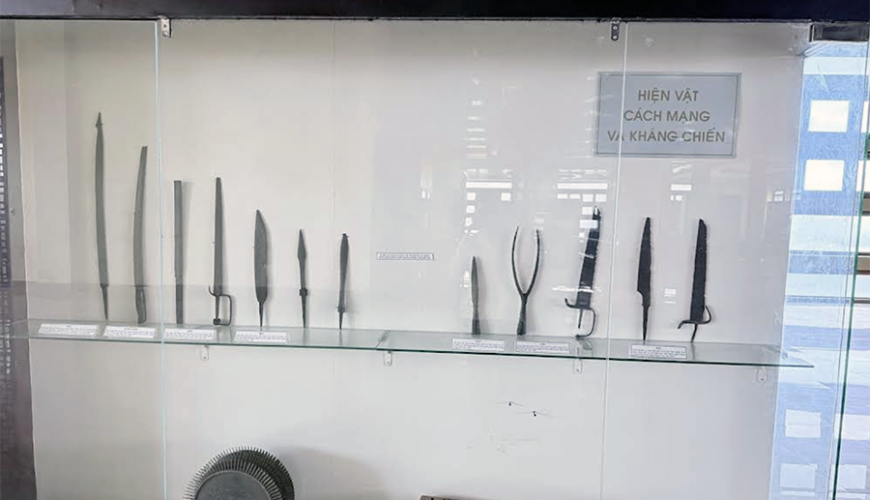
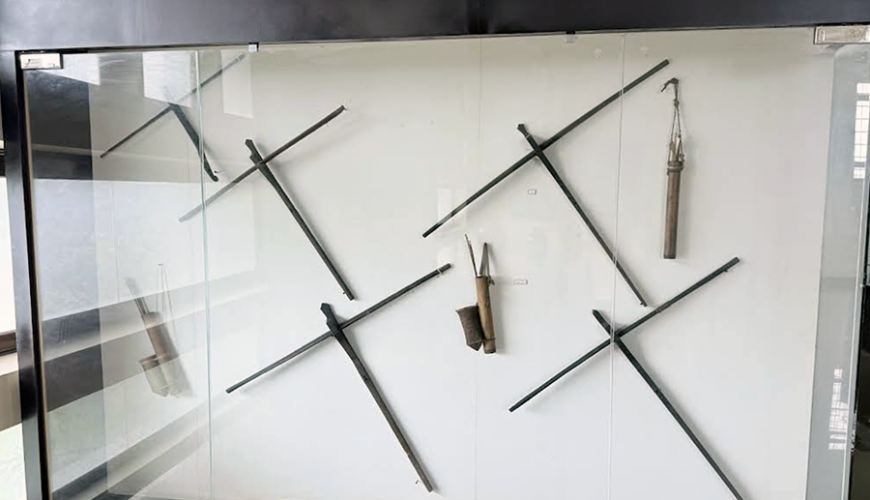
This area evokes many emotions in visitors. Hundreds of artifacts, images, and documents recreate the stages of the struggle for independence of Phu Yen’s army and people during the two resistance wars against the French colonialists and the American imperialists.

The artifacts include weapons, military equipment, bicycles, lanterns, hammocks, soldiers’ personal belongings, along with many torture tools of the enemy and documents about the local revolutionary movement. Through these artifacts, viewers can better imagine the hardships, the resilient fighting spirit, and the contributions of the people of Phu Yen to the nation’s history.
Ethnological artifacts and contemporary life
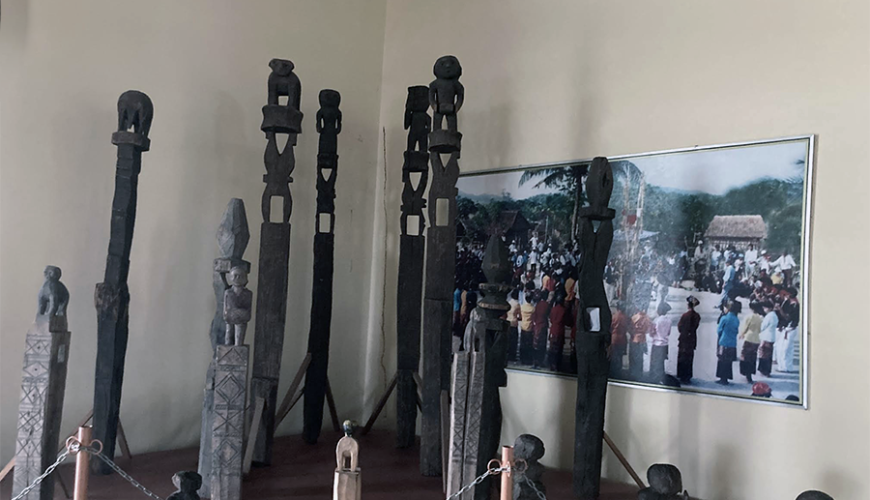
The museum also preserves many artifacts that reflect the daily life of ethnic communities living in Phu Yen, such as E De, Ba Na, Cham, Kinh, and other resident groups.
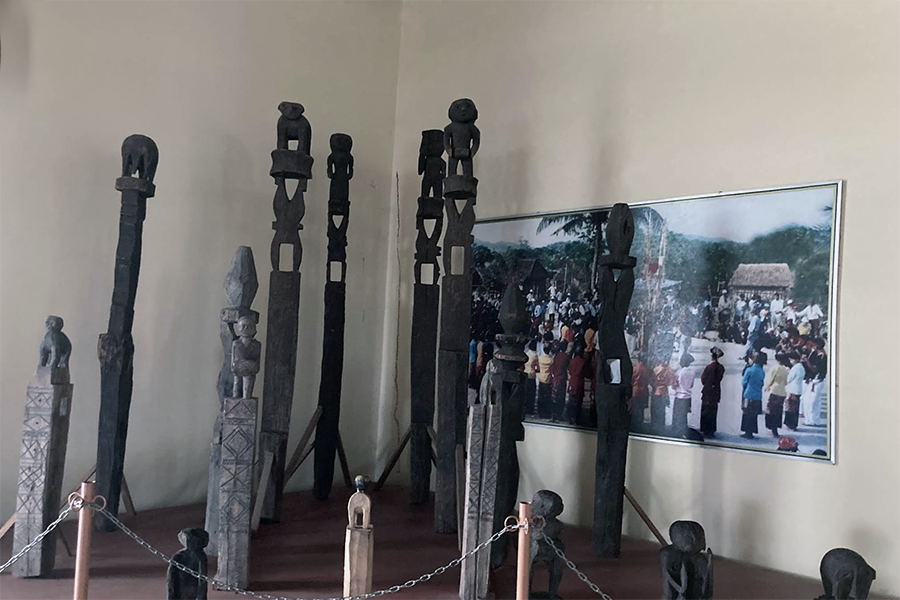
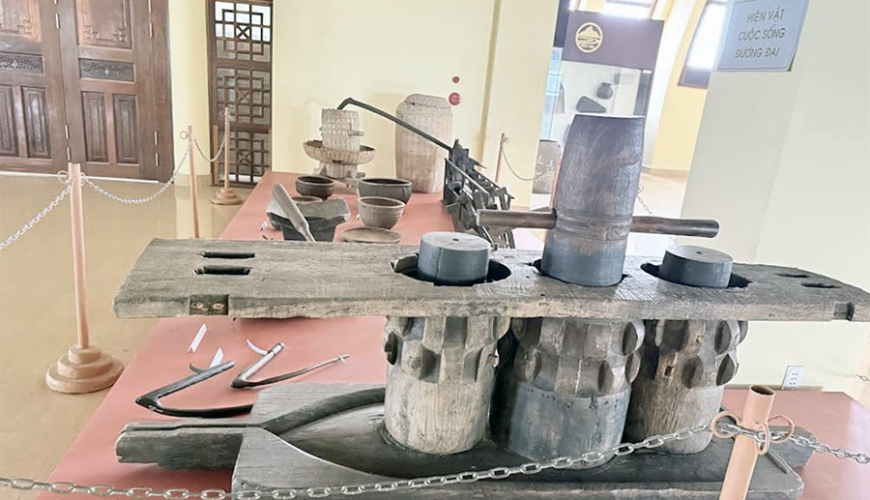
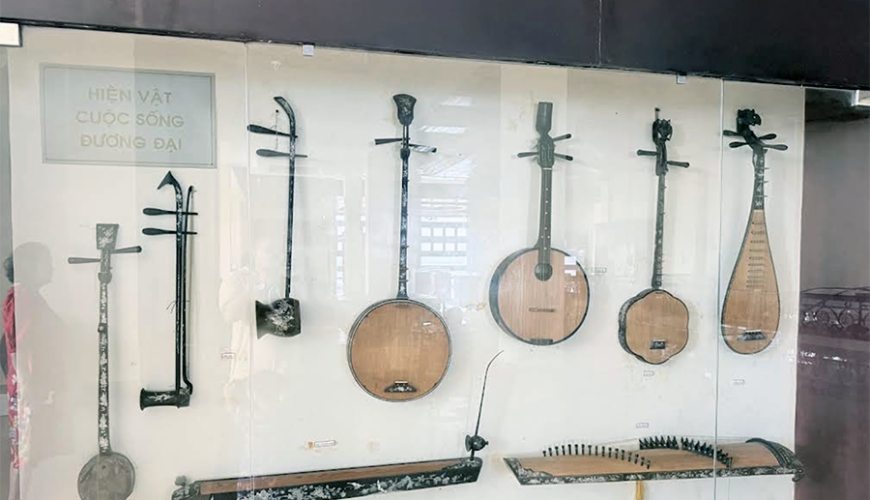
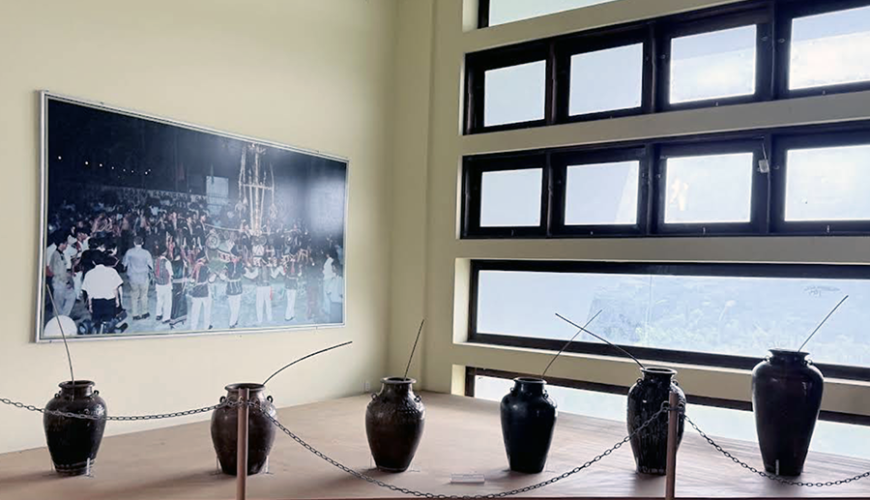
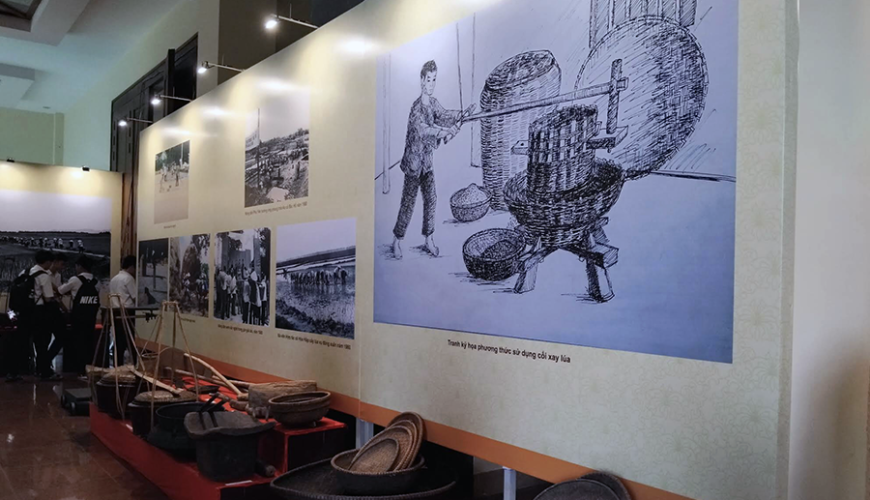
Artifacts include baskets, wine jars, water gongs, gongs, drums, agricultural tools, fishing tools, handicraft tools, household utensils, and traditional handicraft products. This is a valuable source of information that helps recreate the working life, beliefs, customs, and cultural identity of local residents over many generations.
Scientific and intuitive display
One of the highlights of Phu Yen Museum is its modern display method, which combines original artifacts with images, maps, models, and interpretive systems to create a visual experience for visitors.
The indoor exhibition space is built around three major themes, including:
- Ancient history of Phu Yen.
- Phu Yen in the revolution and resistance war.
- Contemporary life of the land and people of Phu Yen.
Topics are arranged chronologically, from prehistoric times to modern times. This layout helps visitors easily follow the historical process and see the changes in economic, social, and cultural life through each period.

Each group of artifacts includes a detailed introduction covering the name, date, material, discovery site, and historical significance. The specialized glass cabinet system combines appropriate lighting to both ensure preservation conditions and highlight the aesthetic value of the artifacts.
In addition to indoor display areas, the museum reserves outdoor space to showcase large-scale artifacts and host intangible cultural heritage performances, thematic exhibitions, and experiential activities for students and visitors.
Phu Yen Museum
- Address: 151 Tran Phu, Tuy Hoa Ward, Dak Lak Province.
- Entrance fee: free
- Tourist spots nearby: Da Dia Reef, Da Trang Pagoda, Yen Islet, Nhan Tower…
Source: collected by An
Follow us for the best deals on Vietnam package tours and visa services!
Comment (0)