
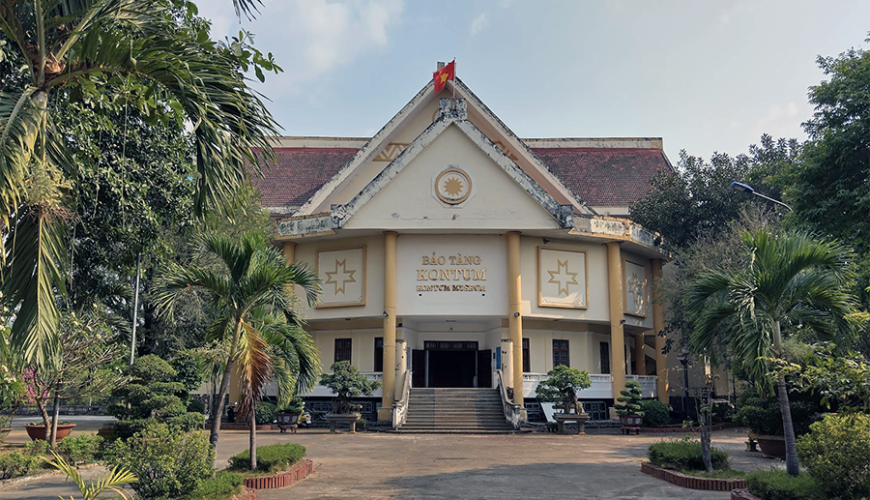
Located in the center of Kon Tum, west of present-day Quang Ngai Province, the Kon Tum Museum is an ideal destination for travelers wishing to explore the history, natural environment, and culture of the Northern Central Highlands. Beyond displaying historical artifacts, the museum showcases the lives of the ethnic communities that have long inhabited this region, offering visitors a comprehensive overview before they set out to explore nearby traditional villages and scenic landmarks.
Overview of Kon Tum Museum
The museum is situated on a site spanning approximately three hectares near the Dak Bla River. Opened in 2012, the facility features exhibition spaces organized around various themes. Its central location makes it easy to combine a visit here with stops at the Kon Tum Cathedral, the Bishop’s Palace, Kon Tum Prison, the Dak Bla River, and the Kon Klor Suspension Bridge as part of a single itinerary.
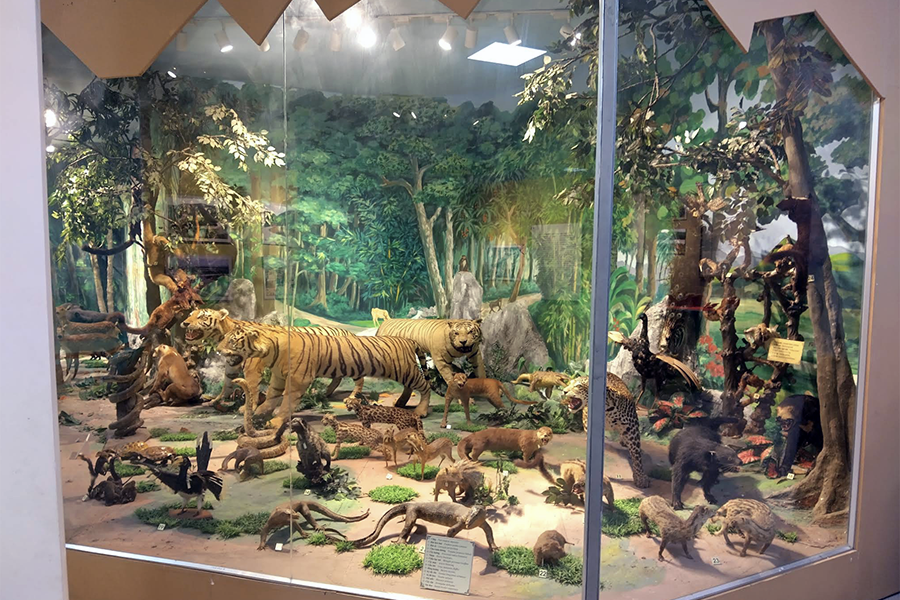
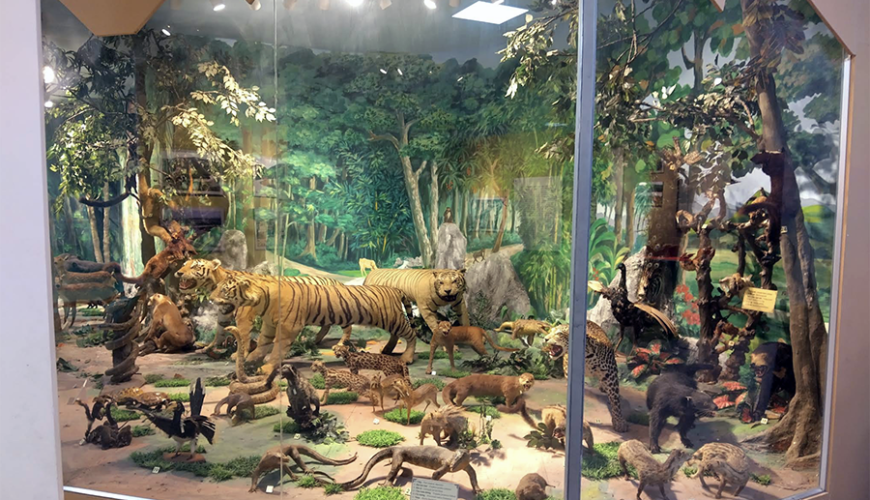
The museum’s exhibits cover various stages of the region’s development, ranging from natural conditions, archaeology, and history to traditional culture. Through a collection of artifacts, images, maps, and documents, visitors can learn how people adapted to the mountainous environment of the Central Highlands and how the region has evolved over time.
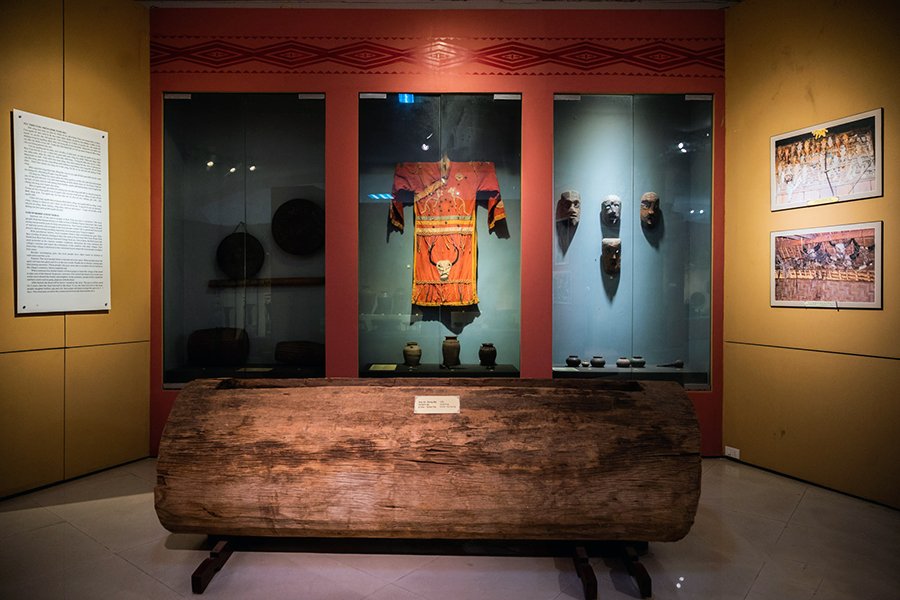
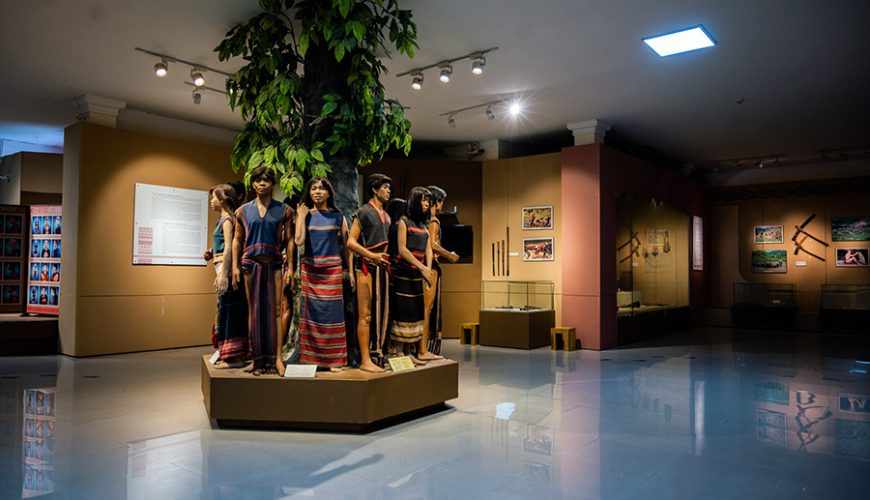
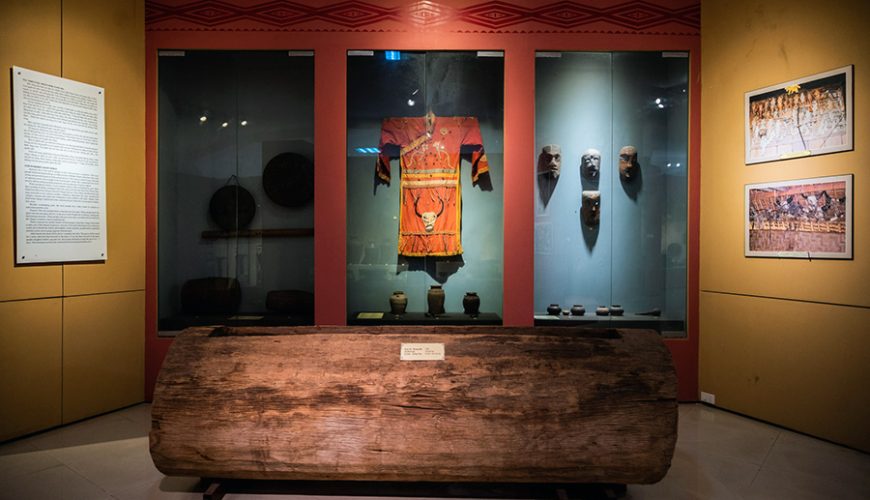
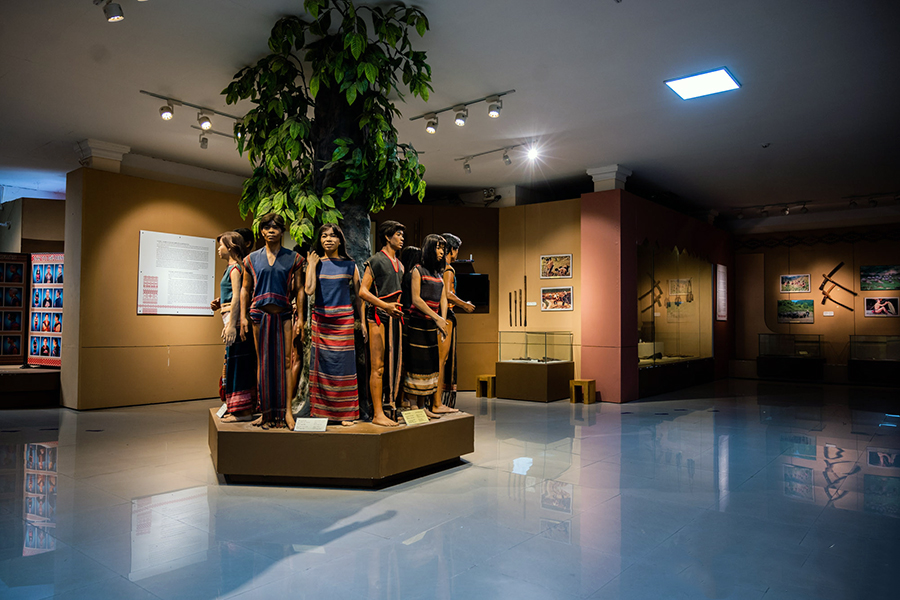
One of the most notable sections is the space dedicated to the cultures of indigenous ethnic groups. Kon Tum has long been home to communities such as the Xo Dang, Ba Na (the oldest group), Gia Rai, Gie-Trieng, Brau, and Ro Mam. Each community possesses its own distinct language, attire, customs, and cultural practices, contributing to the unique diversity of the Northern Central Highlands.
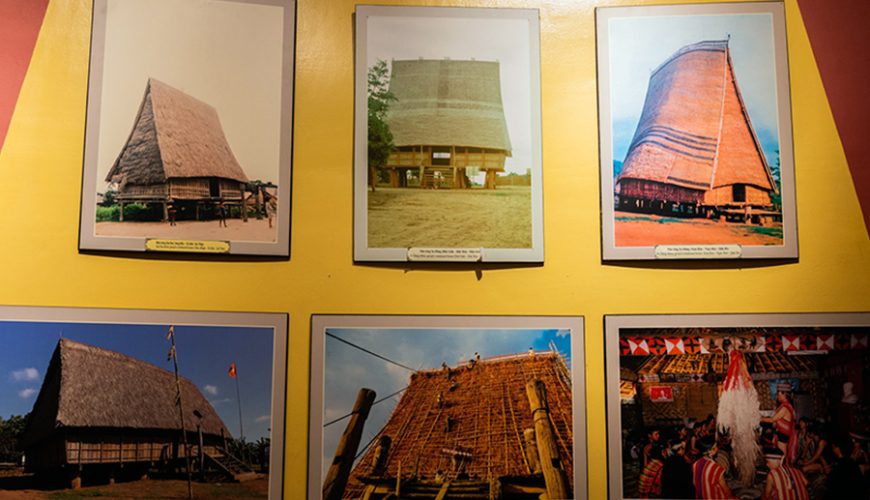
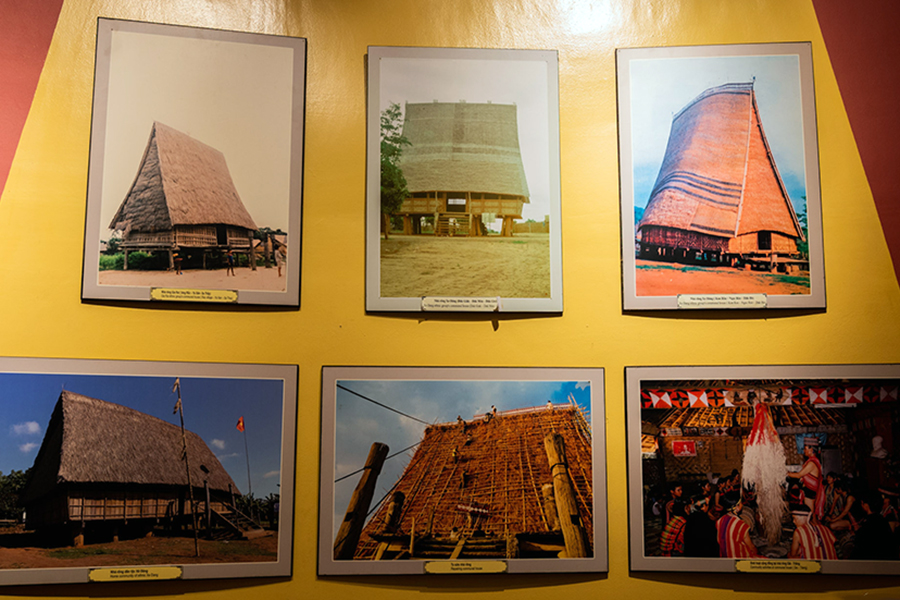
The traditional Rong house is a cultural heritage symbol deeply linked to the long-standing history of the region’s ethnic communities. Typically situated in the heart of the village, it serves as the largest communal house, a shared space that fosters connection among community members.
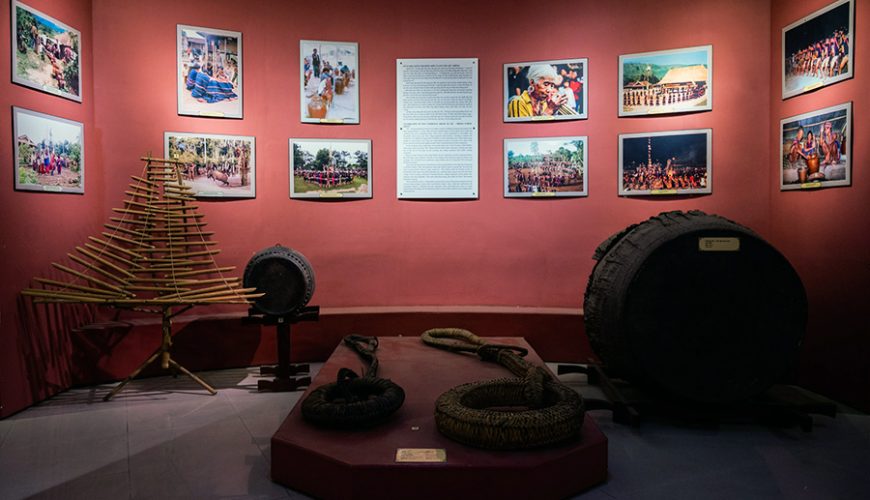
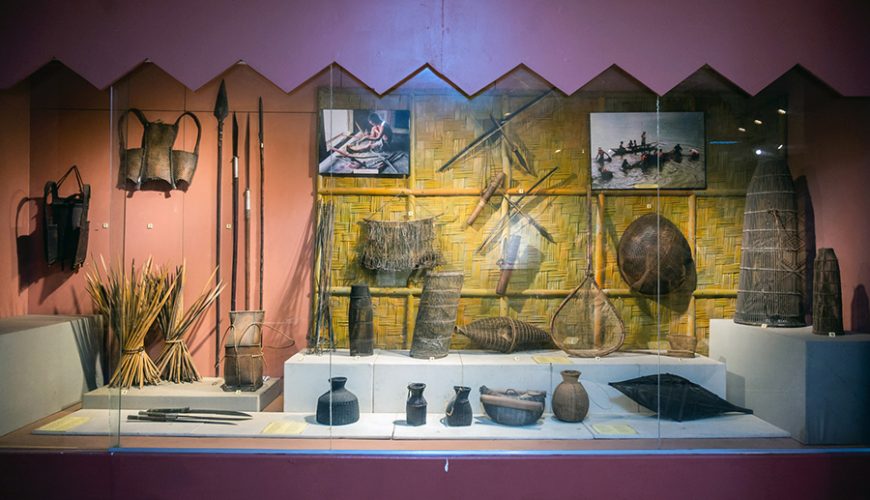
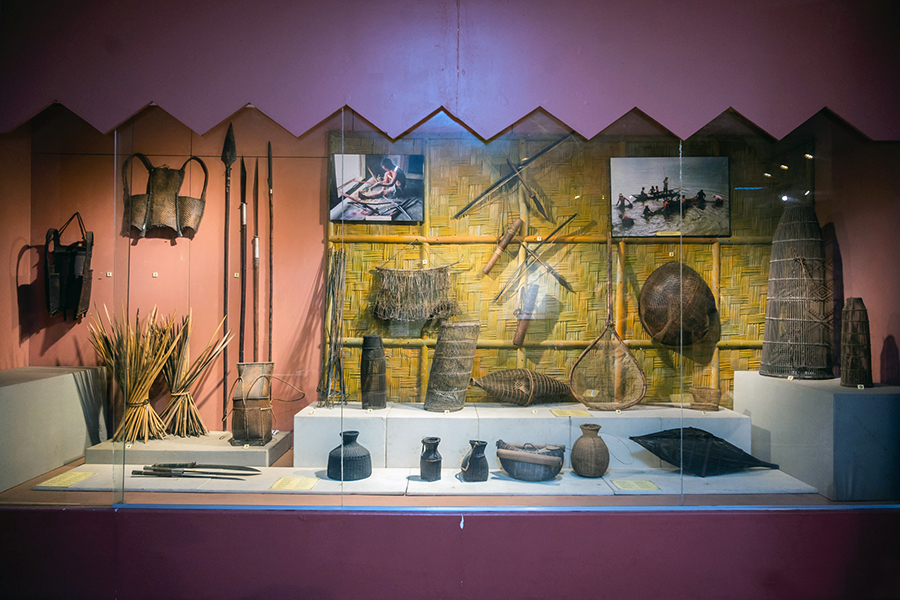
Artifacts related to daily life bring the cultural narrative to life visually. Visitors can explore tools for labor and household use, traditional costumes, musical instruments, handicrafts, and items associated with community rituals. These artifacts reflect how indigenous residents utilized forest resources, engaged in agriculture and weaving, and built their communal lives amidst the natural conditions of the highlands.
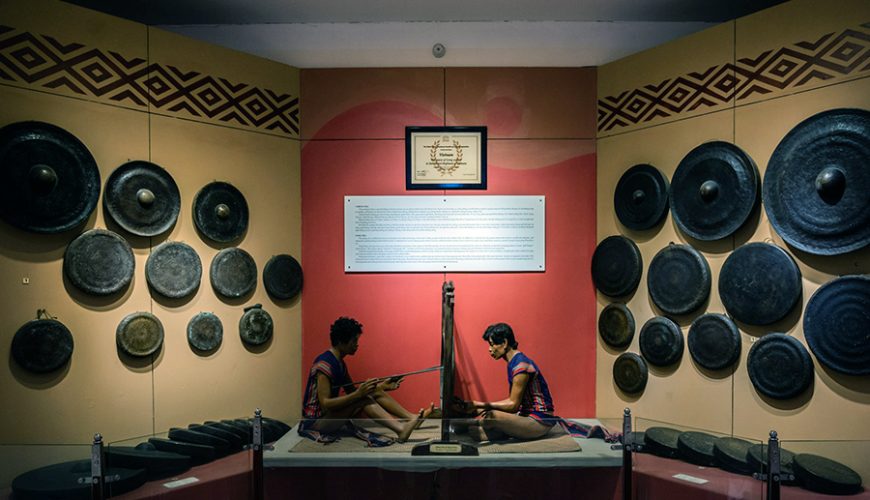
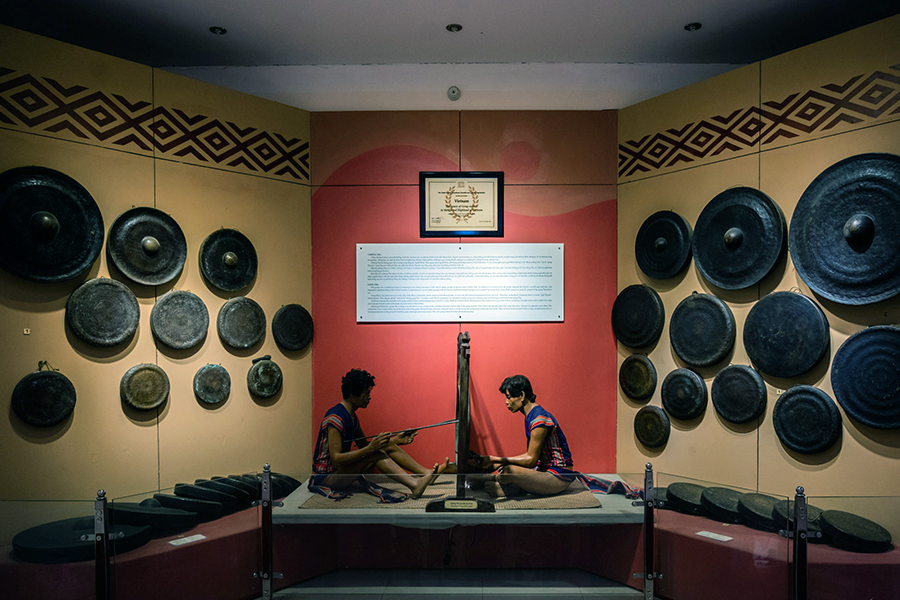
One cannot overlook the Gong culture of the Central Highlands, one of the region’s most renowned cultural heritages. The “Space of Gong Culture in the Central Highlands” has been inscribed by UNESCO on the Representative List of the Intangible Cultural Heritage of Humanity. At the museum, related artifacts and documentation help visitors understand that gongs are not merely musical instruments for performance but are deeply intertwined with the festivals, rituals, and spiritual lives of many Central Highlands communities.
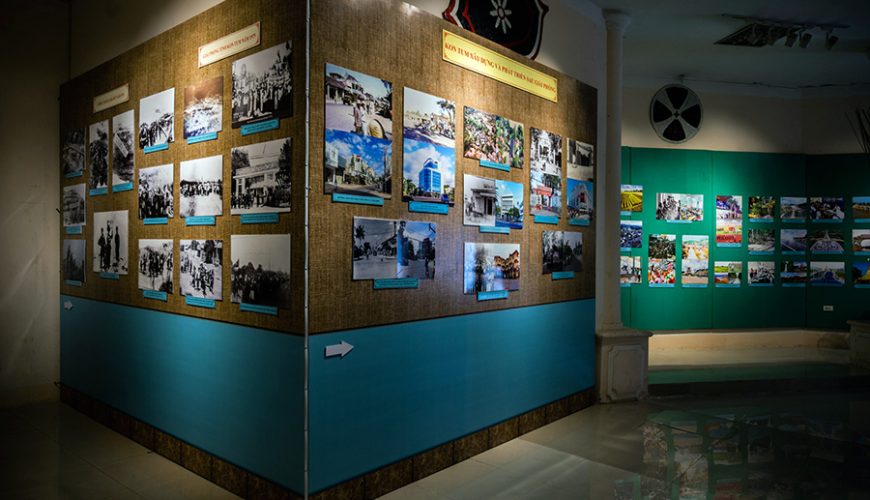
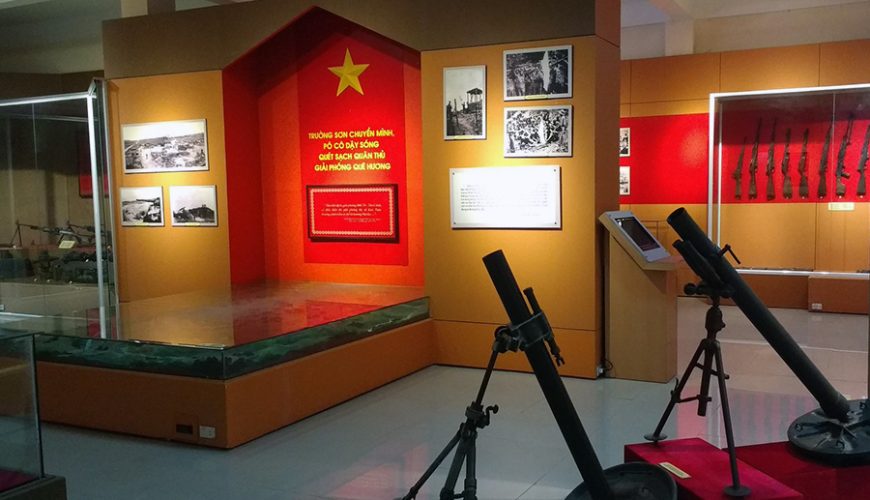
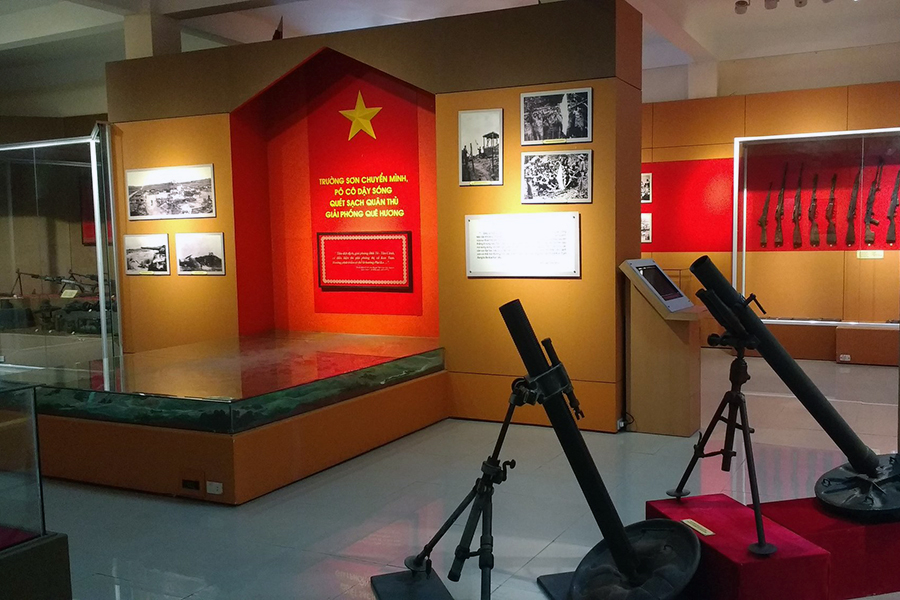
Beyond ethnic culture, the museum preserves historical documents and artifacts that chronicle the Kon Tum region’s formation, development, and defense. Its strategic location in the Northern Central Highlands meant the area witnessed numerous pivotal wartime events. Documents, photographs, and artifacts at the museum help viewers place locations such as Kon Tum, Dak To, and Tan Canh within a broader historical context.
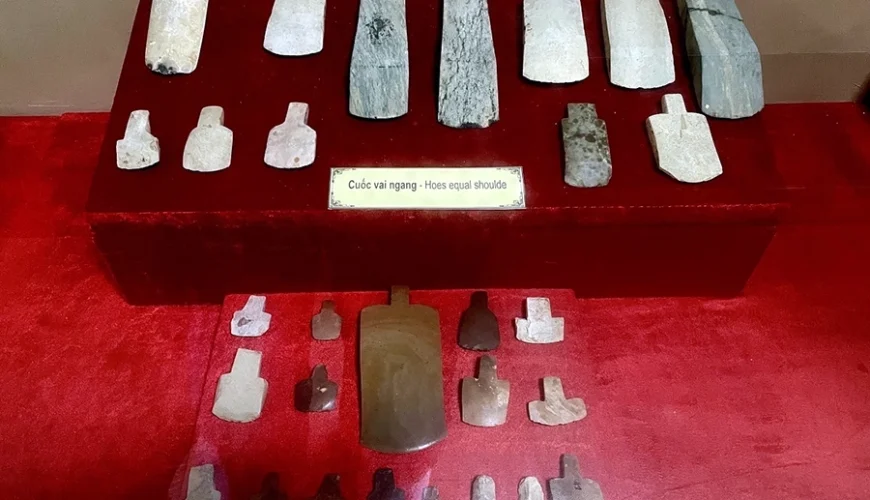
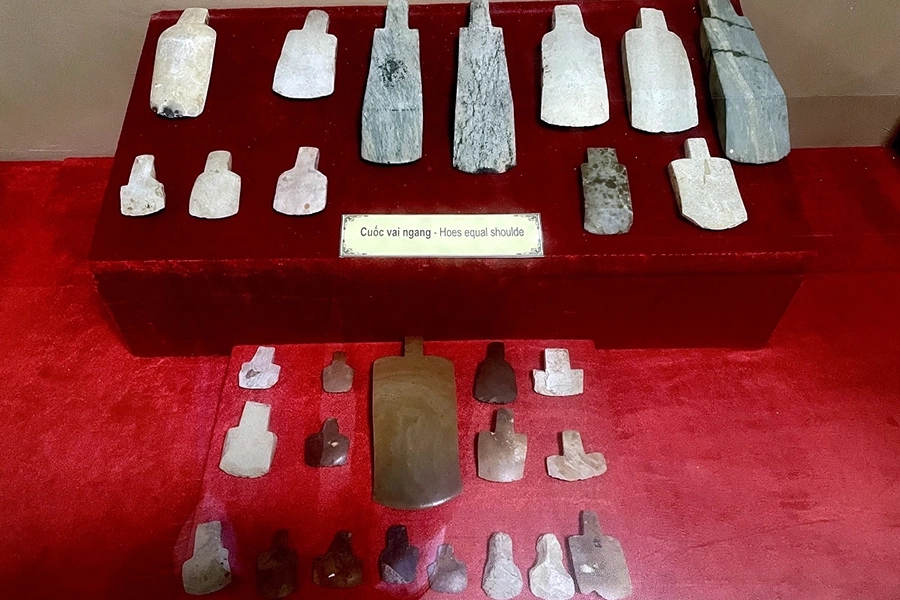
The archaeology section further expands the narrative regarding human settlement in the region. Artifacts unearthed through archaeological research reveal that Kon Tum boasts a long history, extending far beyond its modern-era development. This section is particularly valuable for visitors wishing to gain deeper insight into the evolution of communities in the Central Highlands.
In addition to indoor galleries, the museum features outdoor areas that showcase traditional architecture and culture within a more expansive setting. This ensures the visit goes beyond viewing artifacts in display cases, offering a more immersive perspective on local people’s way of life.
Kon Tum Museum
- Address: 659 Nguyen Hue, Kon Tum Ward, Quang Ngai Province.
- Nearby tourist spots: Kon Klor Communal House, Kon Tum Bishop’s Palace, Kon Tum Cathedral, Kon Tum Prison…
Source: collected by An
Follow us for the best deals on Vietnam package tours and visa services!
Comment (0)