
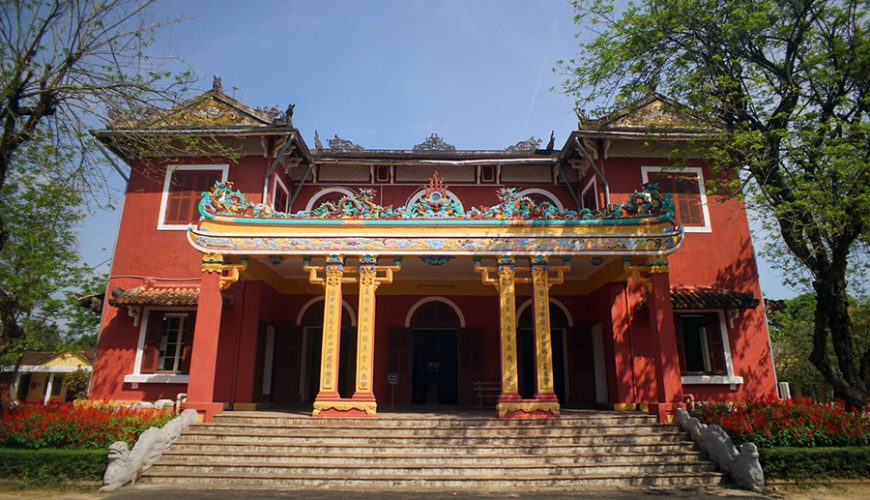
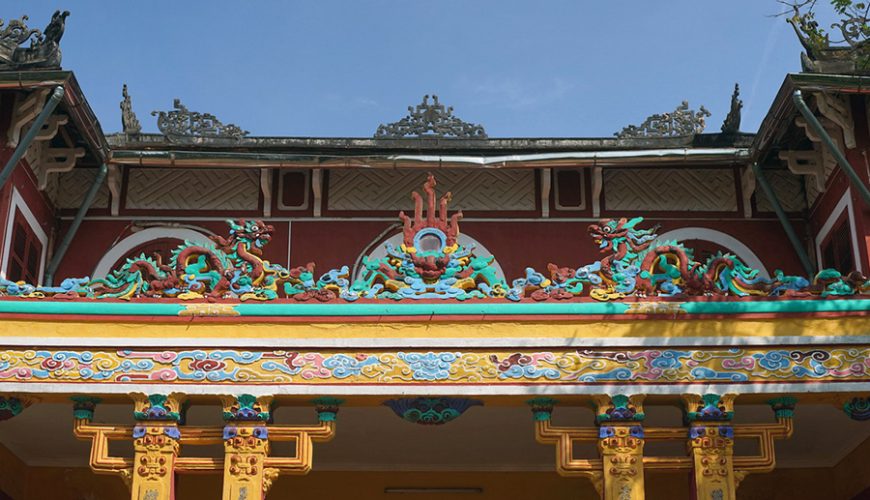
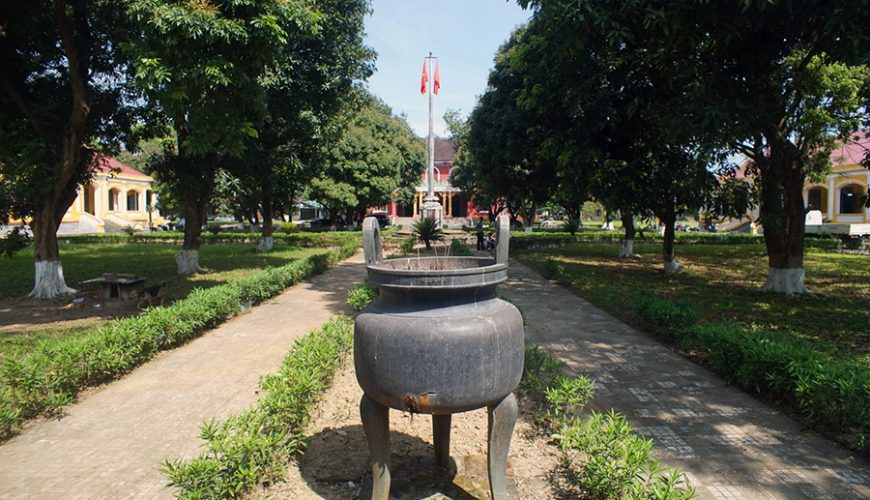
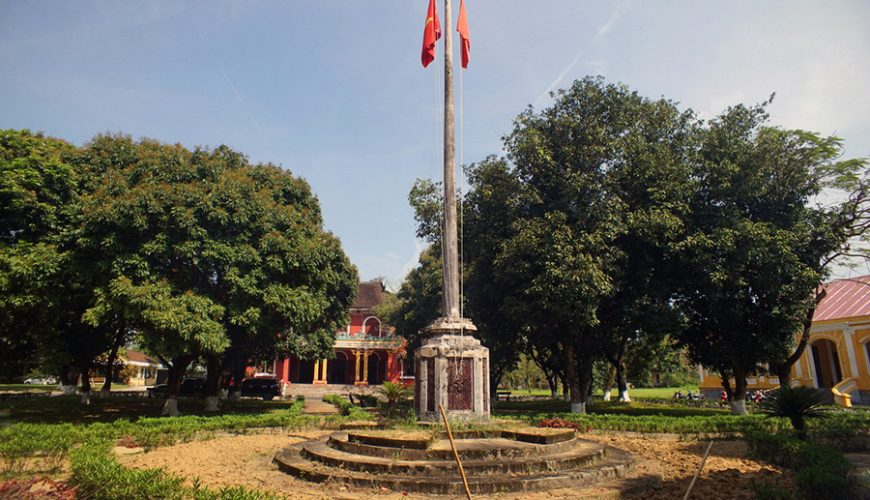
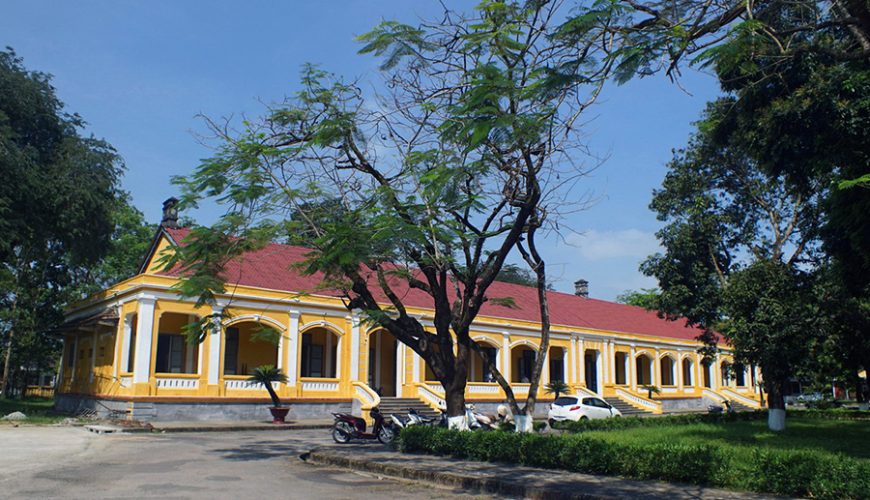
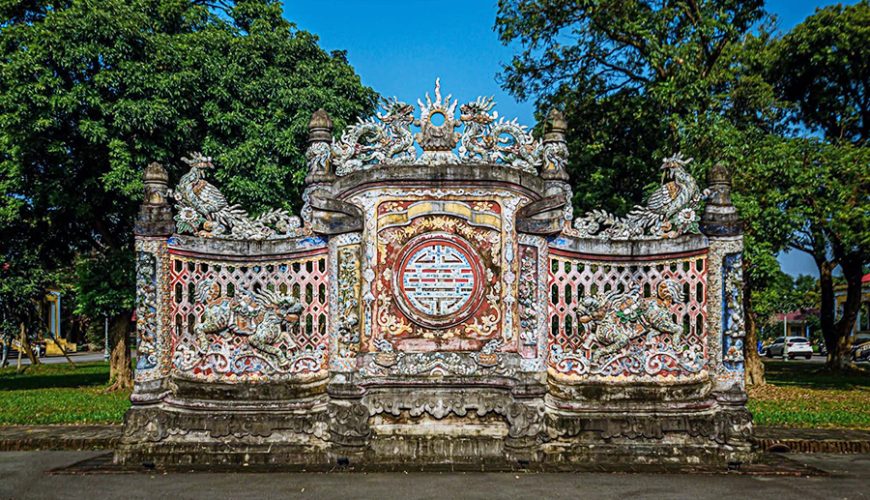
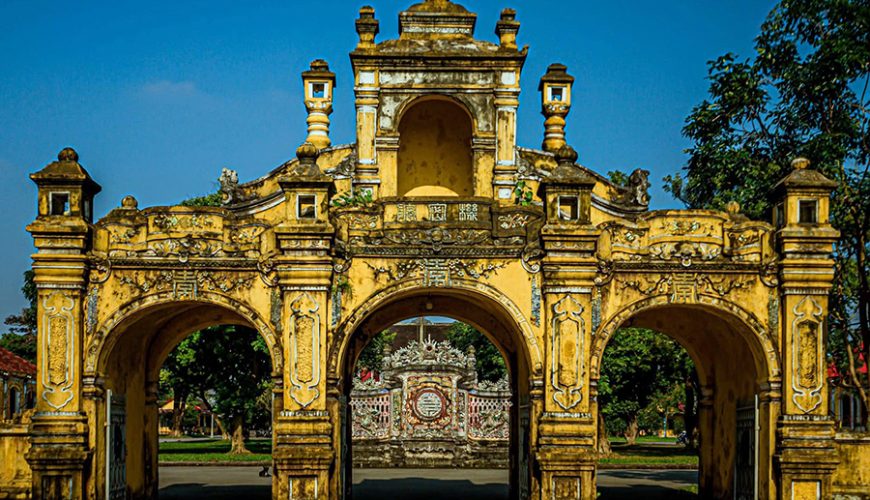
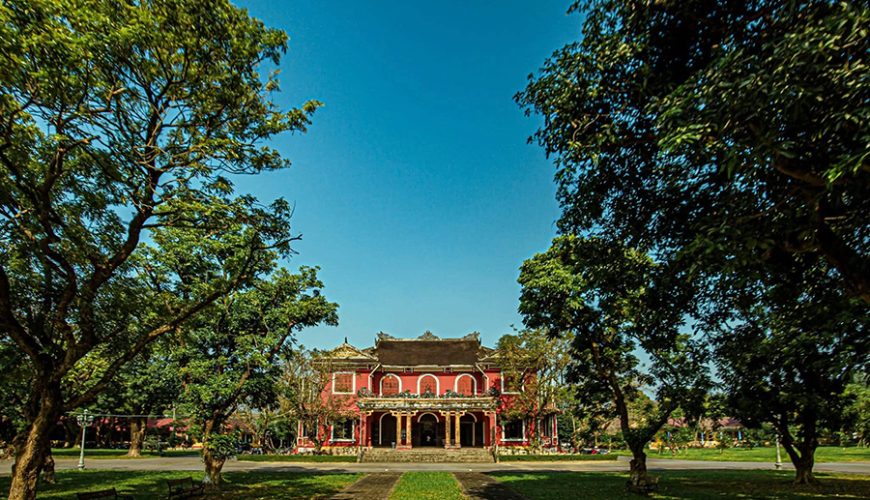
The Privy Council (Vietnamese: Viện Cơ Mật or Cơ Mật Viện) is a significant historical site located in the southeastern corner of the Hue Imperial Citadel, on Tong Duy Tan Street. It once served as the workplace for a vital advisory body under the Nguyen Dynasty, tasked with deliberating on confidential matters concerning military affairs, politics, and the nation’s destiny. The structure is also notable for its architectural fusion of Eastern and Western styles, reflecting the historical transformations that took place in the imperial capital of Hue during the late 19th and early 20th centuries.
Overview of the Privy Council in Hue
The site possesses a profound historical legacy. In 1738, Lord Nguyen Phuc Khoat selected this area as the capital, Phu Xuan; by 1754, it was designated as the “Phu Xuan Citadel”, the political and cultural hub of the Southern region. Following various upheavals, the site was occupied by the Trinh army (1775–1786) and later served as the capital for the Tay Son Dynasty (1786–1801).
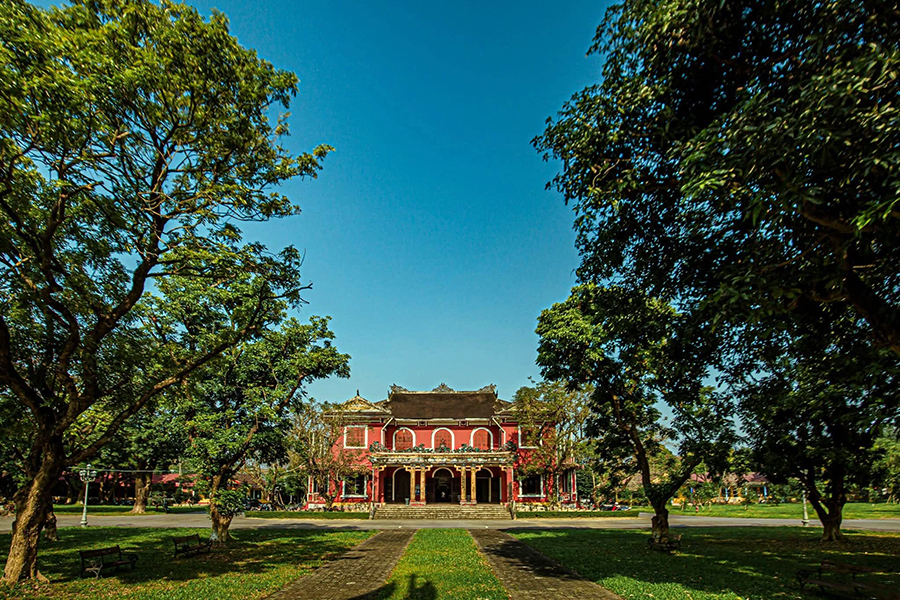
Upon Emperor Gia Long’s ascension to the throne in 1802, the Phu Xuan capital was dismantled, and the land was repurposed as a residence for the imperial princes. In 1839, Emperor Minh Mang commissioned the construction of Giac Hoang Pagoda, a site later ranked by Emperor Thieu Tri as one of the 20 most beautiful landmarks in the imperial capital. However, following the French colonial takeover, Giac Hoang Pagoda was completely demolished to make way for the Privy Council (completed in 1903), which served as a venue for political deliberations between the Nguyen Dynasty court and the French colonial administration.
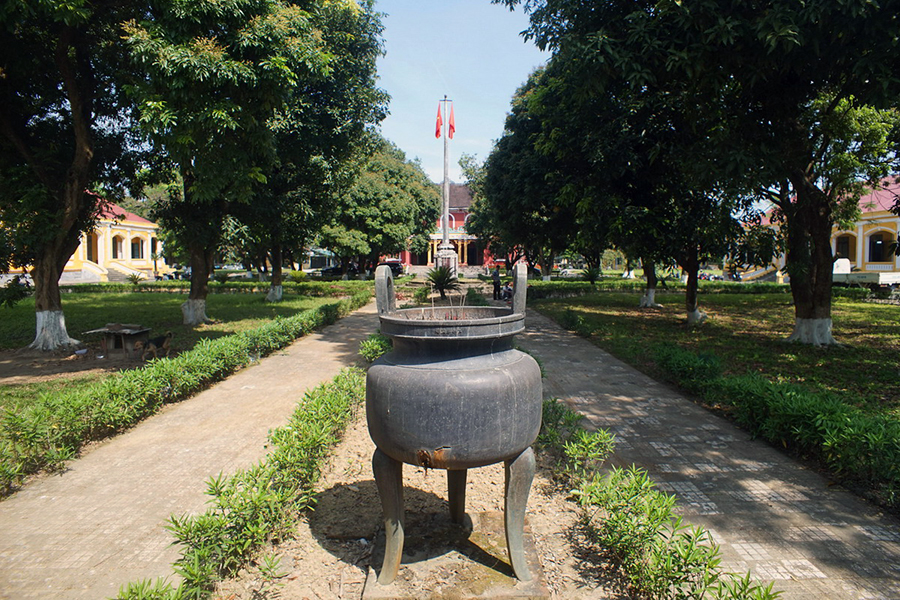
After 1955, the site’s function continued to evolve; it served as a judicial office and courtroom, and later as the headquarters for the Military Management Committee and the Provincial Party Committee of the former Thua Thien-Hue province. Since 2000, the site has been entrusted to the Hue Monuments Conservation Center, which uses it as an administrative office.
Distinctive Architecture
Unlike many traditional imperial structures, the Privy Council building features a pronounced Western European architectural style. The main edifice consists of two stories, organized into three central bays flanked by two side wings. A striking highlight on the upper floor is the inscription “Cơ Mật Viện” (Privy Council), placed prominently within a circular frame on the front facade and complemented by five arched doorways that open the space.
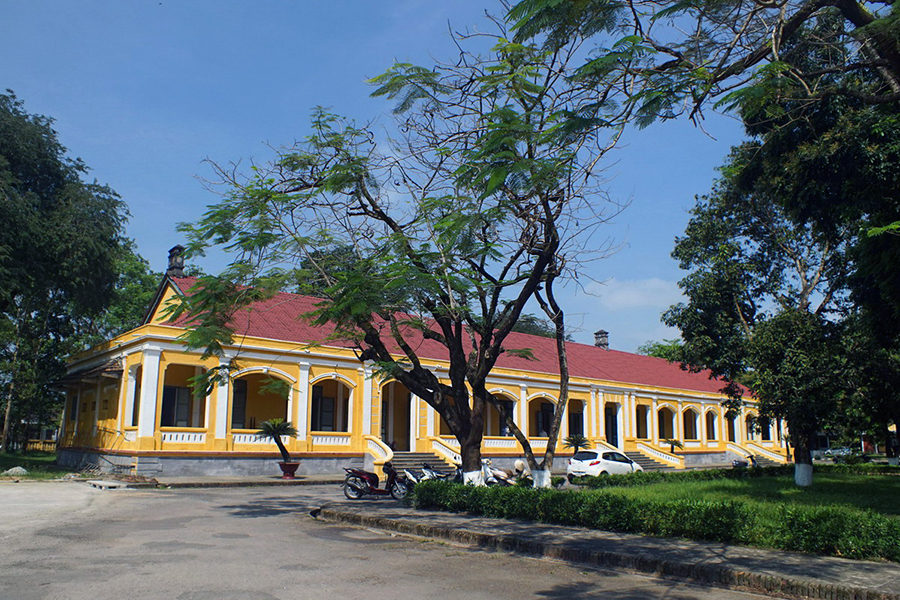
The ground floor features seven arched doorways along the front and six along the sides, giving the structure an imposing yet refined appearance. The complex is enclosed by a sturdy brick wall with gateways opening in three directions.
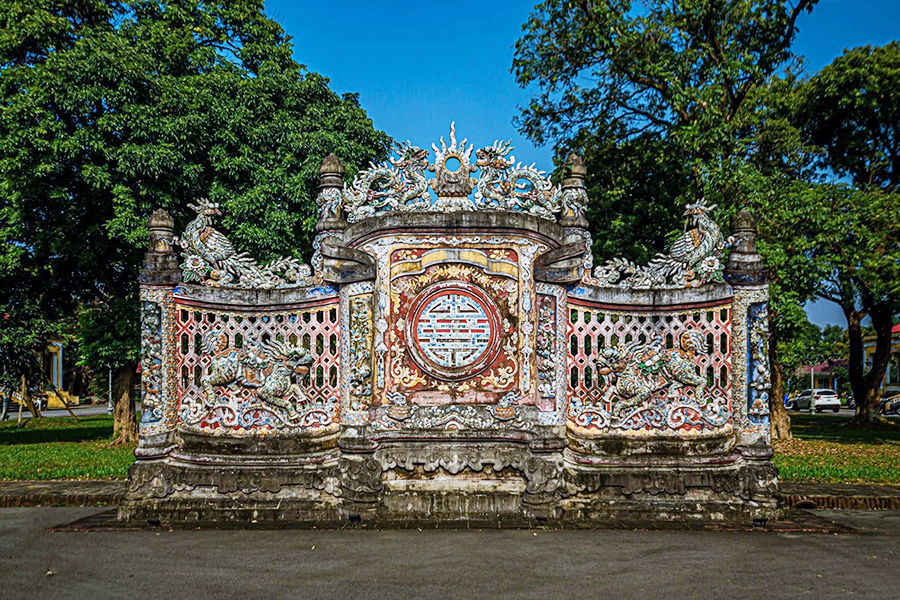
In the future, the Privy Council site will be integrated with the Nguyen Dynasty’s National Academy complex (following its restoration), the Museum of Royal Antiquities, and other historical sites in the southeastern corner of the Hue Imperial Citadel. Together, they will form a unique, world-class cultural, historical, and educational space for both visitors and the local community.
Privy Council
- Address: 23–33 Tong Duy Tan, Phu Xuan Ward, Hue City.
- Nearby tourist spots: Hue Museum of Royal Antiquities, Thai Hoa Palace, Tinh Tam Lake…
Source: collected by Thien An
Follow us for the best deals on Vietnam package tours and visa services!
Comment (0)