
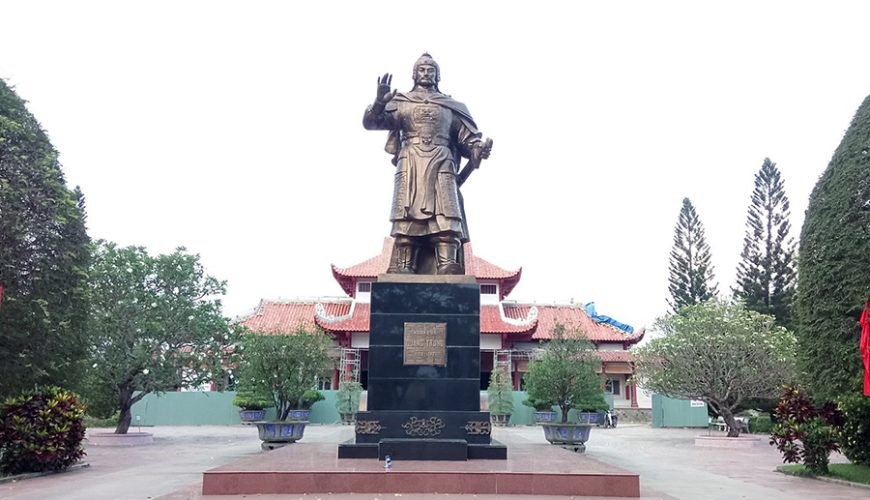
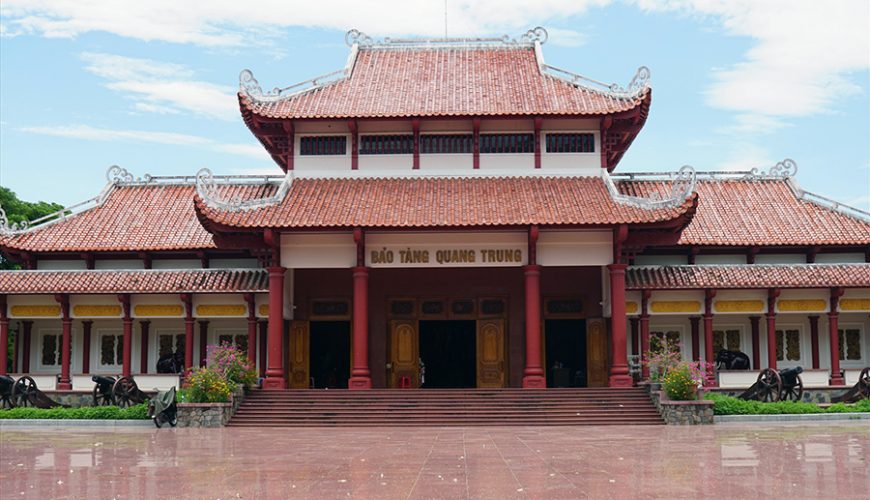
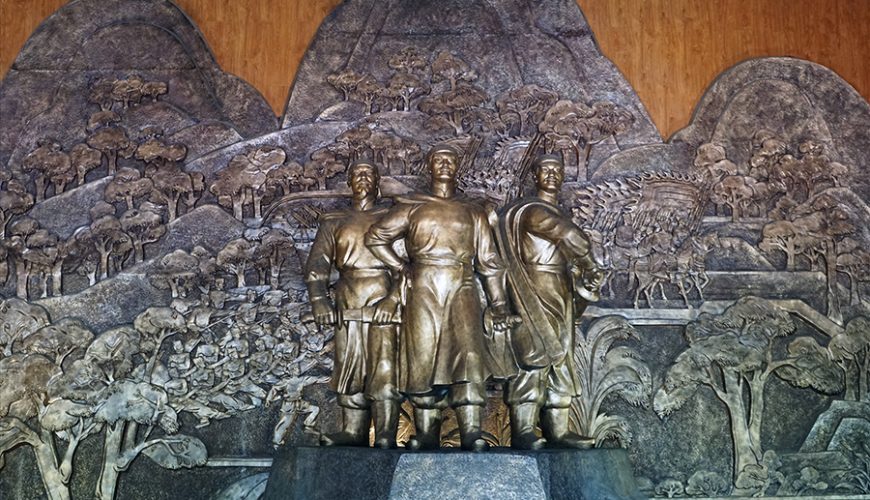
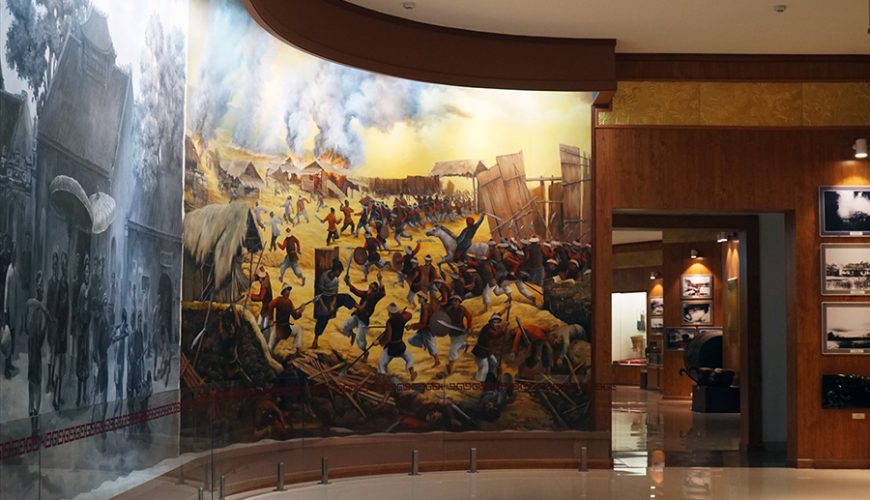
The Quang Trung Museum is one of the typical historical and cultural relics of Gia Lai province, preserving many valuable documents and artifacts related to the life and career of the national hero, Emperor Quang Trung – Nguyen Hue, and the glorious Tay Son uprising. The Quang Trung Museum is an attractive destination for researchers and tourists from both inside and outside the country when visiting the South Central region, and is one of the museums that attracts the most tourists and history learners in Vietnam.
Overview Quang Trung Museum
Located in Tay Son Commune, the Quang Trung Museum was built in the homeland of the three Tay Son brothers: Nguyen Nhac, Nguyen Hue, and Nguyen Lu, national heroes who left a deep mark on the history of resistance against foreign invaders and on national unification at the end of the 18th century. This is not only a place that preserves thousands of valuable artifacts and documents, but also a center for educating about patriotic traditions, helping today’s generations better understand a glorious period in the nation’s history.
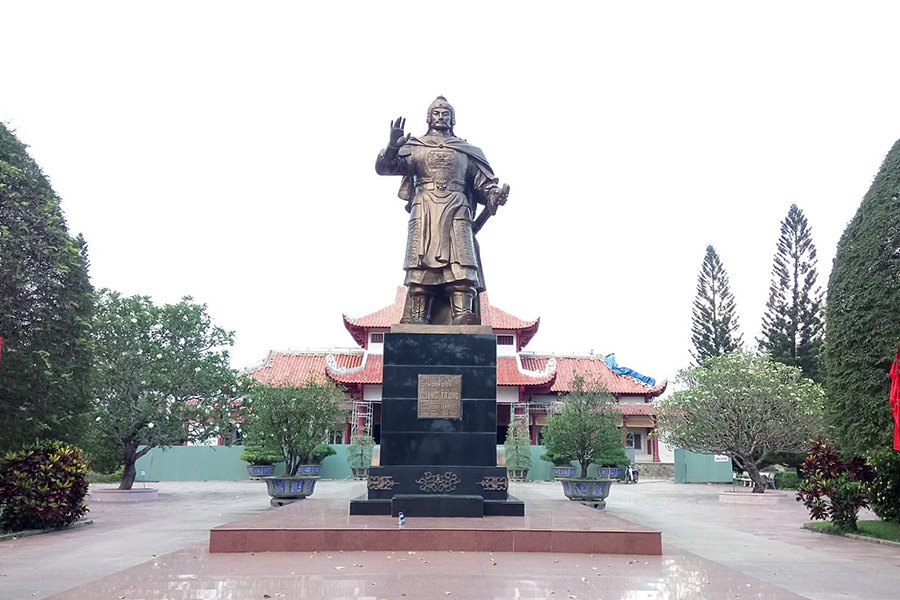
The Quang Trung Museum began construction in 1978 and was inaugurated in 1979, coinciding with the 200th anniversary of the Ngoc Hoi – Dong Da victory (Hanoi).
The Quang Trung Museum grounds cover more than 150,000 square meters, featuring a blend of classical and modern architecture, harmonious natural landscapes, and abundant greenery. It is also the largest museum dedicated to a historical figure currently in existence and was designated a National Monument in 1979.
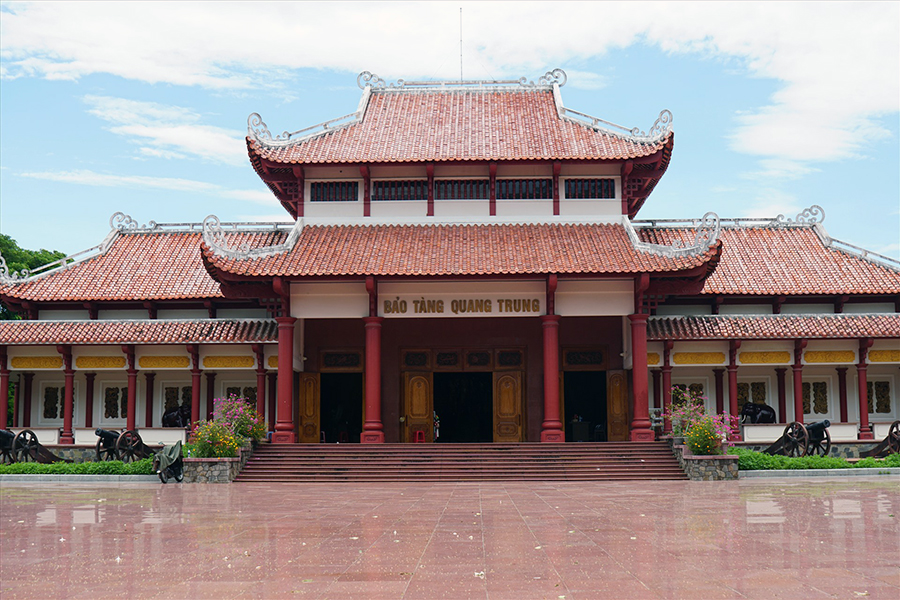
Every year, the Quang Trung Museum welcomes hundreds of thousands of domestic and international visitors who come to tour, research, and learn about history. With its blend of modern exhibition spaces, original historical relics, and martial arts and Tây Sơn battle drum performances, this place has become a quintessential cultural and historical destination in Central Vietnam.
Exploring the Quang Trung Museum
The Quang Trung Museum is a cultural space encompassing: the museum area, the shrine of the Tay Son Tam Kiet (Tay Son Three Heroes), the statue of Emperor Quang Trung, the Tay Son martial arts performance hall, and the traditional Rong house showcasing the culture of the ethnic groups of the Central Highlands…
Museum and Exhibition Area
Within the museum area is the Tay Son Martial Arts Performance Hall, covering 268 m², where the martial arts troupe performs programs such as battle drums, Tay Son traditional martial arts, and folk art of the Central Highlands from some ethnic minorities who participated in the Tay Son Movement; the Central Highlands Cultural Communal House: displaying documents and artifacts about the culture of the ethnic groups of the Central Highlands, the forces that participated in the Tay Son Movement during the period of national unity.
The exhibition area, covering 1,800 m², contains 11,605 original artifacts and hundreds of restored artifacts related to the Tay Son Dynasty. The diverse artifacts include the elephant-skin drum of the Central Highlands people who participated in the Tay Son uprising, seals, imperial decrees, genealogies of many civil and military officials, bronze bells, cannons, weapons, copper coins of Thai Duc, Quang Trung, Canh Thinh, and the tombstone of the Tay Son family.
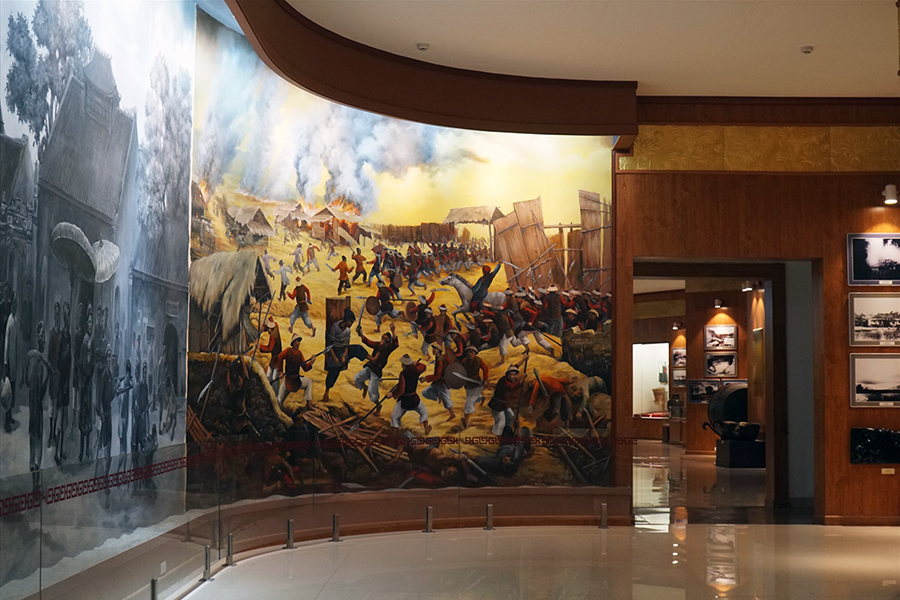
Following this are ten enclosed exhibition rooms according to the content of the historical development process of the Tay Son uprising movement; the historical context of Vietnam at the end of the 18th century; the homeland and family of the Nguyen brothers; overthrowing the Nguyen lords; the naval battle of Rach Gam – Xoai Mut, displaying artifacts from the counterattack against Siam; and the great victory over the Qing army; The Quang Trung Dynasty…
The Temple of the Three Heroes of Tay Son
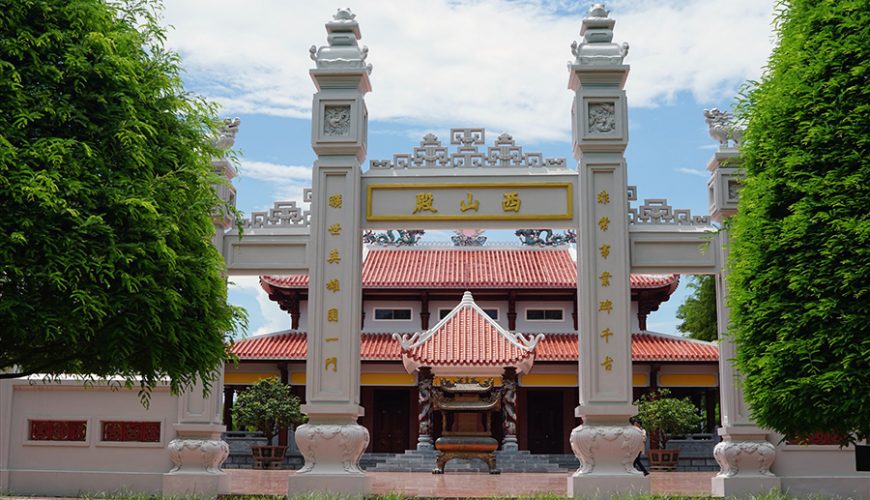
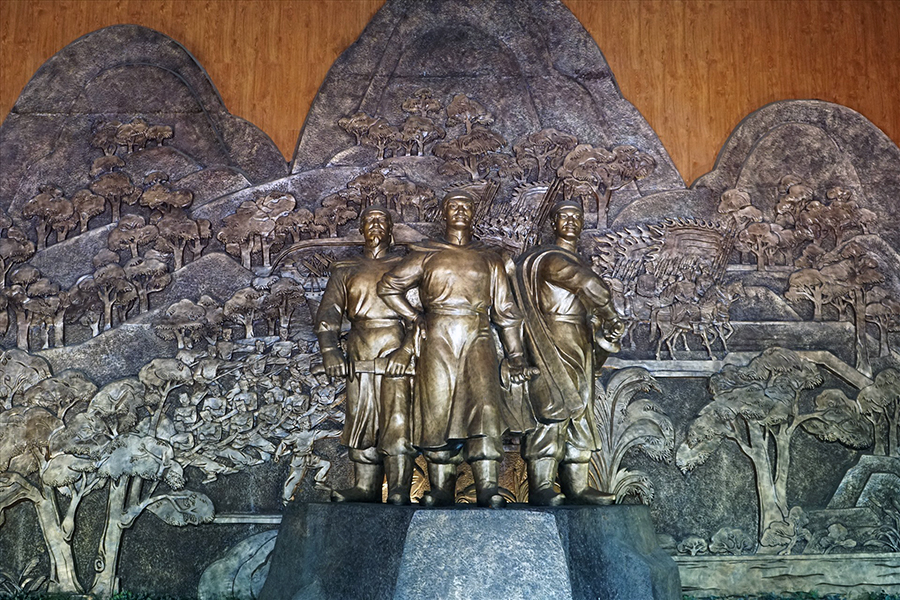
Tay Son Tam Kiet Temple, dedicated to the Tay Son brothers and their civil and military officials, was built on the very house where the three heroes lived. This is where the three Tay Son brothers were born, grew up, and became outstanding leaders of the Tay Son movement.
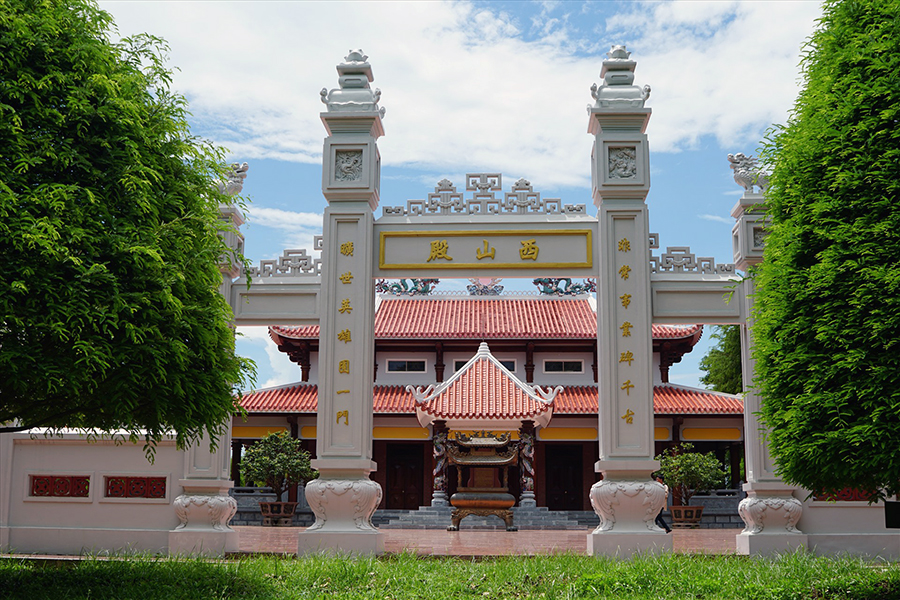
The main temple has three chambers; the central one is dedicated to Nguyen Hue. The right side is dedicated to Nguyen Nhac, and the left side to Nguyen Lu. The left and right sides of the temple are dedicated to the civil and military officials, as well as the ancestors of the Tay Son family. All have altars and are decorated in the style of the Central Vietnamese imperial court, with gong and drum stands at both ends for ceremonial purposes.
Other Relics
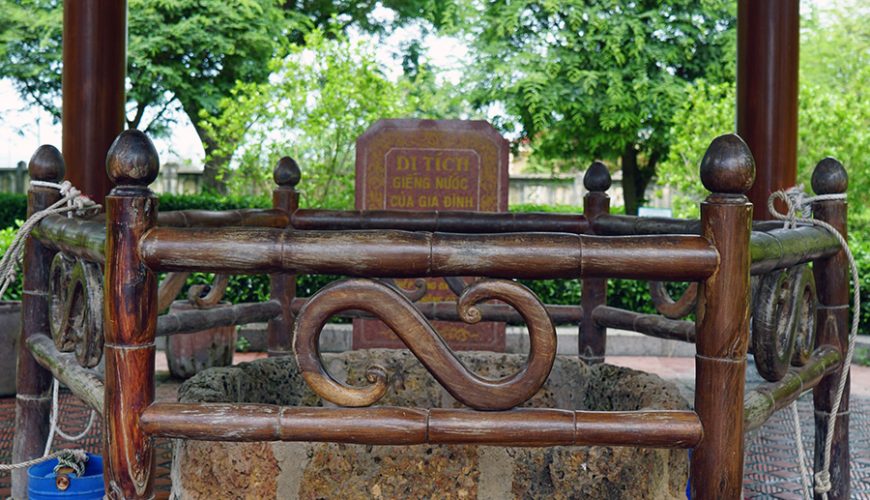
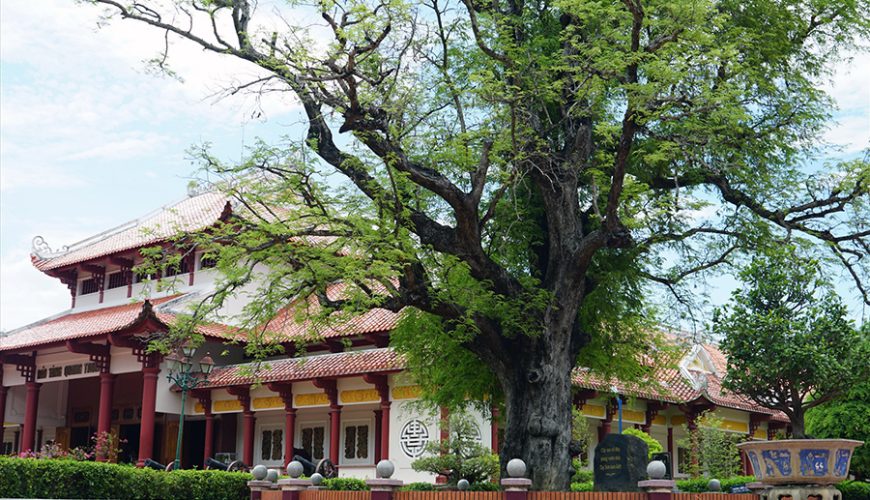
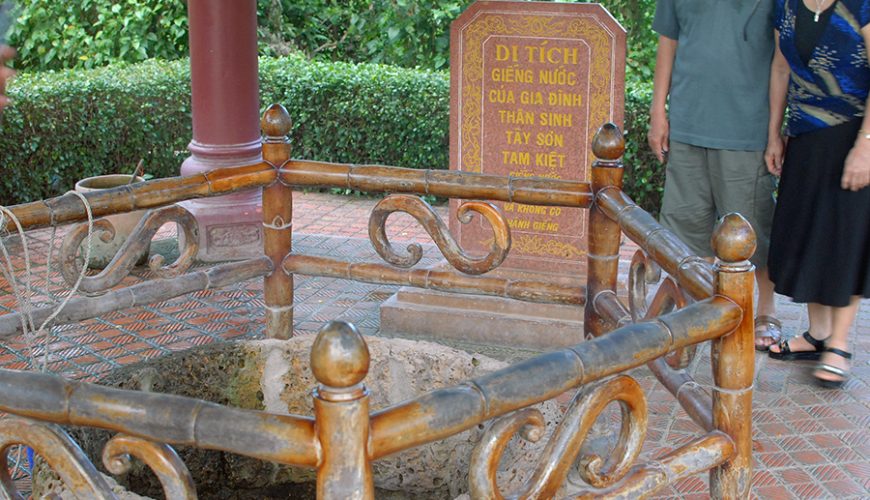
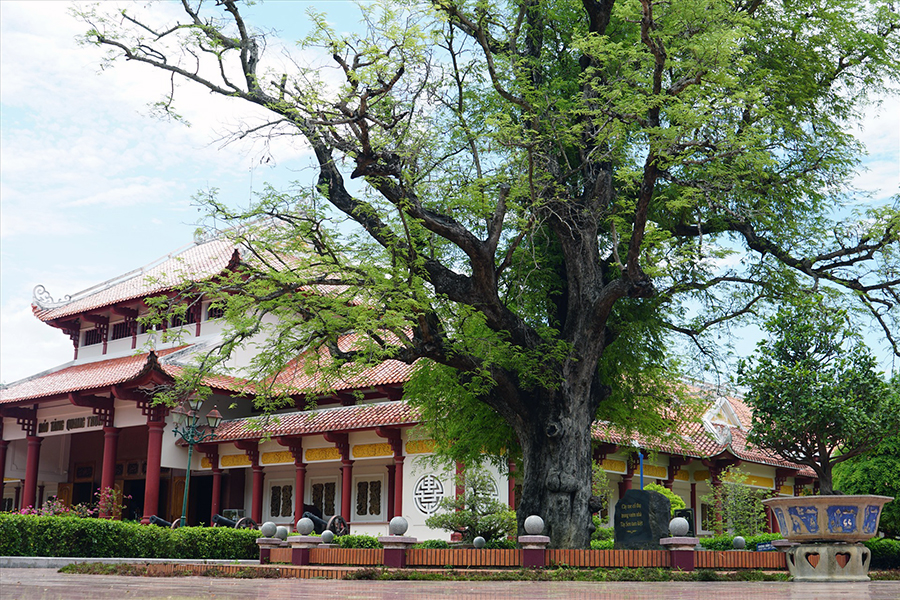
Currently, in the old garden of the Tay Son brothers’ family, two extremely valuable relics remain: a tamarind tree and an ancient well of the Nguyen Tay Son clan.
The tamarind tree, located to the left of the Tay Son Palace, is over 300 years old. Its lush branches and leaves provide shade to a corner of the garden, and its trunk circumference reaches 3.5 meters. Besides its age and aesthetic value, the tamarind tree holds special cultural and historical significance, symbolizing the enduring Tay Son Movement. On November 28, 2011, the tree was recognized as a Vietnamese Heritage Tree, designated for special preservation.
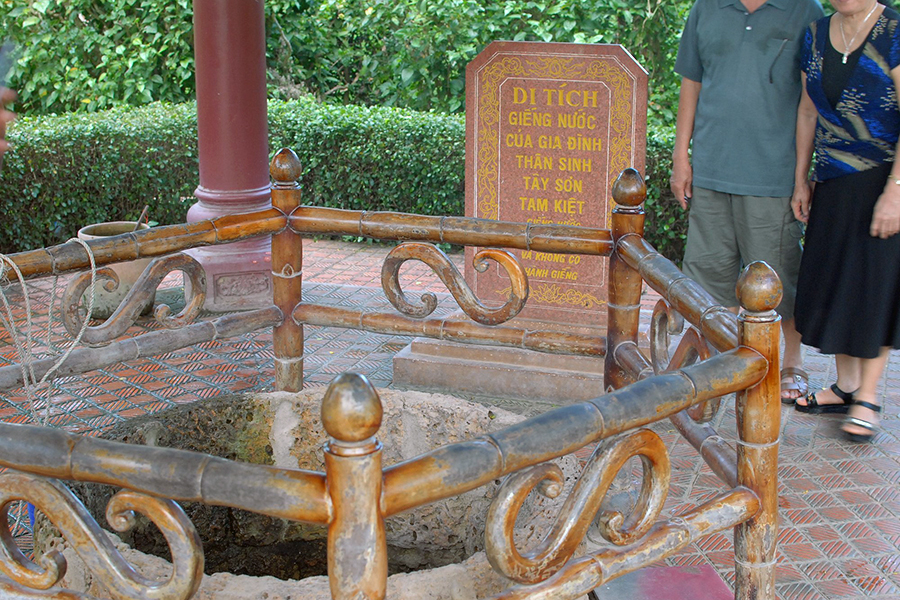
To the right of the Tay Son Palace is the historical well, constructed of laterite stone, with a diameter of 0.9 meters and a wall height of 0.8 meters. This was the well of the Nguyen Tay Son family. In 1998, a hexagonal pavilion with a roof, measuring 3.45 meters on each side, was built over the well. The concrete roof is covered with scale tiles, and the well’s walls are protected by a stylized hexagonal wooden frame resembling bamboo joints.
Additionally, the road leading to the Quang Trung Museum, at the confluence of the Phu Phong (or Kut) and Con rivers, passes the historical Truong Trau wharf.
As one of Vietnam’s most visited historical museums, it attracts tourists and researchers interested in the Tây Sơn period. Annual events include festivals commemorating victories Ngoc Hoi – Dong Da (January 5th of the lunar calendar), and the Emperor Quang Trung Commemoration Day, drawing thousands of visitors.
Useful information about Quang Trung Museum
- Location: Tay Son Commune, Gia Lai Province.
- Opening hours: 7:00 – 11:30; 13:30 – 17:00, daily.
- Entrance fee: 50.000 VND for foreign adults; free for children under 6 years old.
- Ticket for Martial Arts Performance: 400,000 VND/performance (groups of fewer than 20 people); 20,000 VND/person (individual customers).
- Tourist spots nearby:
Source: collected by An
Follow us for the best deals on Vietnam package tours and visa services!
Comment (0)