
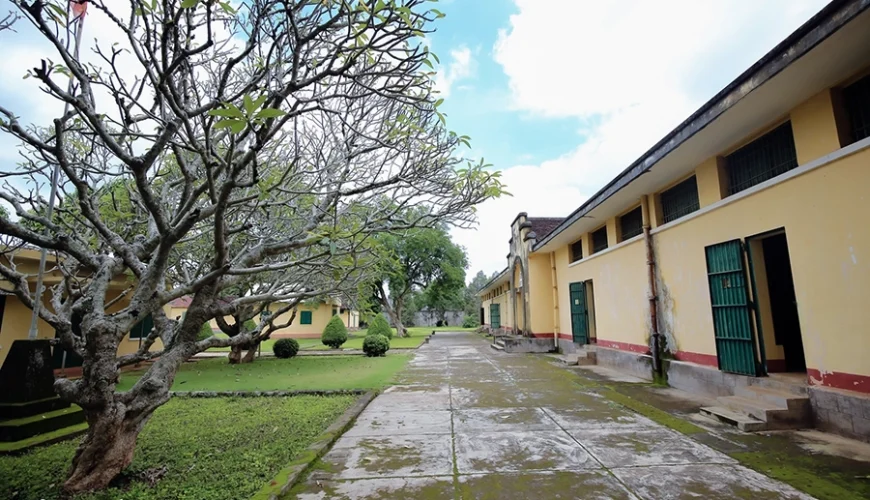
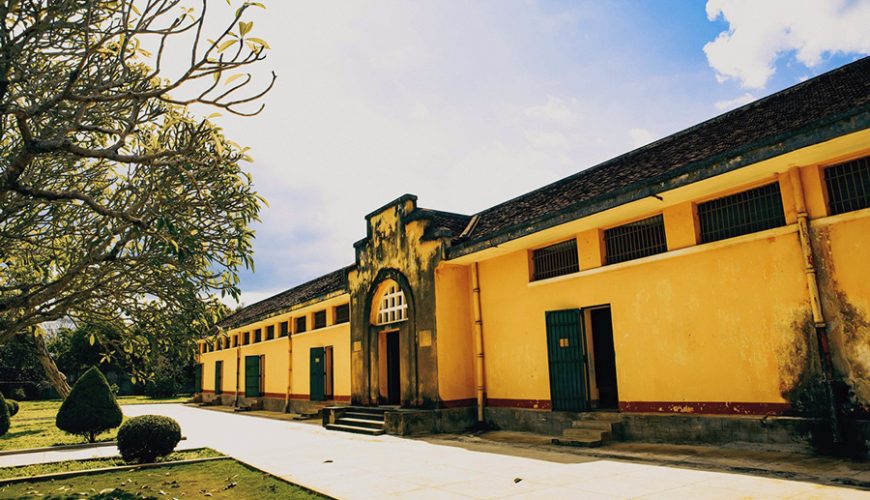
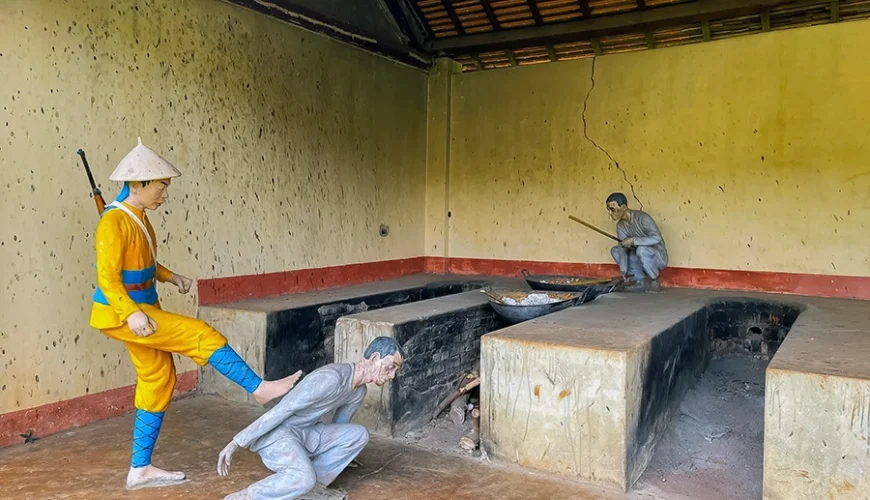
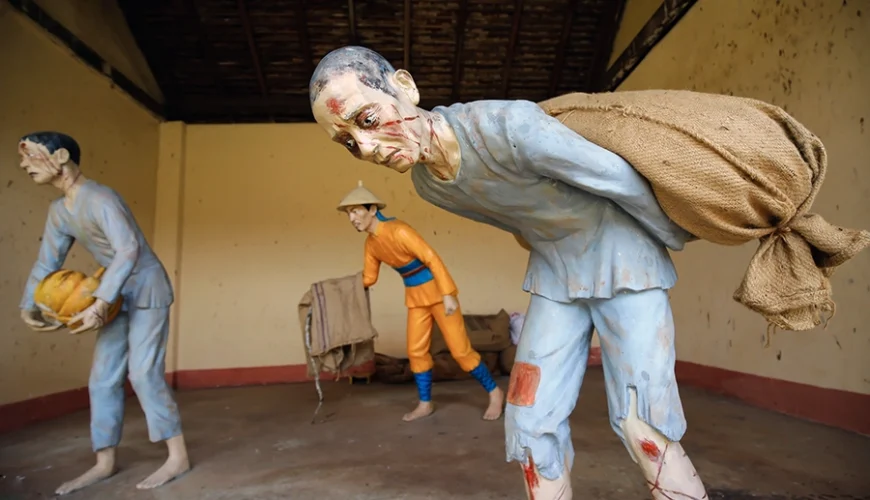
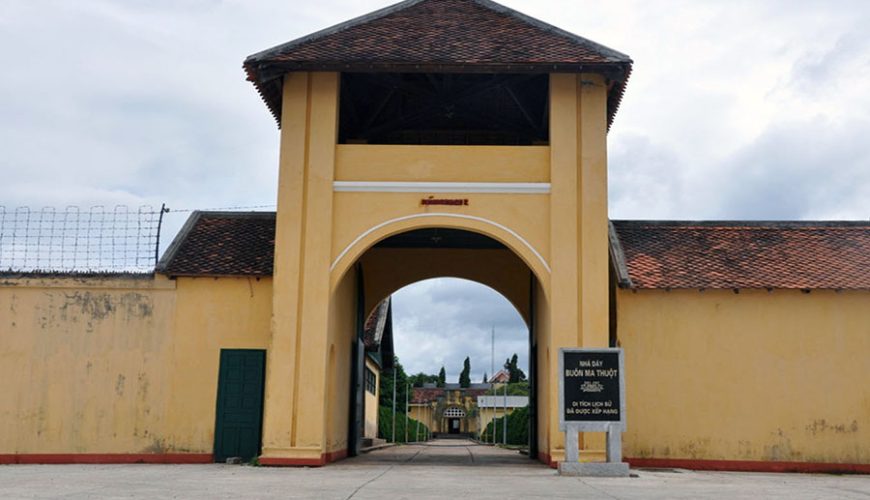
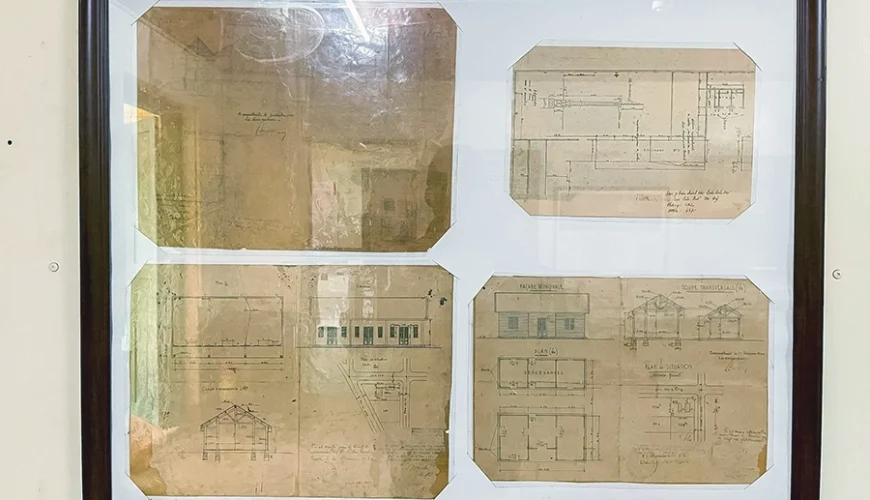
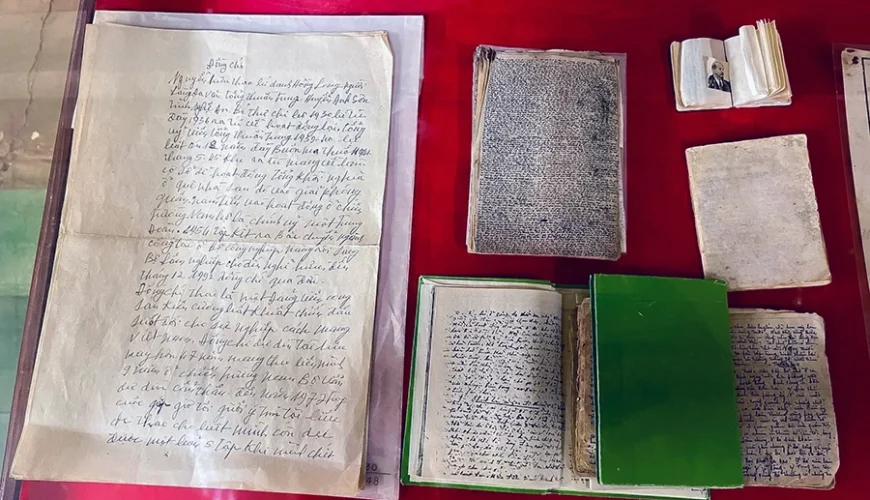
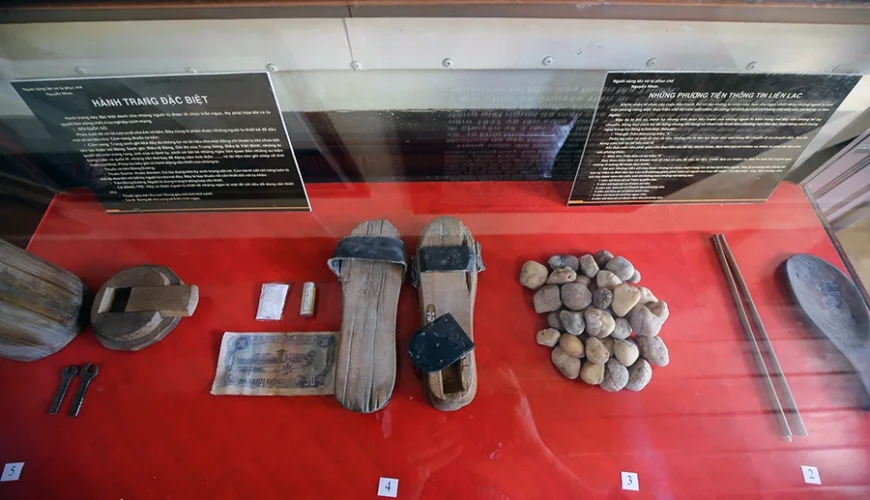
Buon Ma Thuot Prison is one of the most significant historical relics of the Central Highlands, marking the years of tenacious struggle by Vietnamese revolutionary fighters during the French colonial period. Today, the site still preserves many original architectural elements and artifacts, realistically recreating the harsh life in prison. It is not only a significant historical site but also a key location contributing to the education of patriotic traditions for future generations.
Overview of Buon Ma Thuot Prison
After establishing their rule in the Central Highlands, the French colonialists realized that Buon Ma Thuot was geographically isolated, far from major economic and political centers. The harsh natural conditions and limited transportation system made it an ideal place to exile patriots considered “dangerous.”
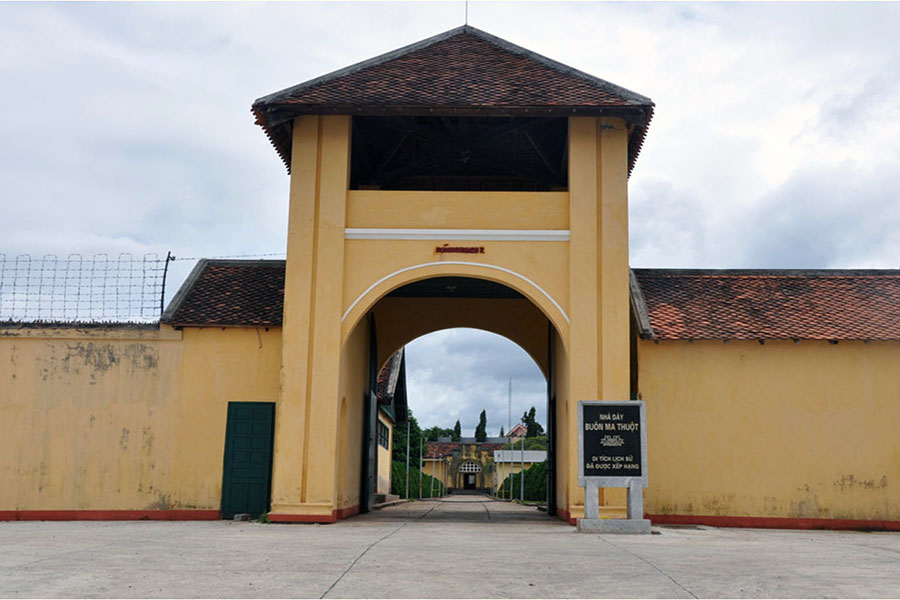
In 1930, the French colonialists built Buon Ma Thuot Prison to serve the purpose of imprisoning Vietnamese revolutionary fighters from many localities across the country. The name Buon Ma Thuot Prison originates partly from the name given by the French colonialists: Penitencier de Ban Me Thuot, and partly from the nature and type of prisons used by the French colonialists.
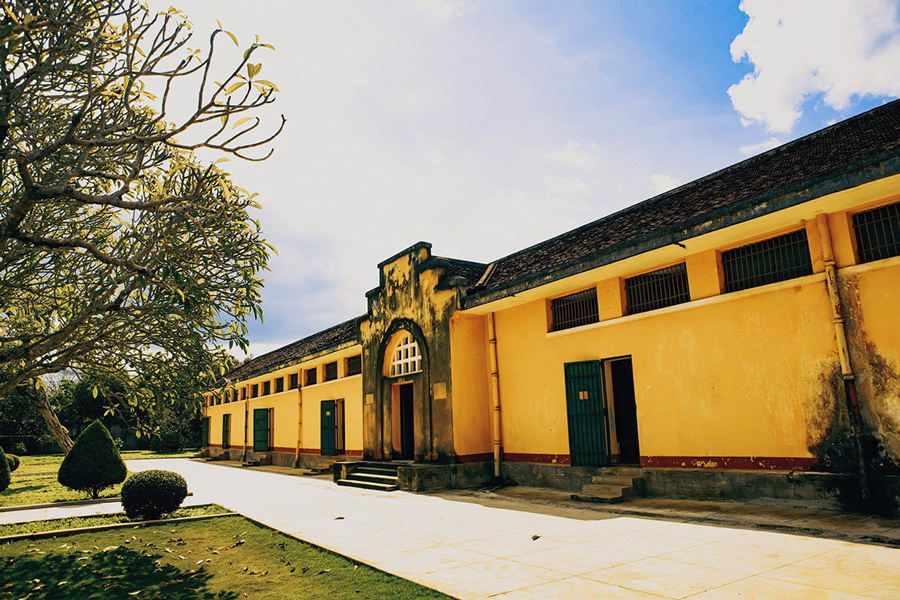
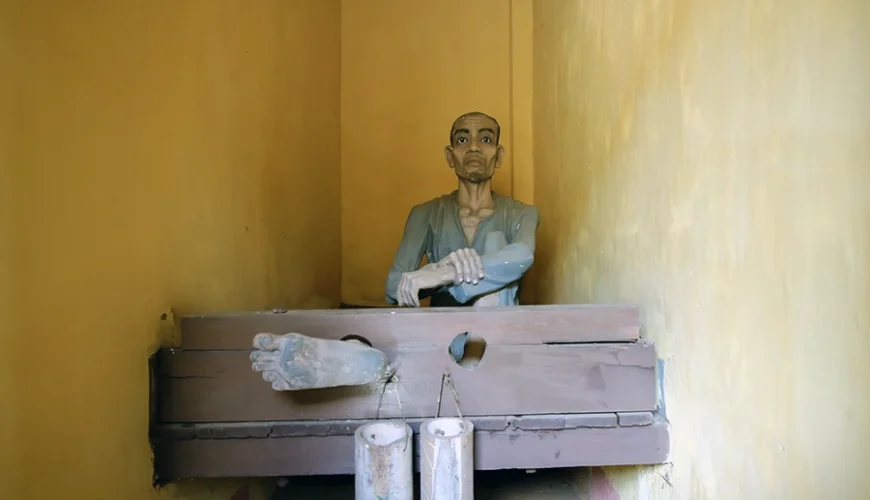
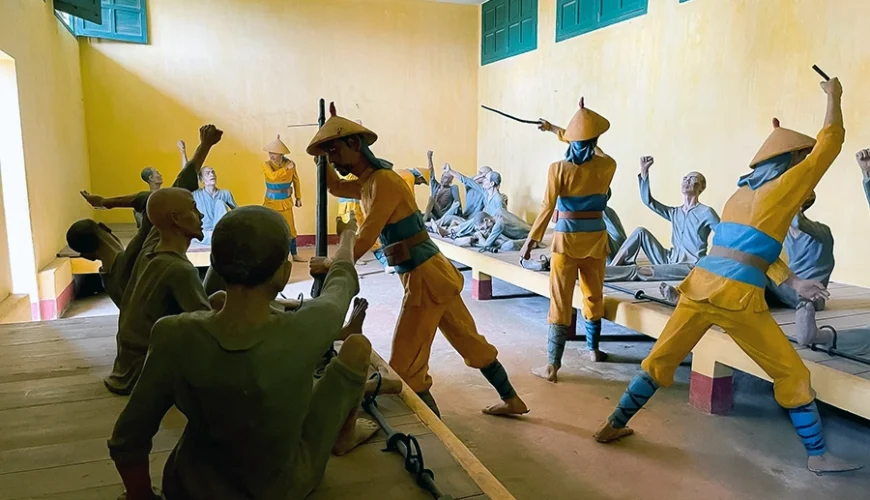
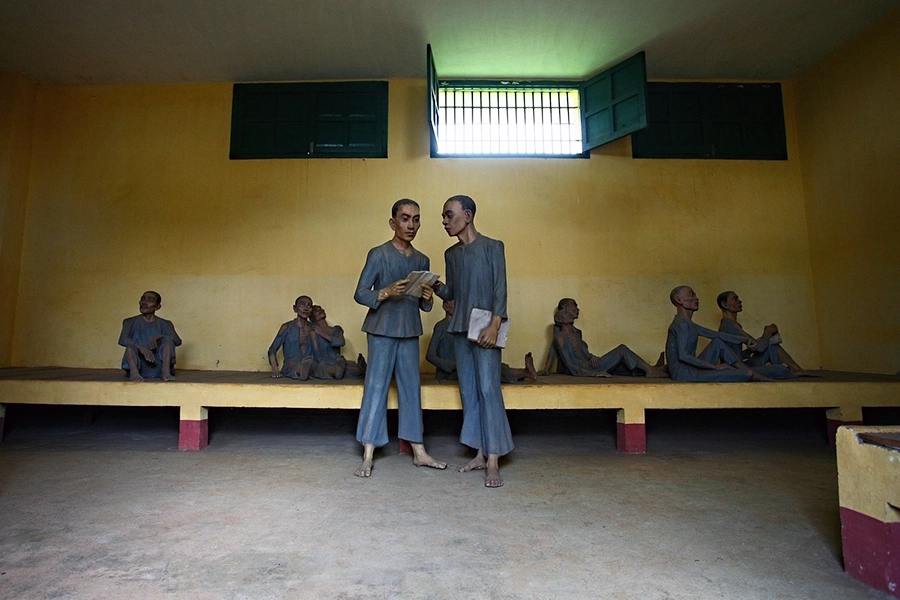
Throughout its operation, the prison held many revolutionary cadres, party members, and participants in the anti-colonial struggle. It was once likened to “hell in the mountains” due to the extremely harsh living conditions and the brutal torture methods employed by the French colonialists to break the prisoners’ spirits.
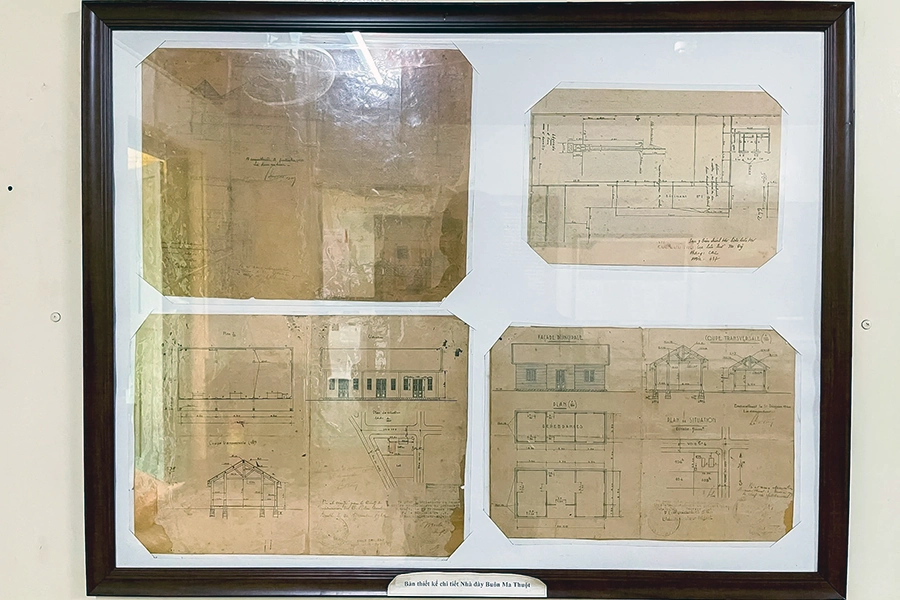
From 1954 to 1975, the US imperialists reused and built a wall separating the two houses, with one side a correctional center and the other a military depot. At the same time, open two new gates on the west side of the exile house, build a Quoc Thai Dan An house, a chapel, a solitary confinement room, and a women’s prison…
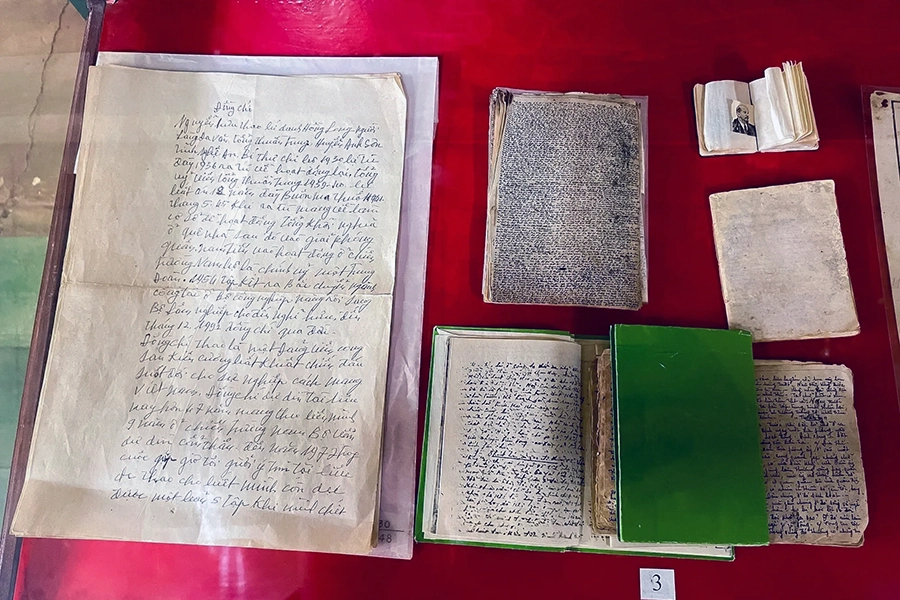
On July 10, 1980, the prison was recognized as a national historical site by the Ministry of Culture and Information. In December 2018, the Prime Minister approved the classification of Buon Ma Thuot Prison as a special national historical site. Currently, Buon Ma Thuot Prison is open to the public, serving the needs of locals and tourists for sightseeing and learning.
The architecture of Buon Ma Thuot Prison
Buon Ma Thuot Prison was built on a plot of land nearly 2 hectares in size, following the model of a closed prison and aiming to completely isolate political prisoners from the outside world. The entire structure was designed in a U-shape, surrounded by four sturdy brick walls approximately 4 meters high, topped with multiple layers of barbed wire. Guard posts were positioned at each corner, allowing guards to observe the entire interior and monitor prisoner activity.
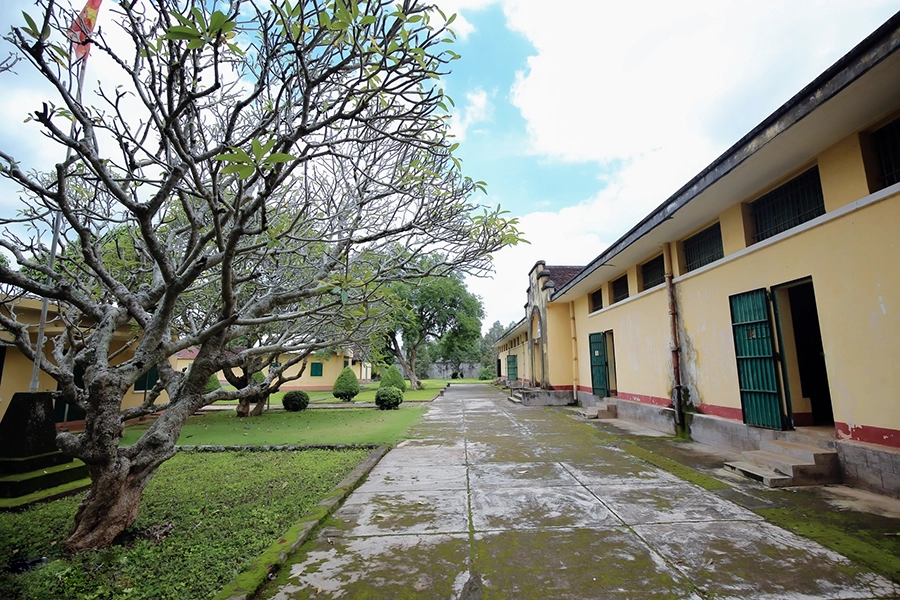
Inside the compound were six rows of prison cells, a solitary confinement cell area, an administrative building, a kitchen, a warehouse, and a central courtyard for roll call or prisoner assembly.
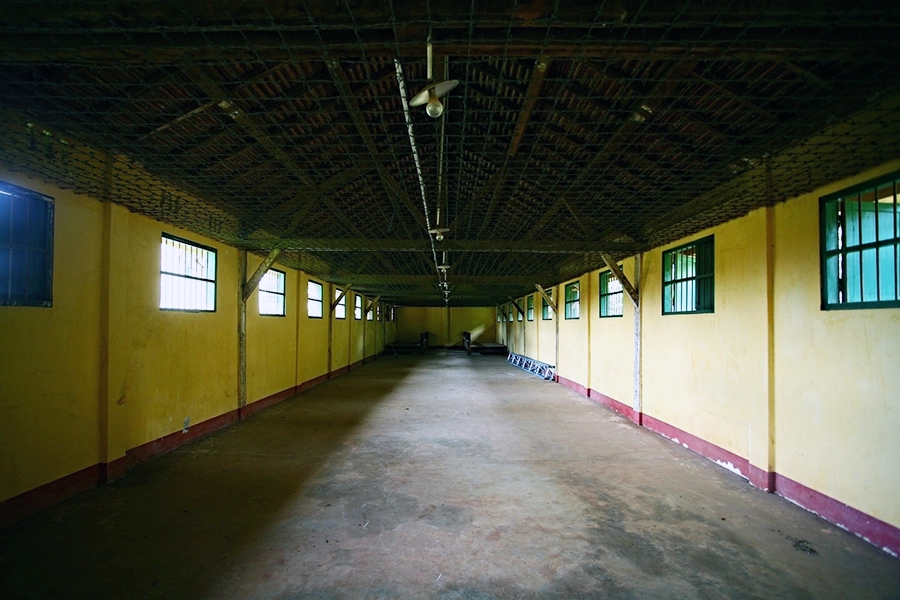
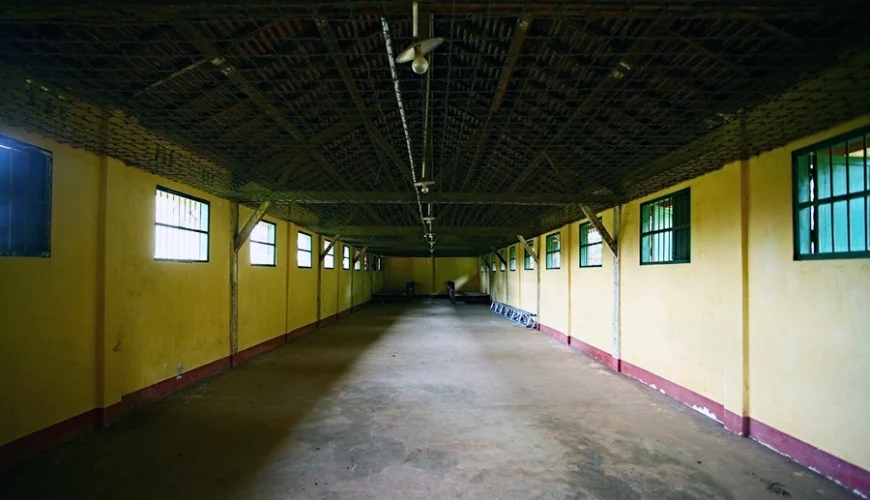
These facilities were arranged in a continuous, enclosed space, facilitating management while minimizing escape attempts. The prison cells were constructed with thick brick walls, tiled roofs, cement floors, and sturdy iron doors with small openings, only large enough to deliver food or to observe the inside.
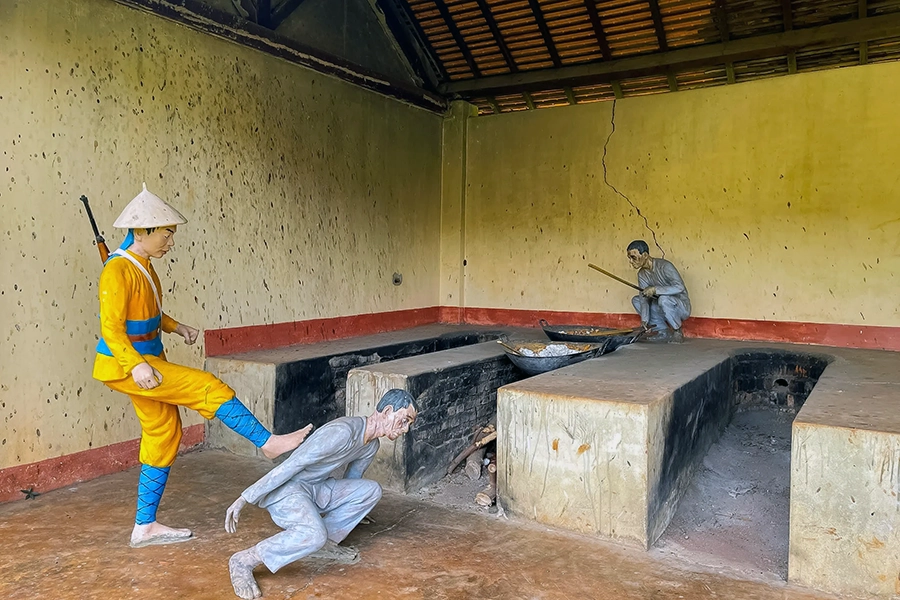
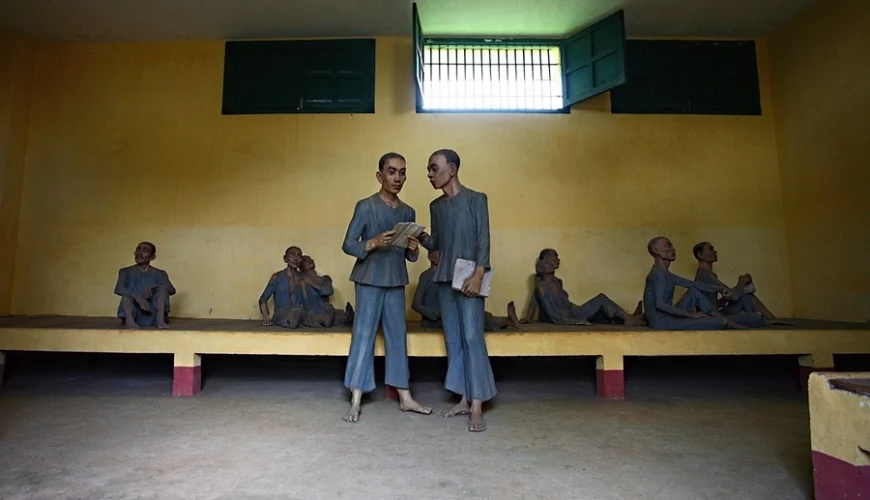
The interior space of the cells was extremely cramped and stuffy. The windows were small and positioned high, hindering light and air circulation. Each cell had only a bare cement floor, where prisoners had to sleep close together in conditions lacking blankets, running water, and sanitation. In particular, the solitary confinement cells were built in a dark, enclosed space with only a small ventilation opening, where prisoners considered “dangerous” or involved in prison struggles were held.
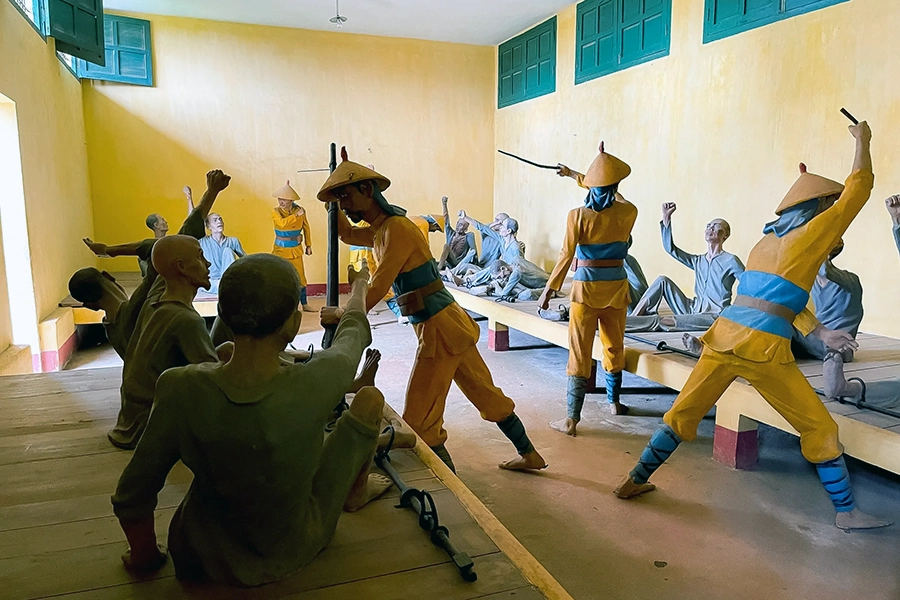
A unique aspect of Buon Ma Thuot Prison is that many of its structures were built with the forced labor of the prisoners themselves. After completion, they were immediately imprisoned in the very structures they had built. This clearly reflects the harsh exploitation and repression policies of the French colonial government against patriots.
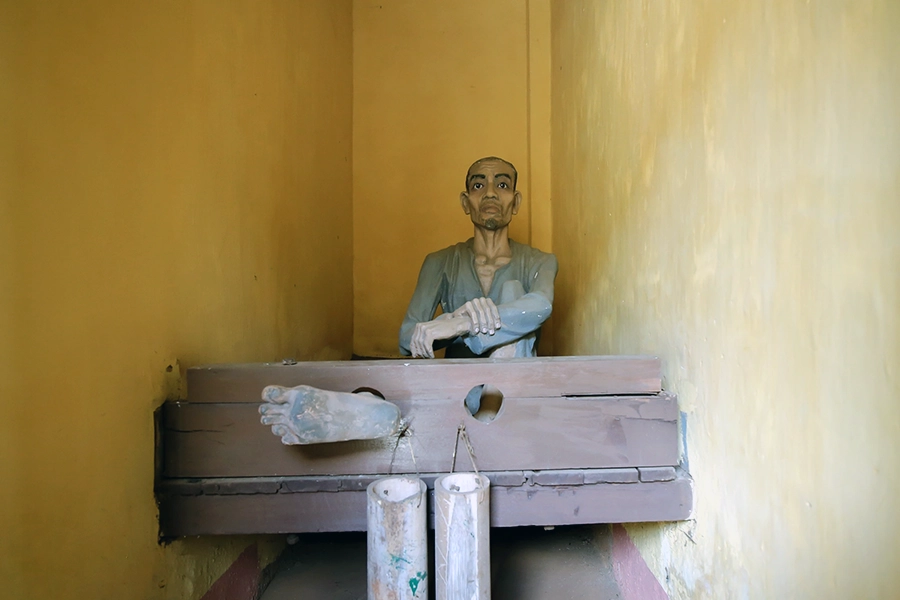
After nearly a century and numerous renovations, Buon Ma Thuot Prison has preserved much of its original architecture. The rows of cells, solitary confinement areas, guard posts, perimeter walls, and many artifacts, such as wooden and iron shackles, chains, and prisoners’ daily necessities, are still preserved. These relics not only reflect the construction techniques of colonial-era prisons but also serve as historical witnesses, authentically recreating the arduous lives of thousands of revolutionary fighters who were once imprisoned here.
Buon Ma Thuot Prison
- Address: 27 Pham Hong Thai, Buon Ma Thuot Ward.
- Opening hours: 7:30 AM to 5:00 PM.
- Entrance fee: 20.000 VND/adult; children (over 1.2 m): 10,000 VND; children under 1.2 m: free.
- Tourist spots nearby: Dak Lak Museum, Khai Doan Pagoda, Ako Dhong Village…
Source: collected by An
Follow us for the best deals on Vietnam package tours and visa services!
Comment (0)