
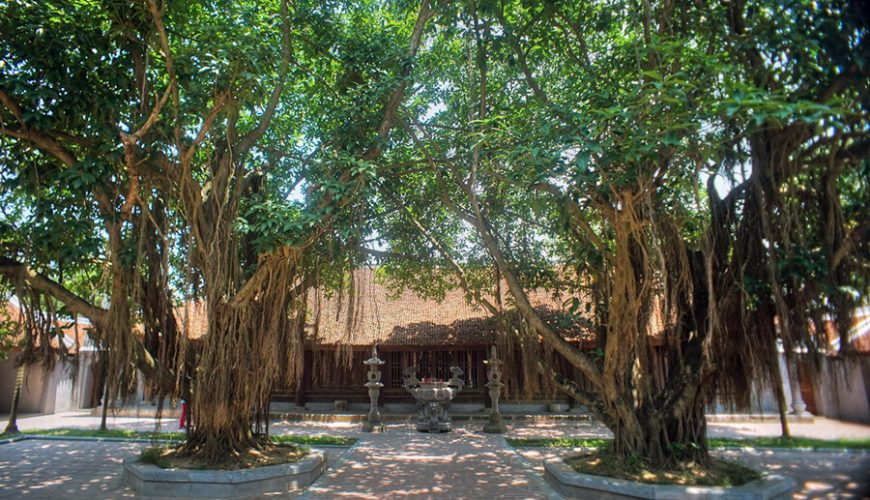
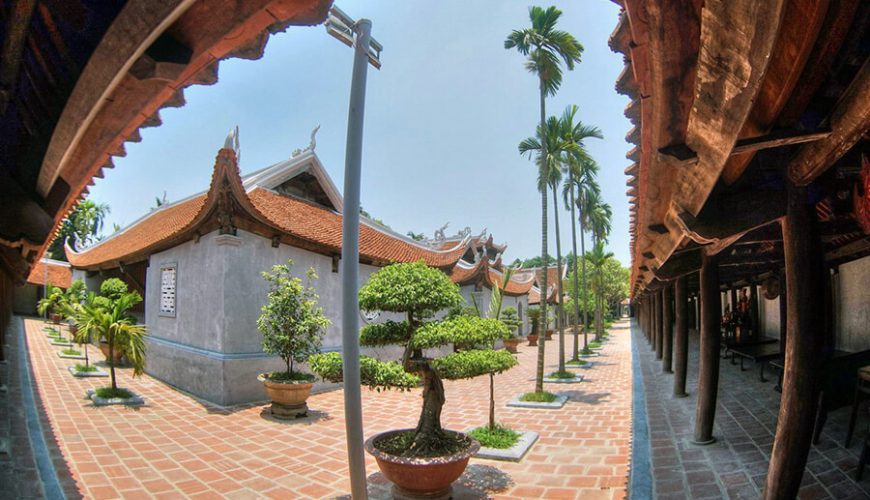
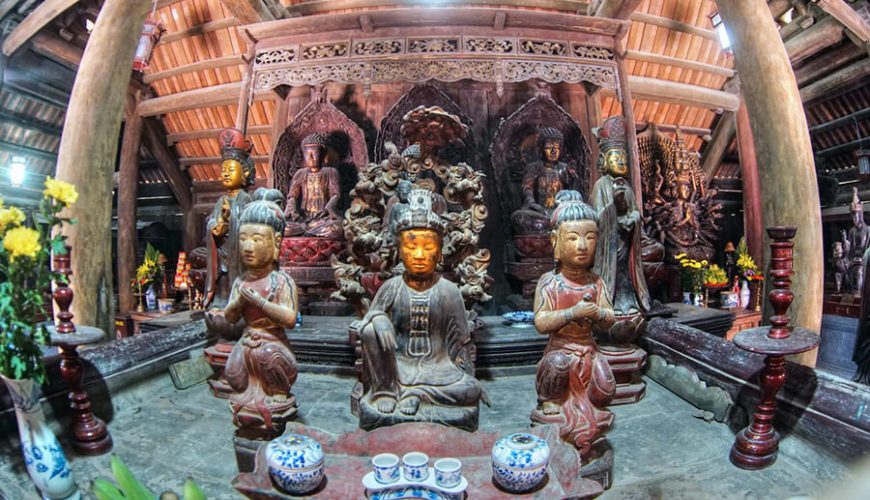
Bac Ninh, a land with a long history and rich cultural traditions. The homeland has many historical and cultural relics, the most prominent of which is But Thap Pagoda.
Legend has it that in 1876, when Emperor Tu Duc passed by the pagoda and saw a giant pen tower, he named it But Thap (Vietnamese: Bút Tháp; Bút means pen; Tháp means tower), and the pagoda has been known as But Thap ever since.
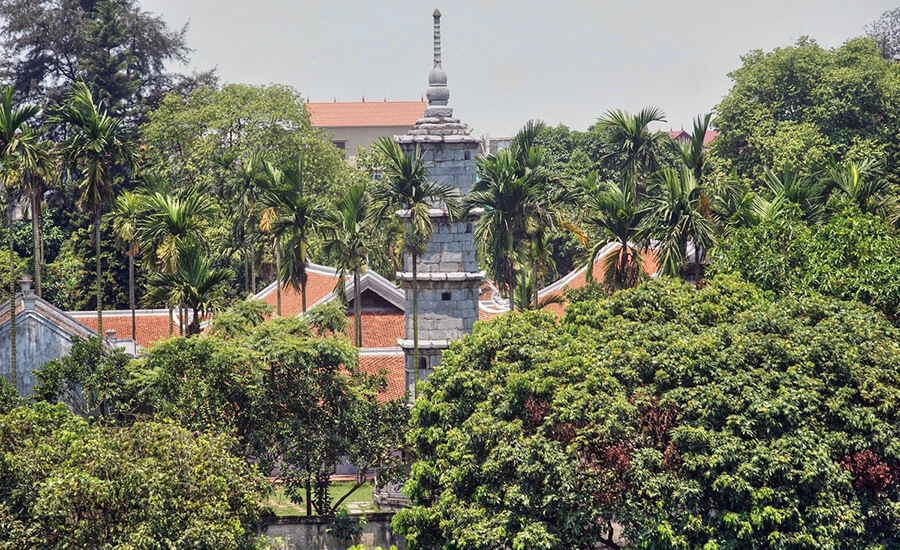
Overview of But Thap pagoda
Located in But Thap village, Tri Qua Ward, Bac Ninh province, But Thap pagoda is one of the ancient pagodas with the most complete architecture remaining in Vietnam. The pagoda is also known by other names such as Nhan Thap, Thieu Lam, and Hoang Cung.
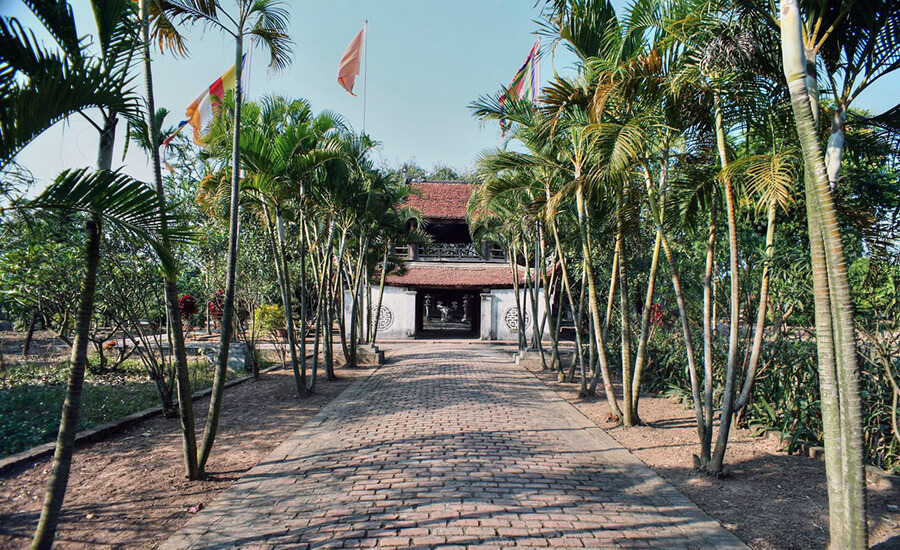
According to history, the But Thap Pagoda dates back to the reign of Emperor Tran Thanh Tong (1258-1278). By the 17th century, the pagoda had become famous with the Chinese abbot Venerable Chuyet Chuyet (1590-1644). In 1644, the Venerable passed away, and his successor was Zen master Minh Hanh.
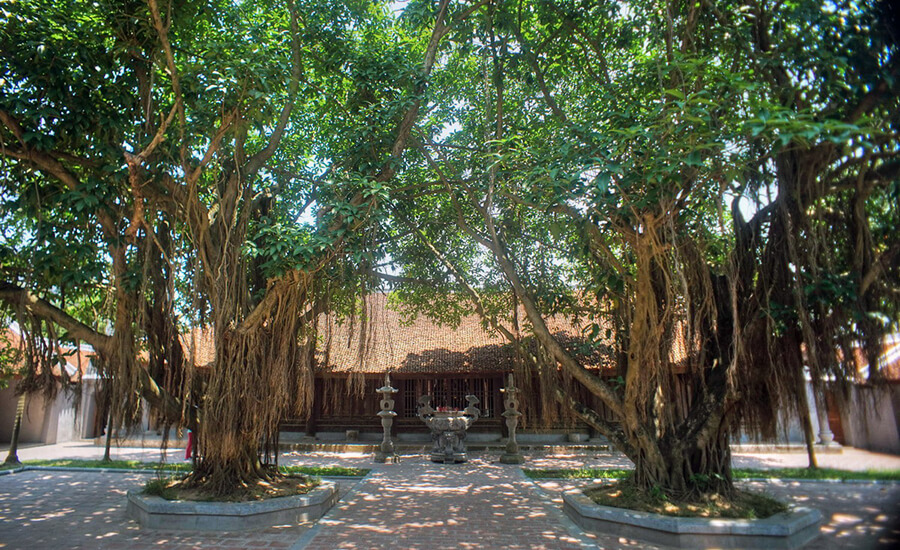
During this time, Queen Mother Trinh Thi Ngoc Truc left the royal palace and came here to practice Buddhism. Seeing that the pagoda was in disrepair, she and her daughter, Princess Le Thi Ngoc Duyen, asked Lord Trinh Trang for permission, then donated money and land to restore it. It was not until 1647 that the pagoda was completed. Basically, the scale and structure of the But Thap Pagoda today were built on those foundations.
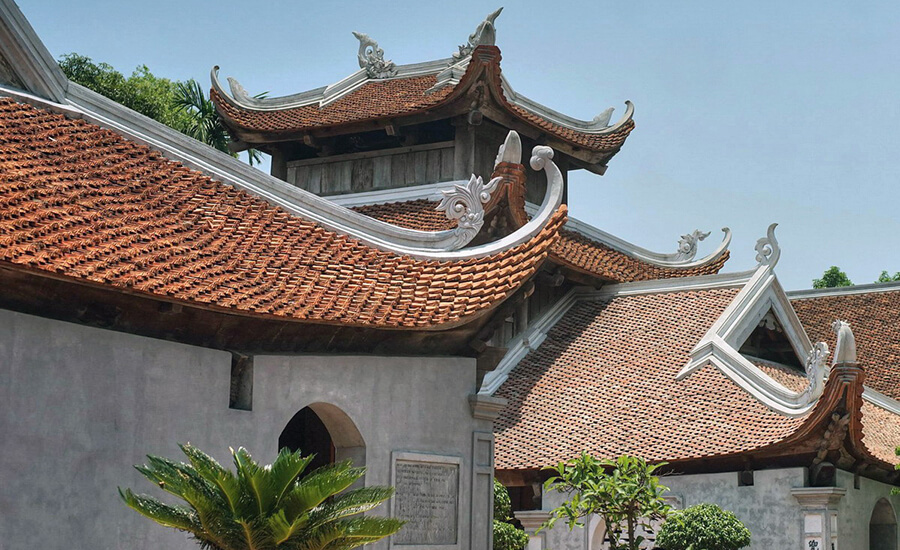
Over the centuries, the pagoda was restored in 1739, 1903, 1915, 1921, and most recently in 1992-1996. The architectural complex of the pagoda still retains many 17th-century relics.
Architecture of the pagoda
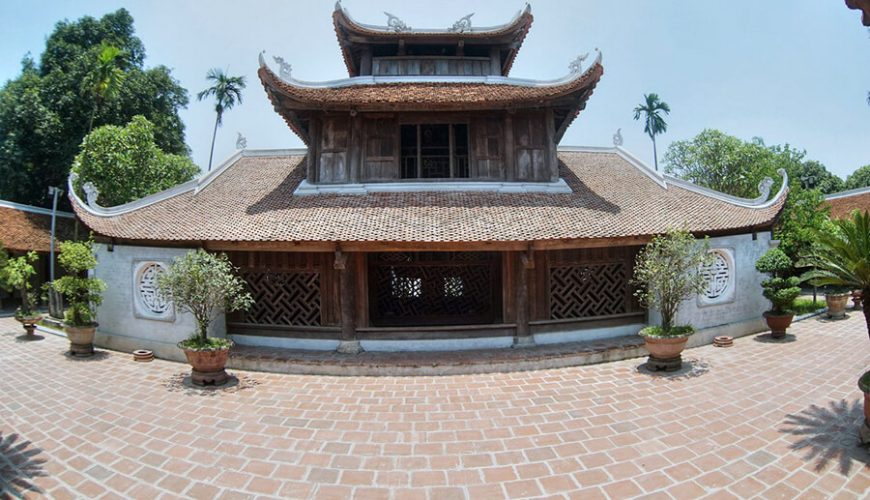
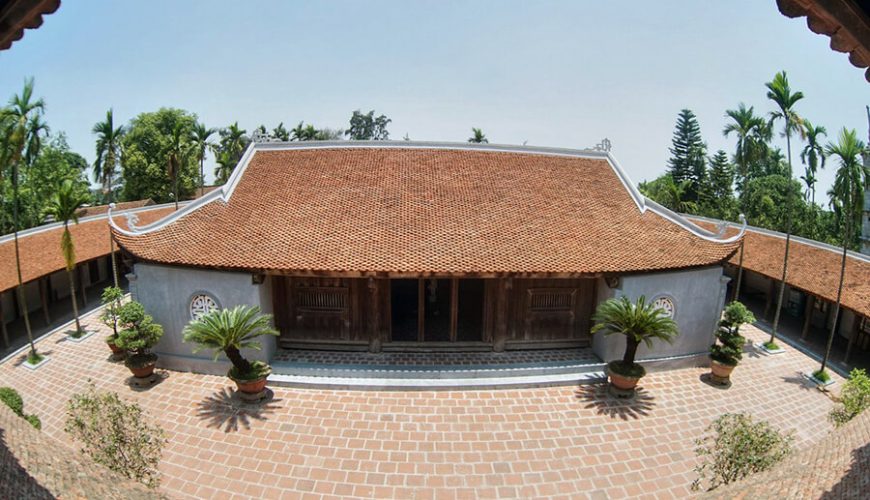
Like many other ancient pagodas in the North, the But Thap Pagoda was built with architectural works arranged symmetrically and tightly in the central area.
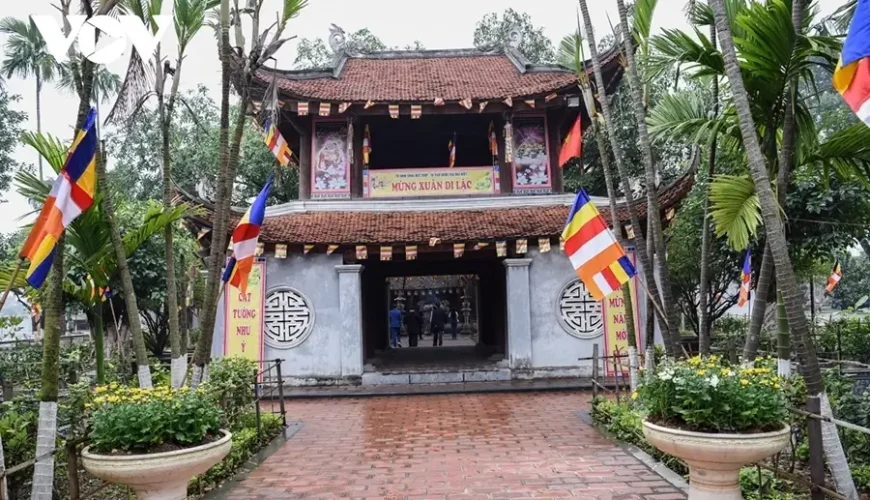
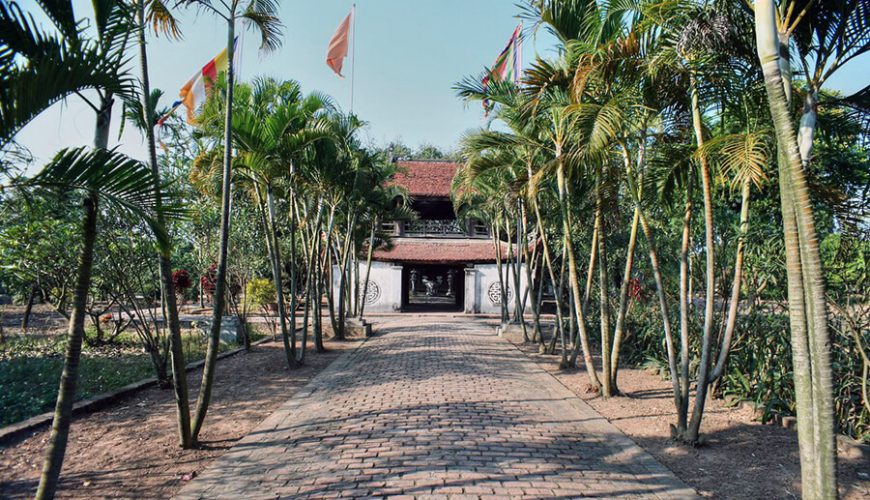
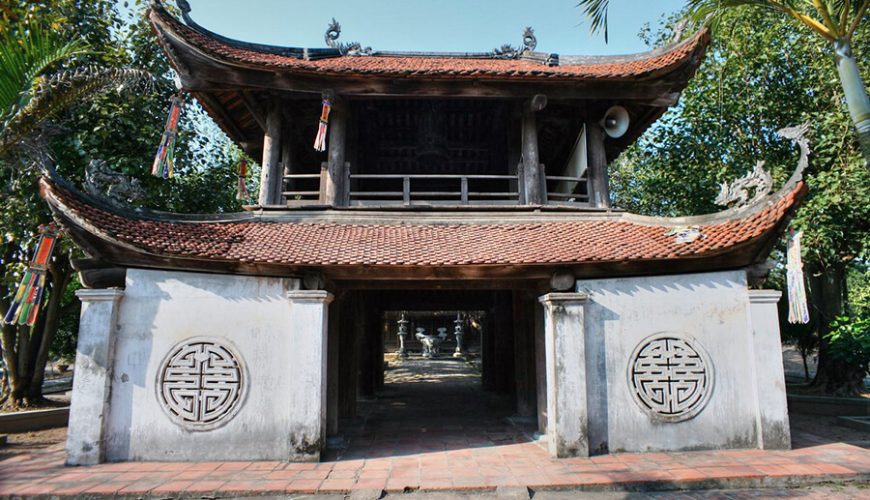
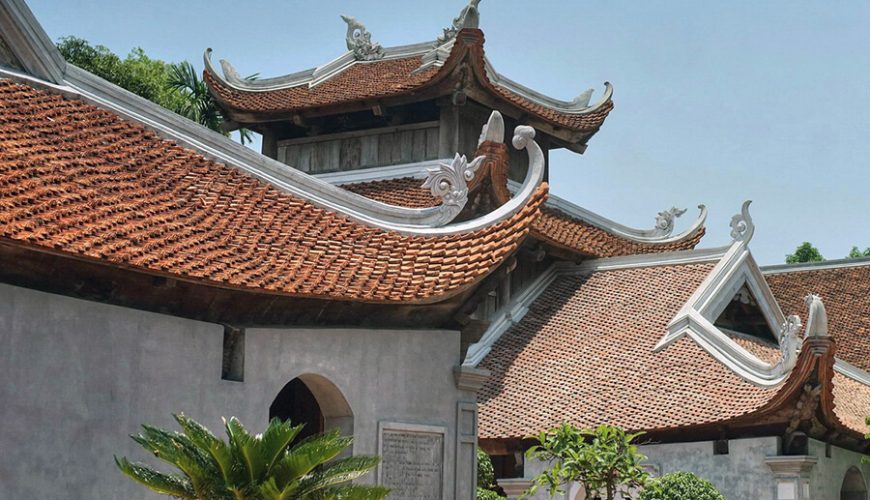
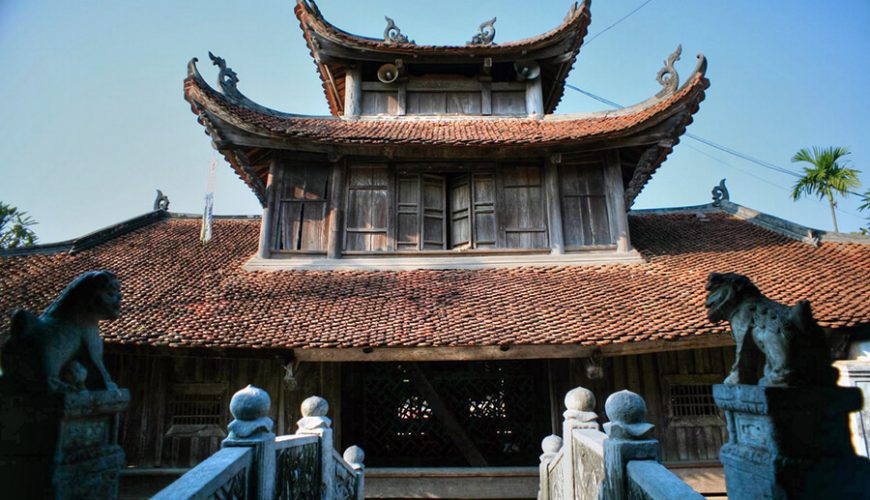
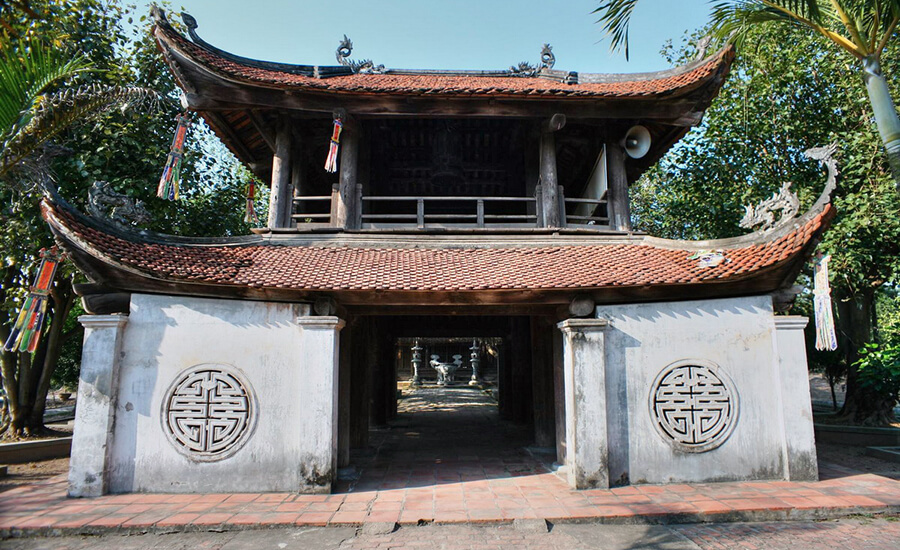
The outermost structure is the three-door gate, with a relatively simple architecture. Next is the 2-story, 8-roofed bell tower.
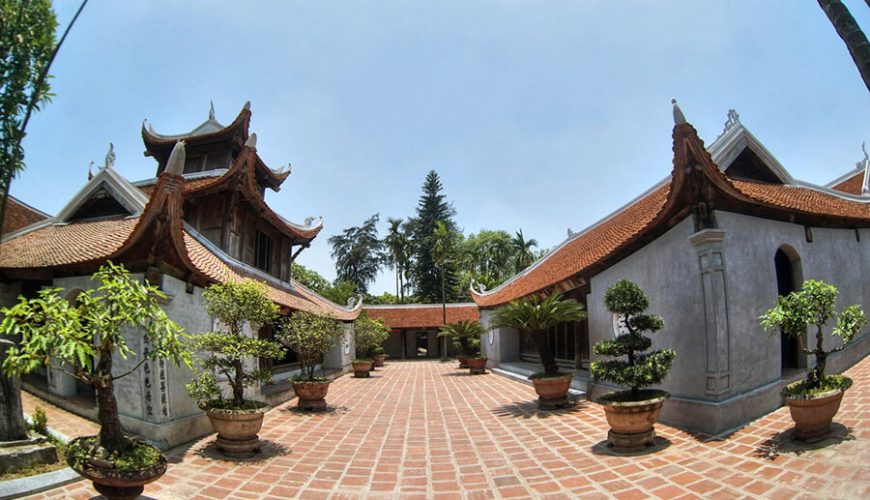
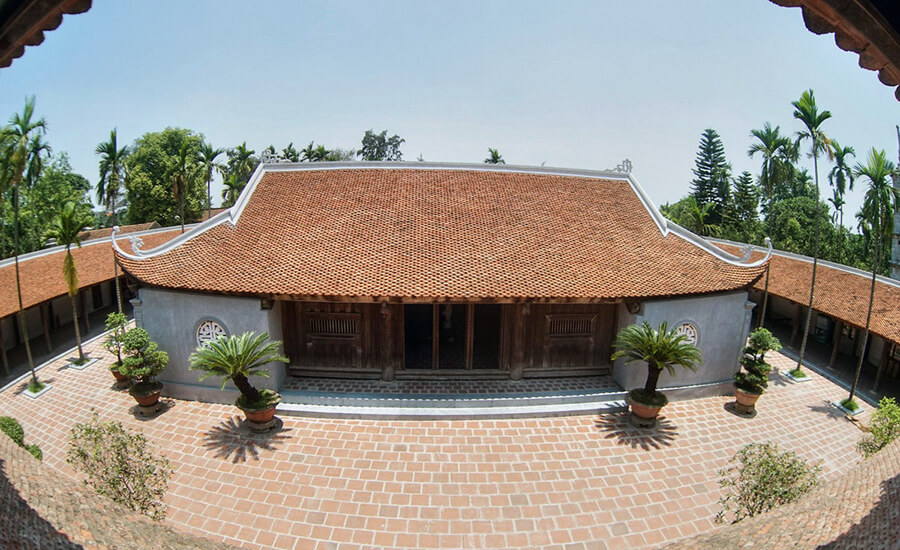
After the bell tower, there are 7 buildings connected together: Tien Duong, Thieu Huong, Thuong Dien, Tich Thien Am, Trung House, Phu Tho, and Hau Duong, with a total length of more than 100 meters.
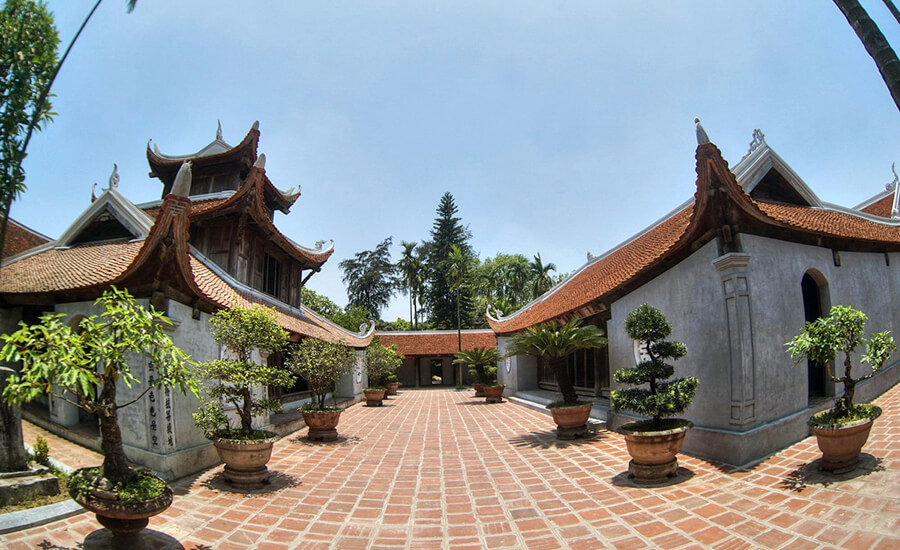
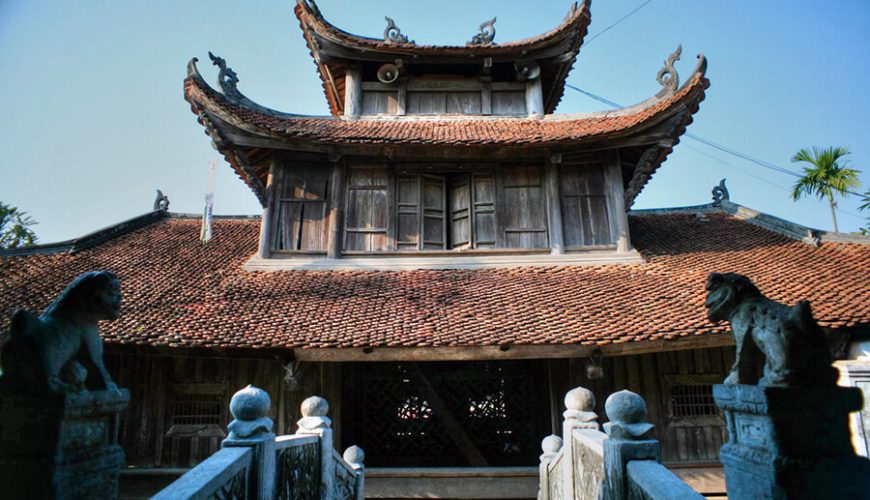
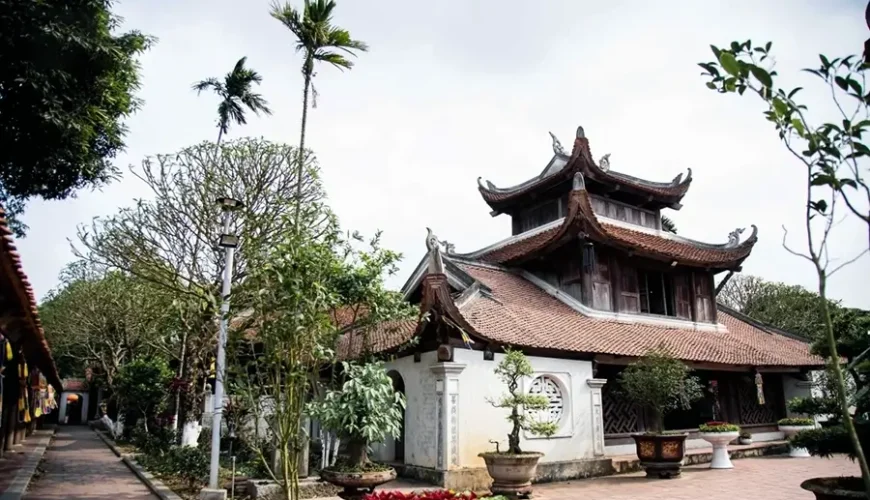
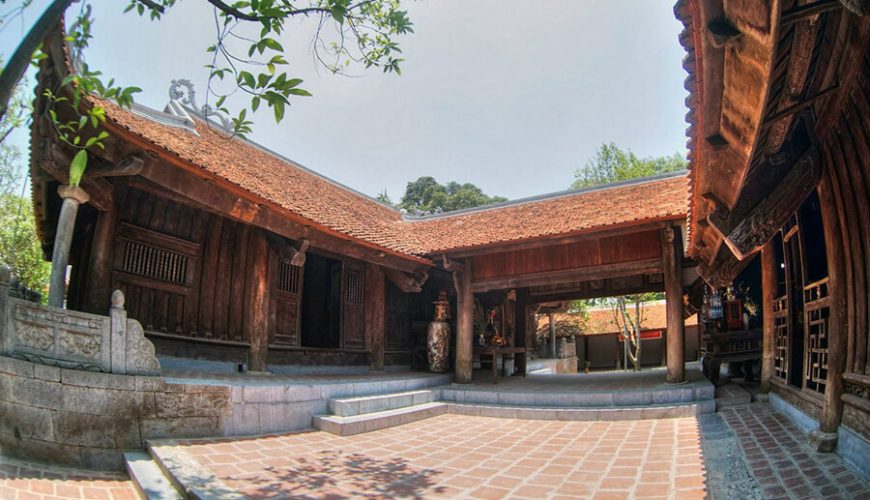
Among these works, the most impressive is Tich Thien Am, a three-room, two-wing building, in the middle, there are two high attics with curved ends.
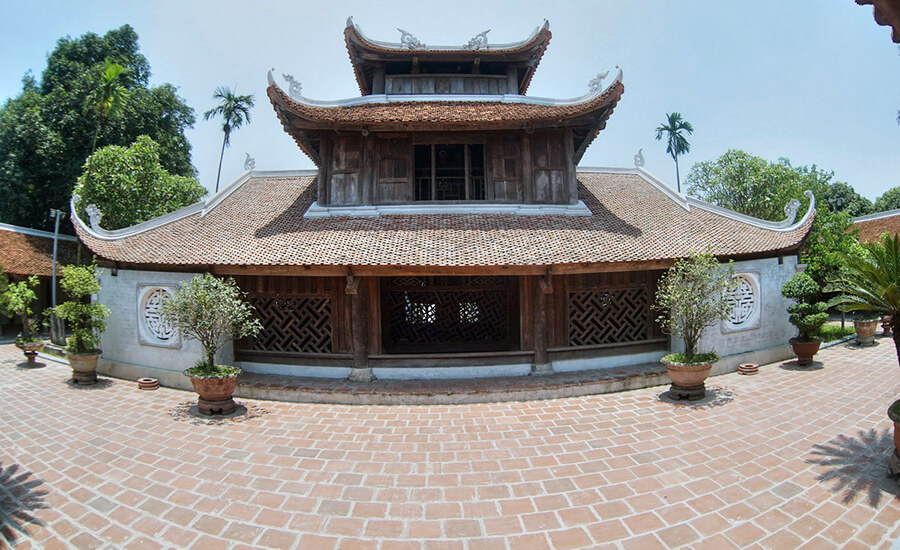
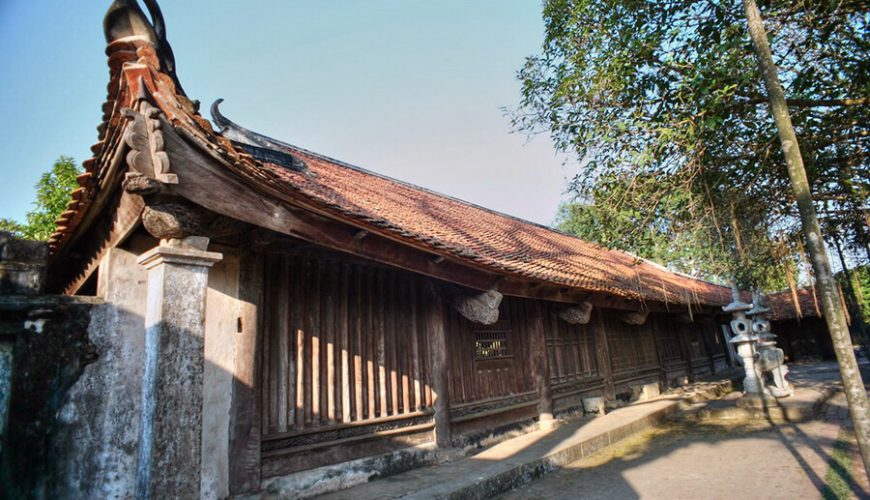
The structure of the works of But Thap Pagoda uses a load-bearing wooden frame; the base and railing are made of stone.
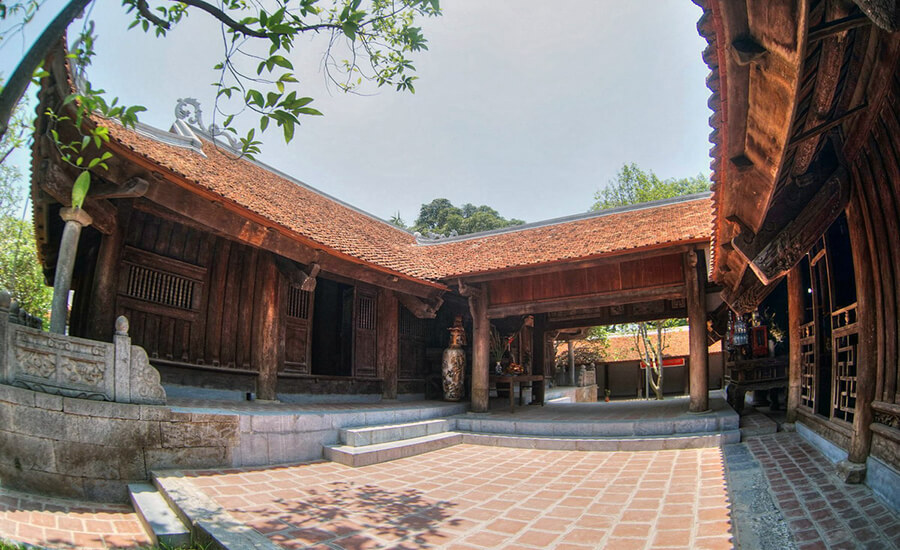
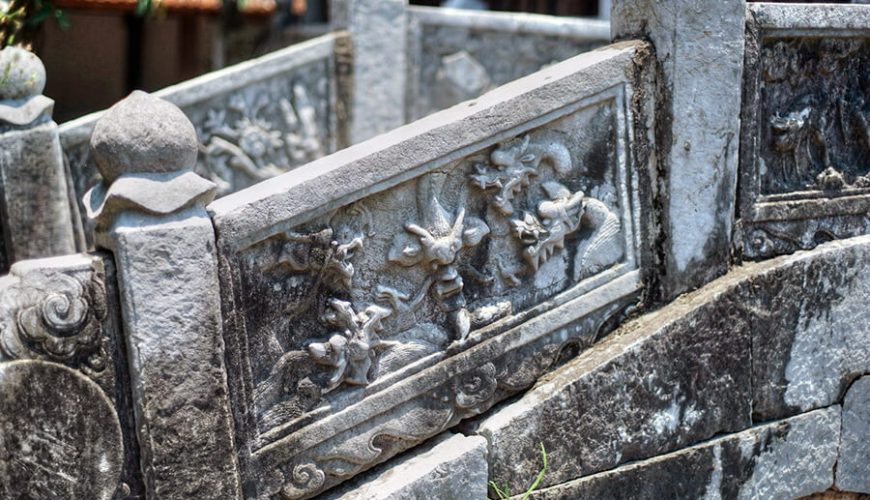
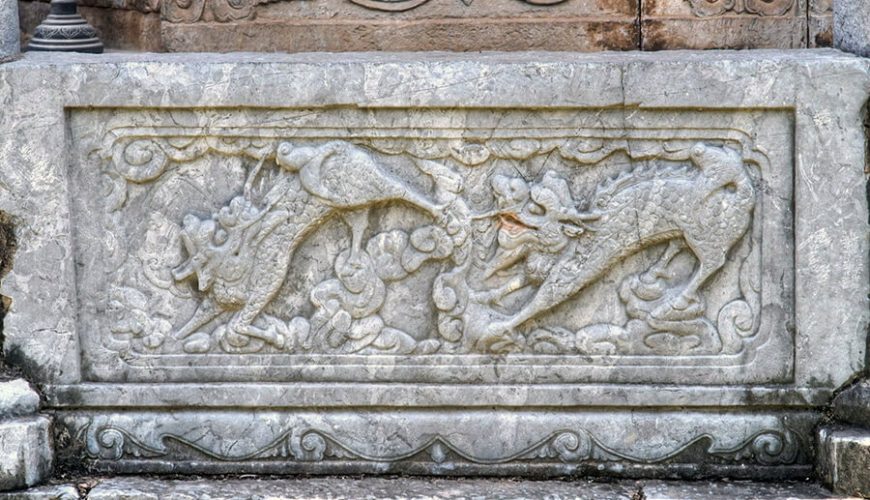
Decorative art is expressed on most of the wood, stone, and worship objects of the pagoda, where stone sculpture reaches its peak, featuring lively, cheerful images that convey Buddhist meanings and especially embody Zen aesthetics.
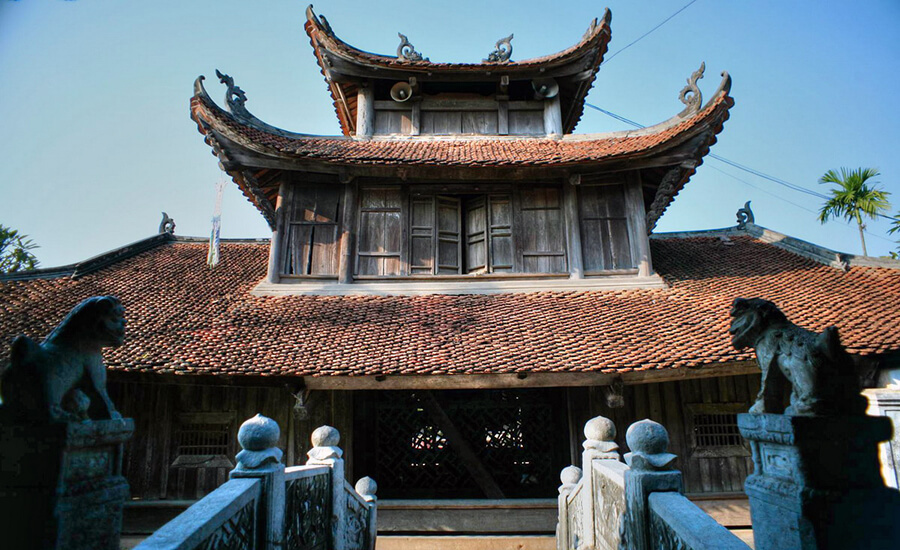
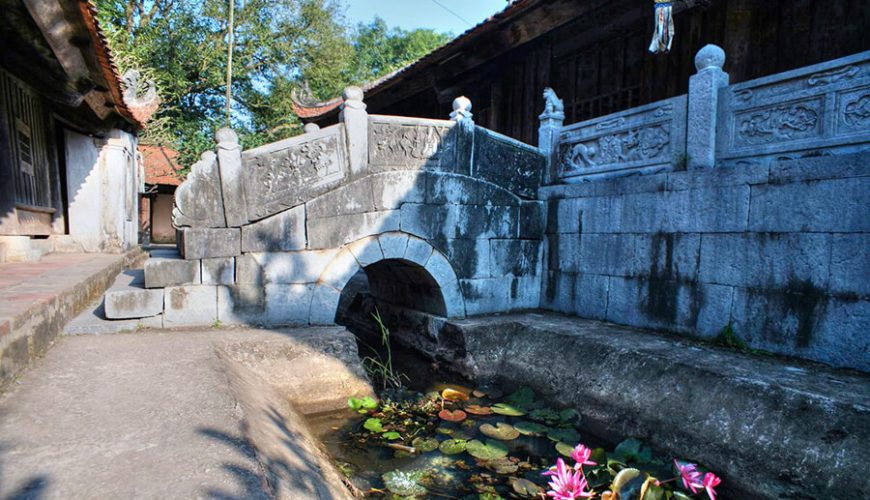
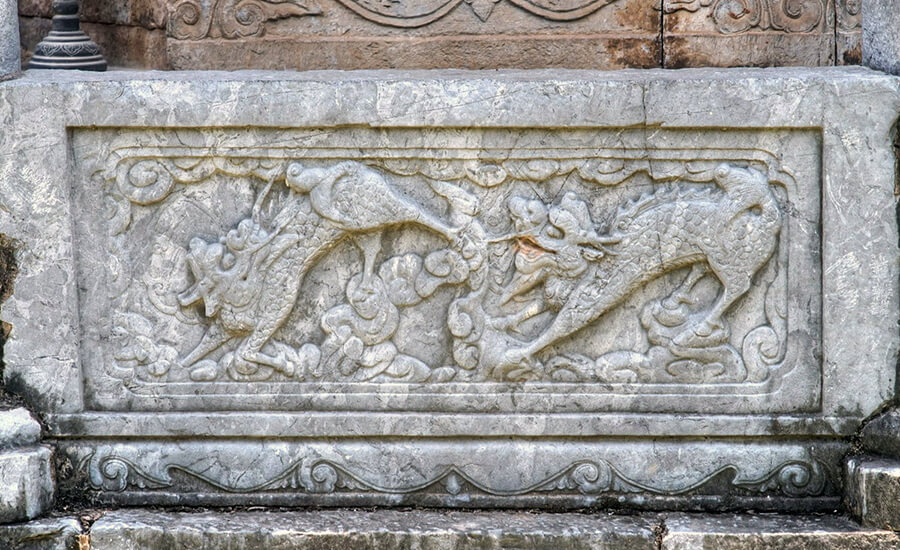
A typical stone sculpture of But Thap Pagoda is the bridge connecting Thuong Dien and Tich Thien. The bridge spans a small pond with lotus and water lilies, is 4 meters long, includes 3 curved spans, and is paved with green stone.
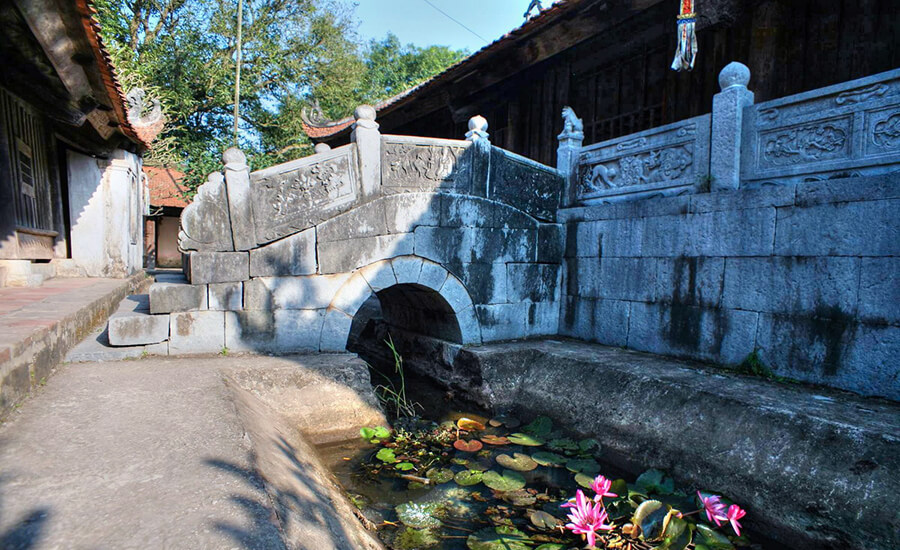
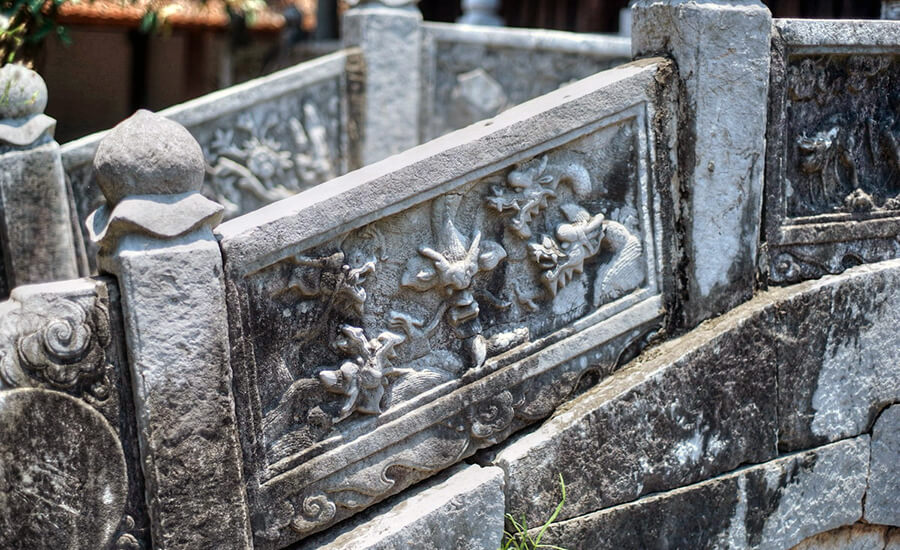
On both sides of the bridge, there are 12 elaborate, sophisticated stone reliefs of birds, flowers, leaves, and mascots, which connect to the stone reliefs on the railing of the Thuong Dien.
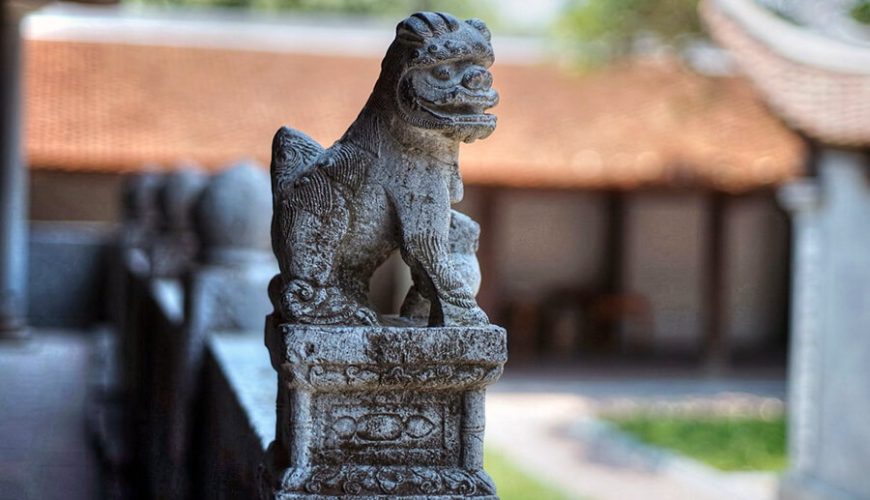
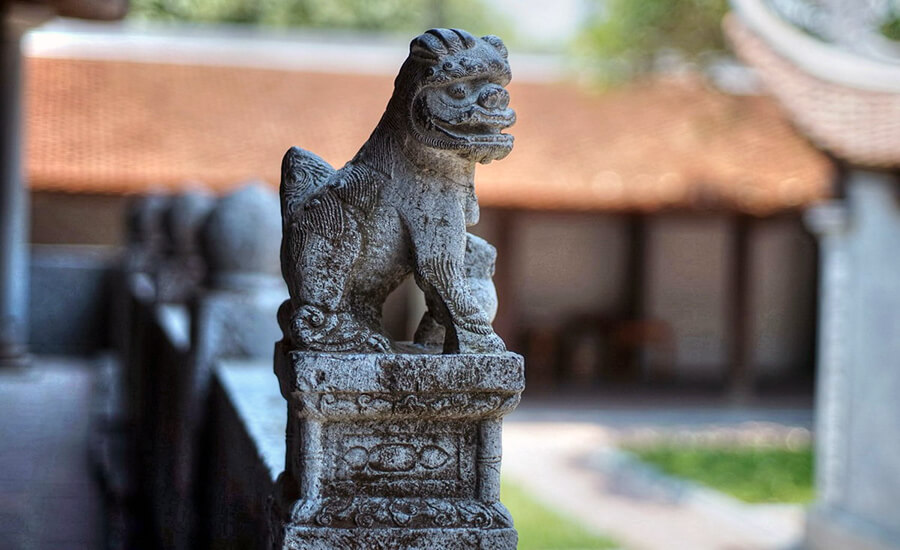
At the head of the bridge are two stone lions.
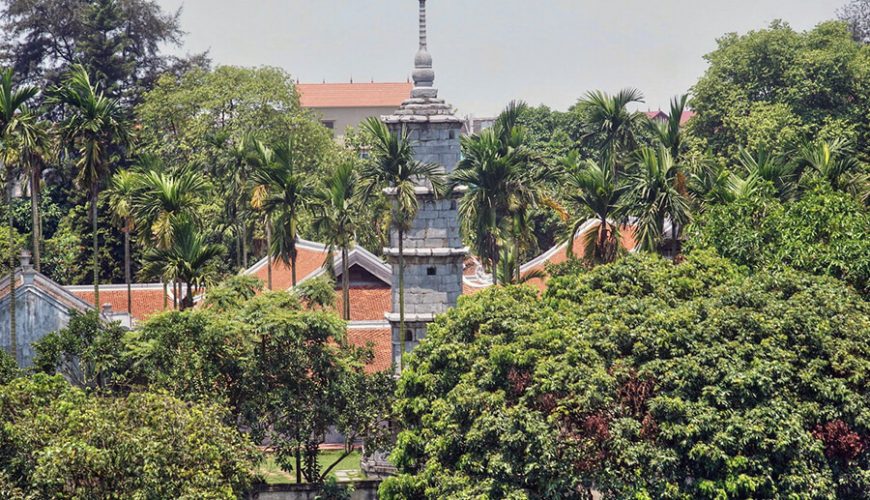
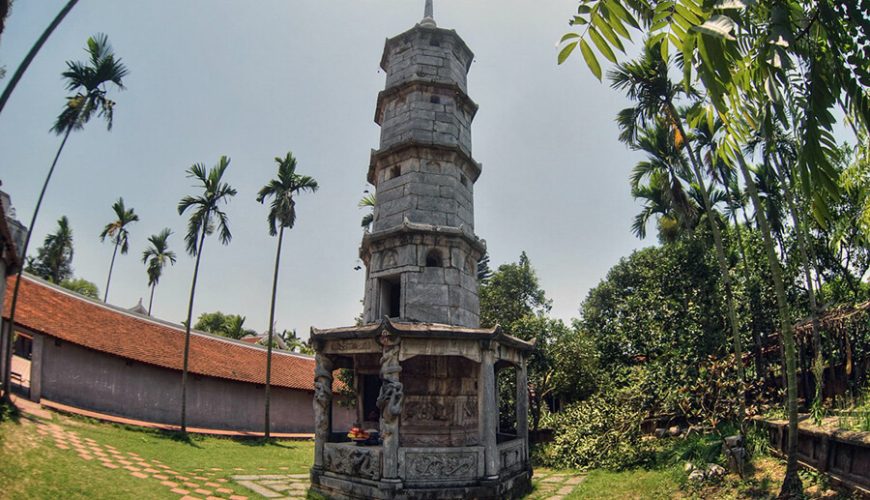
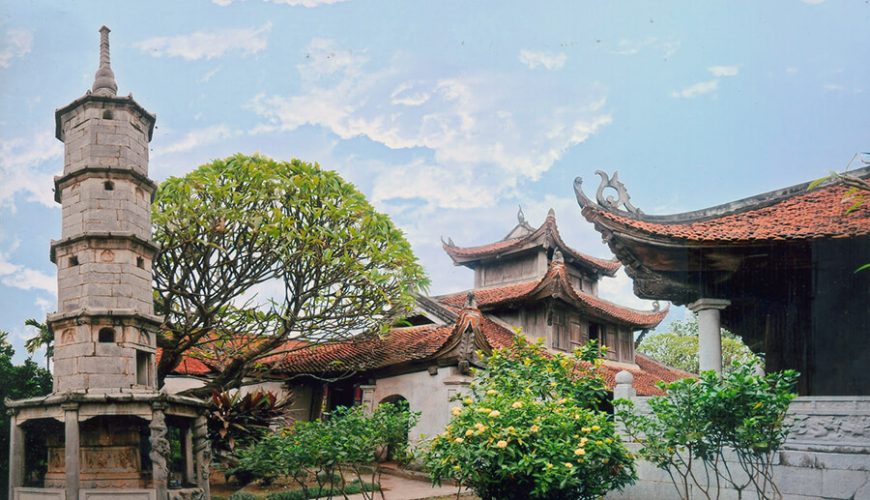
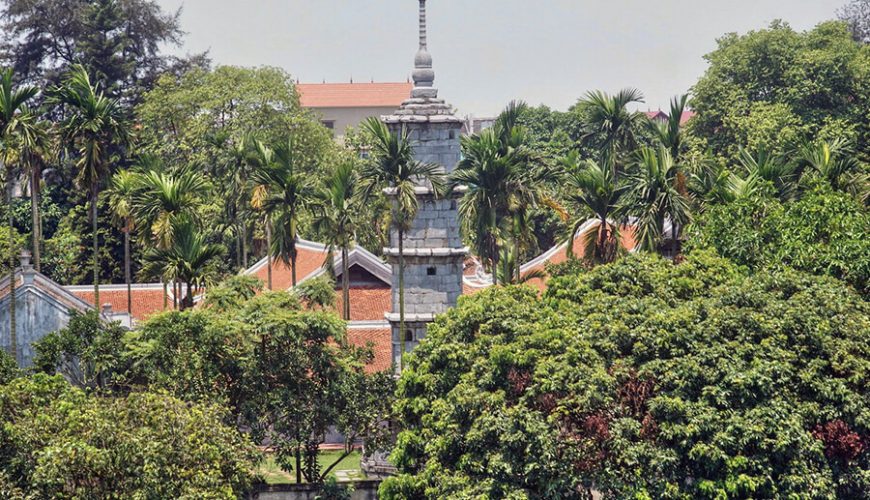
Another stone structure considered a symbol of the But Thap Pagoda is Bao Nghiem Tower. The tower looks like a pen with 5 floors, 13.05 meters high; the bottom floor is wide with a protruding porch; the four upper floors are almost the same, each side is 2 meters wide.
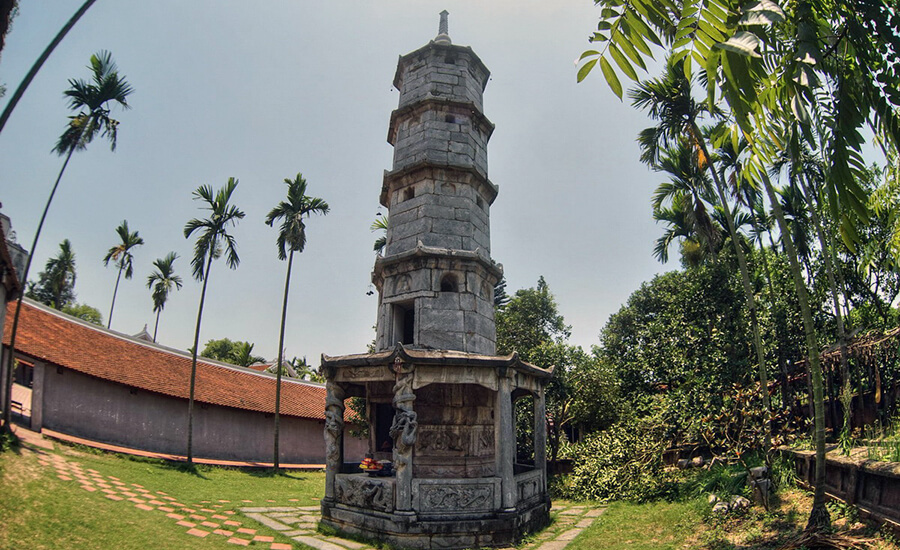
The bottom floor of the tower features 13 stone carvings depicting animals. The tower demonstrates the stone-matching and sculpting skills of ancient Vietnamese craftsmen.
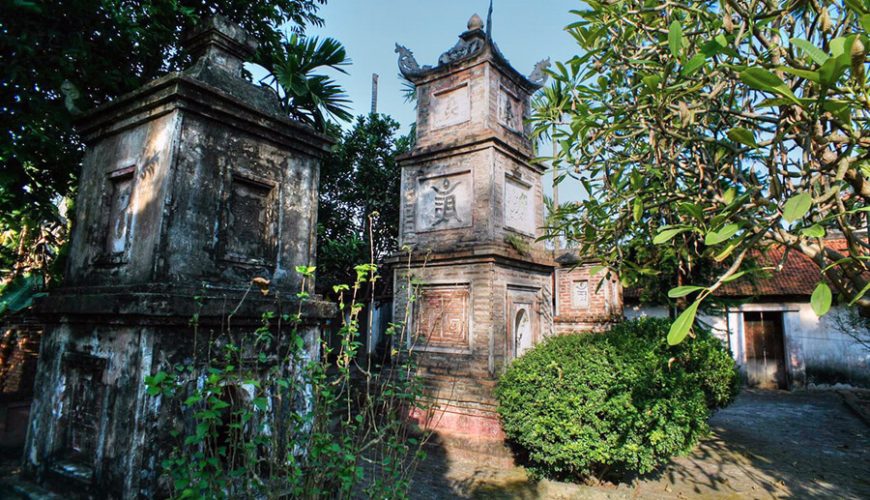
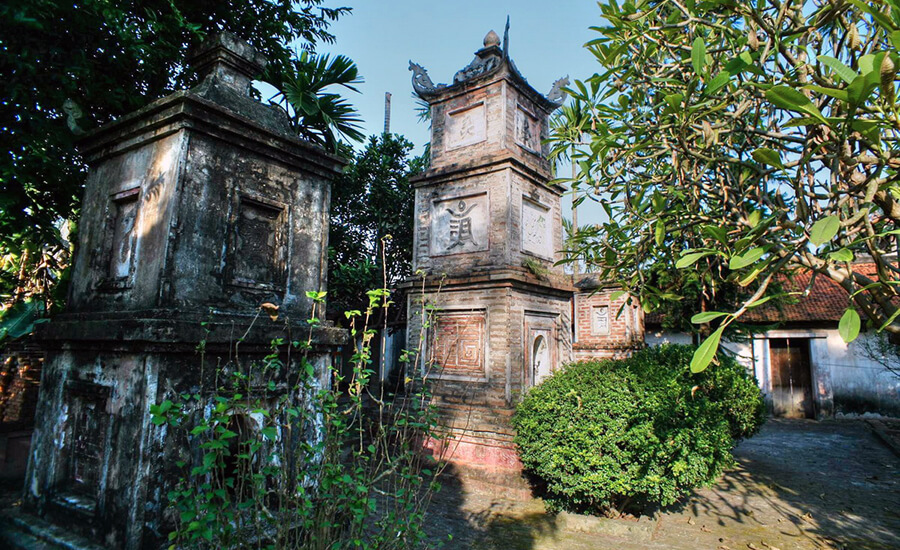
The towers in the pagoda’s tower garden.
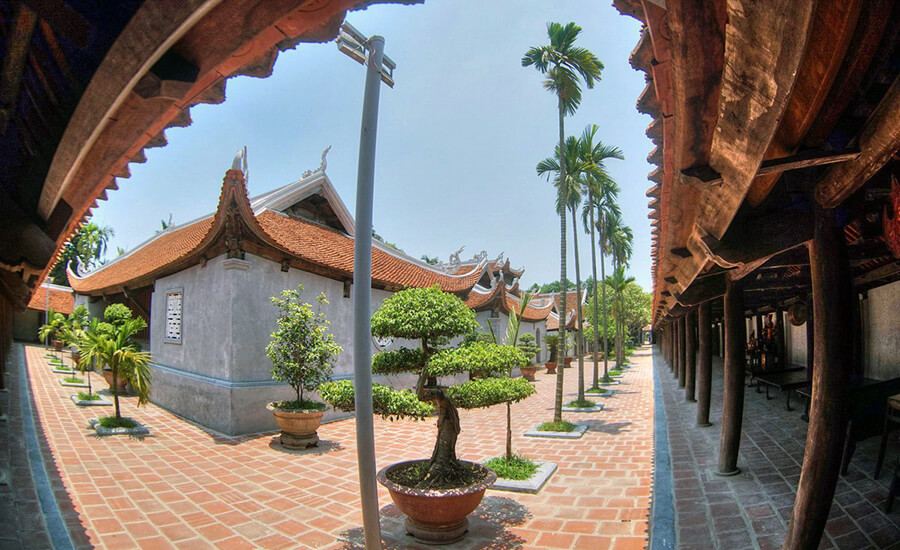
The main structures of the But Thap Pagoda are surrounded by corridors running along both sides, with 26 rooms on each side.
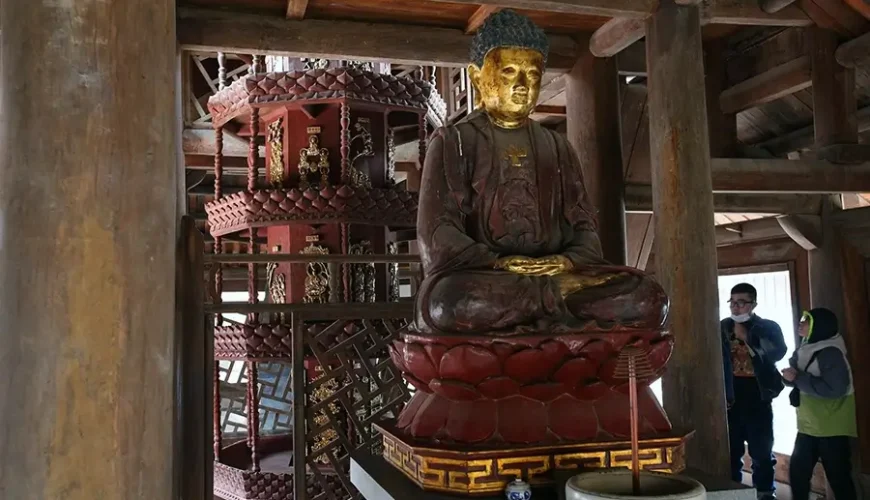
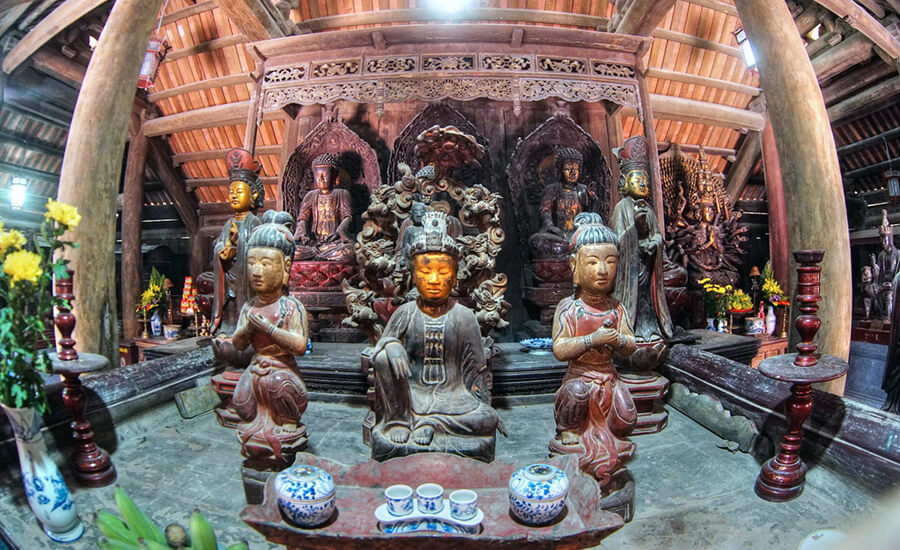
There are many types of Buddhist statues here, such as Bodhisattvas, Dharma protectors, and Arhats, among which are very precious statues, famous throughout the country and considered by researchers to be the model for Vietnamese Buddhist statues.
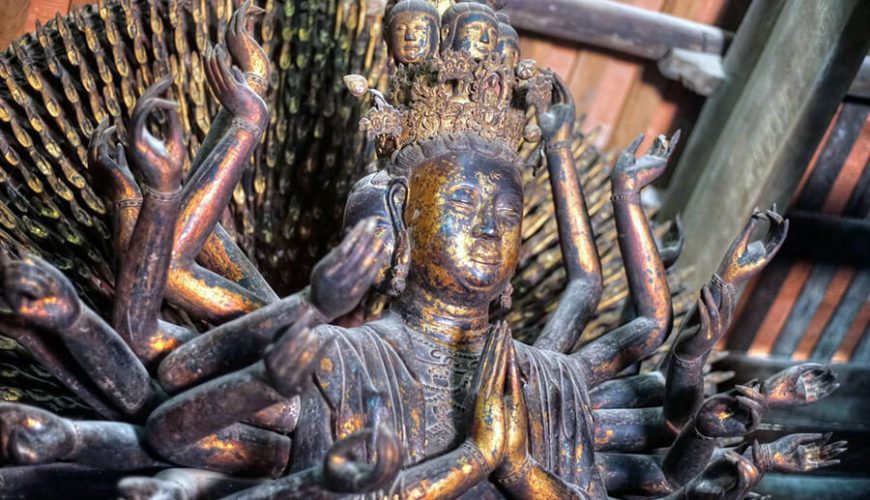
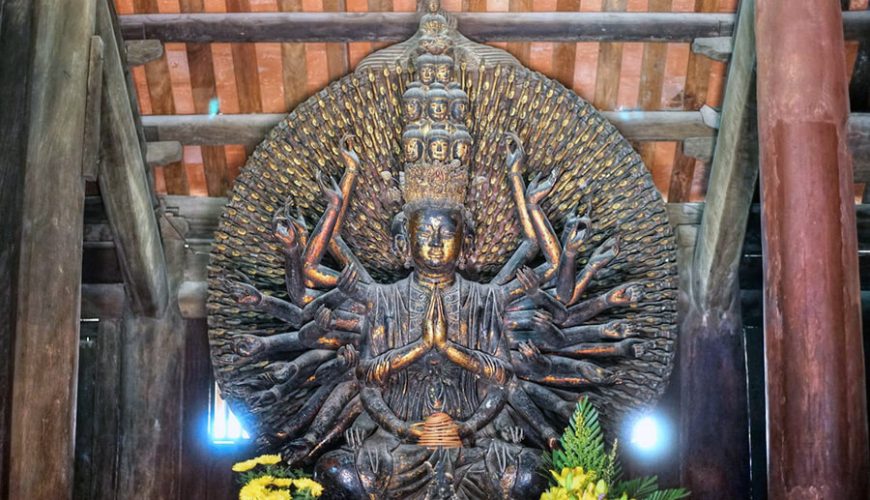
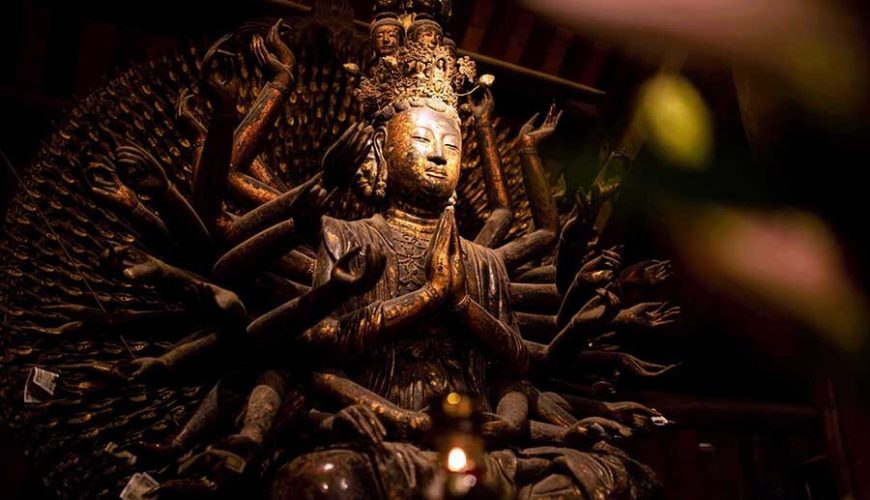
The most prominent feature of the pagoda is the statue of Guanyin with a thousand hands and a thousand eyes, created by the artisan Truong Tho Nam and completed in 1656, which is described as a sculptural masterpiece of Vietnam and recognized as a National Treasure since 2012.
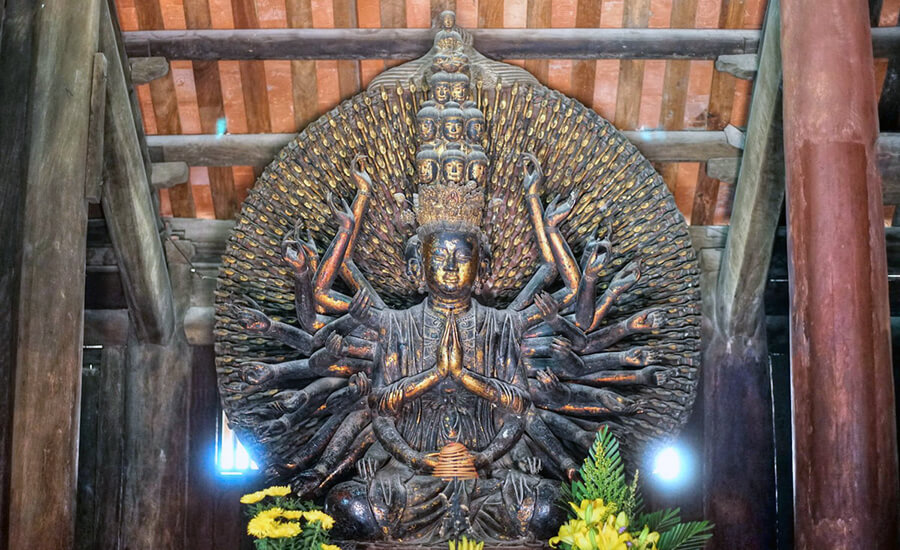
The statue is placed in the Thuong Dien, 3.7m high, 2.1m wide, 1.15m thick; the longest arm is 200cm. It sits on a lotus throne with a dragon, with a relaxed expression and generous eyes.
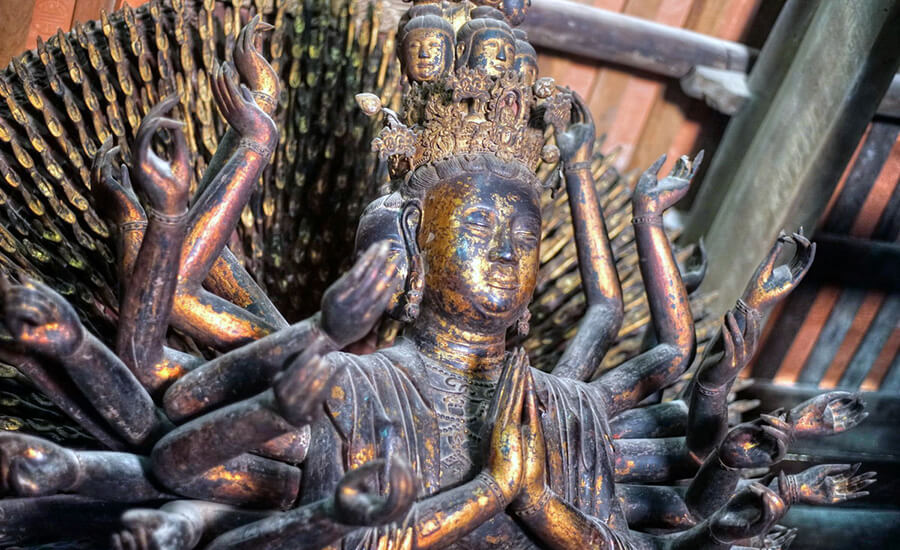
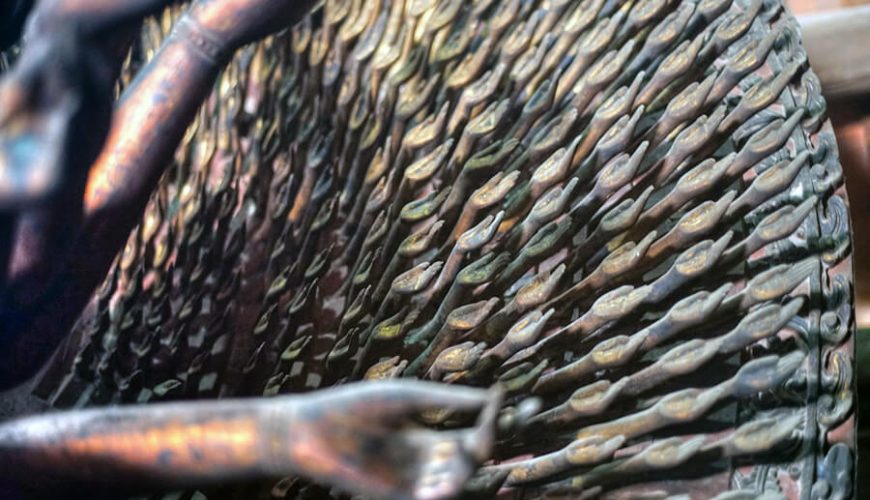
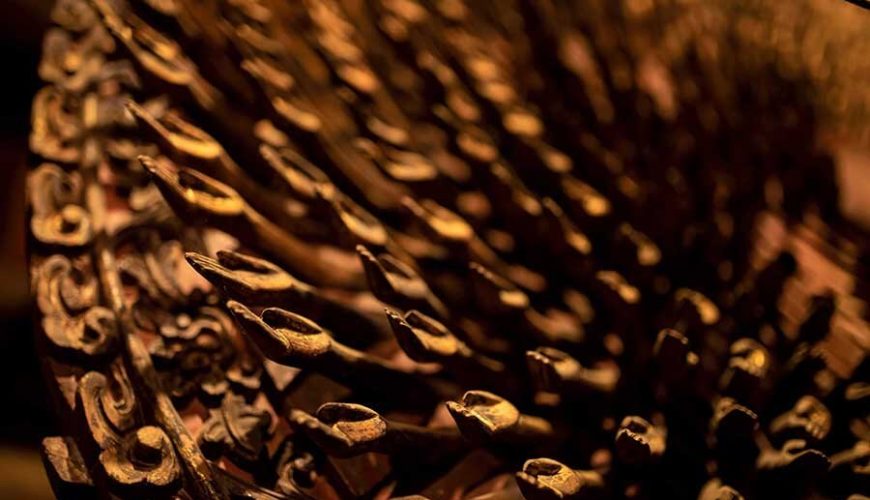
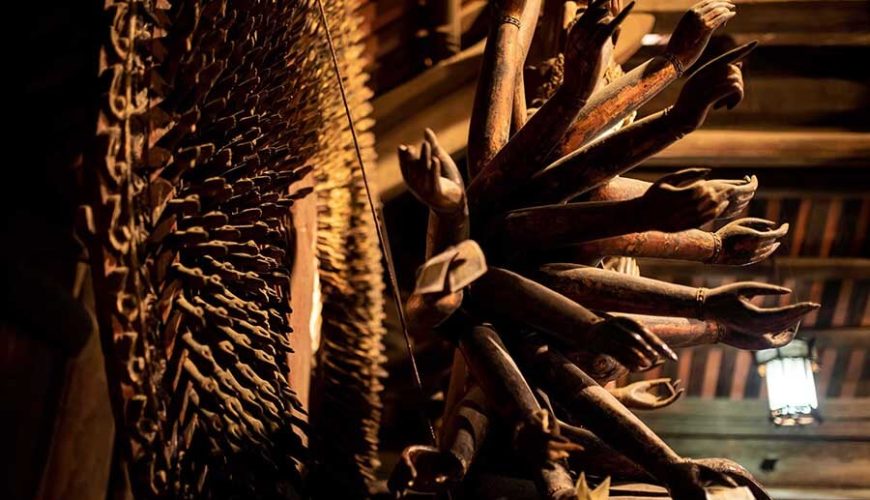
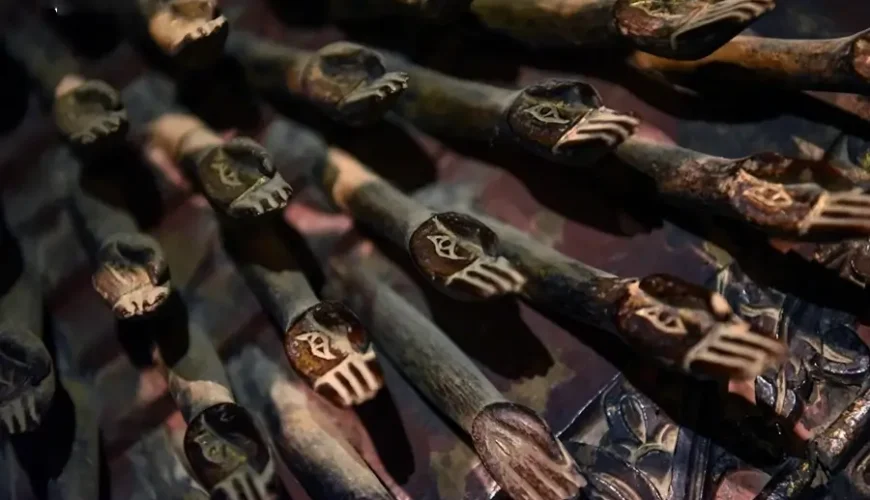
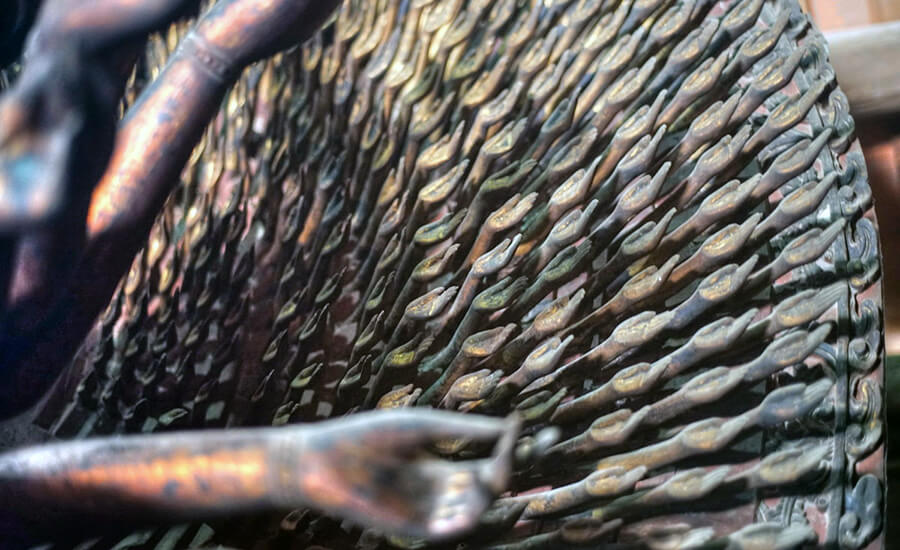
The special feature of the statue is that it has 42 large hands and 958 small hands, of different lengths. In particular, each hand has a jet-black eye, and the rhythm of each arm differs. Thousands of hands and eyes look like halos radiating from the whole.
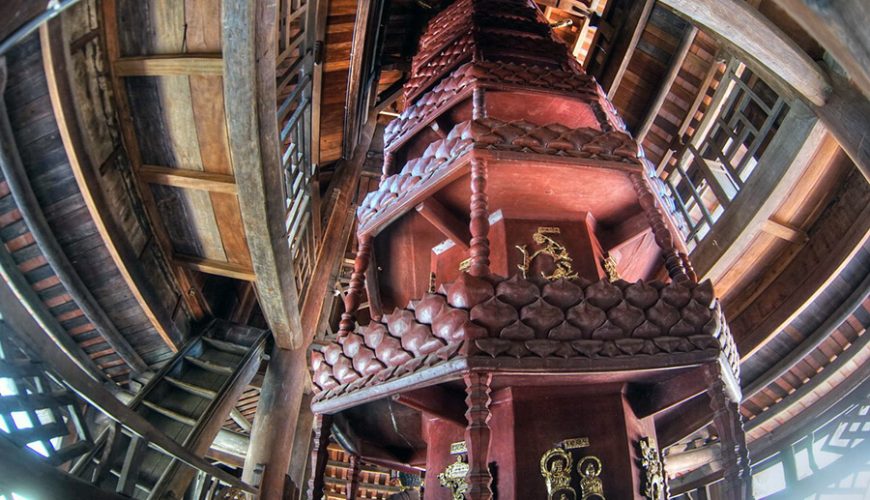
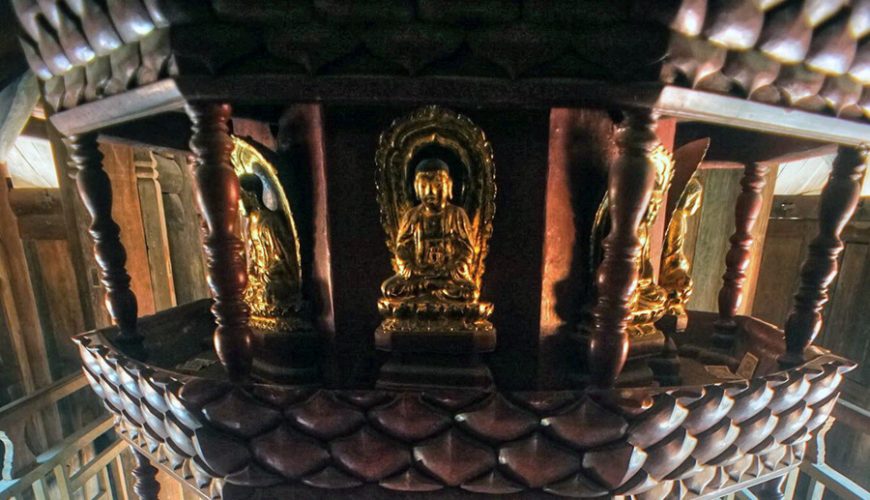
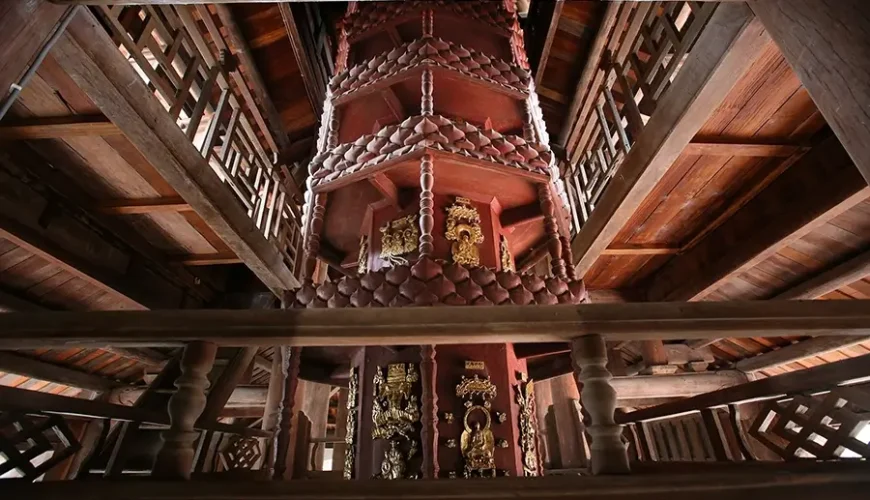
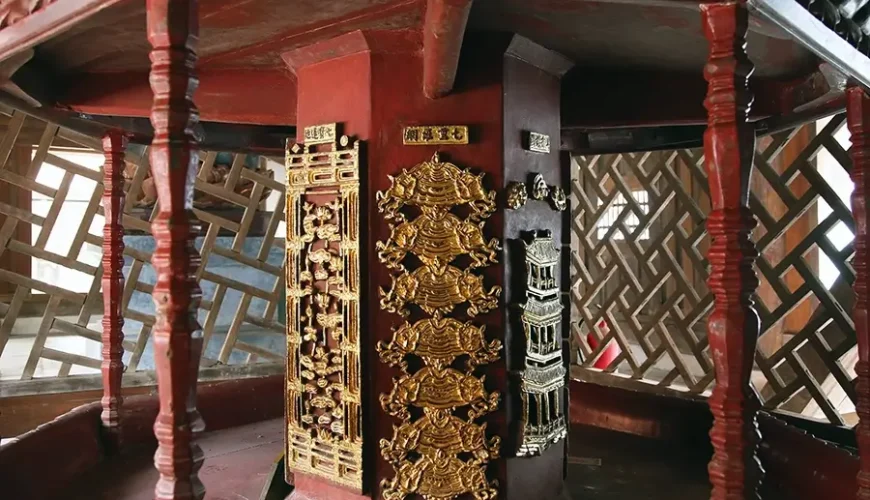
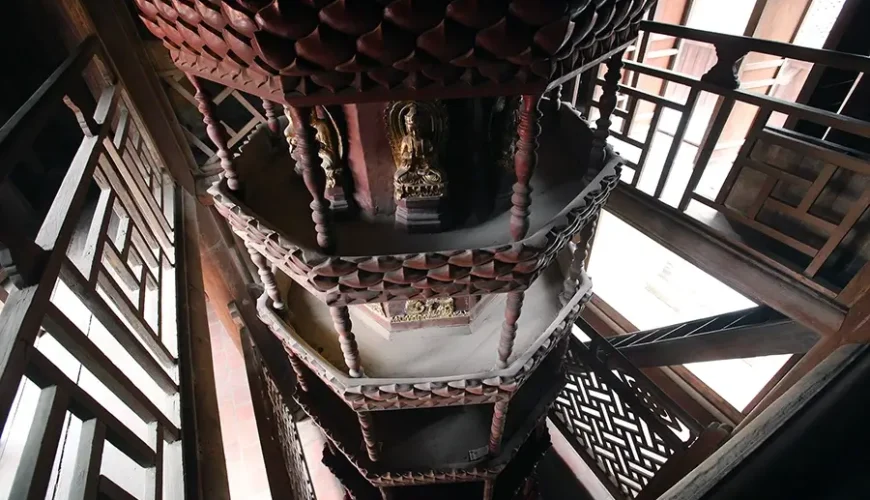
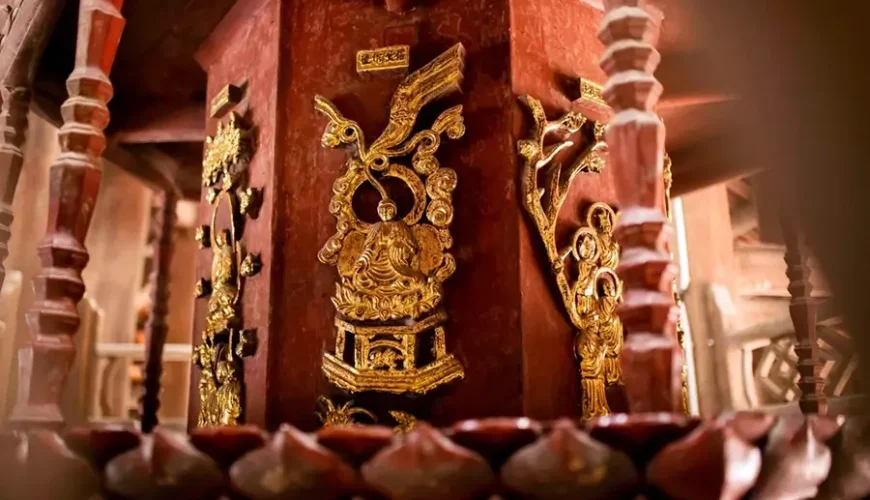
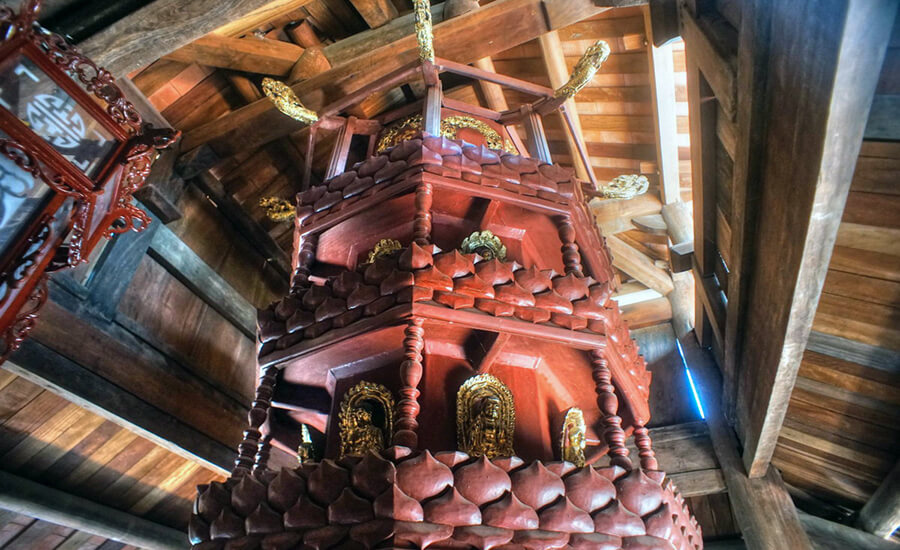
Another precious relic of But Thap Pagoda is the Nine-story Lotus Tower located inside Tich Thien Am, one of three ancient Lotus Towers still preserved in Vietnam.
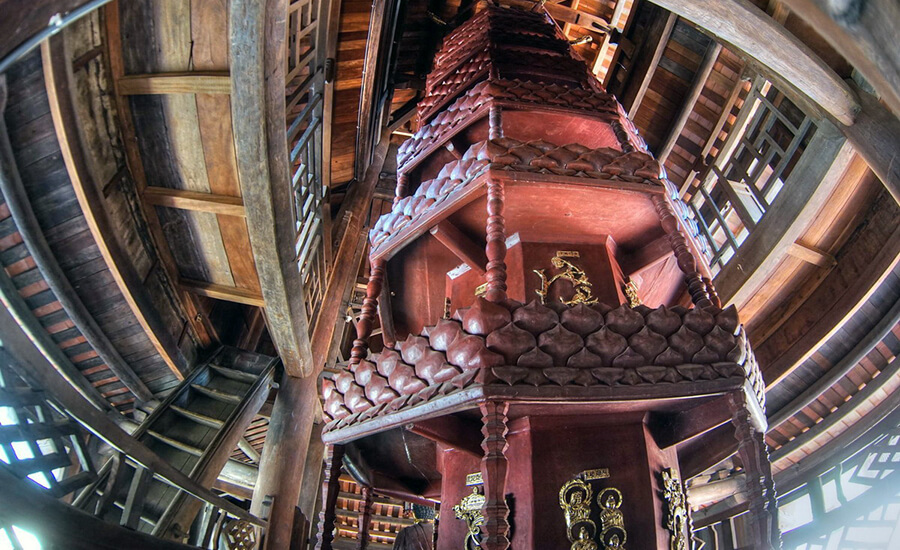
This is a 9-story, 8-sided rotating tower. The 9 floors are 9 lotus platforms symbolizing the 9 levels of Buddhist practice. The 8 sides represent the 8 directions of Buddhism, carved with reliefs depicting Buddhist stories, encouraging good and eliminating evil, and the journeys of ancestors and great masters.
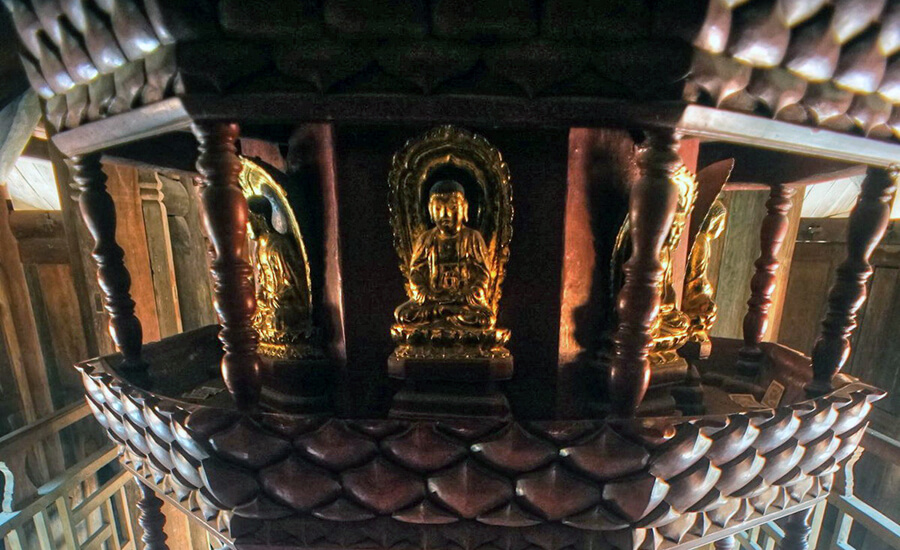
Each rotation of the tower corresponds to 3,542,400 Buddha recitations. Although it was built several centuries ago, the Nine-story Lotus Tower can still rotate and makes no noise.
Every year, the But Thap Pagoda Festival is held on the 23rd and 24th of the third lunar month, with traditional cultural activities that attract a large number of locals and tourists from all over the world. With its outstanding historical and artistic value, the But Thap Pagoda has been designated a national monument since 1962. In 2013, the pagoda was recognized as a special national monument of Vietnam.
Source: collected by An
Follow us for the best deals on Vietnam package tours and visa services!
Comment (0)