
The Vietnamese Women’s Museum features a diverse, modern design style. This place displays numerous documents and artifacts to honor the development, role, and status of women in Vietnamese society. If you plan to travel to Hanoi, this destination should not be missed.
General information about the Vietnamese Women’s Museum
Address: 36 Ly Thuong Kiet, Cua Nam Ward, Hanoi
Opening hours: 8 am – 17 pm daily
The Vietnamese Women’s Museum is located on one of the most beautiful streets in Hanoi, where visitors come to learn about the role and importance of Vietnamese women in the country’s cultural and historical development. The museum began construction in 1991 and officially opened to the public in 1995, with the aim of preserving historical documents and artifacts to educate future generations. The founder of the museum is Madam Nguyen Thi Dinh, former Deputy Chairwoman of the Council of State, and former Chairwoman of the Vietnam Women’s Union.
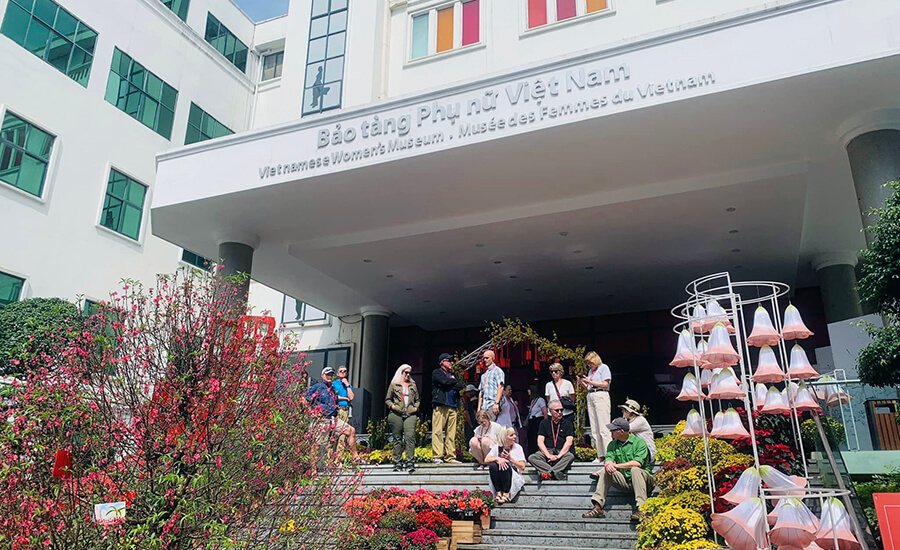
Currently, this museum in Hanoi is preserving valuable documents and content, displayed scientifically and impressively, about the stories of women from all over the world, their contributions, and the profound, often silent sacrifices they make. The beauty of Vietnamese women in the past, present, and future.
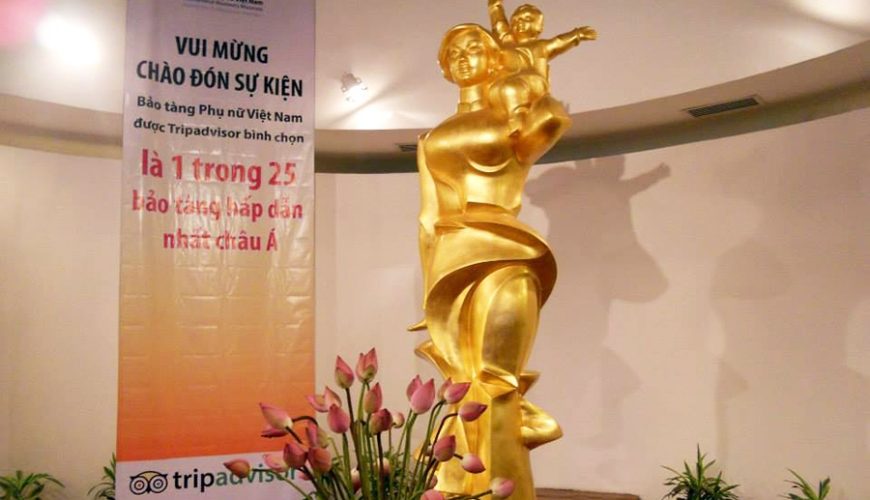
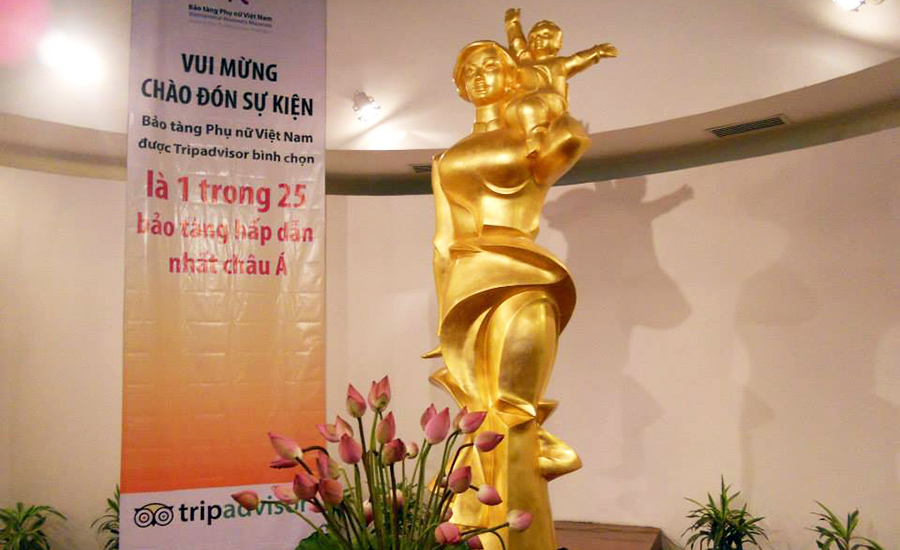
The Vietnamese Women’s Museum received the “Vietnamese Women 2015” prize and was named one of the top destinations in Vietnam in 2015 and 2016 by Vietnam’s Ministry of Culture, Sports, and Tourism.
Ticket price to the Vietnamese Women’s Museum:
- Adults: 40,000 VND/trip
- Children/students: 10,000 VND/trip
- Students/Members of the Vietnam Women’s Union: 20,000 VND/visit
You can buy tickets at the main entrance on the first floor or order tickets online on the museum’s website.
Note: The ticket prices for the Vietnamese Women’s Museum above are for reference only. Prices may vary depending on tour time or accompanying services and events…
Explore the Vietnamese Women’s Museum
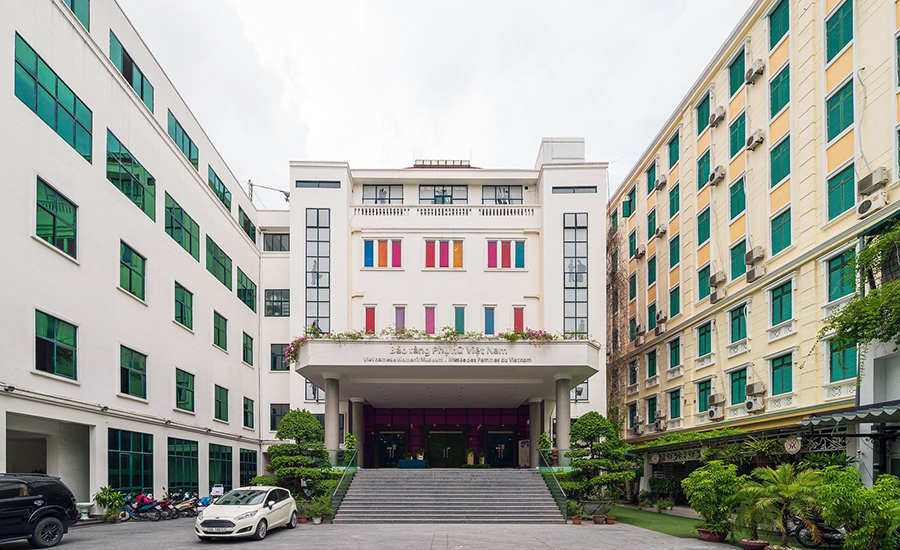
The Vietnamese Women’s Museum covers nearly 5,000 square meters and has undergone numerous renovations and upgrades to create a modern, impressive space. The museum consists of 2 main buildings, a restaurant, and a coffee area. The main building is divided into 4 floors, each displaying artifacts by theme.
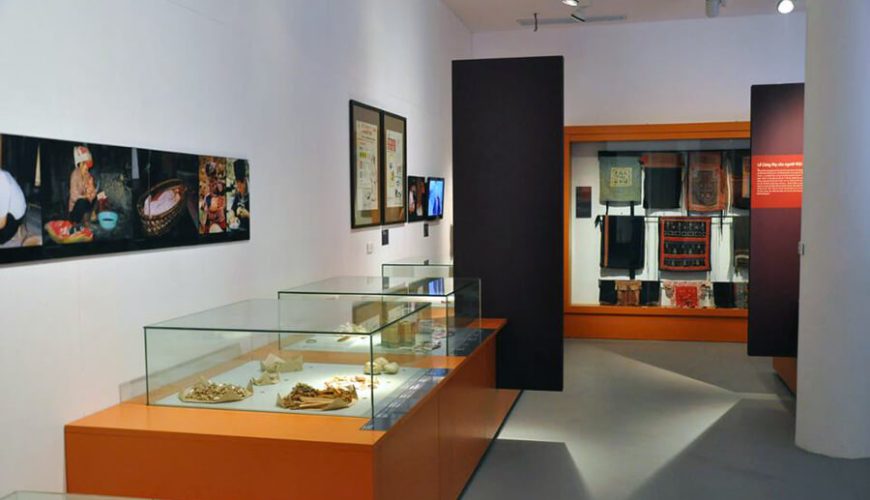
The museum owns a collection of about 40,000 documents and artifacts related to Vietnamese women. In addition to permanent exhibitions, the museum organizes many thematic exhibitions that use new approaches to fully reflect the development and changes in contemporary society. These projects target a wide range of audiences, especially women and children.
By exploring the Vietnamese Women’s Museum, tourists can admire three main permanent exhibitions: Women in Family, Women in History, and Women’s Fashion, as well as other temporary exhibitions.
First Floor – Souvenir shop imbued with Vietnamese culture and people
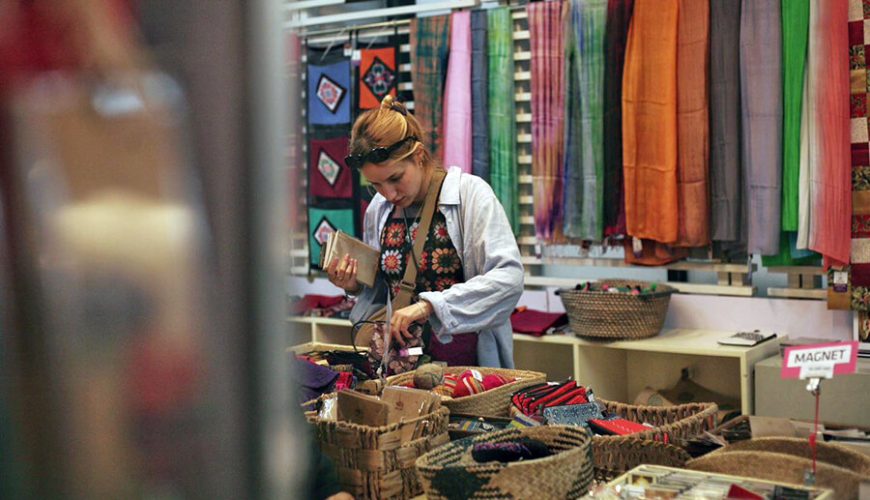
The first floor of the Vietnamese Women’s Museum is like a souvenir shop, where you can find a variety of museum-specific products such as postcards, bookmarks, along with many other documents, including pictures, books, newspapers, and the museum’s successful thematic exhibitions.
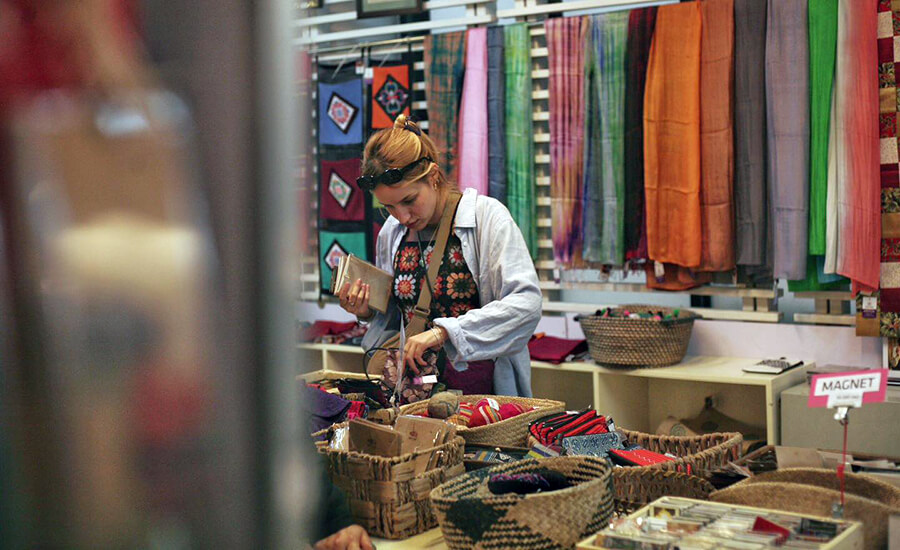
These products make great souvenirs to give to friends and relatives, or keep for yourself. All of these products are very convenient and carefully selected from reliable sources, especially handmade products made by economic development groups for ethnic women and disadvantaged women to perform.
Second Floor – Life journey of Vietnamese women
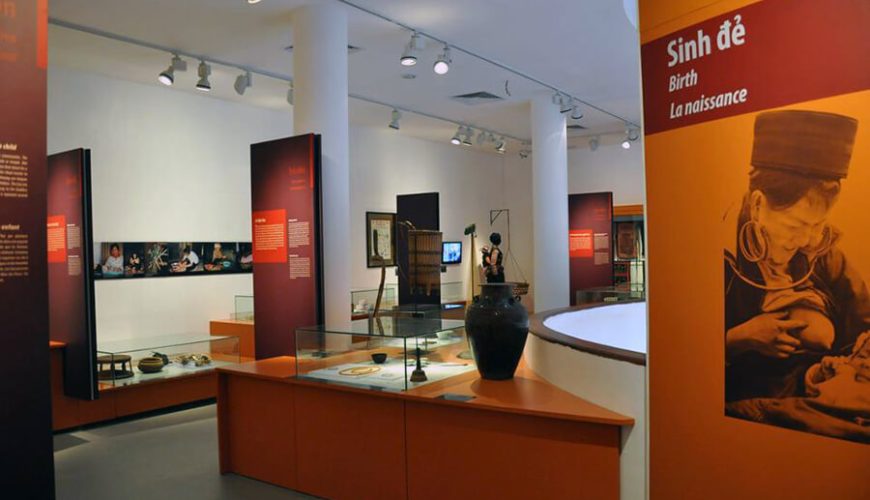
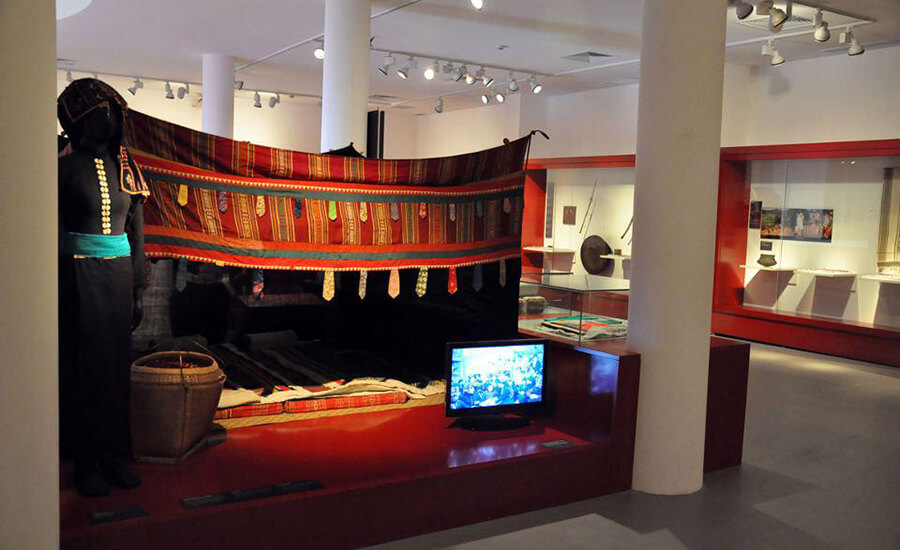
In this space, we will explore the life story of Vietnamese women: from the first steps in marriage, fulfilling motherhood to the important role of a wife who knows how to organize her family life of many different ethnicities. Traditional values will be recreated through customs, rituals, knowledge, and folk experiences in marriage.
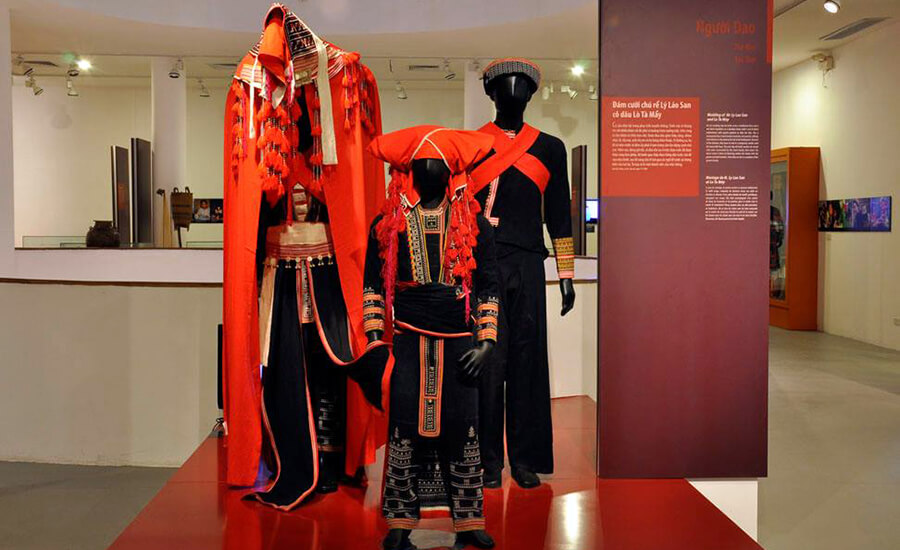
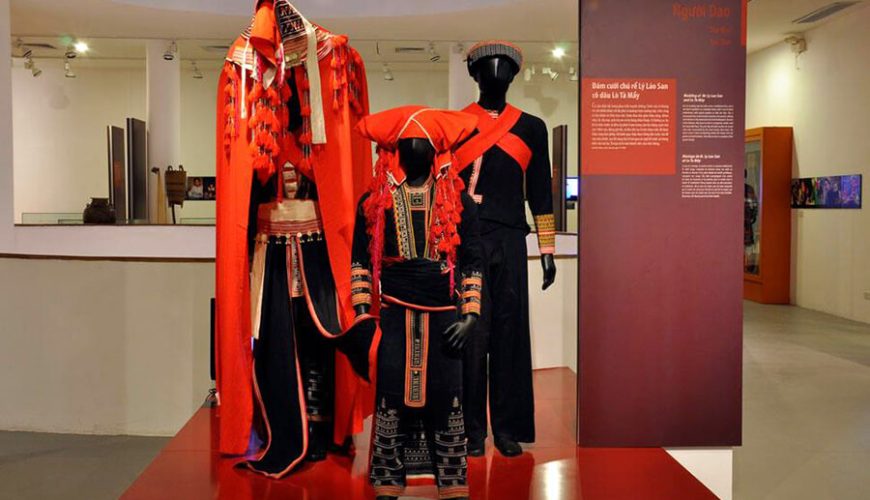
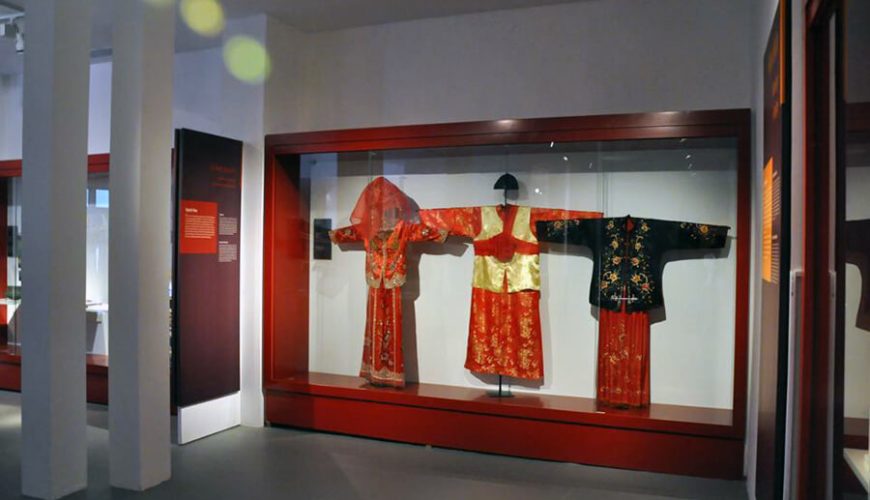
The traditional wedding rituals of Vietnamese ethnic groups in both matriarchal and patriarchal societies are also clearly depicted in pictures and slideshows for you to admire. Illustrations of ceremonies will include familiar objects such as engagement gifts, wedding outfits, and wedding invitations. The exhibition also focuses on everyday items from the past to the present, demonstrating women’s important role in the family.
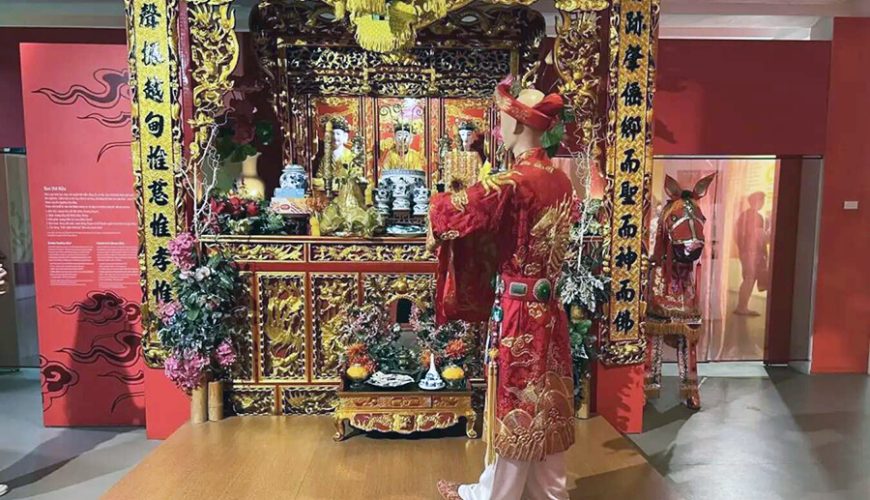
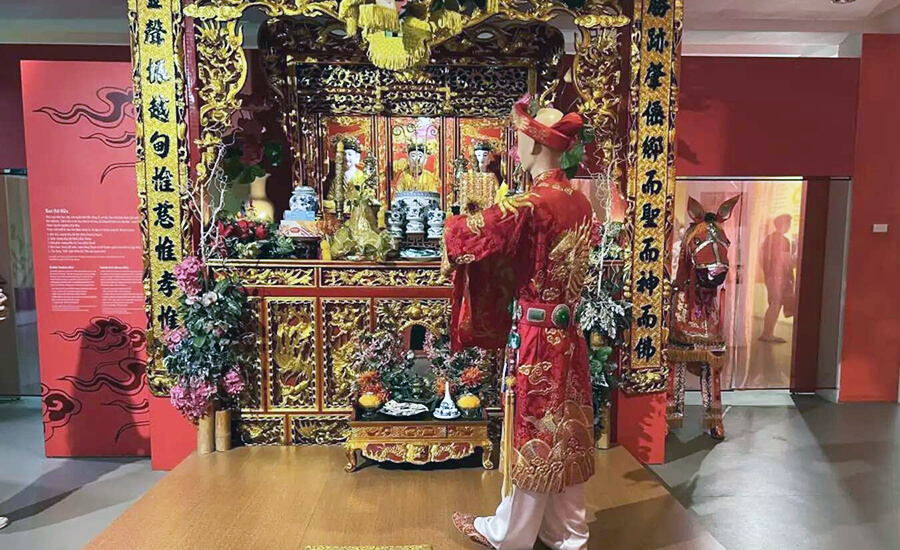
Through the west door of the family space, you will enter the exhibition space honoring the mysterious and authentic belief in the Worship of the Mother Goddess, recognized by UNESCO as an intangible cultural heritage that needs to be preserved. The three main elements of the exhibition are: Pure, Heart, and Beauty.
Third Floor – Image of heroic Vietnamese women
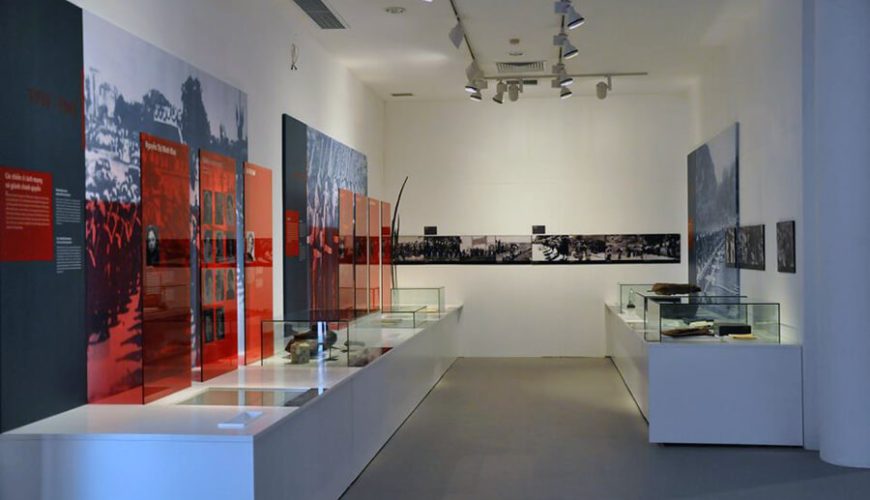
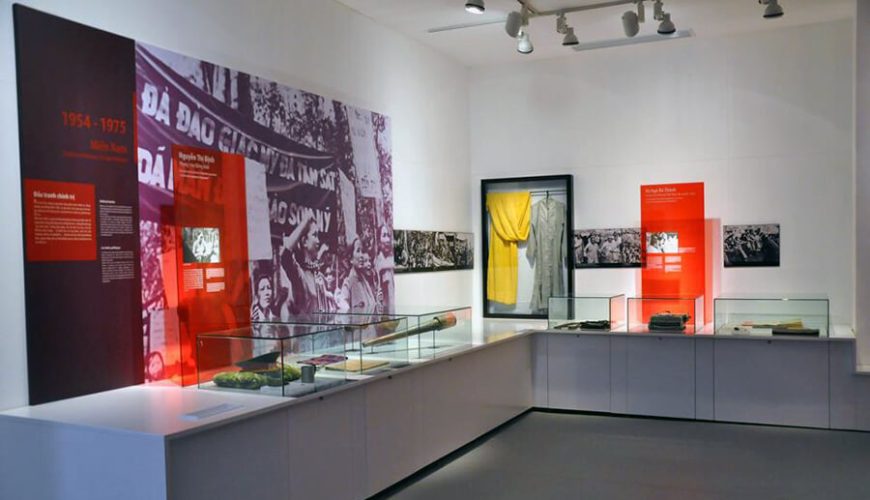
The 3rd floor of the Museum is a space to honor the brave images of Vietnamese women in the resistance wars against French colonialism and American imperialism – women who sacrificed themselves and contributed to the resounding victory, supported the country, and provided a strong rear for the front line.
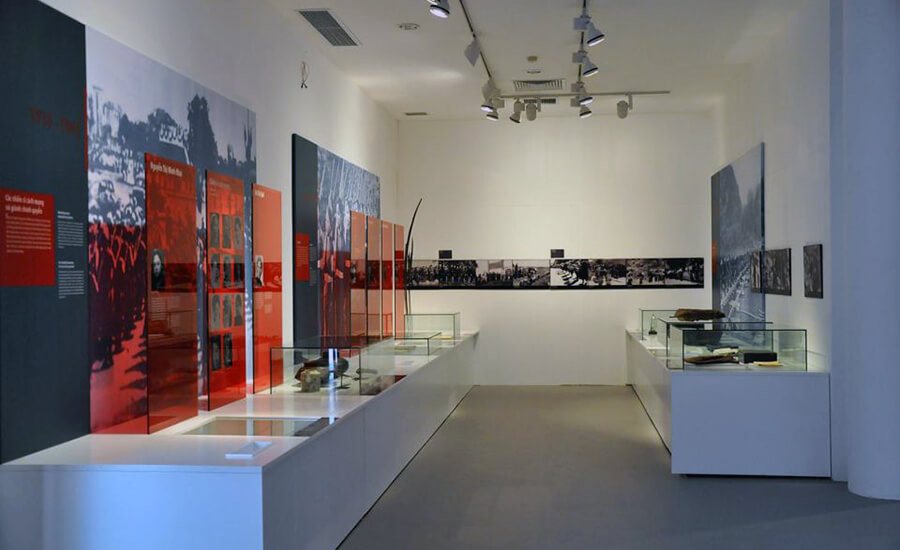
Here, the museum displays many portraits of Vietnamese Heroic Mothers. On the walls, you will see many propaganda posters and pictures about the wars. In addition, there is a small corner talking about the image of modern Vietnamese women.
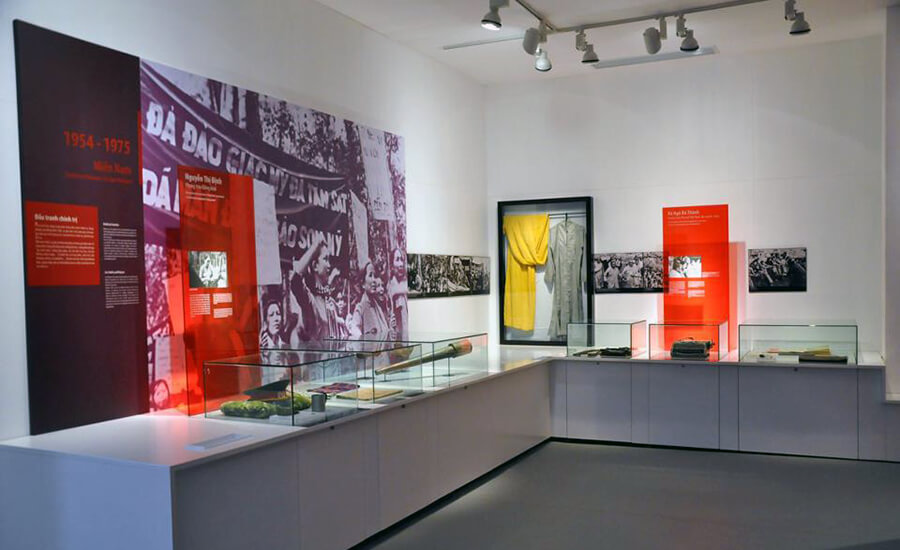
The exhibition space here not only introduces the roles of generations of women but also covers every aspect of their daily lives during the resistance period. The story of their lives, contributions, sacrifices, and losses in pursuit of national independence and unification is powerfully conveyed. The image of modern Vietnamese women as kind, strong, brave, and enthusiastic is also conveyed through short films.
Fourth Floor – Colorful women’s fashion space
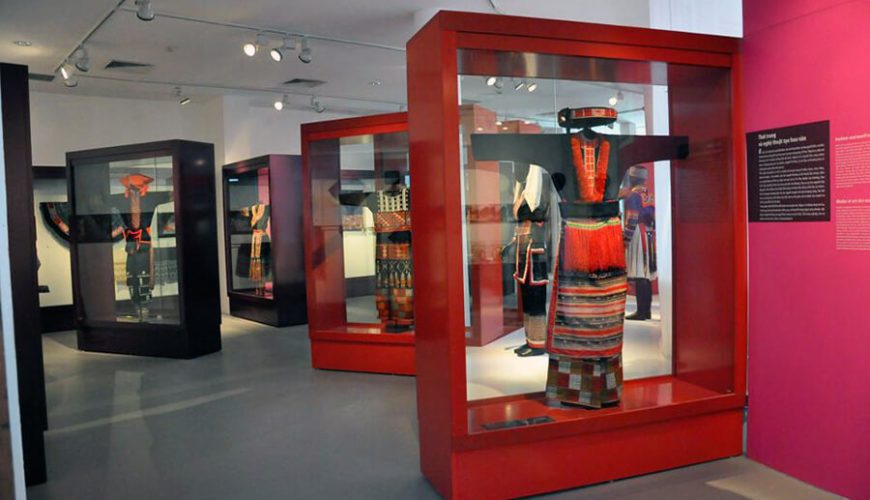
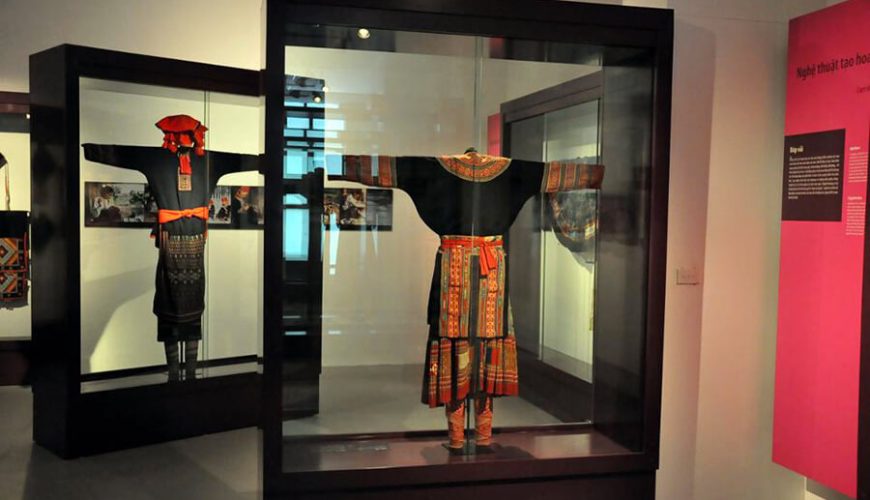
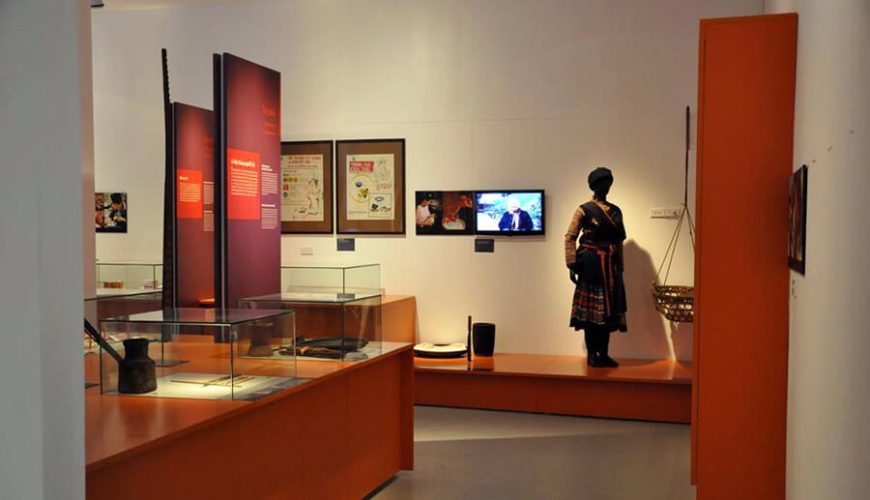
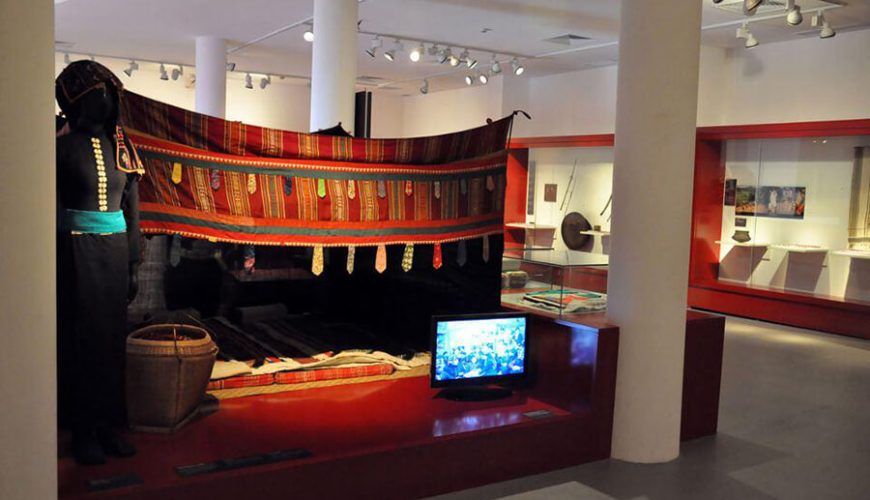
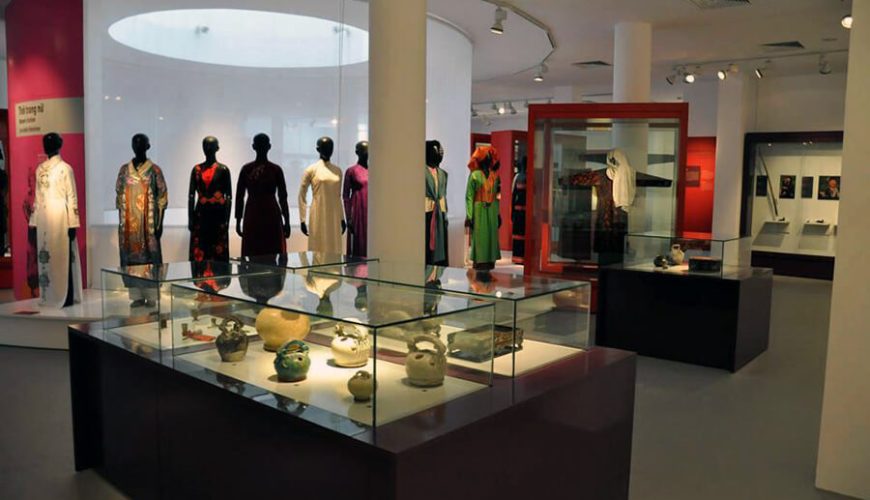
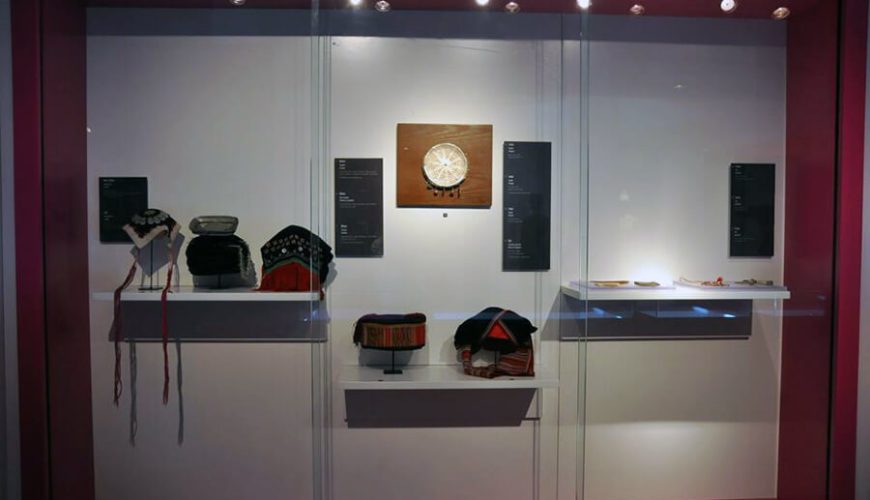
The 4th floor of the museum is where you can admire traditional costumes from 54 ethnic groups. Upon arriving here, you will be very impressed by the beauty of these ethnic women’s fashion aesthetics, featuring jewels, betel, and areca nuts, as per traditional ritual.
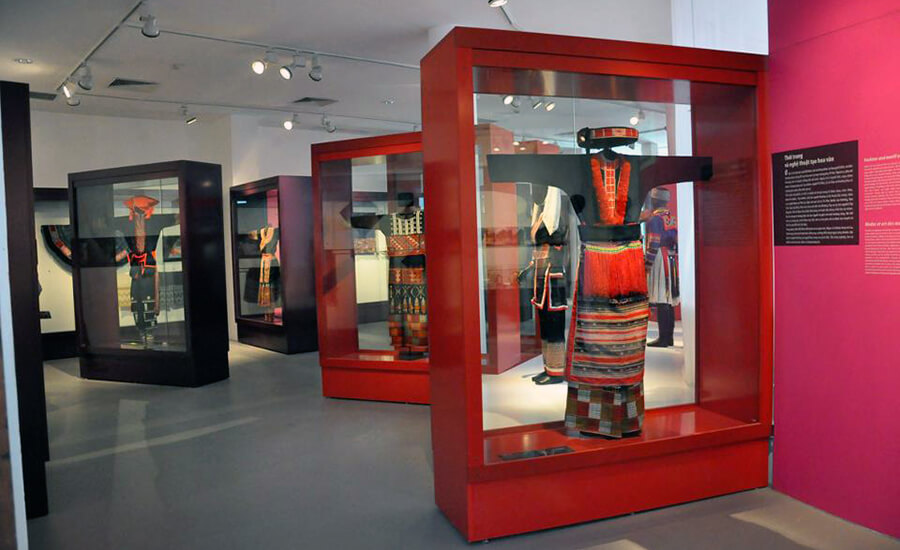
By displaying a corresponding jewelry collection featuring hairpins, necklaces, earrings, bracelets, silver belts, and woven accessories, you can quickly learn of the joy with which Vietnamese women express their femininity and hundreds of years of family tradition.
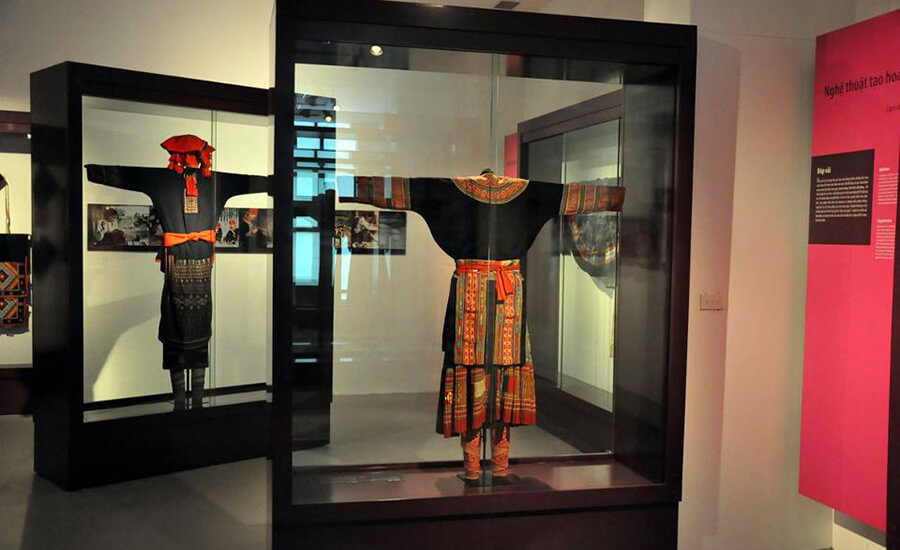
In particular, you can identify whether a woman is married or not through the characteristics of her clothing.
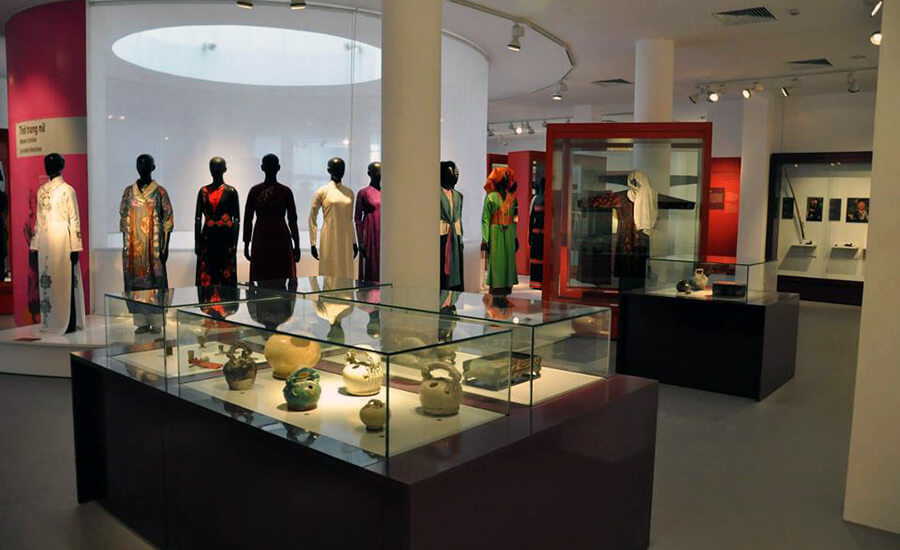
In addition, a variety of ao dai designs from many historical periods to modern times are displayed here, recreating the custom of dyeing teeth black – a tradition of ancient Vietnamese women. There is also an area where you can try the traditional scarf wrapping experience.
Other attractive services and amenities at the museum
After the tour, you can take a break and enjoy a cup of coffee at the restaurant located right on the museum grounds.
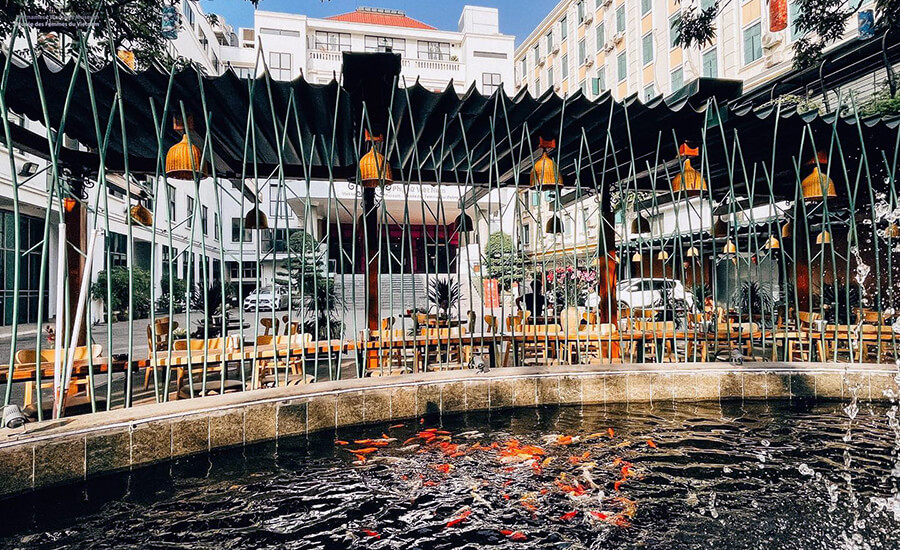
This is a green, large, and quiet space offering a variety of drinks and snacks. In addition, the restaurant offers many other amenities, such as free Wi-Fi, a storage area, restrooms for people with disabilities, and wheelchair service for visitors.
Source: collected by An
Follow us for the best deals on Vietnam package tours and visa services!
Comment (0)