
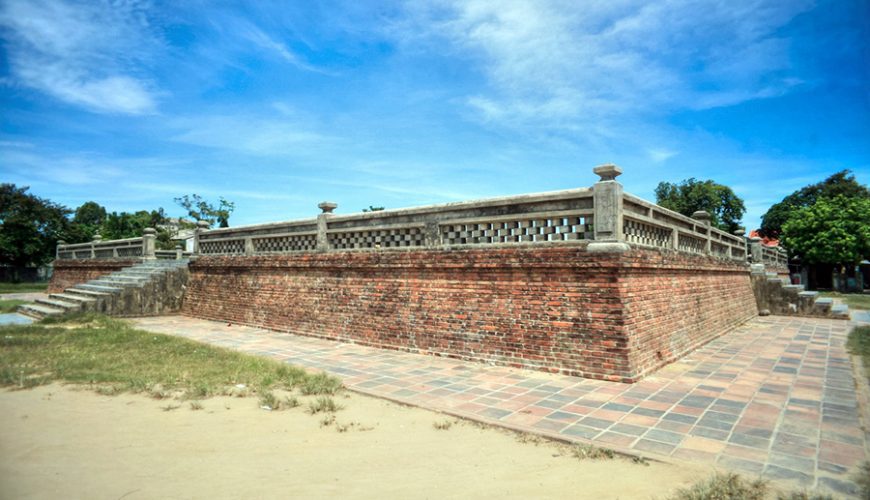
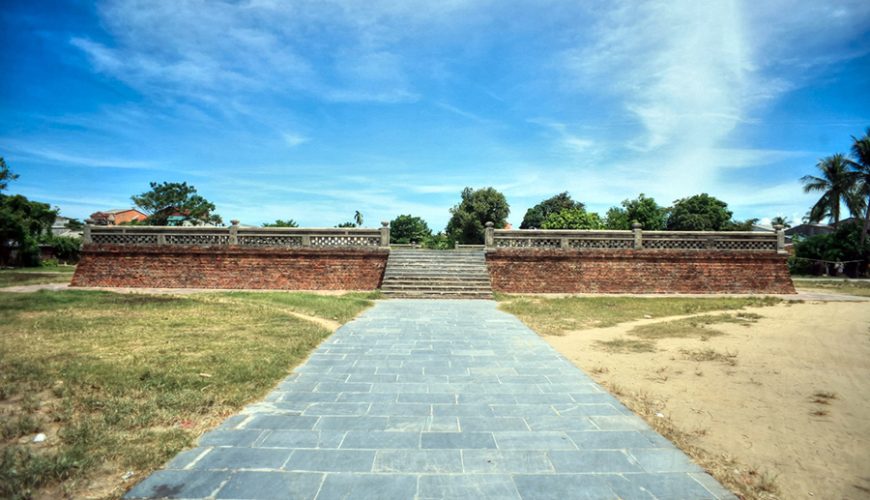
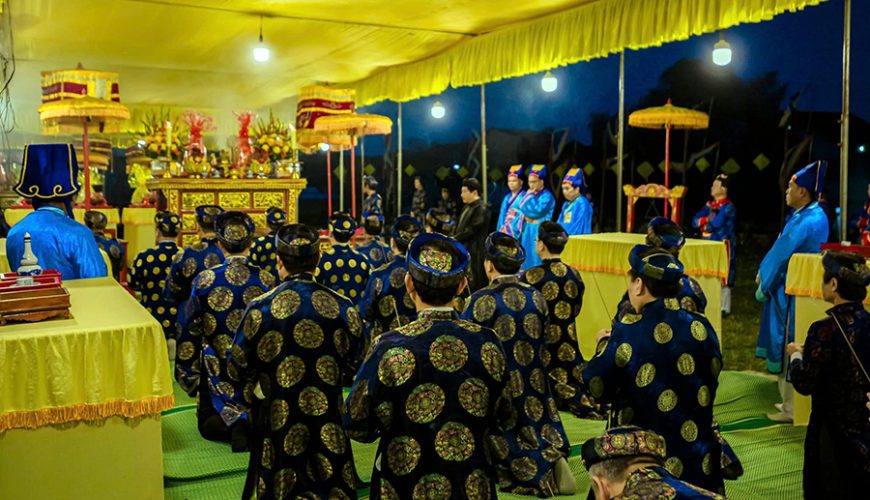
The Xa Tac Ceremonial Site (Vietnamese: Đàn Xã Tắc) is a significant historical and religious site within the Imperial Citadel of Hue, constructed in 1806 during the reign of Emperor Gia Long. It served as the venue where the Nguyen Dynasty conducted rituals honoring the deities of Earth (Xã) and the Grain (Tắc), aiming to secure national peace and prosperity, favorable weather, and abundant harvests.
Overview of the Xa Tac Ceremonial Site
Located southwest of the Imperial Citadel of Hue, the Xa Tac Ceremonial Site was built in accordance with traditional imperial capital planning principles: ancestral shrines were positioned on the left, while the altar for the deities of Earth and the Five Grains was placed on the right.
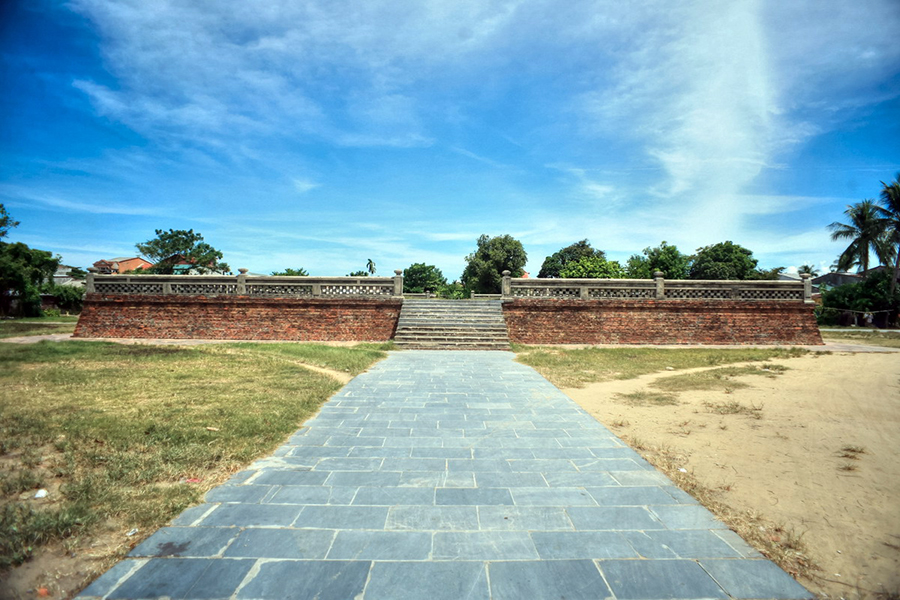
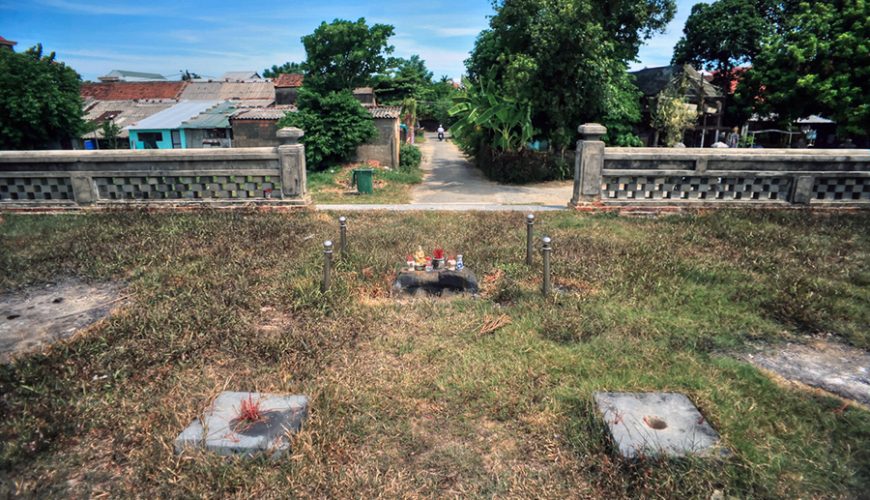
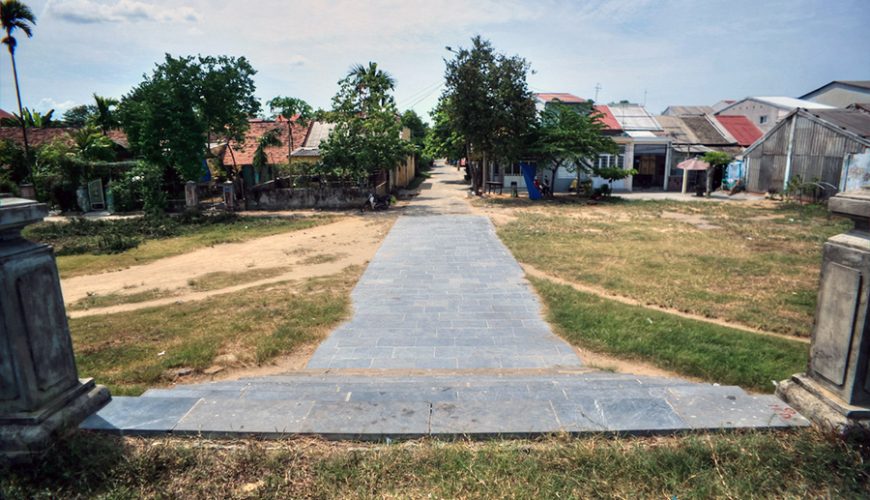
The ceremonial site was built on a substantial scale, consisting of two square-shaped tiers. The upper tier stands 1.6 meters high, with each side measuring nearly 30 meters; its surface is painted in five colors corresponding to the five cardinal directions (yellow in the center, red to the south, black to the north, white to the west, and green/blue to the east). The lower tier is 1.23 meters high, with each side measuring 73 meters. Both tiers are enclosed by brick balustrades over 90 centimeters in height, yellow for the upper tier and red for the lower. The entire complex is surrounded by a low wall, with entrances on the north, west, and east sides.
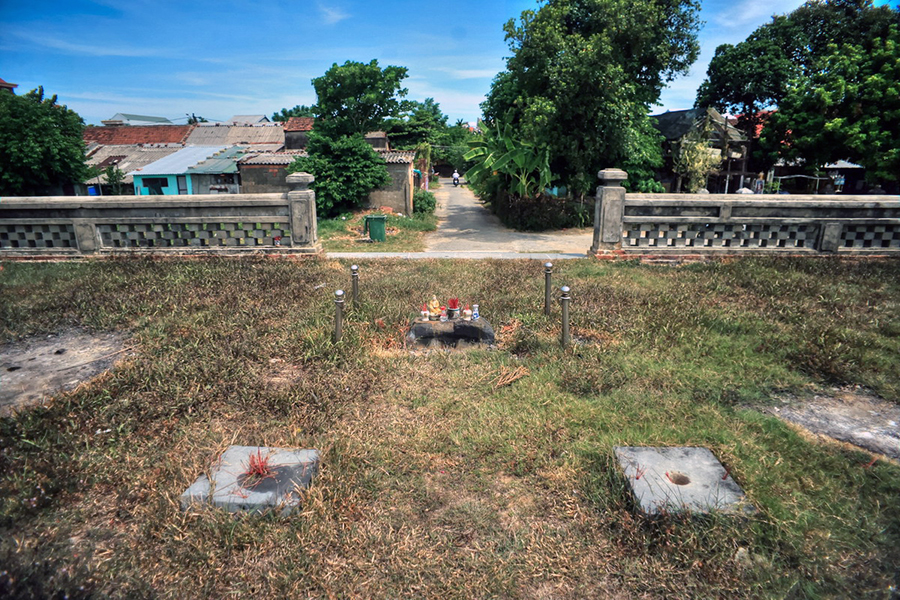
A notable aspect of its construction is that Emperor Gia Long ordered provinces, garrisons, and administrative regions across the country to send “clean” soil to the capital for use in building this site. Consequently, the soil used for the Xa Tac ceremonial site symbolizes the national territory, representing the country’s unity and integrity.
The Xa Tac Rituals under the Nguyen Dynasty
The Xa Tac ritual was classified as a “Grand Sacrifice”, one of the most important ceremonies of the Nguyen Dynasty, second only to the Nam Giao (Heaven and Earth) sacrifice. According to established protocol, the sacrificial ceremony was held twice a year, in the second and eighth lunar months. The Emperor either presided over the rites personally or appointed a high-ranking official to perform them on his behalf.
Beyond seeking a bountiful harvest, the ceremony underscored the Emperor’s responsibility to the nation and the well-being of his subjects. In traditional thought, land and grain were considered the foundations of the state; hence, the term “xã tắc” (literally “land and grain”) became synonymous with the nation itself.
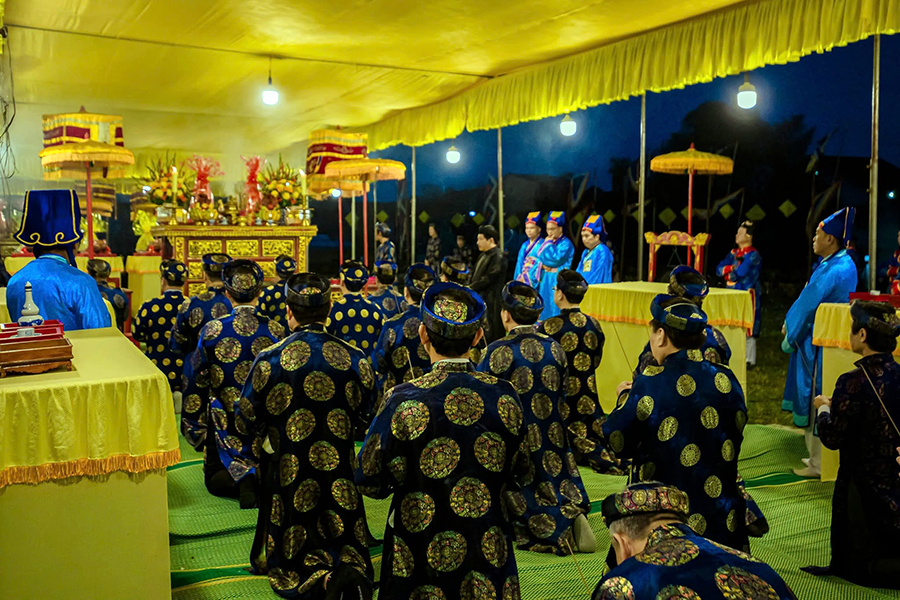
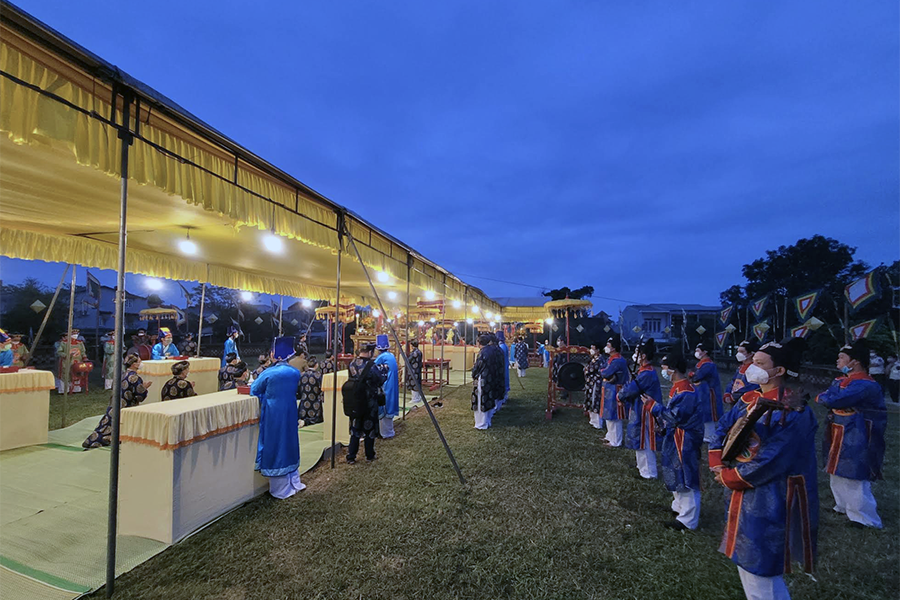
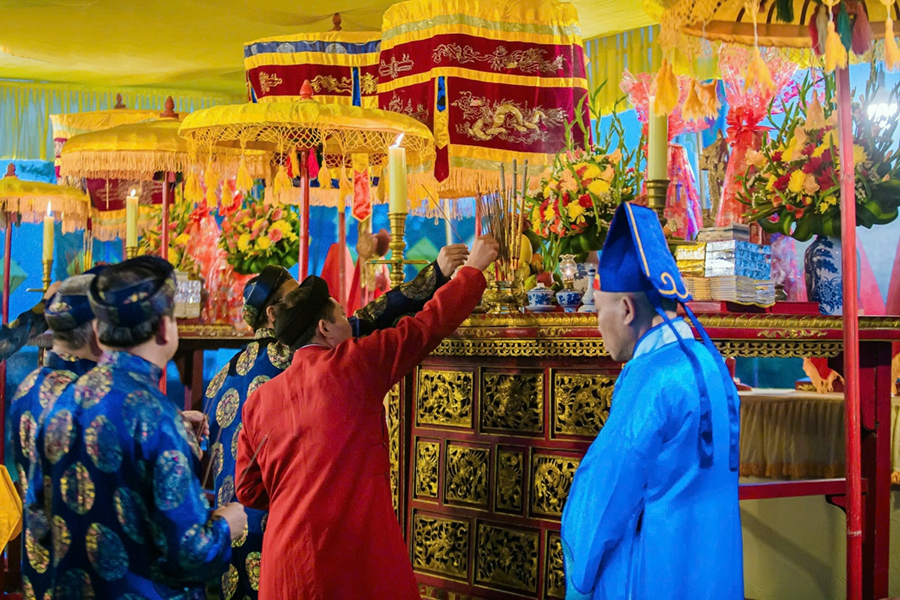
Having endured numerous upheavals, the Xa Tac Ceremonial Site suffered severe damage, with many of its architectural features buried or lost. In 2008, archaeological excavations uncovered the original foundations, staircases, and other significant remnants, providing a basis for studying and restoring the site.
Today, the Xa Tac Ceremonial Site stands as a quintessential monument of the Ancient Capital of Hue, reflecting the agrarian beliefs, governance philosophies, and ritual system of the Nguyen Dynasty.
Xa Tac Ceremonial Site
- Location: 10/29 Xa Tac, Phu Xuan, Hue.
- Nearby tourist spots: Ngo Mon Square, Phu Xuan Communal House…
Source: collected by Thien An
Follow us for the best deals on Vietnam package tours and visa services!
Comment (0)