
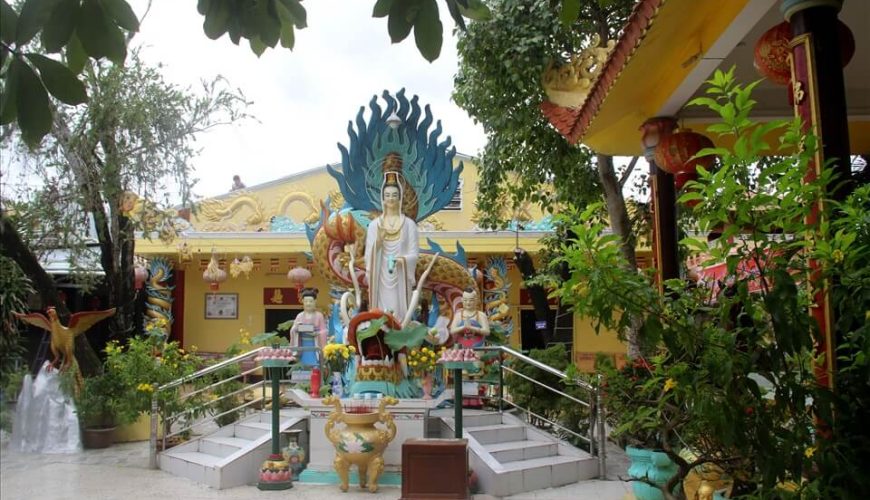
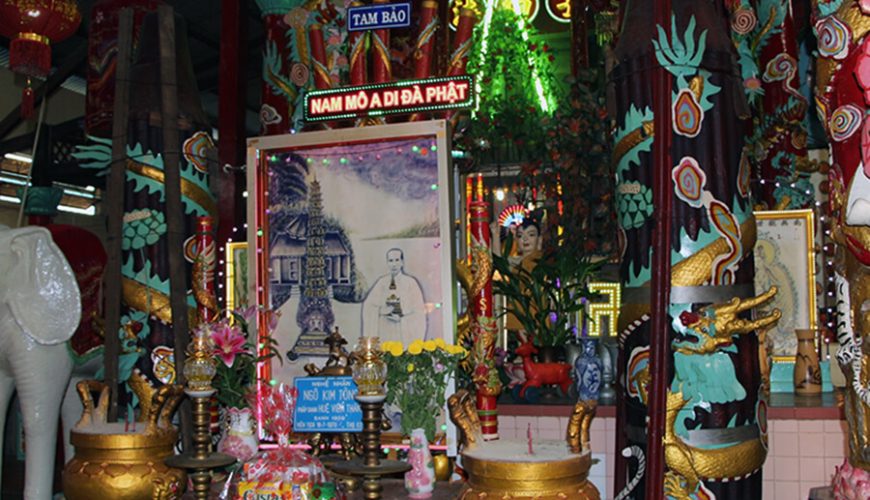
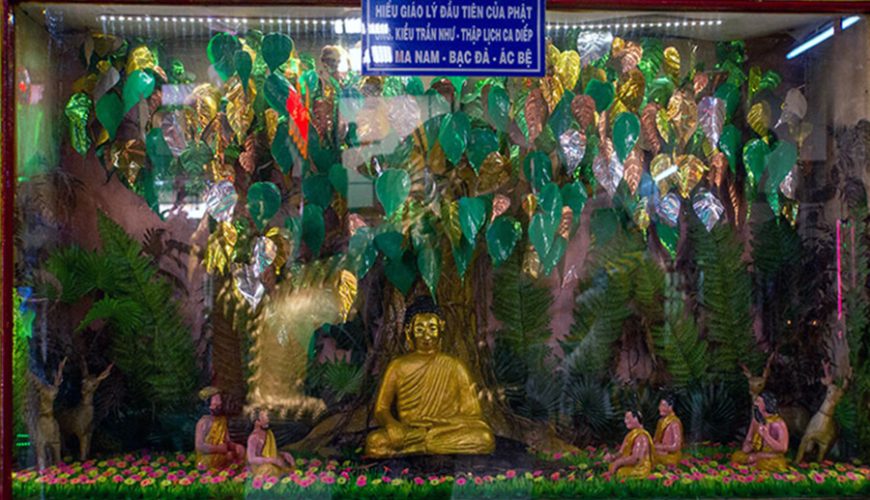
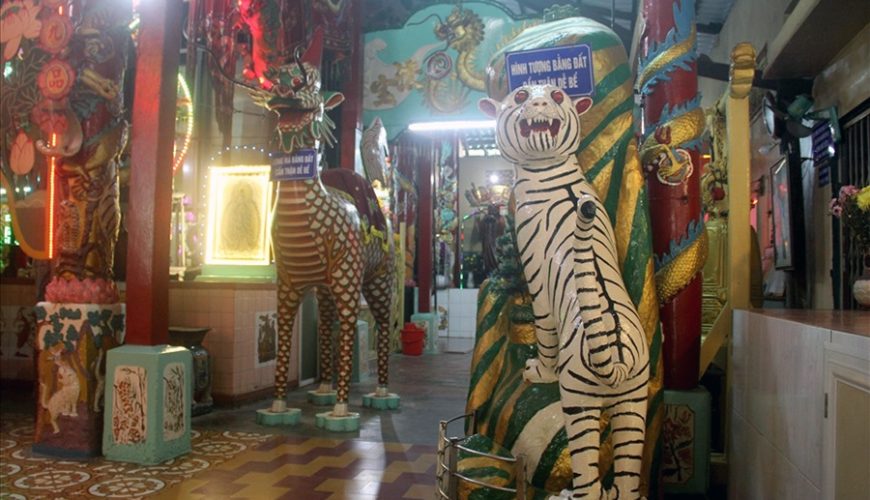
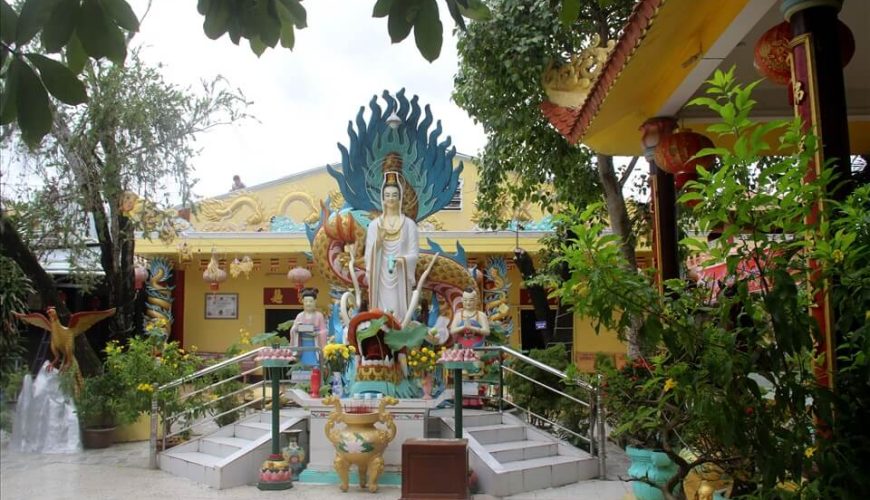
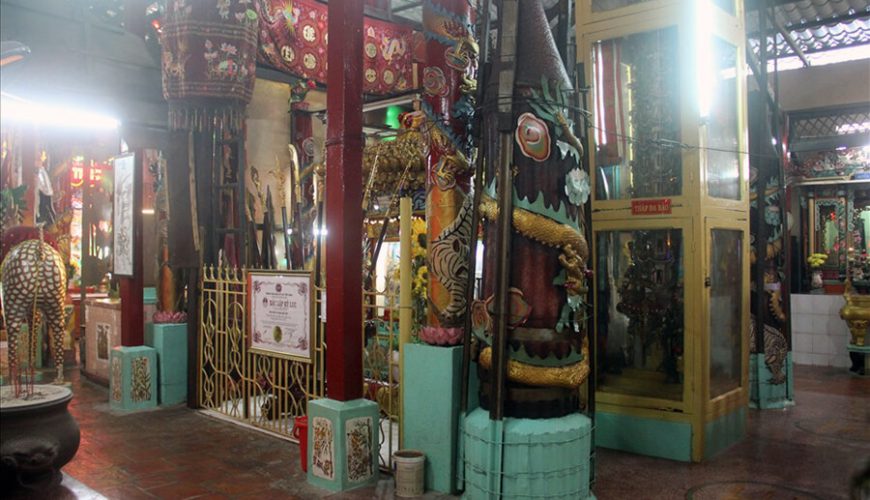
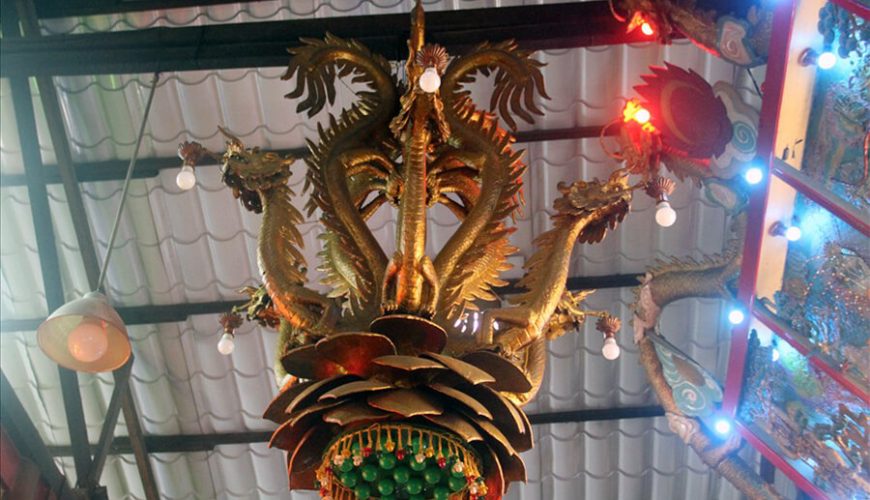
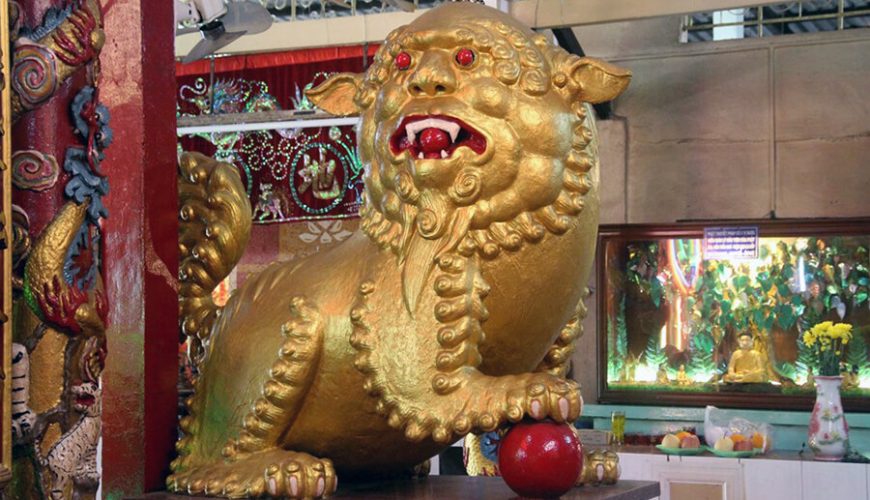
Clay Pagoda (Vietnamese: Chùa Đất Sét; Đất Sét means clay, chùa means pagoda) has an official name of Buu Son Pagoda (Vietnamese: chùa Bửu Sơn). Although this pagoda is not famous for its grand architecture or large area, it is unique for its storage of thousands of clay artifacts and for its pairs of large candles and giant incense sticks, which attract many tourists.
General information about Clay Pagoda
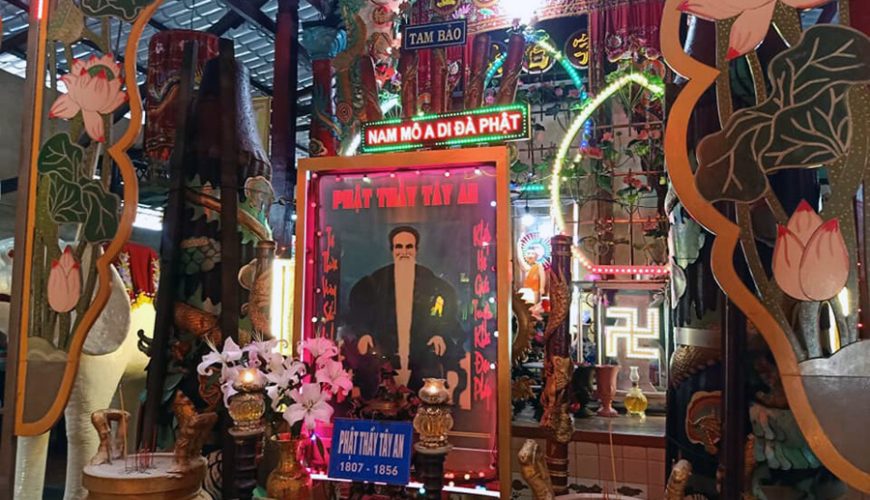
The pagoda is located at 286 Ton Duc Thang Street, Group 1, Soc Trang Ward. According to the elders, Clay or Buu Son Pagoda was originally just a small hermitage built around the beginning of the 19th century for Mr. Ngo Kim Tay to practice at home. Initially, this pagoda was built with available natural materials such as bamboo and thatch. During the fourth generation of the abbot, Mr. Ngo Kim Tong (1909 – 1970) renovated and expanded the pagoda, transforming it into the unique structure it is today. Although he did not attend sculpting or painting school and did not study in a formal way, relying only on folk contemplation, he created unique clay sculptures that have extremely rare historical and religious value.
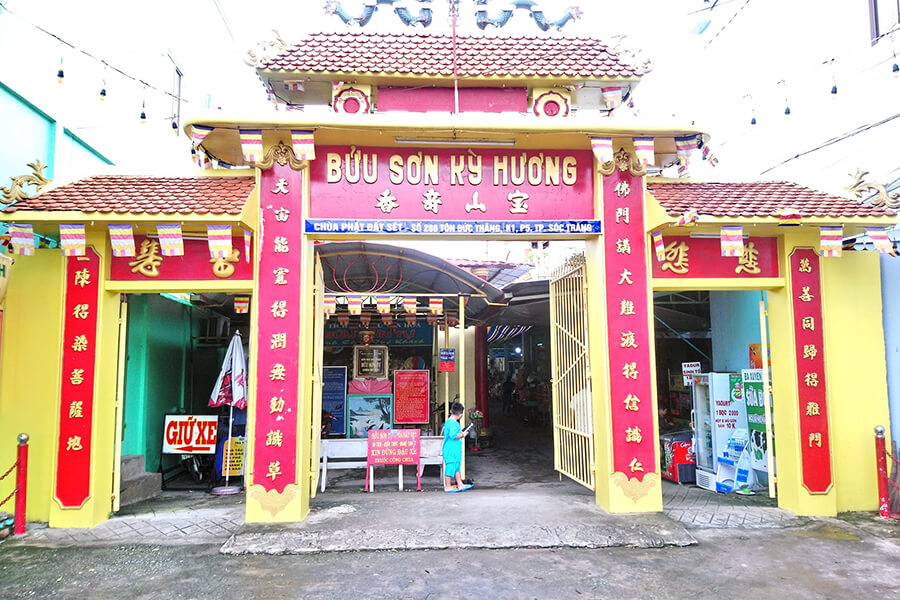
As a result, on December 10, 2010, Clay Pagoda was ranked and honored as Provincial Historical-Cultural Monument.
Unique architectural features and cultural values
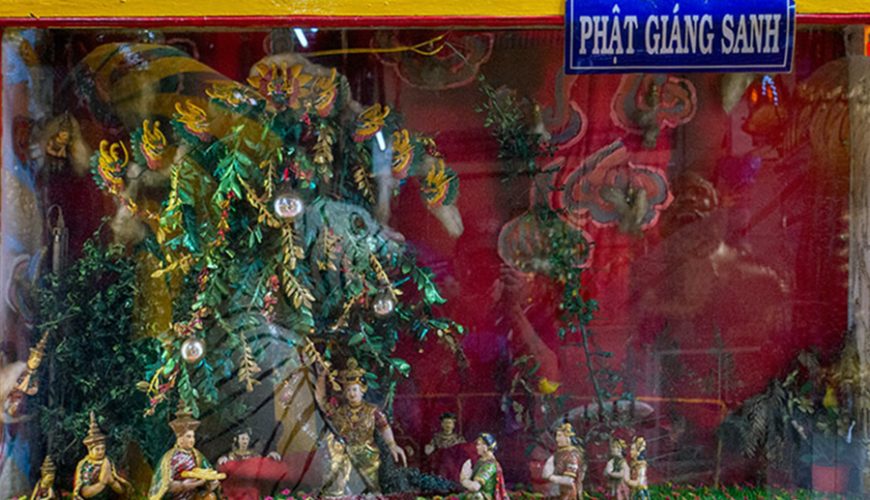
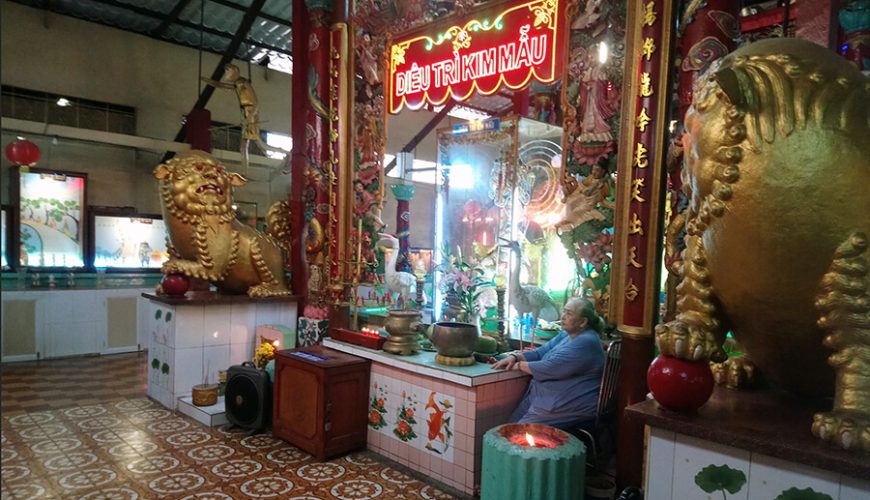
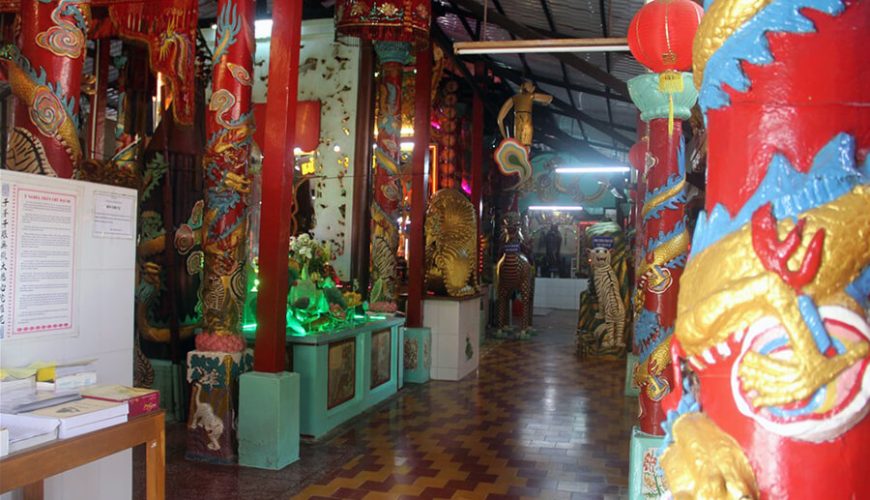
The area of Buu Son Tu is about 400 m². The architecture is simple, with wooden columns and a corrugated iron roof; however, this ancient pagoda contains nearly 2,000 Buddha statues, large and small, along with sacred animals and other worship objects, all of which are preserved.
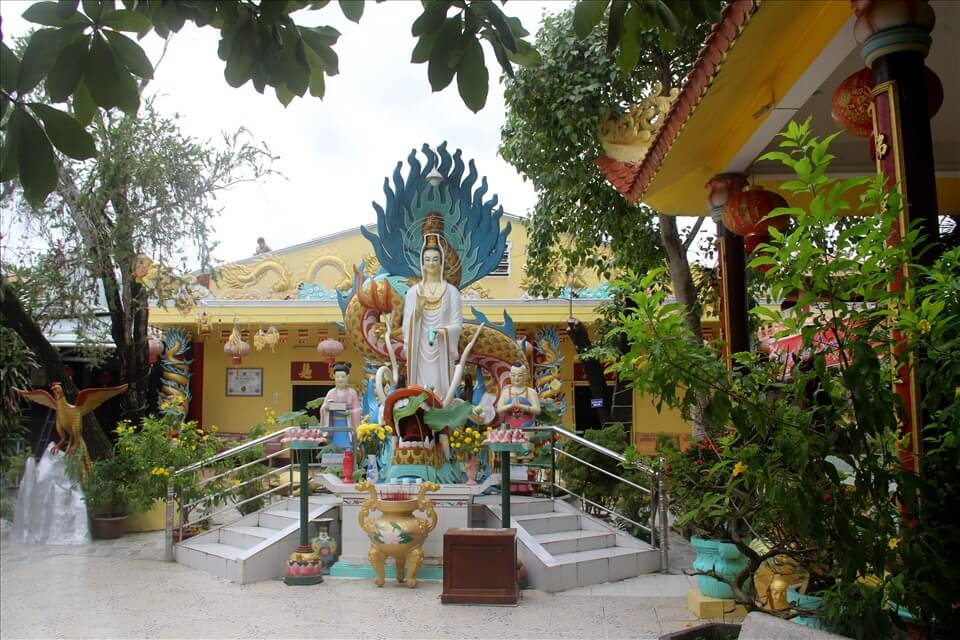
Artist Ngo Kim Tong molded clay for 42 years (from 1929 to 1970). When traveling to Soc Trang and visiting the Clay Pagoda, everyone was amazed by Mr. Tong’s talent and love for Buddhism, who created a project full of enthusiasm and feats.
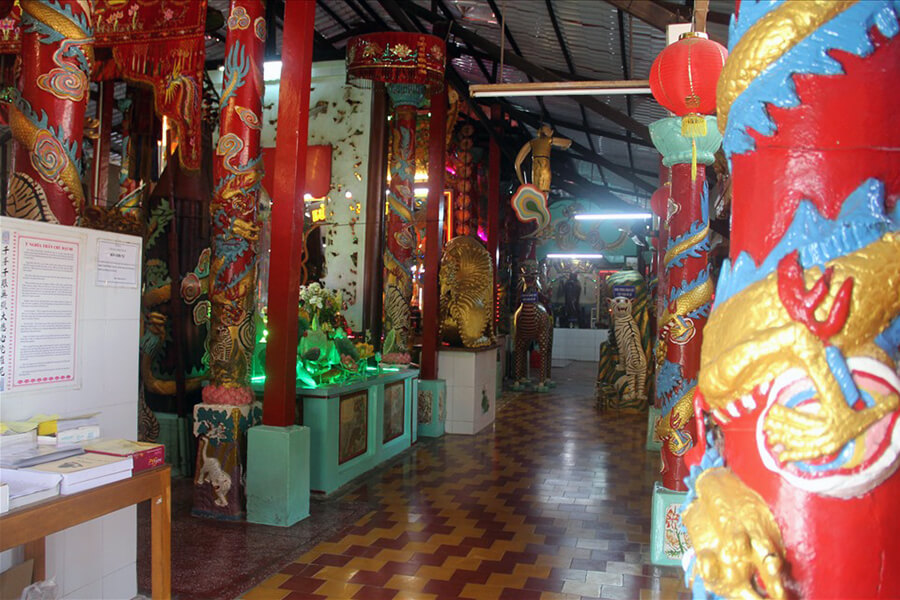
The statues are made mainly from clay, exploited by Mr. Tong from a field a few kilometers away from the pagoda. After drying, the soil will be ground, filtering out impurities, tree roots, and grass roots. Combine this fine soil with incense powder and acacia to create a fragrant mixture. By doing so, Mr. Tong began shaping the statues, creating smooth, crack-free statues.
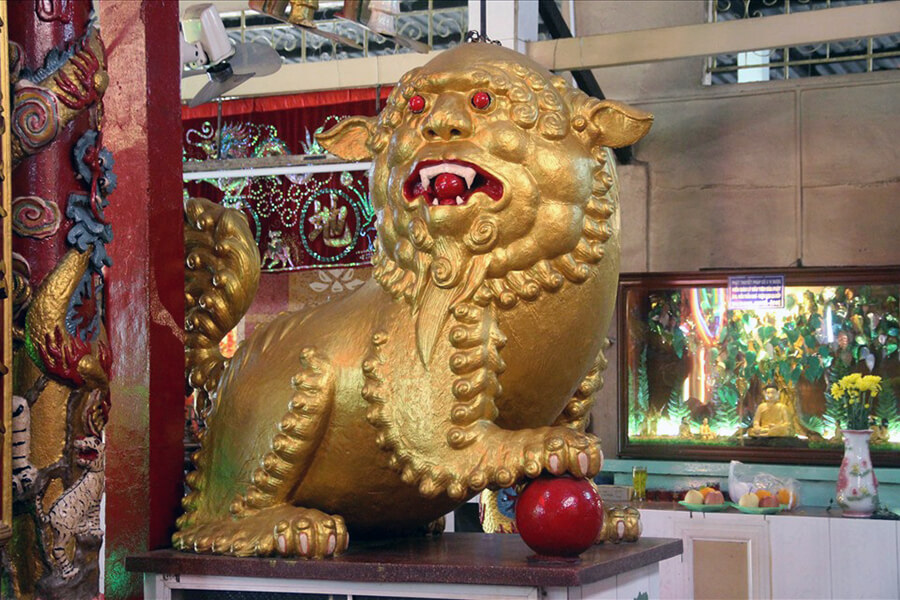
Mr. Ngo Kim Tong has researched and applied support methods to create statues that meet high aesthetic standards. He used wire mesh and wood to make the ribs, then covered them with fabric and a mixture of materials to make the statue. The exterior of these statues is covered with metallic paint and varnish.
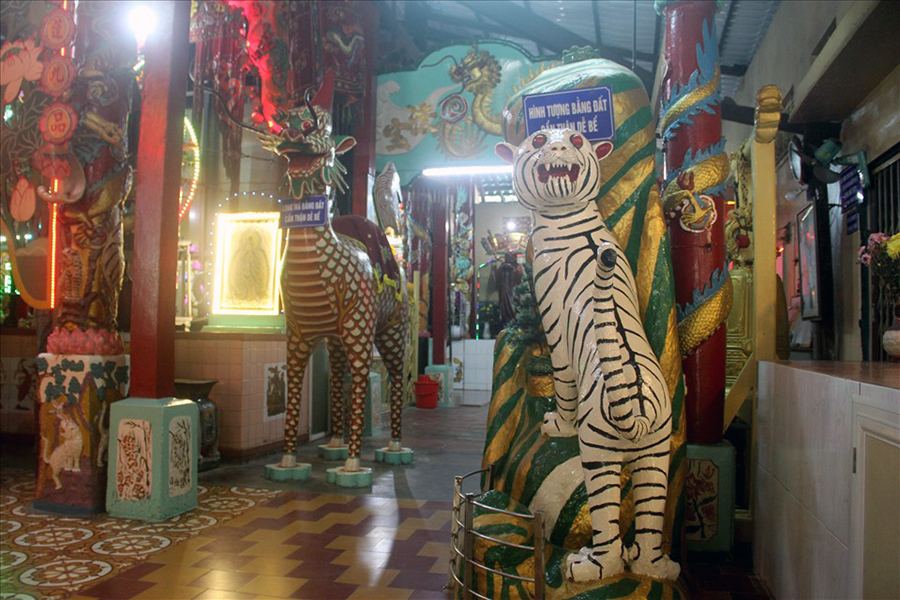
His rich imagination has created hundreds of large and small statues, each with a unique look, expressing the spirit on each face. This shows his diligence, dedication, and devotion to Buddhism, as he creates beautiful and meaningful works for life.
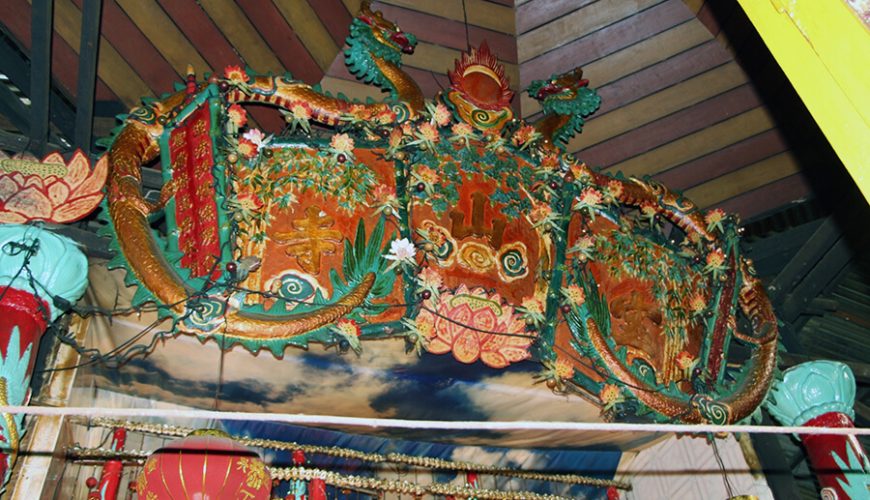
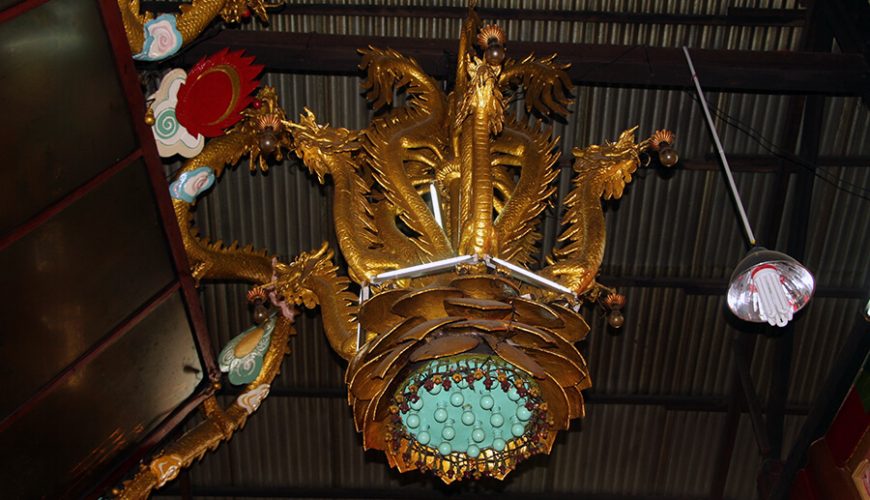
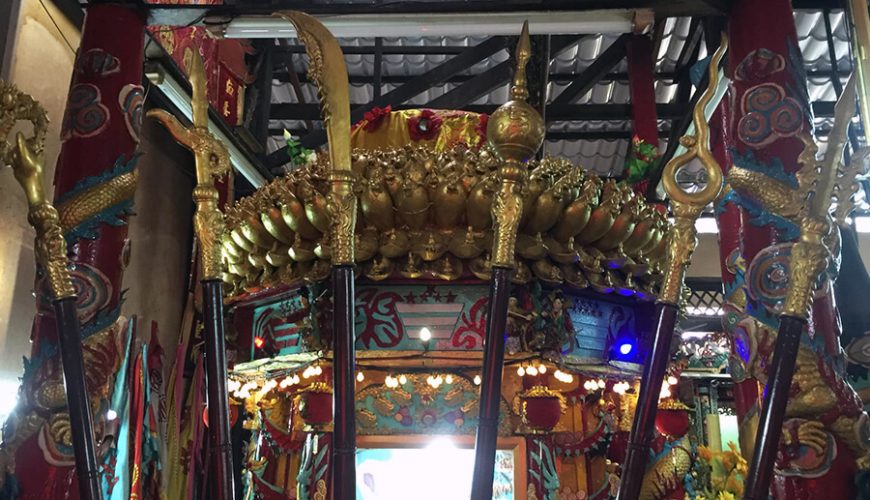
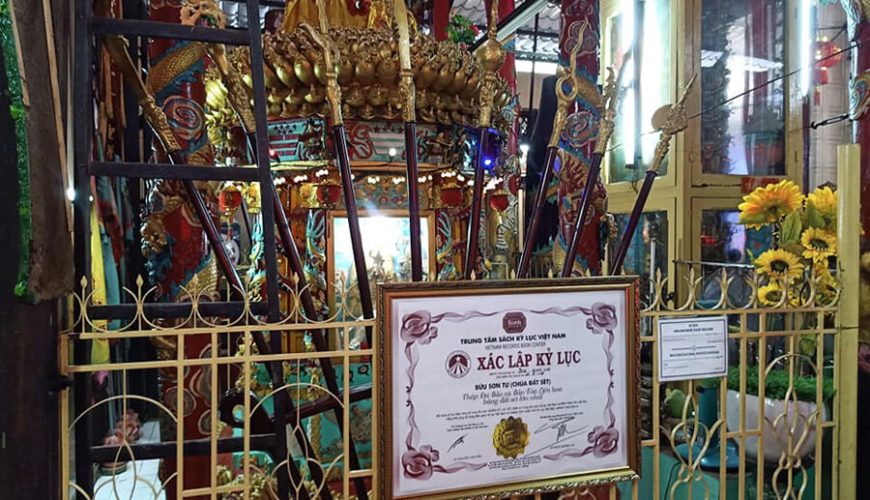
The statues include: Amitabha, Avalokiteśvara Bodhisattva, Confucius, Jade Emperor, Lao Tzu, Maitreya Buddha,…Mr. Ngo Kim Tong also created many other impressive works, of which Da Bao Tower is the most outstanding work. This tower was built in 1939, when he was only 30 years old, and is about 4 meters high and has a sophisticated design. The tower has 13 floors, each with 16 doors. In total, Da Bao Tower has 208 doors and 208 Buddha statues, all surrounded by 156 dragons that wind and move, creating an impressive highlight for this project.
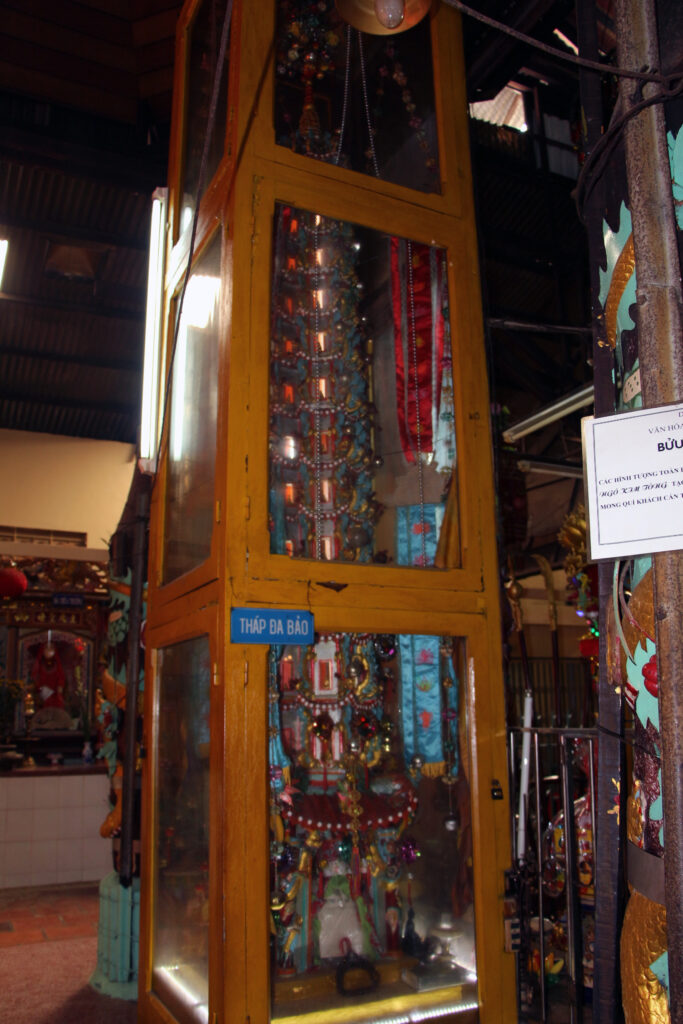
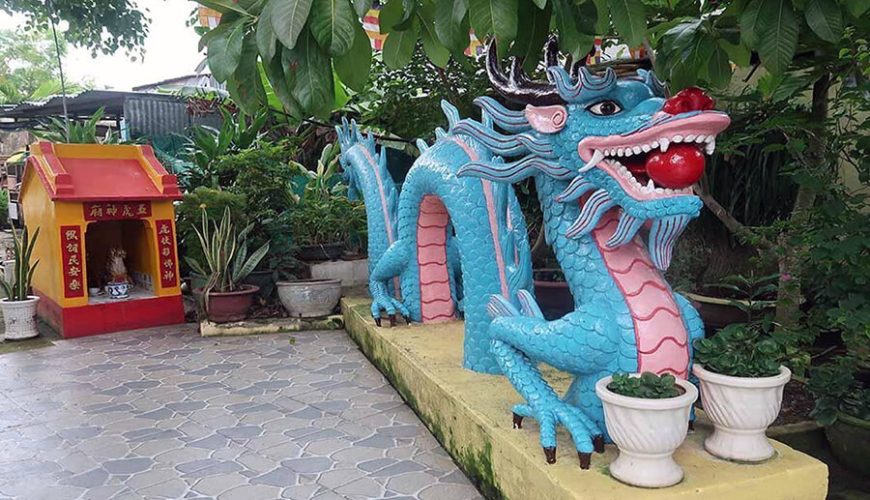
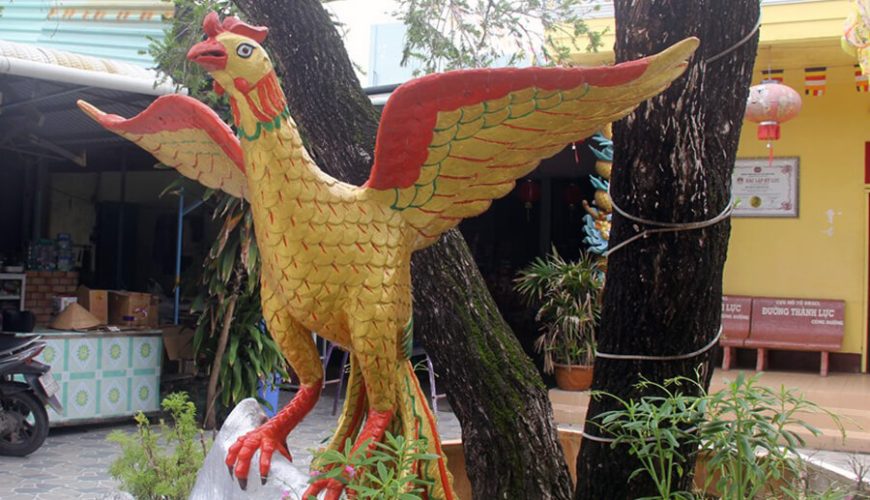
Bao Toa is the second unique building built in 1940, about 2 meters high. Above there is a lotus flower with 1000 petals in an octagonal shape, and below there are 16 fairies standing as attendants. The base of the tower is shaped like 4 animals of the Four Sacred Animals (unicorn, dragon, tortoise, phoenix) and 12 unique, lively, and impressive fish transformed into dragons. All of this demonstrates Mr. Tong’s talent and creativity.
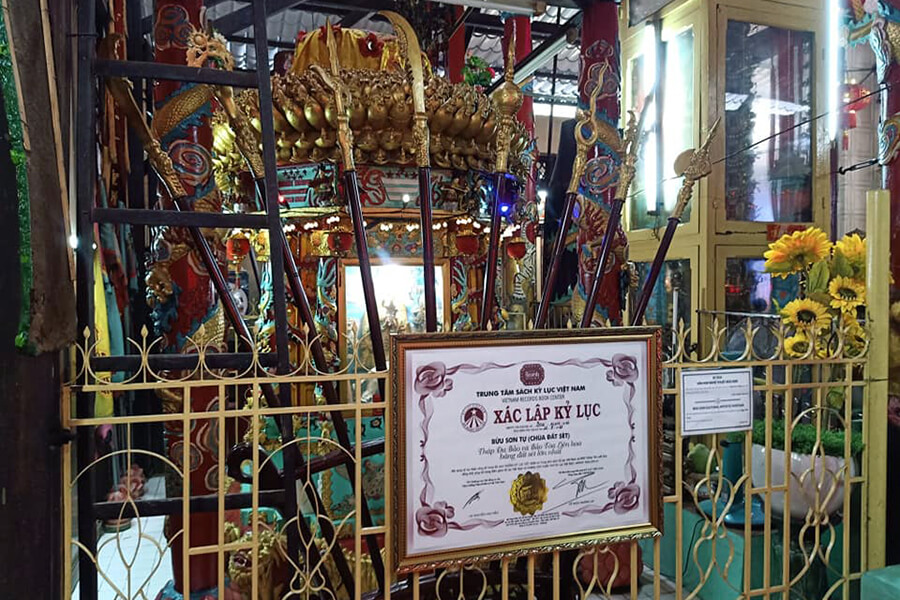
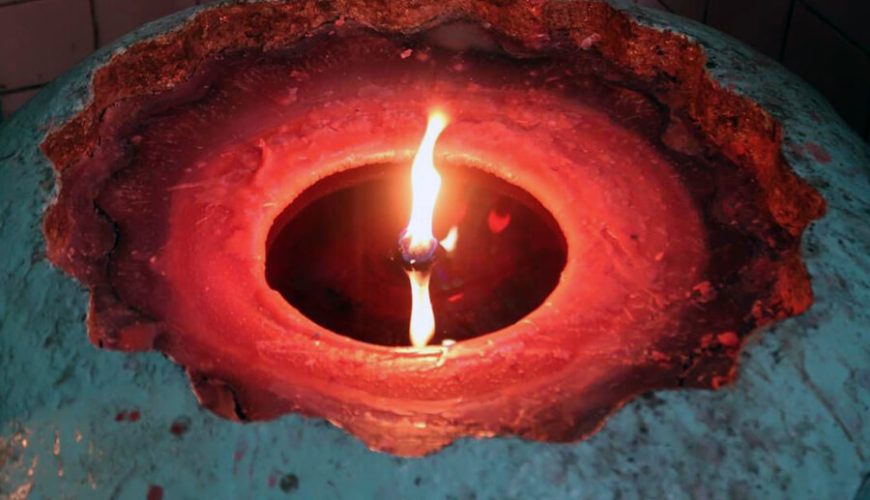
In addition, there are 4 pairs of giant candles that give this pagoda its name. It is known that at the end of his life, he temporarily stopped making statues and started casting candles in the main halls. With a weight of 200kg and a height of 2m, meticulously shaped, it is estimated that each pair of such candles can burn continuously for more than 70 years, with the smaller candle weighing about 100kg burning for more than 40 years.
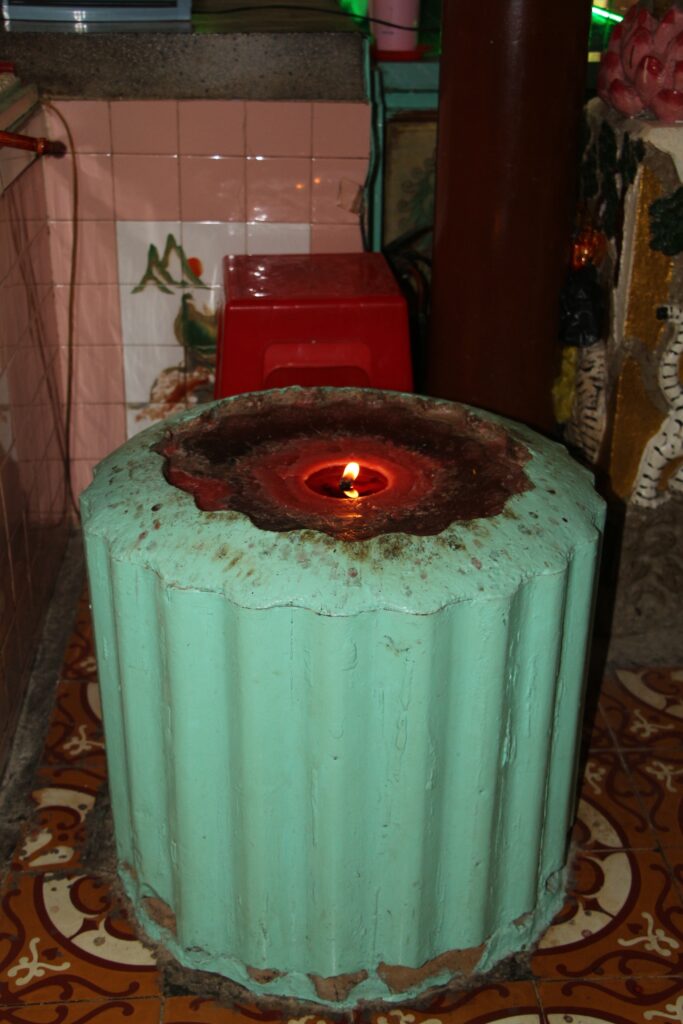
From the day Mr. Ngo Kim Tong passed away until now, this small candle has been lit every full moon day in July and has burned 1/5 of the tree.
Thanks to its timeless values, the pagoda was designated a Provincial Historical-Cultural Monument on two occasions: first on December 10, 2010, and then on July 18, 2013. In particular, the Da Bao and Bao Toa towers at the pagoda received special recognition when they were confirmed as the two largest Buddhist artifacts made of clay in Vietnam. This is a testament to the importance of the Clay Pagoda in the country’s culture and history.
Clay Pagoda
- Best for: solo, family, student.
- Entrance: Free
- Tourist spots nearby: Four Faces Pagoda, Bat Pagoda, Khmer Museum, Nga Nam Floating Market, Kh’Leang Pagoda, Som Rong Pagoda, Chen Kieu Pagoda, Som Rong Pagoda…
Source: collected by An
Follow us for the best deals on Vietnam package tours and visa advice!

Comment (0)