
Can Tho is home to many cultures of different ethnic groups: Kinh, Chinese, and Khmer. Those are the architectural works of pagodas, or culinary culture. In addition, visitors can choose Soc Trang Khmer museum. Visiting the Museum will bring visitors information and a deeper understanding of the unique culture of the Khmer people, when you have any chance to explore Can Tho.
Overview of Soc Trang Khmer Museum
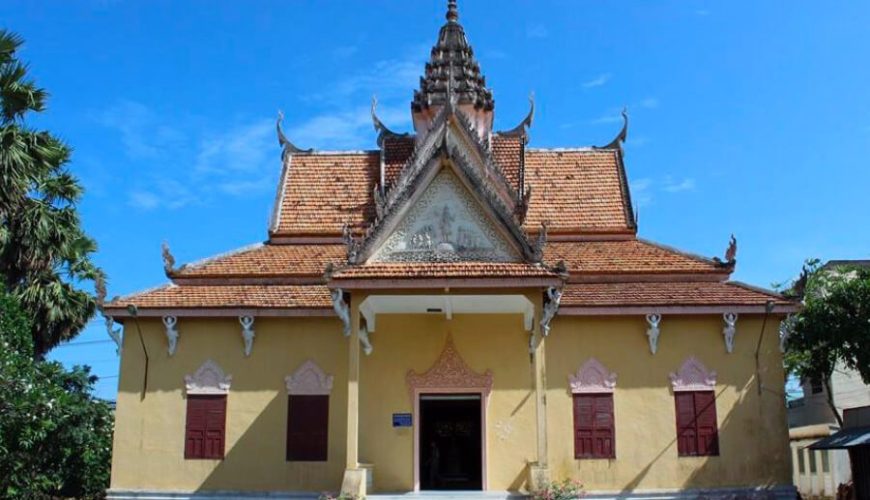
Khmer Museum or Khmer cultural museum (Khmer cultural exhibition house) in old Soc Trang (currently merged to Can Tho City) was started construction in 1936 in the typical architectural style of commonly seen Khmer pagodas. The Khmer Museum was completed within three years and inaugurated and officially opened in 1941. When it was first inaugurated, the Khmer museum was called the Samacum Association and served as a meeting place for the Khmer monks’ association in the Mekong Delta region. Since 1986, Hau Giang Department of Culture and Sports has held this place as a Khmer Traditional House, and in 1992, it was changed into a Khmer cultural museum.
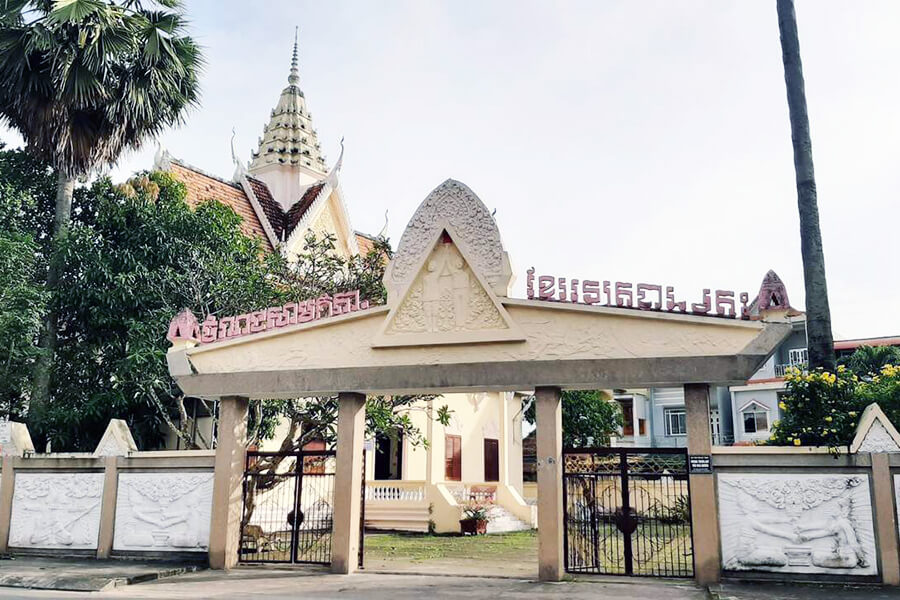
The Khmer Museum is located at 53 Ton Duc Thang, Soc Trang Ward, opposite Kh’leang Pagoda, which is up to 500 years old. Khmer Museum in Soc Trang is one of only two museums preserving the unique cultural features of the Khmer people in the Mekong Delta – another one is located in old Tra Vinh (currently merged to Vinh Long Province).
Opening hours: 6:30 – 17:30
The architecture of the Khmer museum
Soc Trang Khmer Museum features two outstanding aspects: the typical architecture of Khmer pagodas and a collection of cultural artifacts from this ethnic group. In terms of architecture, the houses in the museum system mainly have pointed and curved roofs. This place is divided into two main areas: the area for displaying artifacts (called the Masacum meeting house) and the office area.
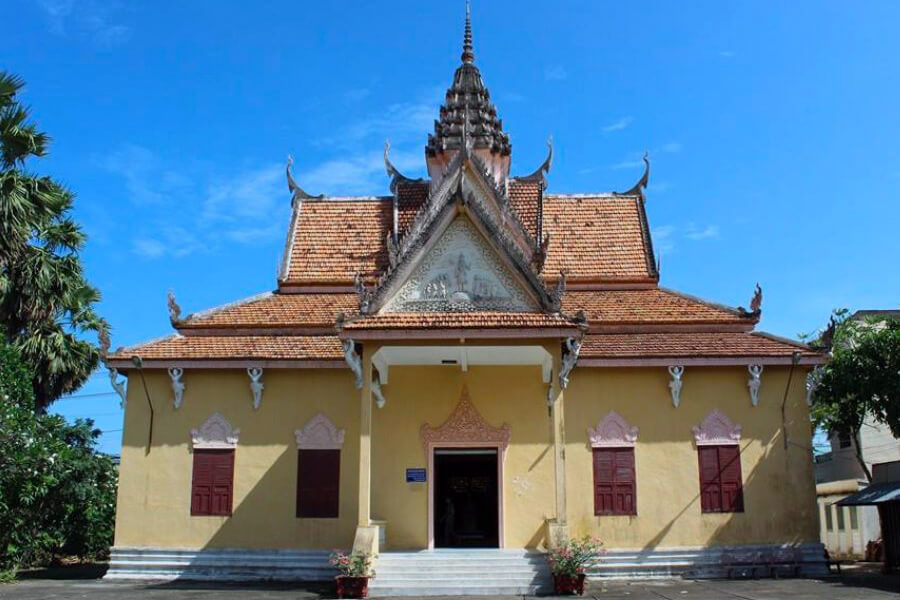
With more than 2,300 m² of cultural space, including an exhibit hall of around 370 m², the provincial museum is the highlight.
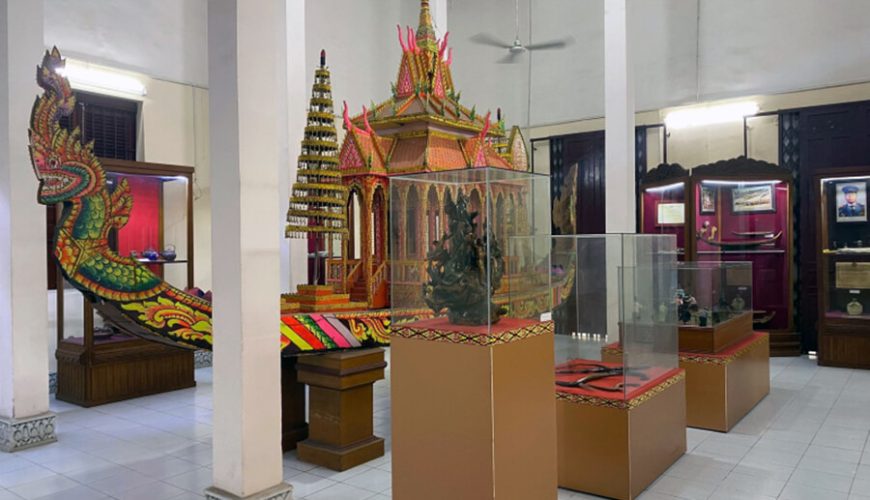
Collection of artifacts in the Soc Trang Khmer Museum
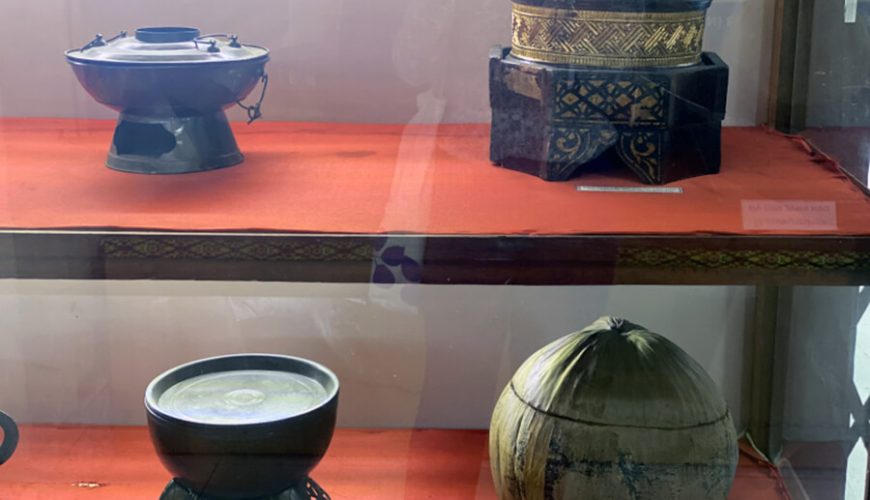
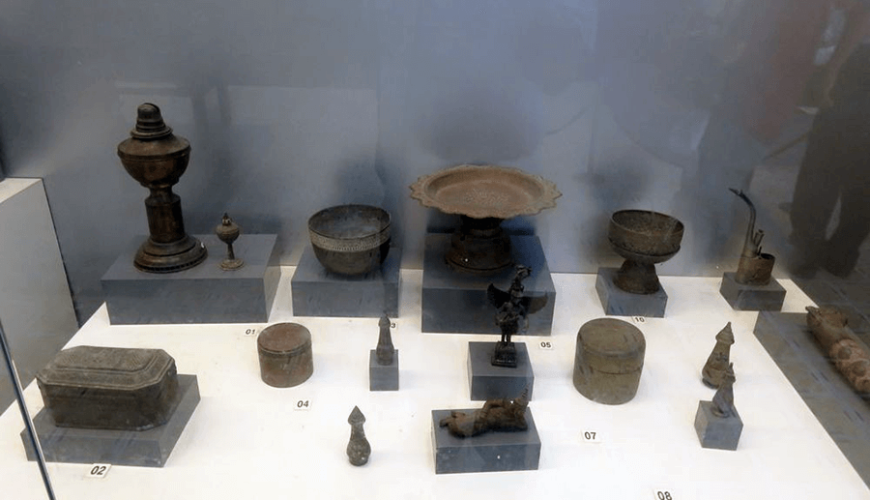
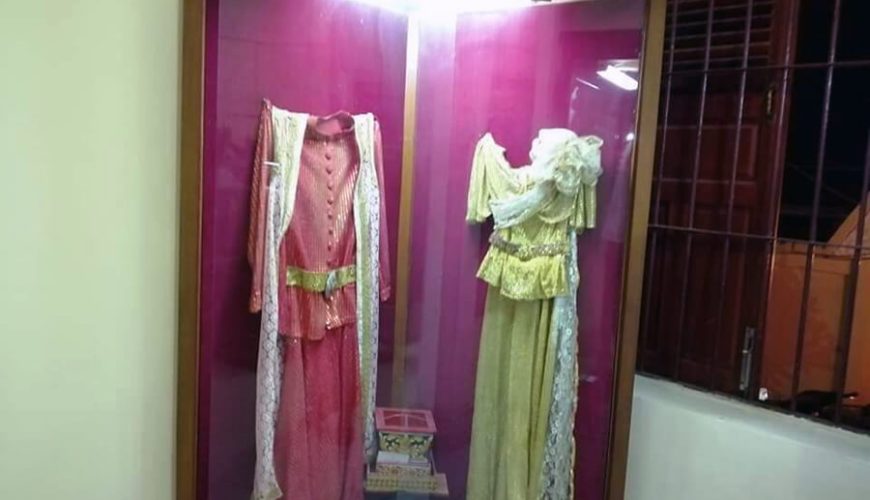
As for the collection of artifacts, there are thousands of utensils and objects that have been closely associated with the cultural and daily life of the Khmer people in Soc Trang for many generations, from simple handmade agricultural tools such as: rice harvest rings; transplanting needles and harvest ring handles are made of horn material and decorated with geometric shapes and birds’ beaks; plows; harrows; shafts to stilt-style housing models and ancient production labor models of the Khmer people such as: carpentry, farming, weaving, mat weaving… and even traditional costumes.
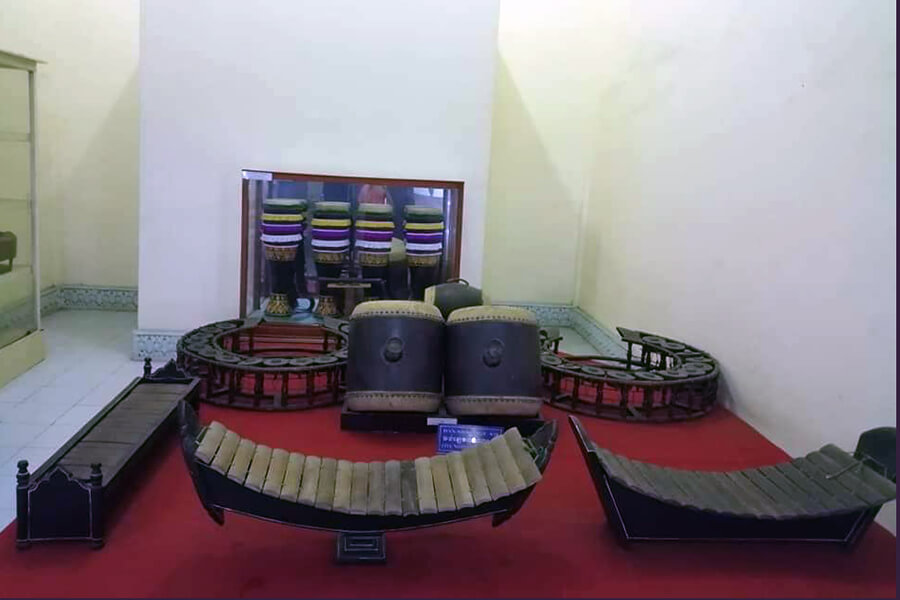
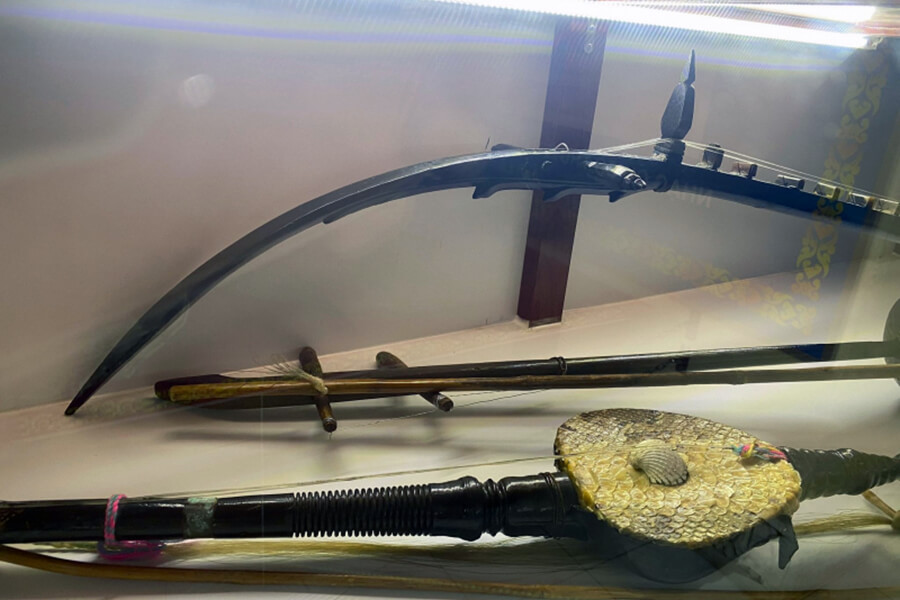
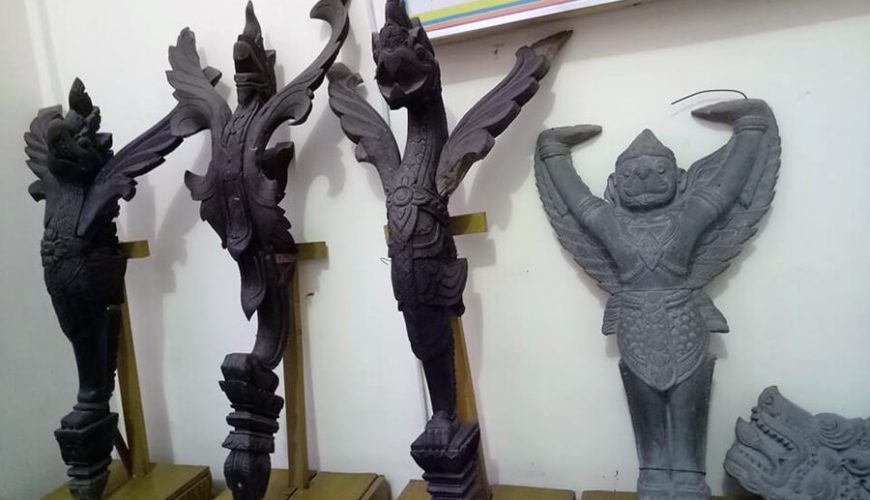
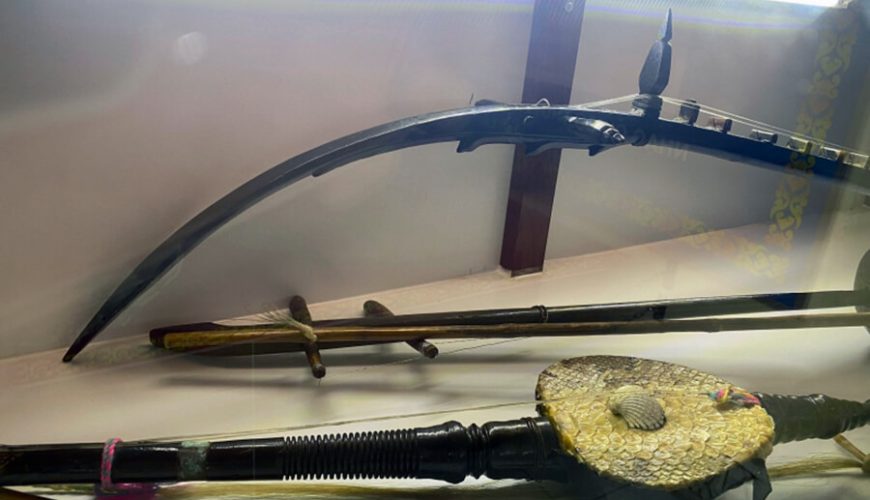
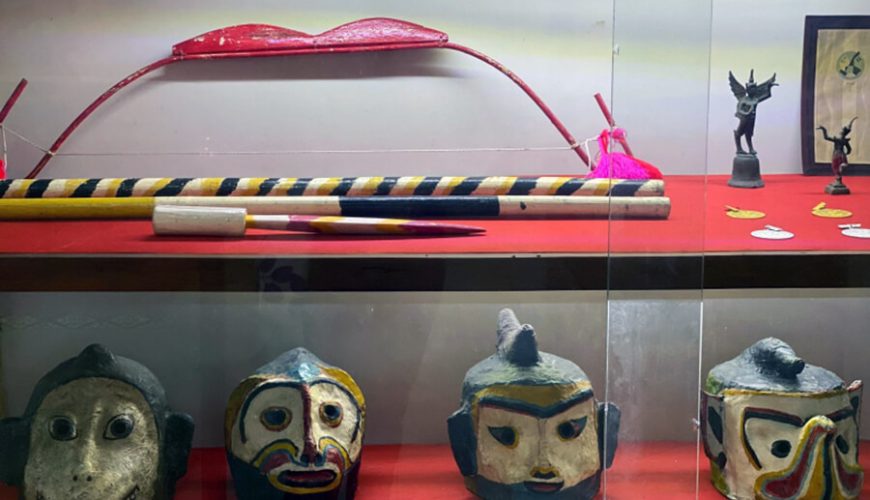
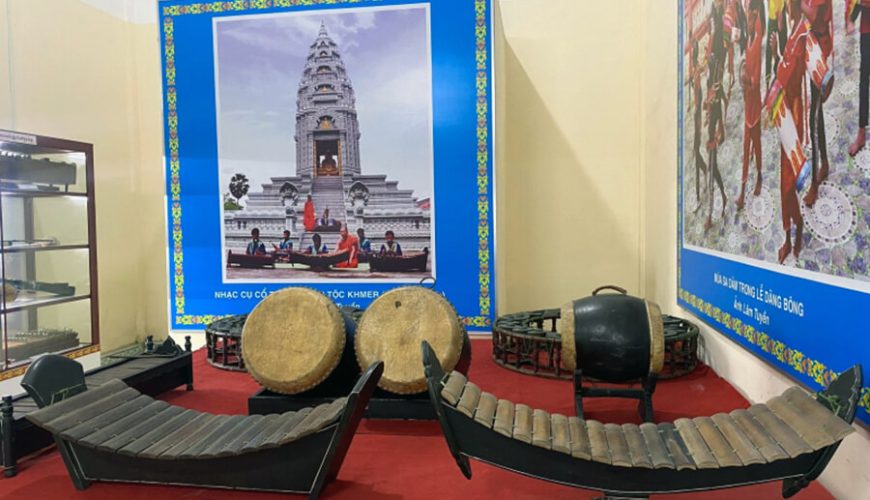
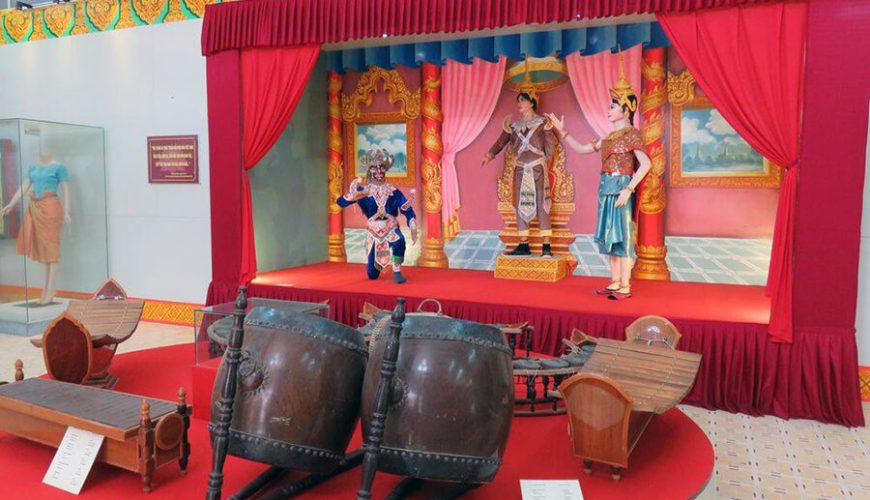
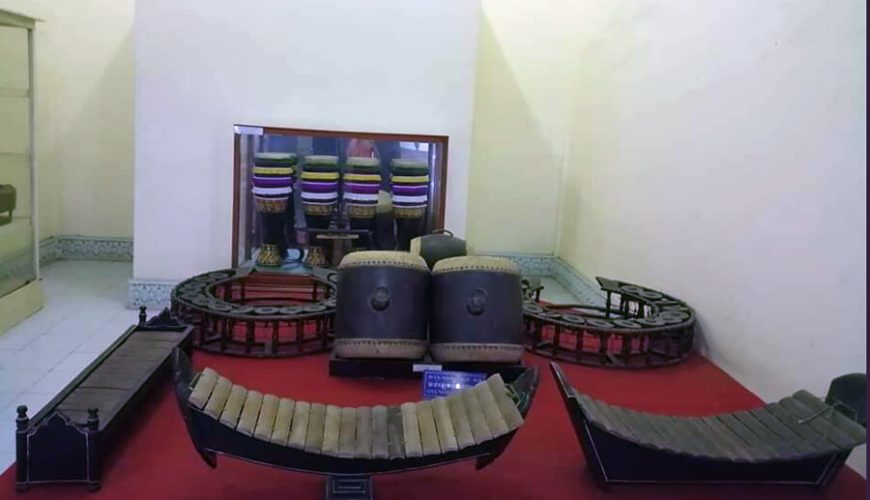
Currently, the museum preserves more than 13,000 precious artifacts, more than half of which were donated by the Khmer people, including collections of masks, leaf books, musical instruments, costumes, and other artifacts. There are other values of Khmer culture.
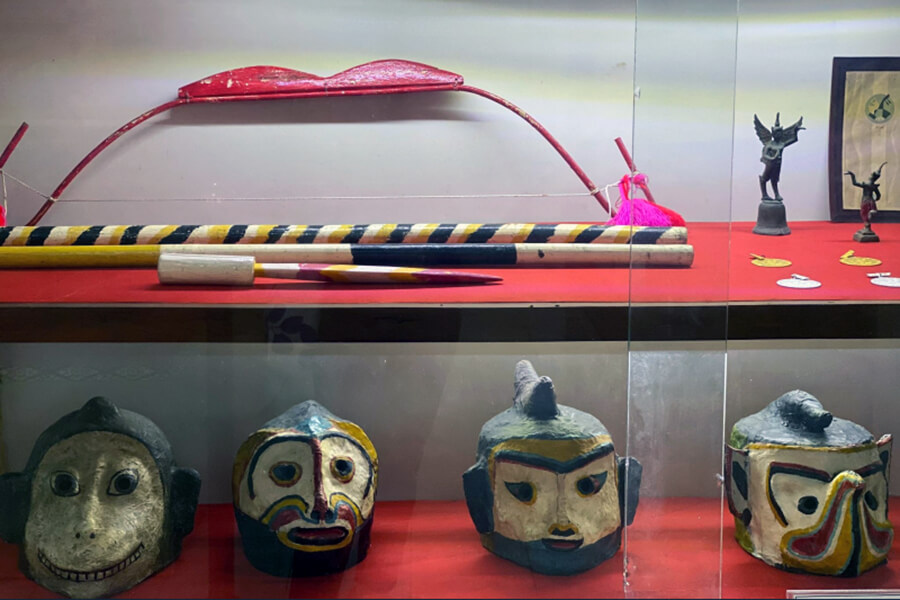
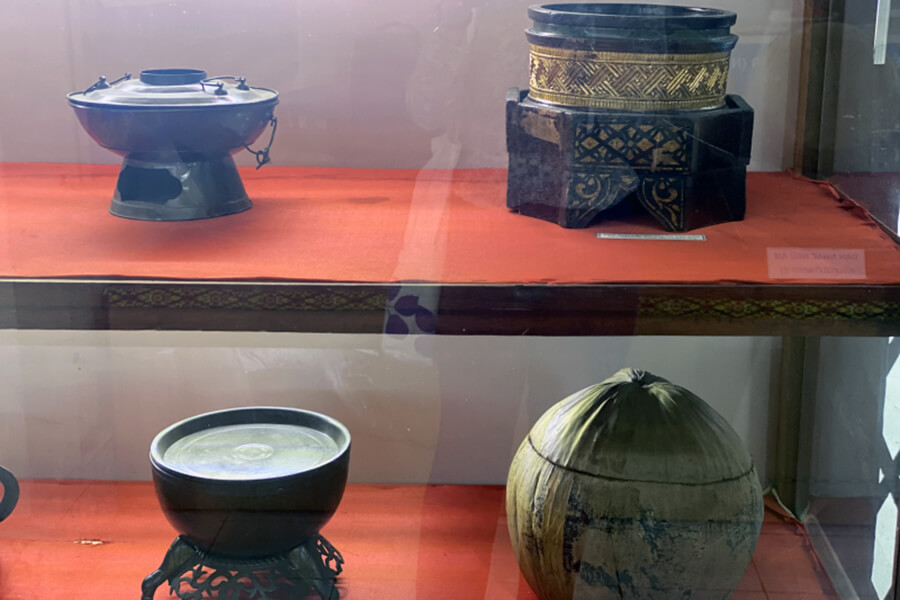
The rudimentary tools help visitors systematically visualize the agricultural practices of the Khmer people since ancient times. Traditional costumes and musical instruments represent material and spiritual life, especially in images of ancient Khmer festivals.
Soc Trang Khmer Museum
- Best for: solo, family, student.
- Entrance: from 20.000VND
- Tourist spots nearby: Bốn Mặt (Four Faces) Pagoda, Bat Pagoda, Kh’Leang Pagoda, Chen Kieu Pagoda, Nga Nam Floating Market ….
Source: collected by An
Follow us for the best deals on Vietnam package tours and visa advice!
Comment (0)