
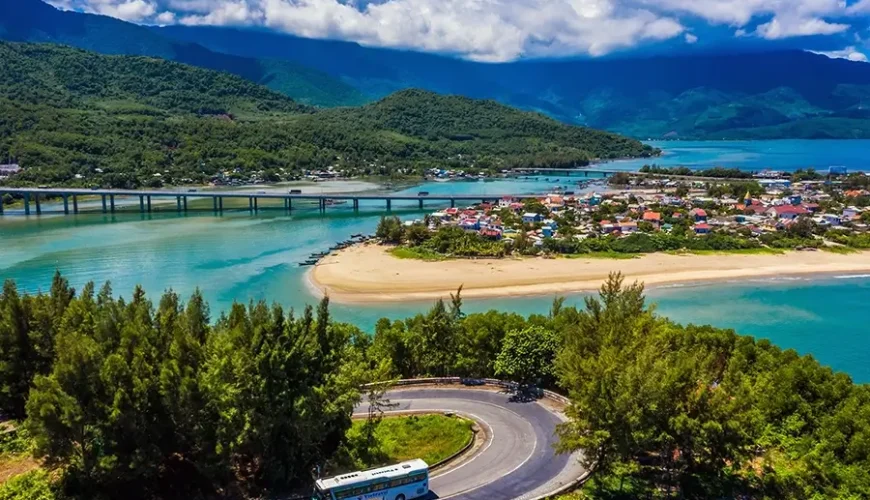
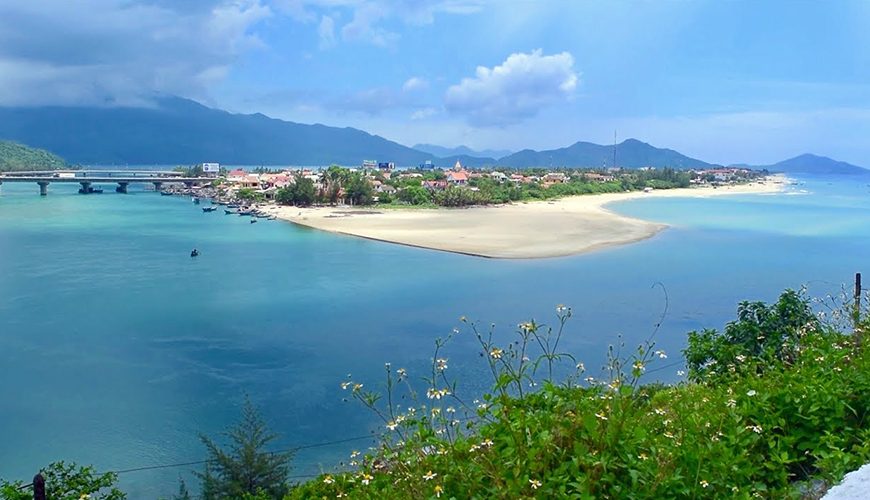
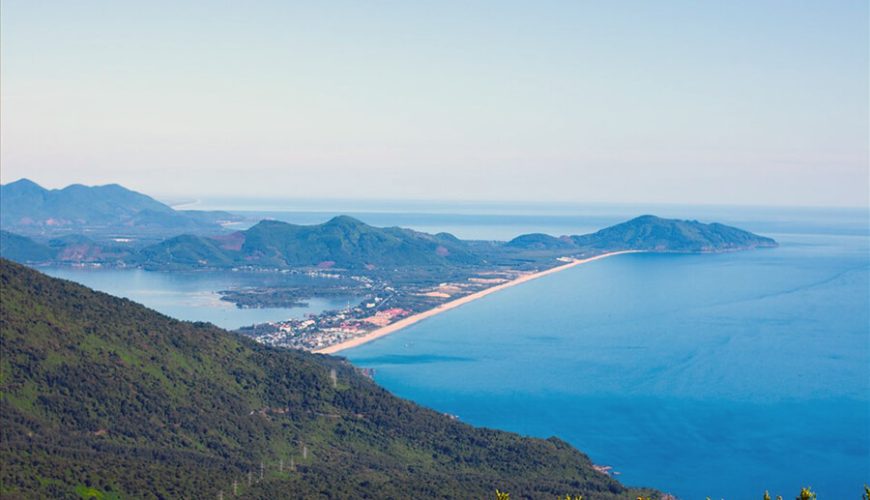
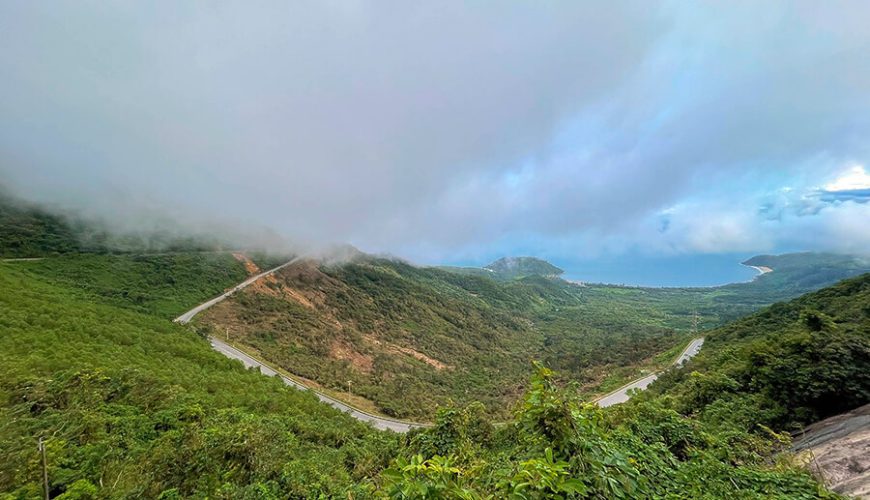
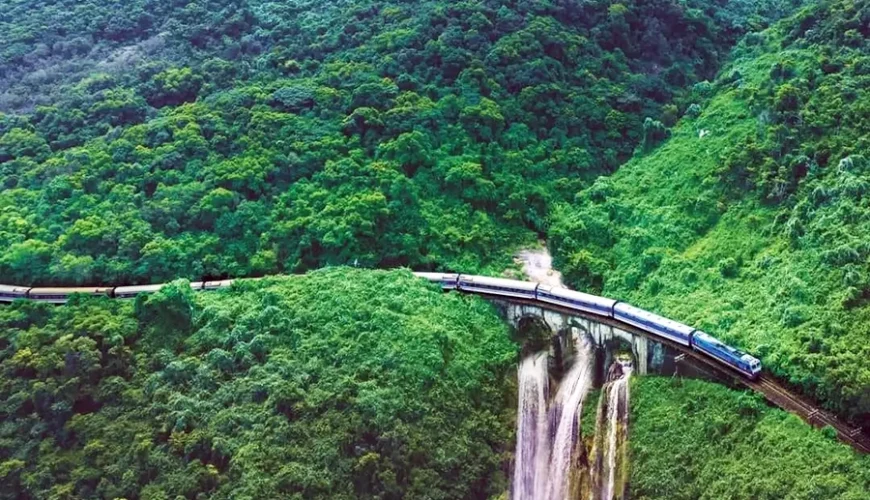
The ancient North-to-South road, and today’s National Highway 1A, runs the length of the country, through many geographical regions and beautiful natural landscapes, but perhaps there is no place as majestic and impressive as Hai Van Pass. It’s well known as the most majestic mountain pass in the world, a special place, not only for its scenery but also for its historical significance…
Overview of Hai Van Pass
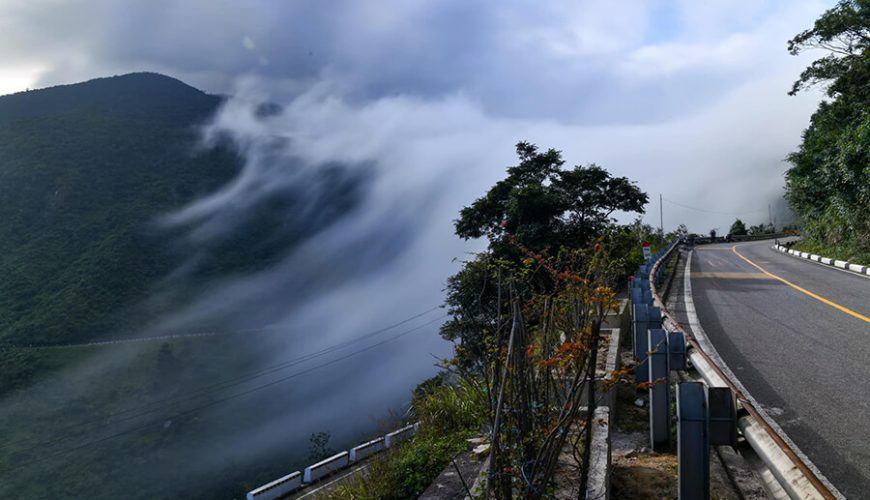
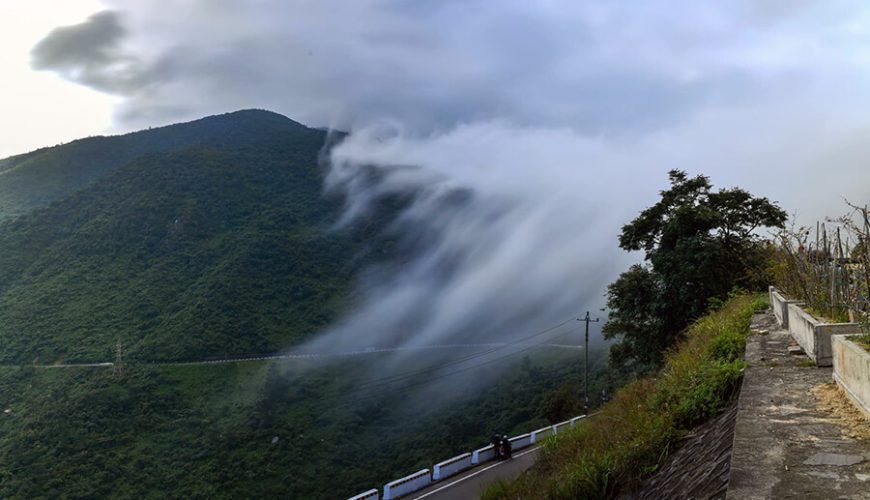
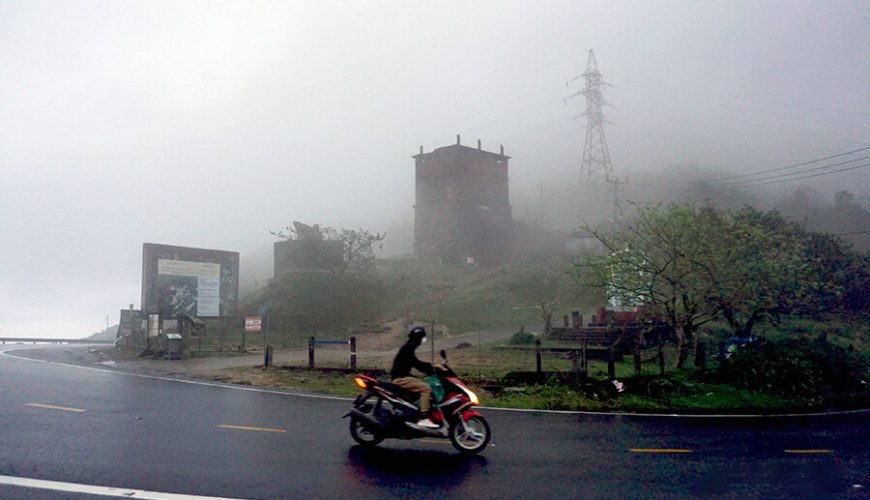
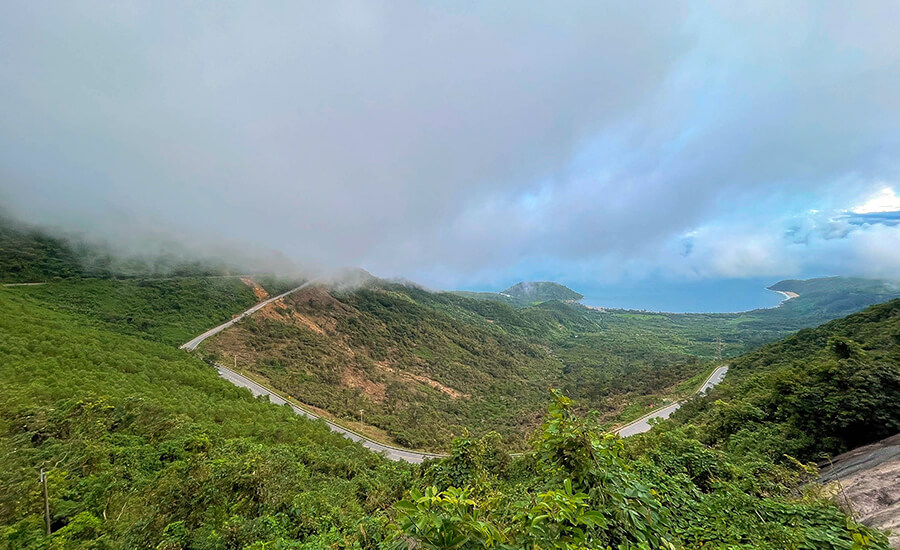
Hai Van Pass (also known as Cloud Pass because the top of the pass is covered with clouds all year round) is a pass running on the Bach Ma mountain range (a branch of the Truong Son range that runs horizontally into the sea, also called Hai Van mountain). The pass runs windingly across the mountain range, has a length of 20km, and an average height of 500m above sea level; is the boundary between Hue in the north and Da Nang city in the south.
According to historical records, before 1306, the land that contains the Hai Van Pass belonged to the Champa Kingdom. Through many wars, this land gradually came under the control of Vietnamese dynasties.
During the Nguyen Dynasty, Hai Van was the boundary between Hue and Da Nang. The mountain pass is extremely dangerous and difficult to navigate, with many wild animals and robbers. For centuries, very few people dared to travel here, and Hai Van was an obstacle in trade and cultural exchange between the North and South. In the northern part of the pass, at the foot of the mountain bordering the sea, there was a Bat cave where many big waves often sink boats. That’s why people have a folk song: “The road is afraid of Hai Van, the waterway is afraid of big waves, the Bat Cave.”
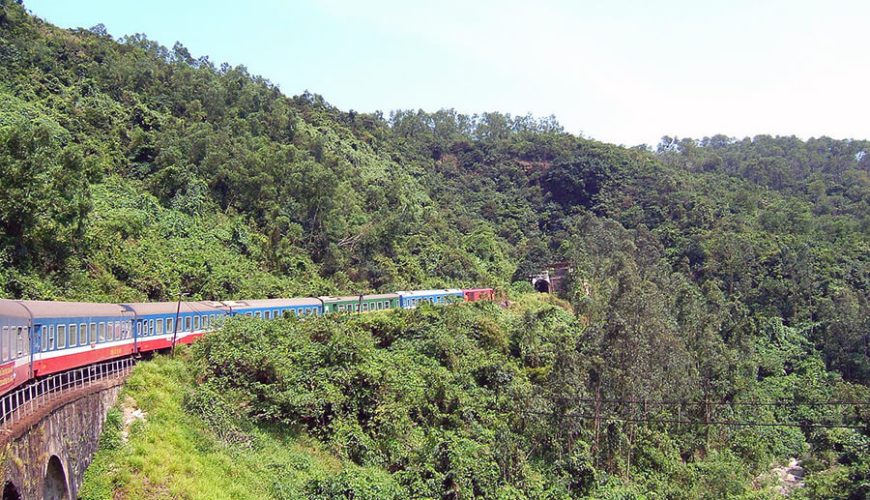
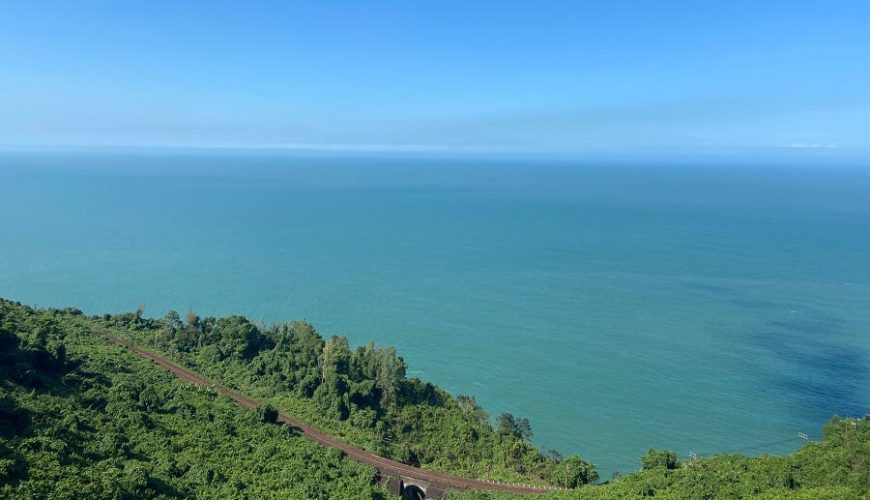
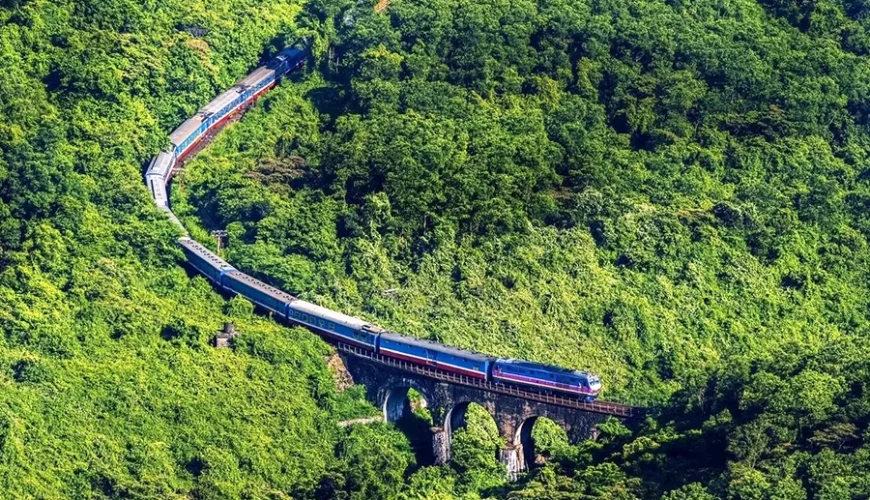
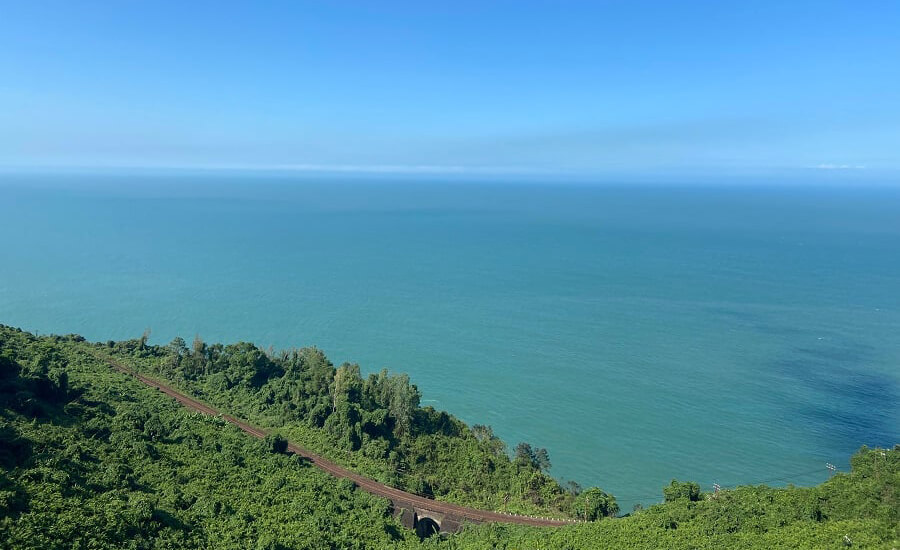
At the beginning of the 20th century, when the French colonialists established dominance in Vietnam, they built a railway through Hai Van Pass in 1902, and in 1906, the line opened as part of the national railway system. Construction started in 1881. This is truly a miracle, given the extreme danger of the Hai Van Pass terrain. Hai Van Railway winds through the mountainside, passing through 6 tunnels and 18 bridges. The train travels on the pass; on one side is a cliff, on the other a deep abyss, and the sea.
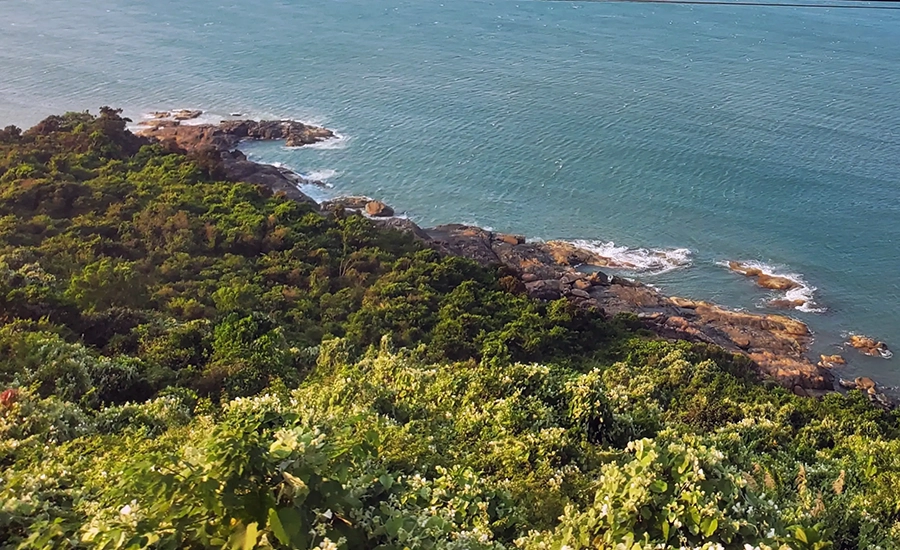
The railway still exists and is in use today. Taking the train across Hai Van is an unforgettable experience for anyone, as you can admire the majestic natural scenery and beautiful wild landscapes of the pass.
In 2005, the road tunnel through Hai Van Mountain was inaugurated and opened to traffic. The 6.28km-long tunnel (the longest road tunnel in Southeast Asia) has shortened the journey from 20km, significantly reducing travel time, and is much more convenient in terms of terrain and safety compared to the old road.
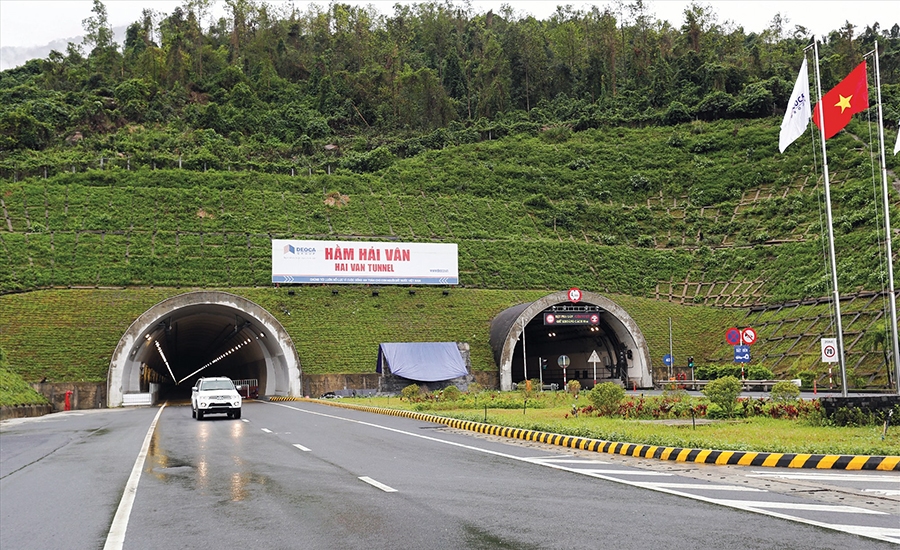
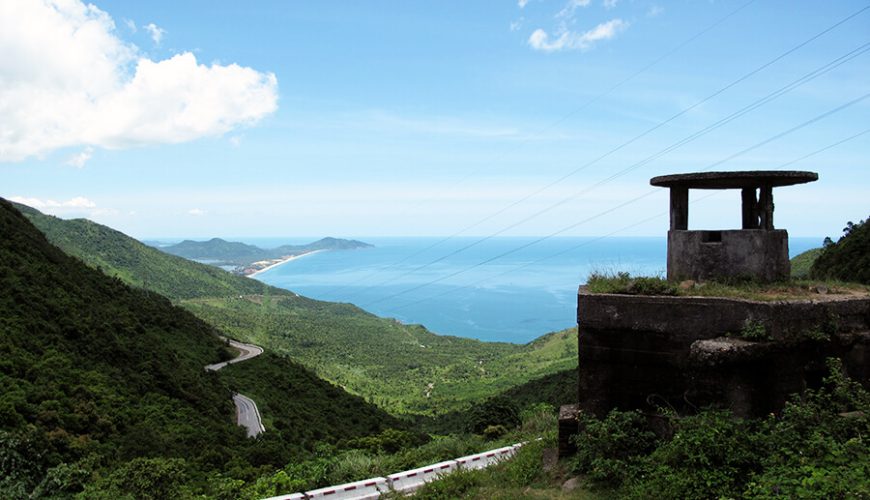
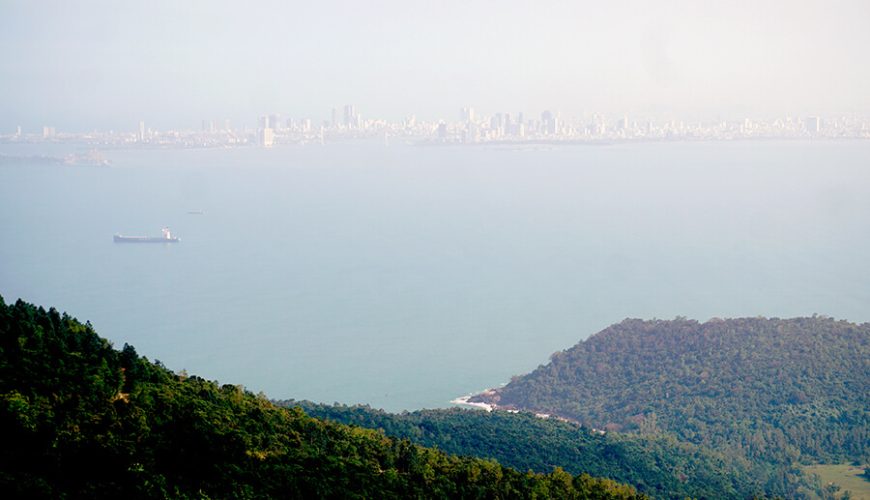
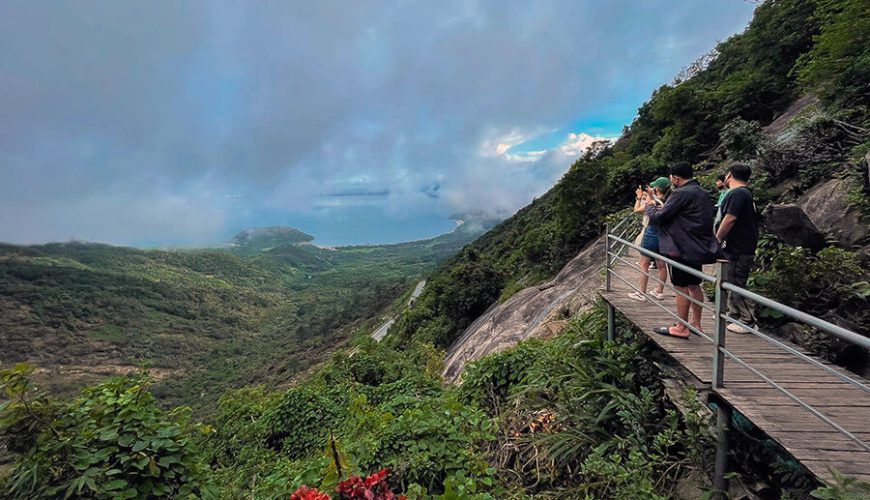
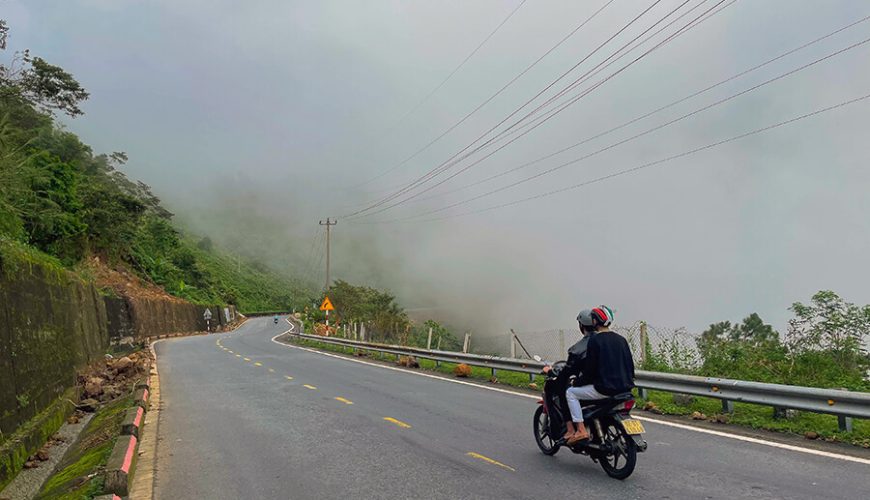
However, many people, when passing through Hai Van, still choose to take the mountain road to enjoy nature and try a sense of adventure. From the top of the pass, on clear days, you can see Da Nang City, Son Tra Peninsula, in the South, or Lang Co Beach in the North.
What attracts tourists to Hai Van Pass?
Conquer the most beautiful coastal pass in Vietnam
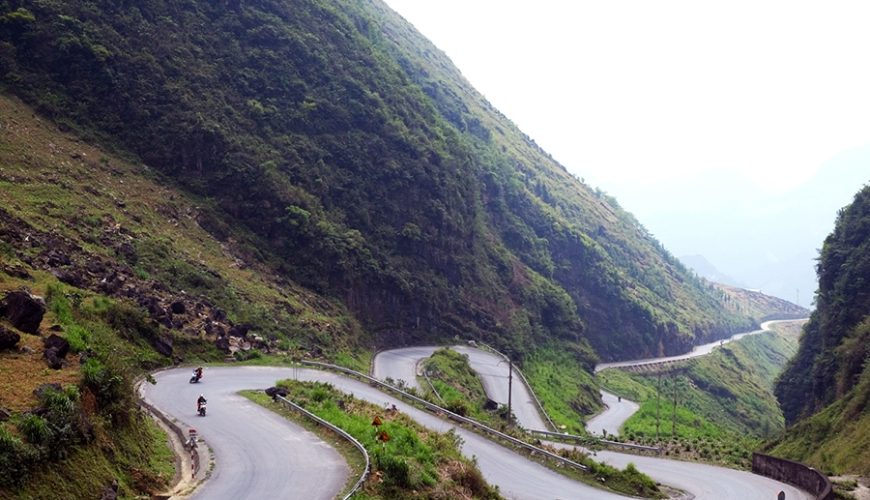
What makes visitors excited when coming here is the sense of conquest. Throughout 20km of this most beautiful coastal pass, there are U-shaped bends enough to give you a “heart attack”.
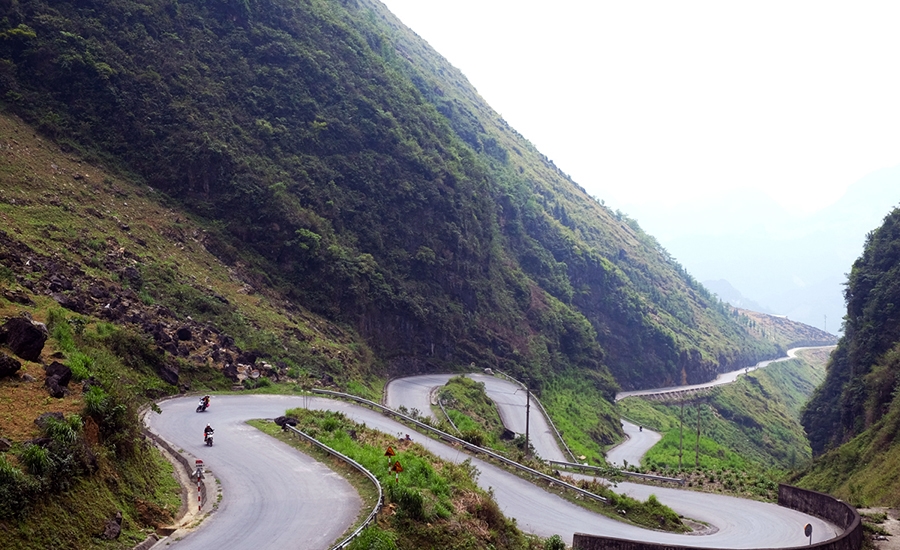
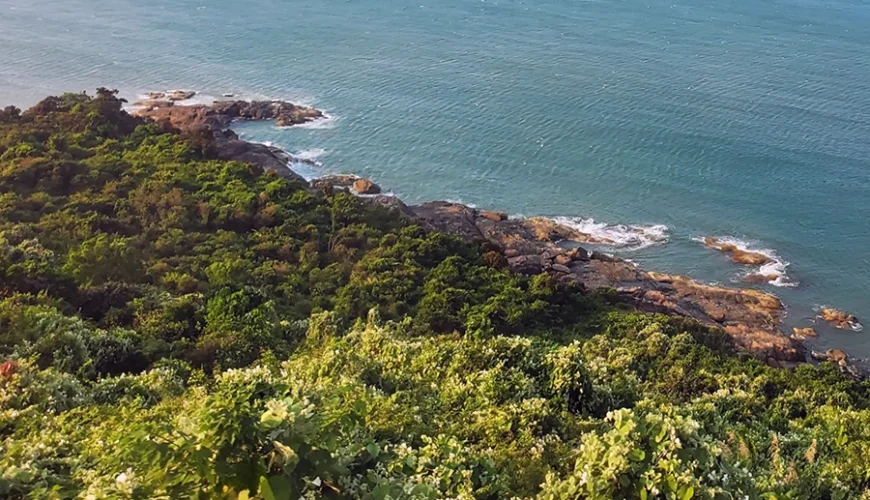
But if you overcome fear, you will achieve truly worthwhile results. The majestic, breathtaking, and equally poetic natural scenery laid out before your eyes will be a real visual feast that no one wants to miss. The pass road stands out among the vast majestic mountains with high mountains on one side and green forests on the other.
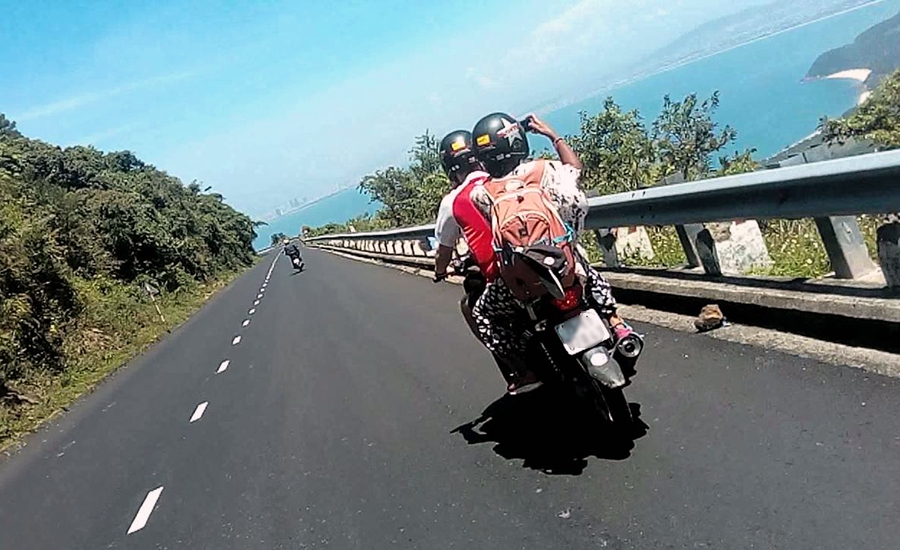
From the top of the pass, travelers will see a panorama of Lang Co Bay, Da Nang City, Cham Islet, Tien Sa Port, Son Tra Peninsula… appearing like a wonderful picture.
Admire the Hai Van Gate
At the top of the pass, a mossy, gate-shaped structure stands out against the majestic natural landscape. That architecture is Hai Van Gate – a border gate between two provinces (Hue & Da Nang) and two regions (North & Middle). Hai Van Gate was built during the Tran dynasty and took its current form after restoration during the Nguyen dynasty (the 7th year of Minh Mang – 1826). Hai Van Quan is built in the shape of an arched gate.
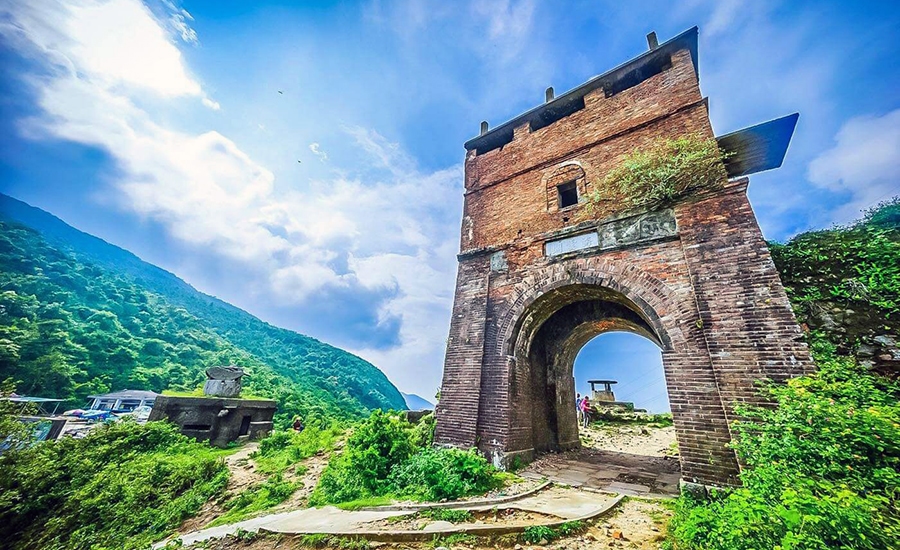
Above the door towards Hue, there is a stone sign engraved with the words “Hai Van Gate”; above the door towards Da Nang, there is a stone sign engraved with the words “The most majestic mountain pass”. Hai Van Gate during the Nguyen Dynasty was a complex of many architectural elements that served as a gate, a fortress, and an important defensive line south of the Imperial City of Hue.
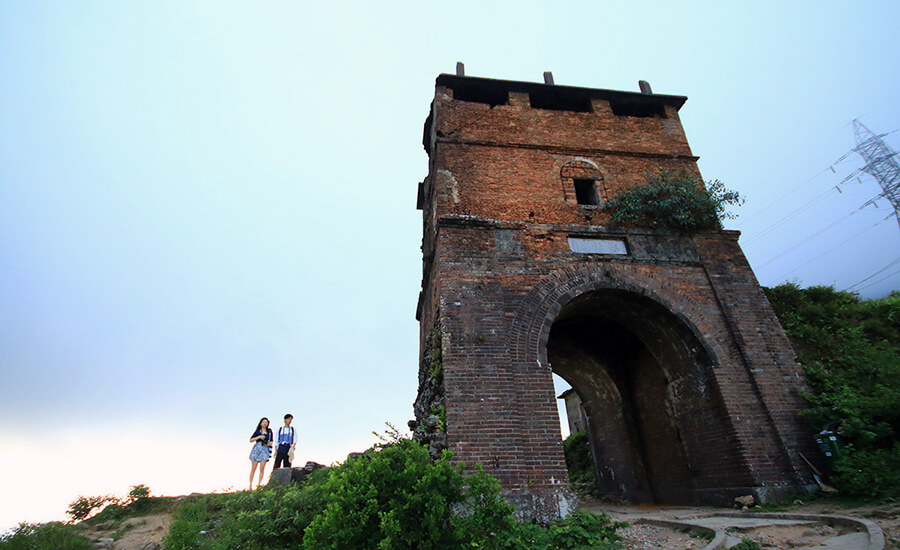
During the wars against France and America, the armies of these countries used this place as a strategic point and built many other military structures, such as bunkers, which significantly altered much of the original Hai Van Gate architecture.
During the war, many major battles also took place here, causing much damage to the architecture. On April 14, 2017, this monument was ranked by the Ministry of Culture, Sports and Tourism as a National Historical and Architectural Artistic Monument. This has attracted many tourists to visit and admire the monument.
“Hunting” clouds on Hai Van Pass
Hai Van is said to be the most beautiful viewing location at the top of the pass. This is a check-in point no one wants to miss, and many couples choose it as a location for a lifetime wedding photo set.
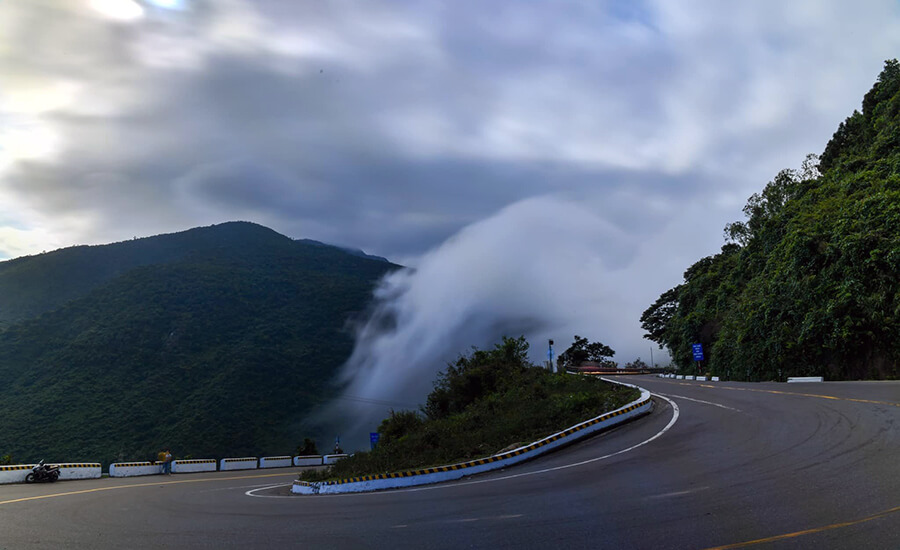
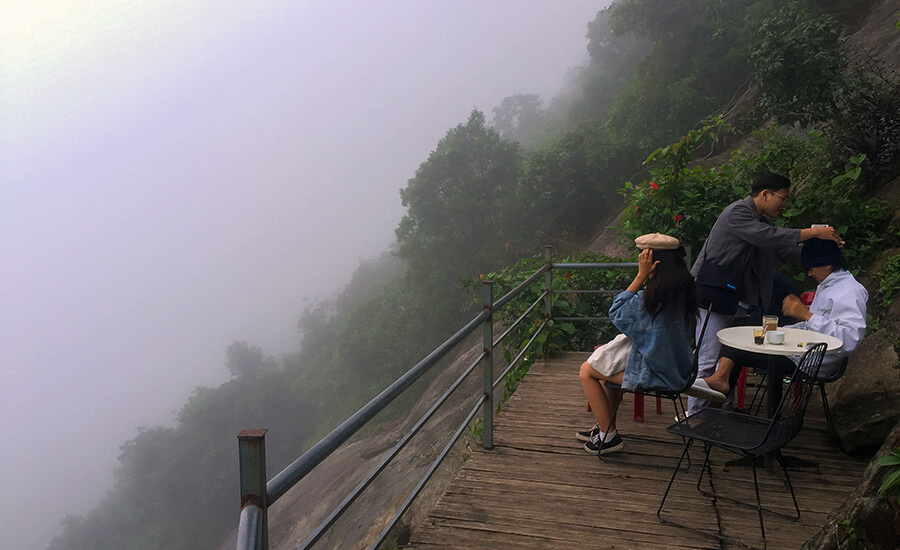
The terrain in this area is quite flat, so it is very convenient to camp, hunt clouds, and catch the sunrise. The moment the clouds cover the majestic Hai Van range, the experience of breathing in the cool, fresh air becomes an unforgettable memory for visitors to the rattan yard at Hai Van Pass.
Source: collected by An
Follow us for the best deals on Vietnam package tours and visa services!
Comment (0)