
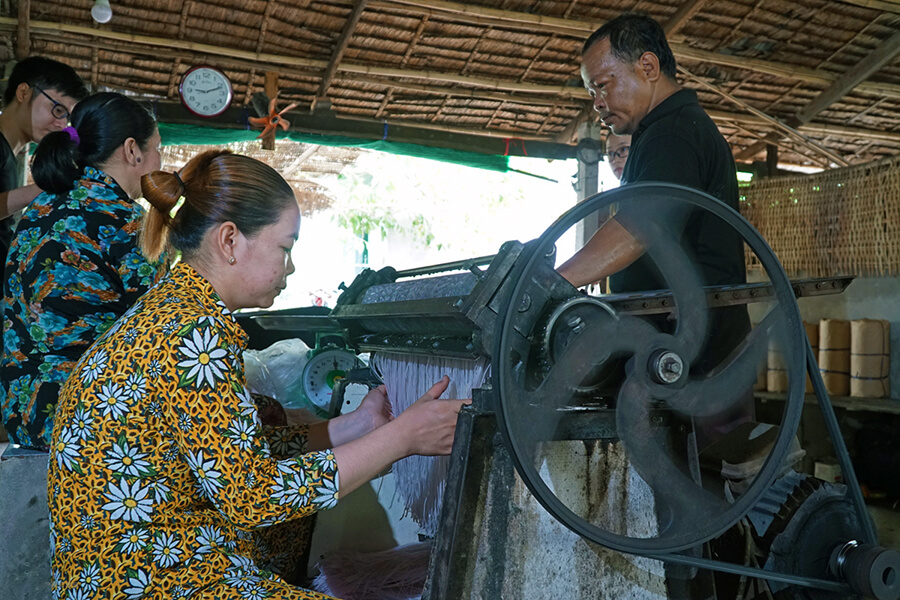
Hủ tiếu, a type of rice noodle served either as a soup or dry, is a signature dish of Vietnam’s southwestern region. To understand how to make the raw material, you should visit Sáu Hoài, Quê Tôi, or Chín Của workshop in Can Tho. They are the most notable family businesses in the traditional Hủ Tiếu craft village. In addition to serving daily production, these workshops welcome many tourists to observe their production process.
Overview of the traditional craft village of making rice noodles
Among other traditional craft villages, the rice noodle-making village in Can Tho has long become a unique cultural feature of the Mekong Delta. The village is located in An Bình Ward, near the Rau Răm Bridge. Boats are the main mode of transport, often carrying rice to local businesses to make noodles, and then bringing dry noodles to their customers.

It’s also the best way for tourists to visit this area after exploring Cái Răng floating market. Boat rental prices usually range from 350,000 VND to 750,000 VND, depending on the number of people.
Get 10% off with our Mekong 2 days tour to visit Cai Rang Market and explore rice noodle shop
What’s special about making rice noodles village in Can Tho?
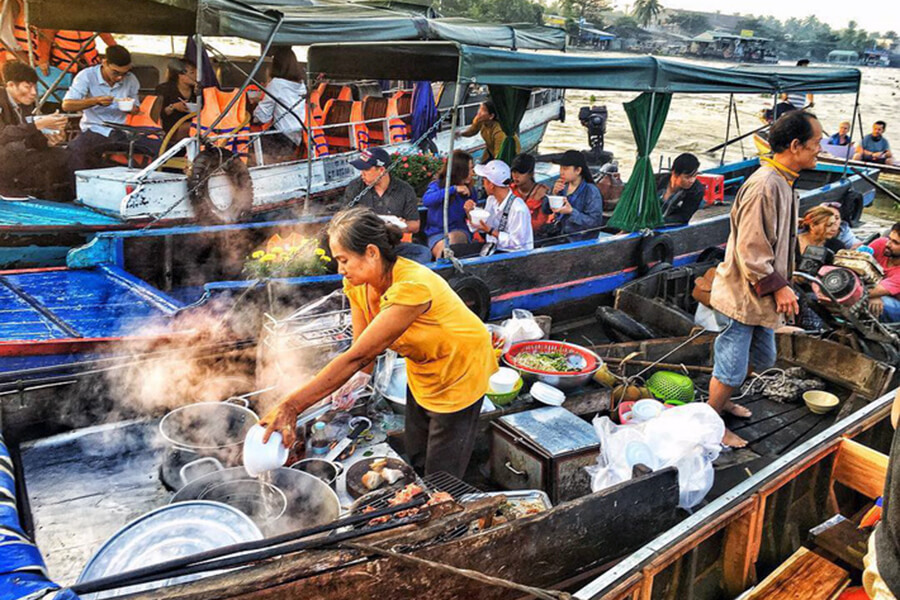
The ideal time to visit the traditional rice-noodle-making village is in the morning. On the way to the village by boat, don’t forget to try rice noodle soup for breakfast, offered by many local people who cook and sell on their boats beside pots of boiling broth. Surely, it would be an unforgettable moment in your Mekong Delta trip.
Setting foot into the traditional village in the morning, tourists can witness the whole procedure of making fresh hủ tiếu, from mixing, coating, drying, cutting noodles, and packing…all done by hand.
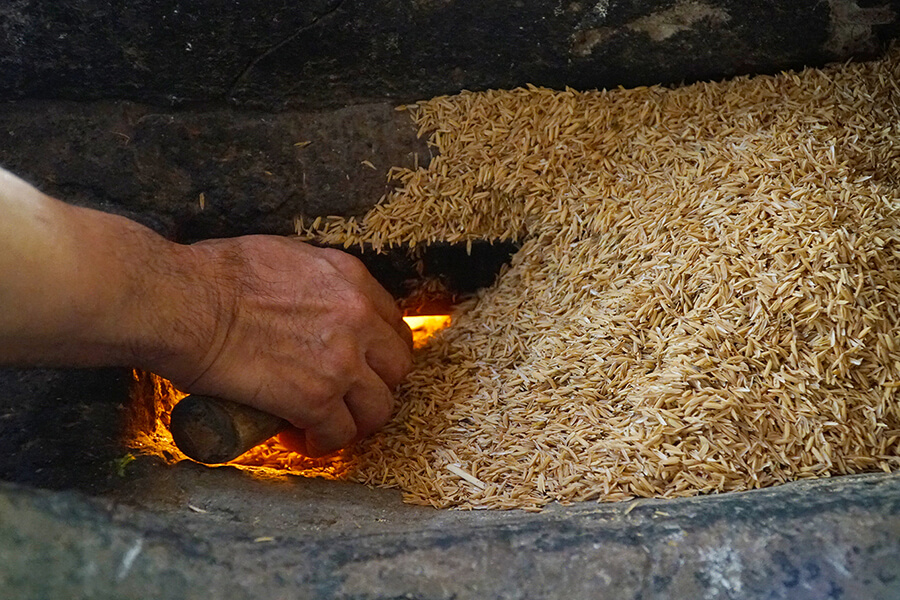
Each workshop has its own technique for making the noodles stand out from the others. However, the most important step is sourcing high-quality raw materials, mainly from Sa Đéc or Đồng Nai. Then the rice will be soaked before being ground and mixed with other ingredients. The powder phase step is usually done the night before. The next day, it will be coated to become cakes.
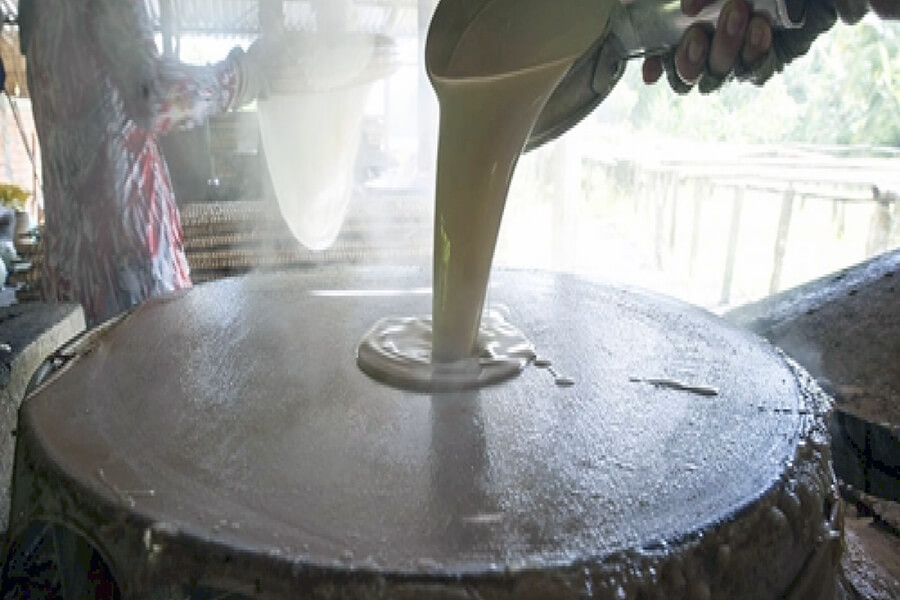
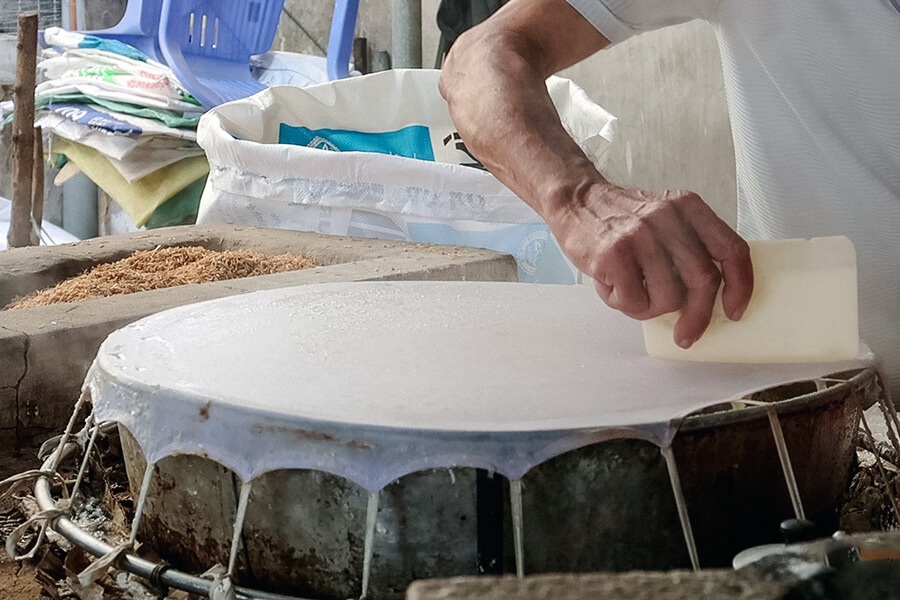
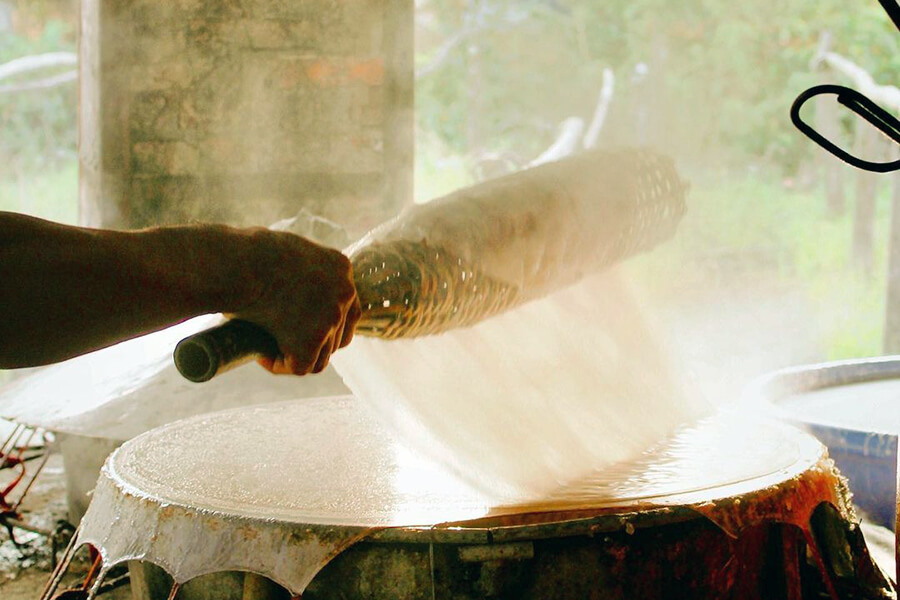
After that, the cakes need to be placed on bamboo frames to air-dry for a couple of hours before being cut into regular noodles.
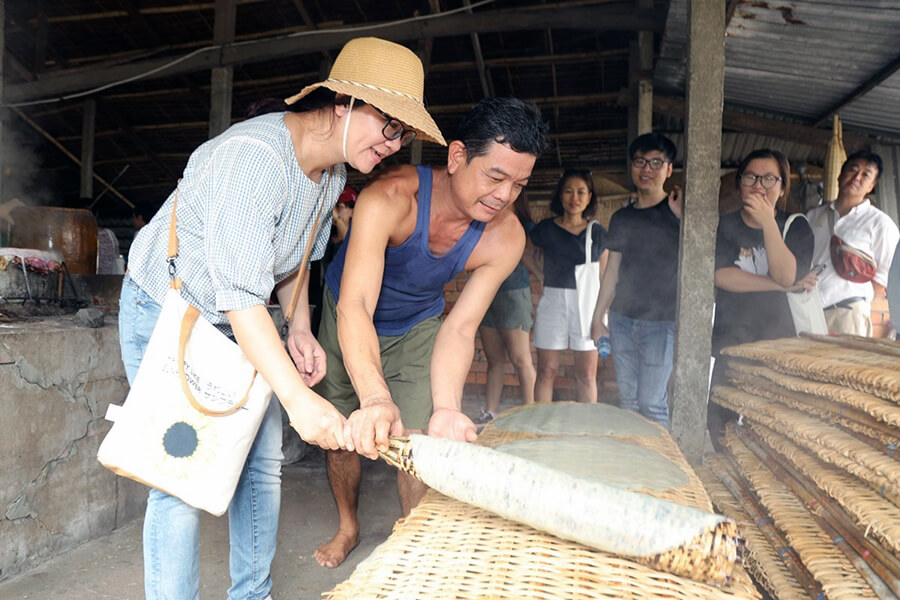
Visitors can join and participate from the coating and cutting stages.
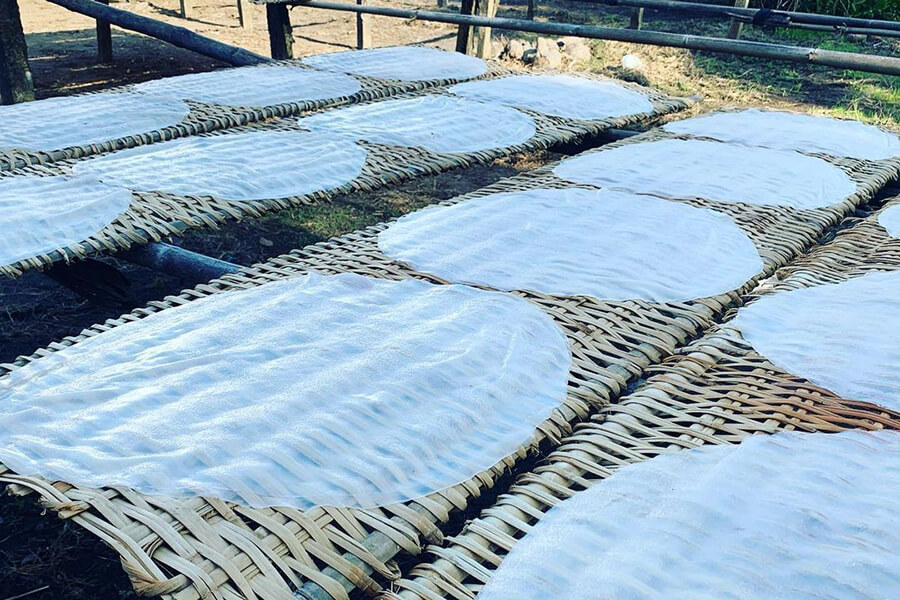
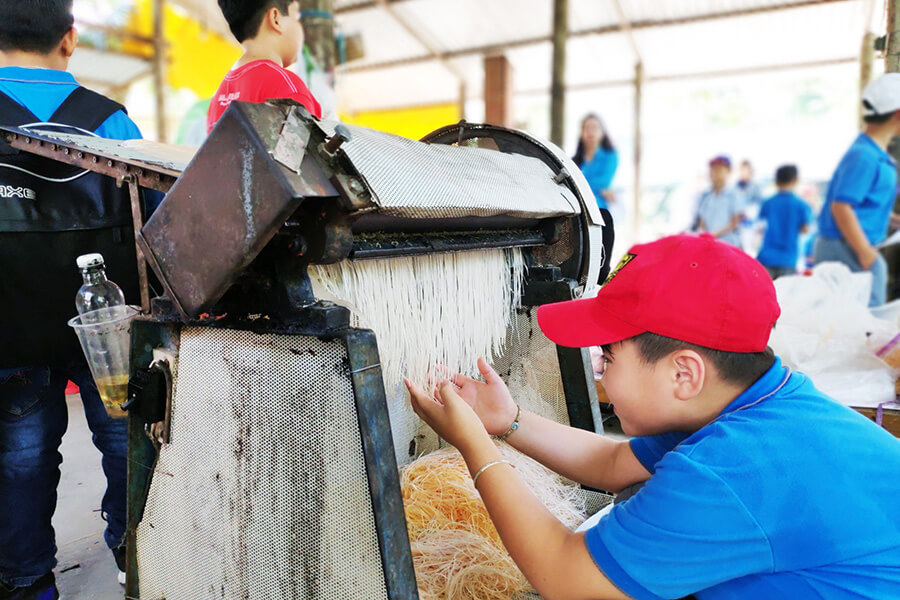
Of course, the final stage is still to pack and deliver to buyers.
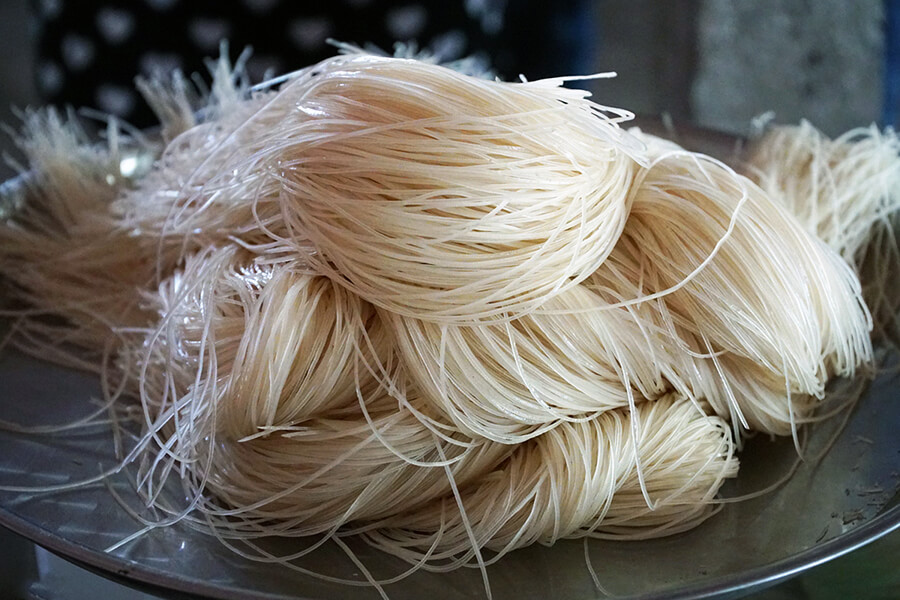
Watching the diligent noodle maker standing by the smoky fire, cooking each cake, cherishing each one, you can see the hard work and love for this traditional profession. Steam rises from the surface of the cake, blending into the yellow color of the morning sun, the space radiates the rustic charm of the hospitable West.
We would like to introduce some local producers for you to visit during your upcoming trip to Can Tho.
- Sau Hoai – No 14 Alley 476 Lo Vong Cung, An Binh Ward.
- Chin Cua – Alley 474c, No 14a, Area 7, An Binh Ward.
- Que Toi – 02 Yen Ha, Cai Rang Ward.
- …
Source: collected by An
Follow us for the best deals on Vietnam package tours and visa services!
Comment (0)