
Old Nam Dinh (currently merged into Ninh Binh) is known as the land of “sacred land and talented people”, a province with great historical significance in Vietnam. Quite close to the capital Hanoi, this place has become a famous tourist destination in the country. Over the years, Nam Dinh has retained its natural beauty and unique cultural features. Let’s explore Nam Dinh in this post with Vietdreamtravel.
What is the best time to explore Nam Dinh?
Like many other provinces in the Northern Delta, new Ninh Binh has four distinct seasons. In addition to summer, which is suitable for swimming, the best time to visit this place is on the full moon day of the first lunar month.
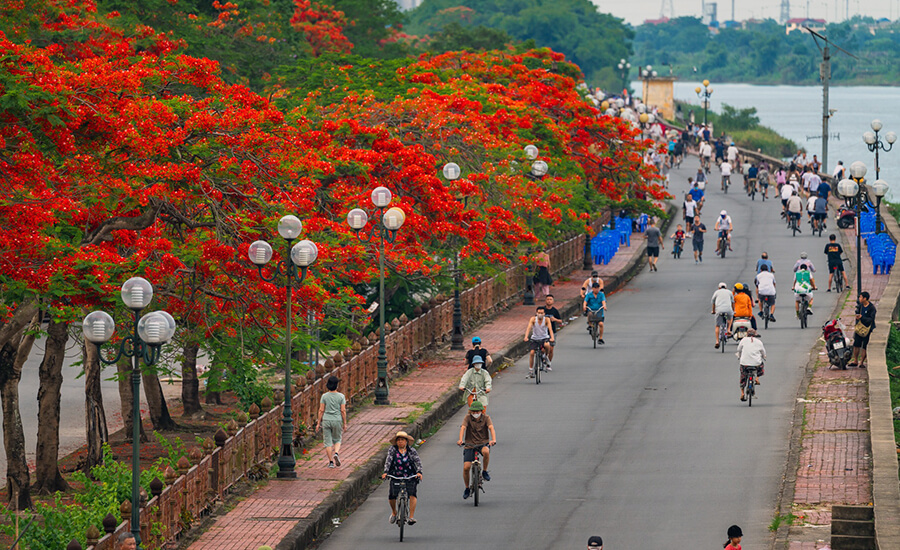
This is when the Tran Temple Opening Ceremony takes place, attracting thousands of visitors to visit before and during the main festival night.
How to get here?
From Hanoi, visitors can easily reach the old Nam Dinh area by road and rail. There are 3-4 trains departing from Hanoi every day that pass through Nam Dinh. Ticket prices start at 90,000 VND one way.
If choosing the road, you can take a bus, a private car, a taxi, or a motorbike. The route is flat and easy to travel. The arrival time is about 2-2.5 hours. Bus tickets cost from 60,000 VND per person, depending on the bus company. The old Nam Dinh and the new Ninh Binh do not have a civil airport, so visitors from farther away fly to Hanoi and then travel on.
Tourist attractions in the old Nam Dinh area
Nam Dinh center is the first place visitors stop. From here, you can visit famous places in the city.
Tran Royal Temple
Tran Royal Temple is a temple complex located on Tran Thua Street, on the outskirts of Nam Dinh Ward. The Tran Temple relic site was built in 1695. Tran Temple is a place to worship 14 emperors, their families, and mandarins who contributed to the Tran Dynasty.
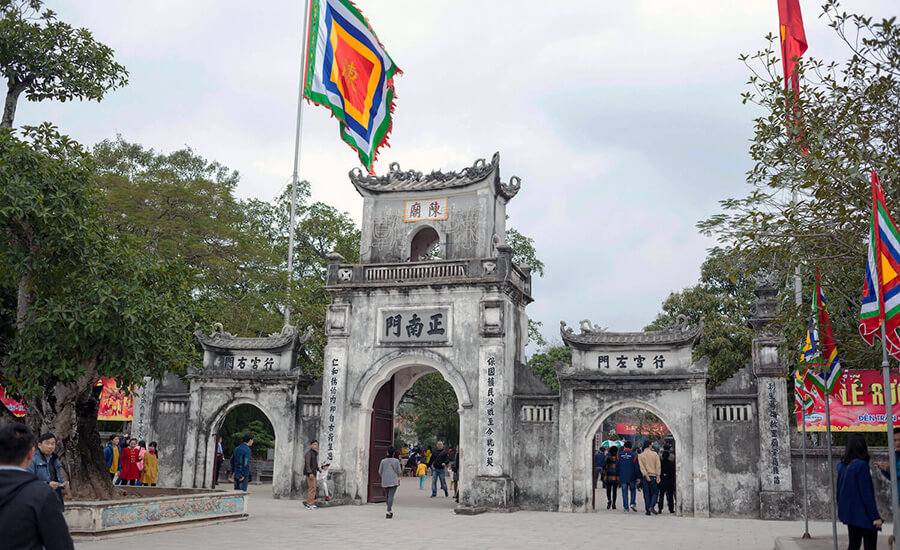
The Tran Royal Temple relic site includes 3 main areas: Co Trach Temple, Thien Truong Temple, and Trung Hoa Temple. Thien Truong Temple is located right in the center of the temple, where the altars of mandarins who contributed to the country are placed.
Co Trach Temple houses the memorial tablet of General Tran Hung Dao, his family, and generals. Trung Hoa Temple was built in the west of the temple. In the temple, there are 14 statues of the Tran Dynasty’s 14 emperors.
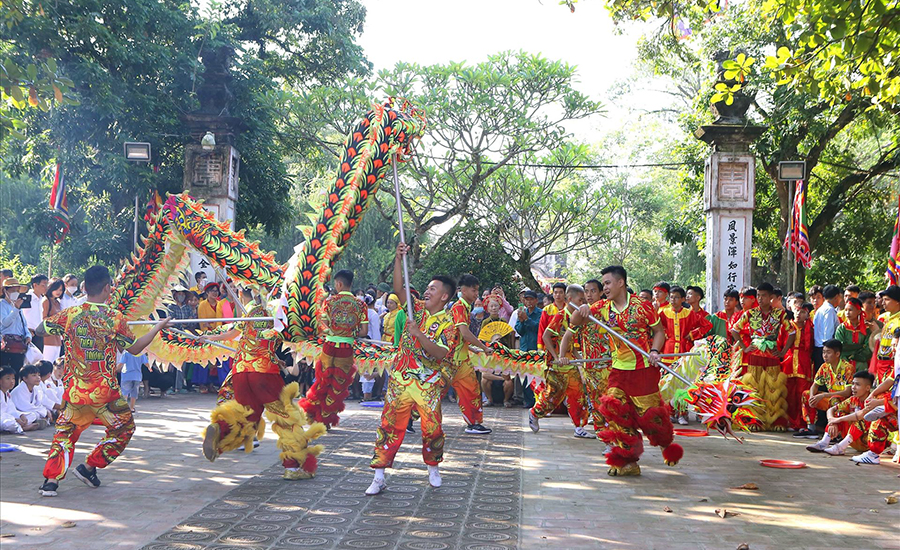
Today, this is a place of worship for pilgrims and tourists from all over the country. At Tran Royal Temple in Nam Dinh, there are two major festivals held every year: the Tran Royal Temple Festival, which usually takes place from the 15th to the 20th of the 8th lunar month, and the Spring Opening Ceremony, which takes place from the 14th to the 15th of the 1st lunar month.
Pho Minh Pagoda
Pho Minh Pagoda is the only surviving architectural work of the ancient Thien Truong Palace, still almost intact to this day. According to the Department of Culture, Sports and Tourism of Ninh Binh, the pagoda dates back to the Ly Dynasty, was expanded in 1262, and served the Buddhist worship needs of the emperor and the noble princes of the Tran Dynasty.
In addition to worshiping Buddha, the pagoda has a statue of Emperor Tran Nhan Tong, Huyen Quang, and Pho Loa – the founders of the Truc Lam Yen Tu sect.
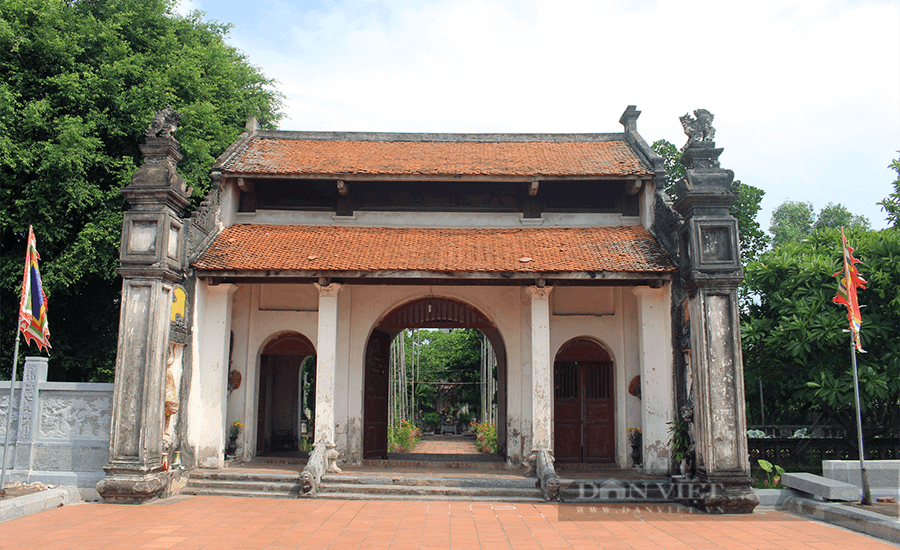
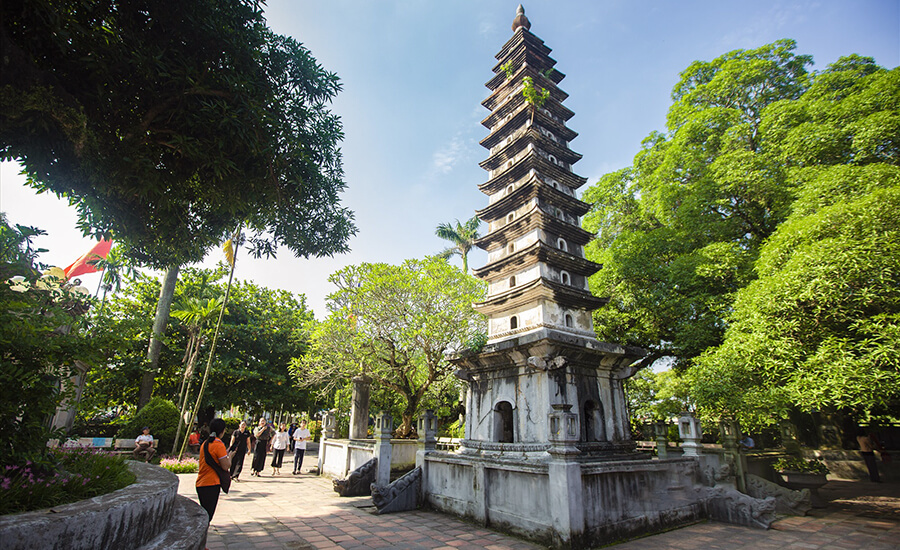
In the pagoda grounds stands Pho Minh Tower, built in 1305. This is one of the oldest towers in Vietnam, with a 14-floor architecture, up to 20m high, that looks like a three-level lotus flower. The pedestal and the first level are constructed of engraved grey stone, while the other levels are built of brick.
On top of the conical tower is a stone shaped like a pen. Although the tower weighs some 700 tons, it has surprisingly stood steady on sunken land for over seven centuries.
Of the 100 original statues in the pagoda, only 50 remain, but they still convey the impressive original artistic style.
Phu Day
Located in Vu Ban Commune, Phu Day remains are dedicated to Goddess Lieu Hanh, one of the four immortal Gods of Vietnam (the others are Van Vien, Dong, and Chu Dong Tu). Visitors come to Phu Day not only to sightsee but also to seek good luck and peace.
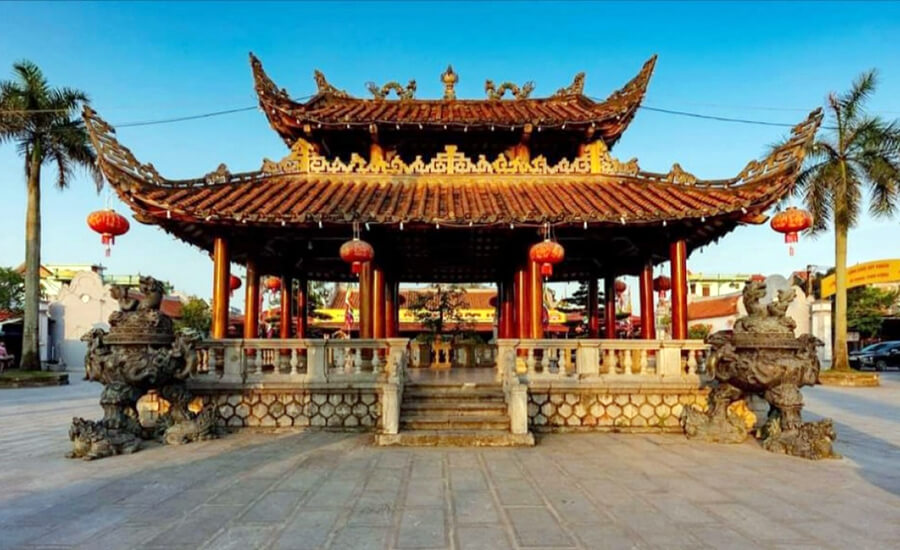
The Phu Day site includes three main areas: Tien Huong Residence, Van Cat Residence, and the tomb of Goddess Lieu. These monuments are highly valued for their architecture, dating to the late 19th and early 20th centuries.
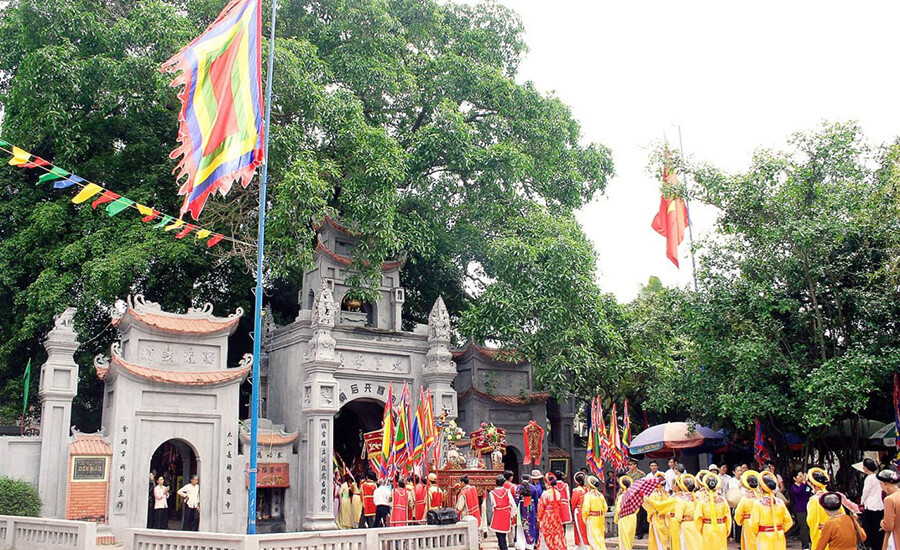
Every year, the Phu Day Festival is held on the 3rd day of the 3rd lunar month to express gratitude to Goddess Lieu Hanh, attracting a large number of people and visitors from all over the country.
Nam Dinh Textile Museum
Nam Dinh Textile Museum, located on Tran Dang Ninh Street, is also a destination for tourists who love to explore history. This place was built in traditional ancient house architecture and belongs to the Nam Dinh Textile Factory Joint Stock Company. This is where artifacts and the traditional values of the textile industry from ancient times are preserved.
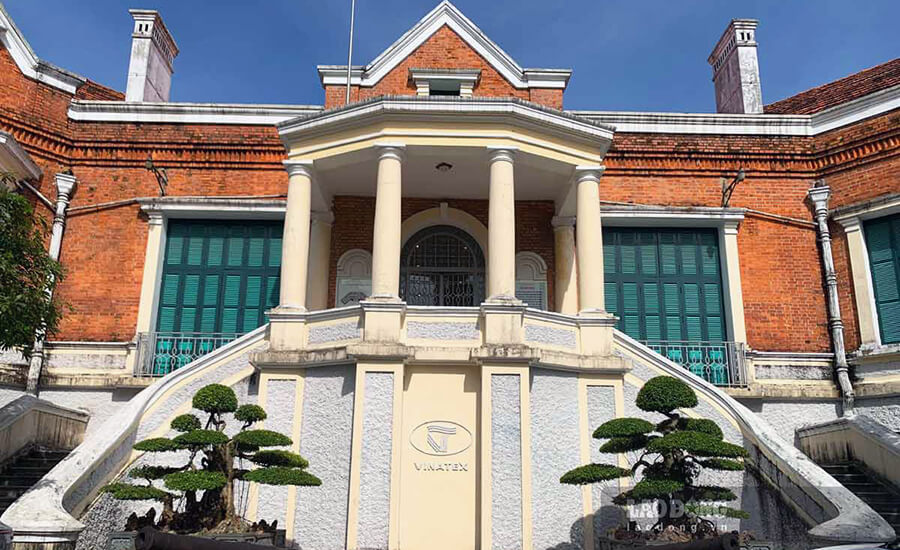
Since 1889, Nam Dinh Textile Factory has been one of the largest factories in Vietnam, with 6,000 workers. This is the cradle that helped the working class grow at that time. The Textile Museum covers an area of nearly 1.2 hectares and features a classic French architectural style. Inside, it is divided into many exhibition spaces, each with a different theme.
Upon arriving here, you will admire Vietnam’s fabrics and clothing products, but the sewing and weaving machines also contributed to the glory of the country’s textile industry in previous centuries.
Vi Xuyen Lake
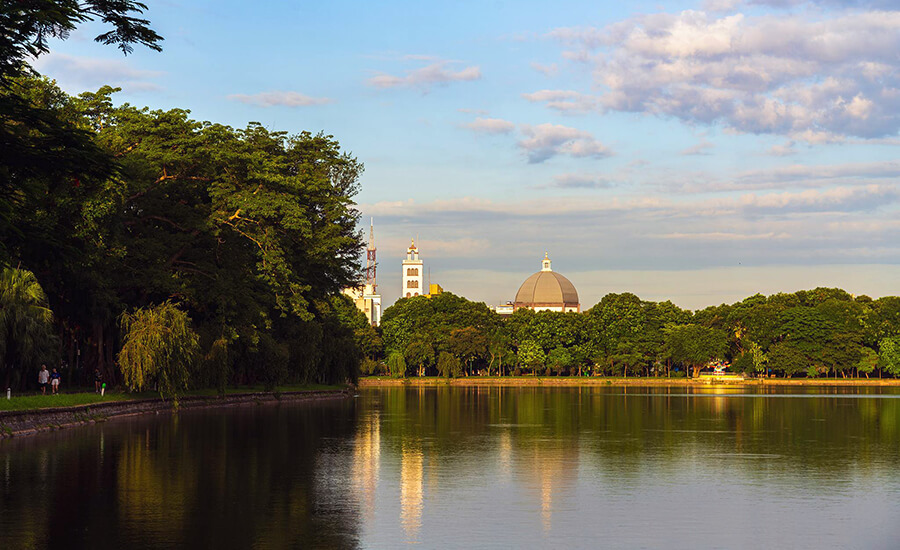
Vi Xuyen Lake is a freshwater lake located in Nam Dinh Ward. The lake possesses a poetic, peaceful beauty somewhat similar to that of Hoan Kiem Lake, though it is smaller.
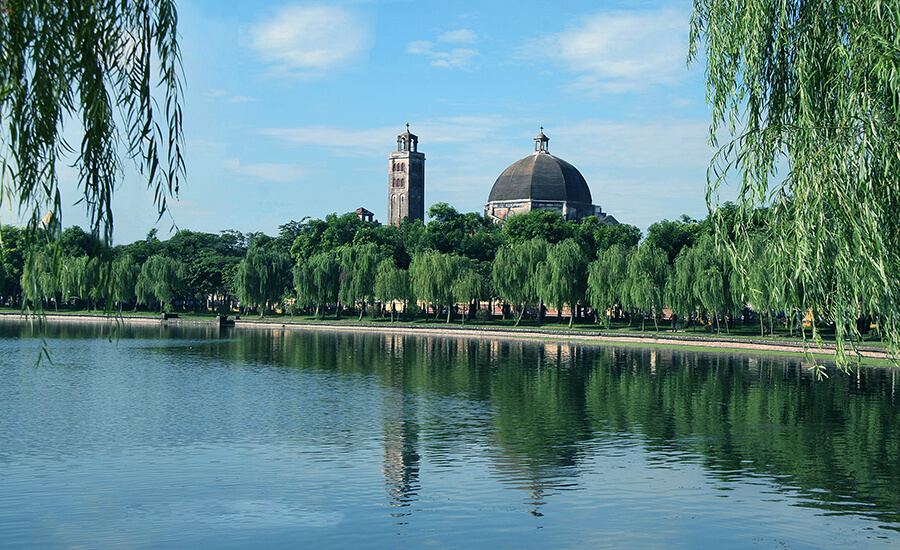
Along the lake, there are many shady trees, in the distance are the church towers with classical Western architecture, the whole scene creates a scene that is both tranquil and a Northern province and a bit of a Western landscape.
Bach Long Salt Field
From March to August every year, if you travel to old Nam Dinh, don’t forget to visit Bach Long salt field to admire the beauty of this place during the salt-making season! Salt-making is a hard, traditional profession in Nam Dinh. To have pure white salt grains, farmers have to wake up early in the morning. Salt is only delicious and white when dried under the harsh sunlight.
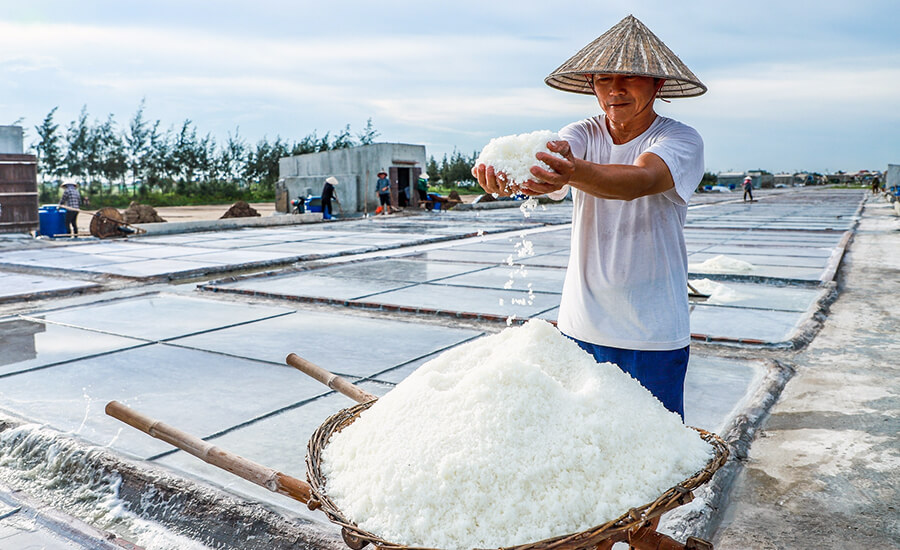
For many professions, strong sunlight is the cruelty of nature, but for the salt industry, strong sunlight is a precious gift from heaven and earth, because the stronger the sunlight, the easier it is for the salt to crystallize, making the salt harvest season more bountiful. Coming to Bach Long salt fields, you will see vast salt fields, but the mounds of pure white finished salt, and boats carrying salt back to the warehouse in the sunset with a little sunlight.
Co Le Pagoda
Co Le Pagoda is one of the famous scenic spots and a special national historical and cultural relic in the Red River Delta. The pagoda was built during the Ly Than Ton period (12th century) on a square plot of land nearly 36,000 m² in area, with a beautiful landscape, surrounded by small rivers and lakes.
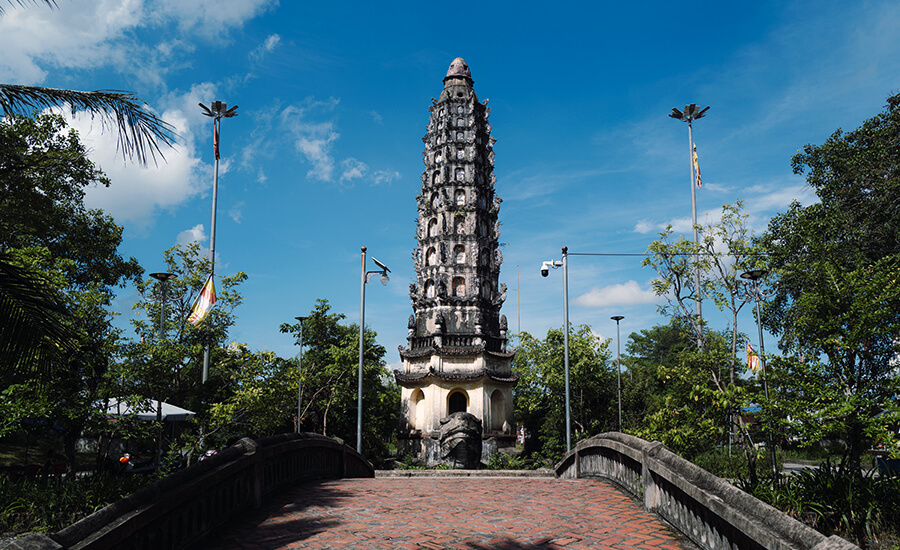
The pagoda is a great architectural work, a mingling of the best Vietnamese traditional architecture with European influences, set in a landscape overshadowed by trees. As such, Co Le Pagoda has been a very famous site of the Red River Delta since the 12th century.
Xuan Thuy National Park
Giao Thuy area is the ideal location to observe a submerged land environment. This area between Lu and Ngan islets at the mouth of the Red River is the product of a millennial alluvial process. Vietnam has chosen the Lu-Ngan islets to be inscribed on the list of international ecological zones to be protected and preserved, and they have become the Xuan Thuy Ramsar Reserve. The alluvial plain of the Lu-Ngan islets has also been designated by the Vietnamese Government for inclusion in the National Natural Conservancy Zone list.

Recently, Xuan Thuy Ramsar Reserve has become a National Park. The park covers an area of 15,000ha, of which 7,100ha is strictly preserved. Forest covers about 90% of the 7,100 ha site, which comprises 4,000 ha of wetland, home to a rich flora and fauna, including 57 breeds and 111 known species of aquatic plants.
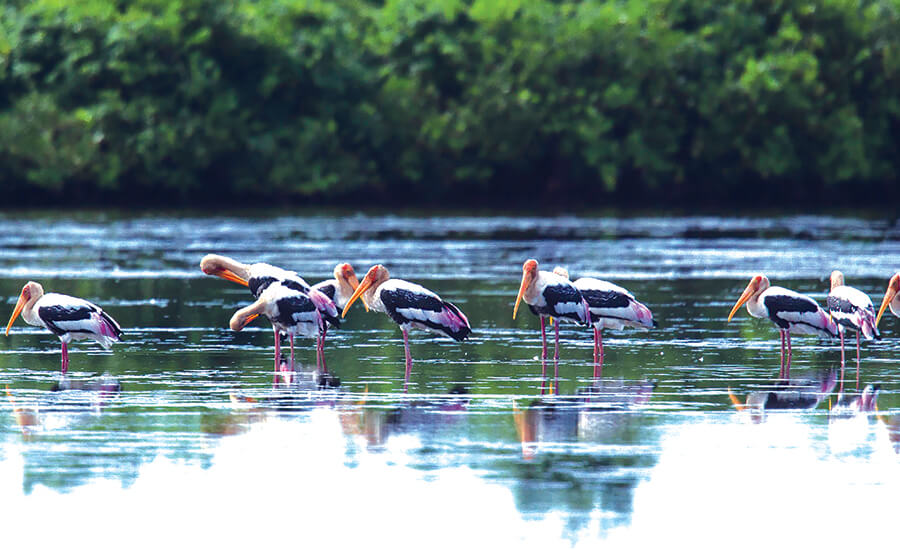
Xuan Thuy National Park is known for its many bird varieties. There are 215 species, including 160 types of migrating birds and 50 types of water birds, according to the latest survey carried out by International Bird Life. Nine of these species, including the black-faced spoonbill and the northern white egret, are listed in the world’s Red Book of rare animals. The black-faced spoonbills found in the reserve account for one-fifth of the world’s bird community.
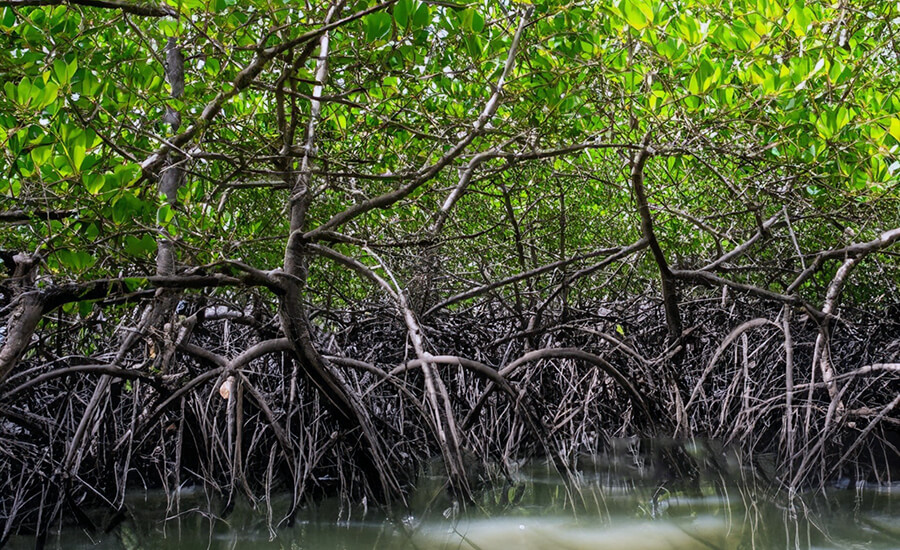
Benthos is also plentiful in Xuan Thuy Ramsar. Fish, shrimps, and crabs provide the main income of the local community. From November to April, it is a meeting place for tens of thousands of birds migrating from the north.
Thinh Long Beach
Thinh Long Beach is located in Hai Thinh Commune. This is one of the most pristine and beautiful beaches in old Nam Dinh. With a 3km-long coastline, this place is a popular destination for many tourists.
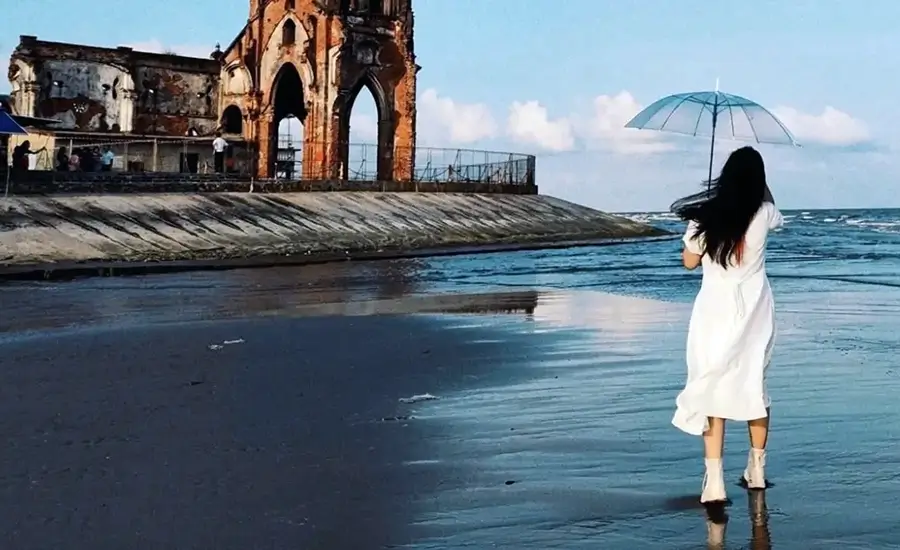
Thinh Long Beach has clear and cool sea water, fine sand and is very cool because it is not affected by the Lao wind. Seafood is abundant, inexpensive and delicious.
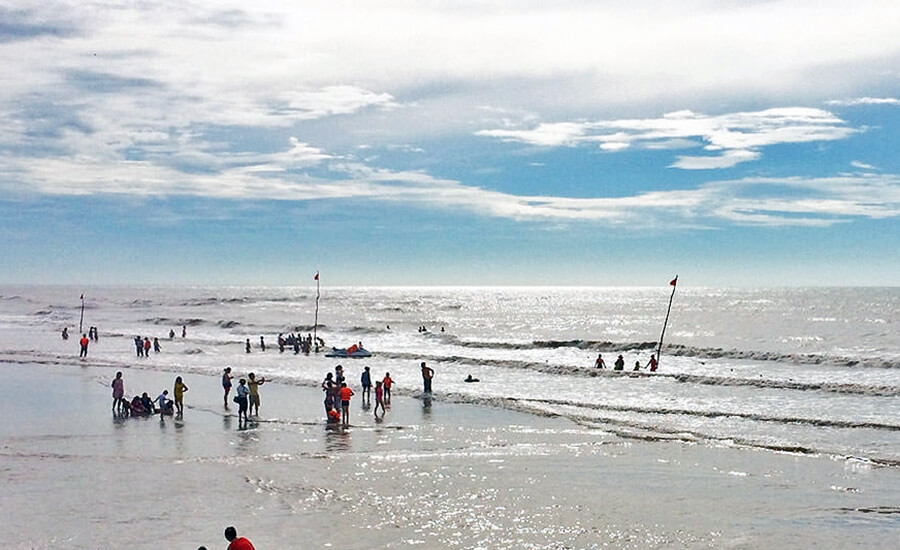
Thinh Long Beach is on the way to becoming a prime destination for sun seekers.
Dong Que Museum
Located in Binh Di village, Giao Ninh Commune, and 45 km from Nam Dinh Ward, is the first “countryside” Museum in Vietnam. This private museum spans over 5,000 square meters, recreating the image of the working and living lives of people in the Northern Delta from the past to the present.
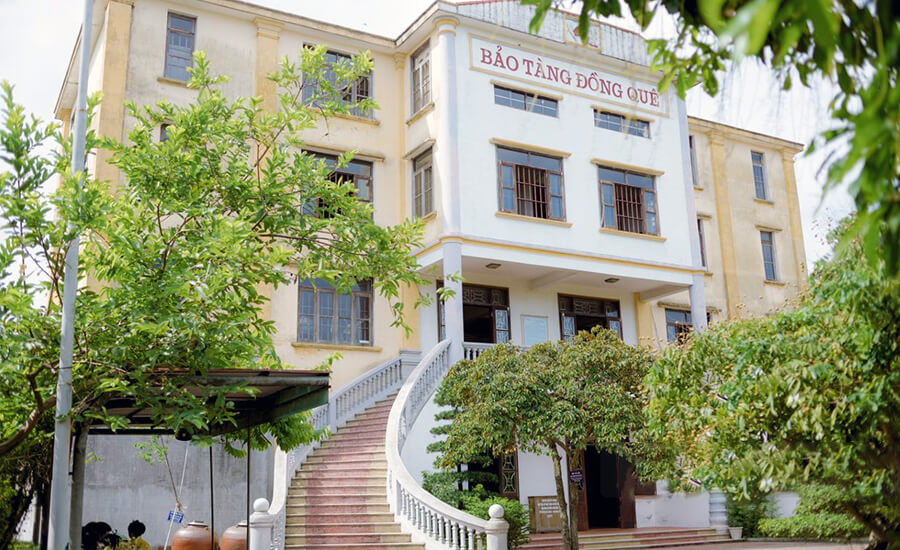
Upon arrival, visitors can see ancient house models with tiled roofs and earthen walls, as well as gardens and fish ponds. This is also a place highly appreciated by many tourists, suitable for families with young children. You can order lunch at the museum and enjoy rustic, rural dishes from Nam Dinh, such as gai cake, sticky rice, boiled chicken, and boiled meat with soy sauce. The entrance fee is 5,000 VND per person.
Hung Nghia Church
Hung Nghia Church in Hai Hung Commune was built in 1927. This is one of the most beautiful churches in Vietnam, with ancient Spanish and French Gothic architecture. This is a must-visit check-in spot in the Ninh Binh tourist area.

Seen from afar, Hung Nghia Church possesses a mysterious beauty, like an ancient castle in the West, with eye-catching gray tones and sophisticated architectural details. If you are a fan of “virtual life”, this is an ideal place to find unique artistic photos.
Nam Dinh cuisine
Pho
Mentioning Nam Dinh is mentioning the famous noodle soup – pho. “Pho Hometown” is located in Giao Cu village, Nam Dong commune, 14 km from Nam Dinh Ward. This is a long-standing pho noodle-making village. The raw material is the previous crop’s rice, which is ground with a stone mill and then spread thinly on a pot of water fanned by charcoal.
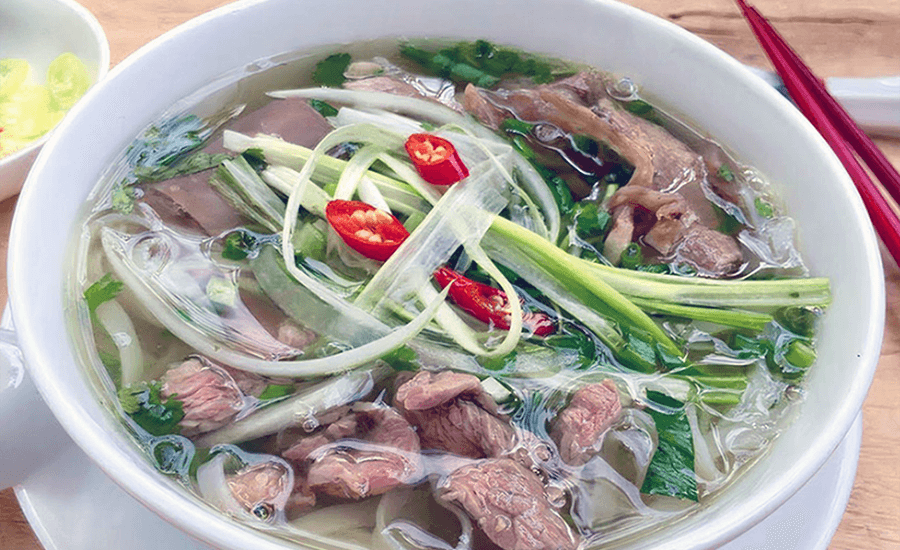
The pho noodles here are white, chewy and fragrant. The pho broth is simmered from beef bones, delicious fish sauce and sea worms, dried onions…
Pho Xiu
Pho xiu is also a suggestion worth trying. Xiu is a shortened way of reading “char siu” in Chinese cuisine, the pork has a thin layer of fat around it, is marinated with basil, five-spice powder, local wine, annatto oil… then fried. Char siu has a cockroach brown color, the fat is yellow, fragrant with basil, when sliced, the tenderloin inside is light pink, the meat is soft and sweet.
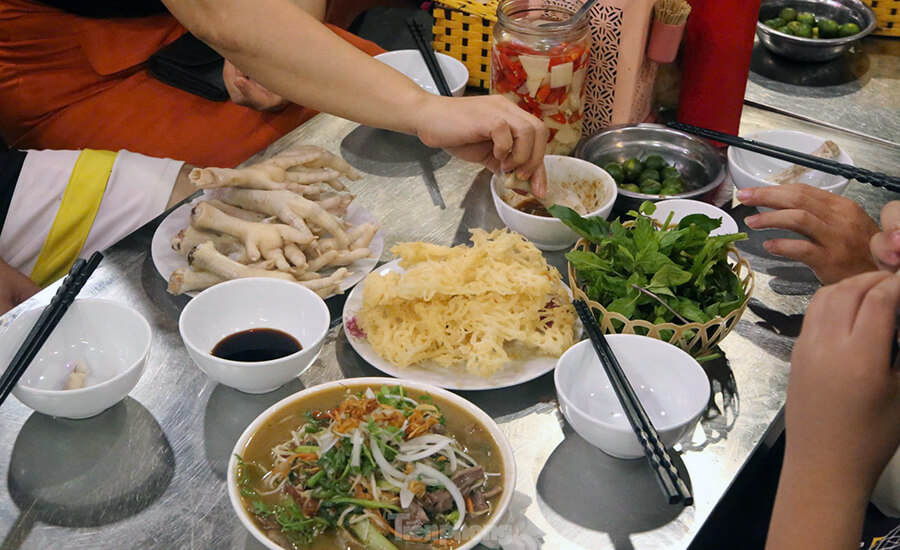
The pho xiu broth is also simmered with beef bones and pork bones in a certain ratio. The pieces of pork are cut into large pieces like cooked beef. At first glance, if you don’t pay attention to the red color of the pork, many people will think this is a bowl of beef pho.
Street food
The best food in Nam Dinh is street food, sold in markets and sidewalk stalls. One of them is sticky rice with pork, concentrated in a few small, long-standing shops. The most famous sticky rice shop, most popular with diners, is located on Hang Sat Street. In addition to sticky rice, the shop also serves cakes and mixed sweet soups and fruits.
Do Quan bread is also loved by locals, located right at the foot of Do Quan Bridge, priced from 10,000 VND each, including crispy bread, pate, and pork floss. You can also order additional fillings such as omelette with pate, pork, etc. You can sit and eat right at the shop and drink soy milk.
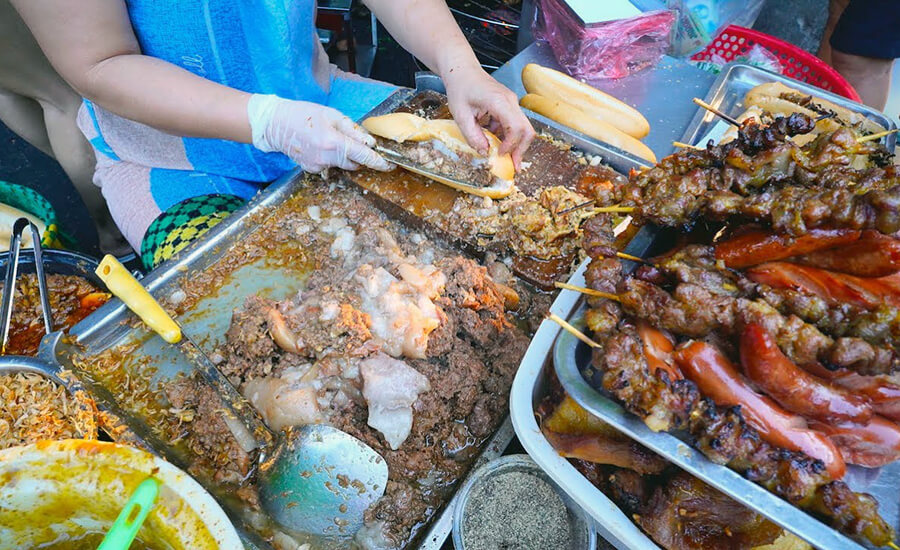
Xiu Pao cake has followed the Chinese to old Nam Dinh for a long time. The cake is simple, looks like a fried dumpling but the filling is like a baked cake and the outer shell is like Soc Trang pia cake. The main ingredients to make the cake include meat, eggs, flour, lard and some typical spices depending on the traditional recipe. To make the cake delicious, people often marinate pork loin with minced garlic, five-spice powder, oyster sauce, honey and then fry until it turns brown and fragrant.
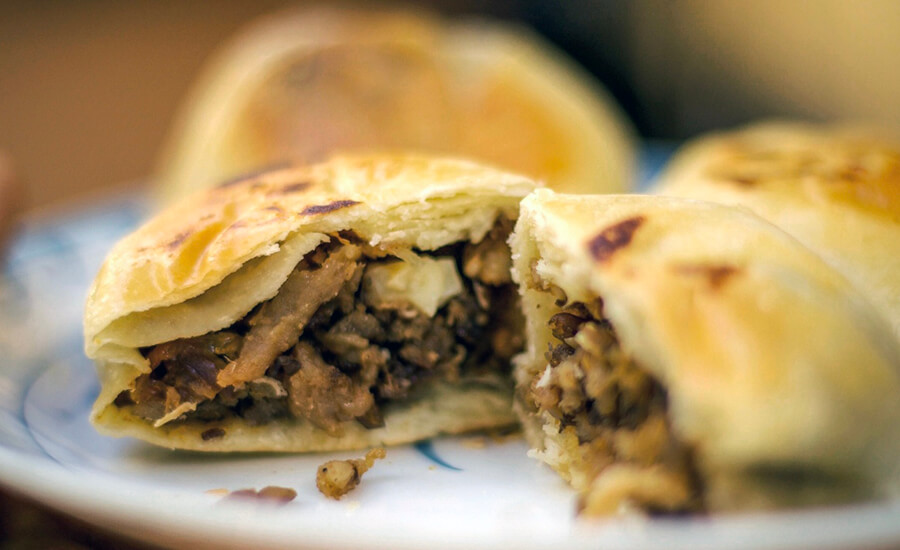
The char siu is diced and mixed with wood ear mushrooms, lard and half a boiled egg as the filling. When baking, the cake is brushed with a layer of oil and egg so that the cake is cooked evenly and does not burn. The person making the cake must also be very meticulous and have the technique to create each thin layer.
Nem Giao Thuy: To have a delicious nem dish, the maker must choose good pork, without tendons or fat, after buying it, it is dipped in boiling water until it is half-cooked to keep the sweetness. The standard thinh is not too burnt, has a beautiful golden color. The pig skin is shaved clean of hair, boiled and then cut into thin strands like noodles.
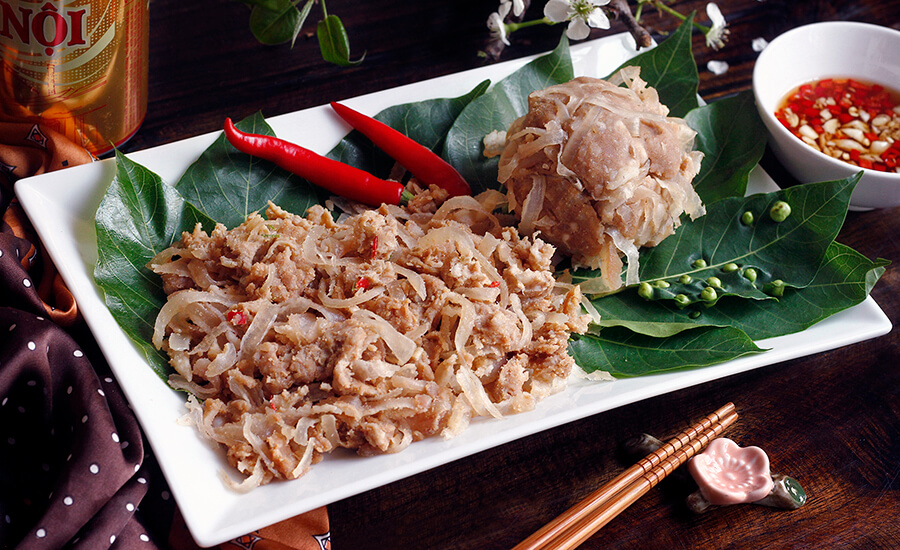
After having the necessary ingredients, people mix meat, skin, rice powder with good fish sauce, garlic, pepper, chili, squeeze until well blended, roll into a ball and wrap it up, no need to put it in the refrigerator to keep it for a few days. When eating spring rolls, just take enough amount, wrap it into small pieces to fit your mouth and put it together with local herbs.
Rice rolls in Kenh village: the villagers still pass on to their children the experience of making delicious rice rolls. The rice used to make the rolls is sticky, the flour cannot be soaked for too long because the rolls will be sour and mushy, when making rolls, apply a thin but even layer of flour.
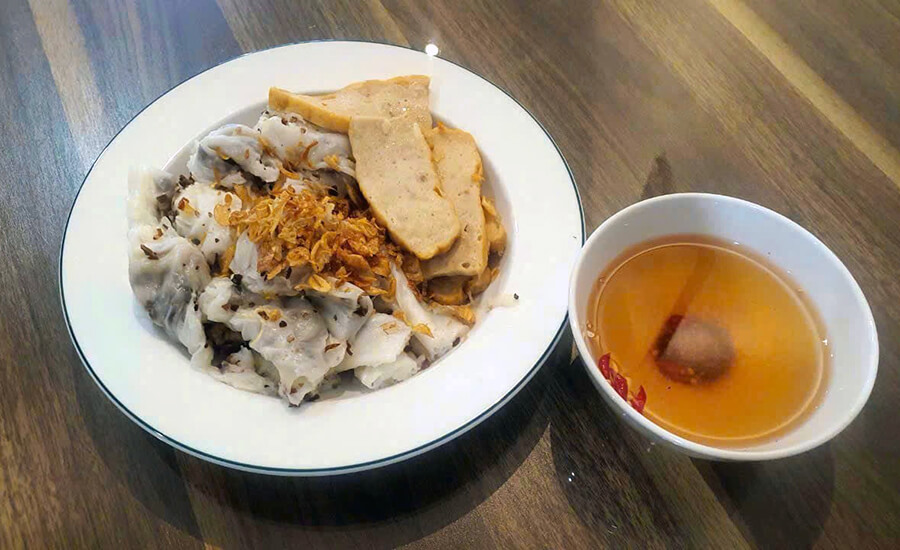
To make a chewy, thin and crispy rolls which not hard when left for a long time, add a small amount of cassava flour when mixing the flour. Nowadays, when eating, people often add a few slices of fragrant cinnamon sausage to make it more flavorful.
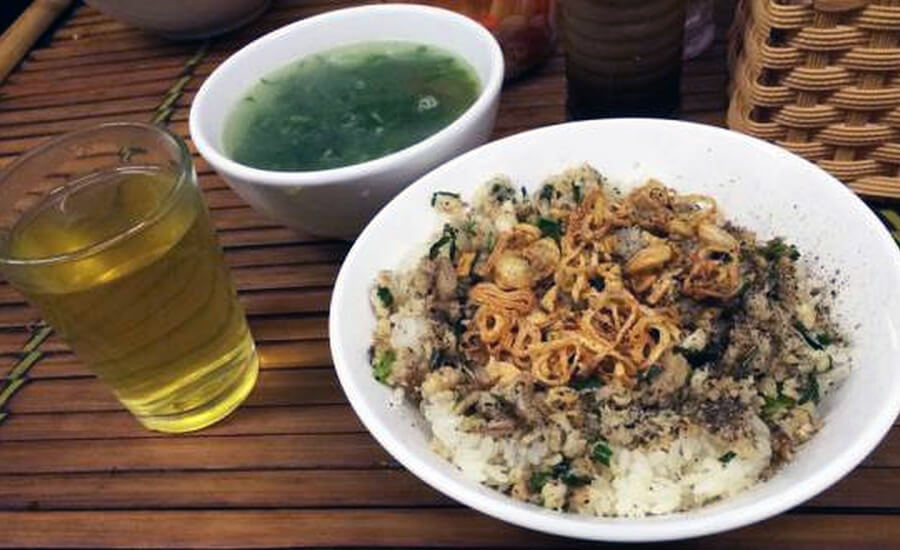
Sticky rice with perch is a rustic breakfast, a harmonious combination of perch and sticky rice. According to folk experience, in the rainy season, perch has delicious, healthy meat and is full of eggs, very suitable for making the specialty perch sticky rice dish. At this time, people often go to the fields, find canals, fields, and ditches to trap fish.
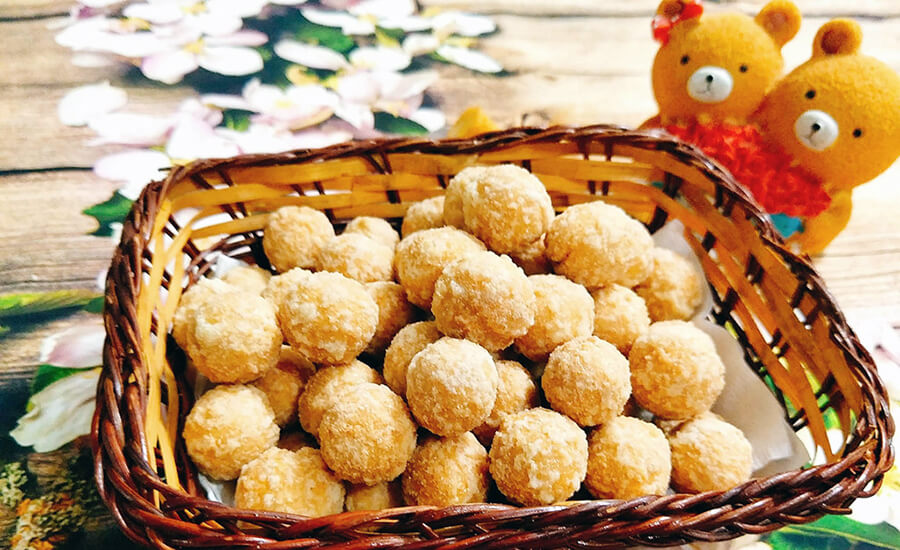
Hai Hau longan cake makes many people mistakenly think it is made from longan fruit, but it is not. Because of its round shape and delicious yellow color like longan, local people creatively named it that way. A popular snack, longan cake is made from sticky rice flour, chicken eggs, sugar, and lard. After mixing the sticky rice flour with chicken eggs, it is rolled into balls and fried in a pan full of oil. Melt the white sugar, add the fried dough to coat the outside with sugar. The deliciousness and sweetness of the cake depends a lot on this layer of sugar.
In addition, diners can visit Ngo Ngang market, near Thien Truong stadium to enjoy other famous dishes such as vermicelli with pork fat (or vermicelli with sung), vermicelli with chopsticks and so on.
Nam Dinh has many beautiful cafes. One of the favorite meeting places for young people is SKY18 Coffee & Tea, the highest cafe in the ward located on the 26th floor of a building. With a wide and airy view, diners coming here can enjoy a panoramic view of Nam Dinh. The menu of the shop is rich, with more than 70 types of drinks, priced at 30,000-50,000 VND each. The most popular here is the eye-catching fruit tea set, which has a detox effect and delicious flavor.
Source: collected by An
Follow us for the best deals on Vietnam package tours and visa services!
Comment (0)