


Huynh Thuy Le Ancient house (Vietnamese: nhà cổ Huỳnh Thùy Lê, nhà cổ means ancient house) is one of the most unique architectural works in the Mekong Delta. It was also famous for a love affair between its owner Mr. Le and Marguerite Duras, a French writer, in the early years of the twentieth century. Currently, this ancient house is a popular tourist destination in Dong Thap province, attracting many visitors.
General information about Huynh Thuy Le ancient house
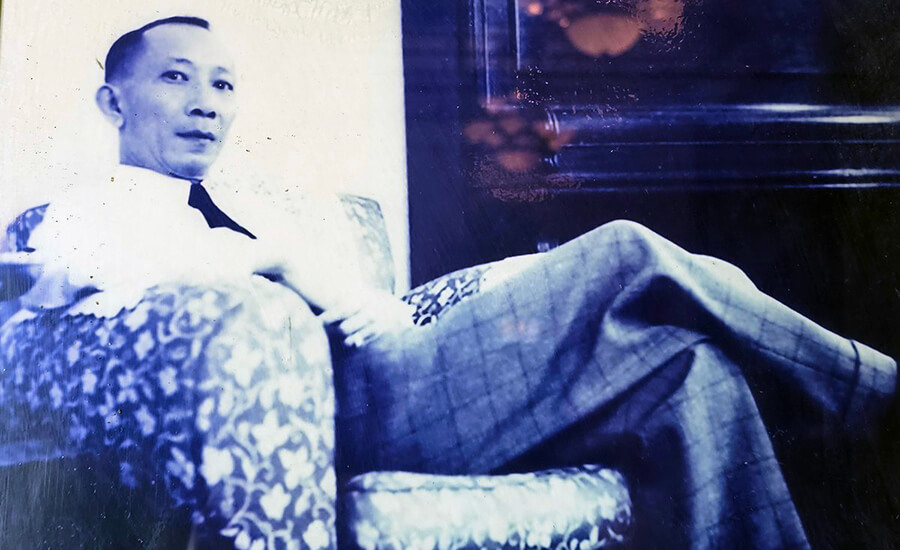
The house was built in 1895 by Mr. Huynh Cam Thuan (father of Mr. Huynh Thuy Le), a famous Chinese merchant in the area, at a busy trading hub on the Sa Dec riverfront. When Mr. Thuan passed away, Mr. Huynh Thuy Le inherited the house and renovated it in 1917, creating the harmonious combination of Vietnamese, Chinese, and French cultures.
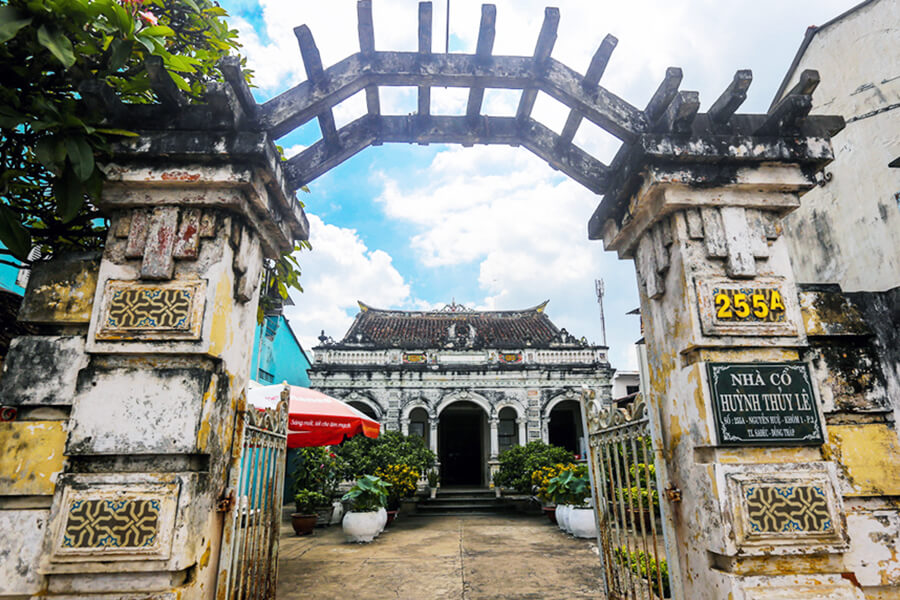
After Le’s death in 1972, his wife and children settled overseas, leaving the house unused. It became a police headquarters until 2007, when it was repurposed as a tourist destination in Mekong Delta. In 2008, Huynh Thuy Le Ancient House was designated a Provincial Historical Site, and in 2009, a National Historical Site.
Currently, this house is managed by Dong Thap Tourism Joint Stock Company. So if you want to have lunch or dinner right at the ancient house, the ticket price will be 100,000 VND/person. Besides, if you want to stay overnight at the old house, room rates range from 550,000 VND to 1,000,000 VND/night (including breakfast and lunch).
What’s unique about the Huynh Thuy Le Ancient house?
The ancient house has three chambers, typical of architecture in the Southwest region. On the outside, it looks like a French-style villa. However, the interior bears an architectural style with bold Chinese colors. The roof is covered with yin-yang tiles, and the two sides of the gable are curved in the shape of a boat, in the style of temples in the North region.
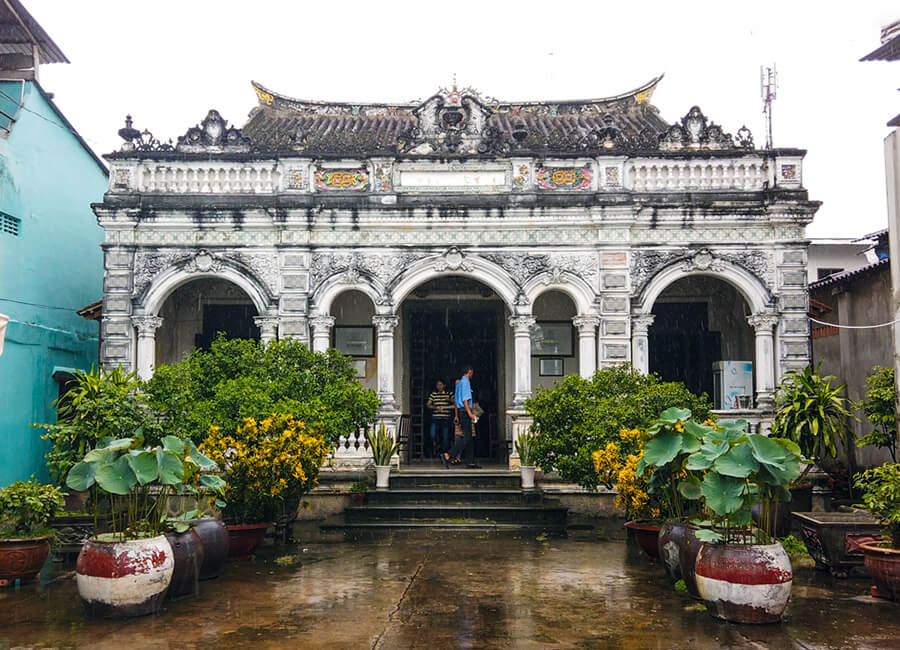
The arches have a 17th-century Roman design with engraved patterns of flowers, plants, and birds.
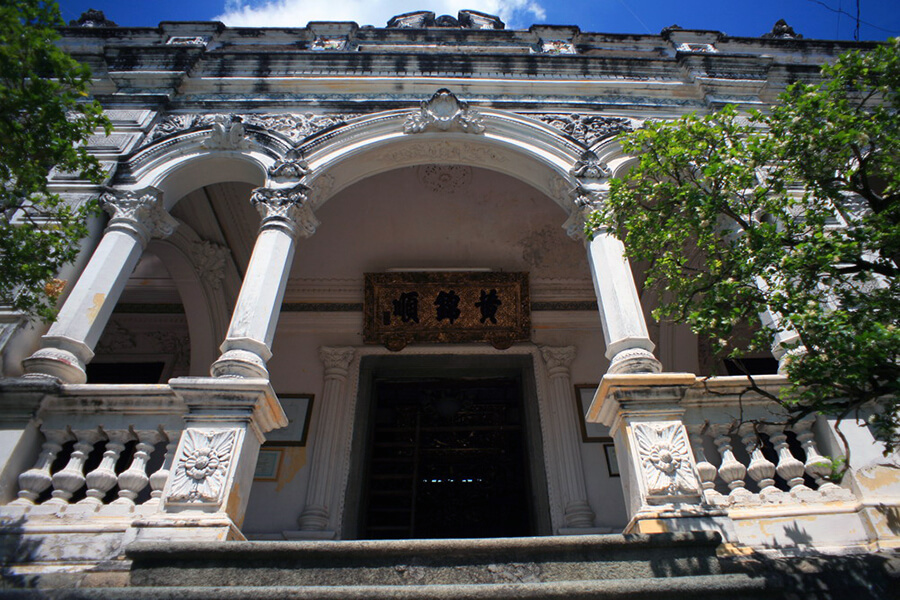
The house is not large, but it has a luxurious interior design. It is divided into 3 compartments. The outer part serves as a worship and reception area, while the remaining areas include bedrooms, a garage, a kitchen, and a garden totaling 2,000 square meters.
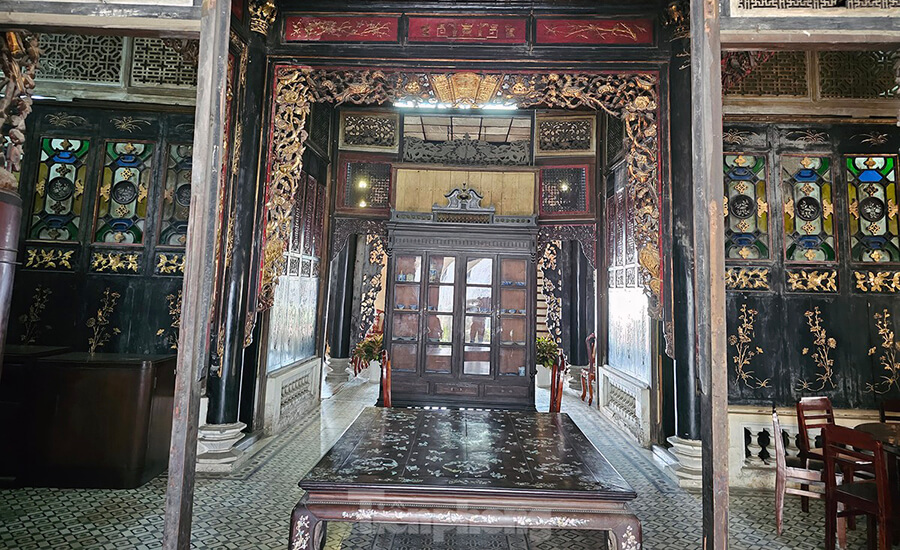
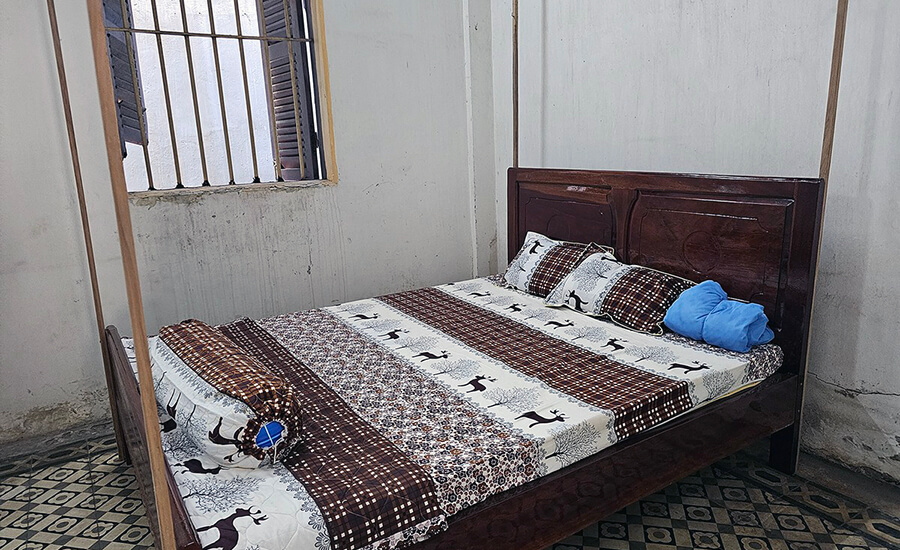
However, due to urbanization, the current area has been reduced to 258 square meters, reserving only the main building. All the bricks for the house are imported from France, while the precious wood was imported from Cambodia. The homeowners honored Guan Yu, a general serving under the warlord Liu Bei during the late Eastern Han dynasty of China.
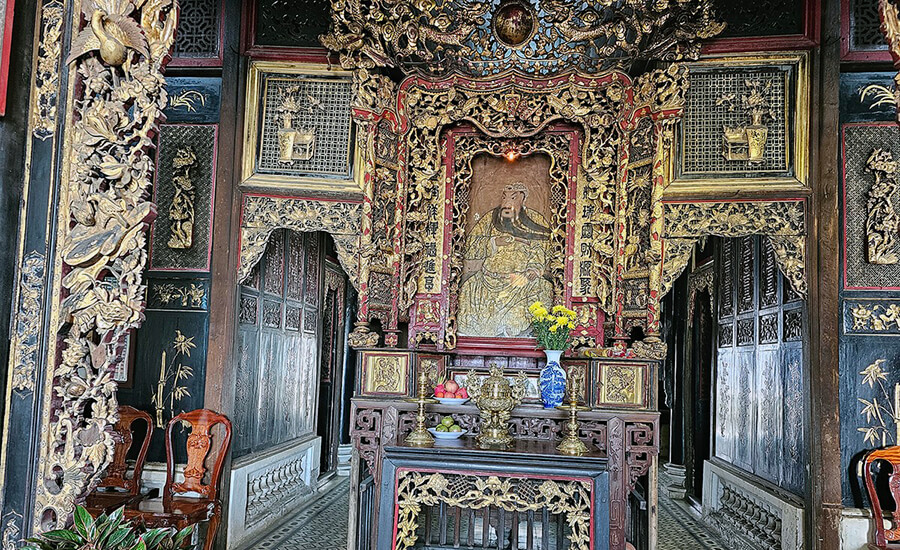
Mr. Le’s father invited artists from Fujian, China, to come here to paint a Guan Yu portrait in gold, which is placed at the center of the house. This painting was considered one of the best paintings in the Mekong Delta region.
Furthermore, all wooden furniture, such as wardrobes, beds, and altars, was delicately carved, signifying the homeowner’s nobility.
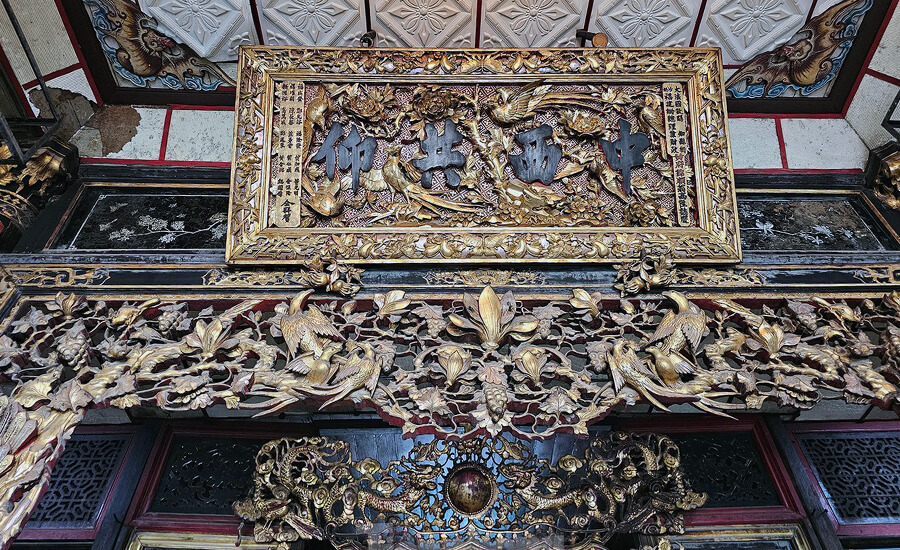
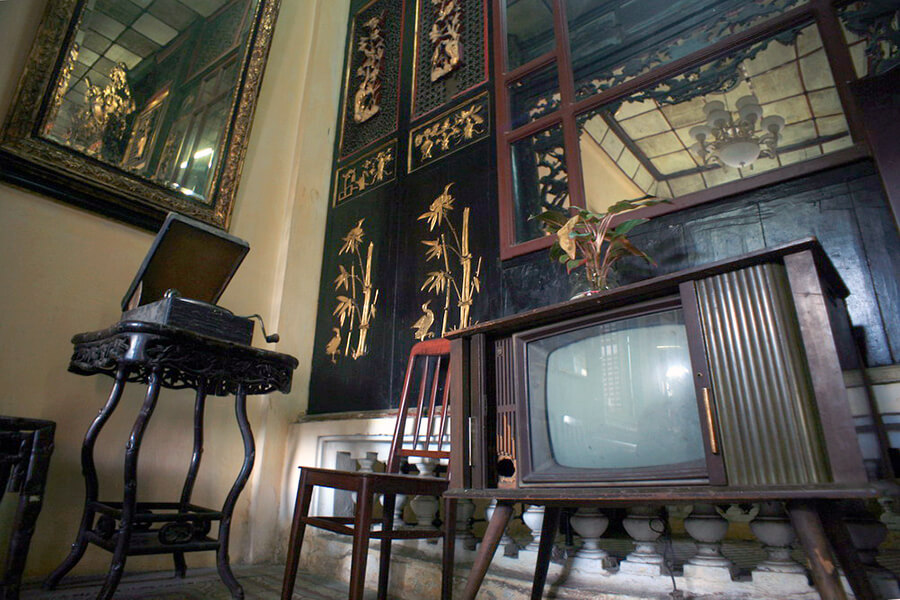
And until now, most of the house’s interior, such as a watch, mirror, chandelier, liquor cabinet, vases, TVs …to small things, including a set of teapots, dishes, cups… are still intact.
L’Amant (The Lover)
Huỳnh Thủy Lê’s ancient house is associated with the famous novel L’Amant and a film of the same name, which describes the true love of Mr.Lê with the French writer Marguerite Duras. Due to a misalliance and cultural differences between the East and the West, Mr. Thuận (Mr. Lê’s father) did not allow them to marry. The relationship broke up after 18 months. And this love later inspired her to write the famous novel “L’Amant,” which won the 1984 Prix Goncourt (France’s most prestigious literary award).
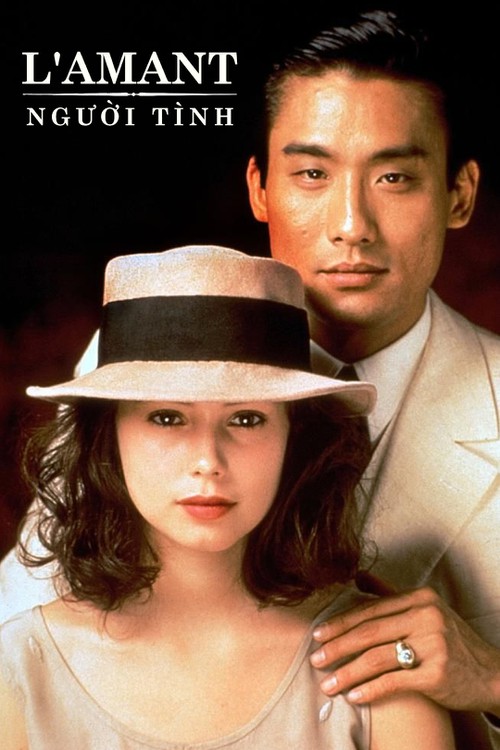
The novel has been translated into 43 languages and adapted into a movie directed by Jean Jacques Annaud, released in 1992. Some scenes were shot in Saigon, Can Tho, and Sa Dec, but not in this house. The film crew had to borrow the Bình Thủy ancient house in Can Tho for the setting.
Useful information
- Address: 255A Nguyen Hue Street, Sa Dec Ward, Dong Thap Province.
- Best for: Family, solo, couple
- Entrance: 40,000VND/for adult; 20,000VND/for children.
- Opening Hours: Daily 07:00 – 18:00
- Other tourist spots nearby: Xẻo Quyét Relic Area, Gáo Giồng eco-tourism area, Sa Đéc flower gardens, Tràm Chim National Park, The tomb of Nguyễn Sinh Sắc, Kiến An Cung, The Lady Temple, Tra Su Cajuput Forest…
Source: collected by An
Follow us for the best deals on Vietnam package tours and visa services!
Comment (0)