
Vung Tau was a city in Ba Ria – Vung Tau Province, currently a part of Ho Chi Minh City, with a coastline stretching 100km; it is one of the favorite destinations for tourists in the South. The city has long been considered an attractive tourist destination because of its natural beauty. Wherever you go in your Vung Tau trip, visitors will be fascinated by the scenery of this place.
The climate of Vung Tau
Vung Tau has a tropical monsoon climate with two distinct seasons. The rainy season runs from May to October, driven by the southwest monsoon, and the dry season runs from November to April next year, driven by the Northeast monsoon. The average annual temperature is 27°C; the lowest month is about 24.8°C, and the highest month is about 28.6°C. This harmonious temperature makes the city a perfect place to explore the mountains, the sea, or simply relax on the beach.
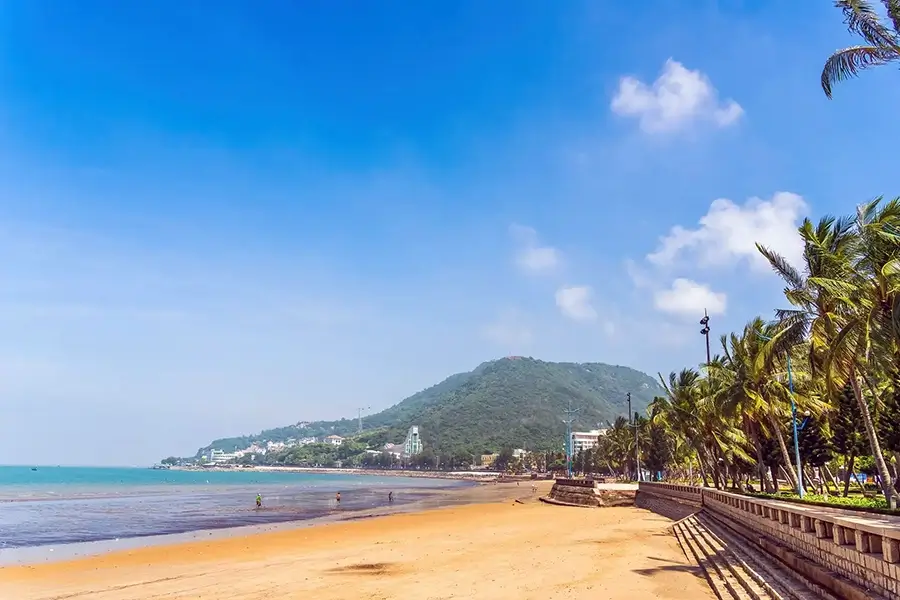
Advice from Vung Tau travel experiences is to avoid going on days with storms or rough seas to ensure safety. One thing to note is that, due to its favorable location, Vung Tau is always crowded on weekends, especially during the Tet holiday season, causing service costs to be higher than usual. Therefore, if you want to comfortably have fun and enjoy your vacation, you should avoid going at these times.
How to get here?
From Ho Chi Minh City, visitors can choose motorbikes, cars, buses, speed boats or ferries to come and explore Vung Tau. If you drive by yourself, head toward National Highway 1 – National Highway 51 – Vung Tau, and don’t forget to check your GPS and follow Ms. Google’s advice.
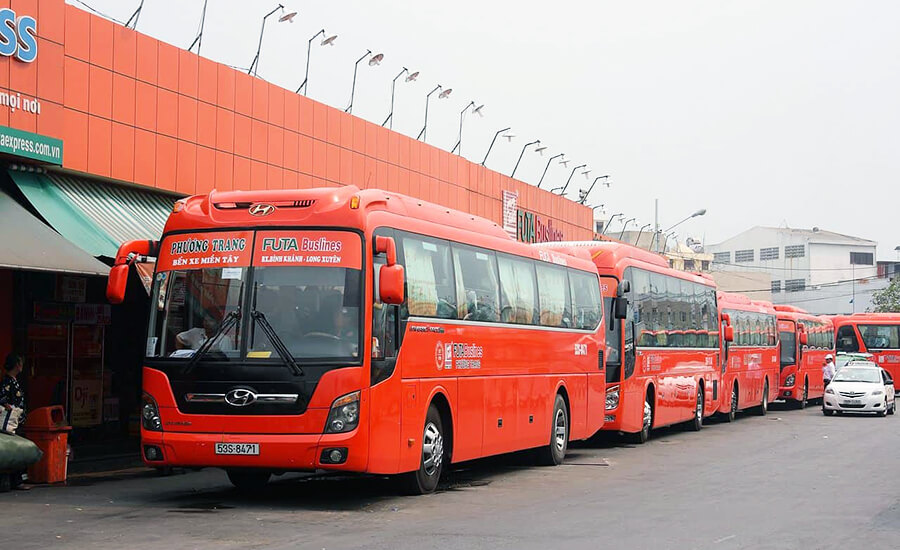
If you choose to take a bus, you can go to the Eastern bus station to buy tickets in person or call to book in advance through the online system. Prices range from 100,000 to 200,000 VND per ticket, depending on the bus type you choose. Some of the popular bus companies to Vung Tau include Kumho, Toan Thang, Phuong Trang, Thien Phu, Hoa Mai…
If you want to take a ferry, tourists from Ho Chi Minh City travel about 70 km to Tac Suat wharf (Can Gio) to board the ferry. The ferry from Can Gio – Vung Tau and return has a travel time of about 30 minutes, departing almost every hour from 6 am until 20 pm. However, passengers should note that the actual traveling time may be longer, depending on the weather and sea level. The ticket price per passenger is 70,000 VND. The fee for transporting motorbikes and bicycles is 50,000 VND per vehicle; cars from 4 seats to 26 seats or more cost from 350,000 to 800,000 VND each….
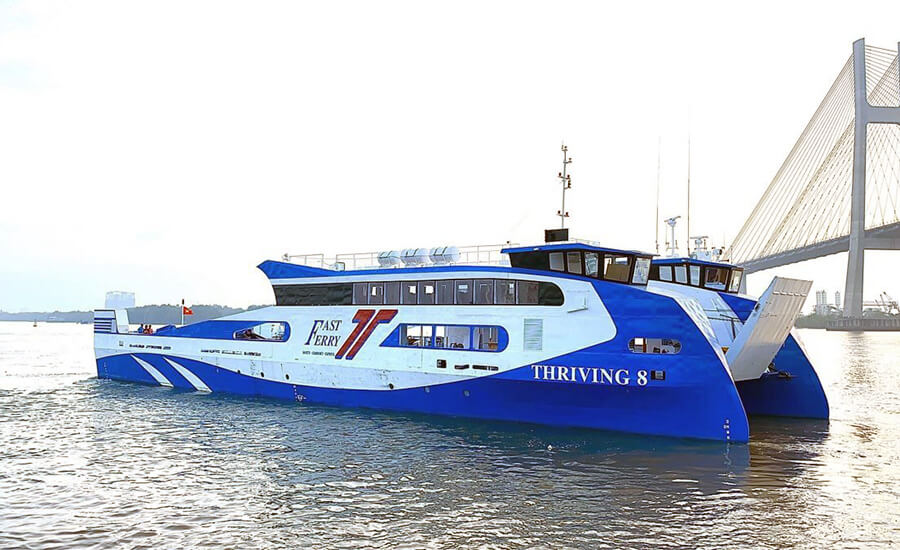
If you take a speedboat, it takes about 1 hour and 30 minutes. Ticket prices start at 200,000 VND per adult. The boat will depart from Nha Rong Port, and you can choose to take a Greenlines or Pacific Express speedboat.
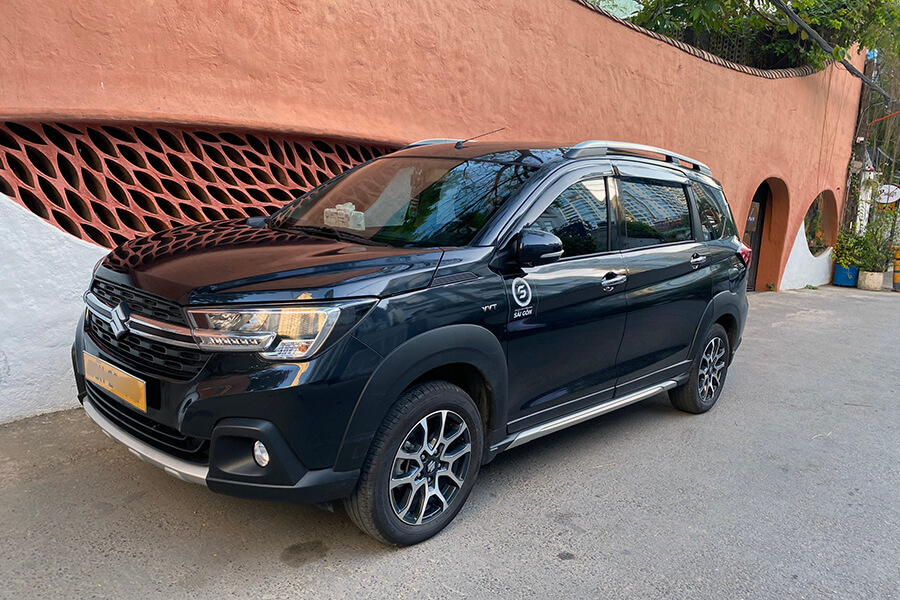
And another popular way, especially when traveling with a group, is to book a private car to Vung Tau, which includes pick-up and drop-off service, and you can stop many times along the way to admire the city’s beauty and fresh air.
From Hanoi, Hue, Da Nang… visitors must fly or take the train to Ho Chi Minh City, then choose one of the above means of transportation to Vung Tau.
Things to do when coming to explore Vung Tau
Vung Tau has many interesting tourist spots for you to explore. Some of them are mentioned below:
Explore Vung Tau Beaches
Vung Tau has 42 km of coastline, the longest and most beautiful of which is Back Beach, stretching nearly 10 km and located south of the city. Back Beach, also known as Thuy Van, is one of the most beautiful beaches in Vietnam with smooth, straight white sand.
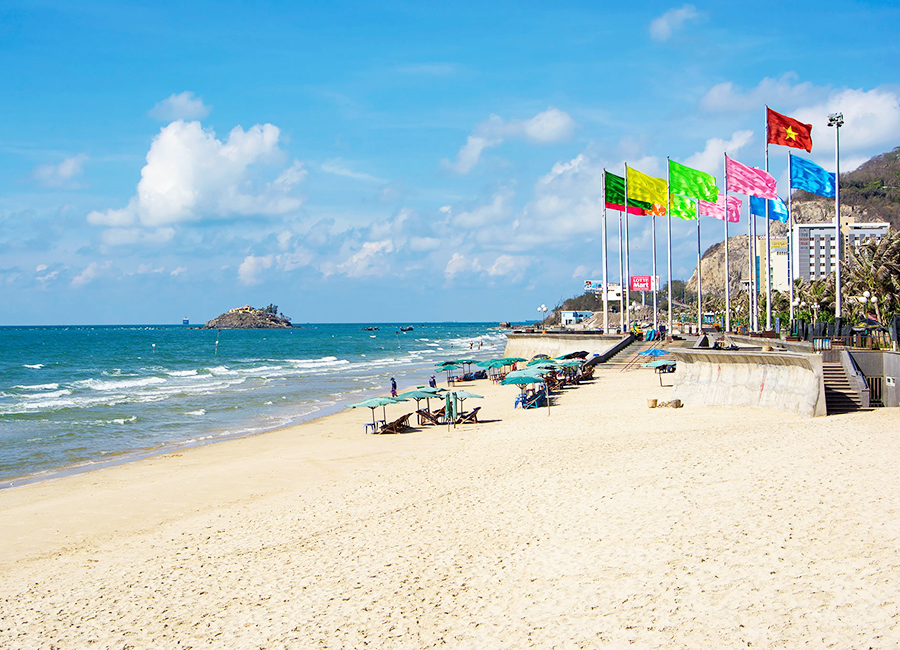
Next is Front Beach, also known as Tam Duong Beach because it is located in the west, where you can watch the sun set over the sea.
Vung Tau also has Pineapple Beach, where the sea creeps deep into the shore, creating rocky rapids stretching out to the sea and, at the same time, forming private, poetic bathing pools.
Bai Dau is windy with many interesting rapids and rocks. The pristine Vong Nguyet beach is located at the foot of Small Mountain, with majestic cliffs on three sides, for those who like to explore and experience…
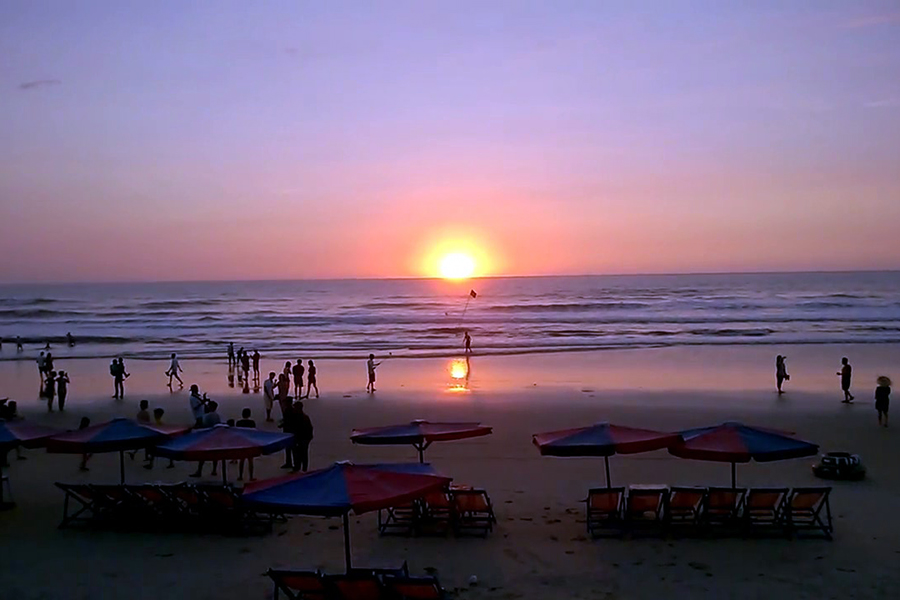
However, the beaches in Vung Tau are often overloaded during holidays and Tet. If you go during the peak season, be careful with your personal belongings and don’t go too far from shore. After having fun in the sea, you can take the time to watch the sunset and rest.
Thich Ca Phat Dai
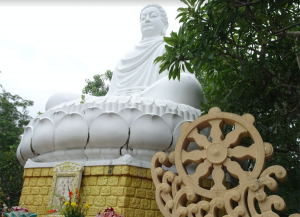
Thich Ca Phat Dai is a notable Theravada Buddhist pagoda in Vung Tau, located on the Large Mountain. The beauty of the pagoda cleverly combines religious architecture and natural landscape.
The most noteworthy are the 19m Bat Giac tower (Octagonal Tower) and the Shakyamuni statue meditating on a lotus, halfway up the mountain slope. Standing from afar, visitors can also admire the statue. Along the path up to the pagoda, the way is decorated with various statues that depict important events in the life of Gautama Buddha: his birth as Prince Siddhartha, his renunciation of the world, the enlightenment under the bodhi tree at Bodh Gaya, the first sermon at Sarnath, and the passing into final Nibbāna at Kusinara.
In addition, the pagoda has a 17 m-high Xa Loi stupa; inside is a golden box containing 13 relics of a true monk. At the foot of the stupa are four large peaks, in which is placed sacred soil brought back from the place where the Buddha was born.
Location: 608 Tran Phu Street, Vung Tau. The pagoda opens from 6 am to 18 pm every day.
Christ of Vung Tau
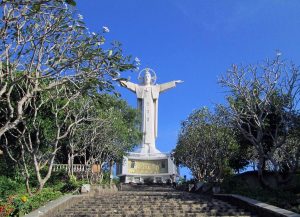 The statue of Christ, with outstretched arms, atop Nho Mountain, was built in 1971. The Christ of Vung Tau is 28 m high, with an 18.3 m long arm span, and is 170 m above sea level. Inside is a spiral staircase with 133 steps that runs from the pedestal to the statue’s arms, where visitors can enjoy panoramic views of the sea and Vung Tau.
Each one accommodates up to 6 people and offers panoramic views of the surrounding landscape. The statue can be seen as a similar version of Christ with arms open in the city of Rio de Janeiro in Brazil.
Location: 01, Ba Ria – Vung Tau. Opening hours: 5:30 am to 17 pm.
Bach Dinh (White Palace)
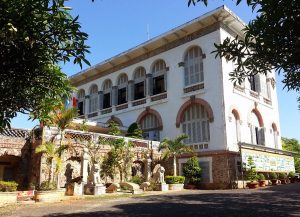 In 1898, Governor-General of Indochina Paul Doumer built Bach Dinh (Villa Blanche) on the site of the Phuoc Thang fortress, which had fired on French warships nearly 50 years earlier.
Bach Dinh has European-style architecture from the late 19th century, overlooking Front Beach and surrounded by a small forest with many tree species, especially porcelain trees. Currently, Bach Dinh is used as a museum, displaying exhibits such as pottery from the Kangxi Emperor period recovered from an ancient shipwreck off Hon Cau – Con Dao, cannons, and many other valuable artifacts. Other artifacts were found during archaeological excavations in Ba Ria – Vung Tau… At Bach Dinh, visitors can enjoy the fresh sea air and the beauty of Bach Dinh, blending with nature, plants, and trees. and enjoy first-hand typical and rare antiques.
Location: No. 6 Tran Phu Street, Vung Tau Ward.
Niet Ban Tinh Xa
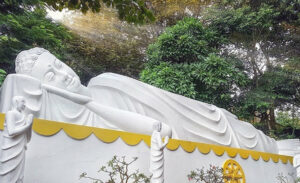
This is one of the most beautiful pagodas in Vung Tau with modern architectural lines. The pagoda, also known as “reclining Buddha,” was built on the slope of the Small Mountain, facing the sea.
The pagoda was built in 1969 and inaugurated in 1974 with money donated by fellow Buddhists. Niet Ban Tinh Xa is famous for its 5-ton bronze bell featuring the Four Holy Beasts: the Vietnamese dragon, the Qilin, the Turtle, and the Phoenix. This is the result of more than two years of hard work by a craftsman in Ben Tre province and was donated to the temple in 1971.
Located: Vung Tau Ward.
Avalokitesvara Pagoda
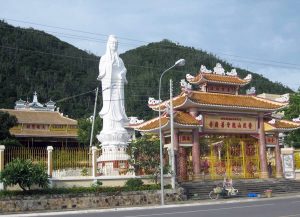
This is a small pagoda featuring a 16 m-high white statue of Avalokitesvara, standing on a lotus-tower platform. Her virtuous face is turned toward the sea, and she holds holy water in her hands. The pagoda’s architecture is simple and in the Chinese style. Behind the pagoda is Large Mountain, with lush trees and peaceful, quiet scenery, completely separate from the bustling life of a tourist city.
Many people visit and pray at the pagoda, especially on June 6th, July 15th, and September 6th (Lunar Calendar).
Avalokitesvara Pagoda is located at the roundabout of Large Mountain, 500m from Bai Dau (Mulberry beach), at No 178 Tran Phu, Vung Tau.
Linh Son Pagoda
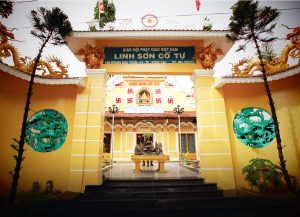
Although not massive, Linh Son is the oldest pagoda in Vung Tau. In the main hall, there is a 1.2m-high Buddha statue made of gilded stone, skillfully sculpted to create a compassionate, lively expression on the Buddha’s face.
There is a legend about this Buddha statue: it was found underground on the mountainside near Dau Beach by a group of fishermen from the central region who came to fish at Front Beach.
Location: 108 Hoang Hoa Tham, Vung Tau.
Vung Tau lighthouse
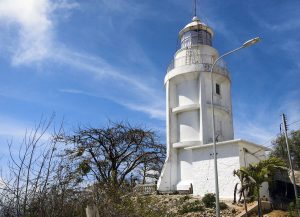
Vung Tau lighthouse was built by the French in 1862 for navigation and signaling to ships passing by, and is located at an altitude of 149m above sea level. By 1913, the French rebuilt this lighthouse, raising its height from 149 m to 170 m. Vung Tau lighthouse is one of the oldest lighthouses in Vietnam and Southeast Asia.
Vung Tau lighthouse is considered a symbol of Vung Tau. The lighthouse is a cylindrical tower 18 m high and 3 m in diameter, painted white.
Inside the lighthouse, there are stairs leading near the top, a balcony for sightseeing, and views of Can Gio Port and Ba Ria beach.
Location: Located on the top of the Small mountain, Vung Tau Ward
Worldwide Arms Museum
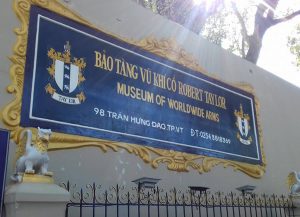
The Worldwide Arms Museum was founded by Mr. Robert Taylor (British nationality) and his wife Nguyen Thi Bong. According to the visitors, this is one of the most worth-seeing museums in Vietnam. Opened in early 2012, the museum displays 500 life-size dummies wearing beautiful military uniforms, representing warriors from all over the world across many periods; more than 1,200 guns, 1,000 ancient swords with rich histories, and other interesting stories.
Coming to the museum, you will discover the historical values of each period from ancient to modern. Visiting the ancient area, you will be amazed by the collection of weapons from the Roman Empire, Genghis Khan, and the Samurai, such as swords, spears, and bayonets, along with costumes, armor, and helmets.
Location: No. 98 Tran Hung Dao, Vung Tau Ward. Opening time to welcome visitors from 08:00 to 17:00 daily.
Hon Ba (Ba Islet)
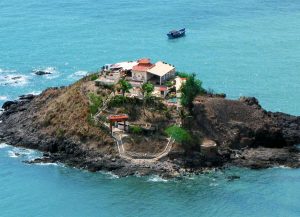
Hon Ba is a unique rocky island located near the Nghinh Phong cape and Back Beach of the city, with an area of about 5,000 m².
At the end of the eighteenth century (1781), a small temple was built on the island to worship Mau Thoai, a god who regulates the climate so that fishermen could safely go fishing and be lucky on their trips. Therefore, the temple is called Ba Temple, also known as Hon Ba Temple.
On the full moons of January, April, July, and October (lunar calendar), local people usually go to this island to burn incense and pray for luck. When the tide is low, it is also possible to follow an overlapping rock path to the island.
Ho May
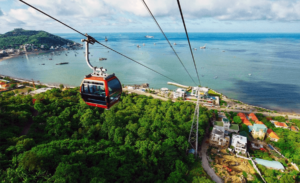
Ho May is a tourist and entertainment area located at an altitude of 210m on Lon Mountain. Ho May tourist area covers 50 hectares and includes many entertainment and sightseeing areas suitable for all ages. Therefore, this tourist area attracts many visitors during their time exploring Vung Tau.
For tourists who like to take check-in photos, the Ho May tourist area offers spots that blend man-made structures with beautiful natural scenery, such as cherry blossom forests, artificial lakes, and waterfalls. Those who like thrilling games can participate in skateboarding, ziplining, and games in the thrilling area, such as roller coasters and pirate boats.
Groups of friends or companies can participate in team games such as paintball and water park activities. This is also a Vung Tau tourist destination suitable for families with diverse temples, zoos, water music stages…
Long Hai
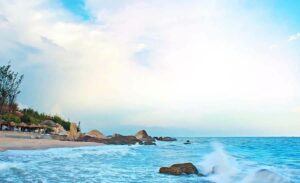
Ho Tram Beach, Ho Coc Beach, and Binh Chau Hot Spring are all famous tourist destinations in Long Hai Commune, about 12km from Vung Tau Ward, and are ideal choices for travel and relaxation.
As mentioned above, this place has many famous landmarks, the most typical being Long Hai beach with its long stretch of fine golden sand. Thanks to the sandy beach’s moderate slope, tourism services are relatively well developed, and the number of tourists is not too large.
Long Hai seafood is fresh and delicious, and affordable. Besides Long Hai beach, there are other attractions such as Dinh Co temple, Dinh Co beach, Monkey pagoda, Minh Dam mountain…
Binh Chau hot spring
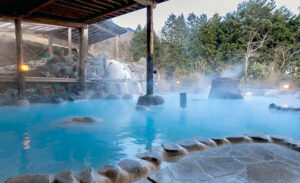
Binh Chau Hot Spring is probably a familiar place to regular visitors to Vung Tau. This hot mineral resort is an ideal choice for many families, especially elderly people, because of the health benefits of this spring.
Binh Chau hot spring tourist area has a total area of 12 hectares, offering more than 30 hot mineral soaking services, spa, swimming pool, and hot and cold therapy… all certified to help improve health.
Here, visitors will experience various types of hot mineral baths from around the world, such as Japanese onsen, French wine-soaking pools, German mineral pools, and Nordic saunas… Visitors can buy entrance tickets from 240,000 VND or buy a combo priced from 1,250,000 VND/person to enjoy hot mineral services here.
Con Dao
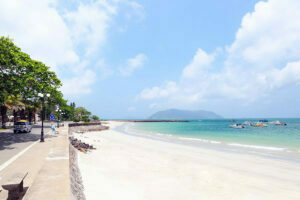
Besides spiritual tourism, many tourists know that Con Dao is a resort paradise and an interesting backpacking destination with plenty to discover.
Con Dao is famous for its clear waters, green coconut trees, and white-sand beaches that can captivate any tourist. It is easy to understand why Con Dao attracts so many domestic and foreign tourists.
With its wild beauty and limited impact from the tourism industry, Con Dao is truly a rare tourist paradise in Vietnam.
Specialties in Vung Tau
Sea food
Typical coastal seafood dishes you should enjoy include snails grilled with onion grease, blood cockles stir-fried with garlic butter, mantis shrimp dish, steamed grouper with ginger served with vermicelli, add a plate of garlic fried rice, fried squid with fish sauce.
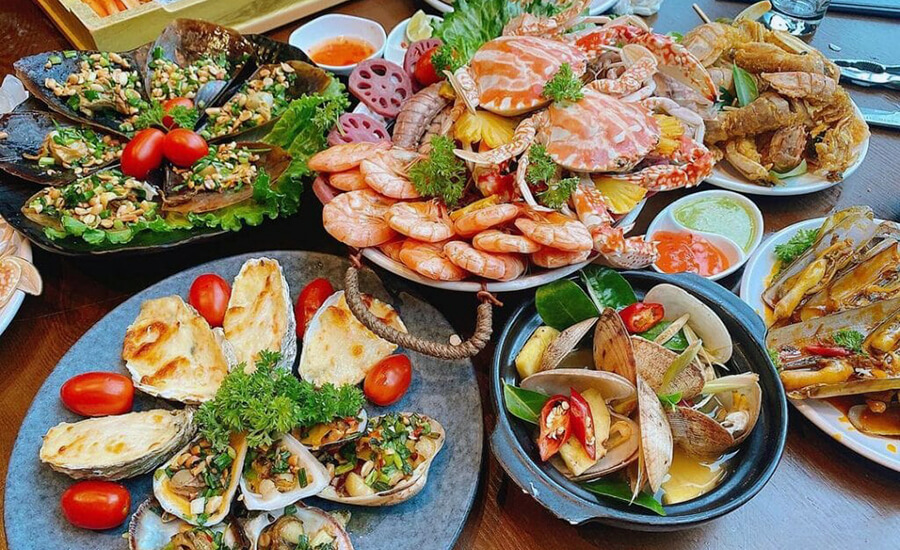
In addition, many tourists think that going to Vung Tau without eating stingray hotpot means they have not been here.
If you want to eat delicious stingray hotpot, you should go to Nguyen Truong To Street, because this is a “stingray hotpot” street with many restaurants that have been open for more than 30 years.
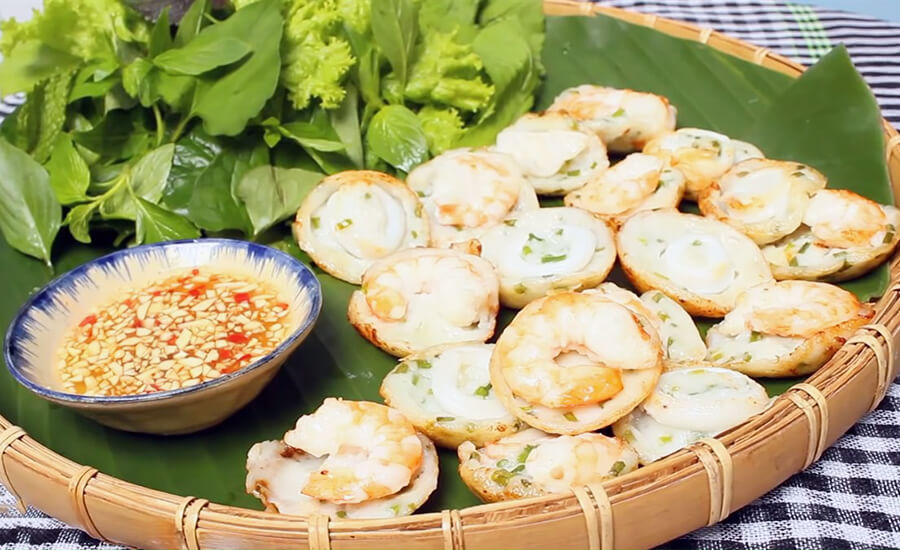
Khot cake
Vung Tau’s famous dish is banh khot. The ingredients for the cake are rice flour and shrimp for the filling. In addition, some local shops also make pork, beef, squid, and scallops. Sprinkle a layer of shrimp powder on the surface of the cake. The cake is poured directly into the cast-iron oven and then brought out to guests so it stays hot and crispy. Shrimp tastes sweet when eaten. Khot cake is often eaten with sweet and sour fish sauce, fresh vegetables, mint, and herbs.
Vietdreamtravel also provides package tours and car/bus rental services to explore Vung Tau. Don’t hesitate to contact us to book.
Comment (0)