
Vietnam is a really peaceful country. It has been attracting many foreigners from around the world for this reason. And for sure, once you set foot in this nation, you will see a lot of things to love about Vietnam. As a matter of fact, many visitors who had a chance to explore the country fell so much in love with it that they decided to stay longer than their initial plan. However, it is still new territory for you, and it would be best to know some safety tips for Vietnam to avoid any issues when you’re traveling here.
Be careful when crossing the road
It’s a well-known fact that Vietnam’s traffic is hectic and can be a real concern for your safety while traveling in Vietnam. For first-time travelers to Vietnam, crossing the road can seem really hard, as the traffic can be overwhelming. The endless flow of motorbikes and cars in big cities seems to never cease, even if there’s a red light.
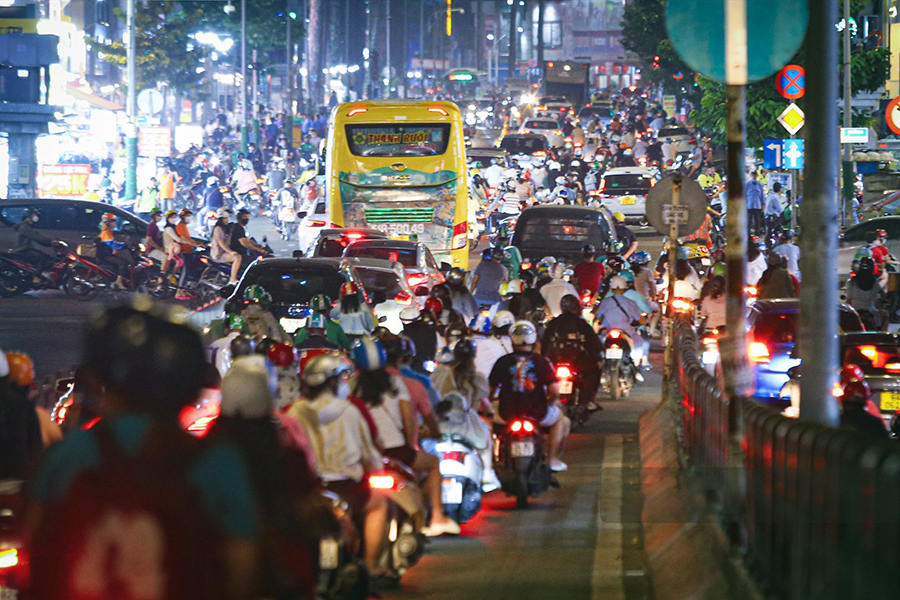
Most big cities, like Hanoi and Ho Chi Minh City, have heavy traffic but don’t follow any rules. So foreign guests are often confused when they don’t know how to cross the road. If you want to cross the street, foreign visitors must move at a steady speed, focus on their path, and not hesitate or stop when they see a car rushing towards them.
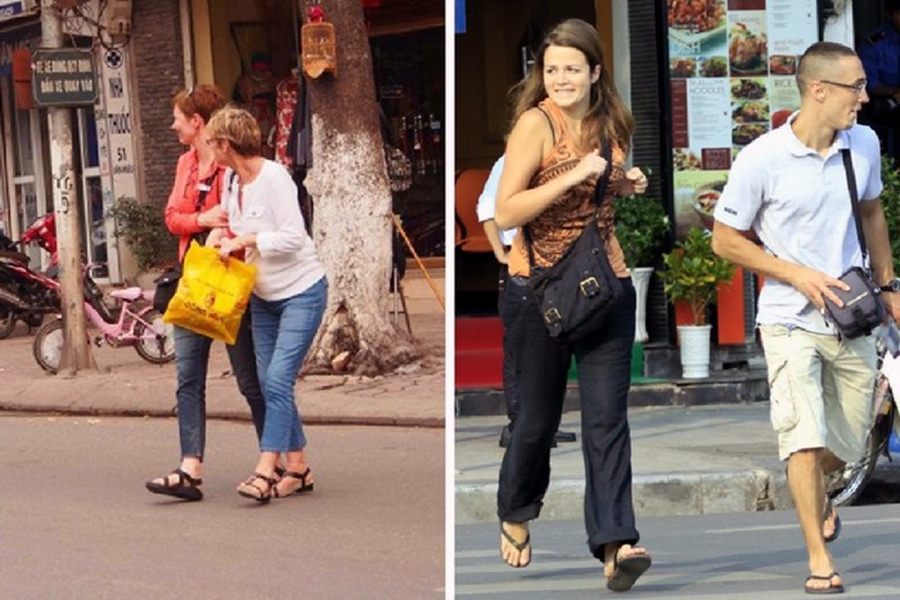
To really be safe driving a motorbike in Vietnam, always wear a helmet and obey the laws. Drive slowly and stick to the right side when you’re not really confident. And of course, having travel insurance is important.
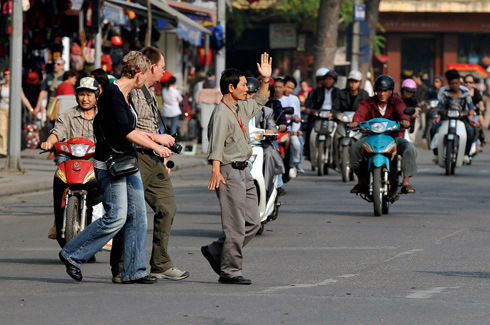
And don’t be stressed; just start slow and never stop in the middle of the road. The drivers will automatically avoid you. Do not cross the road by running; raising your hand is the signal to drivers.
Related post: 06 essential tips to cross the road in Vietnam for foreign visitors.
Beware of taxi scams
Transportation is the first thing you have to be concerned about, especially when you take a taxi. There are many drivers using “wrong meter counters” to make it run faster or driving in a circle and charge you at a very high price. This usually happens in big cities like Hanoi, Nha Trang, and Ho Chi Minh City. Therefore, here are some reliable taxi brands you can order or book throughout Vietnam, such as Vinasun, Mai Linh, Vina, Futa, or some reliable apps (used only in big cities) such as Grab, Be, Xanh SM… Also, we strongly recommend using a GPS or GNSS to track your driver.
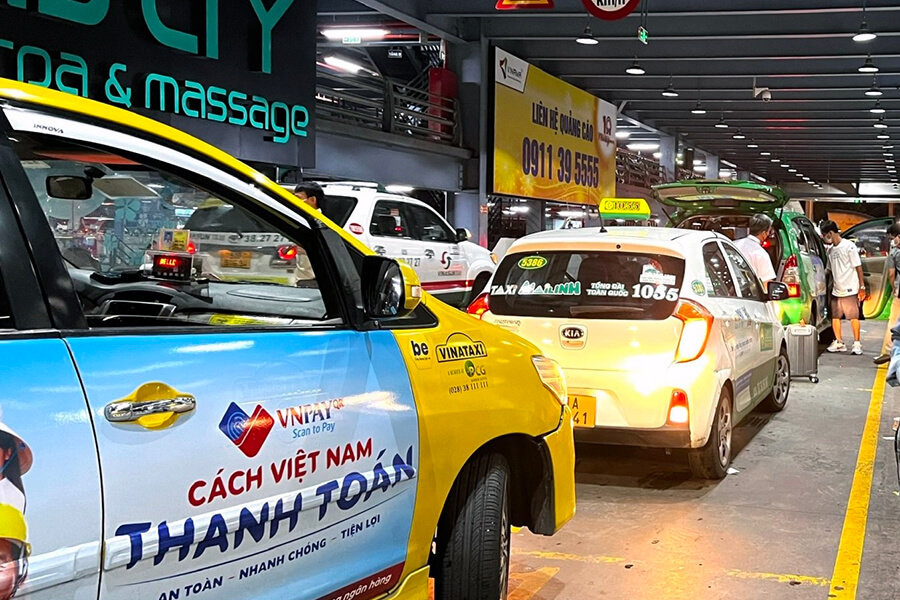
Also, during your tour of Vietnam, book transportation from your hotel. They will come to the airport to pick you up to reduce unnecessary risks and costs.
Shopping in the markets
Shopping is a common behavior for many people, especially when they are traveling to another place; souvenirs are the best way to keep memories of the place you have visited.
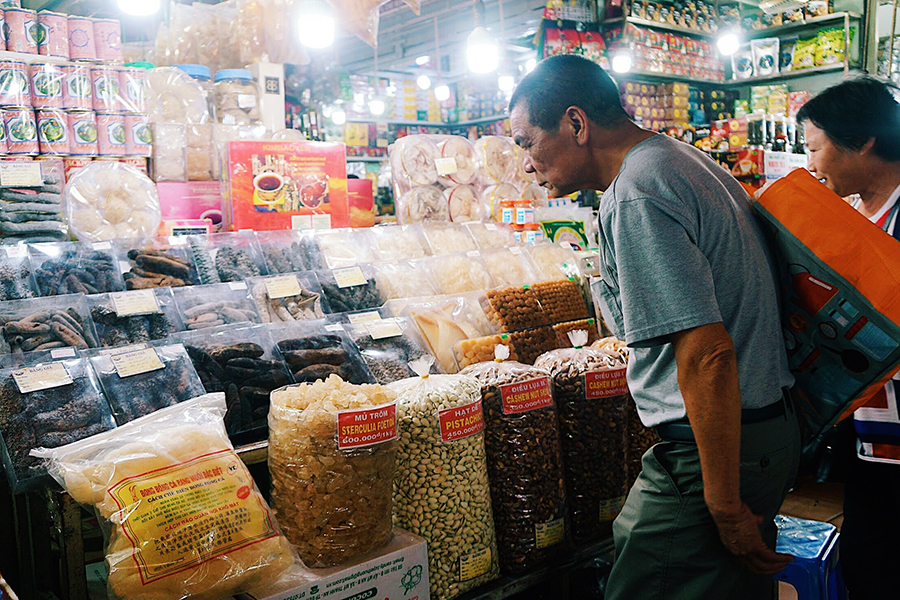
But most shopkeepers and sellers always charge you a higher price than usual. That is part of Vietnamese culture, and they are willing and happy to reduce the price when you ask. Therefore, do not hesitate to negotiate and try to bargain on everything you buy at the markets. Also, you should not buy the first thing you see. The market is full of people selling fairly similar things. Therefore, turn around at some spots before finally deciding on what you want.
Local food
Vietnamese food is amazing! Street food and vendors’ food are delicious, but sometimes it’s not, especially for those with a weak stomach. Most of the shops are located on the pavement, so food can be dirtied by the smoke and dust from vehicles. The sellers may not prepare it carefully, and due to the climate, the food may spoil. You may have a stomach ache after eating. Cheap drinks are not always safe, either.
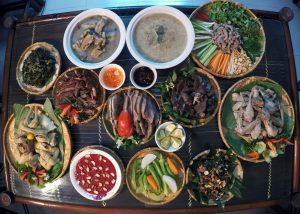
Tips for eating safely:
- Know your stomach and what you’re allergic to.
- Be careful with raw meat and dishes containing animal blood.
- Prepare medicine in case you have diarrhea or a stomach problem.
When traveling, try local restaurants or small eateries to experience Vietnam’s unique flavors. Local restaurants often serve traditional dishes and use fresh ingredients. If you have the opportunity, take part in a cooking class or visit a local market to better understand how traditional dishes are made and learn about Vietnam’s culinary culture.
=> Click here if you want to join a street food tour with our local guide.
Pay attention to the weather
Because of the monsoon influences and the country’s shape, the weather of each region varies from north to south. Northern Vietnam has four seasons (Spring, Summer, Autumn, and Winter), while the south has only two seasons (rainy and dry). During its summertime, in the north, from May until October, it is very hot, humid and rainy summer with daytime temperatures reaching 35 – 40°C. Meanwhile, in wintertime, from November to February, temperatures may drop to 5-8°C and even below zero in mountainous areas.
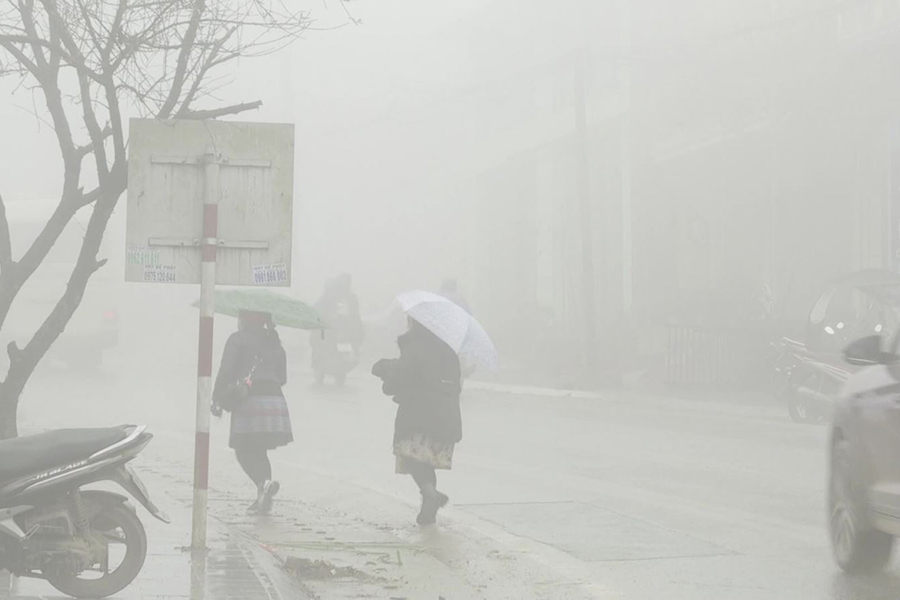
In central Vietnam, the hottest months are from May to September, and it’s cooler and rainy from October to December. Southern Vietnam is generally dry and hot from November to April, and has the highest rainfall from May to September.
Checking the weather is always necessary before visiting any part of Vietnam to avoid rain, flooding, or even storms. On average, it has 8 to 12 typhoons affecting Vietnam each year. To ensure your safety and enjoyment, it would be better if you avoid traveling to specific areas during specific months when typhoons hit or it has rained heavily. Especially for those who ride a motorbike in rural areas or on mountainous roads, absolutely do not do it when there’s heavy rain.
Tips for traveling in typhoon or rainy season in Vietnam:
- Update the weather forecast during your stay
- Use transportation means which can ensure your safety even in stormy weather. If the condition worsens, stop moving and find shelter.
Look after your valuable things
Thieves do exist in every tourist city, not only in Vietnam but in other nations as well. Losing your passport, cash, and other valuables can be a problem for travelers, so when possible, use the hotel safe and carry copies of important travel documents. Also, here are some tips for you:
- Use a money belt worn under clothing, so it cannot be reached without opening the jacket.
- Do not use your phone on the road; if you need to contact someone, try to create some distance so no one can take your phone and drive away.
- Watch your surroundings when you want to take a picture with your phone or camera.
- Make a report to the local police as soon as possible when you’re a victim of it.
- When you use public transportation like buses or trains, always keep your valuables in front of you where you can keep an eye on them.
Know the basic rules and regulations
It would be better to research and familiarize yourself with the basic rules and regulations to avoid trouble and make your trip more fun and enjoyable. Some common items are listed below.
- Dress appropriately before visiting a temple or pagoda in Vietnam.
- Taking photos in places with a police or military presence is prohibited.
- Many islands and restricted areas do not allow foreigners to come. Therefore, check their details before booking a ticket.
- Make sure you count your change – you’ll be a millionaire… in Vietnam Dong. All those big numbers can be tricky to figure out.
- Careful what you’re drinking – some rice wines have CRAZY levels of alcohol. Know your limits.
- Drugs are ILLEGAL – penalties for possessing a small amount of ANYTHING can entail serious consequences.
- Travel with recommended tour agencies. Even if you plan to buy tickets in-country, research your journey a little on the Internet first. This way you avoid unreliable tour agencies and badly run hotels.
- Your passport must be valid for at least 6 months before arriving in Vietnam. It’s the airline’s requirement. Also, many people confuse the concept of “visa on arrival” to Vietnam; check carefully if you are required to have a visa to enter the country.
After all, violent crime is rare in Vietnam. And there’s no record of terrorist acts throughout the country. Crimes that are committed are usually from drunk fights and robberies. Therefore, Vietnam is a safe country to visit, and for sure you will enjoy your time in this charming country. However, it is always best to be cautious, and let us know if you need any Vietnam safety tips.
Comment (0)