
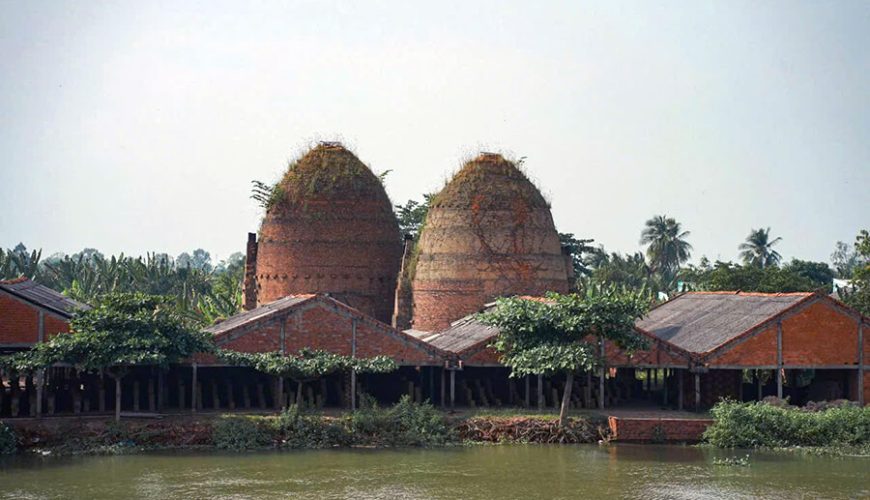
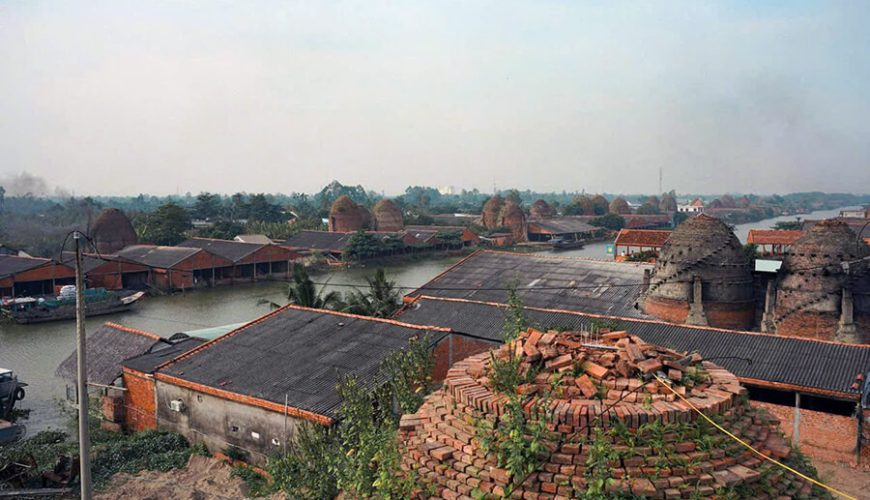
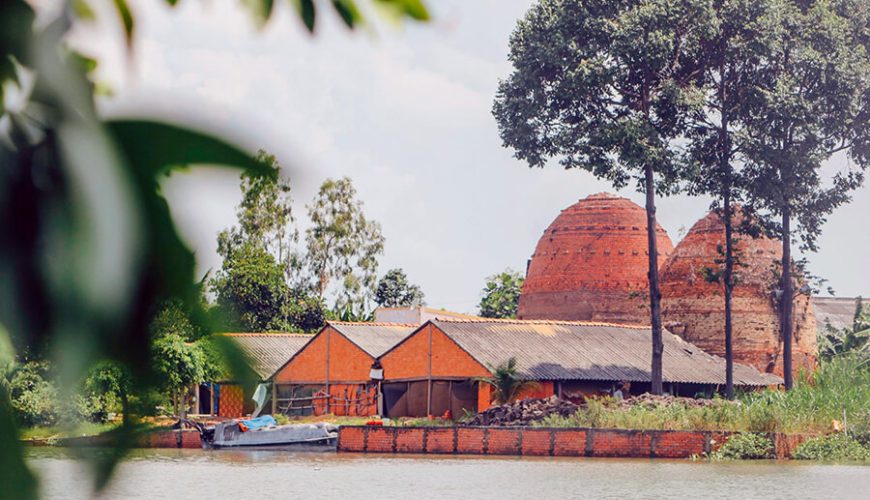
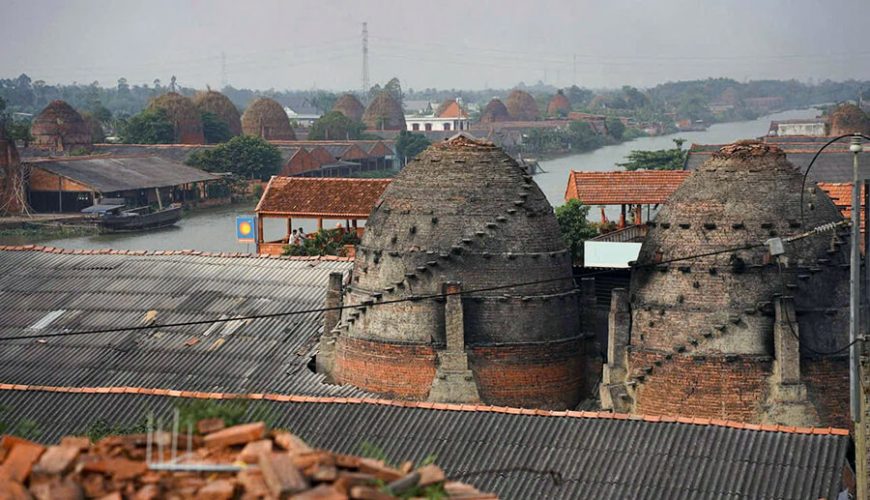
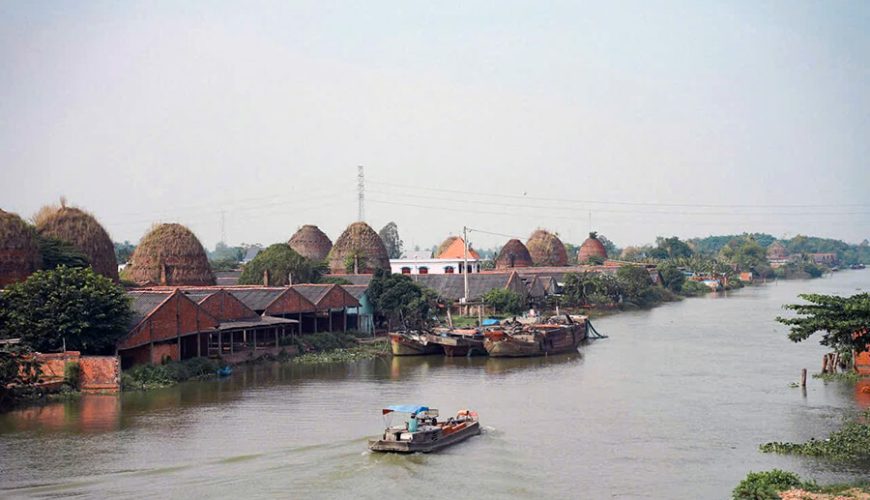
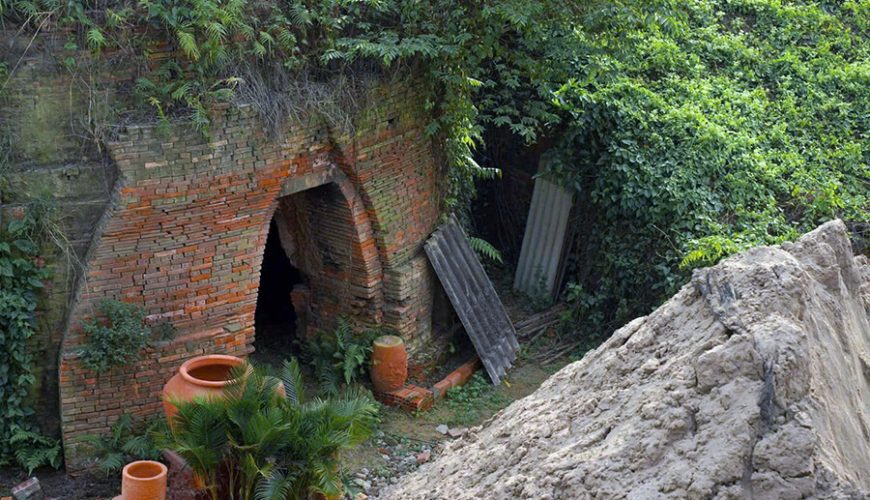
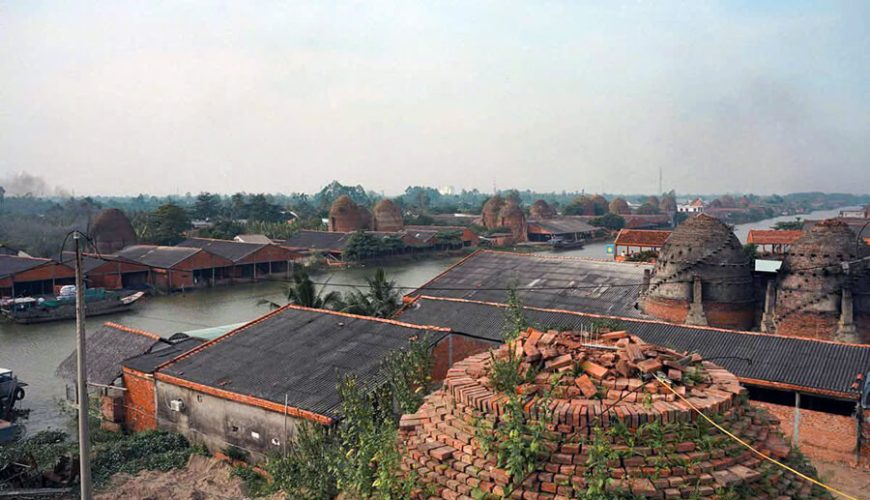
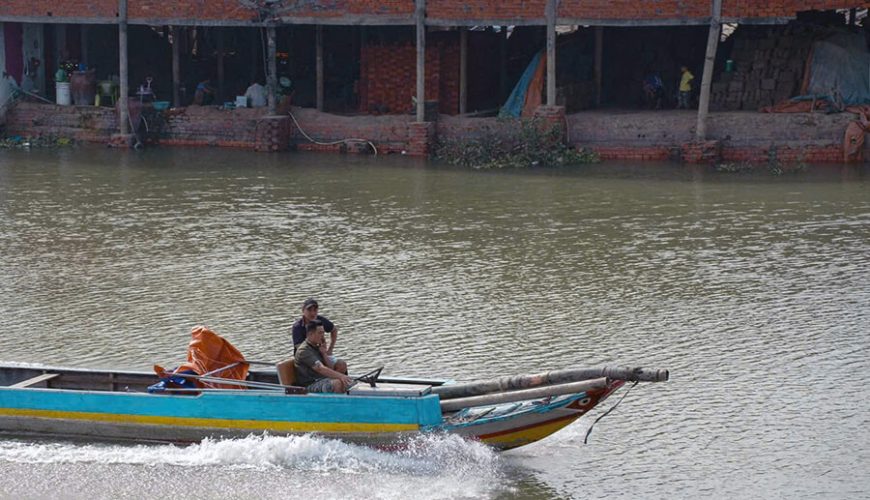
Everyone knows that to build great works, a foundation of bricks is indispensable. However, it is unclear where the bricks come from and how they are produced. Therefore, if you have the opportunity to travel to the Mekong Delta, especially to Vinh Long, you will encounter traditional ceramic brick-making villages along both sides of the river. And Vinh Long ceramic brick village, located next to the romantic rivers, is one of the most famous ones in the region.
Overview of Vinh Long Ceramic Brick Village
Among the brick- and tile-making villages along the Mekong Delta River, the area along the Co Chien River in Vinh Long province has the longest history. The ceramic brick is located in Vinh Long province, stretching for more than 30km along the poetic Co Chien River.
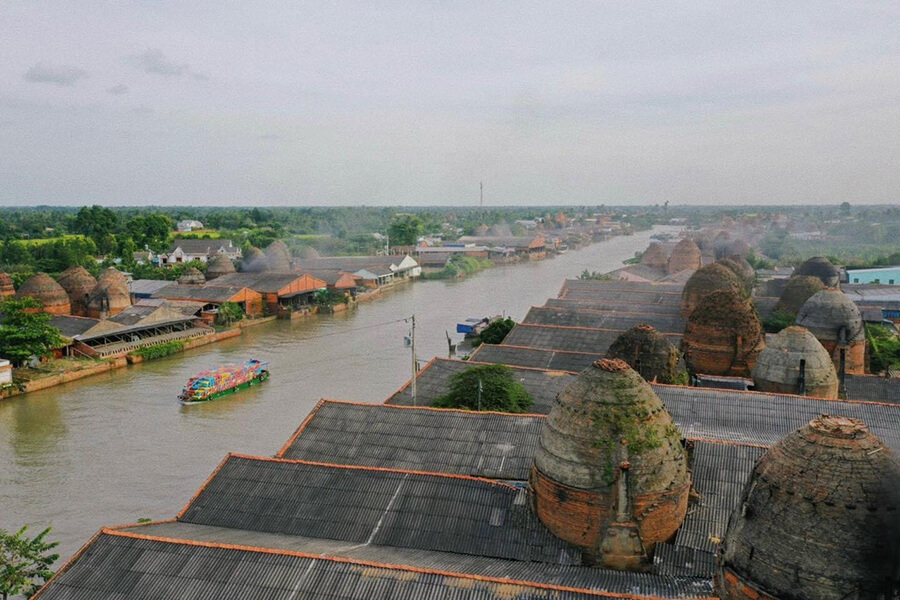
The largest number of households participating in brick production is concentrated in Nhon Phu commune, Vinh Long province.
What’s special about Vinh Long Ceramic Brick Village?
Separated from the main branch of the Mekong River, the two branches of the Tien River and the Hau River run throughout the South, bringing millions of cubic meters of fertile alluvium to this vast delta. This volume of alluvium is not only a source of nutrients for rice fields or fruit gardens in four seasons, but also forms valuable primary clay mines.
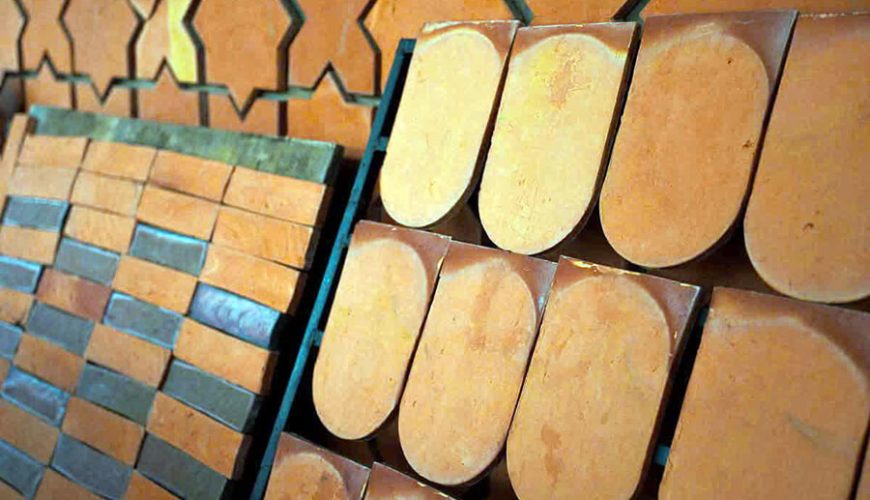
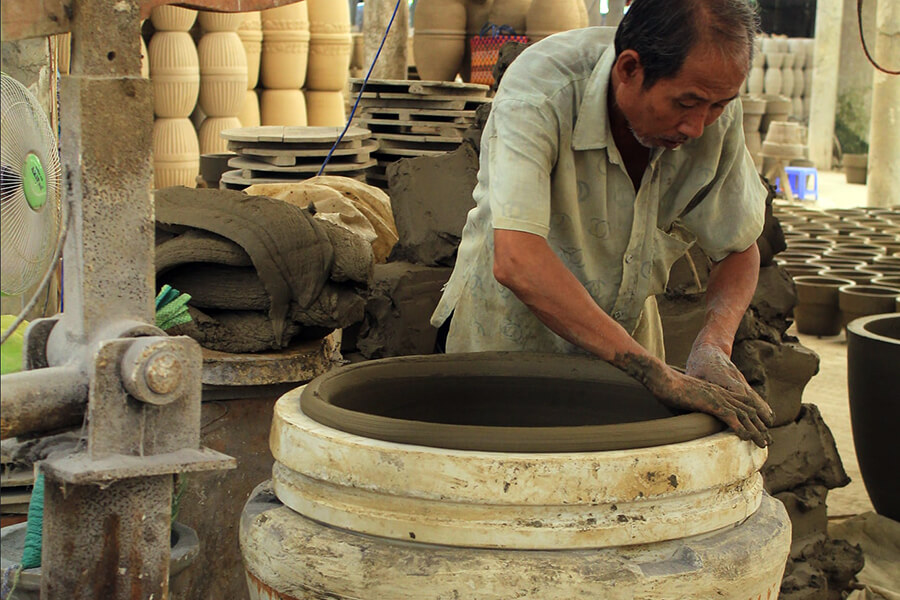
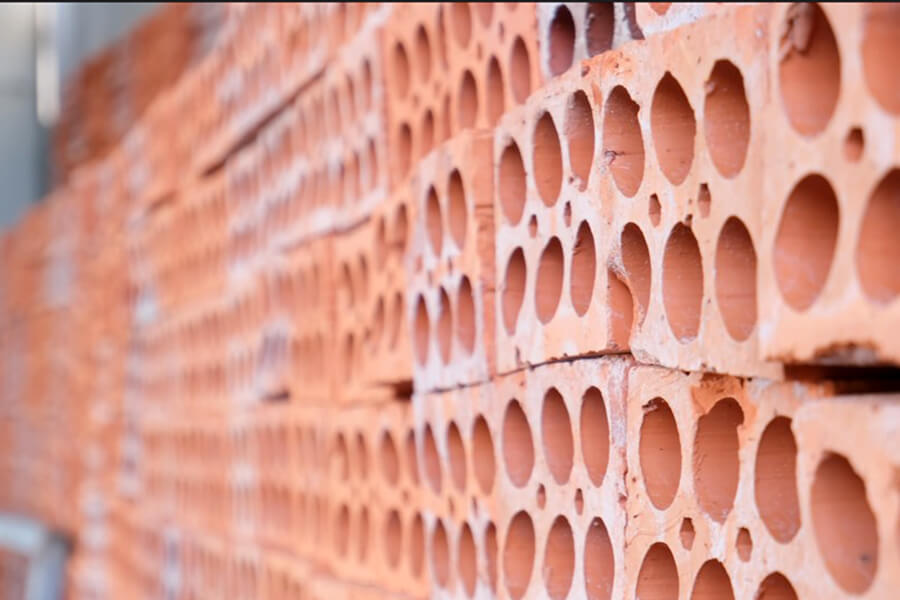
This primeval clay mine is a great raw material to create products used in construction and decoration such as fired bricks, ceramics, etc. Through the craftsman’s skilled hands, rough pieces of clay become useful products.
The quality of bricks in Vinh Long was so famous that traders from as far as Cambodia, Thailand, and Malaysia came to buy them and used them to build religious works with original red rustic bricks.
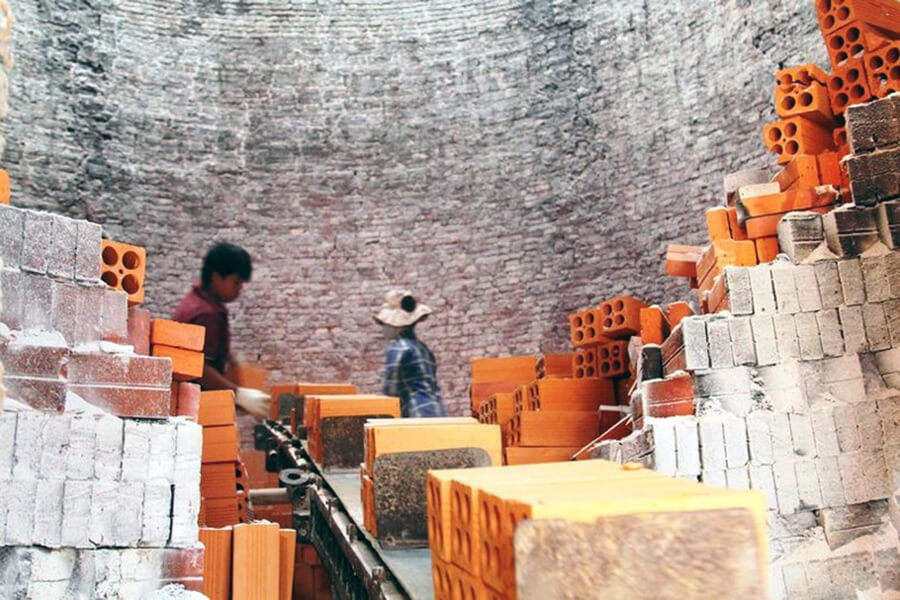
At Mang Thit Brick Kiln, visitors not only have the opportunity to check in and take photos but also to learn about the brick-making process. The raw clay is transferred from the boat to the workshop, then sorted and mixed with different techniques, which determines the success of the batch. After the mixing process, workers have to knead it repeatedly until the clay becomes smooth and no longer sticks to their hands.
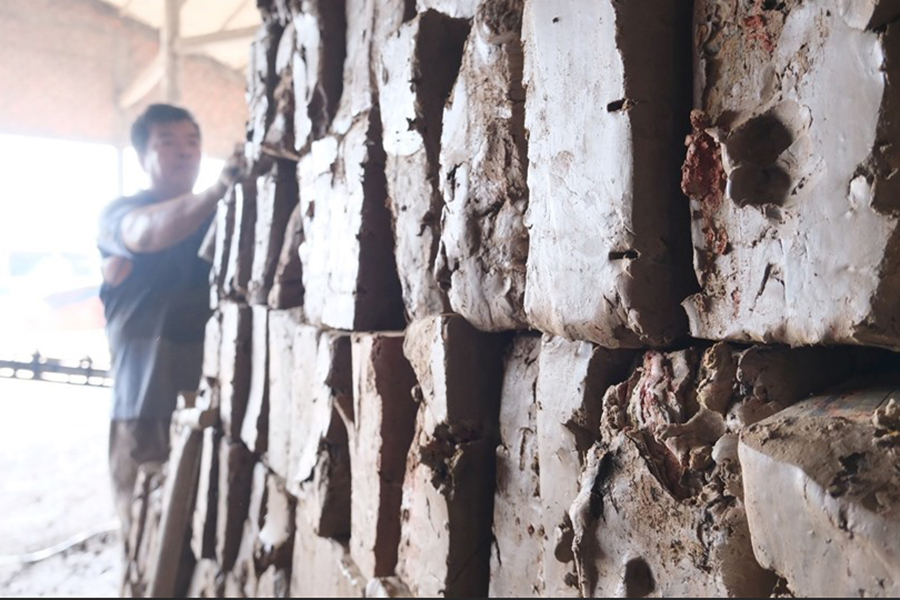
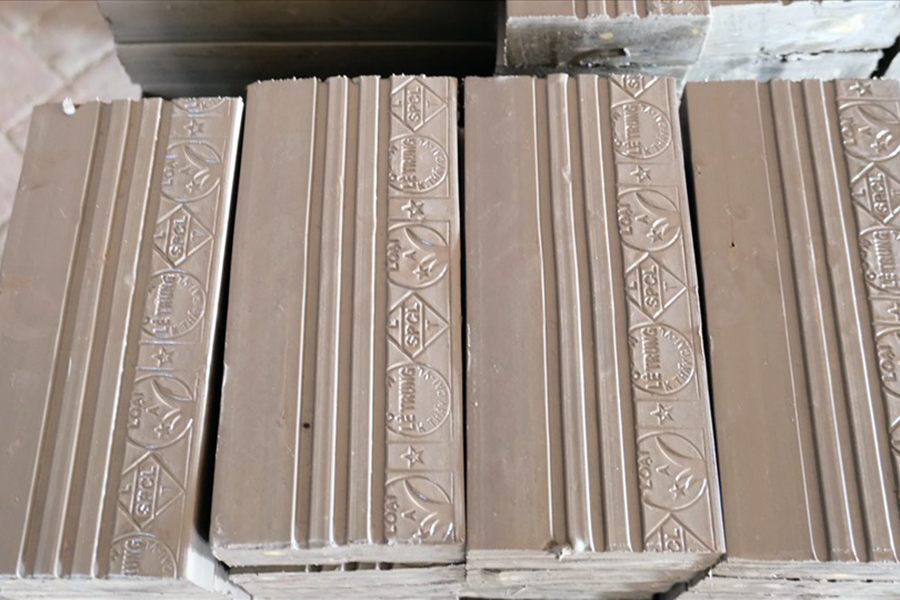
The next step is to pour the clay into the mold, which is different from the usual way of shaping by hand. After being removed from the mold, the raw product will be refined and polished with a wet sponge. This step makes the patterns and textures of the baked goods more detailed and sophisticated, increasing their value.
Useful information about Vinh Long Ceramic Brick Village
- Best for: solo, family, student.
- Entrance: Free
- Tourist spots nearby: Vinh Trang Pagoda, Thoi Son Islet, Vinh Long Ancient House Ecological Area, Vinh Long Museum, Vinh Sang Tourist Area, That Phu Temple (Ong Temple), Phu Ly Pagoda…
- Best way to visit Vinh Long Ceramic Brick Village: rent a private car to Vinh Long; book a Cai Rang Floating Market 1 day tour from HCMC.
Source: collected by An
Follow us for the best deals on Vietnam package tours and visa services!
Comment (0)