
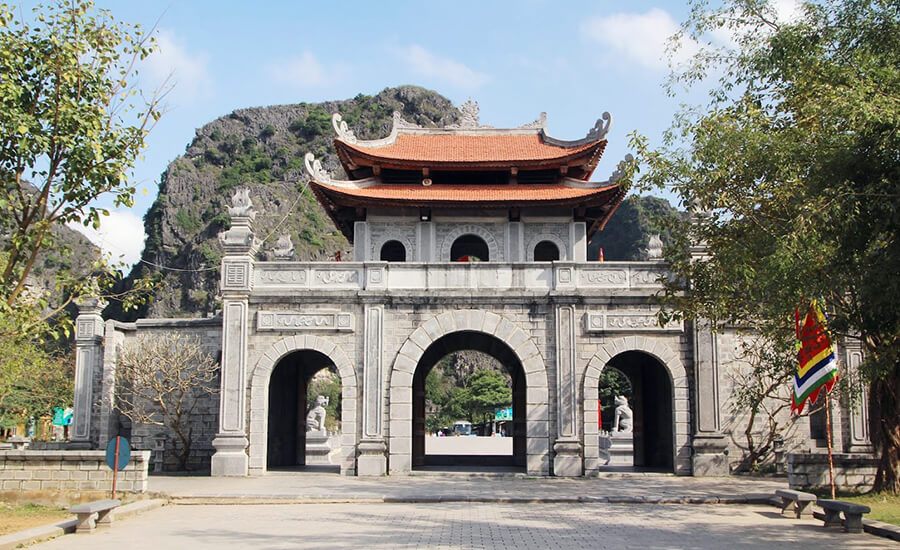
Hoa Lu was chosen as the first capital of the centralized feudal state when Dinh Bo Linh ascended the throne in 968, associated with the careers of three dynasties: Dinh, Early Le, and Ly. With its ancient beauty and rich cultural and historical heritage, the Hoa Lu Ancient Capital has become an attractive destination for many domestic and foreign tourists visiting Ninh Binh.
General information about Hoa Lu Ancient Capital
Hoa Lu is the hometown of Vietnamese hero Dinh Bo Linh, who unified the country after suppressing the rebellion of 12 warlords in 968. The country was then called Dai Co Viet, and Hoa Lu was its capital (968-1009). Over its 42 years of existence, Hoa Lu, the capital, witnessed the rise and fall of three consecutive dynasties: the Dinh, the Early Le, and the Ly. In 1010, the capital was moved to Thang Long (now Hanoi), opening a new chapter in Vietnamese history.
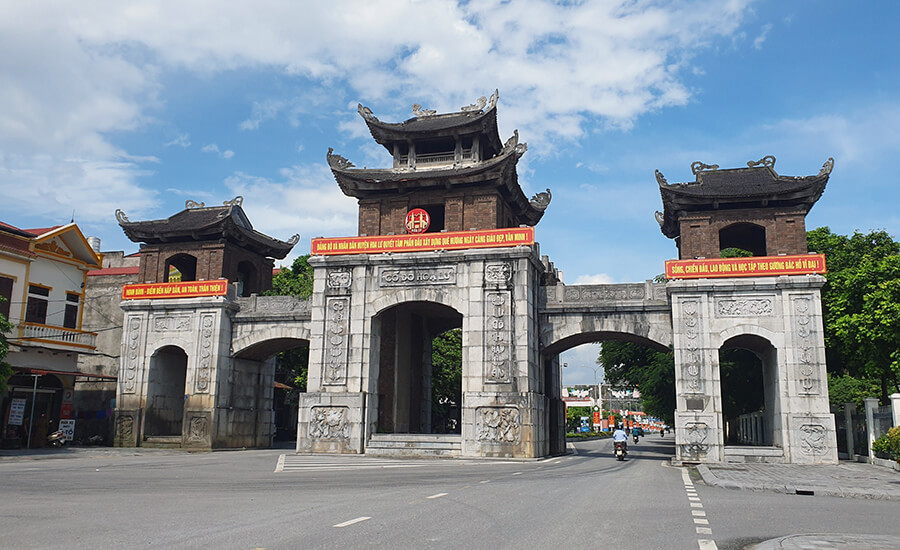
After the Ly Dynasty moved the capital to Thang Long, Hoa Lu became the ancient capital. The entire Hoa Lu Ancient Capital relic site is currently located on the border of 3 districts and cities of Ninh Binh province. The Hoa Lu Ancient Capital historical and cultural relic site is currently part of the Trang An World Heritage Complex, with a natural area of 13.87 km², including:
The special protection area includes the entire area inside Hoa Lu citadel, with relics that still exist today such as Le Dai Hanh temple, Dinh Tien Hoang Temple, Princess Phat Kim Temple, Nhat Tru pagoda, Vuon Thien Palace, Kim Ngan Pagoda, Cau Den Stele, Co Am Pagoda, Cho Palace, Bim Cave, Duyen Ninh Pagoda, Sao Khe river and the citadel wall, underground palace foundation.
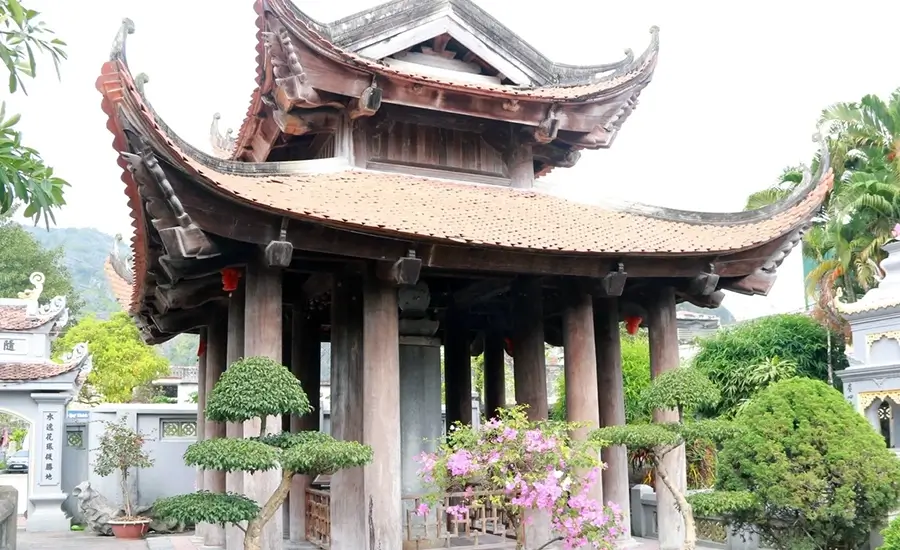
Meanwhile, the buffer zone of the ancient capital of Hoa Lu includes the landscape area on both sides of the Sao Khe River, the Trang An Scenic Landscape Complex with the system of pagodas and Am Tien Cave, Yen Trach communal house, Muoi Cave, Quan Cave, Sinh Duoc Cave, Luon Cave, Dia Linh Cave, Ba Giot Cave, Nau Ruou Cave, Ba Ngo Pagoda, Tran Temple, Khong Palace, Dong Palace, Lien Hoa Cave, Boi Cave, etc.
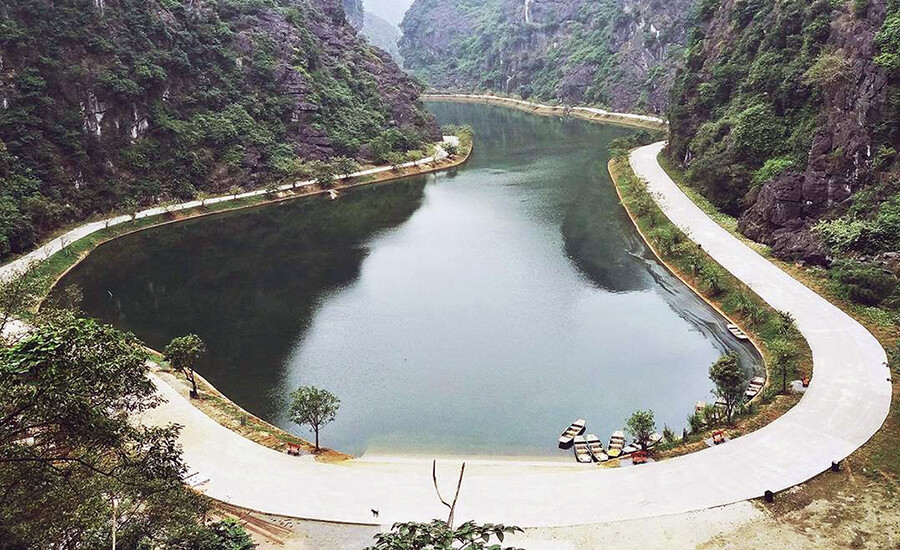
Directly related relics include those not located in the two areas above, but that play an important role in the homeland and career of the Dinh dynasty, such as Ban Long Pagoda, Bai Dinh Pagoda, East gate, South gate, Thien Ton Cave, Hoa Lu Cave, Dinh Bo Linh Temple…
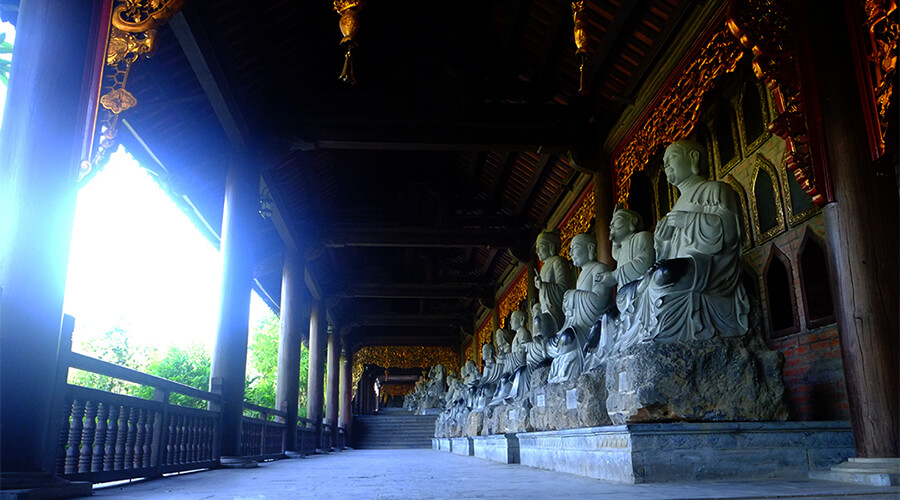
Today, the ancient capital Hoa Lu is one of the most important national relics of Vietnam. This is also one of the three areas of the Trang An scenic spot, which is recognized by UNESCO as a World Cultural and Natural Heritage site.
What’s the best time to visit Hoa Lu – Ninh Binh?
The best time to travel to Hoa Lu is from March to May. During this time, the weather is usually stable, with light sunshine and mild temperatures, creating favorable conditions for you to explore historical sites and enjoy the natural landscape.
If you want to see the golden rice fields, the end of May is a perfect time. Besides, if you want to admire or participate in traditional festivals, come to Ninh Binh from January to March of the lunar calendar. This is an opportunity to better understand the culture of this place.

Entrance ticket fees:
- Adults: 20,000 VND/ticket
- Children over 1m2: 20,000 VND/ticket
- Children under 1m2: free
Outstanding works in Hoa Lu Ancient Capital
King Dinh Tien Hoang Temple
Located in Truong Yen commune, the center of the citadel of the ancient capital, Dinh Tien Hoang Temple is in an ideal position: in front of it stands Ma Yen Mountain, where the majestic tomb of King Dinh lies, overlooking the beauty of the mountains and rivers. The temple was begun during the Ly dynasty, imitating the architecture of the ancient capital, and was later rebuilt during the Later Le dynasty.
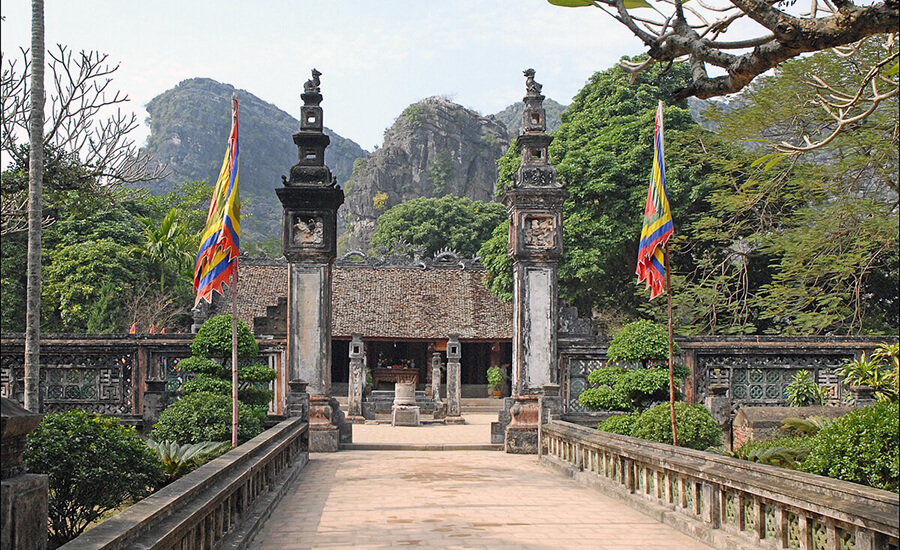
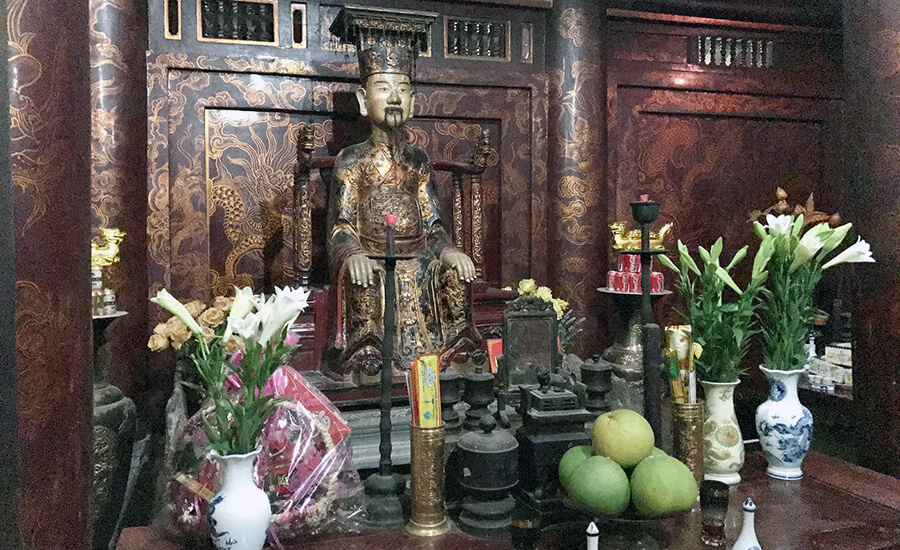
One of the unique architectural works of our country, built in the 17th century, Dinh Tien Hoang Temple is a complex including majestic works such as Ngo Mon Gate, artificial mountain, lotus pond, flower garden, outer gate, inner gate, and three worshiping halls, Thien Huong, and the harem. In the back is the harem, where statues of the King and his sons are placed.
Today, the King’s temple still has precious antiques, such as a pair of elephants and a pair of stone beds placed in the Dragon Court, carved entirely from a single block of green stone with sophisticated carvings.
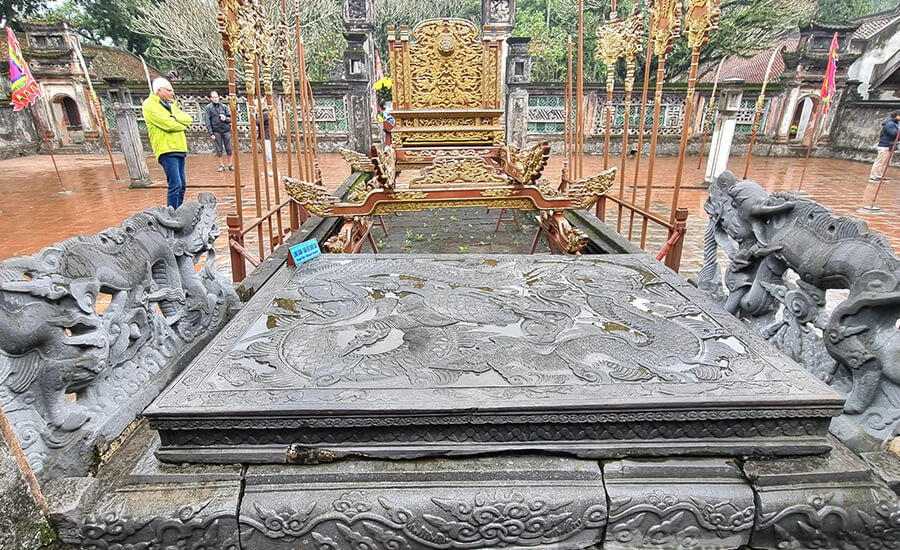
Not only that, but King Dinh’s temple is also decorated with intricate carvings on wooden and stone pillars depicting dragons, clouds, fairies, flowers, leaves, etc. These are the clearest evidence showing the talent and ingenuity of the Vietnamese artisans of the 17th century.
Le Dai Hanh Temple
Located about 500m from King Dinh Temple is Le Dai Hanh Temple, on a smaller scale. The temple was built with three buildings, including Bai Duong and Thien Huong, dedicated to Pham Cu Luong, who helped Le Hoan ascend the throne in the past.
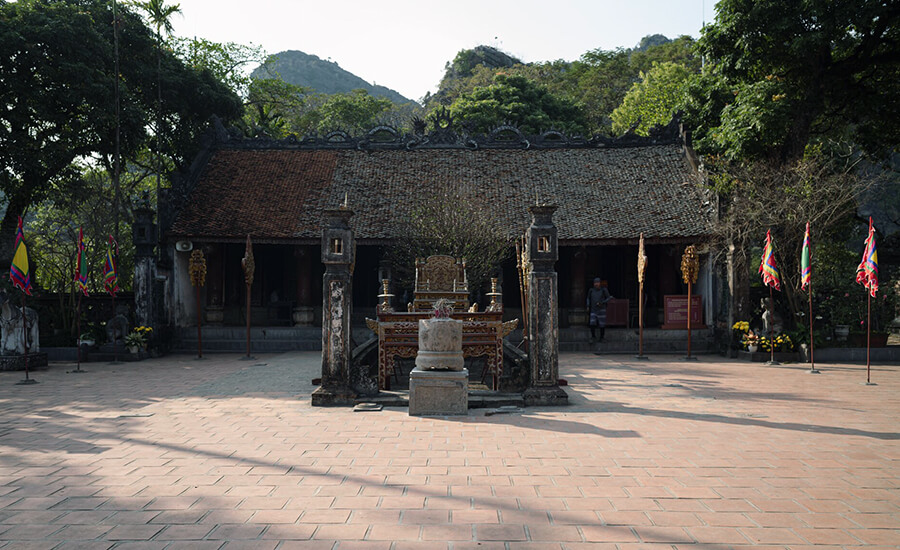
In the main palace area is the place to worship King Le Dai Hanh, on the left is Le Ngoa Trieu, son of King Le, and on the right is Queen Duong Van Nga. In front of the temple is the central square of Hoa Lu Ancient Capital, and behind the temple is the moat that once protected the ancient capital, running around the foot of Dia Mountain.
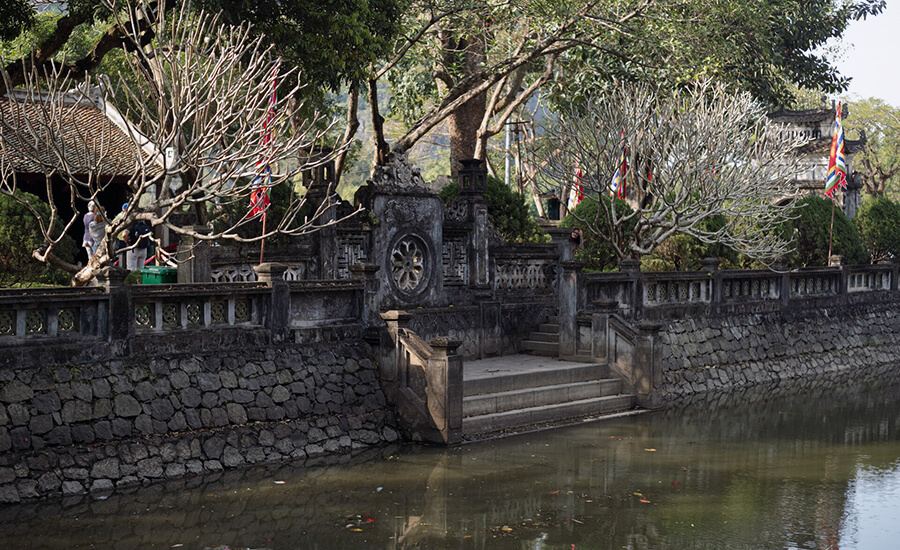
Today, at King Le Temple, there are still ancient architectural vestiges with elaborate carvings and sculptures, as well as remnants of the old palace foundation, including ancient ceramics. These precious artifacts are now being stored in the museum room on the left of the temple.
Phat Kim Princess Temple
Phat Kim Princess Temple, also known as Thuc Tiet Princess Temple, was built in the 17th century, during the Le Trung Hung dynasty. The temple is located on the foundation of Vong Nguyet Palace, where Princess Phat Kim lived.
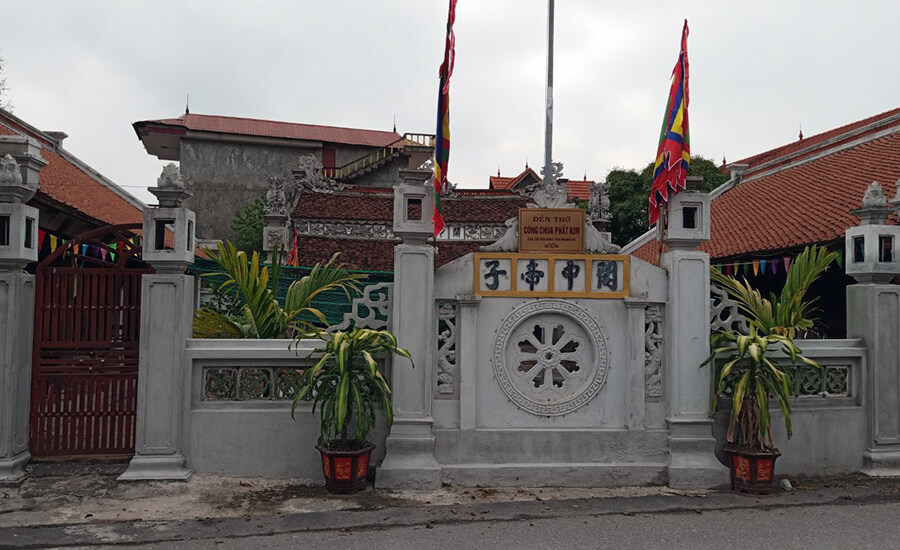
The temple was built from limestone and bricks. The Phat Kim Princess Temple has multiple floors, each with its own entrance and exit. In addition, the temple is decorated with many beautiful, delicate sculptures and motifs.
Hoa Lu Tu Tran
Hoa Lu Tu Tran are four gods honored in Ninh Binh folk beliefs, guarding the four directions of east, west, south, and north of the ancient capital Hoa Lu. According to legend, these gods helped and protected the capital Hoa Lu, so King Dinh Tien Hoang built temples to worship them at the four entrances to the capital.
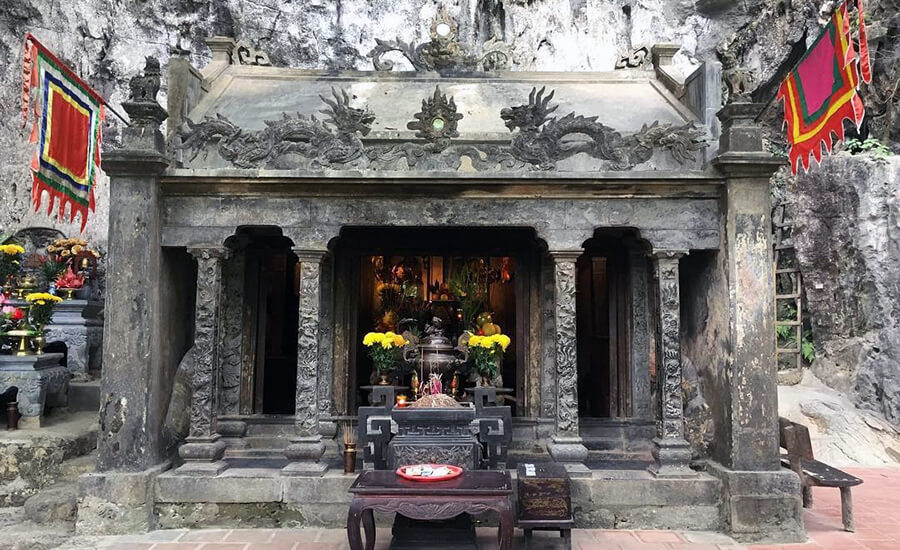
To the east is the temple to worship the god Thien Ton, to the west is the temple to worship the god Cao Son, to the south is the temple to worship the god Quy Minh, and at the northern entrance is the temple to worship the god Khong Lo. These temples are not only symbols of respect for the gods, but also an important part of the history and culture of the ancient capital Hoa Lu.
Specialties in Hoa Lu
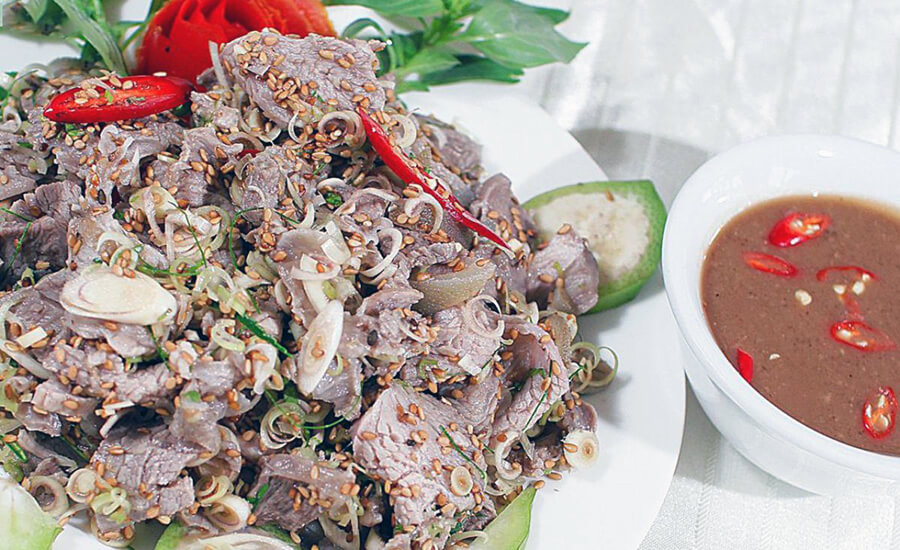
When you set foot in Hoa Lu, you will not only enjoy the historical beauty but also have the opportunity to enjoy the specialties of this land. Do not miss the opportunity to enjoy burnt rice, Ninh Binh mountain goat meat, Ninh Binh mountain snails, and perch… to experience the culinary essence of the ancient capital of Hoa Lu and have more wonderful experiences on this trip.
Not only was it the first imperial capital of our country in the past, Hoa Lu Ancient Capital today still has architectural works of great cultural and historical significance, demonstrating a heroic period of the nation. If you have the opportunity to return to Ninh Binh, do not miss the opportunity to visit the ancient capital.
Source: collected by An
Follow us for the best deals on Vietnam package tours and visa services!
Comment (0)