
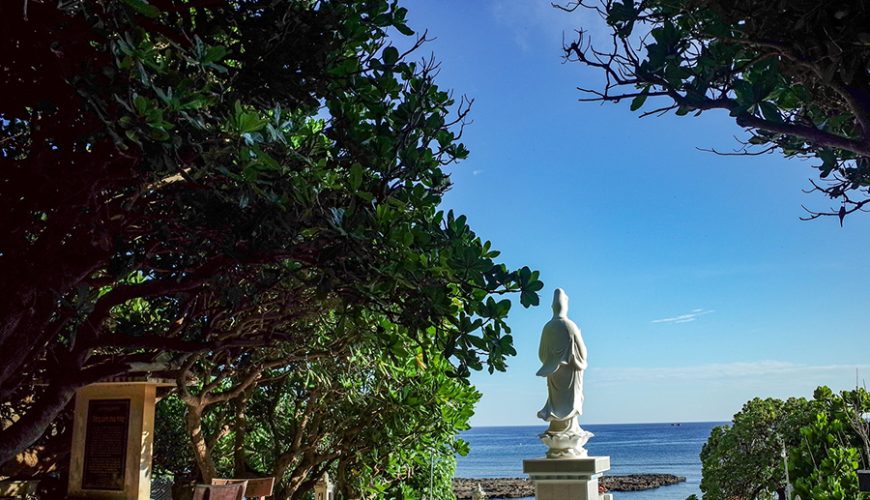
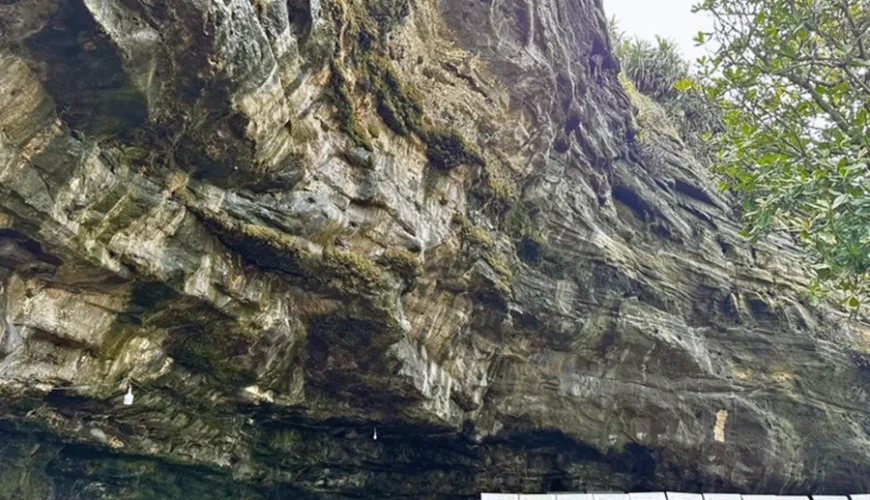
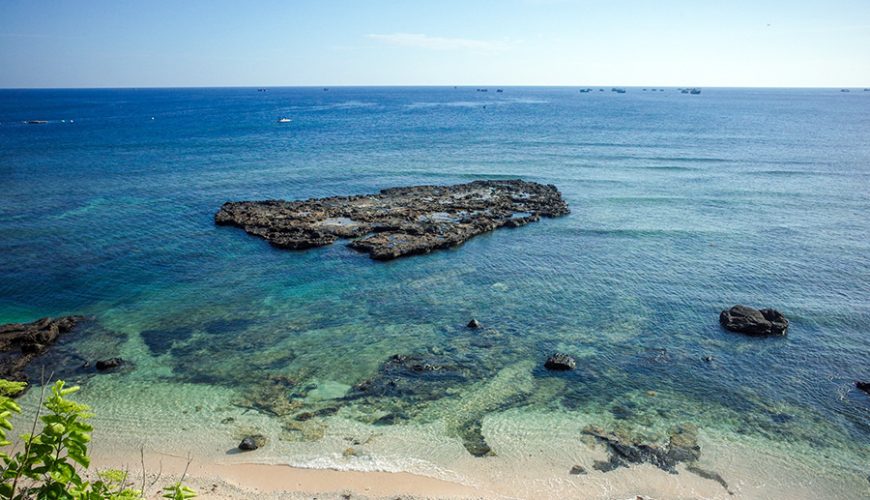
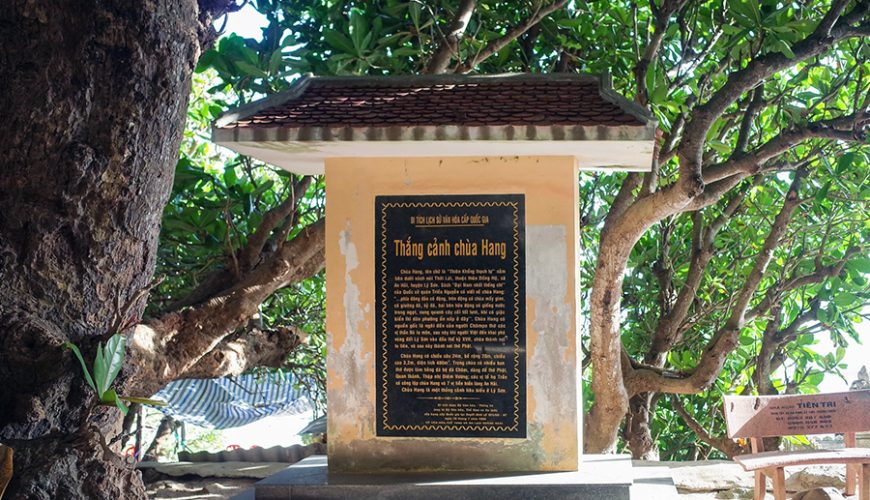
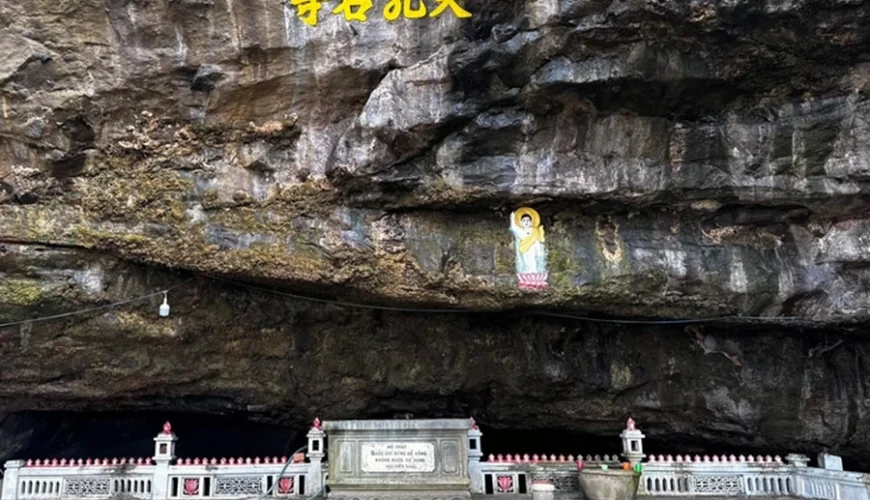
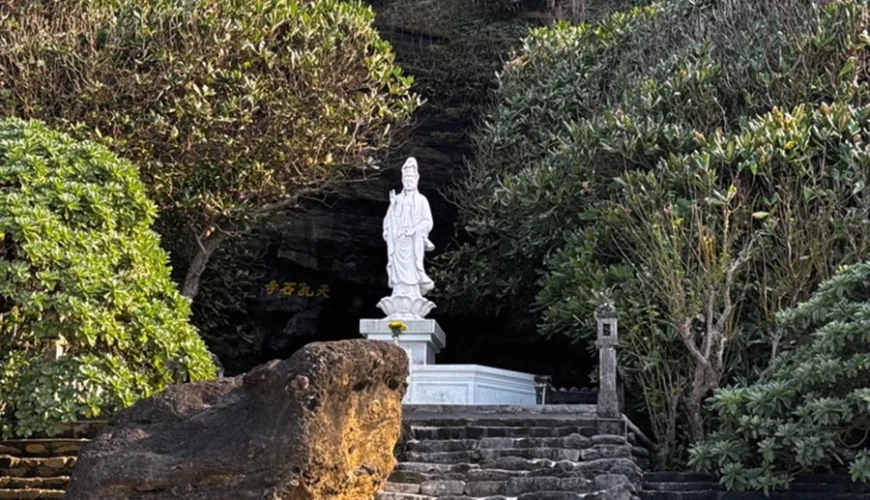
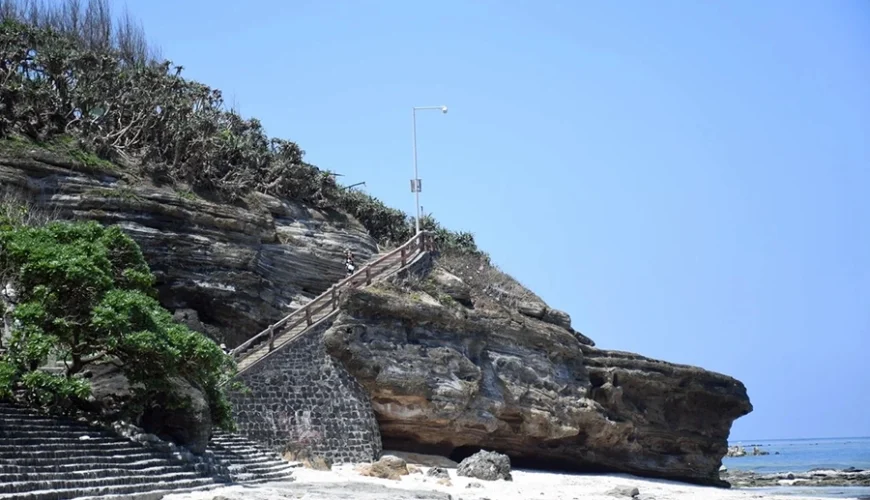
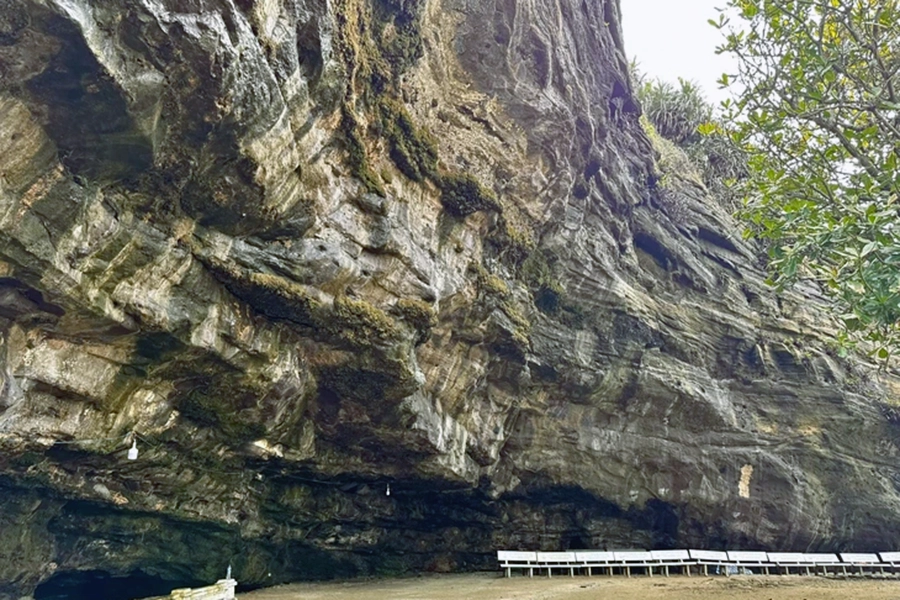
Hang Pagoda in Ly Son is one of the famous cultural, spiritual, and tourist sites of Quang Ngai province. The pagoda is located at the foot of Thoi Loi mountain, facing the sea, and built inside a natural cave. Not possessing tiled roofs, wooden columns, or massive architecture like many traditional temples, Hang Pagoda impresses by using cliffs and mountain caves as worship spaces. The combination of religion, history, and volcanic landscape has created a rare character for this location.
Overview of Hang Pagoda in Ly Son Island
Hang Pagoda is also known as Thien Khong Thach Tu (Heaven-born Stone Pagoda), meaning a pagoda formed in a natural stone cave. The cave is located in the Thoi Loi cliff, one of the typical volcanic remnants on Ly Son Island. Over a long period, weathering and erosion have created a wide, deep, and relatively flat cave. The ancients used this space to establish a place of worship, so most of the temple’s architecture blends into the natural landscape.
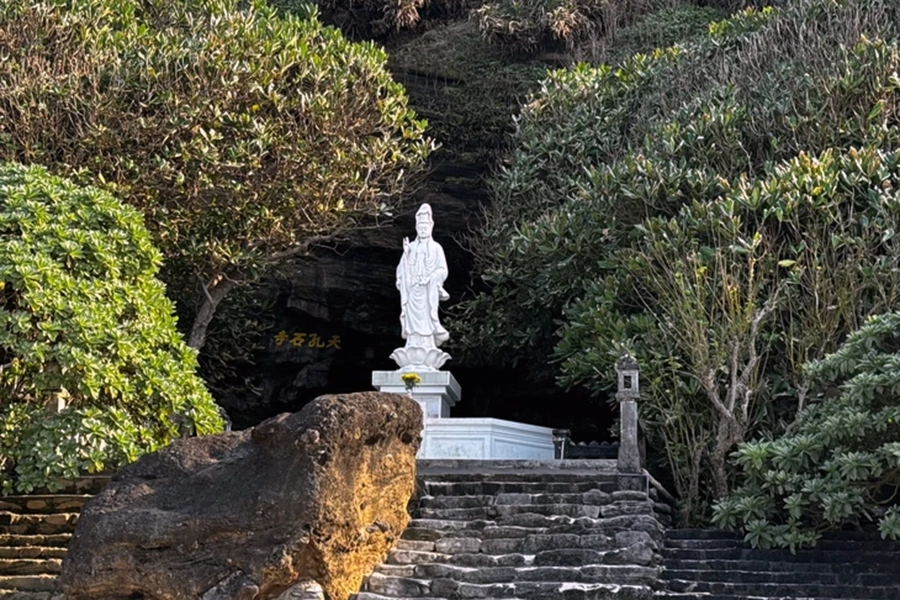
Hang Pagoda originated as a temple of the Champa people worshiping Brahman gods. Later, when the Vietnamese came to explore the land of Ly Son in the early 17th century, the pagoda became a place to practice the immortals and later to worship Buddha.
To get to Hang Pagoda, visitors follow the route around Thoi Loi mountain and then down to the coastal area. Right from the outside, the scenery impresses with high cliffs on one side and the vast blue sea on the other. In front of the cave entrance, there is an open yard, green trees, and structures serving sightseeing and ceremonies. From here, visitors can see the sea, hear the waves, and feel the island’s cool air.
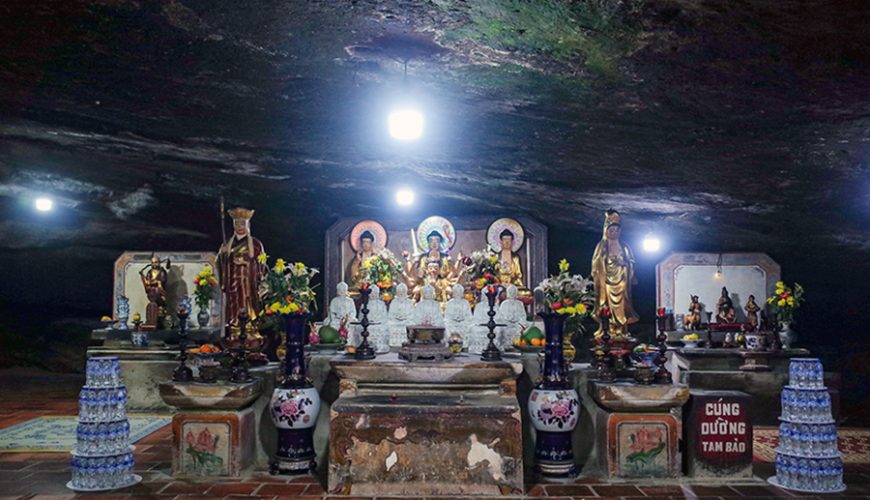
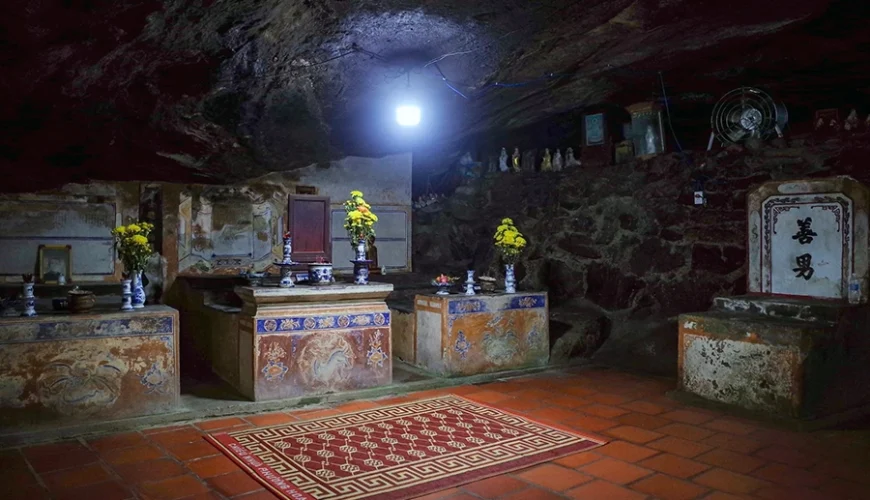
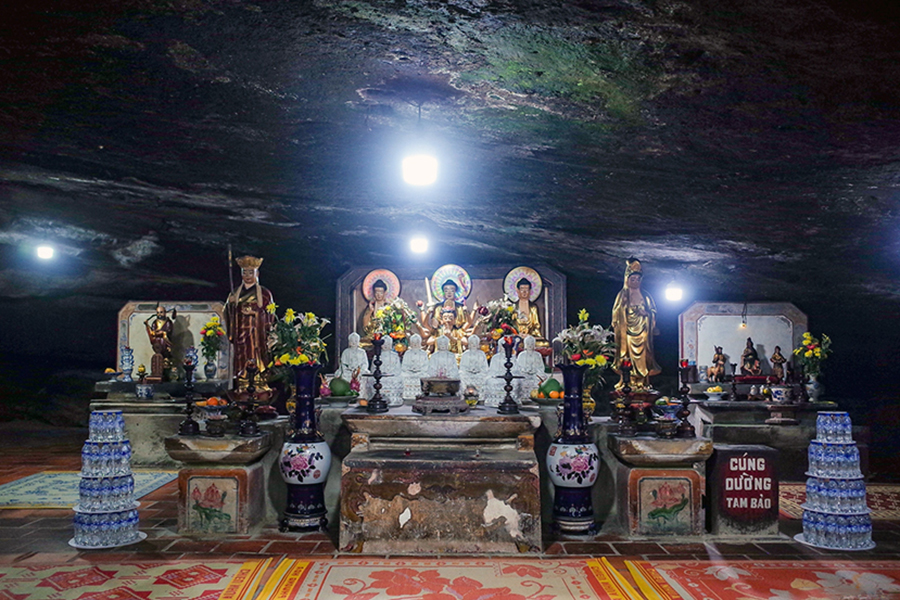
Stepping inside, the space of Hang Pagoda becomes quieter and more solemn. The cave is about 24 m deep, about 20 m wide, and more than 3 m high in some locations. In the cave, there is an altar of Buddha Amitabha, Tathagata, and Maitreya in the middle; The altar of Patriarch Dat Ma is on the left; the altar of 12 Kings of Hell, the next 3 ancestors who served the pagoda (Tran Cong Thanh, Tran Cong Hien, Tran Cong Quan), and 7 sages of An Hai village. The light from the cave entrance shines just enough, combined with the natural stone surface, to create a quiet space unlike conventional temples.
Another notable point at Hang Pagoda is the small water veins seeping through the cliffs. Local people often call this water “mountain water,” contributing to the creation of a distinctive feature of the temple space. Even though it is hot outside, the temperature inside the cave is often more comfortable, making visitors clearly feel the change as soon as they step through the stone door.
Not only does Hang Pagoda have religious significance, but it also reflects the cultural life of the Ly Son community over many generations. The pagoda is said to have existed for hundreds of years and is associated with the process of exploration and settlement of Vietnamese people on the island. In the lives of coastal residents, religion has always played an important role because early sea voyages often involved significant risks. Therefore, the pagoda is not only a place to worship the Buddha but also a place where people offer their wishes for a peaceful life, favorable harvests, and safe sea voyages.
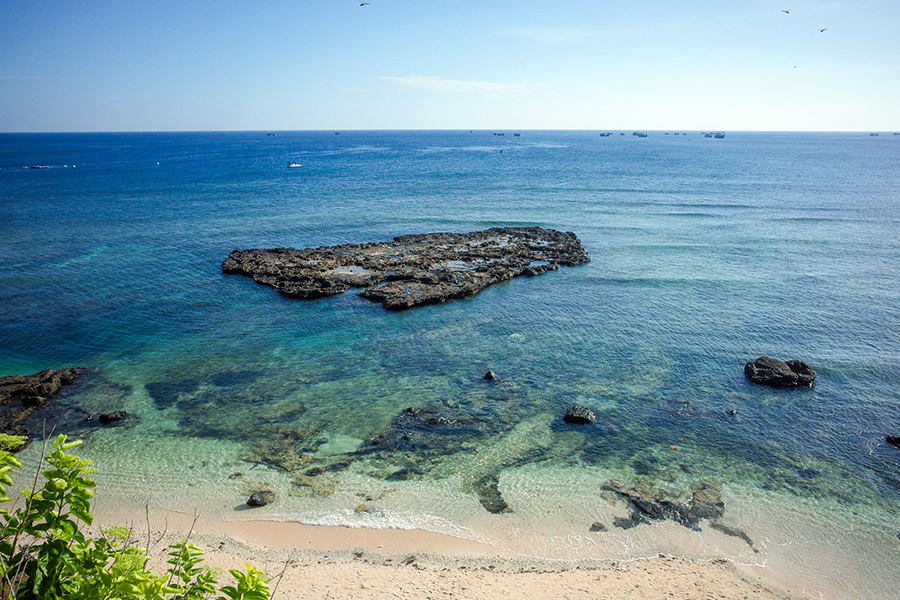
The best time to visit Hang Pagoda is usually in the morning or late afternoon. Visitors can combine visiting pagodas, walking along the beach, taking photos, and visiting places near Thoi Loi mountain. When going to the place of worship, you should wear appropriate clothing, maintain order, and avoid causing damage to the cliffs and the surrounding natural landscape.
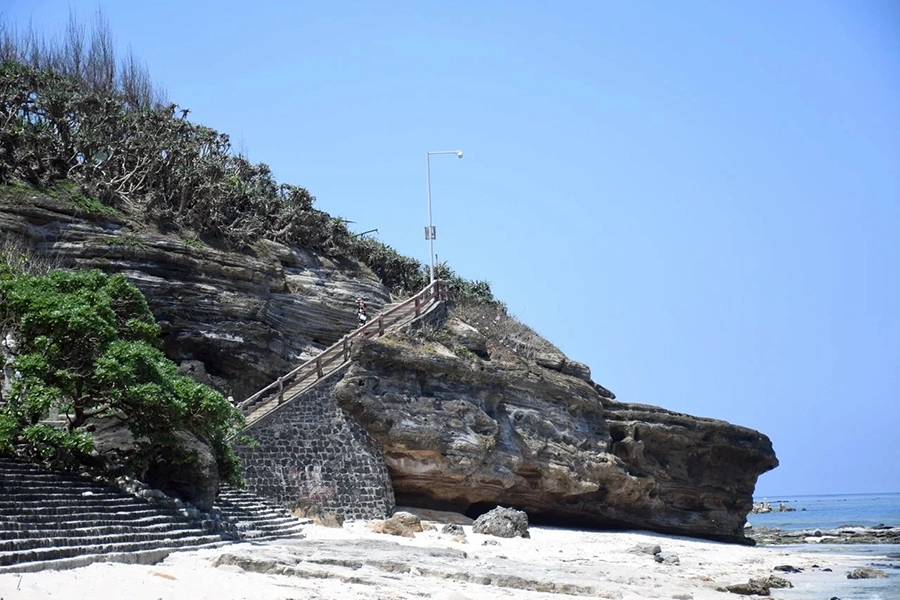
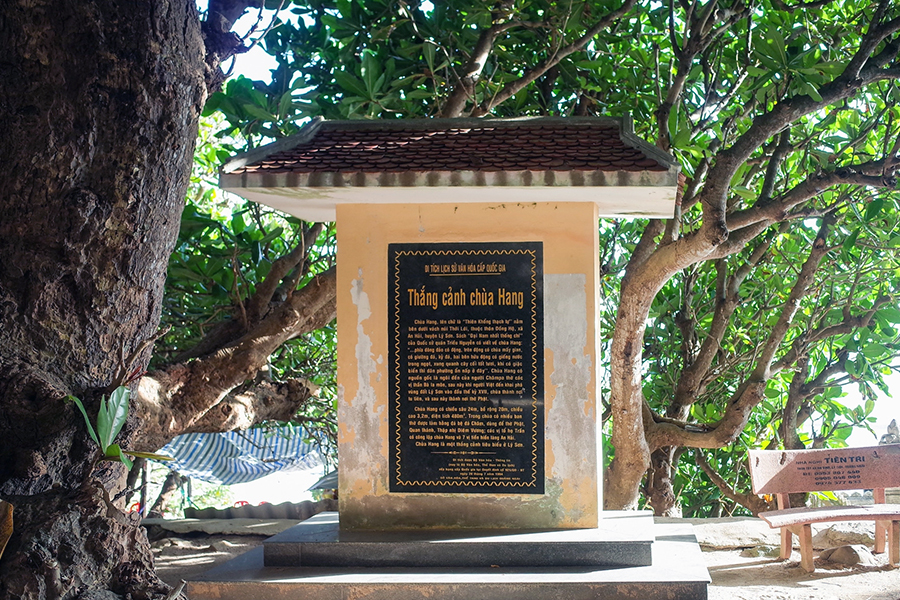
Hang Pagoda has been designated a national landscape by the Ministry of Culture, Sports and Tourism.
Hang Pagoda in Ly Son
- Location: Ly Son Special Zone, Quang Ngai Province.
- Tourist spots nearby: Thoi Loi Peak, To Vo Arch, Mu Cu Island…
Source: collected by An
Follow us for the best deals on Vietnam package tours and visa services!
Comment (0)