
Not too famous on historical and cultural topics such as the War Remnants Museum, the Ho Chi Minh Museum, or do not have many masterpieces of art as in the Ao Dai Museum, the Fine Arts Museum… However, the Museum of Traditional Medicine continues to attract thousands of visitors for its unique features that no other museum in Vietnam can match.
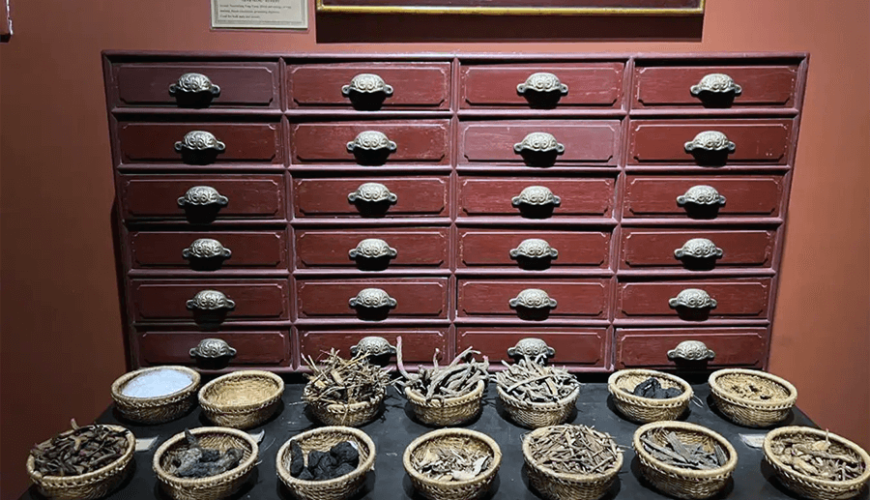
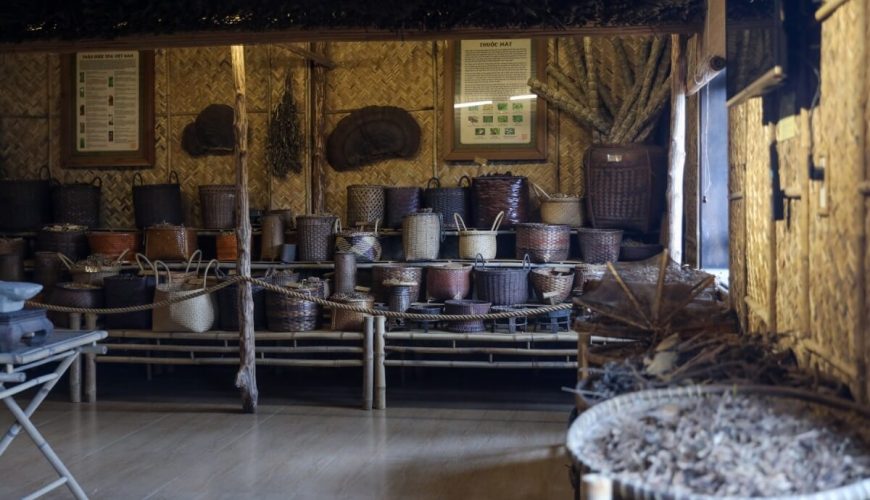
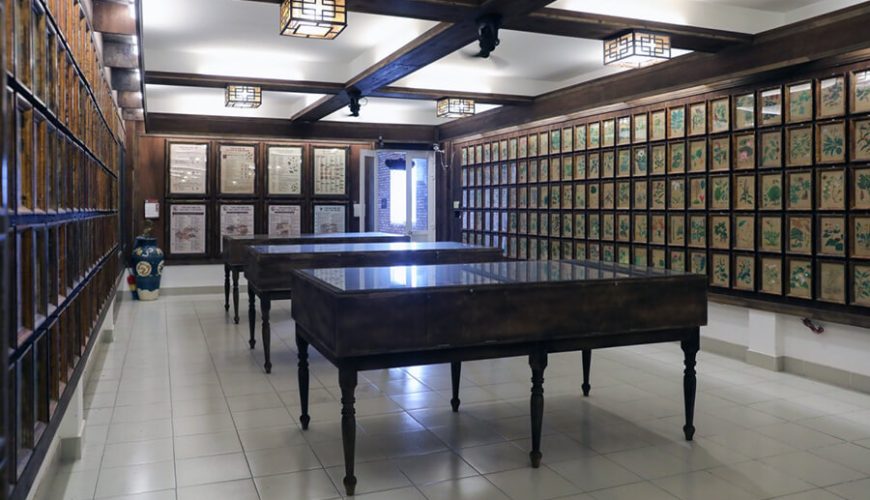
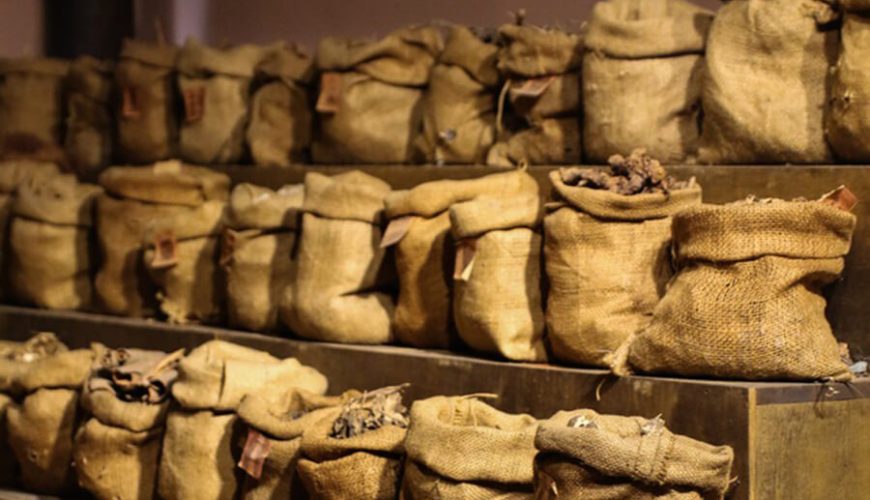
The Museum of Traditional Medicine in Ho Chi Minh City, also known as the Fito Museum, features numerous unique, well-preserved exhibits of herbal medicine, tools for preparing medicines, and portraits of famous physicians in Vietnam. With well-organized exhibition rooms, this is one of the best places to visit in Ho Chi Minh City.
Overview of Fito – Museum of Traditional Vietnamese Medicine
Over many years of passionate collecting, Mr. Lê Khắc Tâm, a pharmaceutical industry professional, founded the Museum. With enthusiasm from a young age, a love for the profession, and an attachment to the traditional medicine industry, he has come to understand many of the Vietnamese people’s cultural values while working as a medical professional. Since then, he has cherished the idea of launching a museum of traditional medicine.
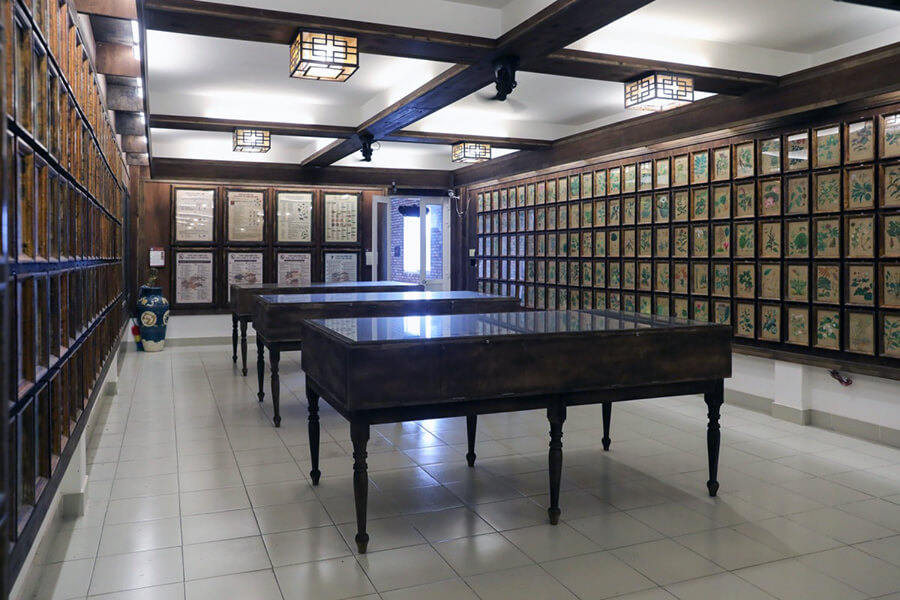
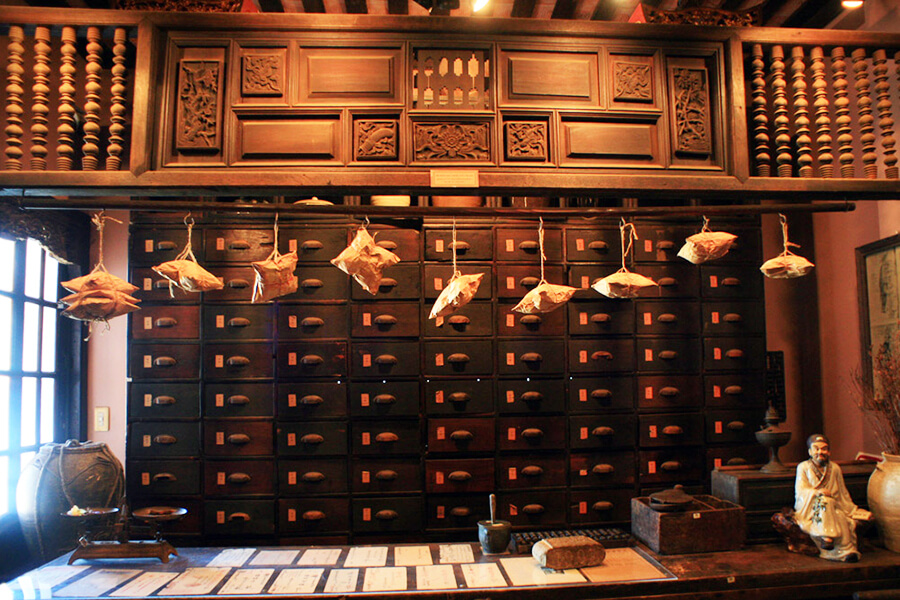
At the end, Fito was built in 2003 and published in 2007, with six floors and 18 rooms, totaling 600 m². The museum is entirely wooden, with countless exquisite motifs. The old wooden door frames were transported directly from the Northern Delta for construction, creating an ancient, warm look. Here, the Museum has recreated images, clearly described artifacts, as well as engravings so that visitors can visualize all the activities of the ancient physicians, such as examination and treatment, curing diseases, making medicine…
What to see in the Museum of Traditional Medicine?
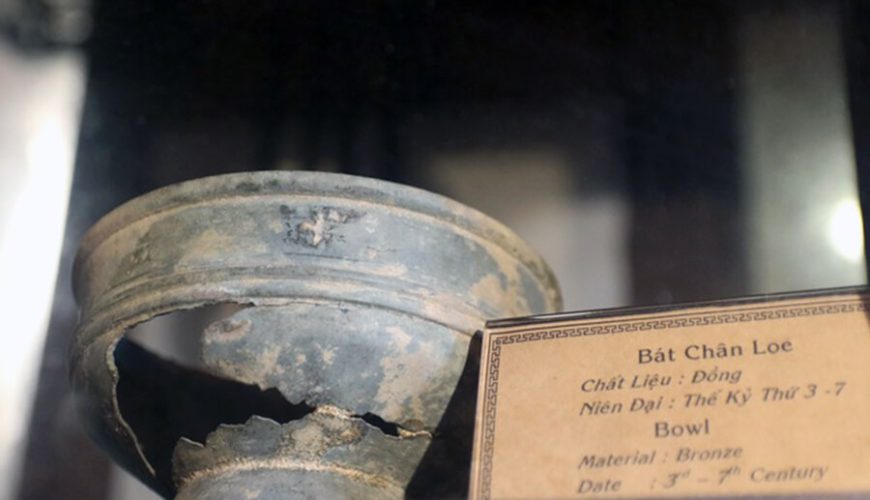
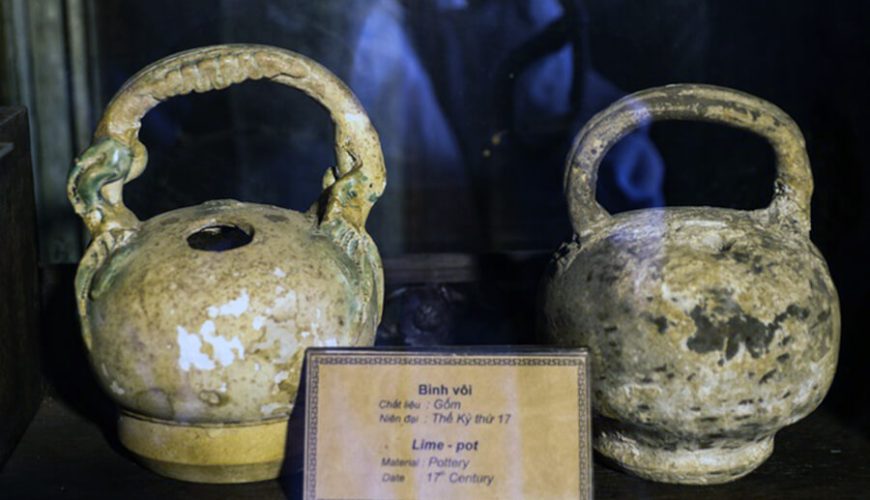
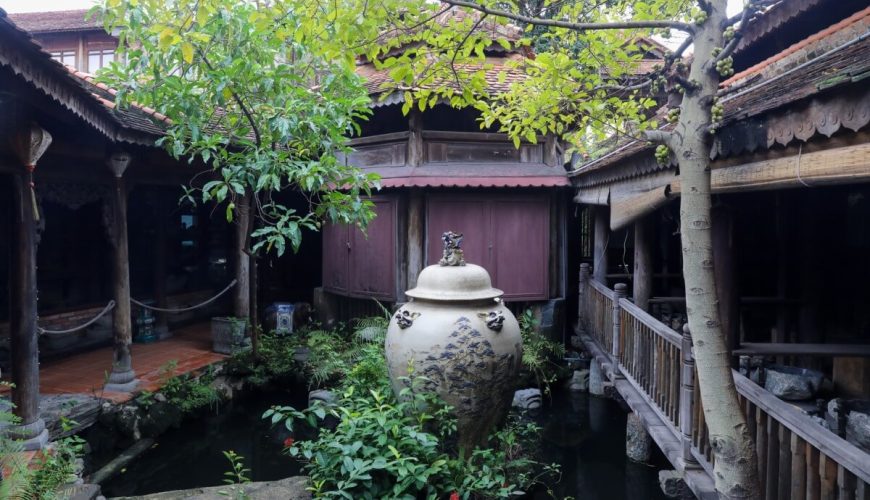
As soon as you set foot in the museum, you feel a peaceful, traditional Vietnamese atmosphere, with bamboo bushes and wooden doorsteps. The interior of the Museum is entirely made of wood, painted in gold emulsion, and features numerous motifs. The most important value of this museum lies in its collection of more than 3,000 rare and precious artifacts related to Vietnamese traditional medicine, spanning from the Stone Age to the present.
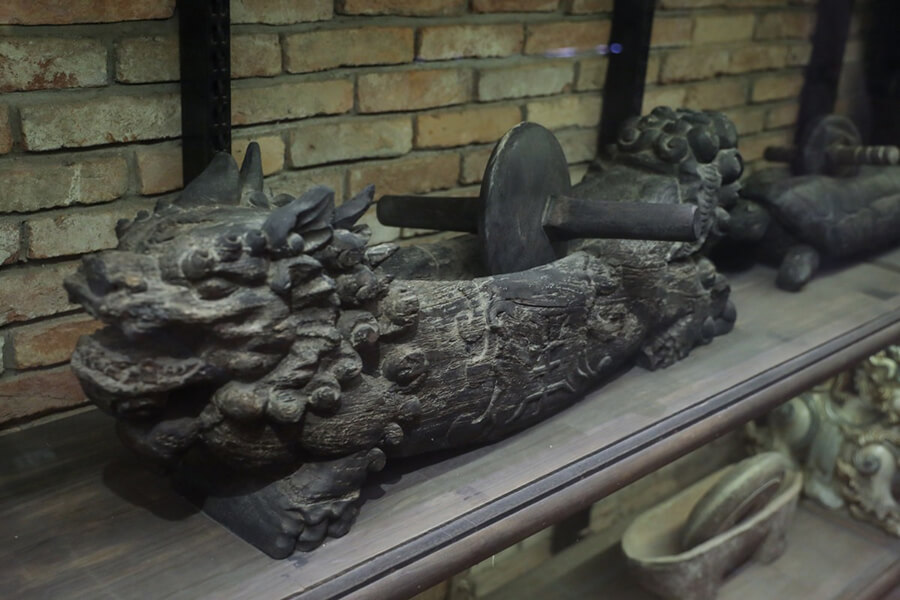
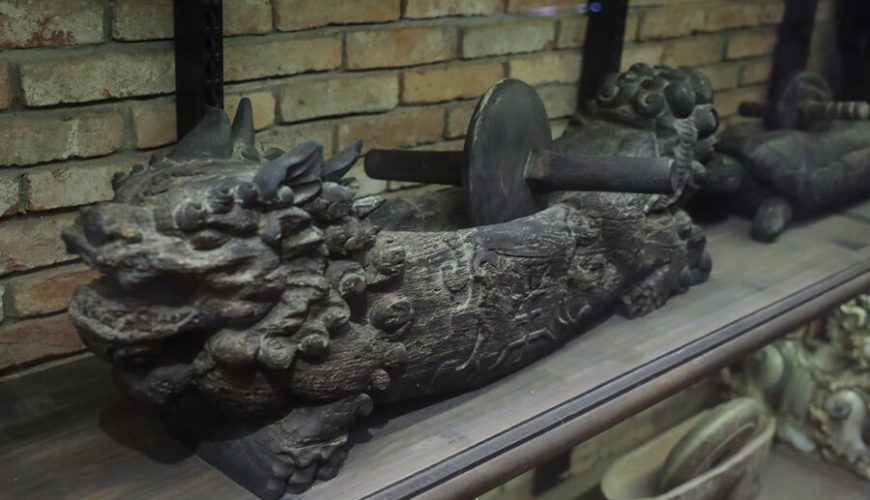
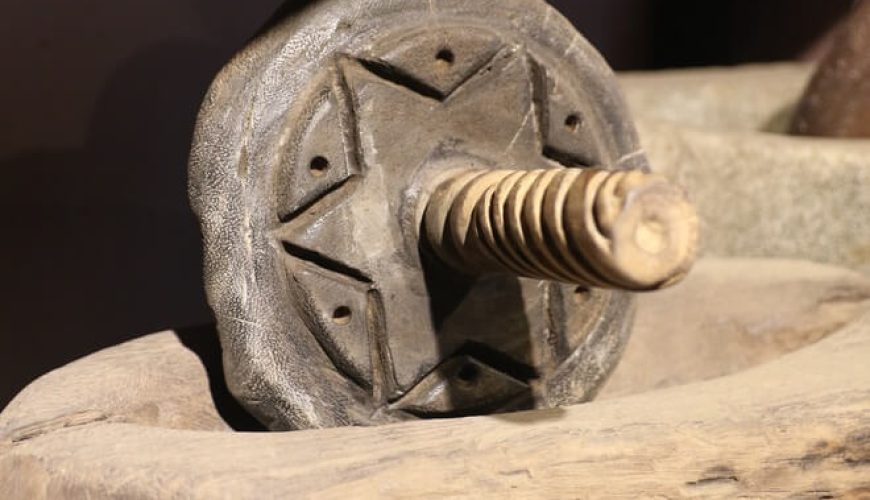
Among them are the collection of knives and canopies, which are 2500 years old and were used to disperse and cut medicines. The museum consists of 1 ground floor, 5 floors, with 18 galleries. Each of them contains a different topic with a lot of useful knowledge and is divided as follows:
History of Vietnamese traditional medicine
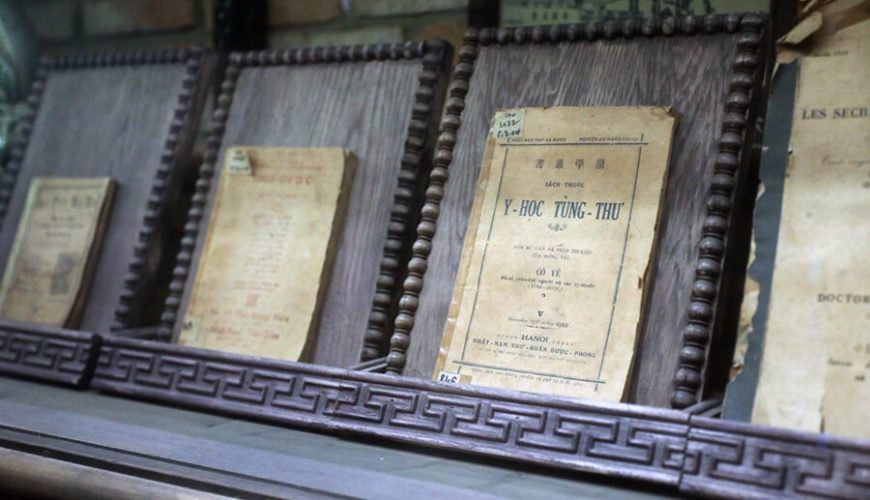
After receiving a guide, you will enter a small room to watch a 15-minute documentary on the history and development of Vietnam’s medical and pharmaceutical industry. There is also a vast treasure of Chinese-Vietnamese and “Chữ Nôm” books. Among them are many precious books by Lê Hữu Trác, a famous Vietnamese physician in the 18th century…
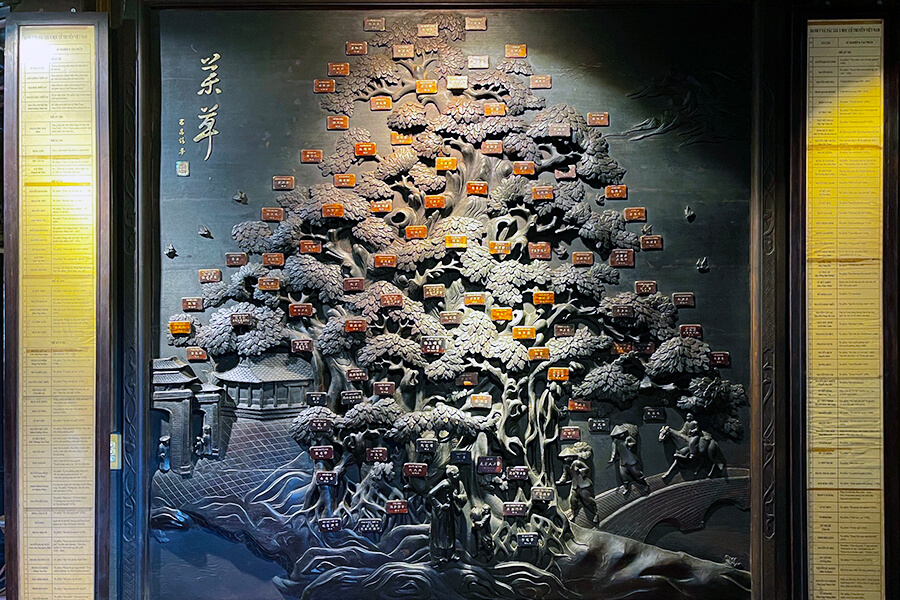
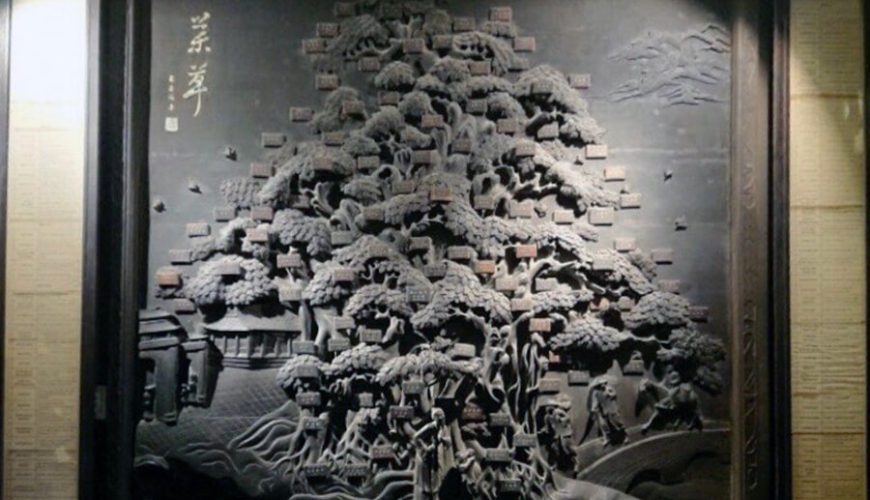
The most labor-intensive work at the museum is the picture of the great Vietnamese tree, carved from wood, honoring the names of 100 famous doctors who have contributed to Vietnamese traditional medicine from the XII to the early XX century…
The Altar of the Ancestors
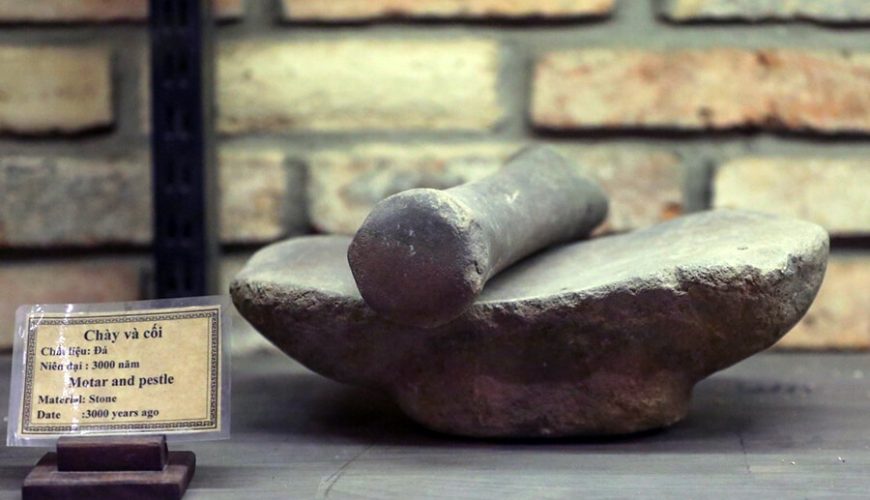
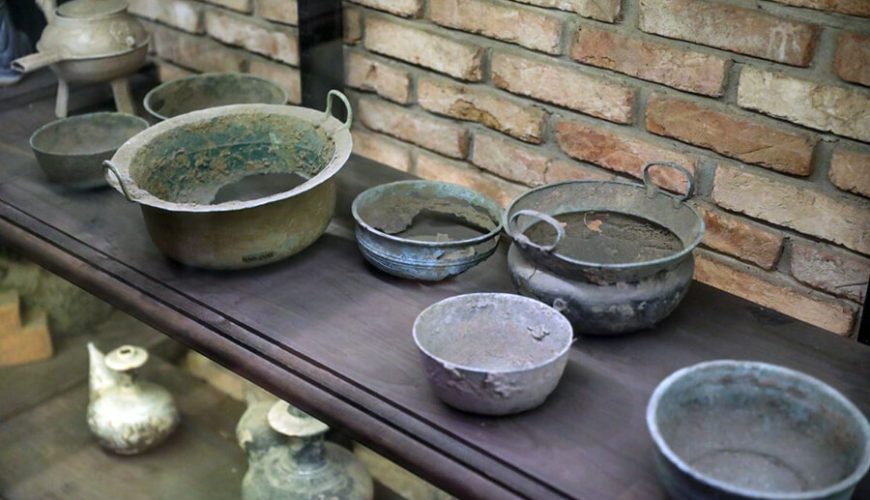
In the middle of the house is the solemn altar of two medical ancestors: Tuệ Tĩnh and Lê Hữu Trác, on both sides hang horizontal paintings, wooden couplets painted with gilded. The stairs are made of a jet-black wood. The columns, trusses, and handrails of the stairs are all intricately carved. On the left-hand side is a gallery of some stones and bronze artifacts dating from prehistoric times related to traditional medicine.
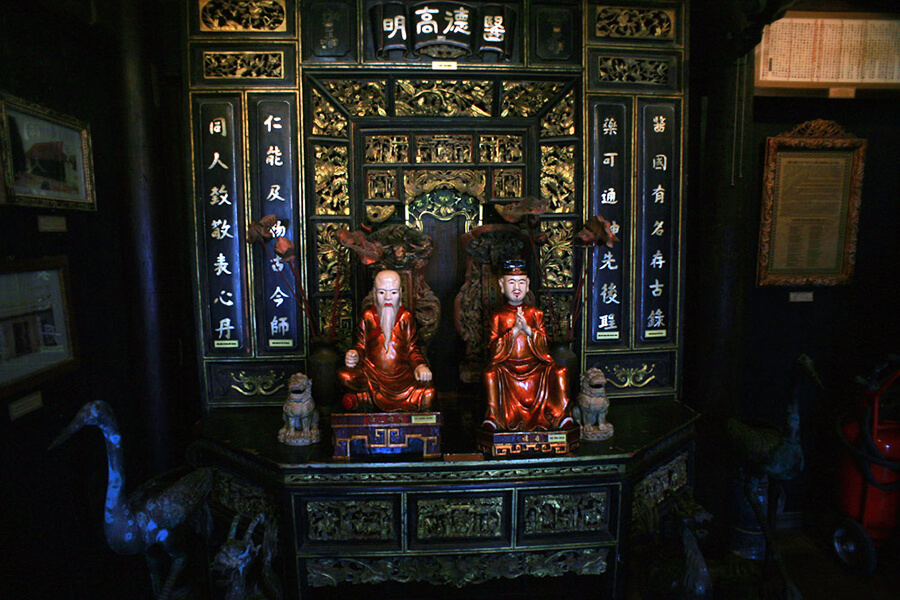
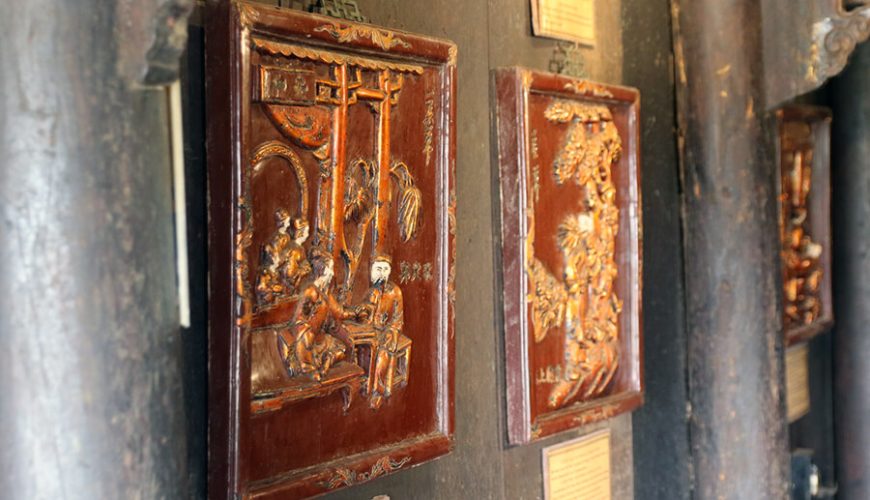
On the right-hand side is the hall, displaying 15 gilded paintings of 15 famous physicians and authors of traditional Vietnamese medicine from the XIII-XIX centuries.
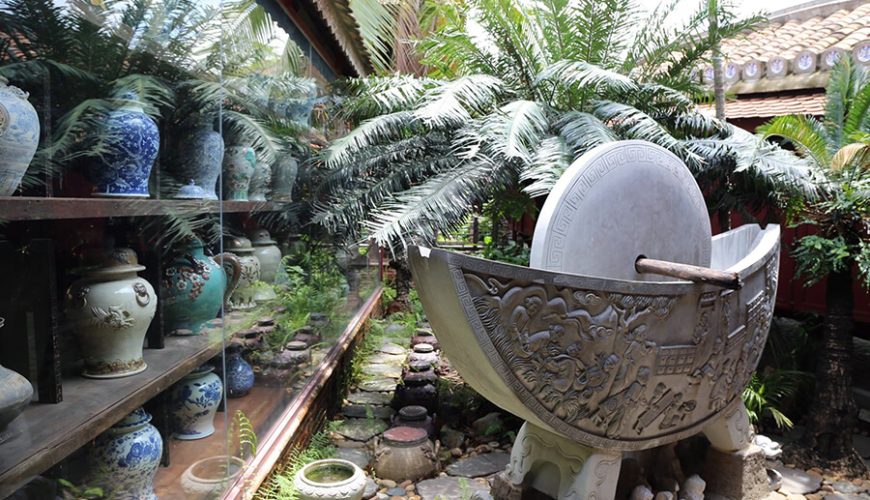
Outside is a space with shady trees and a small Cham Tower that simulates the entrance to Y Mieu Thang Long, built in 1780 in Thang Long, Hanoi. Y Mieu is built in a square shape with two layers of three-room houses facing Southeast.
Vietnamese Traditional Medicine Relic
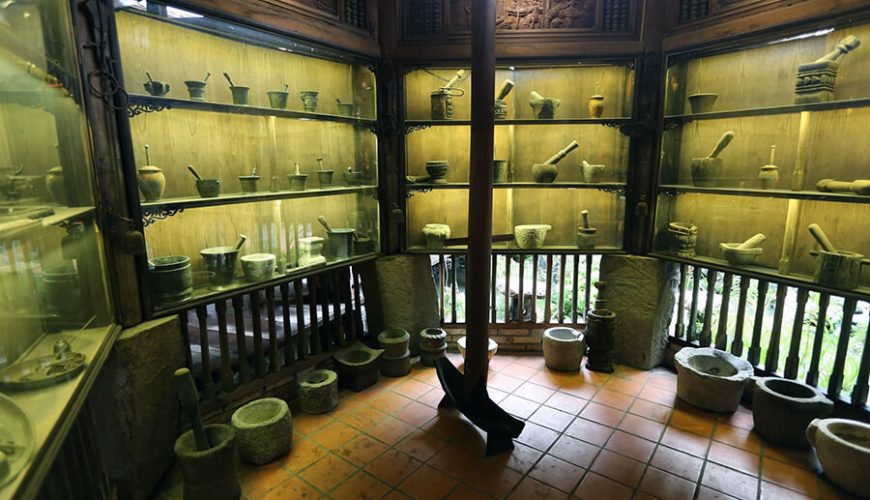
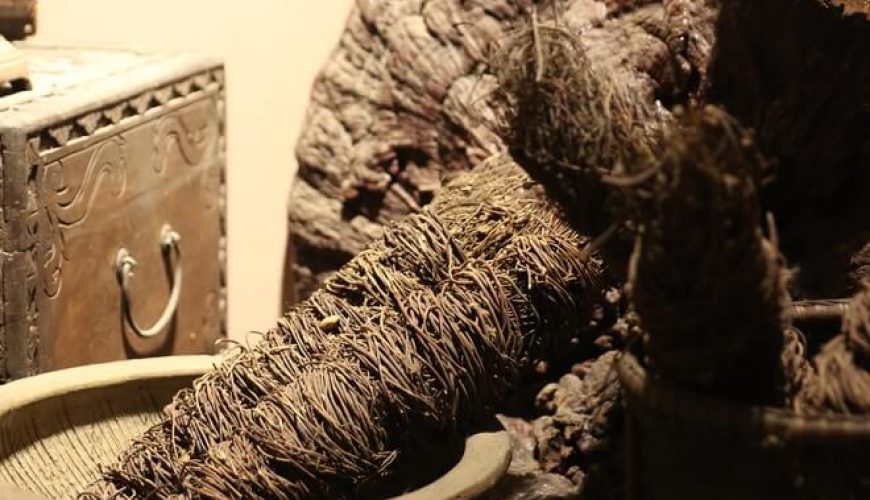
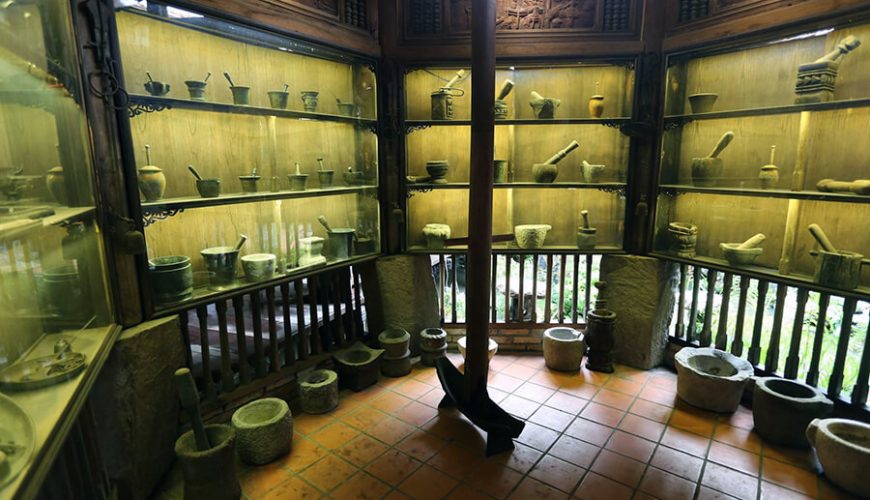
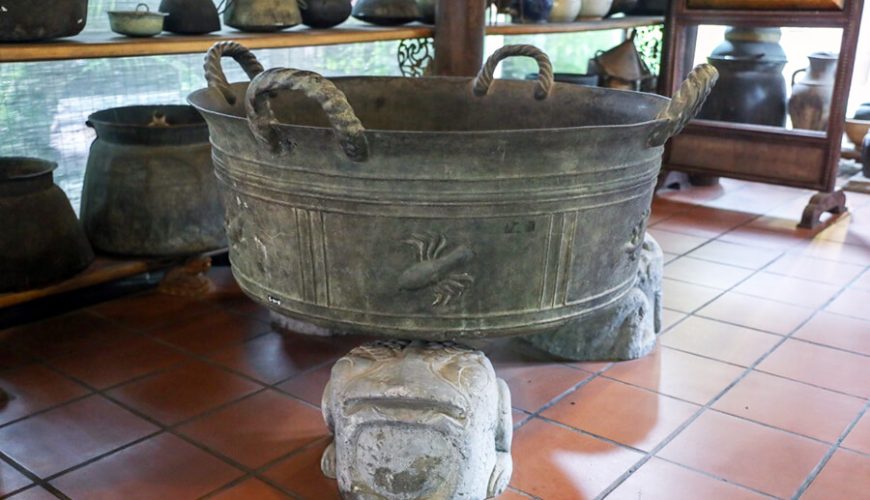
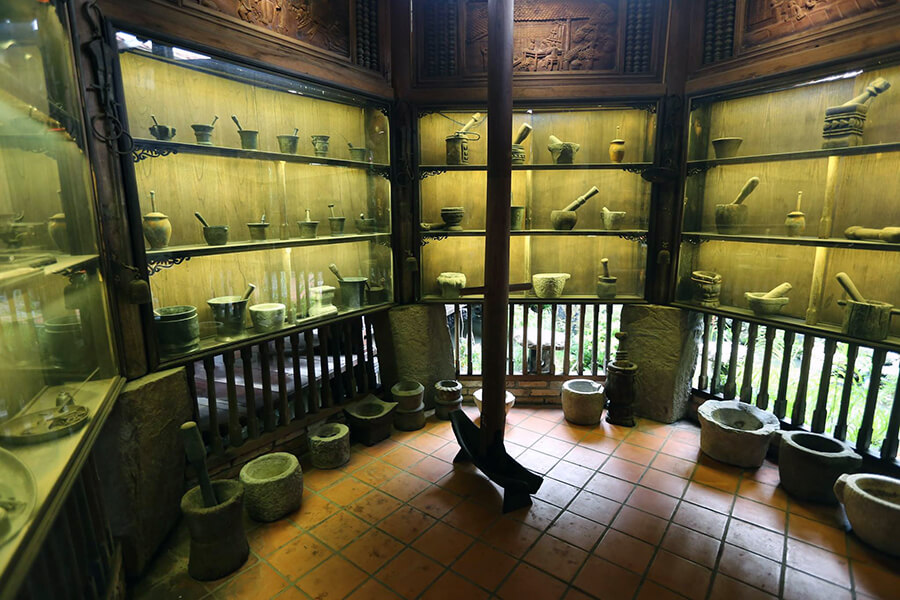
The 3rd and 2nd floors of the museum are home to a collection of scales – pounding medicine, pestles, mortars, tincture jugs, and wooden stamps used to print invoices and prescriptions. These tools were used by the ancient Vietnamese to make medicine. The bronze pestle and mortar were often used in drugstores and apothecaries, along with small scales for weighing medicinal herbs. These tools were brought into Vietnam by foreign merchants around the XVI century. There are also many other medical items collected from across the country.
In addition, Fito also has a model of a traditional medicine house with many famous herbs. Perhaps the most impressive is the mother-of-pearl painting depicting “Traditional medicine in the life of the Vietnamese community,” along with the traditional medicine street, Ben Thanh market, Hue citadel, and, finally, Hoan Kiem Lake. This painting has been registered in the Guinness Book of Vietnam Records.
Medicine Liquor jars gallery
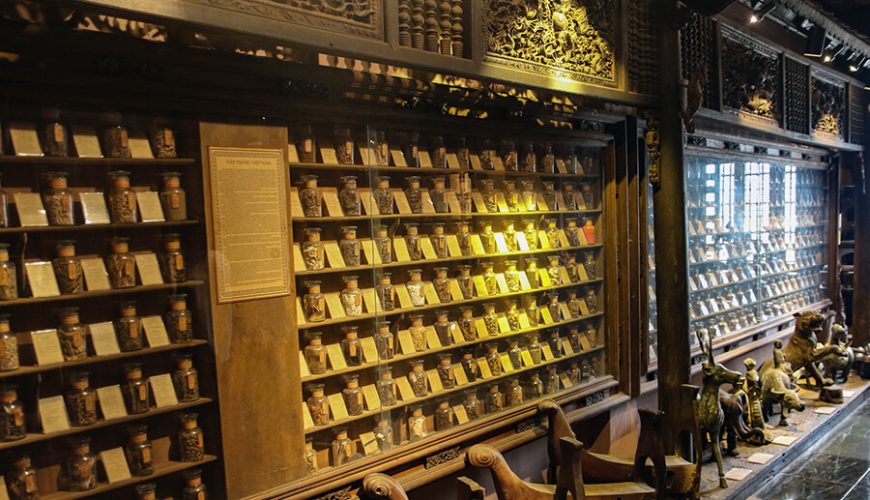
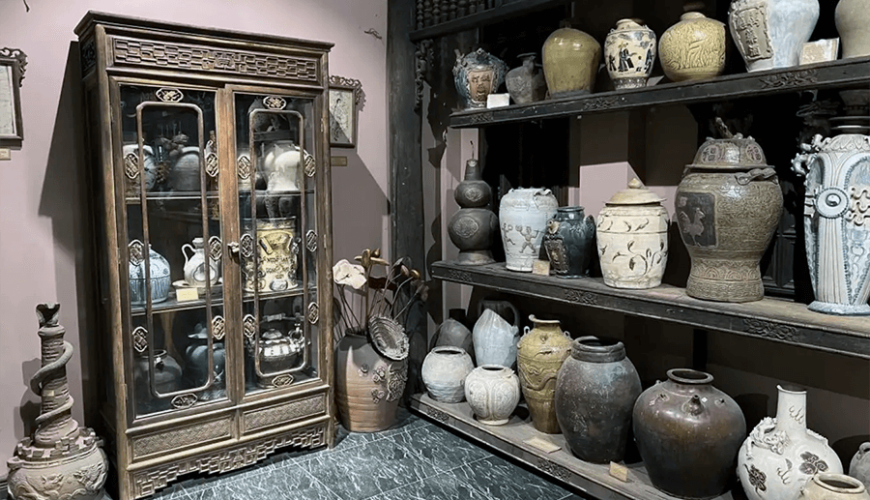
Medicinal wine is a method of soaking a traditional herbal formula in wine for a period of time. It is said that the best way to soak wine for the highest quality is to bury the pot in the ground. Soaking extracts the health benefits of herbal medicine into a drinkable, effective formula that activates the blood, regulates yin and yang, and even cures.
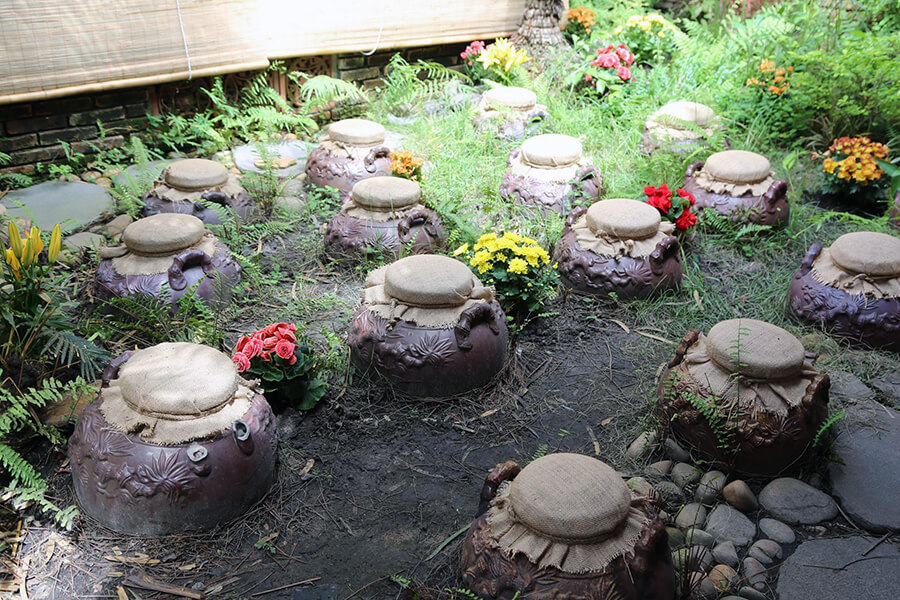
There are many beautiful bottles of medicinal wine on display in this room, most of them made of crockery and porcelain, with varied textures.
Model of Medical Institute
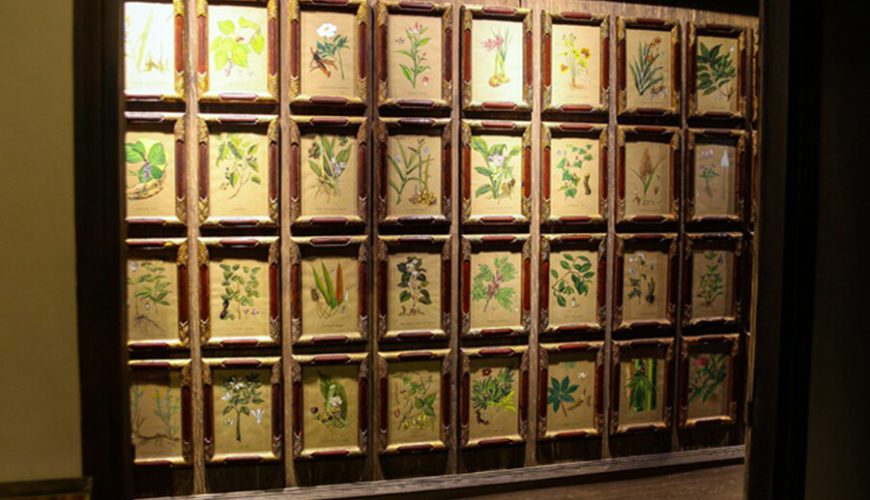
The interior of room 16 is decorated in a royal style, hence the name Thái Y Viện (Royal Institute of Medical). This is the place to take care of the health of kings and royalty. The gilded paintings on the wall depict themes related to traditional medicine, harvesting, cultivating medicinal plants, and apothecaries.
The most notable is the painting depicting the Trinh lord’s palace in 1781, when Mr. Lê Hữu Trác treated Lord Trịnh Cán – Trịnh Sâm. In the glass cases are displayed several rare items for the upper class, such as tea sets and medicine cups.
Some notes when visiting the Museum of Traditional Medicine
- Address: 41 Hoang Nhu Khuong, Hoa Hung Ward, Ho Chi Minh City.
- Opening hours: 8 am – 17 pm (closed on Mondays)
- Ticket price: 120,000 VND/person
The Museum of Traditional Vietnamese Medicine is really a place for you to learn about historical values, better understand the Vietnamese medical industry as well as the core humanistic elements that the profession of medicine brings. Let’s come to Fito together to experience and spread the beauty of this “noble” profession!
Source: collected by An
Follow us for the best deals on Vietnam package tours and visa services!
Comment (0)