
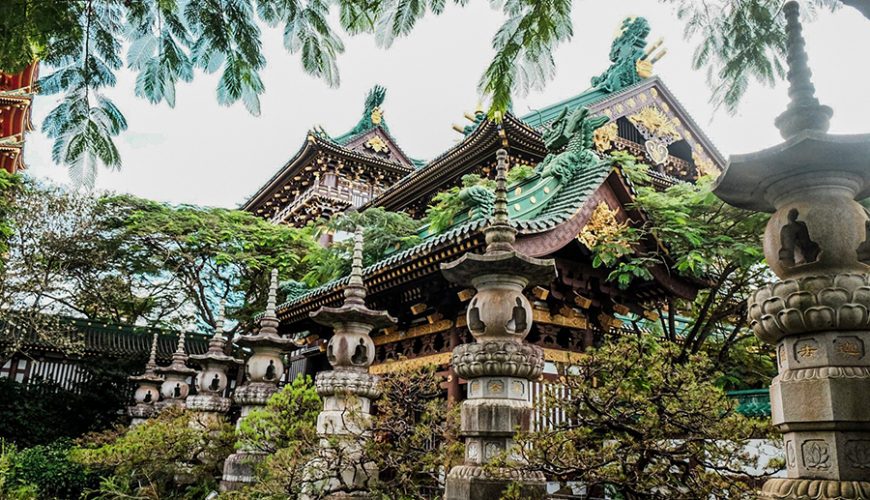
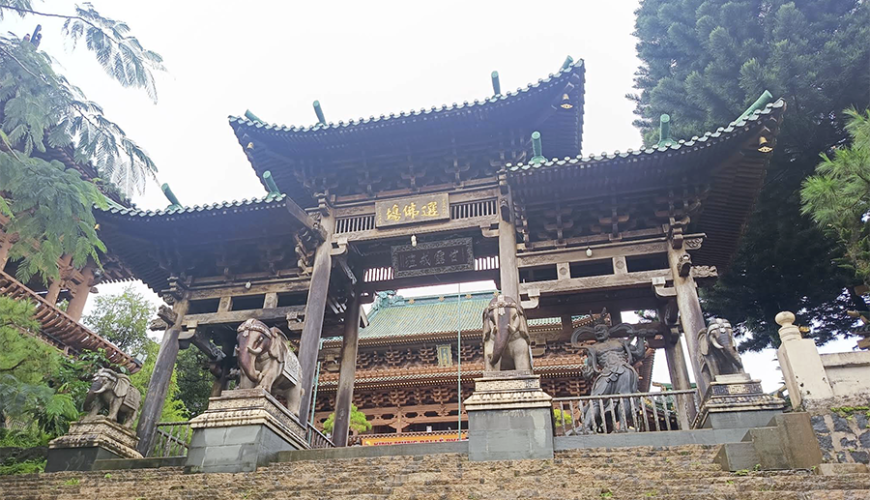
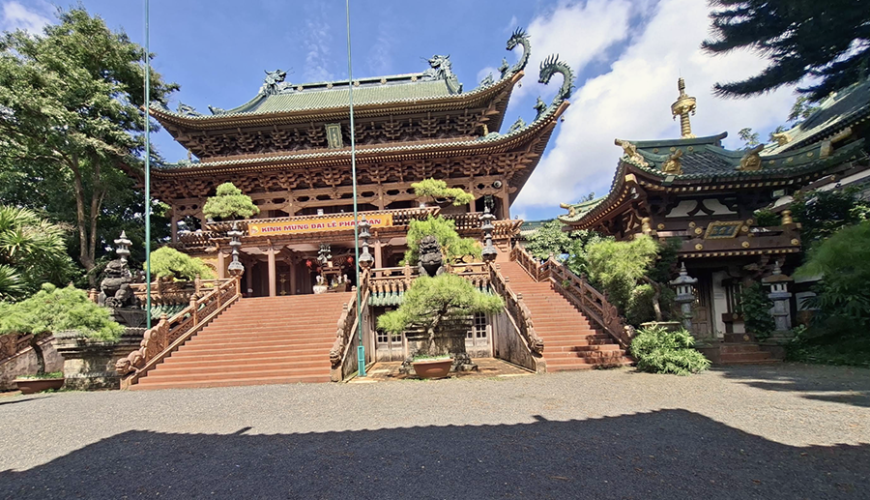
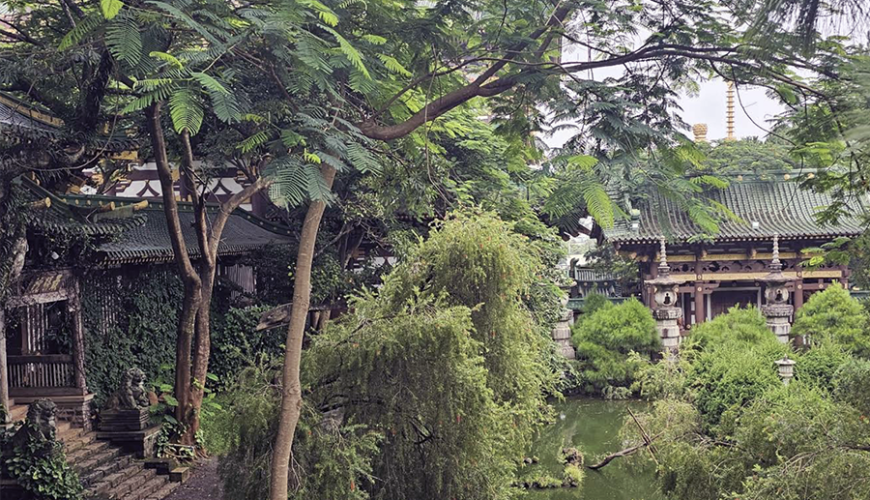
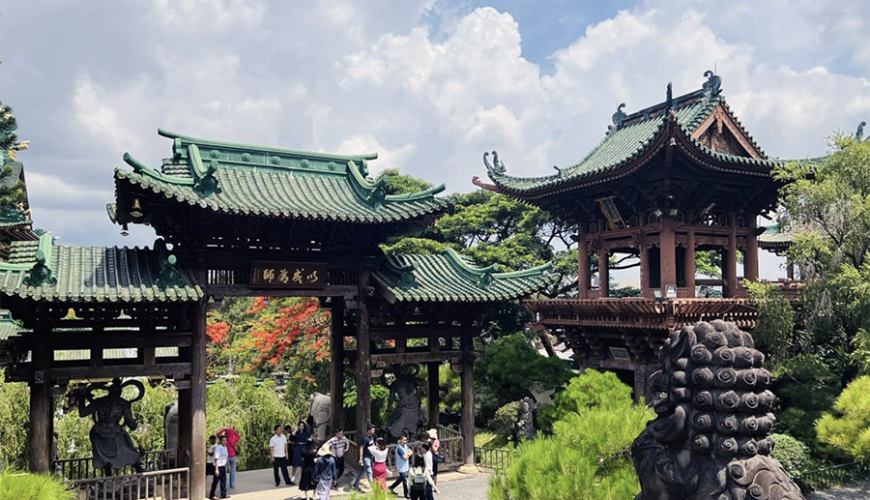
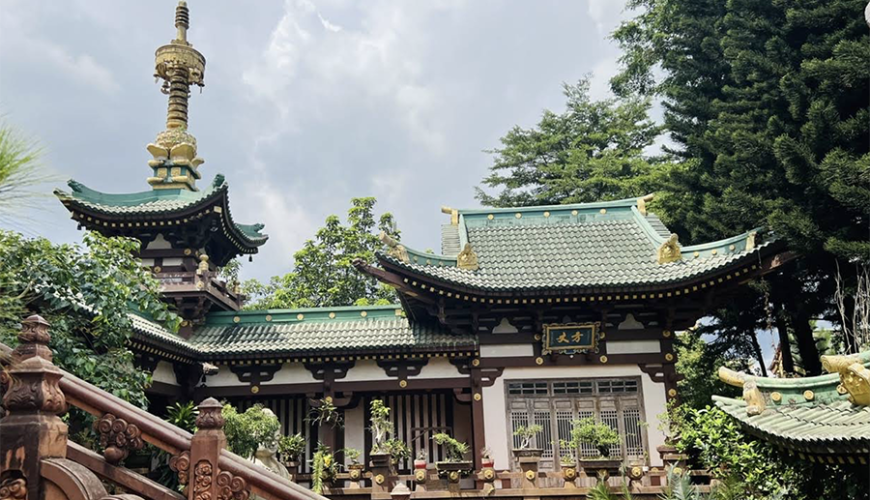
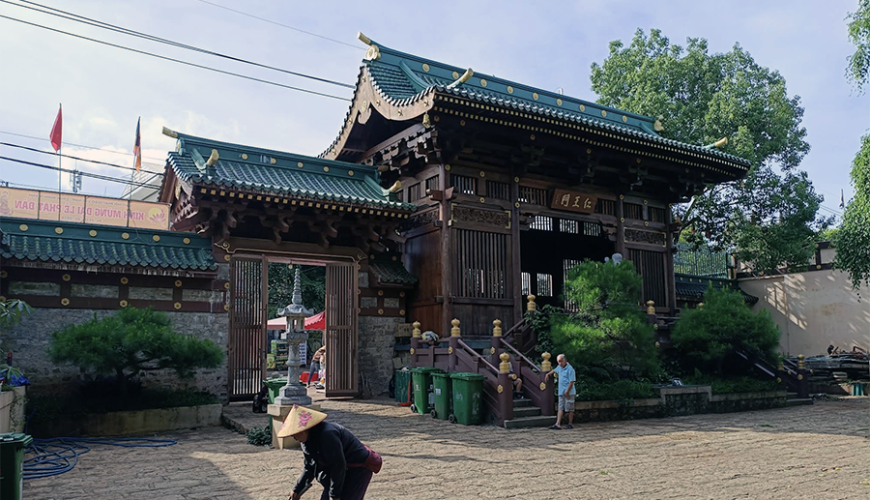
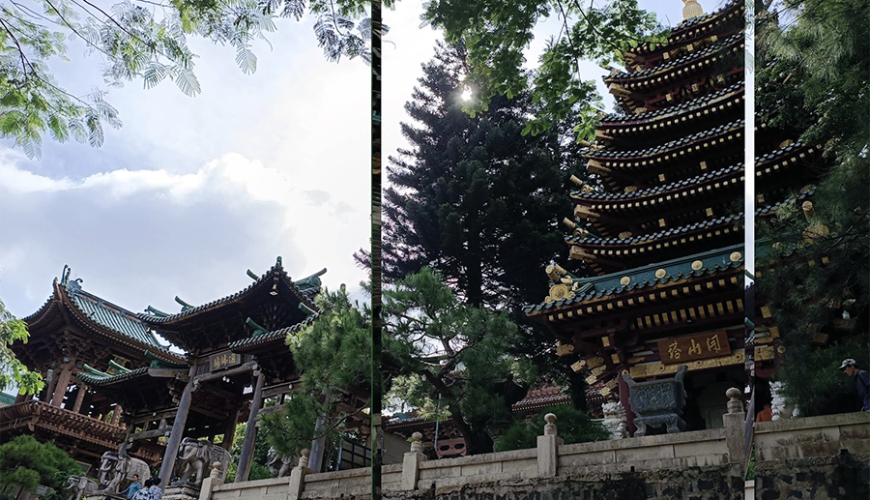
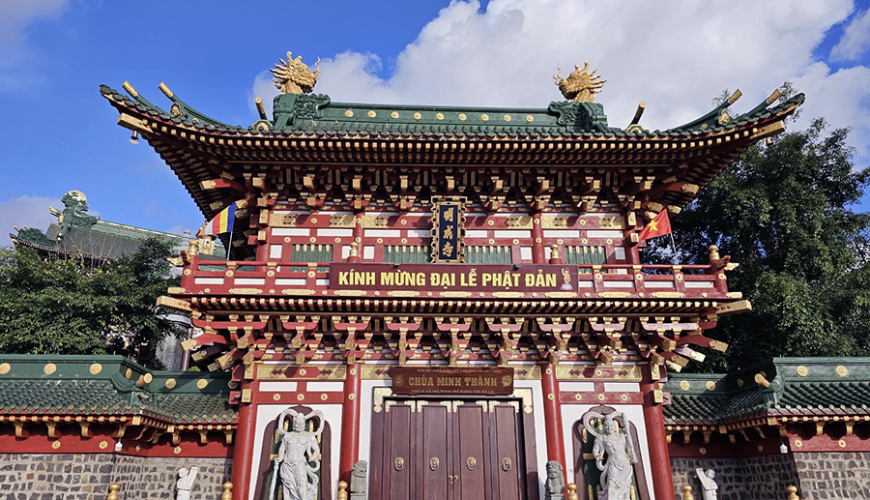
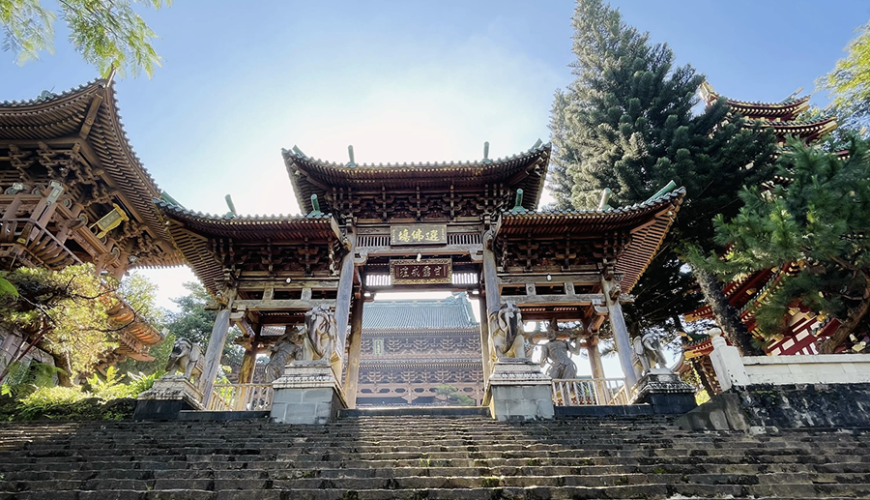
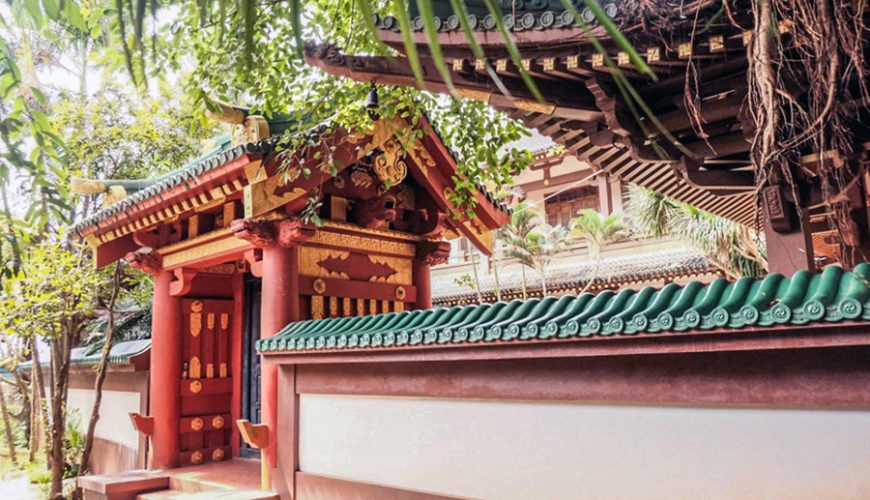
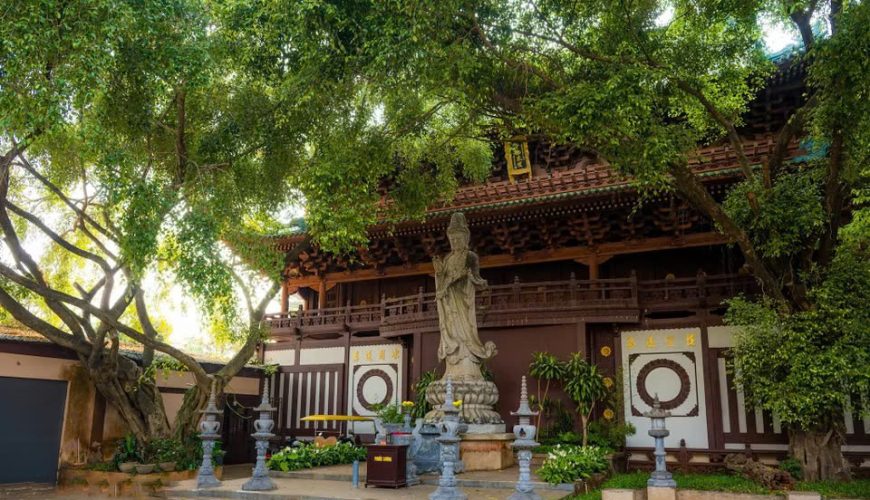
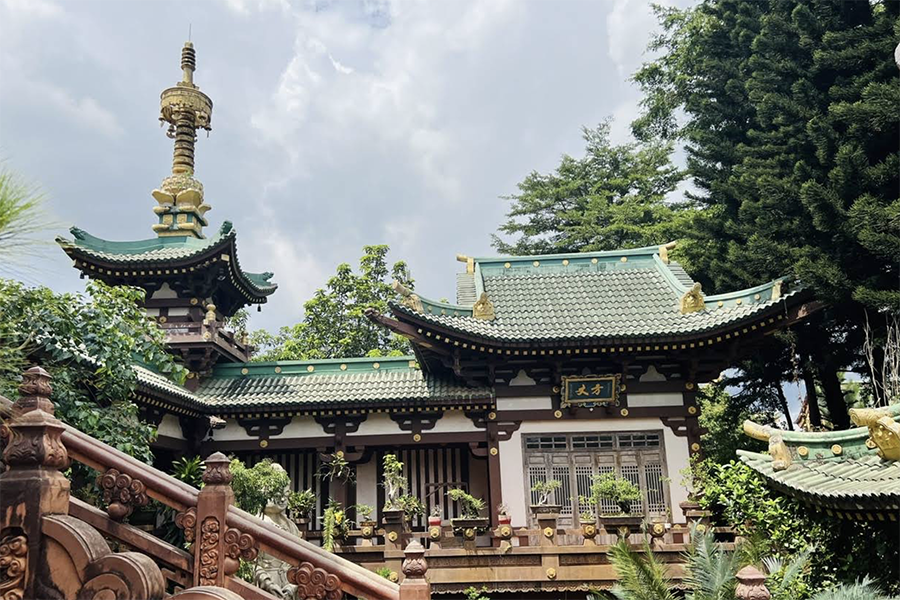
Amid the peaceful pace of life in the mountain city of Pleiku, Minh Thanh Pagoda stands out with its soaring, curved, tiled roofs, a towering stupa reaching toward the sky, and lush green grounds that embody distinct East Asian architectural features. It is not only a familiar spiritual sanctuary for the people of Gia Lai but also a popular destination for travelers exploring Pleiku. Its ancient charm, serene atmosphere, and impressive architecture lend a unique character to any journey through the Central Highlands.
Overview of Minh Thanh Pagoda
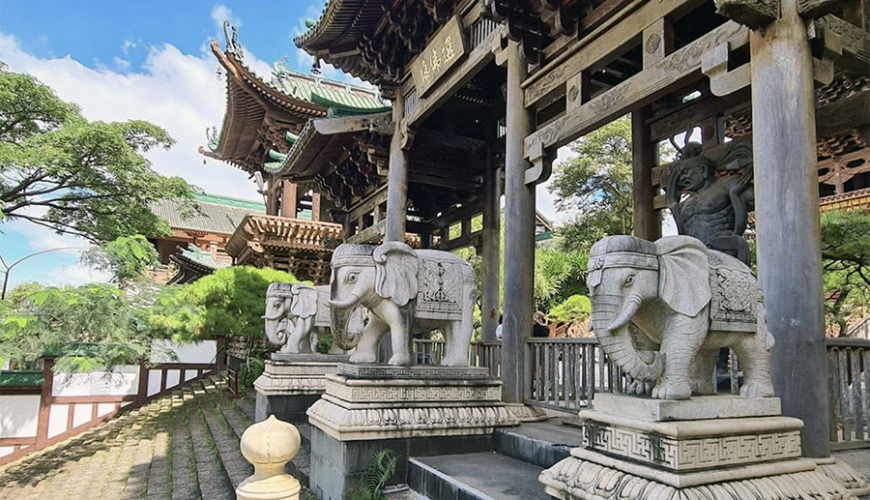
Located about 2 km from the center of Pleiku, Minh Thanh (Vietnamese: Minh Thành) Pagoda attracts visitors primarily for its unique architectural style. Its design draws heavily on the architecture of the Ly and Tran dynasties, blending elements from Chinese pagodas and Japanese temples. This fusion of traditional Ly-Tran culture and Japanese styles, harmoniously combined with Chinese and Taiwanese architectural influences, creates a beauty that is both magnificent and majestic.
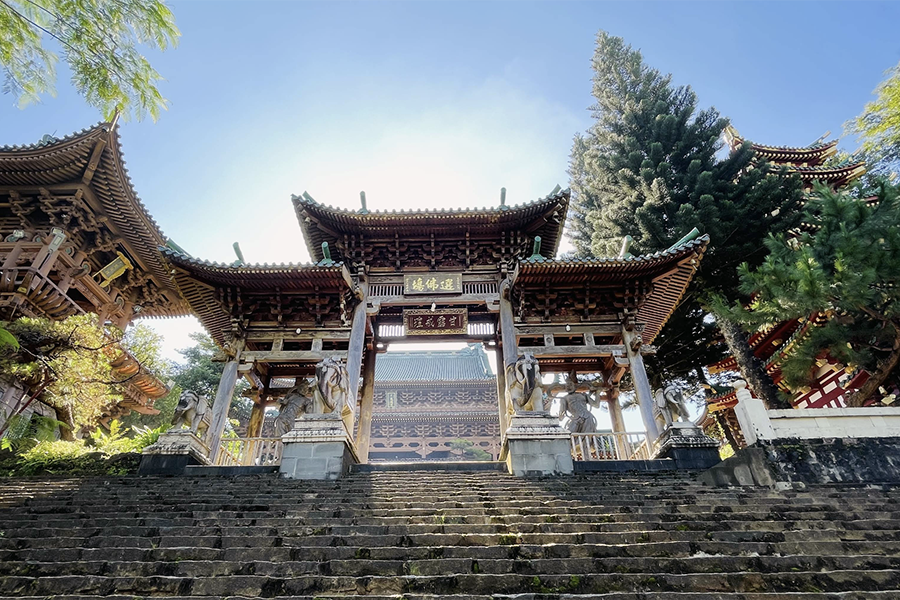
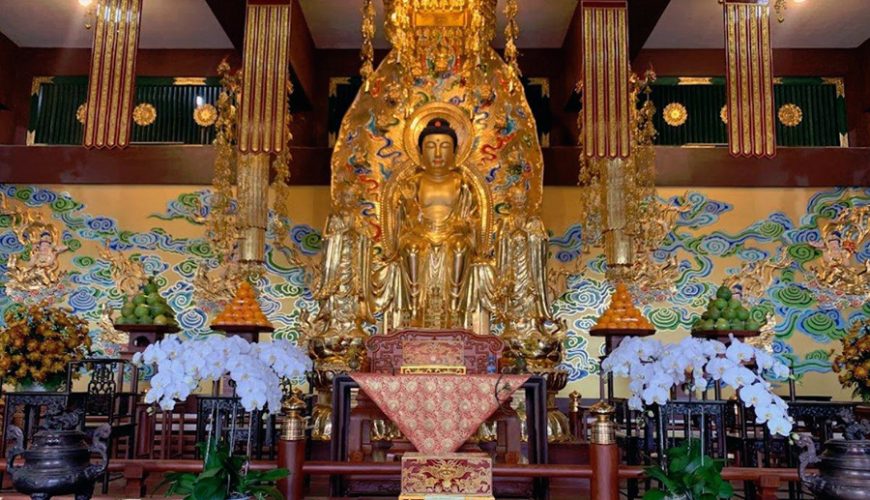
The main hall stands 16 meters tall, featuring ceilings made of Fokienia wood and “gụ” wood (Sindora tonkinensis); it serves as the primary place of worship where monks and Buddhists gather to chant sutras and pay homage to the Buddha. The hall also houses exquisitely carved and detailed Buddha statues.
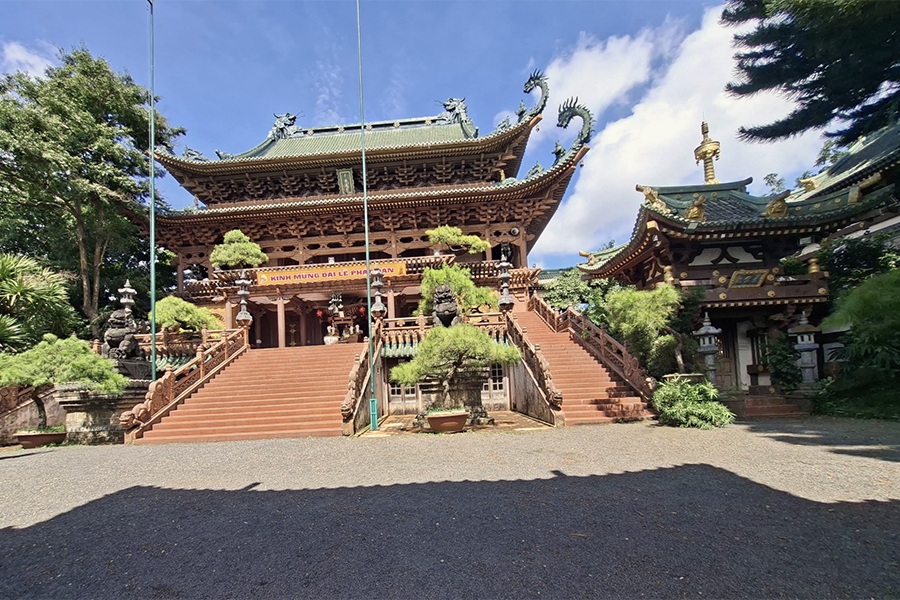
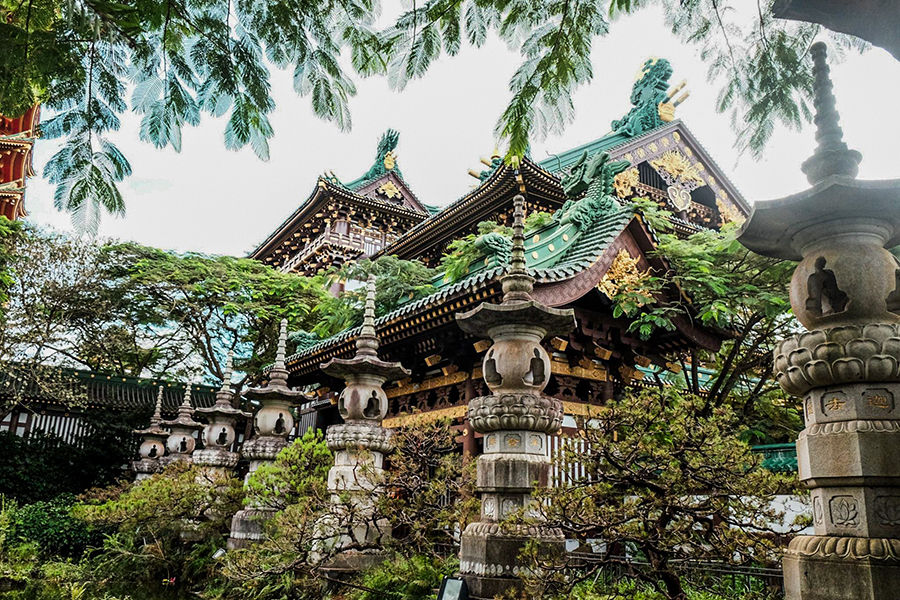
Notable figures include the Five Dhyani Buddhas (Five Directional Buddhas), the Eight Vajra Guardians, the statue of Shakyamuni Buddha, and the statues of Manjushri and Samantabhadra. Flanking the main area are statues of the Twelve Pratyekabuddhas (Twelve Great Bodhisattvas); each stands three meters tall and is crafted from jackfruit wood, finished with red lacquer and gold leaf.
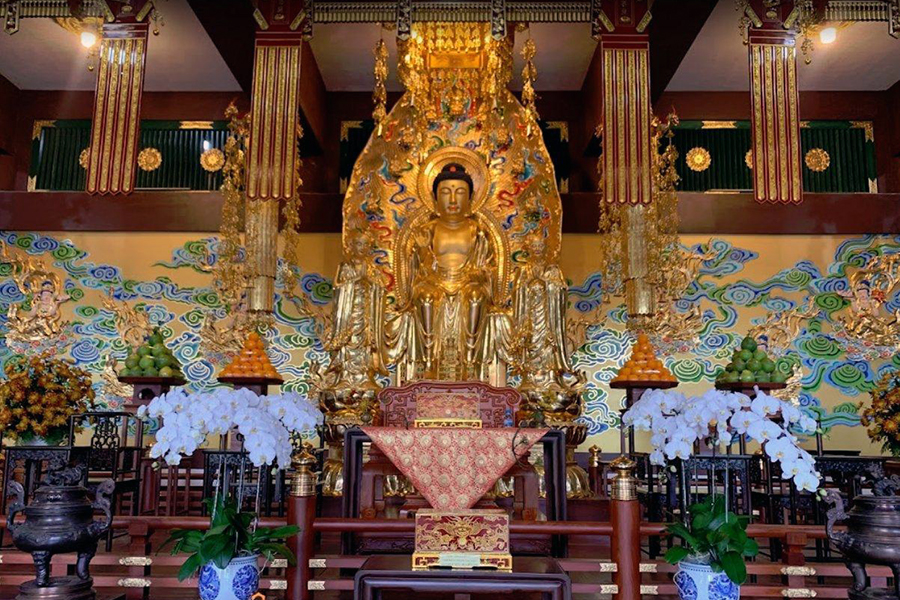
The side walls of the main hall feature 30,000 intricately carved bas-relief images of Buddhas. The hall is also adorned with a ceramic incense burner and lamp set, restored in the style of the Lê and Mạc dynasties—as well as a massive bell and wooden fish drum set, ceremonial canopies, banners, and a lotus pedestal. Many of the artifacts within the main hall were imported from Japan and Taiwan. The Great Compassion Hall (Đại Bi Đường) enshrines a 7.5-meter-tall statue of Avalokiteshvara (Guanyin) with a thousand hands and a thousand eyes, popularly known in Vietnam as the “Thousand-Hand, Thousand-Eye Buddha.” Flanking this central figure are two elaborately carved, 3-meter-tall wooden statues of Dharma Protectors.
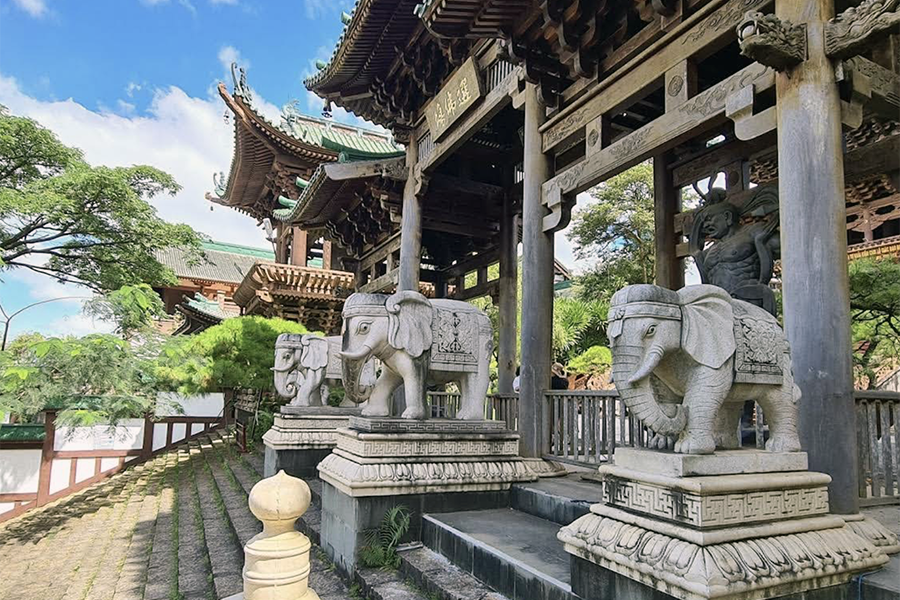
Flanking the main temple structure are a bell tower and the Từ Ân Tower, dedicated to the temple’s founding master, creating a sense of symmetry and harmony. The temple grounds also feature a unique nine-story, 72-meter-tall relic stupa, the only one of its kind in Vietnam; this structure houses a collection of invaluable Buddhist scriptures.
In front of the temple stands a majestic 7.5-meter-tall, nearly 40-ton statue of Amitabha Buddha, situated amidst a lotus pond. Minh Thanh Pagoda also boasts a bronze incense burner that stands 4 meters tall and weighs 4 tons, reputed to be the largest of its kind in Vietnam. Additionally, the serene Japanese-style garden within the complex serves as a major attraction for visitors and pilgrims alike.
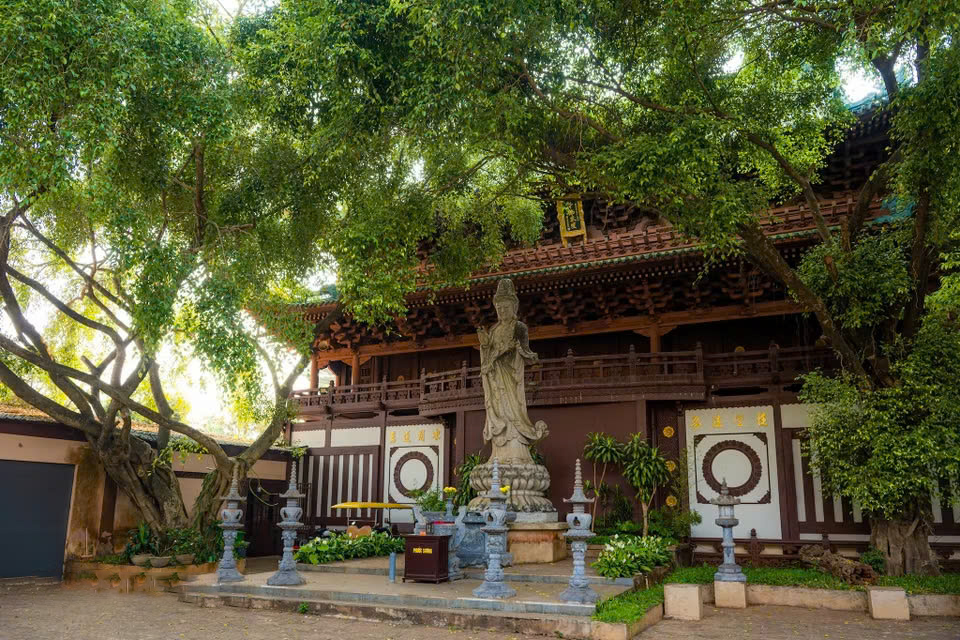
Minh Thanh Pagoda
- Location: 348 Nguyen Viet Xuan Street, Hoi Phu Ward, just about 2 km from the center of Pleiku.
- Tourist spots nearby: Buu Minh Pagoda, Quang Trung Museum, T’nung Lake…
Source: collected by An
Follow us for the best deals on Vietnam package tours and visa services!
Comment (0)